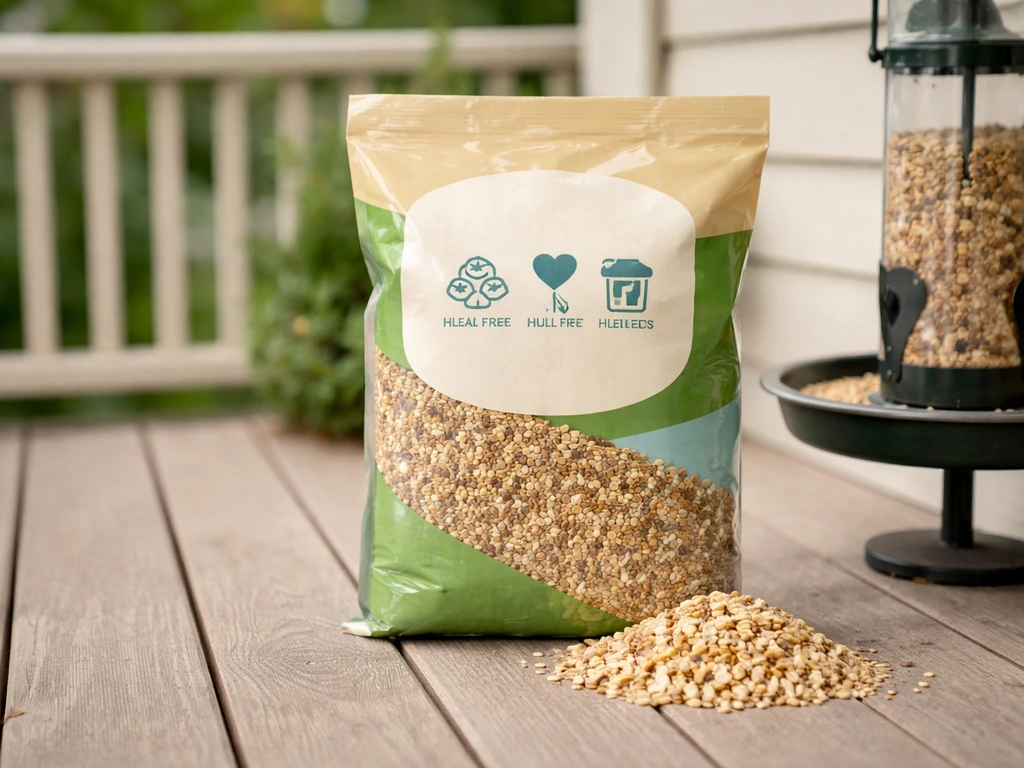
A metal can with a tight-fitting lid is one of the best ways to store bird seed because it blocks rodents that can chew through plastic bags and many plastic bins, keeps moisture out better than cardboard or fabric, and is easy to clean when something goes wrong. The key details are choosing a can with a gasketed or snap-lock lid, keeping it in a cool dry spot, and inspecting it regularly so small problems don't turn into a spoiled batch or a pest problem inside your garage.
Metal Can for Bird Seed: Prevent Pests and Moisture

Maya Collins
24 May 2026
Why metal cans work so well for bird seed
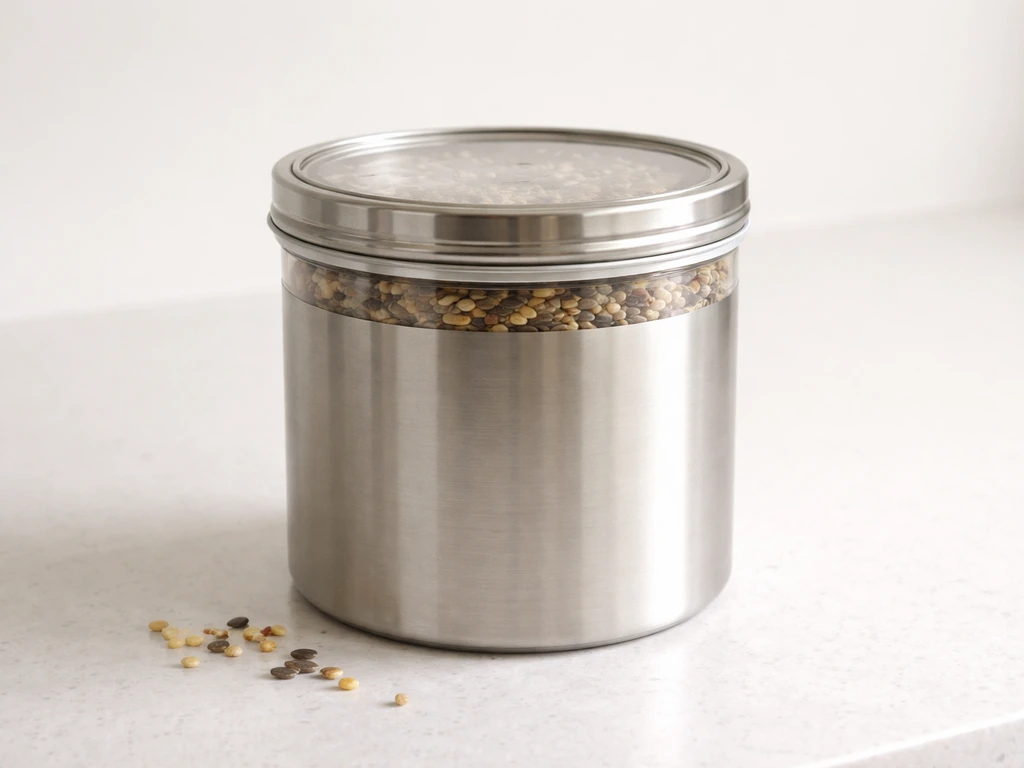
The biggest threats to stored bird seed are rodents, insects, and moisture. Metal addresses two of those directly. Mice and rats can gnaw through plastic bags, thin plastic bins, and cardboard in minutes, but they cannot chew through steel or aluminum. The CDC specifically recommends thick plastic, metal, or glass containers with tight lids as the standard approach for keeping food sealed against rodents. A galvanized steel trash can or a heavy-gauge metal canister puts a physical barrier between the seed and any rodent that smells it. If you are trying to solve a falling seed problem at the feeder, focus on the feeder design and the lid or tray fit as well tight lids.
Metal also does not absorb odors or oils the way plastic does over time, which matters because the fats in sunflower seeds, peanuts, and suet-based mixes go rancid and leave residue that attracts pests. That said, metal is not magic. It does not keep seed dry on its own, it does not prevent insects that were already inside the seed when you bought it from hatching out, and a loose-fitting lid cancels most of the protection. The container is only as good as its seal and your storage conditions.
Choosing the right metal can and lid
Size: match the can to your feed volume
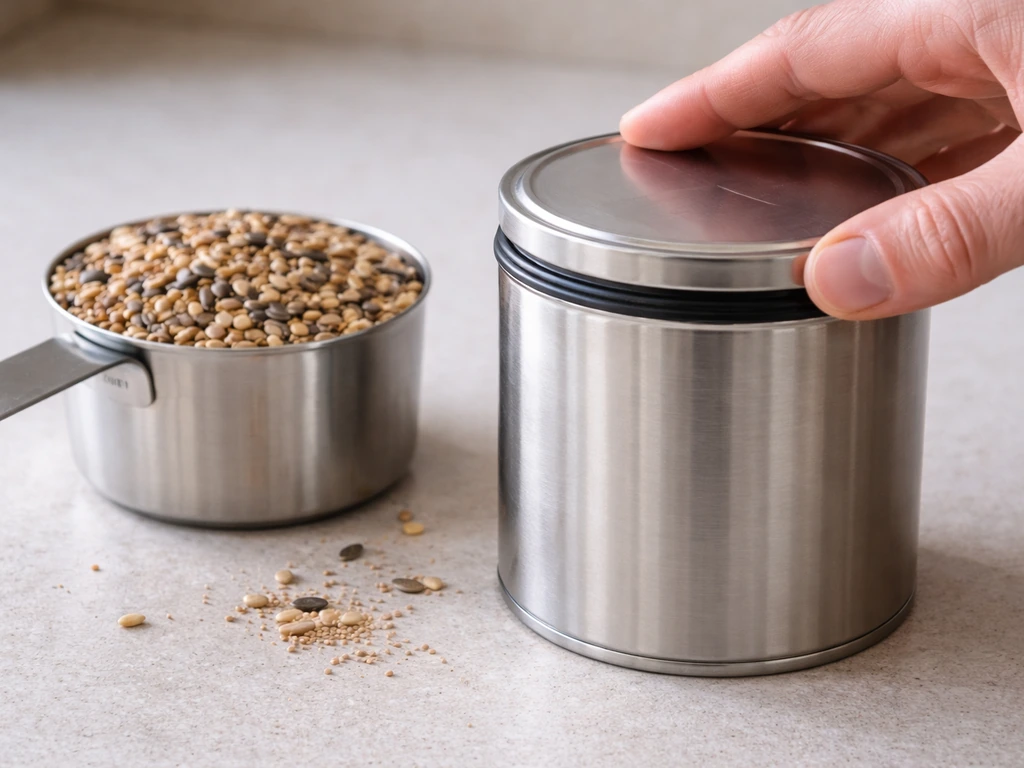
A useful rule is to store no more seed than you expect to use within four to six weeks. Seed that sits longer, especially in warm weather, risks going rancid or developing mold even in a sealed container. For most backyard feeders running one or two stations, a 20-gallon galvanized steel trash can holds roughly 40 to 50 pounds of sunflower seed and is a practical size. For smaller volumes or apartment balconies, a 5-gallon metal pail with a lid is more manageable and easier to carry. If you buy in large 50-pound bags, consider splitting the batch: keep the current portion in a smaller working can near the feeder and store the rest sealed in a larger can in a cooler location.
Lid tightness and seal quality
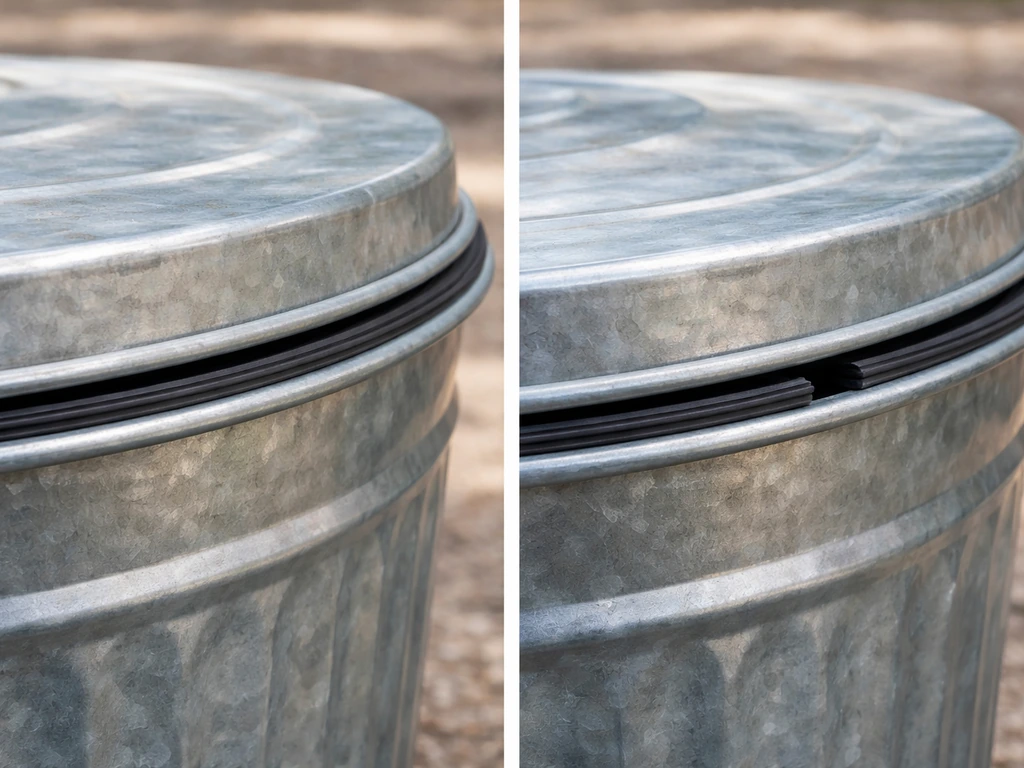
This is where most metal can setups fail. A standard galvanized steel trash can with a friction-fit lid is a big improvement over a bag, but the lid can be nudged off by a determined raccoon or left slightly ajar. Look for cans with lids that have a rubber or silicone gasket, a clamp-down bail, or a locking mechanism. Metal storage canisters marketed for pet food or livestock feed often have these features and are worth the extra cost. If you are using a basic trash can, add a bungee cord over the lid or use a lid lock clip sold for trash cans. For mold cleanup, CDC advises protecting your mouth, nose, skin, and eyes and using appropriate respiratory protection for dusty or moldy work, such as a respirator if you are using a basic trash can, add a bungee cord over the lid or use a lid lock clip sold for trash cans.. A lid that truly seals also reduces the moisture exchange that drives mold growth.
Material and corrosion resistance
Galvanized steel is the most common choice and works well indoors or in a covered garage. If you store the can outdoors year-round, look for powder-coated or stainless steel options because galvanized steel can rust at seams and joints when exposed to repeated rain or humidity. Aluminum is lightweight and rust-resistant but dents more easily and offers slightly less rodent resistance than steel. Avoid any can with visible rust inside, since rust flakes can contaminate seed and the corrosion indicates the seal integrity is already compromised.
| Material | Rodent resistance | Rust resistance | Weight | Best for |
|---|---|---|---|---|
| Galvanized steel | Excellent | Moderate (cover from rain) | Heavy | Garage or shed storage |
| Powder-coated steel | Excellent | Good | Heavy | Outdoor or covered patio |
| Stainless steel | Excellent | Excellent | Heavy | Long-term or humid climates |
| Aluminum | Good | Excellent | Light | Smaller volumes, portability |
How to transfer, label, and store bird seed in a metal can
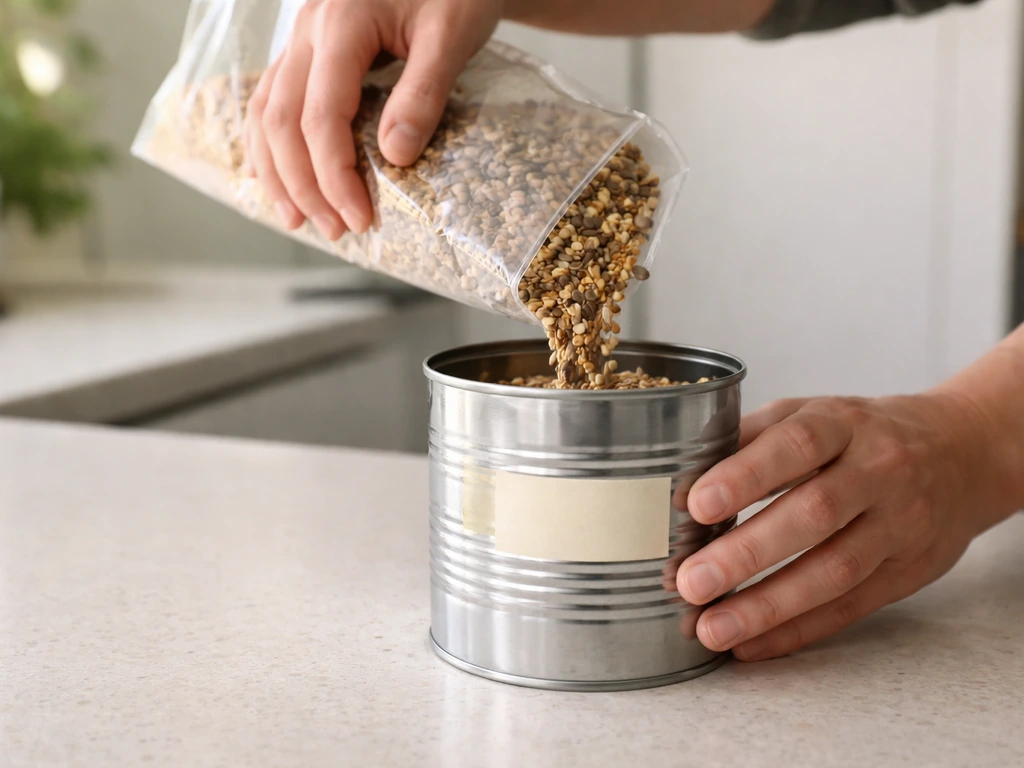
Transferring seed safely
- Before filling, inspect the new bag of seed for any signs of clumping, off smells, webbing, or live insects. If you see any of these, do not add that seed to a can with existing seed.
- Wipe the inside of the can with a dry cloth to remove any dust or residue from the previous batch before adding new seed.
- Pour seed directly from the bag into the can, or use a clean scoop. Do not store seed in the original paper or plastic bag inside the metal can; that defeats the point of the metal barrier.
- Leave at least two to three inches of headspace at the top. Overfilling makes the lid harder to seat properly.
- Seal the lid firmly after every use, even if you plan to come back in ten minutes.
Labeling and rotation
Use a piece of masking tape or a waterproof label on the outside of the can and write the seed type and the date you filled it. This sounds obvious but it matters when you have two or three cans with different mixes, or when you are trying to figure out whether a batch is past its useful window. Rotate on a first-in, first-out basis: use the older can first and refill the emptied one. Most seed stays good for six months to a year in ideal conditions, but in warm or humid storage you should aim to use each batch within four to six weeks.
Pest protection and troubleshooting
Rodent prevention
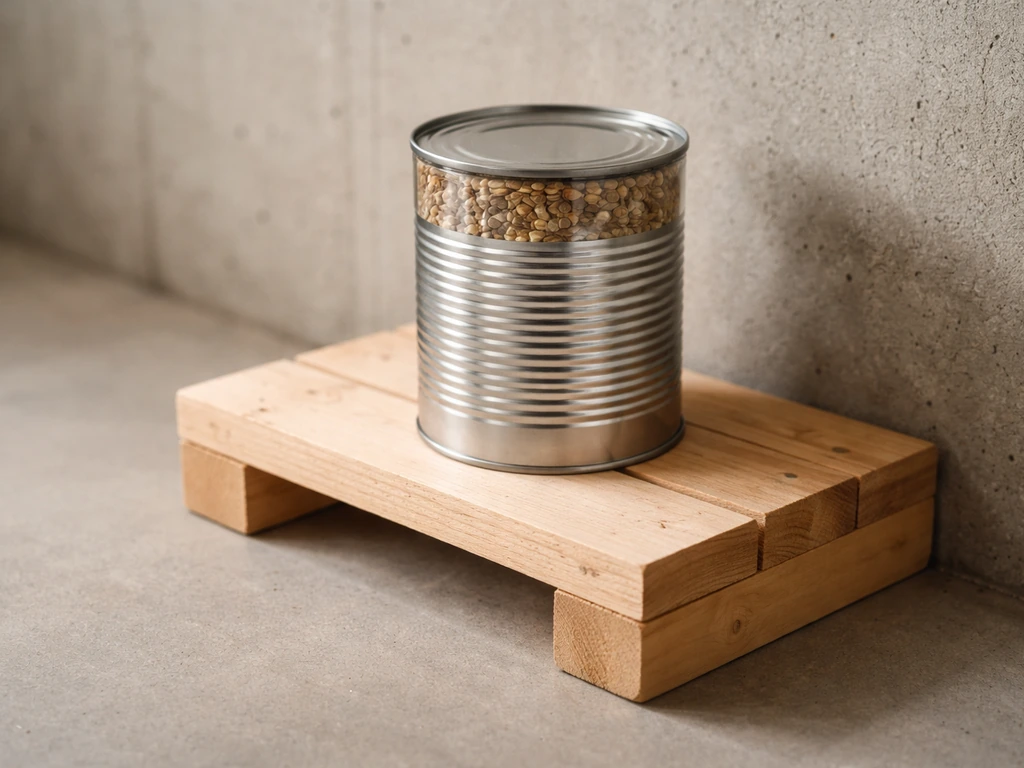
Even with a metal can, placement matters. Keep the can off the floor if possible, on a shelf or pallet, because rodents often work along floor edges and are more likely to investigate containers sitting on the ground. Store it away from walls where rodent runs are most common. The EPA notes that removing food sources and sealing entry points are the two core strategies for preventing rodent infestations, so the can addresses the food-source side, but you also need to exclude rodents from the storage area itself. Check for gaps in walls, doors, and vents in your garage or shed and seal them with steel wool, hardware cloth, or caulk.
Signs that rodents have found your seed despite the metal can: droppings near or on the can, gnaw marks on the lid rim or the can body, seed scattered on the floor near the can, or a lid that seems to have been disturbed. If you see droppings, the EPA advises not sweeping or vacuuming them dry, as this aerosolizes particles. Instead, wet the area with a bleach-and-water solution (1 part bleach to 10 parts water), let it soak for several minutes, and then wipe it up wearing gloves. Discard any seed the rodents have accessed.
Insect prevention and response
Stored grain insects (weevils, grain moths, grain beetles) are often already inside seed when you buy it, as eggs or larvae. A metal can slows reinfestation from outside but will not stop an existing hatch. If you open the can and see webbing, small moths flying out, or tiny beetles moving through the seed, the batch is compromised. Remove all the seed, clean the can thoroughly (see the cleaning section below), and consider freezing new seed for 72 hours in a chest freezer before storing it in the can. This kills any eggs already present without chemicals. Keep the can area free of spilled seed on the floor, as that attracts and sustains insect populations regardless of what is inside the sealed container.
Moisture control to prevent mold, sprouting, and spoilage

Moisture is the primary driver of spoilage in stored seed. No mess bird seed is designed to reduce spillage and waste around feeders, so it can complement proper storage in a sealed metal can what is no mess bird seed. UGA Extension is direct about this: moisture is the main reason stored grain and seed goes bad, triggering mold, encouraging insects, and causing clumping. A metal can with a good seal limits moisture exchange with the surrounding air, but it cannot fix seed that was already damp when it went in, and condensation can form inside a can that is moved between very cold and warm environments.
Keeping moisture out
- Store the can in the coolest, driest area available. A temperature-stable garage or basement is better than an outdoor shed that heats and cools dramatically with daily temperature swings.
- Do not store the can directly on a concrete floor, which can transmit cold and cause condensation on the can's interior walls. Use a wood pallet, rubber mat, or shelf.
- Never pour seed from a wet scoop or add seed that got rained on back into the can.
- In very humid climates, place a silica gel desiccant packet inside the can (food-safe type) and replace it monthly.
- Oklahoma State University Extension research on stored grain shows that keeping temperature below 50°F significantly reduces both mold growth and insect activity, so if your storage space gets consistently above 70°F in summer, plan for shorter storage cycles.
What to do if seed gets damp, clumps, smells, molds, or sprouts
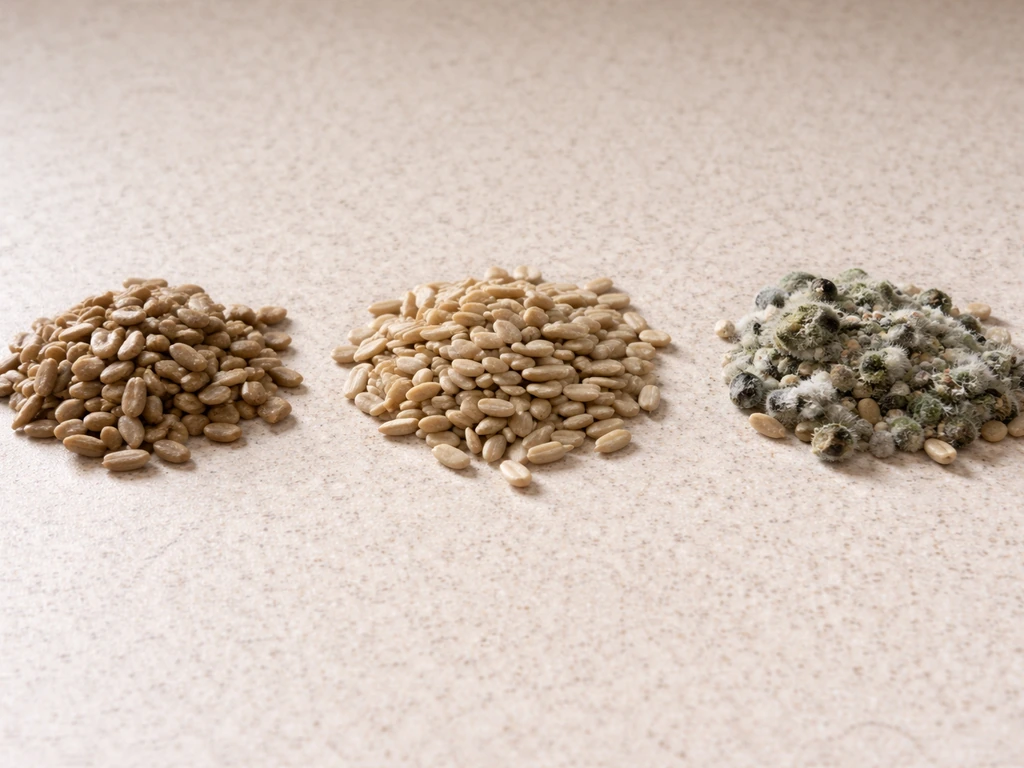
| Problem | What it means | Action |
|---|---|---|
| Clumping | Moisture got in; early-stage spoilage | Spread seed in thin layer outdoors to air-dry if no mold; check lid seal |
| Off or sour smell | Rancidity or bacterial activity | Discard the batch; do not feed rancid seed to birds |
| Visible mold (white, green, or black fuzz) | Fungal growth; seed is unsafe | Discard all affected seed; clean can before reuse |
| Sprouting inside the can | Moisture triggered germination | Discard sprouted seed; improve lid seal and desiccation |
| Wet or soggy seed at the bottom | Water entered through base or condensation | Discard bottom layer; dry-clean can; check for rust or cracks in seam |
Moldy seed is not salvageable. Mold produces mycotoxins that are harmful to birds and some are harmful to people too. Do not try to pick out the moldy bits and keep the rest. When in doubt, throw it out, clean the can, and start fresh. This is also a reason to buy smaller quantities more frequently rather than storing large amounts hoping it will stay good.
Cleaning and safe handling
Emptying and cleaning the can
- Empty the can completely before cleaning. Do not add new seed on top of residue from the previous batch.
- Take the can outside or to a well-ventilated area. If the interior has mold or rodent evidence, wear gloves and a properly fitted respirator or N95 mask. The CDC recommends protecting your mouth, nose, skin, and eyes when working with moldy or dusty materials.
- Dump out all loose seed and hull debris into a trash bag.
- Wipe the interior with a dry cloth to remove remaining dust and hull fragments.
- Wash the inside with warm soapy water, rinse thoroughly, and then wipe with a diluted bleach solution (1 tablespoon bleach per gallon of water) if mold or rodent droppings were present.
- Let the can air-dry completely before adding new seed, ideally for 24 hours in a dry location. Even a small amount of residual moisture will start the cycle of spoilage again.
- Inspect the lid gasket or seal during each cleaning and replace it if it is cracked, compressed flat, or no longer snug.
Handling spills
Spilled seed on the floor of a garage or shed is a pest magnet and should be cleaned up the same day. Sweep or vacuum spills promptly and dispose of them rather than sweeping them back into the can. If seed spilled in a damp area or sat on a concrete floor overnight, discard it rather than returning it to storage. Keeping the area around your storage can clean is just as important as the can itself, since loose seed sustains the insect and rodent populations that eventually find their way to your sealed container. A good bird seed catcher tray can also help catch drips and stray hulls so they do not build up around the feeder and attract pests.
Tips based on climate, species, and how you feed
Humid and warm climates
If you live in the Southeast, Gulf Coast, Pacific Northwest, or any region with persistent humidity above 60 to 70 percent, seed in storage is fighting moisture constantly. In these areas, skip the 50-pound bulk buy unless you have reliable temperature-controlled storage. Buy four to six weeks of seed at a time, use a can with a gasketed lid, add a silica packet, and clean and inspect the can every refill. Watch for grain moths appearing near the can during warm months, they cycle fast in humid heat.
Cold and temperate climates
Cooler temperatures help naturally. Seed stored in an unheated garage in winter stays well below the 50°F threshold that OSU Extension identifies as a meaningful cutoff for slowing insect and mold activity. You can take advantage of this by buying bulk seed in fall and storing it through winter more safely than you could in summer. Just watch for condensation when spring warmth returns: if the can was very cold and you bring it into a warmer space, moisture will condense on the cold interior surfaces of the can and seed. Let the can equilibrate to room temperature gradually or leave it in place rather than moving it indoors.
High-volume feeder setups vs. casual feeding
If you are running multiple feeders and going through 20 to 30 pounds of seed a week, seed turnover is fast enough that spoilage is rarely a problem. Your main concern is pest exclusion and keeping the can area clean given the higher traffic. For casual feeders who use a few pounds a week, the risk of seed sitting too long is higher, so smaller cans and more frequent, smaller purchases make more practical sense than a large 30-gallon can that takes months to empty.
Feeder-side storage vs. bulk storage
Many people keep a small metal canister right next to the feeder for the seed they use daily and a larger sealed can in the garage for the bulk supply. This two-can approach is smart because it limits how often you open the main storage can (each opening lets in air and moisture), and the small daily-use canister is easy to clean weekly. If you are also dealing with seed falling around your feeder and wondering how to reduce waste on the ground, that is a separate but related problem with its own solutions, including the feeder setup and seed type you choose.
FAQ
How can I tell if a metal can is sealing well before pests or mold become a problem?
Do a simple seal check by closing the lid on a dry can, then lightly press around the rim and lid edges with your hand. If the lid can lift with modest pressure or you can see a visible gap in daylight, replace the gasket or switch to a clamp or locking lid design. Also look for residue buildup around the rim, it often indicates moisture leakage over time.
Should I store the can fully filled or leave some headspace?
Aim to fill the can enough that the lid compresses the gasket evenly, but do not overpack to the point that the lid cannot close flat. If you frequently overstuff, you can warp the lid or prevent the gasket from seating correctly, creating a leak path for humid air.
Can I store suet or seed mixes that include oils or wet ingredients in a metal can for bird seed?
For dry seed mixes with normal oil content, metal storage helps slow rancidity and odor transfer. For anything that is sticky, wet, or contains rendered fats meant to melt, avoid it unless the product label specifically says it is intended for dry storage and you keep it sealed and cool, because condensation and grease buildup can still attract insects.
What should I do if I find condensation inside the can after moving it to a different temperature?
If condensation appears, remove the lid only briefly, then let the can and seed return to room temperature gradually. Do not keep opening and closing rapidly, that drives more moisture exchange. If the seed feels damp, clumpy, or smells musty, discard it and clean the can thoroughly before refilling.
Is freezing new bird seed enough to prevent insects, or do I still need a clean can?
Freezing helps kill eggs and larvae already present, but it does not remove contamination from old seed dust, webs, or insect debris in the can area. You still need a full clean of the container, and you should keep the storage area free of spilled seed so new adults cannot reintroduce eggs after you refill.
How often should I inspect the can, and what exactly am I looking for?
Inspect the seal and rim at every refill, and do a quick mid-month check if you live in a humid region. Look for lid displacement, gnaw marks at the rim, seed dust accumulation near the lid, and any sign of insect flight near the can during warm months.
Can I reuse the same metal can indefinitely, or does rust or wear mean I should replace it?
Replace it when the lid no longer seals, when the gasket becomes brittle or permanently compressed, or when rust is visible on interior surfaces where flakes could contaminate seed. Even small failures at seams and joints can undermine moisture control, especially in humid climates.
Do silica packets help for metal can storage, and where should I place them?
Yes, they can provide extra moisture control if you add them to the storage area and the lid truly seals. Place silica inside a breathable container or small pouch so loose material is not mixed into seed, and replace or recharge the packet according to the packet type and how quickly it changes color.
What is the safest way to clean the can if I suspect insects or mold?
Empty completely and remove all seed dust, then wash with hot water and a food-safe cleaner. If you have evidence of mold or insect activity, dry the can fully before refilling, because residual moisture can restart mold growth. Avoid leaving wet towels or paper in the can, they can trap humidity.
If I see droppings near the can, should I disinfect the whole garage or just the immediate spot?
Start with the immediate area where droppings and spilled seed are present, because that is where the food source and contamination are concentrated. After you wet-disinfect and wipe up, also clean any spilled seed within a few feet, since scattered hulls can sustain insects and attract renewed rodent activity.
Is it okay to store multiple seed types in one metal can using dividers or bags inside the can?
Better not. Bags or liners inside the can can create extra surfaces that rodents or insects can target and can also reduce how uniformly the gasket compresses. If you must separate types, use individual metal cans for each mix so you can rotate stock and discard only the affected batch.
How do I prevent rats or raccoons from learning to open the lid repeatedly?
Use a lid style that cannot be nudged off and add a secondary physical safeguard like a clamp-down bail or locking lid mechanism. Also ensure the can is elevated and positioned away from walls, because animals often use travel paths along edges to reach and test lids.
Next Article
What Is No Mess Bird Seed and How to Use It
No mess bird seed explained: low-hull seed, reduced scatter, setup tips, cleanup, and storage to prevent mold and pests.