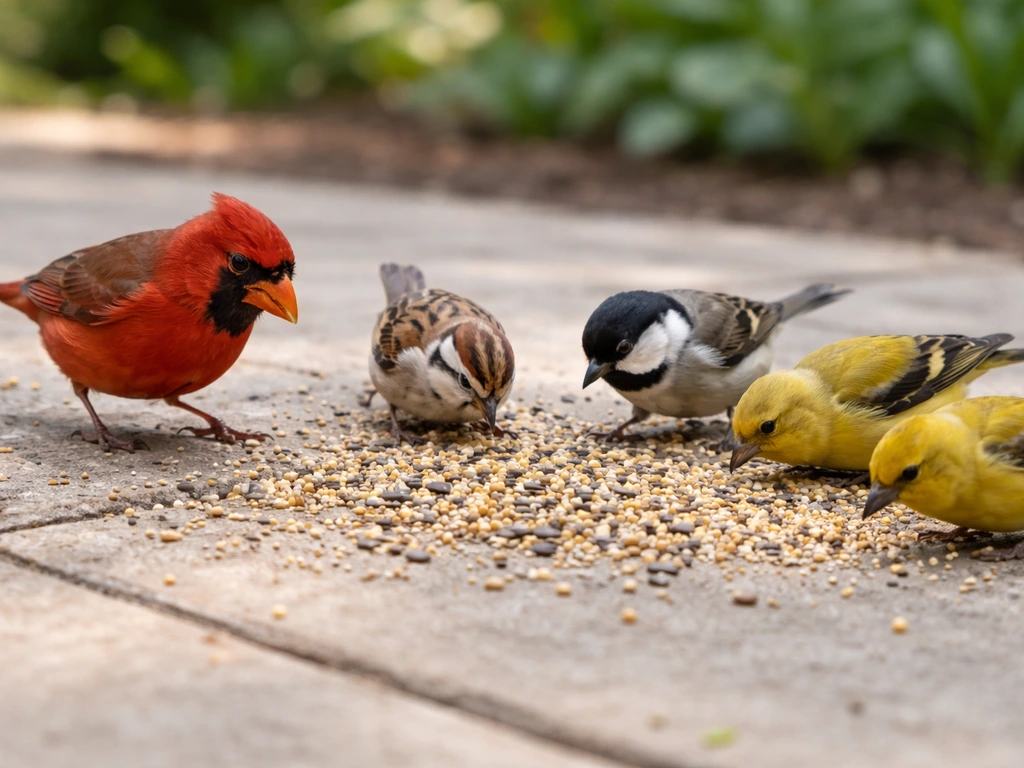
Yes, you can throw bird seed on the ground, and plenty of birds will love you for it. Sparrows, juncos, mourning doves, towhees, and song sparrows are all ground foragers that naturally feed low, so scattering seed directly on the ground is actually the most natural setup for them. The catch is that ground feeding comes with real downsides: faster spoilage, higher rodent risk, and seed that can germinate and take over your lawn. Done thoughtfully, though, it works well and costs almost nothing to set up.
Can I Throw Bird Seed on the Ground? Safe Tips Today
Maya Collins
14 May 2026
Pros and cons of ground feeding
Ground feeding is the easiest method you can try today. No feeder to buy, no pole to sink, no squirrel baffle to figure out. But it also puts seed in the worst possible position for staying fresh and safe. Here is the honest breakdown:
| Factor | Ground Feeding (Pros) | Ground Feeding (Cons) |
|---|---|---|
| Cost and setup | Free, no equipment needed | No containment, harder to control quantity |
| Bird access | Ideal for doves, juncos, sparrows, towhees | Less accessible to perching feeders like chickadees and finches |
| Spoilage risk | Seed stays visible and easy to check | Moisture from soil/rain causes mold and bacteria quickly |
| Pest attraction | Minimal if cleaned daily | Rodents, squirrels, and raccoons are drawn to ground-level food |
| Disease risk | Low with good hygiene habits | Salmonella and other pathogens spread via droppings on the ground |
| Lawn impact | No hardware to install | Hulls and sprouting seed can kill grass or create bare patches |
| Cleanup effort | Easy to rake | Requires frequent attention, especially after rain |
Colorado Parks and Wildlife goes as far as advising people not to feed on the ground at all, citing salmonella risk from droppings mixing with wet seed. That is the strictest take, and it is not wrong. But agencies like Project FeederWatch, Missouri Department of Conservation, and UNH Extension all acknowledge that ground feeding works fine if you manage it carefully. The difference is hygiene and seed choice.
Best seed and placement for ground-feeding birds
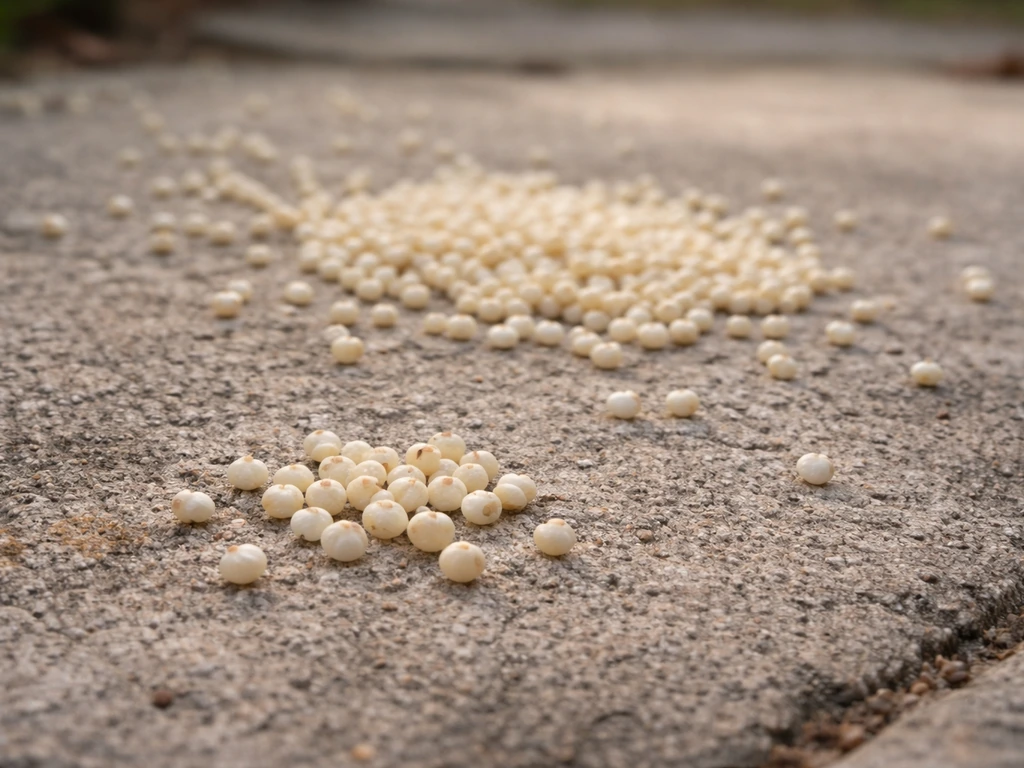
Seed types that actually work on the ground
White proso millet is the top pick for ground feeding. blank" rel="noopener noreferrer">Missouri Department of Conservation and Oklahoma State University Extension both specifically recommend millet for doves and sparrows that search for food at ground level. It is small, relatively inexpensive, and holds up better than cracked corn in damp conditions. Black-oil sunflower seed also works, but be aware that birds will crack the shells and leave hulls behind. If you are feeding on a patio or deck, consider sunflower hearts instead since they produce no hulls and leave less of a mess. If you are trying to avoid messy seed cleanup, look for what is no mess bird seed, like hulled sunflower hearts, that leaves less waste behind less of a mess. Avoid heavily mixed seed blends on the ground. Mass Audubon notes that birds will toss the fillers they do not want aside to reach preferred seeds, which creates more waste and more cleanup than simply starting with seed those birds actually eat.
- White proso millet: best all-around for sparrows, juncos, doves, and towhees
- Black-oil sunflower seed: great for a wider range of birds, but produces shell debris
- Sunflower hearts (hulled): cleaner option, no germination risk, less lawn damage
- Safflower seed: good for doves and cardinals, squirrels tend to avoid it
- Avoid generic mixed blends: high filler content means more waste on the ground
Where to place it
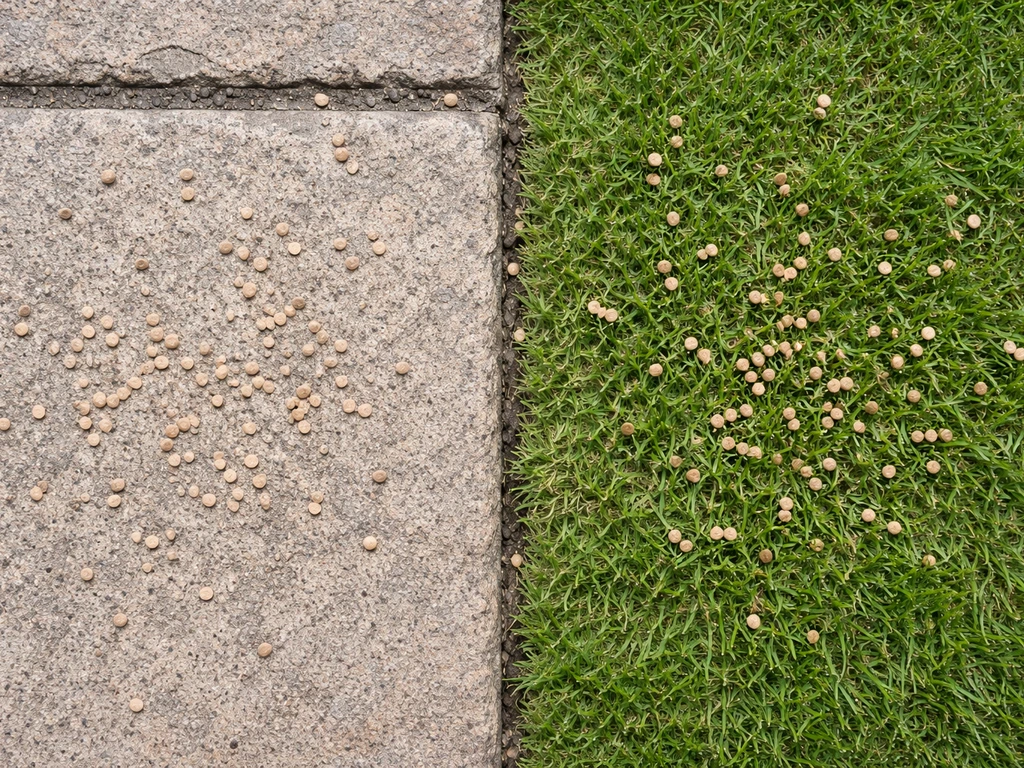
Scatter seed on a hard surface like a patio stone, flagstone, or a bare dirt patch rather than directly on grass. If you still struggle with seed scattering, see how to keep bird seed from falling on the ground for a better setup than dumping it on grass. Grass traps moisture under the seed, speeds up mold, and makes cleanup nearly impossible. A thin scatter of seed, about a cup or less at a time, works better than a pile. Piles stay damp in the center and spoil fast. Keep the feeding spot at least 10 feet from dense shrubs or brush piles where rodents nest, but close enough to some cover (a shrub or brush pile a short flight away) so birds feel safe landing. Rotate your feeding spot every week or two, as Penn State Extension recommends, to avoid buildup of droppings and debris in one location.
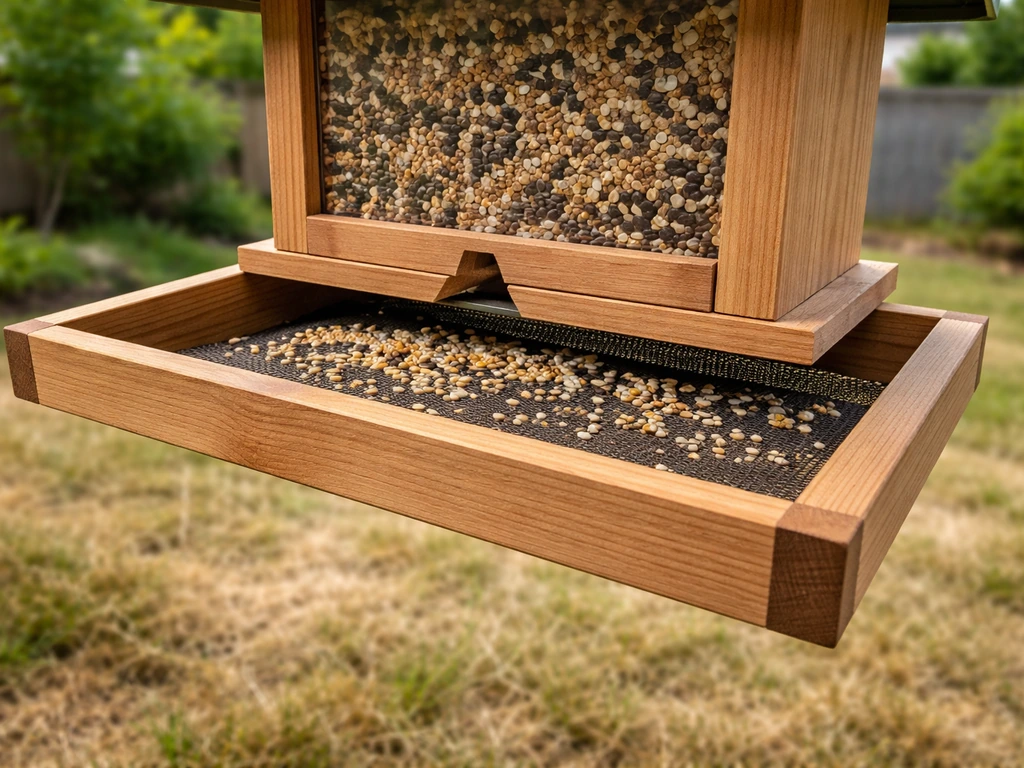
If you want to go a step beyond just scattering on the ground, a low platform tray or a piece of hardware cloth laid flat keeps seed contained, off the soil, and easier to clean. If you still want to catch bird seeds before they hit the ground, a simple tray or hardware-cloth setup can help keep the seed contained low platform tray. This sits at ground level so doves and sparrows still use it comfortably, but it dramatically reduces mold risk and rodent mess.
Species quick reference
| Bird | Preferred Seed | Notes |
|---|---|---|
| Mourning dove | White proso millet, cracked corn | Feeds exclusively on ground; needs open area to feel safe |
| Dark-eyed junco | White proso millet, sunflower bits | Winter visitor in many regions; prefers edges near cover |
| Song sparrow / Fox sparrow | White proso millet, sunflower | Project FeederWatch recommends ground scatter specifically for these |
| House sparrow | White proso millet, mixed seed | Very easy to attract; competes with native sparrows |
| Eastern towhee | White proso millet, sunflower | Scratches through leaf litter; loves ground-level feeding near brush |
Preventing pests, mold, and sprouting
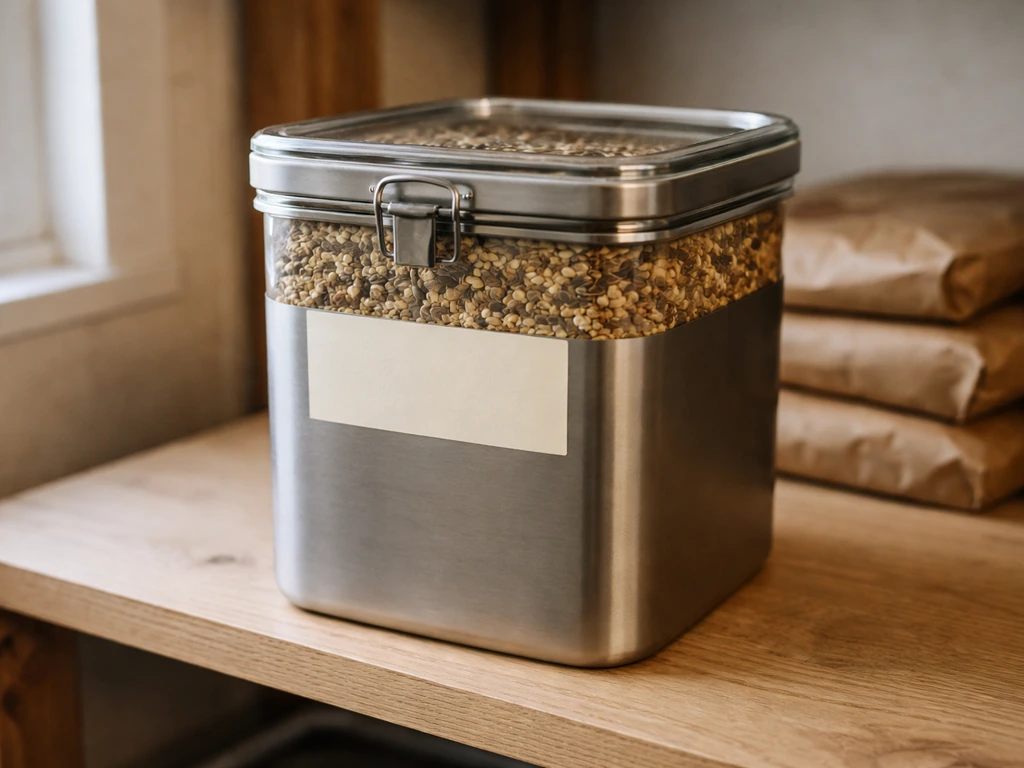
Store seed correctly before it ever hits the ground
Bad ground feeding usually starts with bad seed. Penn State Extension is clear: store seed in a cool, dry place, and do not use it if it has become moldy. A metal container with a tight-fitting lid is the best storage option because it blocks moisture and keeps rodents out. A metal can for bird seed can help keep your birdseed dry and protected from moisture and rodents metal container with a tight-fitting lid. If you buy in bulk, check the seed every couple of weeks. Any clumping, musty smell, or visible fuzz means toss it, full stop. Moldy seed should never go on the ground, even in small amounts.
Controlling moisture on the ground
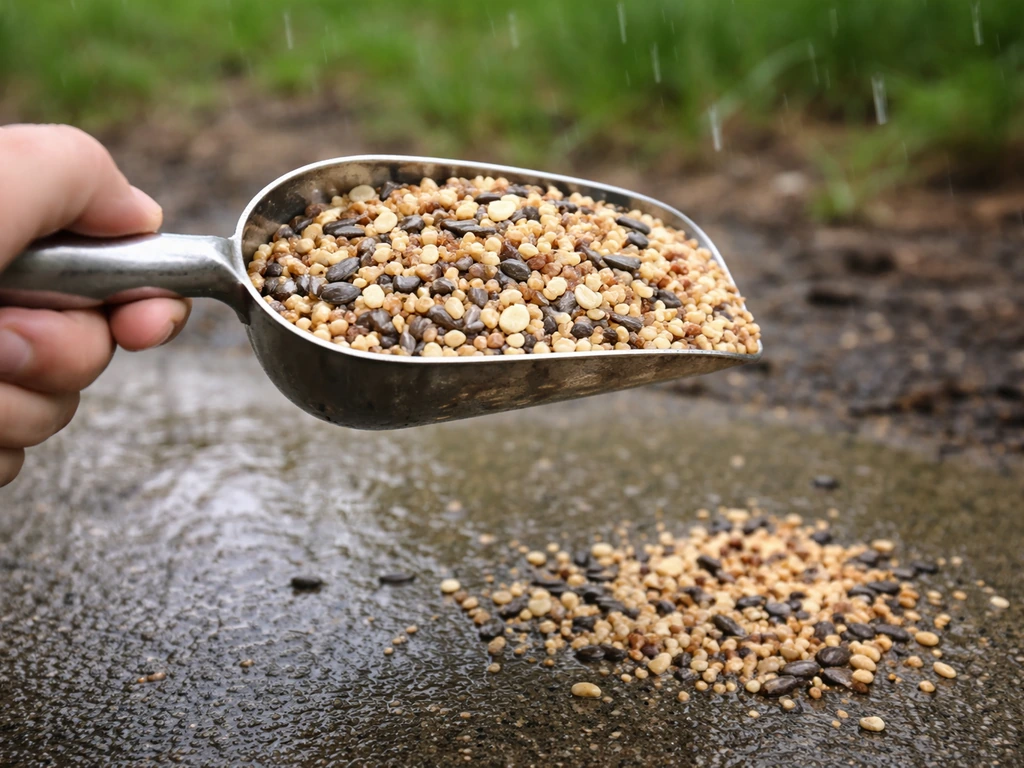
Moisture is the main enemy. Minnesota DNR specifically flags wet weather as the trigger for mold and bacteria forming on birdseed, whether in a feeder or on the ground. A few habits help a lot: only put out as much seed as birds will eat in a few hours, pull up any uneaten seed before nightfall, and skip ground feeding on rainy days entirely. If it rained and you forgot to pull the seed, remove it and let the area dry before putting fresh seed out. Do not just add new seed on top of wet old seed.
Stopping sprouting before it starts
Millet and sunflower seed will germinate in warm, moist soil. If you are seeing little sprouts popping up in your lawn or garden beds near the feeding area, the simplest fix is switching to hulled sunflower hearts, which cannot germinate, and to millet seed scattered on a hard surface rather than soil. You can also buy heat-treated or sterilized seed, which is sold specifically to prevent germination. Rotating the feeding spot also helps because no one patch gets saturated with seed long enough to produce a crop.
Keeping rodents and other pests away
Ground-level food is an open invitation for rats, mice, raccoons, and squirrels. Kansas State University Extension warns that backyard feeders can inadvertently attract wildlife that creates problems well beyond bird watching. The practical controls are: feed small amounts so there is nothing left by evening, clean up every scrap before dark (rodents are most active at night), avoid cracked corn since it is a top attractant for rats and raccoons, and never let seed pile up or accumulate in corners or against walls. If you already have a rodent problem, pause ground feeding entirely and switch to a hanging feeder with a baffle until the situation is under control.
Cleanup and hygiene: dealing with hulls and leftover seed
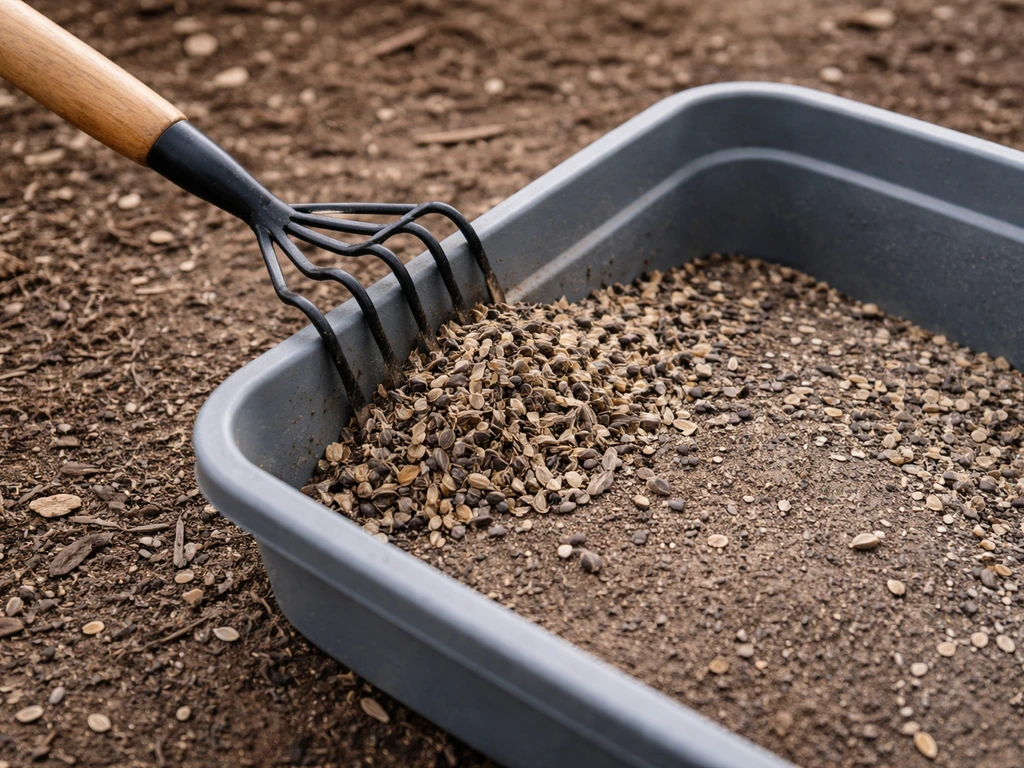
This is the part most people skip, and it is where ground feeding goes wrong. Hull and seed debris builds up fast, traps moisture, breeds bacteria, and draws pests. Project FeederWatch and Minnesota DNR both specifically call out raking under and around feeding areas as a necessary maintenance step, not optional. Here is what a good cleanup routine looks like:
- Every day or two: rake up any uneaten seed, hulls, and droppings from the feeding area. A small hand rake works fine for a tight spot.
- Once a week: bag and dispose of the debris rather than composting it, especially if you have had wet weather. Wet hulls can harbor salmonella and mold.
- Once a month (or after heavy rain): if feeding on soil or grass, Minnesota DNR recommends sprinkling about 1/4 inch of agricultural lime over the area to kill bacteria. Note that lime can damage grass, so use it sparingly on lawn areas.
- Rotate your feeding spot every one to two weeks per Penn State Extension guidance to prevent buildup from concentrating in one area.
- If you use a tray or platform: scrub it with a 10 percent bleach solution (one part bleach, nine parts water) every one to two weeks, rinse thoroughly, and let it dry completely before refilling.
Keep pets and small children away from the feeding area during and right after cleanup. Bird droppings can carry pathogens, and the lime used for bacterial control is an irritant. Wear gloves, wash hands afterward, and you are fine.
Troubleshooting common ground-feeding problems
The seed got wet
Remove it immediately. Do not wait to see if it dries out on its own. Wet seed on soil can develop mold within 24 to 48 hours, and Minnesota DNR notes that bacteria form quickly on wet birdseed. Rake out all the wet material, bag it, and let the area dry for at least a full day before putting fresh seed out. If the seed was in a tray, scrub the tray before reuse. Going forward, use a covered tray or a roof overhang, and switch to smaller, more frequent portions so nothing sits long enough to get soaked.
Seed is sprouting all over the lawn
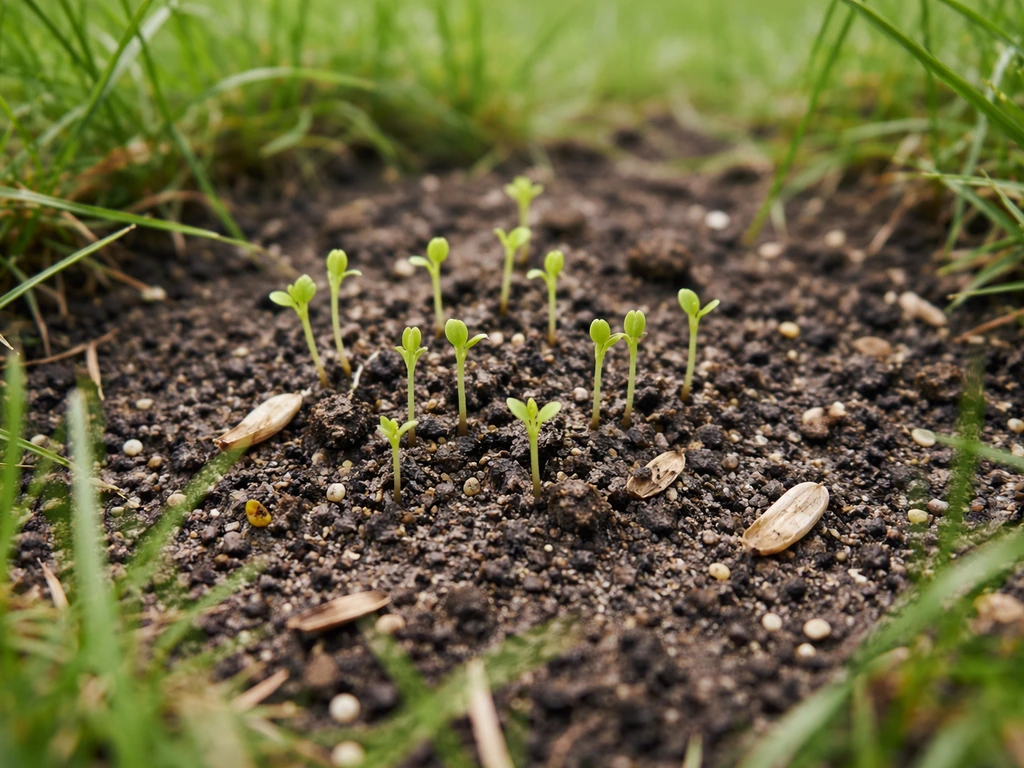
This happens when millet or unhulled sunflower seed lands on moist soil and germinates. If you want to avoid missed seed like this, see how to catch falling bird seed for feeder and setup ideas that reduce waste. Switch to sunflower hearts (hulled seed) and move the feeding area to a patio, path, or other hard surface. If you want to keep feeding on soil, buy heat-sterilized seed, which is specifically processed to prevent germination. Pull existing sprouts manually or treat the patch with a targeted herbicide if needed, then rotate the feeding spot so that area can recover.
Rodents showed up
Stop putting seed out on the ground for at least a week. Rodents are quick to establish habits around a food source, and simply removing the food breaks the pattern faster than most people expect. Once they stop showing up, restart with strict small-portion feeding only during daylight hours, and clean up every evening. Remove cracked corn from your mix entirely, since it is the most attractive seed to rodents and raccoons. If the problem persists, consider switching to a hanging feeder with a pole baffle and moving away from ground feeding at that location.
The feeding area smells bad or looks slimy
That is active mold or bacterial decomposition, and you need to stop feeding there immediately. Remove all seed and debris, apply agricultural lime at about 1/4 inch depth per Minnesota DNR guidance, and let the area sit for a week. Do not resume feeding in that exact spot. Move to a new area, use a hard surface if possible, and drop your portion size significantly so seed gets eaten before it can decompose. Penn State Extension is clear that you should never use moldy seed, even if only part of the batch looks affected. North Carolina Wildlife guidance also advises placing feeders near escape cover, cleaning regularly, using high-quality food, and closing feeders if disease or predation spikes close feeders if disease or predation spikes.
Birds are tossing seed everywhere and making a huge mess
This is usually a seed mix problem. When birds dig through a mixed blend to find their preferred seeds, they toss the rest on the ground, which is exactly what Mass Audubon describes as a common waste issue. The fix is to stop using generic mixed seed and switch to a single seed type matched to the birds you actually have. Millet for sparrows and doves, sunflower for a broader range. Less variety in the feeder means less rejection and much less mess on the ground. If you do use a hanging feeder above a ground feeding area, the seed that gets tossed down by perching birds like chickadees will still attract juncos and doves below, which is actually an efficient two-level setup.
FAQ
Can I throw bird seed on the ground if it’s a small yard or I don’t have time to clean often?
Yes, but only in very small amounts and with strict cleanup. Feed just enough to be consumed quickly, remove any wet or uneaten seed before nightfall, and avoid piles. Use hulled sunflower hearts or proso millet on a hard surface, since both reduce hull waste and lower the risk of moldy seed on damp soil.
Will ground bird seed grow into weeds or grass sprouts in my lawn?
It can, especially in damp weather or if seed is allowed to sit. Switch from unhulled seed to hulled sunflower hearts, avoid cracked corn, scatter on a patio stone or bare hard path instead of grass, and rotate the spot every week or two. If sprouts appear, remove them promptly and stop feeding on that exact patch until it has time to dry and recover.
What should I do if it rains after I scatter seed on the ground?
Yes, but it is one of the faster ways to create mold and bacterial growth. If it rains, remove existing seed and debris, let the area dry for at least a full day, and only then add fresh seed in smaller portions. Do not “top off” wet areas with more seed.
Can I still use bird seed if it smells a little musty or has spots of mold?
If it already looks moldy or has a musty smell, do not use it, even if only part of the batch is affected. Remove all seed and debris from the feeding area, let it sit, and restart only with dry, properly stored seed. Also sanitize any tray or hardware cloth you used so you are not reintroducing contamination.
Is it safe around pets and small children to throw bird seed on the ground?
Yes, in a health and mess-minimizing way. Keep seed away from areas where pets and kids play, wear gloves during cleanup, and wash hands afterward. If you want a lower-contact option, use a low platform tray or hardware-cloth ground cover to keep seed off soil and make droppings and hulls easier to remove.
What type of bird seed is best if I want ground feeding with the least mess and risk?
Choose seed based on cleanup and spoilage risk. Proso millet tends to work well for ground foragers, and hulled sunflower hearts reduce hull waste and make it harder for seed to germinate if some lands in soil. Avoid heavy mixes with fillers, and avoid cracked corn if rodents are a concern.
How can I keep scattered seed from spreading into the yard or piling up near walls?
Use seed-containment and timing. Scatter on a hard surface instead of grass, apply only about a cup or less at a time, and remove uneaten seed by evening. A low tray or covered ground setup also reduces the amount that ends up in corners, under shrubs, and against walls.
What should I do if I start getting rats or mice after ground feeding?
If rodents are showing up, pause ground feeding immediately. Remove seed completely, clean up hulls and debris, and switch to a hanging feeder with a baffle if you still want to feed birds. Once you see no further rodent activity, restart only with daytime, small-portion feeding and daily evening cleanup.
Why is there so much leftover seed and hull debris on the ground?
Yes, if you have birds digging through a mixed blend, waste increases quickly. Switch to a single seed type aimed at your local ground feeders, and consider hulled sunflower hearts. This reduces rejection, lowers hull debris, and reduces the amount of seed that gets buried in moist patches.
Is there a compromise between open ground scattering and using a full feeder?
Yes, you can, and it often improves success. Birds like doves and sparrows often use ground-level areas safely if you keep the feeding spot clean and contained, and you still rotate locations. The goal is less seed sitting on soil, so a low platform tray or hardware cloth base is usually the better “step up” from open scattering.
Next Article
Best Bird Seed Catcher Tray: How to Choose and Install
Choose and install the best bird seed catcher tray to cut mess, prevent wet seed and pests, and ease cleaning.