The most effective way to catch falling bird seed is to hang a seed-catcher tray directly under your feeder, set your feeder in a location sheltered from wind, and match your feeder's port size to the seed you're using. Those three steps alone will stop the majority of spillage for most backyard setups. Everything beyond that is about managing what still lands on the ground safely, cleaning it up on a regular schedule, and making sure you're not accidentally inviting rodents or mold in the process.
How to Catch Falling Bird Seed: Practical Fixes

Maya Collins
31 May 2026
Why seed falls in the first place
Before you fix the problem, it helps to know where the seed is actually coming from. The causes split into a few clear categories.
Bird behavior
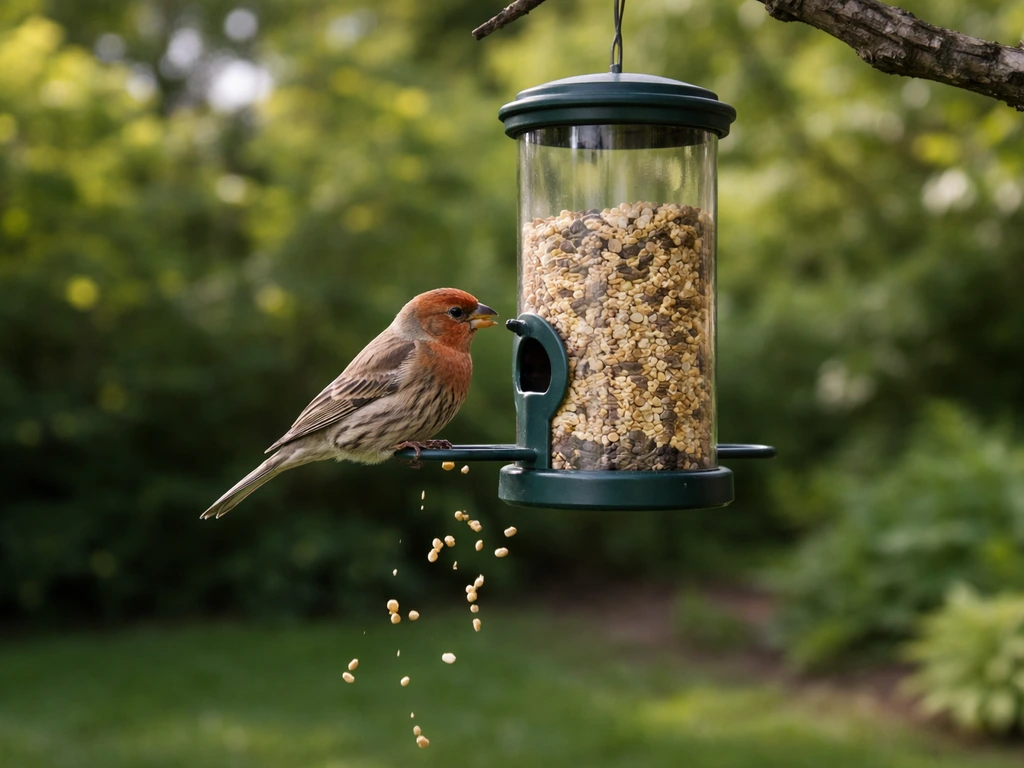
Many songbirds are picky eaters and will toss seeds they don't want overboard to get to the ones they do. Cardinals, chickadees, and grosbeaks will fling millet or corn aside to get to sunflower seeds. Ground feeders like doves and sparrows will pick up what lands below, which is actually how the system is supposed to work, but the hull and chaff buildup is still a mess. Finches at nyjer feeders are comparatively tidy, but even they drop hulls and occasionally whole seeds.
Squirrels and large animals
Squirrels are the biggest single source of seed waste at most feeders. They knock feeders sideways, chew through ports to widen them, and spill far more than they eat. Massachusetts Audubon notes squirrels can jump about six feet straight up and launch from ten feet away, so unless your feeder placement accounts for that, a squirrel will reach it eventually and send seed raining down.
Feeder design and port size
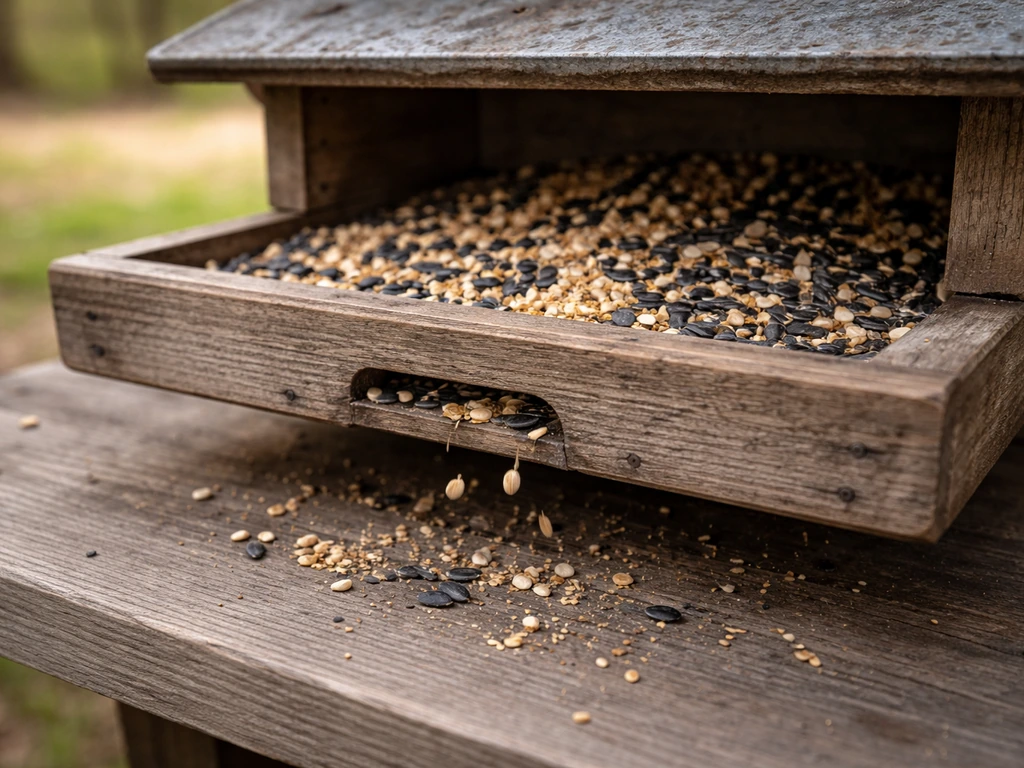
Platform feeders are intentionally open-tray designs, so spillage is part of the format. Tube feeders with oversized ports for the seed type they're filled with are constant drippers. Nyjer seed is particularly prone to this: Project FeederWatch specifically calls out that small feeding ports are required for nyjer to prevent spillage. Using a standard tube feeder port for nyjer is just pouring seed onto the ground slowly.
Wind and feeder sway
A feeder that swings in the wind dumps seed continuously. Hanging feeders from thin wire or long chains in open, exposed spots are the worst offenders. Even a light breeze can rock an overfilled feeder enough to scatter seed with every swing.
Quick fixes you can do today
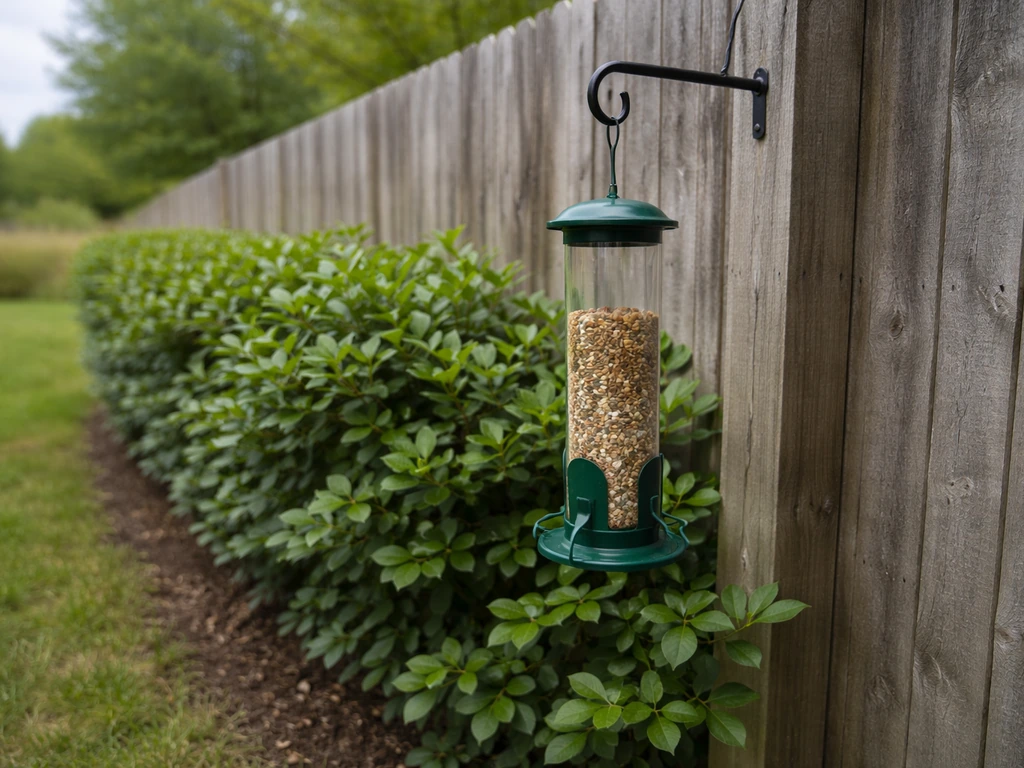
If you want to cut spillage before you buy anything or make major changes, these adjustments work immediately.
- Move the feeder to a more sheltered spot. A location with a fence, wall, or shrubs on the windward side reduces sway dramatically. Even moving from an open yard to a spot near a structure cuts wind-driven spillage.
- Shorten the hanging chain or wire so the feeder hangs closer to the mount point. Less swing means less seed loss. Six to eight inches of chain is usually enough to let the feeder move slightly without whipping around.
- Fill the feeder only halfway. A full feeder swings more, and birds tend to scatter seed more aggressively when there's an excess. Topping up every day or two keeps seed fresher anyway.
- Switch to a seed mix that matches your local birds more closely. If birds are tossing out the millet or safflower to get to sunflower, switch to a straight sunflower or no-mess blend. Less rejection means less spillage. (No-mess seed blends are worth a closer look if waste is your main frustration.)
- Check your port size against your seed type. If you're running nyjer in a standard tube feeder, swap in a nyjer-specific feeder with small ports today. If sunflower seeds are falling out of a finch tube, you're using the wrong feeder for that seed.
Catching solutions: trays, mats, skirts, and screens
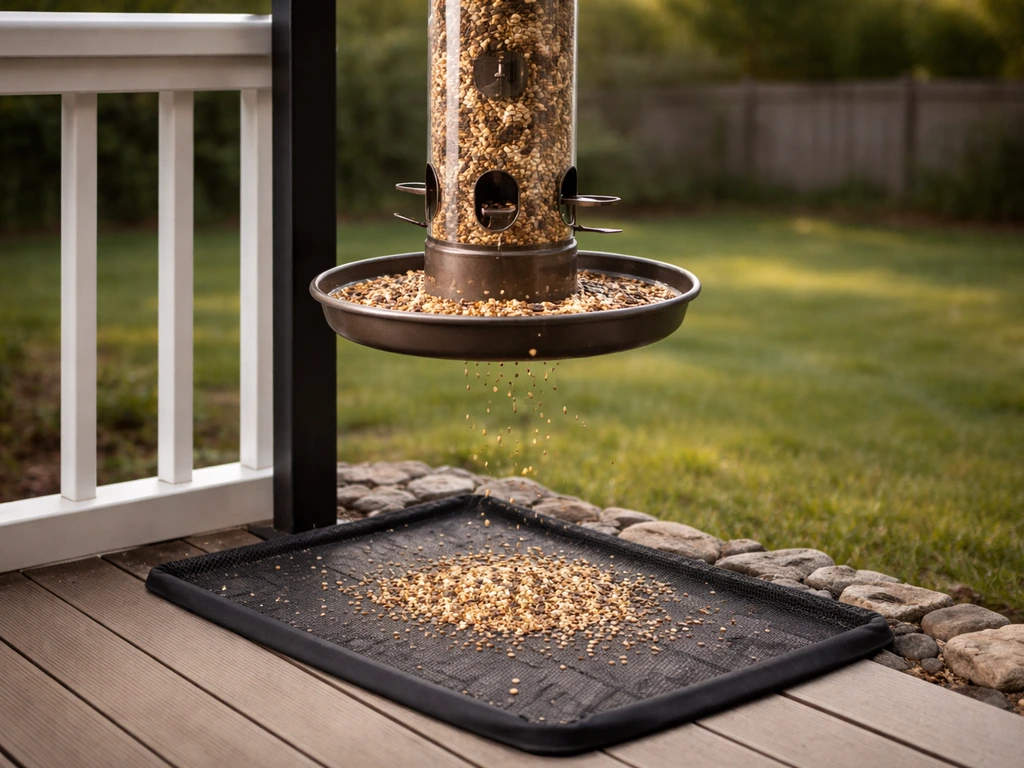
A seed-catcher tray is the single most effective tool for catching falling seed before it hits the ground. The concept is simple: a wide, shallow tray mounts directly beneath the feeder and intercepts dropped seed. A catch tray is one of the most direct ways of how to keep bird seed from falling on the ground wide, shallow tray. Using the right setup under your feeder makes it much easier to catch seeds and prevent mess on the ground catch falling bird seed. Birds can feed from the tray too, which means less waste overall. Here's how to choose and set one up.
Seed-catcher trays
Look for a tray that's at least 12 to 18 inches in diameter so it catches seed that drops from any angle, not just straight down. The Myard 18-inch universal hoop tray and Audubon Woodlink 10.5-inch catch tray are two common options. The critical feature to check for is drainage holes. A tray without drainage collects rainwater, which turns seed moldy within a day or two in warm weather. Good trays have holes drilled in the bottom so water passes through and seed stays relatively dry. Mount the tray four to six inches below the feeder base, close enough to catch seed cleanly but far enough that birds can access it without being crammed.
How to set up a catch tray
- Choose a tray with a diameter at least as wide as your feeder's widest point, ideally wider.
- Check that it has drainage holes. If buying a basic tray without them, drill several quarter-inch holes evenly across the bottom.
- Attach the tray using the mounting hardware it comes with, or use a carabiner and short chain if it's a universal design.
- Position it four to six inches below the feeder. Too far down and seed bounces past it. Too close and it blocks birds from accessing the feeder ports.
- Clear the tray every two to three days: remove hulls, empty the old seed, and let it dry before re-exposure to rain.
Ground mats and tarps
If you have a pole-mounted or post feeder without a tray attachment point, a ground mat works well as a secondary catch layer. Lay a piece of landscape fabric, a rubber mat, or even a simple canvas tarp in a circle around the feeder pole. The mat makes cleanup fast: you lift it, shake the seed off into a bucket or trash, hose it down, and lay it back. Avoid plastic tarps that pool water, since standing moisture under a feeder is exactly what you don't want.
Seed skirts and mesh screens
A seed skirt is a funnel-shaped attachment that wraps around the feeder pole or hangs at feeder level to deflect falling seed back into the feeder or into a collection zone. Mesh screens placed on the ground below the feeder let seed fall through from rain while hulls stay on top for easy raking. Both work best as complements to a catch tray rather than replacements. If you're mounting a screen on the ground, keep it flat and clean it weekly so hulls don't build up into a wet, compacted layer.
Stop the source: spill-resistant feeders and squirrel exclusion
Catching fallen seed is good. Preventing it from falling in the first place is better. These longer-term fixes reduce the amount of seed that needs catching.
Feeder types that spill less
| Feeder Type | Spill Level | Best Seed Match | Notes |
|---|---|---|---|
| Tube feeder (small ports) | Low | Nyjer, small sunflower chips | Port size must match seed; wrong size = constant drip |
| Hopper feeder | Low-Medium | Mixed seed, sunflower | Enclosed design protects seed from weather and wind |
| Platform/tray feeder | High | Mixed seed, corn, fruit | Open design; pair with tray or place on ground intentionally |
| Caged/squirrel-resistant feeder | Low-Medium | Sunflower, safflower | Cage limits squirrel access; reduces knockdown spills |
| Nyjer sock feeder | Very Low | Nyjer only | Mesh fabric releases seed only when tugged by finches |
For most people, switching from a platform feeder to a hopper or tube feeder cuts spillage significantly. Hopper feeders protect seed from weather and don't expose it to the open air the way a tray does. If you love offering a variety, consider keeping the platform feeder intentionally close to the ground or on a ground tray, where spilled seed just becomes ground-feeder food instead of a mess. If you are dealing with a messy mess-prone feeder setup, the “no mess” bird seed idea is to use seed and systems that reduce spillage so you spend less time cleaning the ground no mess bird seed.
Squirrel exclusion that actually works
The Audubon recommendation for squirrel exclusion is specific: use a pole-mounted feeder about five feet off the ground with a cone-shaped baffle at least 17 inches in diameter. The baffle has to be positioned below the feeder on the pole, not above it, to prevent climbing. Squirrels can jump six feet up and ten feet horizontally, so your feeder also needs to be at least ten feet from any fence, tree, roof edge, or launch surface. Nothing is fully squirrel-proof, but this setup gets close. As a secondary tactic, placing a separate pile of cracked corn or sunflower away from the main feeder gives squirrels something to eat without raiding the bird feeder.
Port size and seed matching
This is worth repeating because it's one of the most overlooked fixes. Nyjer in a standard tube feeder port will pour out freely. Sunflower chips in a finch-port feeder will jam. Match the seed to the feeder it was designed for. If you're buying a new tube feeder and plan to use nyjer, confirm the port is specifically sized for nyjer (they're noticeably smaller than standard ports). Many feeders now list the recommended seed type on the packaging.
Managing collected and spilled seed safely
Catching seed is only half the job. What you do with the collected seed matters for hygiene, pest prevention, and bird safety. Here's the practical breakdown.
When spilled seed is still usable
Dry seed that has fallen into a clean catch tray within the last day or two is usually fine to leave for birds to eat from the tray or to transfer back to the feeder. The test is simple: if it's dry, not clumped, shows no visible mold, and doesn't smell musty or sour, it's still good. If it rained, inspect it carefully. Damp seed that has been sitting in a tray without drainage for more than a few hours in warm weather (above 60°F) should be discarded, not reused. Aspergillus mold can begin developing in damp seed quickly, and it's harmful to birds.
Sprouting seed
Seed on the ground will eventually sprout, especially sunflower and millet. A little sprouting isn't immediately dangerous, but sprouted seed becomes a moisture trap and can grow mold underneath the sprout cluster. If you notice green shoots under your feeder, rake them up promptly. You can compost sprouted seed or dispose of it in the trash, but don't put it back in the feeder. Some birders intentionally leave a small amount of sprouted seed for ground feeders, which is fine as long as you're turning it over regularly and the area isn't becoming a soggy mat.
Pest prevention
Spilled seed on the ground is the primary reason bird feeders attract rodents. King County Public Health specifically links damp seed and hull buildup to rat activity. The fix isn't to stop feeding birds, it's to manage what accumulates. A catch tray keeps seed off the ground. Clearing ground-level seed every few days removes the rodent food source before it becomes an established attraction. If you're seeing rat or mouse activity, temporarily suspend ground-level cleanup for a week and do daily clearing instead until activity drops.
Discarding bad seed
Moldy seed, wet clumped seed, and seed mixed with droppings should all go in the trash, not the compost. The USFWS notes that salmonella can grow in moldy, wet seed and bird droppings, so this isn't just about aesthetics. Don't shake bad seed onto the lawn or into a garden bed where birds or other wildlife might eat it. If you are wondering whether you can throw bird seed on the ground, the safest move is to avoid dumping it in piles and instead manage fallen seed so it stays dry and doesn’t attract rodents. Bag it and bin it.
Cleanup and hygiene routine
Regularity matters more than intensity here. A quick cleanup every few days beats one big cleanup once a month.
How often to clean up
- Every 2 to 3 days: Empty and inspect your catch tray. Remove old hulls and any damp or clumped seed. Let the tray dry if possible.
- Weekly: Rake the ground under and around the feeder. Remove hull buildup, feather debris, and any droppings. A rake and dustpan is enough for most setups.
- Every 2 weeks: Clean the feeder itself with a 9-to-1 water-to-bleach solution, rinse thoroughly, and let it dry completely before refilling. All About Birds and Bob Vila both recommend this interval, or sooner if you notice mold.
- Monthly: Do a full ground-area sweep, clear any sprouted seed, and inspect the ground surface for compaction or standing water issues. Clemson Extension and the Birdnet fact sheet both recommend at least monthly ground clearing.
- Seasonally: Rake up any accumulated hull layer around the feeder base. Hulls break down slowly and can form a wet, bacteria-friendly mat over time.
How to handle wet seed
- Remove wet seed from trays or the ground immediately. Don't let it sit.
- If the feeder interior got wet (lid left open, heavy rain), dump the seed, rinse the feeder, and dry it before refilling.
- Discard wet seed that has been sitting more than a few hours in warm weather. In cool weather (below 50°F) you have a bit more time, but when in doubt, throw it out.
- After heavy rain, inspect the tray drainage holes. If they're clogged with hulls, clear them so water can drain again.
- For the ground area, rake damp hulls into a pile and bag them rather than spreading them around.
Storing remaining seed properly
Seed that doesn't go into the feeder needs to stay dry and sealed. A metal container with a tight lid is the best choice: it blocks moisture and keeps rodents out. Plastic bins work if they seal well, but they're chewable. Store seed in a shed, garage, or covered area, never in direct sun or on bare concrete where condensation can build up underneath. Rotate stock regularly so older seed gets used first.
Species and regional notes
Your bird mix and local climate both affect how much spillage you'll deal with and how quickly it becomes a problem.
Bird species and spillage patterns
Cardinals and grosbeaks are the most aggressive seed sorters. If you're seeing a lot of millet and corn on the ground but your sunflower is disappearing fast, these are likely the culprits. Switching to straight sunflower or hulled sunflower chips eliminates most of the rejection behavior. Doves and sparrows are natural ground feeders and will clean up what falls, so a moderate amount of ground spillage isn't a problem if you're managing moisture and hulls. Finches at nyjer feeders are relatively tidy but produce fine shell debris that builds up fast under sock or tube feeders. A tray under a nyjer feeder is especially worth it because the fine material is hard to rake and mats down quickly when wet.
Squirrels
In areas with heavy squirrel pressure (most of the eastern United States and Pacific Northwest), assume squirrels will reach any feeder that isn't actively baffled and positioned to the Audubon standard. In those regions, a spill-resistant feeder plus a 17-inch-plus cone baffle plus correct placement distance from launch surfaces is the baseline, not an upgrade. Without all three, squirrels will knock more seed to the ground than birds will ever spill on their own.
Cold and wet climates
In the Pacific Northwest, upper Midwest, and Northeast, wet weather is the main reason spilled seed becomes a sanitation problem fast. In these regions, drainage holes in your tray are not optional, and the two-to-three-day tray clearing schedule may need to be daily during rainy stretches. Hopper feeders with covered roofs are especially worthwhile here because they keep seed inside dry even during rain. In winter, snow accumulation on catch trays can compress seed into an icy mat: clear trays after snowfall before the seed freezes solid.
Hot, dry climates
In desert Southwest and Southern states, seed dries out rather than molds, but ant activity around fallen seed is a serious issue. Ants will track into feeder ports if seed bridges from ground to feeder via hull buildup. Keeping the ground area cleared and using a feeder pole with a water moat above the baffle (an ant moat) addresses both problems. Heat also degrades seed oils faster, so seed that has been sitting in a tray in direct sun for a few days in summer may be rancid even if it looks fine.
Winter feeding
In cold regions, finches and sparrows rely heavily on feeders during winter months. Nyjer sock or tube feeders are particularly effective for supporting finches through cold stretches, and the low-mess design means less ground cleanup during frozen-ground periods when raking is difficult anyway. If the ground is frozen solid, seed that drops will stay relatively preserved, but you still need to clear it when temperatures rise above freezing to prevent a sudden mold flush.
FAQ
What should I do if my feeder has no attachment point for a catch tray?
If you cannot mount a tray directly under the feeder, use the tallest “catch zone” you can reach. A ground mat or circular tarp placed wider than the feeder base catches more seed from wind-blown drops. Keep it slightly raised or taut so it does not pool water, and plan on more frequent shaking or hosing compared with an under-feeder tray.
How long can I reuse falling bird seed I caught in a tray?
It depends on how quickly the seed gets wet. For tray seed that stays dry and un-clumped, you can usually reuse within a day or two, but if rain hits and the tray has been sitting warm for hours, discard it. A fast rule is, if you see clumping, musty smell, or any visible mold, do not put it back.
How often should I clean a seed-catcher tray, and when is it time to replace it?
Replace the tray only when drainage fails or the tray becomes too corroded to keep holes clear. For cleaning, empty and rinse the tray, then scrub hull buildup from corners. Avoid soaking the tray for long periods, because remaining dampness promotes mold, especially in warm weather.
Is it okay to use a catch tray that doesn’t have drainage holes?
Using a tray with no drainage holes is one of the fastest ways to worsen the problem. The tray can hold rainwater, turning seed sour and moldy within a day or two in warm conditions. If your tray does not have holes, drill them or switch to a tray designed for catch-and-drain.
Why is my seed still falling even after I added a catch tray?
Start by checking feeder ports and seed type. If seed is spilling heavily at one spot, the port likely does not match the seed or the feeder is overfilled and swinging. Also confirm the feeder is sheltered from wind, because even a well-sized port will still dump seed if it rocks enough to scatter.
How close should a catch tray be mounted so it captures seed without making a damp mess?
To prevent a “moldy disk,” keep the tray four to six inches below the feeder base and ensure it is wide enough for angled drops. If birds feed heavily from the tray, the seed can get mixed and damp faster, so shorten your clearing interval and inspect after rain.
Can I leave some of the fallen seed on the ground for ground-feeding birds?
Yes, but only for birds that naturally use what drops nearby, like ground feeders. Keep the area turned over and dry as much as possible. If you notice sprouting clusters or the mat under the feeder staying wet, rake and remove it rather than letting it sit.
What do I do if I notice rats or mice around my feeder?
If rodents appear, the key is breaking the cycle of food availability, not stopping feeding altogether. Increase cleanup to daily clearing for about a week while you also tighten up what you allow to remain on the ground. Once activity drops, return to your normal every-few-days schedule.
Can I compost moldy or wet clumped bird seed or just rinse it off?
Don’t try to “wash” moldy or wet clumped seed. Put moldy, musty, or seed mixed with droppings in the trash, then clean the tray and surrounding mat so hull buildup does not keep moisture trapped. Compost is not a safe swap for contaminated feed.
If I change birdseed brands or switch to nyjer, do I need to change anything about my setup?
Yes, but only if it is designed for that seed type. Nyjer uses smaller ports, and standard tube ports will leak. Confirm the feeder packaging or product specs list the exact seed type, and if you switch seed blends, adjust your feeder choice rather than hoping it will “work itself out.”
What placement mistakes let squirrels knock most of the seed to the ground?
Even a good catch tray can miss seed if the feeder is mounted too near climb-and-launch surfaces. Keep the feeder at least ten feet from fences, tree branches, roofs, and other launch edges, and use the correct cone baffle size and placement for your setup. Otherwise squirrels will spill more than birds naturally would.
Next Articles
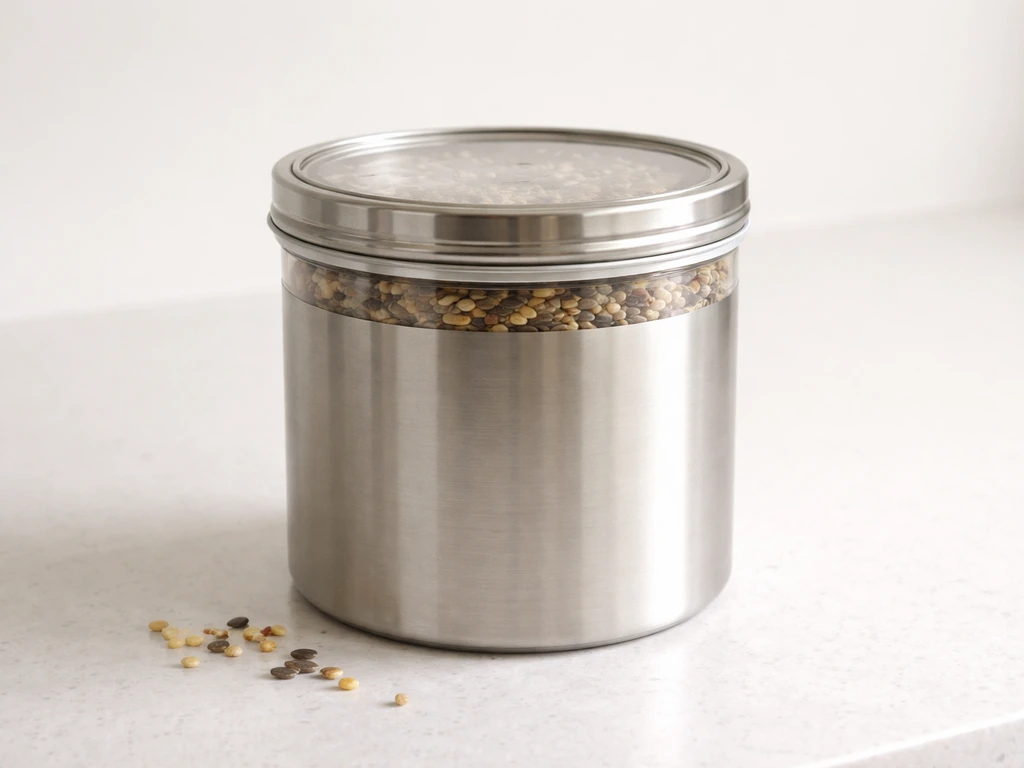
Metal Can for Bird Seed: Prevent Pests and Moisture
Store bird seed in a metal can to block pests and moisture with airtight tips, labeling, and mold damp troubleshooting.
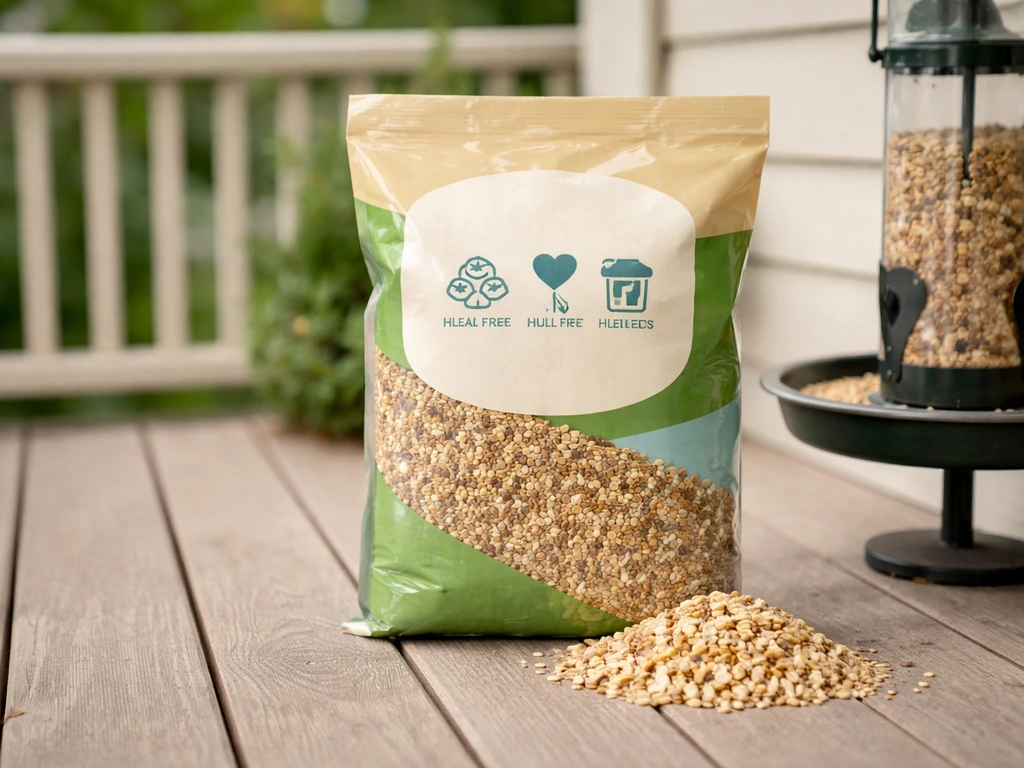
What Is No Mess Bird Seed and How to Use It
No mess bird seed explained: low-hull seed, reduced scatter, setup tips, cleanup, and storage to prevent mold and pests.
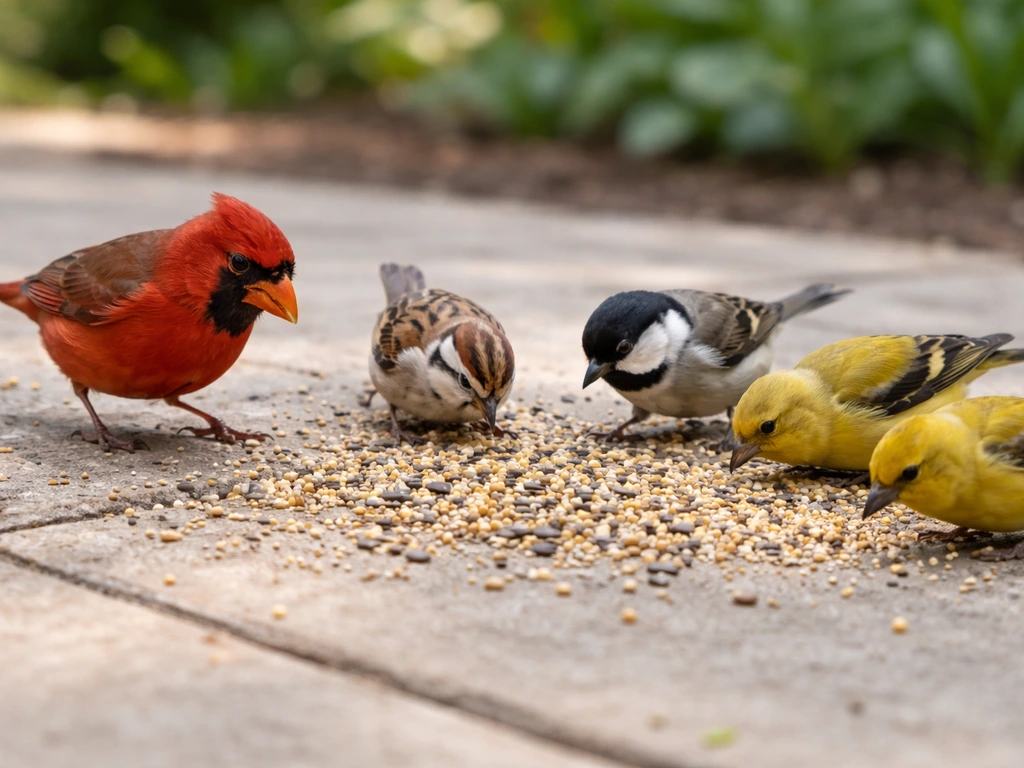
Can I Throw Bird Seed on the Ground? Safe Tips Today
Can I throw bird seed on the ground? Learn safe ground feeding, best seed, pest and mold prevention, cleanup tips