Yes, you can put red pepper flakes in bird seed, and it won't harm most backyard birds the way it would harm you or a squirrel. Birds have a version of the TRPV1 receptor (the protein that detects capsaicin heat) that is far less sensitive than the mammal version, so the spice that sends a squirrel running barely registers for a cardinal. That said, red pepper flakes are not a clean or consistent solution, and there are real downsides worth knowing before you mix a batch. If you are wondering does spicy bird seed work for keeping squirrels away, the short answer is that capsaicin can deter mammals while typically leaving birds largely unaffected.
Can You Put Red Pepper Flakes in Bird Seed? Safety Tips

Maya Collins
19 May 2026
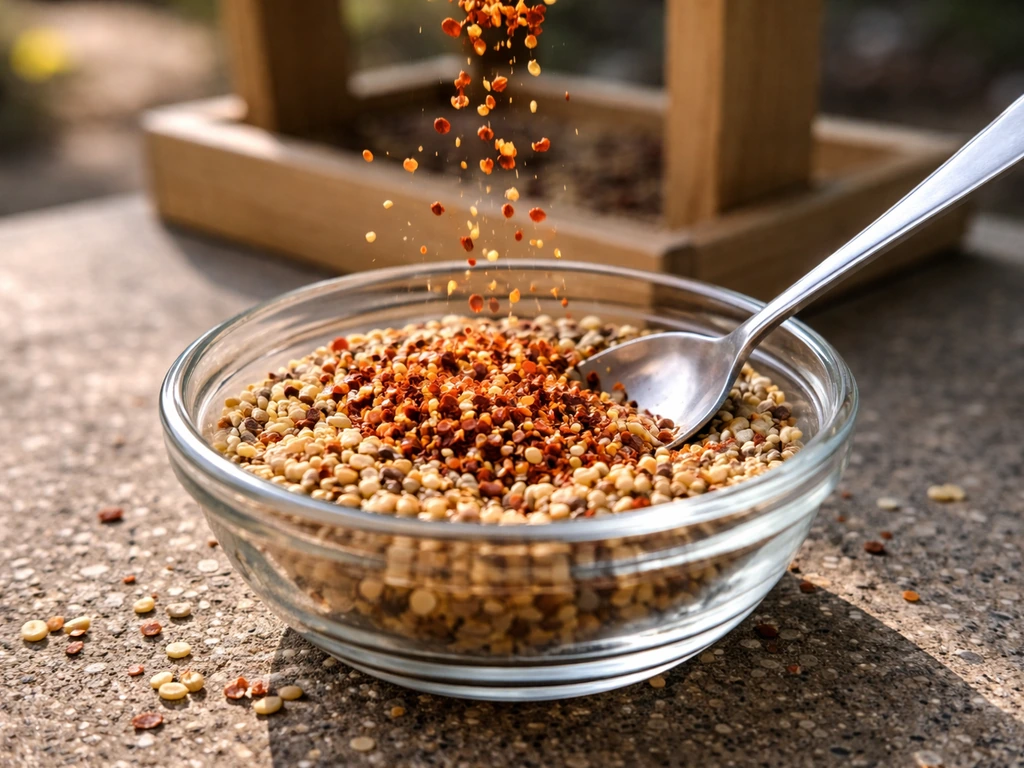
Are red pepper flakes safe for birds, and do they actually work?
The short science here is reassuring for birds. Research published in Scientific Reports traced the difference to a single amino acid change in the avian TRPV1 receptor, making birds roughly 1,000 to 10,000 times less sensitive to capsaicin than mammals. The Internet Center for Wildlife Damage Management (ICWDM) puts it plainly: there is no evidence that birds register capsaicin as an irritant even at concentrations as high as 20,000 ppm. So a dusting of red pepper flakes on sunflower seeds is not going to burn a sparrow's beak, irritate its eyes, or cause respiratory distress during normal feeding.
The effectiveness question is more complicated. Red pepper flakes contain capsaicin, but at lower concentrations than ground cayenne pepper, which is the more commonly studied form. Studies out of Cornell using capsaicin-treated seed showed a real reduction in gray squirrel feeding time and total seed consumption at feeders, and a separate flying-squirrel study found capsaicin removed more animals immediately after application and reduced feeder occupancy the next day. So for squirrels and other mammals, the deterrence is documented.
The caveat is habituation. A USDA Forest Service deterrence framework notes that any chemical repellent's effectiveness depends on the target animal's motivation and its ability to learn. A very hungry squirrel may push through mild discomfort. Virginia's Department of Wildlife Resources is also direct that hot-pepper seed will not deter bears, so if that's your problem, this approach won't help at all.
Why birds and mammals react so differently to capsaicin
Capsaicin works by binding to TRPV1 receptors, which are basically the body's heat and pain sensors. In mammals, including squirrels, rats, raccoons, and humans, this binding triggers a strong pain signal. In birds, that same receptor has a structural difference that makes it nearly non-responsive to capsaicin at typical concentrations. This is actually an evolutionary arrangement that benefits both the plant (whose seeds birds disperse without digesting) and the bird (who gets food mammals can't easily steal).
This difference is what makes capsaicin-treated seed a species-selective deterrent: the mammals you want to keep away are bothered, while the birds you want to keep around are mostly unaffected. That selectivity is the strongest argument for using it. But there is a newer nuance worth flagging. Audubon reported on research suggesting that at some concentrations and when birds have a choice between spiced and unspiced seed, some species may show a preference for the unspiced option. So it's not that birds love the heat; they're just not harmed by it the way mammals are.
The real risk: you, not the birds
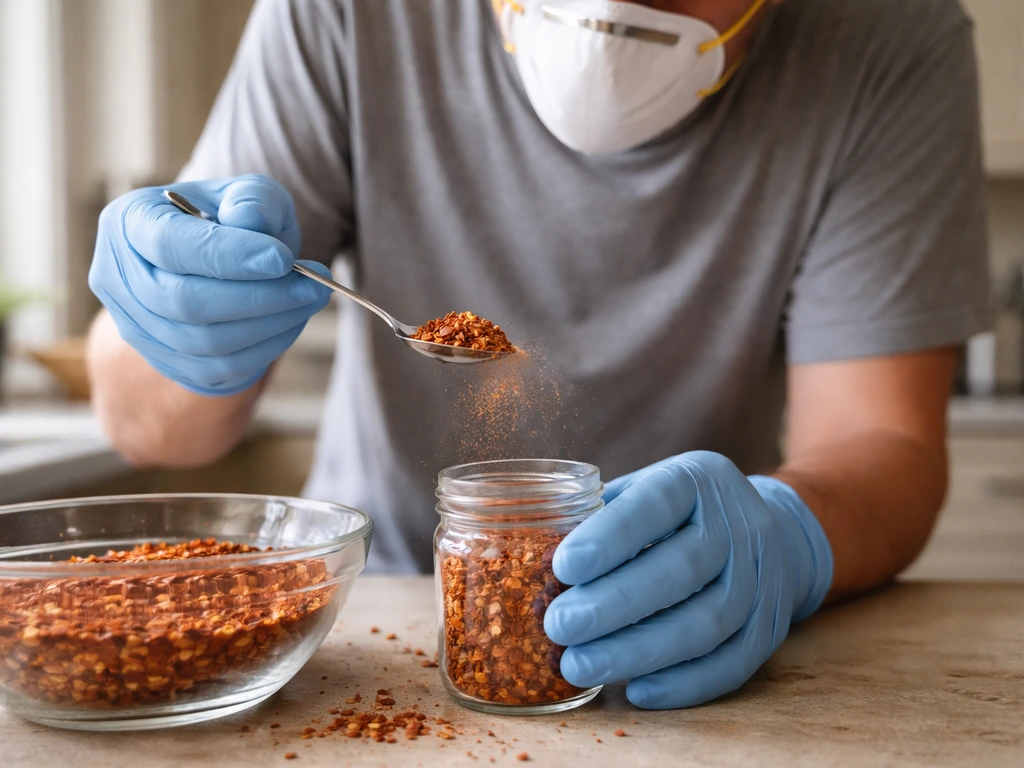
ICWDM specifically warns that the person mixing pepper into seed is more at risk than the birds eating it. Capsaicin powder or flakes stirred into seed generates airborne particles that can irritate your eyes, skin, and respiratory tract. If you handle this indoors, it can affect anyone nearby, including children. Always mix outdoors, wear gloves, and consider eye protection. The Environmental Literacy Council similarly flags inhalation risk as a real concern during preparation, especially with finer powders like cayenne compared to whole flakes.
Smarter, longer-lasting ways to manage pest pressure
Red pepper flakes address one symptom. Feeder management addresses the root causes. Here are the approaches that hold up best over time:
- Use a caged tube feeder: wire mesh cages with openings sized for small songbirds physically block squirrels and larger pest birds like starlings or grackles without any chemical deterrent.
- Add a squirrel baffle: a dome-shaped baffle above a hanging feeder or a cylinder baffle on a pole feeder stops most squirrels mechanically. Place the pole at least 5 to 10 feet from any surface a squirrel can jump from.
- Place feeders 15 to 30 feet from structures: K-State Extension recommends this distance specifically to reduce seed spillage attracting chipmunks and rodents near your home.
- Match seed type to the birds you want: safflower seed is less attractive to squirrels and many pest bird species but loved by cardinals and chickadees. Nyjer (thistle) is almost exclusively for finches and is too small for most squirrels to bother with.
- Use tray catchers under feeders: catching fallen seed keeps it off the ground where rats and mice find it at night.
- Only fill what will be eaten in a few days: Virginia DWR is explicit that you should fill feeders only with the quantity birds will consume within your cleaning schedule. Old seed = wet seed = mold = pests.
Keeping feeders clean enough that pests aren't the real problem
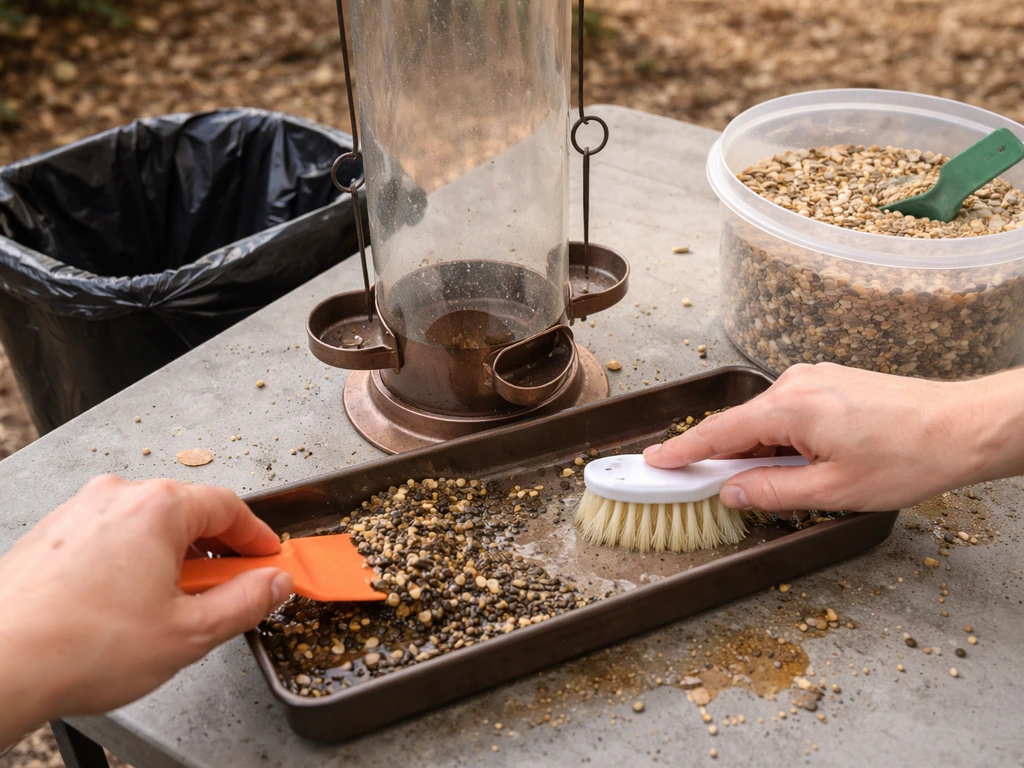
A lot of pest pressure comes from accumulated, old, or wet seed, not just from feeders being present. The USFWS recommends cleaning feeders at least once every two weeks as a starting baseline, and more often in hot or wet weather. The Minnesota DNR recommends scrubbing with a solution of 2 ounces of bleach per 1 gallon of water. The Iowa DNR uses a 10% bleach solution for monthly deep cleans and emphasizes letting the feeder dry completely before refilling, because wet seed in a just-washed feeder molds fast.
Equally important is what's under the feeder. Sweep up hulls and discarded seed regularly. The USFWS instructs sweeping old and moldy seed from the ground beneath feeders, and Audubon notes that cleaning frequency should increase in summer and humid climates because mold and bacteria grow much faster in those conditions. Wet seed on the ground is an open invitation for rats, mice, and raccoons.
If you already mixed red pepper flakes into your seed
First, don't panic. As covered above, the flakes are very unlikely to harm the birds. But if you want to stop using spiced seed, here's the practical sequence:
- Stop filling the feeder with the spiced mix immediately.
- Remove any spiced seed remaining in the feeder and discard it in a sealed bag in the trash. Don't compost it.
- Sweep up any spiced seed that has spilled onto the ground below the feeder. Capsaicin residue in soil can persist and irritate pets and wildlife that dig or sniff the area.
- Wash the feeder with a 10% bleach solution (roughly 1.5 tablespoons bleach per cup of water), scrub all surfaces including seams and perches, rinse thoroughly, and let it air dry completely before refilling.
- Refill with plain, dry seed and go back to your regular cleaning schedule.
If birds near the feeder looked stressed or were avoiding it while the spiced seed was out, give it a day or two after you've cleaned and refilled. Normal activity should return quickly once the smell and residue are gone.
Species and situation specifics
Cardinals, sparrows, and small songbirds
These are your most common feeder visitors and the ones most people are trying to protect. As described, capsaicin does not harm them at typical feeder concentrations. Cardinals are particularly attracted to safflower seed, which is a much cleaner solution if squirrels are your main complaint. House sparrows and European starlings are harder to deter without physical feeder barriers; no spice approach reliably chases them off, because they'll eat nearly anything.
Larger birds (crows, grackles, jays)
Capsaicin won't deter larger pest birds either. If grackles or crows are taking over your feeder, the fix is feeder design, not spice. Caged feeders, weight-sensitive feeders that close under heavier birds, and choosing seed like Nyjer that larger species don't want are all more effective than pepper flakes.
Squirrels and rats
Capsaicin genuinely reduces squirrel feeding at documented concentrations in controlled studies. If you want to go this route, commercially prepared hot-pepper bird seed blends or capsaicin-coated suet are better options than DIY red pepper flakes, because the concentration is controlled and the coating is more consistent. For rats, the more reliable answer is eliminating ground seed buildup and using enclosed feeders with trays. If you are specifically trying to keep rats away, focus on eliminating spilled seed and using enclosed feeders with trays rather than relying on pepper flakes alone For rats.
Pets and children around spiced seed
This is where you need to be careful. Dogs and cats that nose around under feeders can get capsaicin residue on their faces or ingest spiced seed and seed hulls on the ground. The ASPCA flags ornamental pepper plants as toxic to dogs and cats, and while seed-coating exposure is a different scenario, direct contact with capsaicin can still cause eye and mouth irritation in pets. If you have a dog that sniffs and licks around the feeder area, spiced seed introduces a real irritation risk at ground level. Kids who handle the feeder or play near it are similarly at risk from residue on their hands. Stick to physical deterrents if pets or young children regularly access the feeder area.
Red pepper flakes vs. other pepper options: a quick comparison
If you're comparing pepper-based deterrent options, here's how they stack up:
| Option | Capsaicin concentration | Ease of use | Risk to birds | Risk to people/pets | Squirrel deterrence |
|---|---|---|---|---|---|
| Red pepper flakes | Low to moderate | Easy to mix but uneven coating | Very low | Moderate (airborne dust, ground residue) | Moderate, inconsistent |
| Ground cayenne pepper | Higher than flakes | Fine powder, harder to handle safely | Very low | Higher (finer dust, more airborne) | Better than flakes at same volume |
| Commercial hot-pepper seed blend | Controlled dose | Ready to use, no mixing | Very low | Lower than DIY (pre-coated) | Most consistent |
| Hot sauce on seed | Variable, plus liquid | Wet seed clumps and molds fast | Low (but wet seed risks mold) | Moderate | Unreliable, wet seed problems |
If you want to go the capsaicin route, a commercial pre-treated seed is the most practical option. It avoids the mixing hazard, gives a more consistent capsaicin dose, and doesn't add moisture that causes mold. DIY with cayenne powder gives higher capsaicin than flakes but is harder to handle safely. Red pepper flakes are the least concentrated and least consistent option of the bunch. Questions about how much pepper to add, whether chili powder works similarly, or whether hot sauce is a viable shortcut all come back to the same core issue: concentration and delivery method matter as much as the capsaicin itself. As a starting point, aim for a light sprinkle and avoid heavy, uneven dosing, since the exact amount is hard to measure and risks unnecessary irritation how much pepper to add.
The bottom line on red pepper flakes in bird seed
Red pepper flakes won't hurt your birds, and they will reduce squirrel pressure to some extent. But they're an imprecise, labor-intensive fix with real handling risks for you and irritation risks for pets and kids on the ground below. For most backyard setups, a caged feeder plus a squirrel baffle plus consistent cleaning gets you better results with less hassle and zero chemical exposure. If you specifically want a capsaicin option, buy pre-treated seed instead of mixing your own. And if you've already added pepper flakes to your current supply, the fix is simple: discard the mix, clean the feeder with a bleach solution, let it dry, and start fresh.
FAQ
How much red pepper flakes should I add, and is there a “safe” dose?
There is no reliable safe dose for DIY flake mixes, because capsaicin content varies by brand and how evenly it clumps into seed. If you choose to try it anyway, keep it very light and uneven dosing is more likely to irritate noses, eyes, and mouths of pets or people who handle the feeder area. For a more controlled dose, use commercially pre-treated seed or capsaicin-coated suet.
Will red pepper flakes stop squirrels permanently or do they get used to them?
Mild deterrents often work best at first, then pressure can increase as animals learn your feeding routine. Habituation depends on hunger level and alternatives nearby, so treat it as short-term support while you improve sanitation and add physical barriers, like a baffle or a squirrel-resistant feeder.
If birds show preference for unspiced seed, what should I do?
Offer two options if possible, spiced and unspiced, and observe whether your target species avoids the spiced mix during the same feeding window. If activity drops for a day or two after mixing, switch to unspiced seed and focus on feeder design and cleaning, since some birds may opt out when they have a choice.
How long will the pepper smell or residue affect the feeder area after I stop using spiced seed?
Expect residue and scent to linger briefly because flakes and tiny particles can settle on the feeder and nearby ground. After discarding the mix, clean the feeder, then wait a day or two before judging bird activity. Also sweep up fallen hulls and old seed so residue does not keep “reloading” the ground.
Is it safe to mix red pepper flakes indoors or right next to kids/pets?
It is not ideal. Dry flakes can create airborne particles that irritate eyes, skin, and airways, and this risk is highest during mixing or scooping. Mix outdoors, wear gloves, and consider eye protection. Keep children and pets away from the mixing area until everything is cleaned up.
What is the best way to clean a feeder that has had red pepper flakes in it?
Discard the spiced mix, then wash with a bleach solution (or your usual feeder-safe cleaner), scrub well around ports and perches, and let the feeder dry completely before refilling. The important part is drying, because wet seed and wet biofilm after washing can mold fast. Sweep and remove ground seed under the feeder, too.
Can red pepper flakes affect pets, even if the birds eat the seed?
Yes, the main risk is residue and spilled seed at ground level. Dogs and cats that nose under feeders can get capsaicin on faces or ingest spiced seed and hulls, which can cause eye and mouth irritation. If pets regularly access the feeding area, prioritize enclosed feeders with trays and physical barriers over spice.
Will pepper flakes deter other birds like starlings or house sparrows?
Not reliably. Those species are opportunistic and often eat nearly anything you put out, so deterrence is inconsistent. If your problem is these smaller nuisance birds, focus on feeder type and placement, like mesh size, weight-sensitive mechanisms, and choosing seed they are less likely to target.
What should I do if the birds seem stressed while spiced seed is out?
First, remove the spiced seed and clean the feeder and surrounding ground. Then give it a day or two, because birds often return quickly once odor and residue are gone. If you still see avoidance after cleaning, switch to a standard seed and address root causes like moldy seed, crowded feeding, or feeder design.
Is commercially pre-treated hot-pepper seed safer or more effective than DIY flakes?
Usually yes for both consistency and handling risk. Pre-treated products control capsaicin concentration and distribution, which reduces “hot spots” from clumped DIY flakes. It also avoids the main DIY hazard, airborne particles during mixing. It still does not replace cleaning and physical squirrel control.
Next Articles
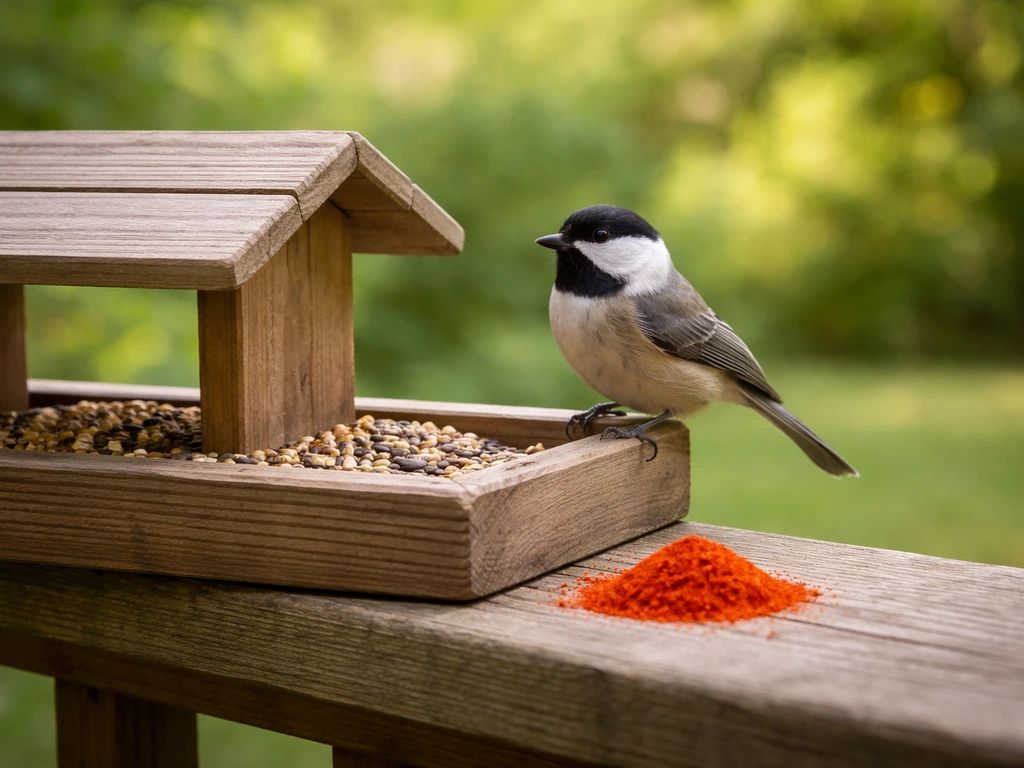
Can You Put Cayenne Pepper in Bird Seed? How To Use It
Answer if you can add cayenne to bird seed, with safe ratios, mixing steps, deterrent effects, and cleanup tips.
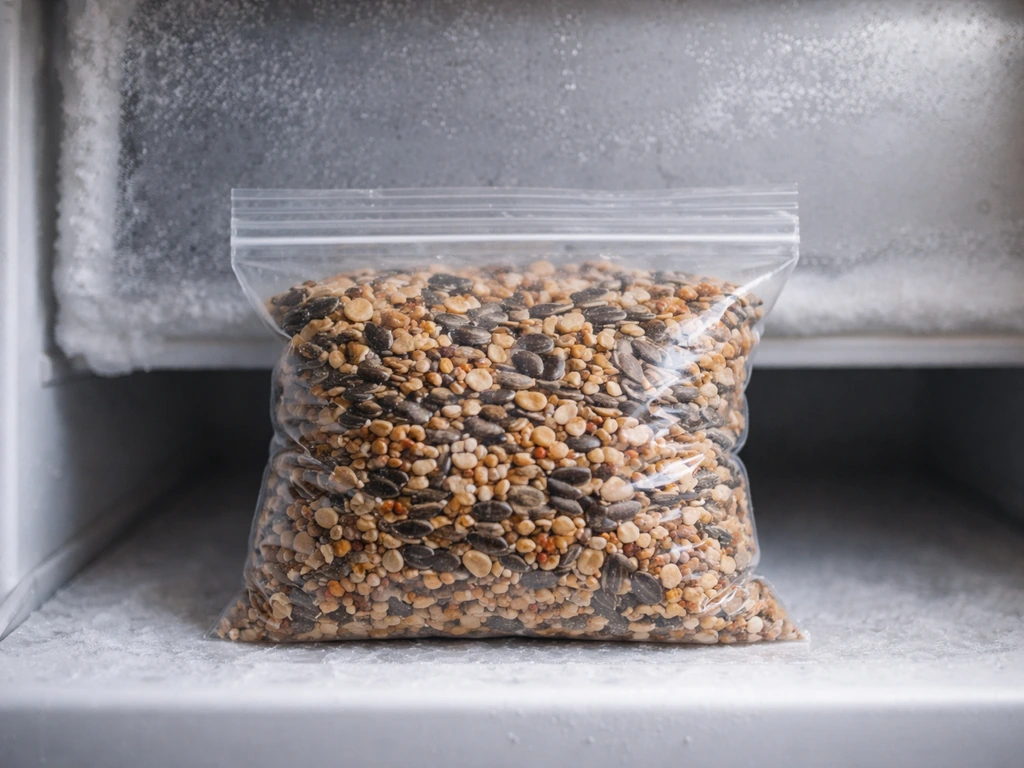
How Long to Freeze Bird Seed to Kill Bugs: Time Guide
Exact freezing time and safe steps to kill beetles, moths and weevils in bird seed, plus thaw checks and storage.
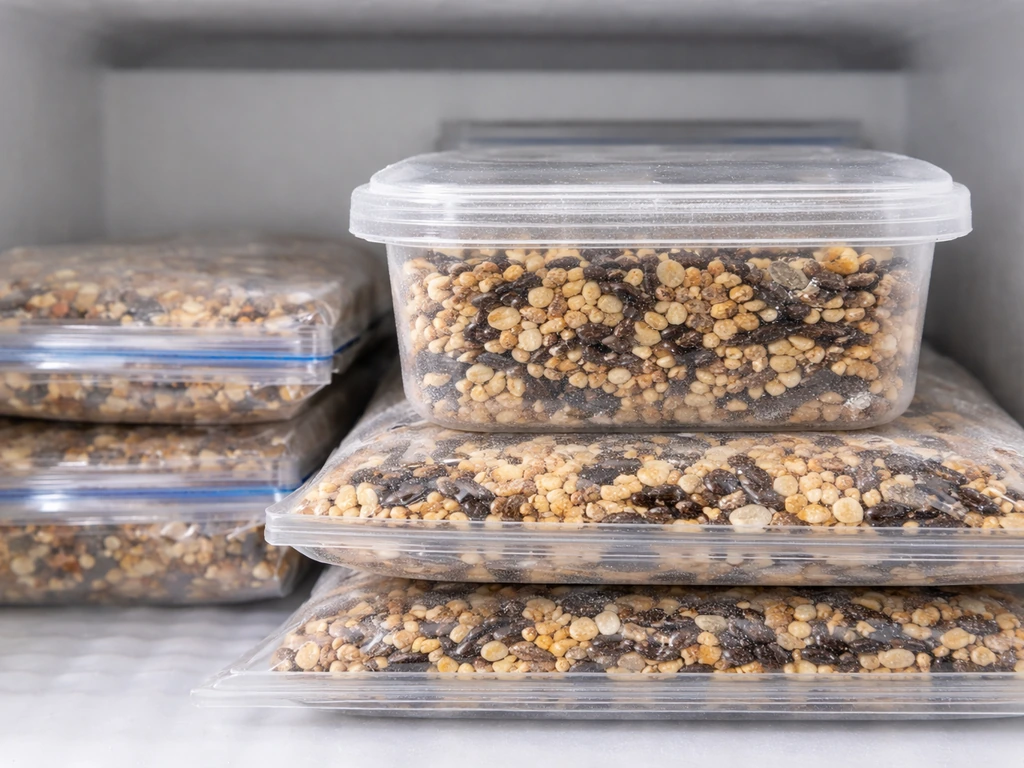
Can You Freeze Bird Seed? How to Freeze and Thaw Safely
Yes, you can freeze bird seed. Learn how to freeze, prevent clumping and moisture, and thaw safely by seed type.