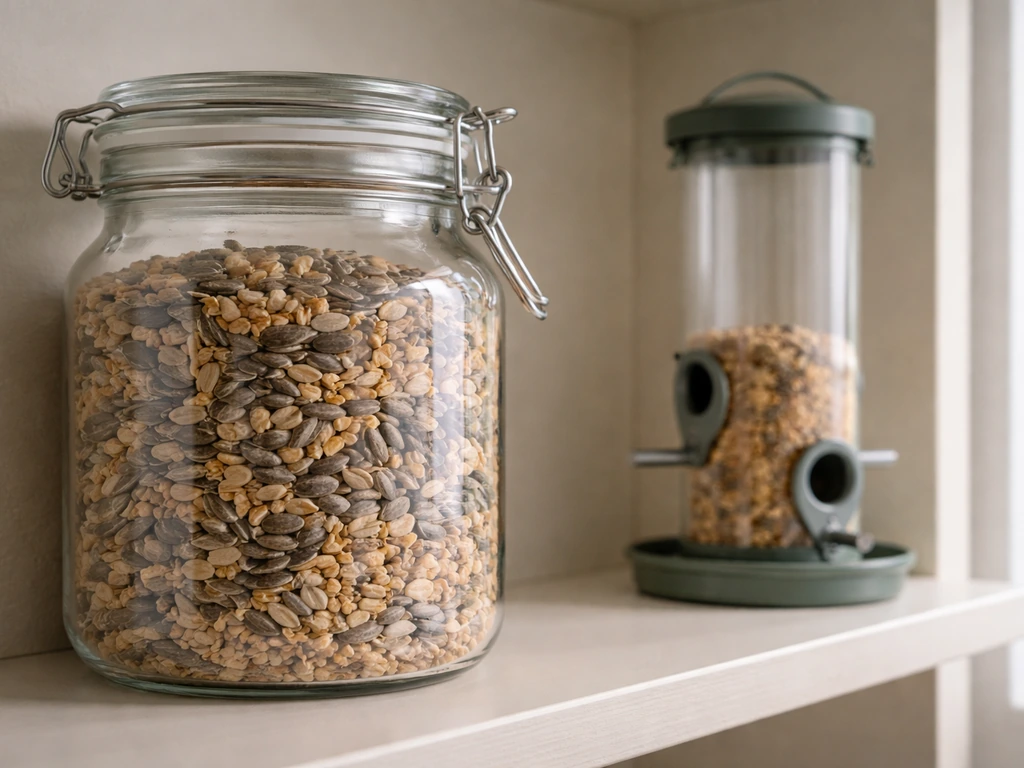
Quick answer: will bird seed sprout grass or grow into lawn grass?
Bird seed can absolutely sprout, but it almost never grows into anything resembling lawn grass. What you're more likely to see is a mix of weedy seedlings, cereal grain shoots, and the occasional grass-like sprout, none of which will fill in like turf. Whether you're asking because you noticed something growing under your feeder, or because you're wondering if you can skip buying grass seed and just use bird seed instead, the short answer is: it will germinate under the right conditions, but the results are unpredictable and usually not what you want. If you've been wondering can bird seed grow into something useful in your yard, the honest answer is that it depends entirely on what's in the bag and the conditions it lands in.
What's actually in bird seed that can germinate
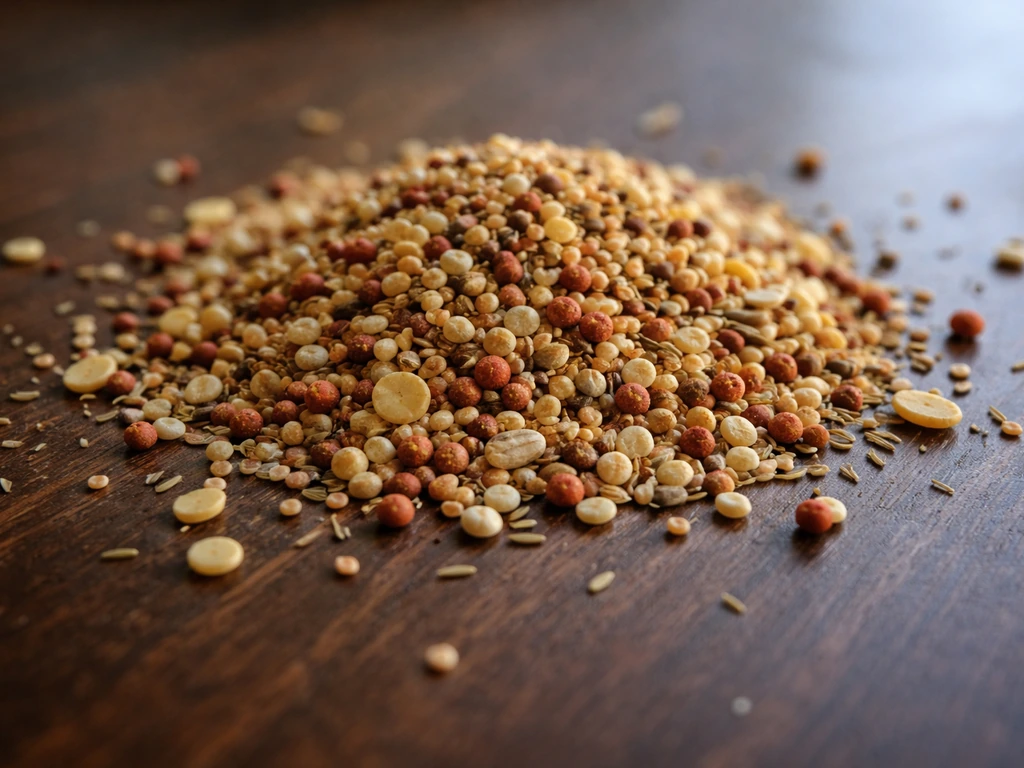
Most commercial bird seed mixes are not a single ingredient. They typically contain a combination of cereal grains, grass-type seeds, and weed seeds, all jumbled together. Oregon State University's Seed Laboratory has analyzed birdseed bags and found they contain multiple identifiable, viable seed species, not just one type. That's the key word: viable. Many of those seeds are still alive and capable of sprouting under the right conditions. The question of is bird seed grass seed comes up a lot, and the honest answer is: sometimes, partially, but not in any organized or turf-ready way.
Here's what you're typically dealing with in a standard wild bird mix:
- Millet (white or red): a cereal grain that sprouts readily into a grass-like shoot, but it's an annual and dies with the first frost
- Milo (sorghum): another grain that can germinate and grow several feet tall if left alone, definitely not lawn grass
- Sunflower seeds: black oil or striped, these grow into full sunflower plants if they get soil contact and moisture
- Nyjer (thistle): small seeds that can establish quickly in warm, moist conditions, often a weed concern
- Corn: whole or cracked, it can sprout but won't establish as lawn cover
- Weed seeds: hitchhikers in lower-quality mixes, these are often the first things to pop up and the hardest to manage
None of these are turfgrass species. Turf seed mixes, like the ones sold for lawns, are tightly regulated by species and variety, with strict limits on weed seed content. Bird seed has no such requirements. That's a big difference when you're thinking about what might actually grow in your yard.
Why you're seeing grass (or something like it) from bird seed
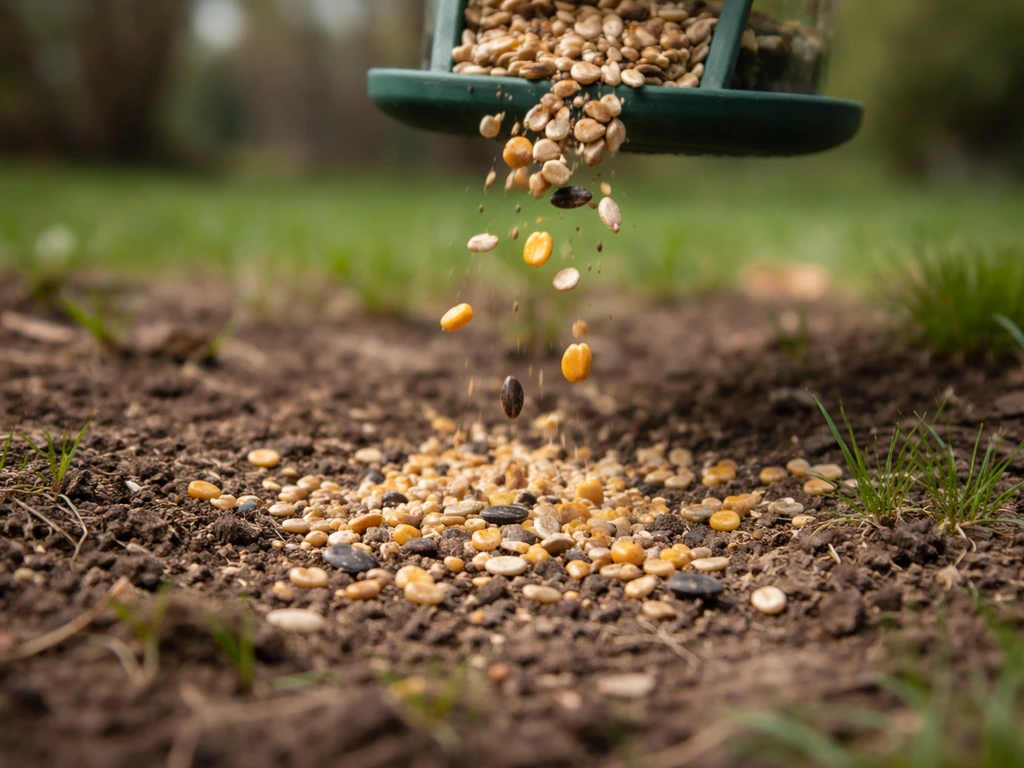
The most common reason people notice seedlings under their feeder is a straightforward combination of moisture, warmth, and soil contact. When seed falls from a feeder onto bare or thin ground, especially in spring or early fall when temperatures are mild and rain is frequent, germination can happen fast. Georgia Wildlife specifically calls birdseed 'a common culprit' in weed outbreaks, and notes that warm, wet conditions can cause seeds to sprout within days. If you've been asking yourself why is my bird seed growing grass, this combination of factors is almost always the explanation.
Backyard wildlife makes this worse in a very specific way. Squirrels, blue jays, and other scatter-hoarding animals regularly bury or drop seeds away from the feeder, sometimes several feet away or even into garden beds. Birds themselves knock seed off trays onto soil. Those seeds don't just sit there. If soil contact happens and moisture follows, you get germination in places you'd never expect it. The shoots that appear aren't always right under the feeder, which makes people think it's something else entirely.
Sunflower seedlings are easy to identify once they're a few inches tall, but millet shoots can look a lot like grass at first. That's where most of the confusion comes from. You're not necessarily seeing 'grass,' you're seeing a millet or sorghum sprout that has the same narrow, upright leaf shape as turf in its early growth stage.
When sprouting is likely vs. when it probably won't happen
Not every spilled seed will sprout. Several factors determine whether germination actually happens, and understanding them helps you predict and prevent the problem. Does bird seed sprout reliably in all conditions? No. But when conditions line up, it can happen surprisingly fast.
| Condition | Sprouting likely? | Why |
|---|
| Feeder tray, no soil contact | No | Seeds need direct soil contact to germinate; suspended in a tray, they'll just spoil |
| Seed on bare ground, rain follows | Yes | Moisture plus soil contact is all most millet or milo needs in warm weather |
| Seed on mulch or gravel | Unlikely | Poor soil contact and drainage reduces germination rates significantly |
| Seed stored in a cool, dry place | No | Proper storage prevents premature germination and mold |
| Seed stored in warm, humid conditions | Yes | Heat and moisture in storage can trigger early sprouting inside the bag |
| Warm spring or early fall temperatures | High risk | Most cereal grains in bird mixes germinate best between 60-85°F |
| Frozen ground or summer drought | Low risk | Extremes of cold and heat/dry conditions suppress germination |
Regional timing matters here. In the Southeast and Southwest, warm-season germination can happen almost year-round for some seed types. In northern climates (Minnesota, the upper Midwest, northern New England), the window is shorter, roughly April through October, and millet sprouts that appear in spring may not survive if they establish too late. Cool-season grass species that sneak into bird mixes may actually establish better in late summer in northern regions, which is when lawns themselves are typically reseeded.
Using bird seed to grow grass: what to actually expect
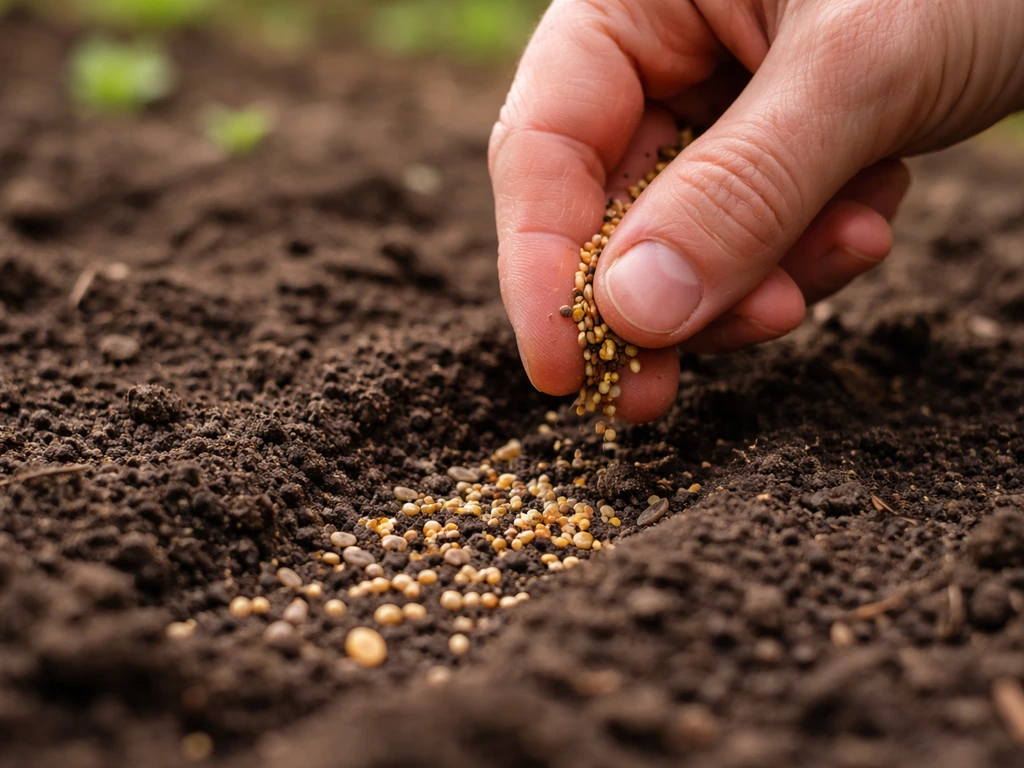
People sometimes ask whether they can skip the hardware store and just scatter bird seed to fill in a bare patch. The short answer is: you can try, but you won't get a lawn. You'll get a mix of annual grain shoots, potential weed seedlings, and possibly a sunflower or two. The question of will wild bird seed grow if planted gets asked a lot, and yes, some of it will grow, but it won't fill in like turf and it won't last.
Turf seed mixes are purpose-built for lawn establishment. They're formulated from specific turfgrass varieties (Kentucky bluegrass, tall fescue, perennial ryegrass, and so on), and they're tested and labeled for germination rates and weed-seed content. Bird seed skips all of that. There's no quality control for turf performance, no weed seed limits, and no consistency between bags or brands. What you'd get from scattered bird seed in a bare patch is essentially a weedy, patchy mix of annuals that dies back in a season and leaves you with bare soil again, possibly now with an established weed seed bank.
If your goal is actually growing grass, use grass seed. If your goal is covering bare soil quickly while you wait to reseed, there are better temporary options (annual ryegrass, erosion-control blankets) than a bird seed bag.
Sprouted or wet seed: is it safe, and what do you do with it?
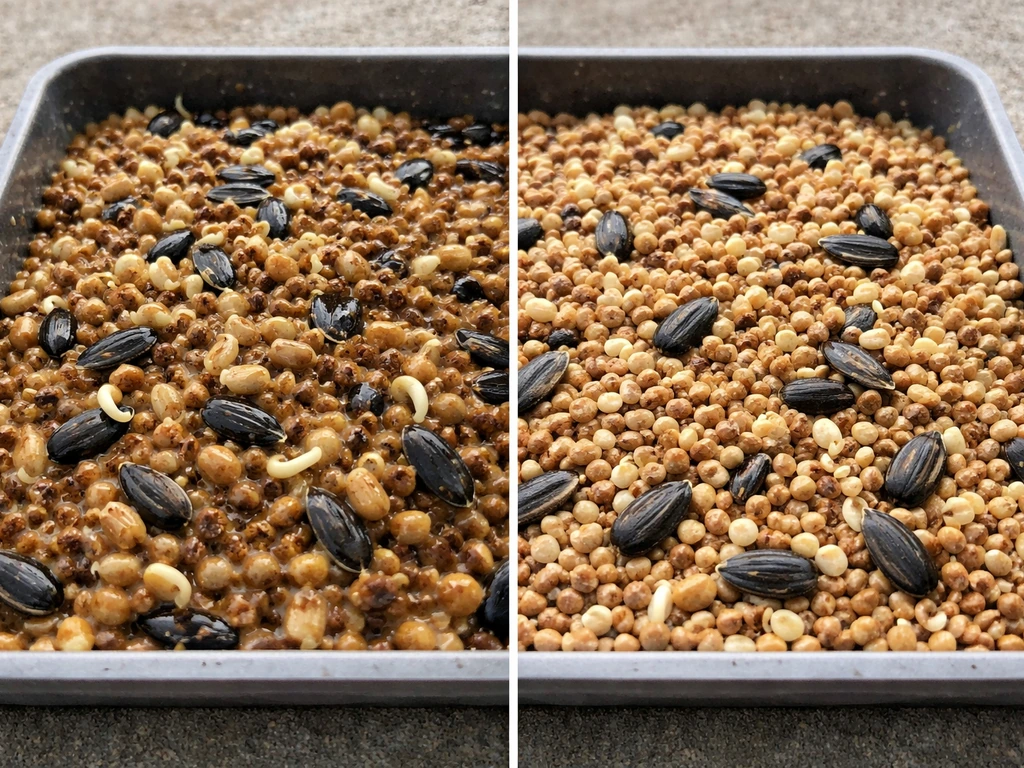
Sprouted seed in a feeder or bag is a hygiene problem, not just a cosmetic one. Once seed gets wet enough to sprout, it's also wet enough to grow mold and bacteria. Penn State Extension is direct about this: if seed becomes moldy, do not use it. Discard it and start with a fresh supply. This isn't just about the sprouts themselves; it's about what comes with them. Mold spores in a feeder can cause respiratory illness in birds, and some mold species produce mycotoxins that are harmful at even low exposure levels.
Here's how to handle wet or sprouted seed safely:
- Remove all wet or sprouted seed from the feeder immediately. Don't try to dry it and reuse it if any mold is visible.
- Clean the feeder with a 10% bleach solution (1 part bleach to 9 parts water), scrub all surfaces, rinse thoroughly, and let it air dry completely before refilling.
- If the seed is only slightly damp and has not yet sprouted or shown any mold, spread it in a thin layer on a dry surface indoors and let it air dry for 24-48 hours before deciding whether to reuse it.
- Inspect for mold before reusing. If there's any gray, green, or black discoloration or a musty smell, discard the entire batch.
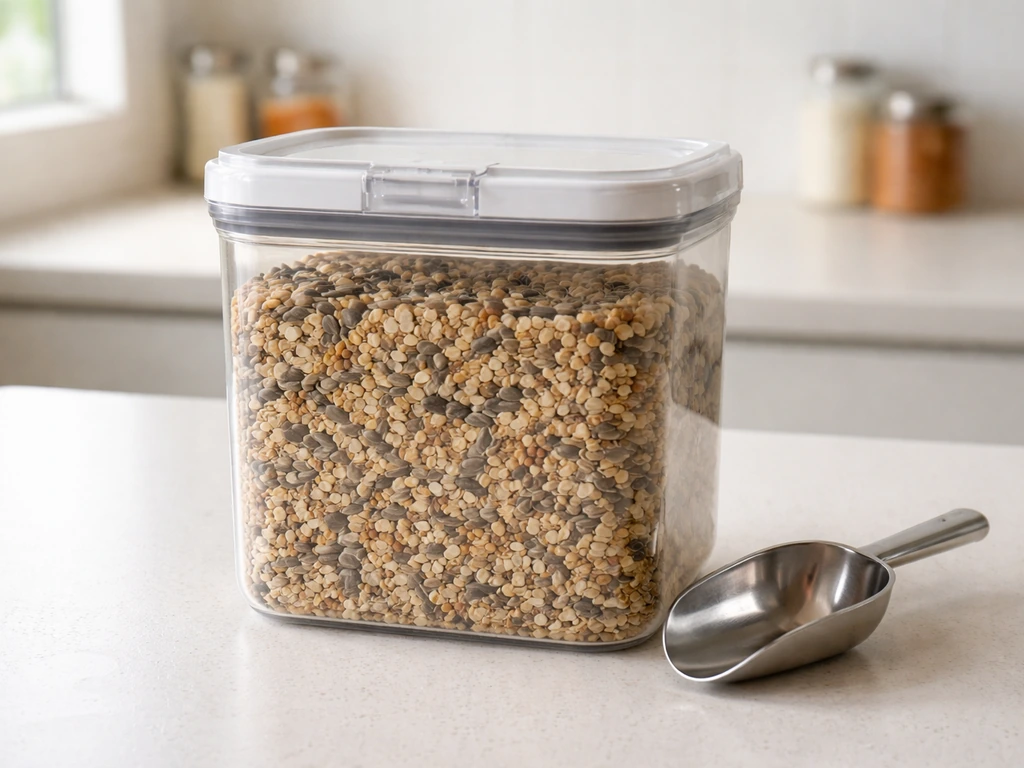
- Store replacement seed in a cool, dry place in a sealed, airtight container. A metal can with a lid works better than a cloth bag or cardboard box, which can absorb moisture and allow pests in.
In humid climates (the Gulf Coast, Pacific Northwest, or anywhere with frequent summer rain), check feeders every 2-3 days in warm months. In drier climates, weekly checks are usually sufficient. A feeder with drainage holes in the tray helps a lot, since standing water is the main driver of rapid seed spoilage.
Cleanup and prevention: stopping spills and managing volunteer growth
Getting sprouted seed out of your yard
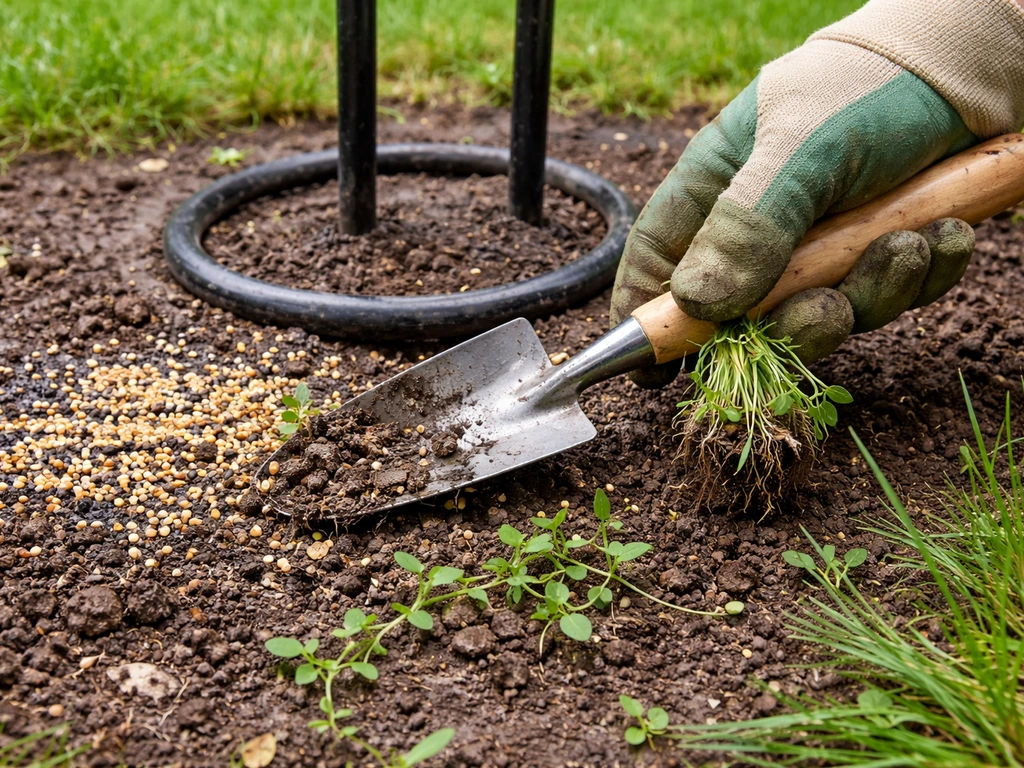
If you already have seedlings coming up under or around your feeder, the best approach is to remove them before they set seed themselves. Millet and milo can produce thousands of seeds per plant if left to mature, which turns a small germination problem into a recurring one. Pull seedlings by hand when soil is moist, getting as much root as possible. For larger patches, a hoe or cultivator works faster. Knowing how to get bird seed out of grass and the surrounding area is mostly about timing: catch it early, before anything goes to seed.
Oregon State University Extension describes birdseed as 'notorious for starting weed infestations,' and that reputation is earned. Some of the seeds in commercial mixes, including certain millet varieties and nyjer, can establish quickly and spread aggressively. Once a weed gets into a seed bank in your soil, you're dealing with repeat germination for years. That's worth taking seriously when you're cleaning up a spill.
Preventing future spills and sprouting
Prevention is much easier than cleanup. A few practical changes to your feeder setup will dramatically reduce how much seed reaches the ground and germinates:
- Add a seed catcher tray or mesh catch basin below the feeder to collect fallen seed before it reaches soil
- Use no-mess or hulled seed mixes (hulled sunflower, shelled peanuts) that have lower sprouting potential because the shell and embryo are often separated
- Place feeders over hardscape (patio, gravel, or mulch) rather than bare soil or lawn, which reduces soil contact and germination
- Sweep or rake up spilled seed every few days, especially after rain
- Avoid overfilling feeders; offer only what birds consume in 2-3 days to minimize leftover seed that can get wet
- Consider moving feeders seasonally if you notice recurring sprouting in one spot
Squirrels are a significant contributor to seed scatter, and excluding them from feeders not only protects your seed budget but also reduces the volume of seed getting buried or dropped around your yard. Baffles on feeder poles and weight-activated perch mechanisms both work well for this. If you're also dealing with birds eating seed you've planted intentionally, the same general exclusion logic applies, and there are specific strategies around how to stop bird eating grass seed that are worth looking at if lawn reseeding is on your to-do list.
A note on pets and household safety
Moldy or sprouted seed on the ground is also a concern if you have dogs or cats with outdoor access. Dogs in particular will eat almost anything, and moldy seed can cause vomiting, tremors, or worse depending on the mold type. If you notice seedlings or clumps of wet, matted seed under a feeder, clean it up promptly. It's not just a garden aesthetic issue. Keep the area under feeders part of your regular yard-check routine, especially during warm, wet stretches when germination and mold happen fastest.