If you are wondering whether bird seed will sprout under normal backyard conditions, the answer is often yes, which is why many gardeners find unexpected seedlings under their feeders every spring. The question this article focuses on is how to get that sprouting to happen deliberately, in a spot you choose, with results you can actually predict.
What actually determines whether your bird seed grows

Four things decide whether a seed in your bag will sprout: viability, age, storage history, and whether it has been coated or processed. Get all four right and you have a real chance at germination. Get one of them wrong and even the best soil prep in the world won't help.
Viability: not all seeds in the bag are alive
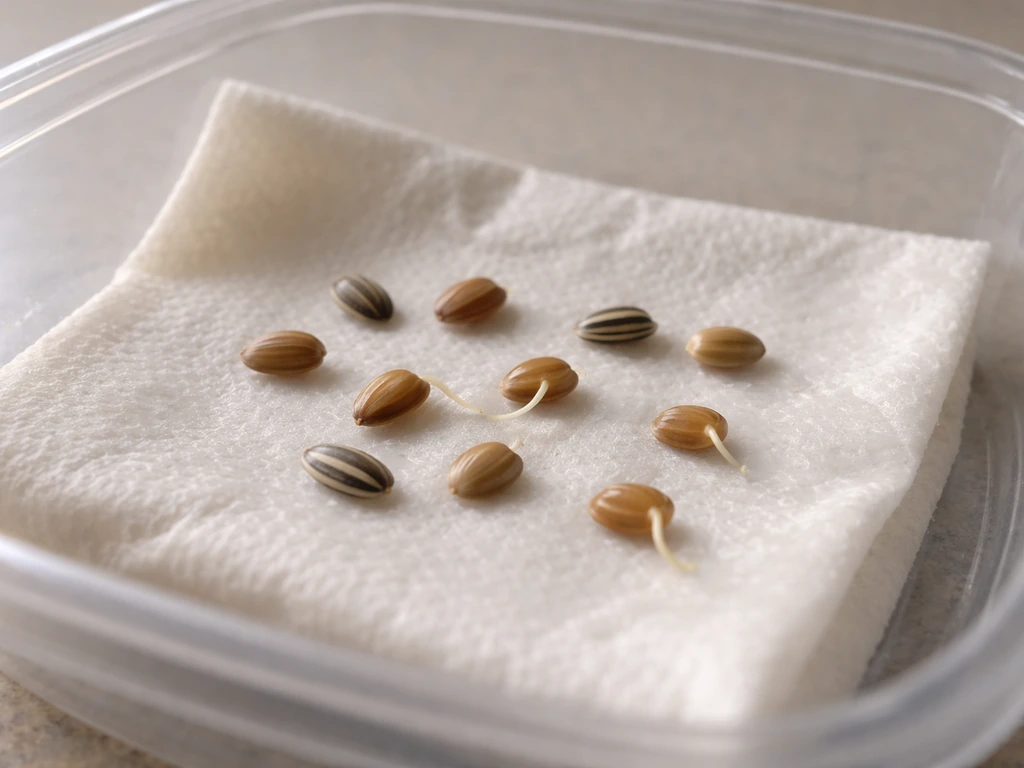
A commercial bird seed bag is not a seed packet from a garden center. There is no germination rate printed on it, no lot test date, and no assurance that the seeds inside meet any sprouting standard. Official lab germination testing requires at minimum 200 seeds per lot, and consumer bags simply are not held to that standard. That means the viability of any given bag is genuinely unknown until you test it yourself. A quick home germination test, putting 10 seeds between damp paper towels for a week in a warm spot, will tell you roughly what percentage are alive before you commit to planting.
Age and storage: the clock starts the moment the bag is sealed
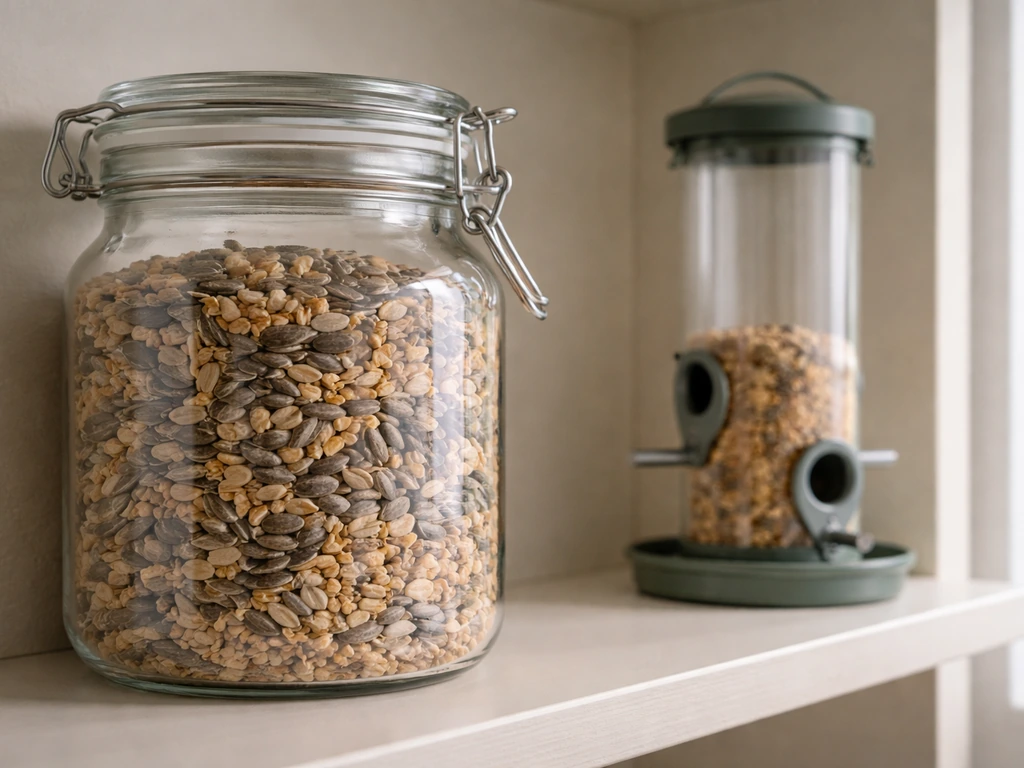
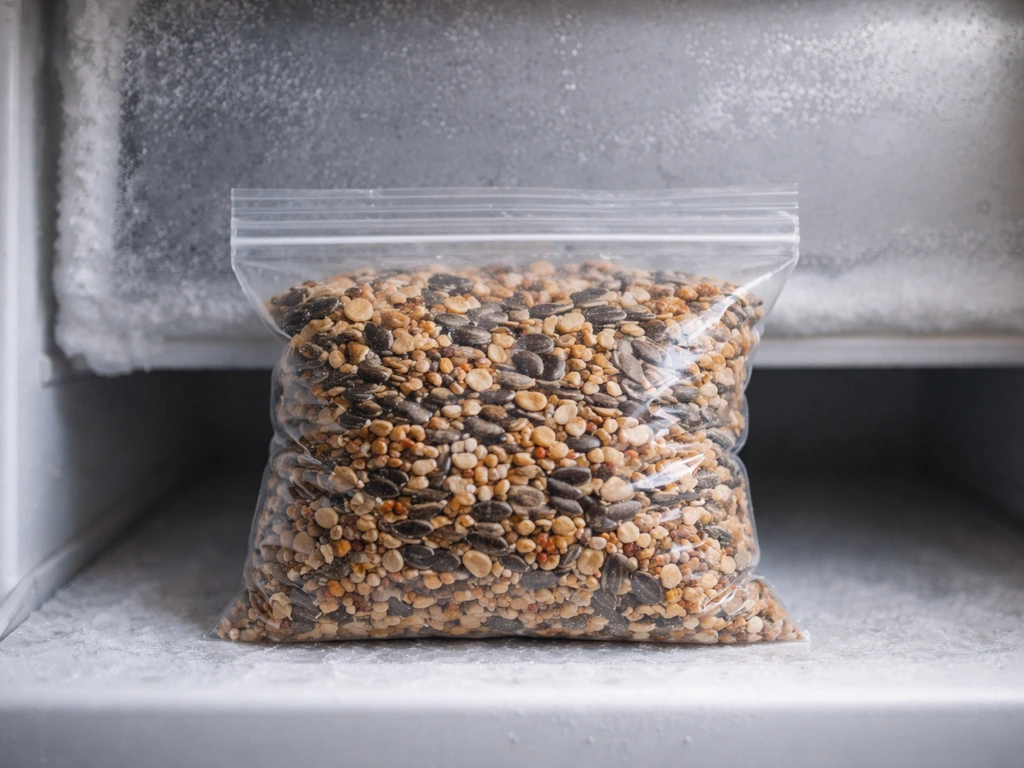
Sunflower seeds, one of the most common bird seed ingredients, have a relatively short viability window compared to some crops. Under ideal cool, dry storage conditions they can last around 4 to 5 years, but real-world garage or shed storage shortens that considerably because oils in the seed degrade faster in heat and humidity. Millet generally stores well. Safflower is reasonably stable. If your bag has been sitting in a hot shed since last season, expect lower germination across the board. Seeds stored somewhere cool and dry will outperform seeds from a bag left in a warm garage every time.
Coatings and processing: the biggest germination killers
This is where a lot of people get confused. Several popular bird seed products are deliberately engineered not to sprout. Nyjer seed (also called niger or thistle) is heat-sterilized before sale so it cannot germinate, which is why you never see thistle weeds under a nyjer feeder. No-mess blends from brands like Wild Birds Unlimited use hulled sunflower chips, shelled peanuts, and other shell-free ingredients precisely because seeds without their hulls will not sprout. Some blends explicitly advertise that they "won't sprout on your patio or lawn," and that claim is accurate. If your bag falls into that category, planting it is pointless. Check the ingredient list: if it says "chips," "hulled," or "cracked," those components are done.
There is also a safety concern worth flagging here. Some commercially grown seeds are coated with pesticides, including neonicotinoids, before they reach the feed bag. Planting those seeds introduces those chemicals into your soil, where they can affect pollinators and potentially harm the birds you are trying to attract. If you are planting bird seed intentionally, look for bags that explicitly state they are untreated.
How to plant bird seed today: a practical setup
Planting bird seed is simpler than planting a vegetable garden, but a few basics really do matter. Here is the process that gives you the best shot at germination.
- Run a quick viability test first. Place 10 seeds on a damp paper towel, fold it over, seal it in a zip bag, and set it somewhere warm (around 70°F) for 7 to 10 days. If 5 or more sprout, your seed is worth planting. Below 3 out of 10, the bag is probably too old or has been poorly stored.
- Choose your spot. A sunny or lightly shaded garden bed works best. Avoid spots that stay waterlogged, because consistently wet soil is a fast route to mold and damping-off.
- Prepare the soil. Loosen the top 2 to 3 inches, remove any large debris or competing weeds, and rake it smooth. You do not need to amend heavily, most bird seed species are not fussy about soil fertility.
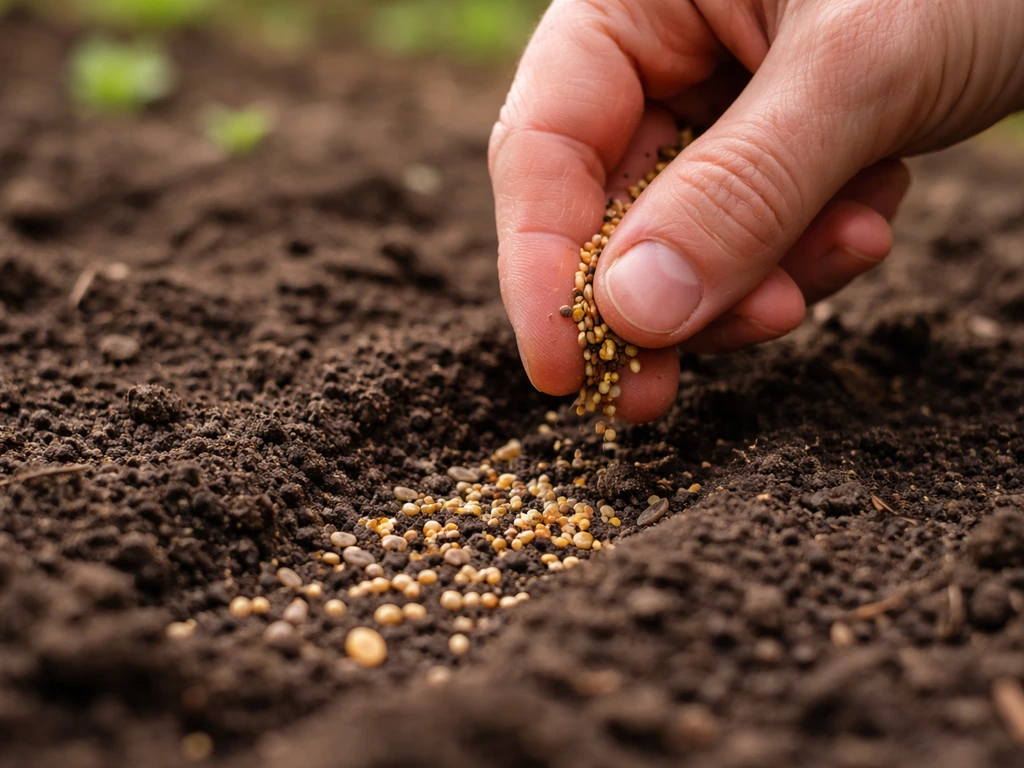
- Scatter and barely cover. Broadcast the seed across the prepared surface and then press it lightly into contact with the soil. Do not bury it. Most small seeds like millet need no more than 1/16 of an inch of soil cover. Burying deeper than 1/4 inch is one of the most common reasons small seeds fail to emerge.
- Water gently. Use a gentle spray to moisten the top inch of soil without washing seeds away. Keep the surface consistently moist but not saturated until germination, which typically takes 7 to 14 days for millet and 10 to 14 days for sunflower.
- Check soil temperature. Millet needs at least 55 to 65°F in the soil to germinate, and warm-season varieties want closer to 70°F. Sunflower does best above 50°F. If you are planting in early spring in a cold-climate region, wait until the soil warms up or germination will be slow and patchy.
Timing by region
In the northern US and Canada, late May or early June is the reliable window for outdoor sowing, which lines up with soil temperatures that support most millet types. In the mid-Atlantic and Midwest, mid-April through May works. In the South and Southwest, you can often plant as early as March. If you are in a cool-spring region and want earlier results, start seeds indoors in trays using sterile seed-starting mix (not garden soil), then transplant after your last frost date.
What will actually come up: flowers, greens, or just weeds
This is the expectation management section, because what people imagine when they think about "growing bird seed" and what actually comes up can be pretty different. Here is a realistic breakdown by the most common blend types.
| Seed Type | Will It Sprout? | What You Get | Flowers? |
|---|
| Black oil sunflower (whole, in shell) | Yes, reliably | Tall sunflower plants, 3–6 feet | Yes, classic yellow sunflower blooms in 60–80 days |
| White proso millet (whole) | Yes, reliably | Grass-like clumps, 2–4 feet | Seed heads, not showy flowers |
| Safflower (whole) | Yes, often | Thistle-like plant, 1–3 feet | Small orange/yellow blooms possible |
| Nyjer / thistle (heat-treated) | No | Nothing | None |
| Cracked corn | No | Nothing | None |
| Hulled sunflower chips | No | Nothing | None |
| Milo / sorghum (whole) | Sometimes | Grass-like stalks | Seed heads only |
| Mixed wild bird seed (standard bag) | Partial, varies by batch | Mostly millet and sunflower | Sunflower blooms likely; millet seed heads only |
If your goal is flowers, a standard bird seed mix will get you there mainly through sunflower. Millet and sorghum produce seed heads, not blooms, so what you are really looking at is more of a naturalistic grass-and-grain planting than a flower bed. That is not a bad thing, especially if you want to attract birds to the plants themselves, but it is worth knowing upfront. If you have been seeing green growth appear unexpectedly under your feeder and wondering why your bird seed is growing grass, the short answer is: millet.
Where to plant versus leaving seed on the ground
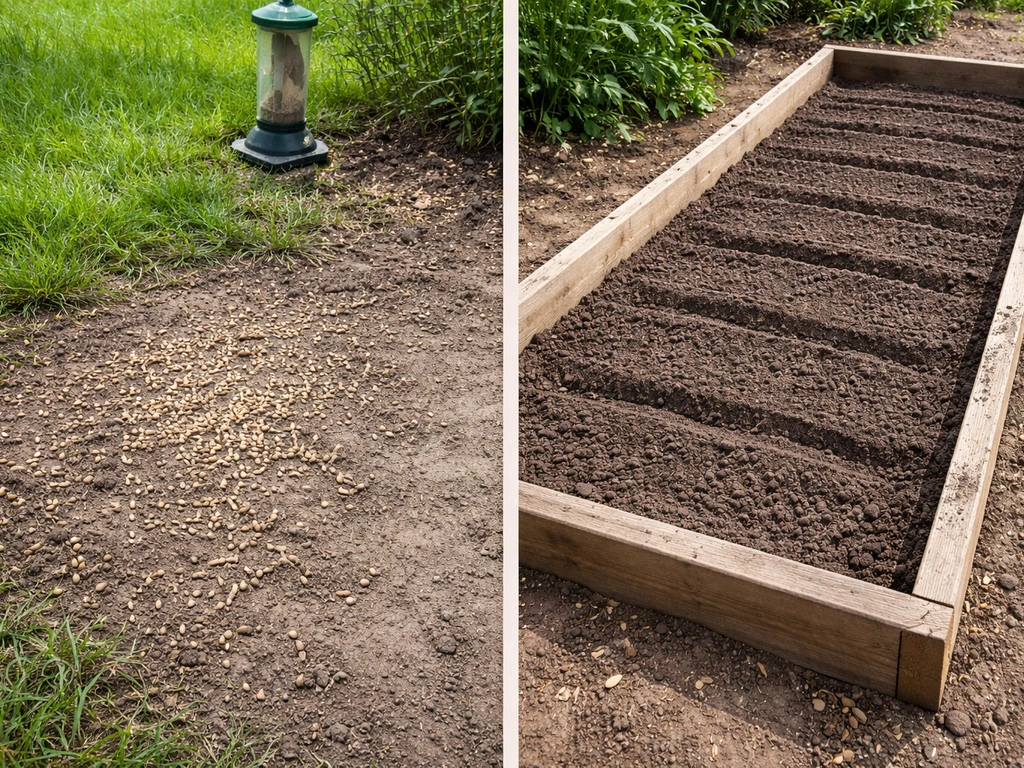
Seeds scattered on the ground under a feeder behave very differently from seeds planted in a prepared bed. On hard-packed soil or lawn, most seeds sit exposed to birds, squirrels, and weather without the soil contact they need to germinate reliably. Some will still sprout, especially after rain softens the ground, but germination will be patchy and uneven. Prepared soil dramatically improves contact and moisture retention, which is why a deliberately planted bed will always outperform random scatter-under-feeder results.
If you are dealing with uninvited sprouting in your lawn and want to understand what's happening, the connection between bird seed and grass growth comes down almost entirely to millet, which looks very similar to lawn grass in its early weeks. Millet seeds are small, lightweight, and get pressed into lawn soil easily by rain and foot traffic, which is all the planting they need.
If you are trying to avoid sprouts entirely, the fix is to switch to a no-mess or hulled blend, or to understand the difference between bird seed and grass seed so you can identify and pull seedlings before they establish. Placing a tray or catch pan under your feeder also helps by keeping dropped seed off the soil. For those who need to remove what is already growing, there are practical methods to get bird seed sprouts out of your grass without damaging the lawn.
One more thing worth knowing: if you are overseeding a lawn and worried about birds eating your grass seed before it germinates, the dynamics there run in the opposite direction. Knowing how to stop birds from eating grass seed is a separate problem entirely, but it is closely related to understanding how birds interact with any seed on the soil surface.
Troubleshooting: when your bird seed won't grow
Most failures come down to one of four causes. Damping-off is caused by multiple soilborne fungi and oomycetes, including Pythium, Rhizoctonia, Fusarium, and Phytophthora species. Here is how to diagnose and fix each one.
No germination at all
- Cause: Seed is dead or was processed (hulled, heat-treated, cracked). Fix: Run the paper towel test before your next planting. If nothing sprouts in 10 days, the seed is not viable. Prevention: Buy whole, unhulled seeds from a bag that does not advertise "no mess" or "no sprout."
- Cause: Soil is too cold. Fix: Wait until soil hits at least 55°F for millet, 50°F for sunflower. Check with a cheap soil thermometer. Prevention: Plant in late spring rather than early spring in cold-climate zones.
- Cause: Seeds buried too deep. Fix: Re-rake the area and re-sow at the surface with just a light press into soil. Prevention: Never cover small bird seeds more than 1/16 to 1/8 inch deep.
Seeds sprouted but growth is weak or dying off

- Cause: Damping-off fungal disease. This is rotting at the soil line and collapse of young seedlings, caused by fungi like Rhizoctonia, Fusarium, and Pythium that thrive in warm, wet soil. Fix: Reduce watering frequency immediately. If starting indoors, switch to sterile seed-starting mix and sterilize trays in a 10% bleach solution (soak for 30 minutes, rinse, dry) before reuse. Prevention: Never use garden soil in indoor trays. Outdoors, improve drainage before sowing.
- Cause: Overcrowding. Bird seed mixes are dense and if you scatter heavily, seedlings compete intensely. Fix: Thin seedlings to 4 to 6 inches apart for millet, 12 inches for sunflower. Prevention: Scatter more sparingly than you think you need to.
- Cause: Competing weeds. Fix: Weed the bed before sowing and mulch lightly around seedlings once they are 3 inches tall. Prevention: Prepare the bed a week early, let weed seeds germinate, then lightly cultivate to kill them before sowing bird seed.
Plants are growing but not blooming
- Cause: You are growing millet or sorghum, which produce seed heads rather than flowers. This is working as expected. No fix needed.
- Cause: Sunflowers are not getting enough sun. They need at least 6 hours of direct sun per day to bloom reliably. Fix: Move future plantings to a sunnier spot.
- Cause: Seeds were planted too late in summer for blooms before frost. Sunflowers need 60 to 80 days from germination to bloom. Fix: Plant earlier next season.
Safety, mold, pests, and cleanup
Planting bird seed in your yard introduces a hygiene variable that most gardening guides skip over but that matters a lot if you are also running bird feeders nearby. Here is what to watch for and how to manage it.
Mold risk during germination
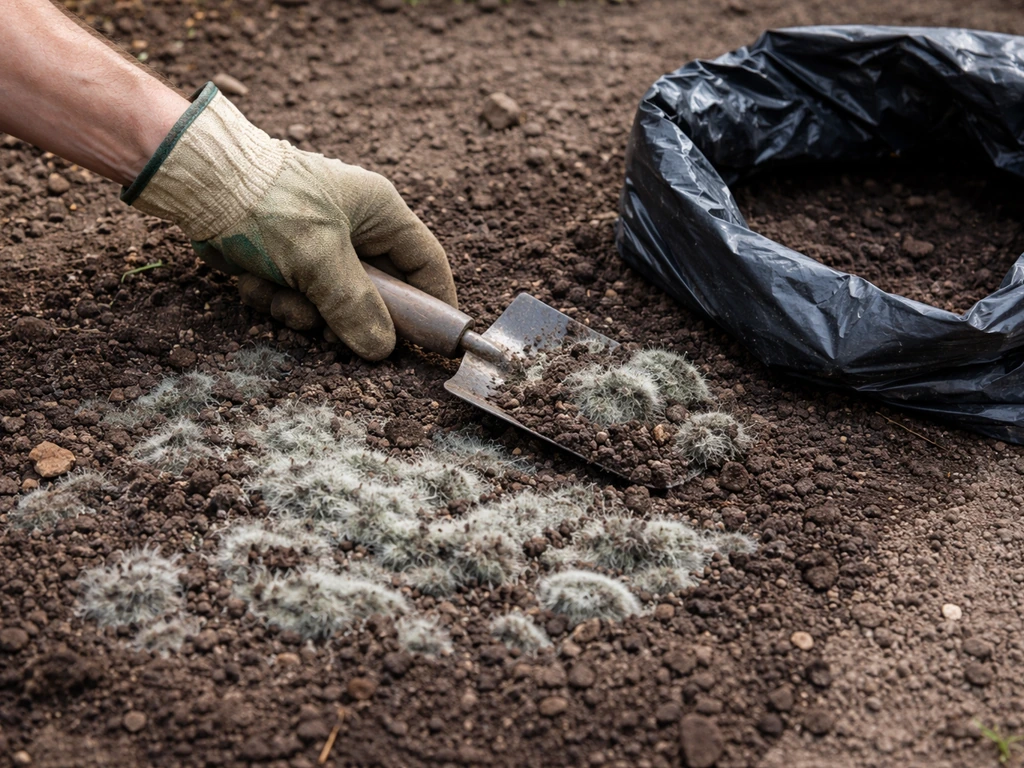
Wet seeds sitting in warm soil are a classic environment for mold and damping-off pathogens. This is especially true if you are trying to "pre-soak" seeds to speed up germination, which some gardening guides recommend. For bird seed specifically, soaking for more than 12 to 24 hours in warm water significantly increases the risk of mold forming on the seed coat. If you soak, keep it brief, rinse thoroughly, and plant immediately. Outdoors, well-drained soil is your main protection. Avoid watering in the evening if your planting area stays warm overnight.
Rodent and pest attraction
A freshly seeded bed smells like food to mice, rats, and squirrels. If you scatter a large amount of bird seed on open soil and it doesn't germinate quickly, you are essentially leaving a feeding station on the ground. To reduce attraction, avoid planting more than you need, cover lightly with soil immediately after sowing, and consider a lightweight row-cover fabric for the first week or two until seeds are established. Ground-feeding birds will also find and eat freshly planted seed before it gets a chance to sprout, which is something to account for if your garden is heavily visited.
Cleanup after a failed batch
If a planting attempt fails and you have a bed of wet, moldy, or rotting seed, do not leave it in place. Rake it up, bag it, and dispose of it in the trash rather than the compost. Moldy seed can carry Aspergillus fungi, which is genuinely harmful to birds if they feed on it. The same applies to wet or spoiled seed in trays under feeders: remove it promptly rather than letting it accumulate. Clean trays and pots with a dilute bleach solution before reuse to avoid carrying pathogens into your next planting.
Protecting birds at the feeder while you experiment
If you are pulling seed from your existing bird seed supply to plant, make sure the remaining seed in your feeders stays dry and fresh. Seed that has been handled repeatedly or exposed to moisture is more likely to mold. This is especially relevant if you are curious about whether wild bird seed will grow if deliberately planted and want to run a small experiment using what you already have on hand. Just pull from a fresh, dry section of the bag and reseal the rest tightly.
The practical bottom line
Standard wild bird seed, the kind with whole black oil sunflower and white proso millet, will sprout reliably if you give it warm soil, good contact, minimal cover, and consistent moisture. You will most likely get sunflower plants and millet clumps. Sunflower will bloom; millet will not. No-mess blends, hulled seeds, and heat-treated nyjer will not sprout at all, by design. The biggest practical mistakes are burying seeds too deep, planting in cold soil, and using old or improperly stored seed without testing viability first. Fix those three things and planting bird seed is genuinely easy and often surprisingly rewarding.