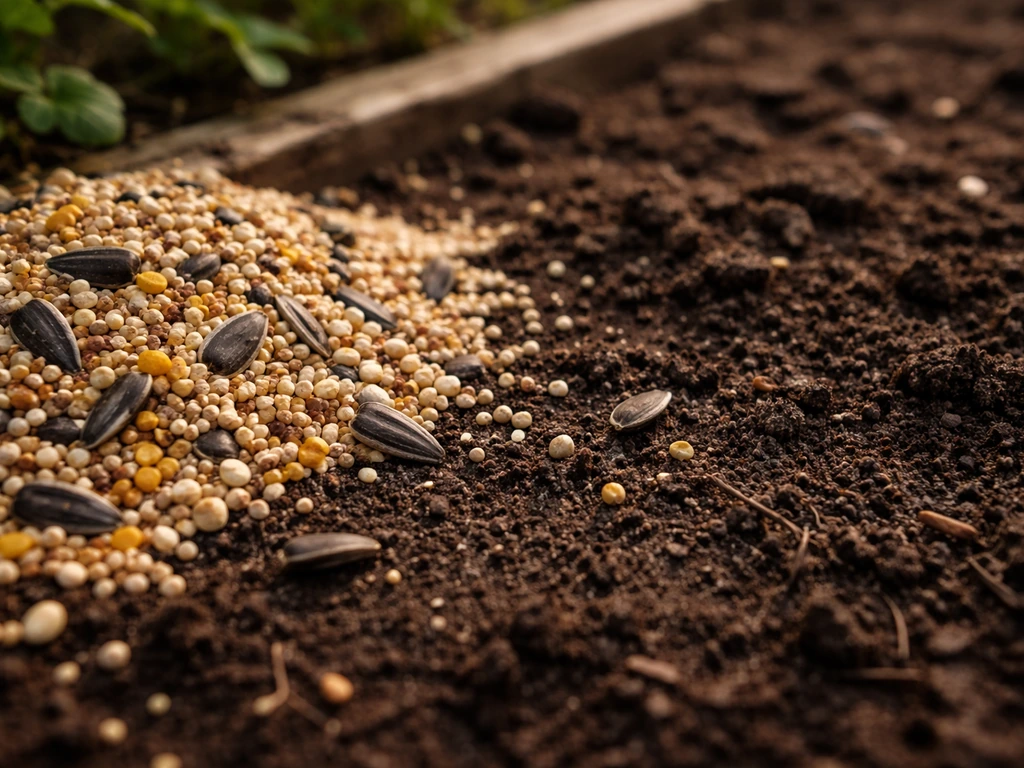
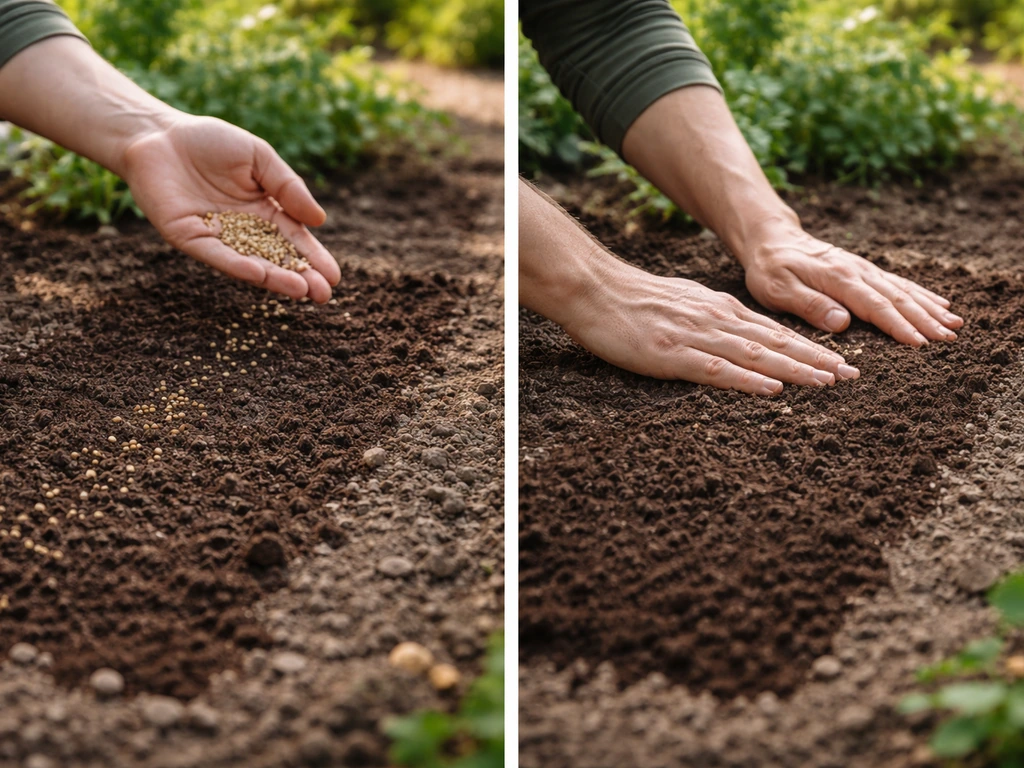
Cover the seed immediately after broadcasting it. That single step does more than anything else to stop birds from eating your grass seed. Bird seed and grass seed are both vulnerable when they sit exposed, which is why covering and physical exclusion matter so much. A thin top-dressing of straw, peat, or fine compost at 1/8 to 1/4 inch deep hides the seed from view, and since birds hunt by sight, they lose the 'food here' cue and largely move on. If you combine that with netting and a simple distraction feeder, you can protect the seed through the critical first 7 to 14 days until seedlings emerge and birds stop caring.
How to Stop Birds Eating Grass Seed After Sowing

Maya Collins
4 Jun 2026
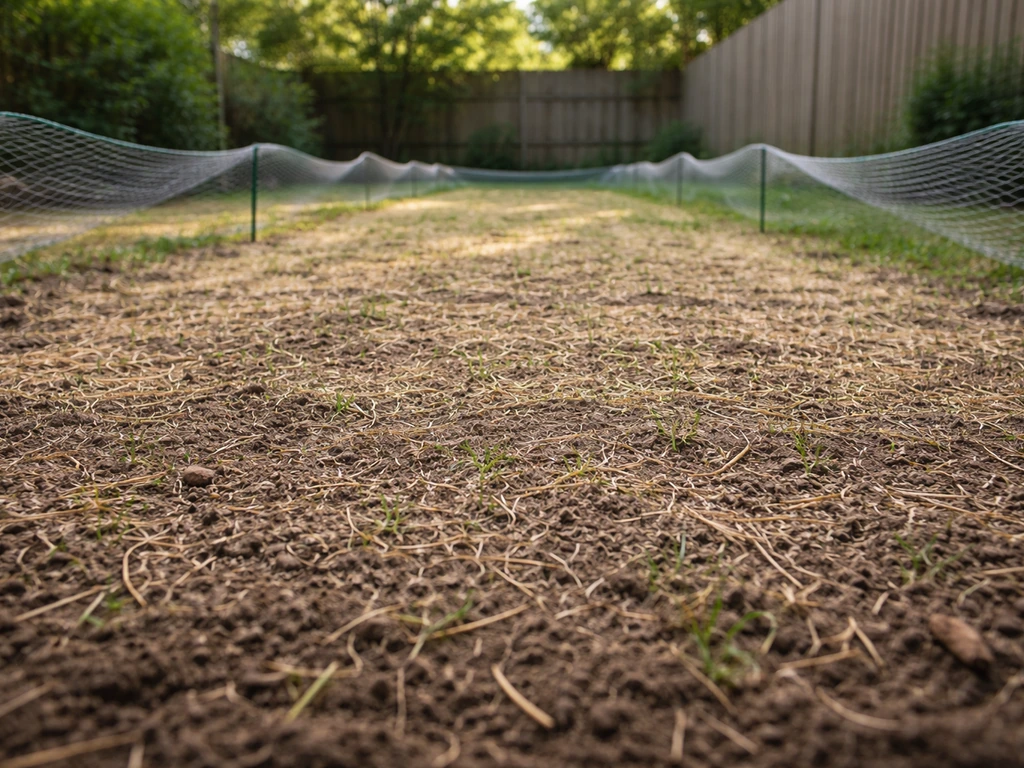
Why birds go after grass seed in the first place
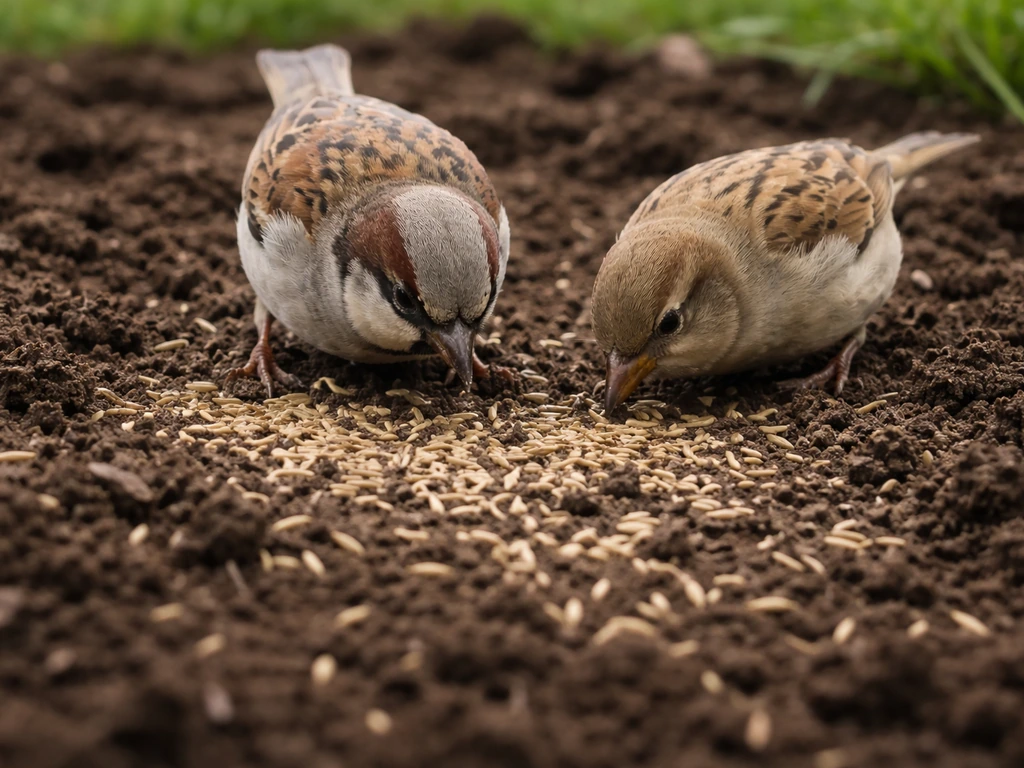
Birds are opportunistic foragers, and a freshly seeded lawn is basically a free buffet. Newly broadcast seed sits on or just below the soil surface, fully visible and easy to pick up with no digging required. Species like sparrows, finches, starlings, and pigeons are especially efficient at this because they are adapted to finding and dehusking seeds quickly.
The problem is worst in the first week after seeding, before roots anchor the seed into the soil and before any visible green growth signals that the food source is gone. Once seedlings break the surface at around 7 to 14 days (depending on grass type and soil temperature), bird pressure drops sharply because the seed is no longer accessible or easy to identify.
It is also worth knowing that birds are not randomly wandering into your yard. They are scouting. Exposed seed on bare soil is a strong visual target, and once one bird finds it, others follow. That is why the moment between seeding and covering is so important. The longer seed sits exposed, the more birds discover it and recruit others.
Stop-access tactics: physical exclusion and smart placement
Physical exclusion is the most reliable approach available. If birds cannot reach the seed, it does not matter how attractive it looks. There are two main ways to do this: netting over the seeded area and row cover fabric laid directly on the soil.
Bird netting
Use a mesh size of 0.6 inches (15 mm) or smaller to exclude small birds like sparrows and finches. Install the netting in a canopy style, elevated a few inches above the soil surface using stakes or wire hoops. Do not lay netting flat on the ground. Flat netting is less effective at blocking access, and it creates a tangle risk for small birds and mammals that wander through. Secure the edges down firmly so birds cannot slip underneath. Anchor with landscape staples, stones, or garden edging. Remove the netting once seedlings are visibly established, typically 2 to 3 weeks after seeding.
Floating row cover fabric
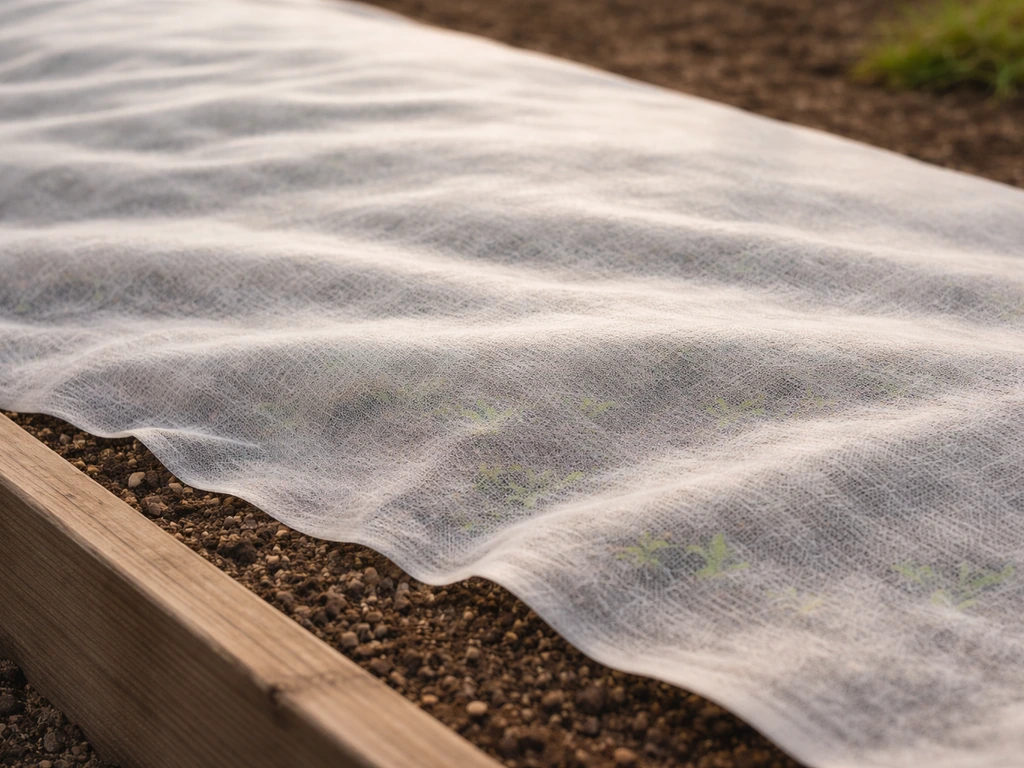
A lightweight floating row cover laid directly over the seeded soil is a good alternative to netting, especially for smaller areas. It blocks birds physically while still allowing water to pass through for watering. The key trade-off is light: row cover limits sunlight, so you need to remove it promptly once germination begins so seedlings do not get leggy or stressed. Check the area daily during the germination window and pull the cover the moment you see green shoots.
Smart placement to reduce exposure
If you are seeding a large open area, consider seeding in sections rather than all at once. Seed one section, cover it immediately, then move to the next. This limits how much exposed seed is ever sitting unprotected at any given time. Also avoid seeding late in the day when birds are doing their final active foraging before dusk. Early morning seeding gives you time to cover the area before peak foraging activity.
Seed-proofing the lawn setup: timing, covering, and barriers
Covering the seed is not just about birds. The same thin top-dressing that hides seed from birds also helps retain moisture, which directly speeds up germination. Seed kept consistently damp from day one tends to germinate 2 to 4 days faster than seed that dries out. Here is exactly what the top-dressing step looks like:
- Broadcast your grass seed across the prepared soil surface.
- Immediately apply a top-dressing of weed-free straw, peat moss, or fine compost to a depth of 1/8 to 1/4 inch (3 to 6 mm). This is thin enough that seedlings can push through but thick enough to hide the seed from above.
- Alternatively, rake a thin layer of topsoil (about 1/8 inch) lightly over the seed to cover it.
- Water gently with a light spray 2 to 3 times per day to keep the seed moist without washing it away or pooling water.
- If using row cover or netting, install it immediately after watering the first time.
One thing to keep in mind: the recommended planting depth for most cool-season grasses is roughly 0.25 to 0.5 inches, so you are not burying the seed deep. The goal is just enough cover to hide it visually and hold moisture. Going too deep can actually prevent germination, so stick to the 1/8 to 1/4 inch range for the top-dressing.
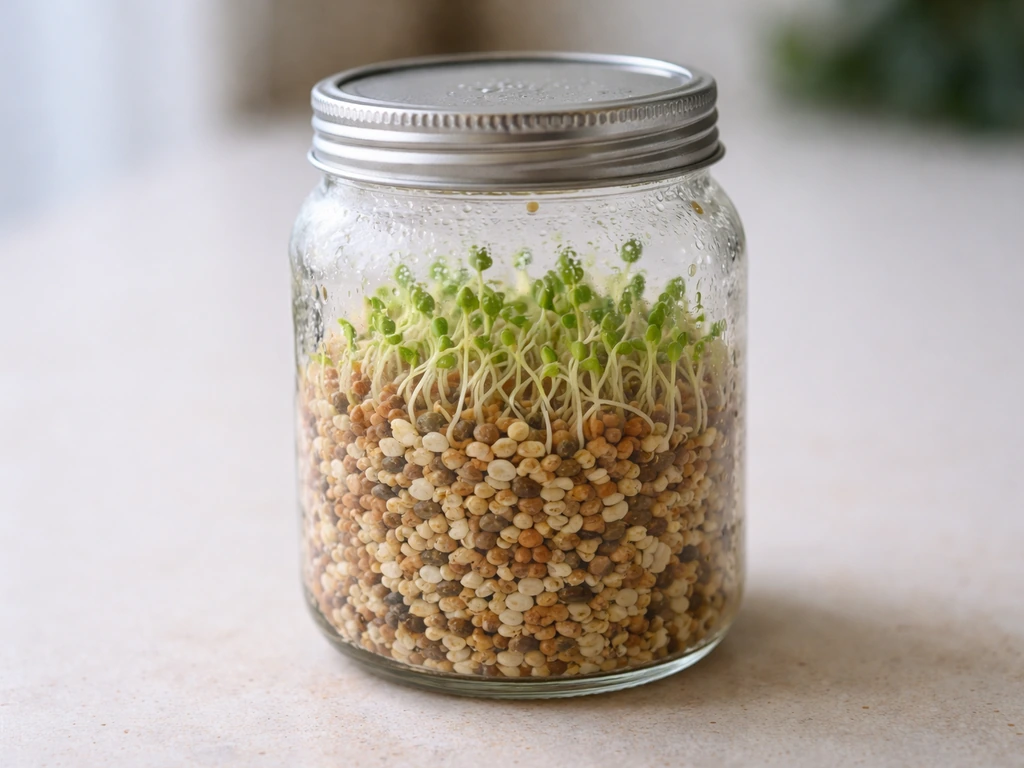
For timing, fall is generally the easiest season to seed because bird pressure is lower and cool temperatures support germination. Spring can work but often coincides with peak bird activity. If you are in a region with heavy migratory bird traffic in spring, consider using both netting and top-dressing together rather than relying on just one method. Will wild bird seed grow if planted? If your bird seed is starting to grow grass, it usually means some of the seed germinated before it was covered and protected. In most cases, it can germinate if conditions like moisture and soil contact are right, but results vary by species seeded lawn.
Use deterrents safely: what actually works and what does not
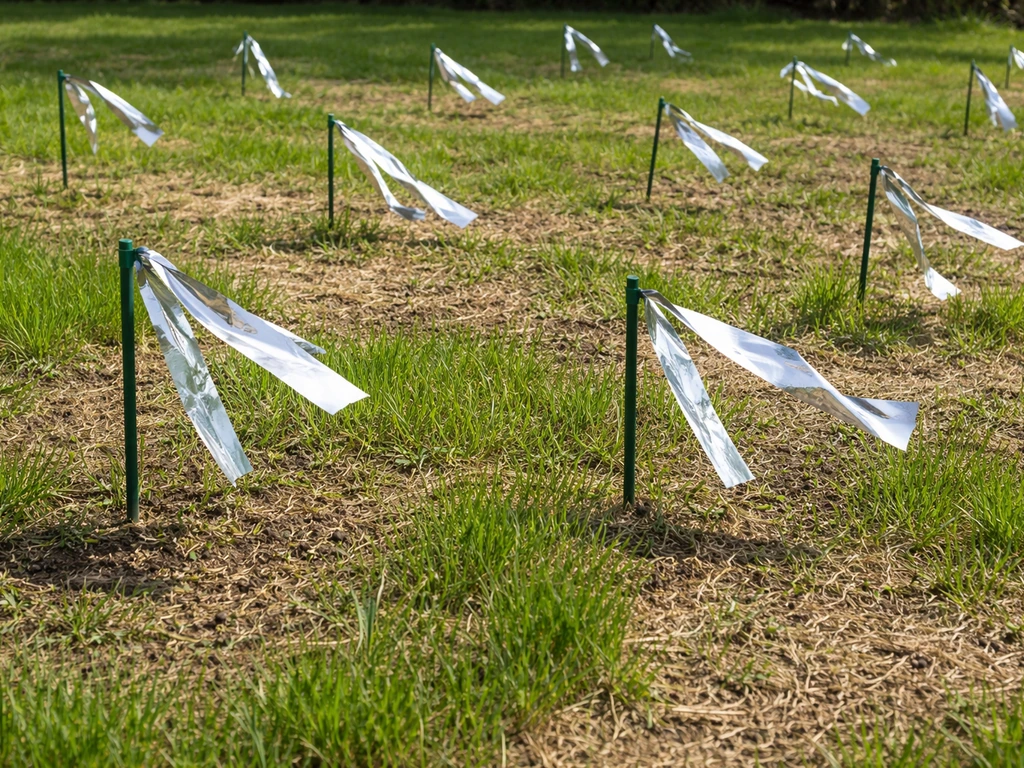
Deterrents can support your physical exclusion setup, but they should not replace it. Here is an honest breakdown of what is worth using and what you can skip.
| Deterrent | Does it work? | Key limitation |
|---|---|---|
| Reflective tape or foil strips | Moderately, short-term | Birds habituate within days to weeks if the tape is in a fixed, predictable position |
| Pinwheels (reflective spinning) | Moderately, short-term | Same habituation issue; works better when moved frequently or combined with other deterrents |
| Ultrasonic repellers | Little to no evidence | No strong scientific support for long-term effectiveness against birds |
| Predator decoys (plastic owls, hawks) | Short-term only | Birds habituate quickly if the decoy does not move; reposition every 2 to 3 days to extend effectiveness |
| Multiple deterrents in rotation | Better than single deterrent | Combining types and changing positions slows habituation |
If you do use reflective tape or pinwheels, place them so they move unpredictably in the wind and reposition them every few days. The goal is to create an environment that feels unstable and unsafe to land in, not a static obstacle birds can learn to ignore. Using two or three different deterrent types simultaneously, varied in placement, is more effective than relying on one.
Skip ultrasonic repellers entirely. There is a lack of scientific evidence that they control birds in outdoor environments. Save your money for netting or extra straw.
Control alternatives and baiting: offer preferred foods elsewhere
One of the most underused strategies is simply giving birds something better to eat somewhere else. Diversion feeding is a legitimate predation-prevention strategy. If a bird can get easy, high-quality food from a dedicated feeder on the other side of your yard, it has less reason to scratch around your seeded areas.
Set up a bird feeder stocked with sunflower seeds, safflower, or nyjer (thistle) at least 20 to 30 feet away from your seeded lawn, ideally near existing trees or shrubs where birds prefer to perch. Birds, especially seed-eating species like finches and sparrows, will prioritize the easy, visible feeder over having to search through straw-covered soil. The key is to load the feeder before or at the same time you seed, not after birds are already focused on the lawn.
A few notes on this approach: keep the feeder clean and fresh. Old, moldy, or wet seed in a diversion feeder can actually attract more birds to your yard overall, which is the opposite of what you want. Use small amounts and refresh frequently during the germination window.
Troubleshooting common failures
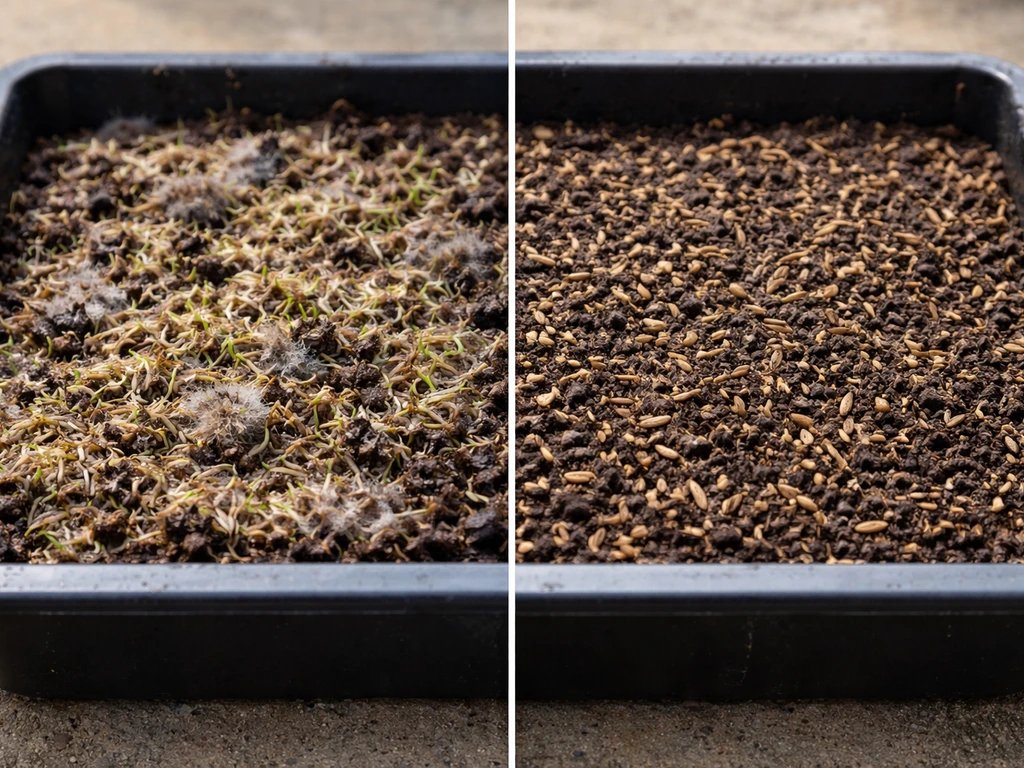
If birds are still getting to your seed after you have taken the steps above, one of a few things is usually going wrong. Here are the most common failure points and how to fix them.
Seed is sprouting before it germinates into grass
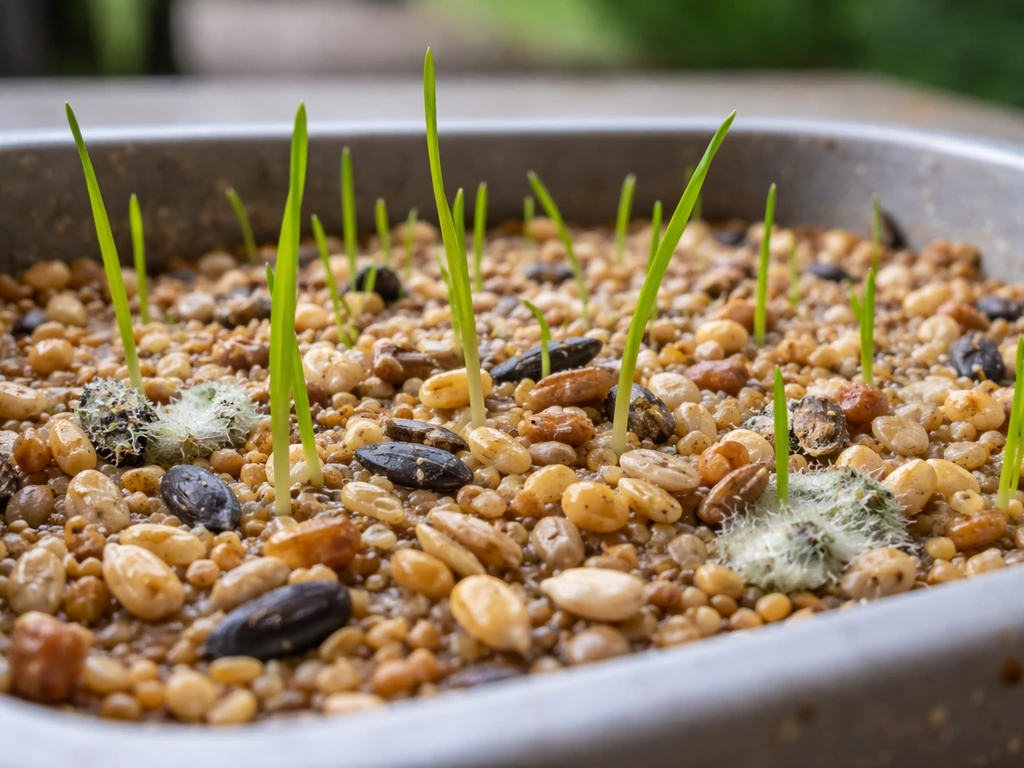
If your grass seed is sitting wet and warm for too long, it can begin to sprout into visible green shoots before the grass seedlings properly establish. Sprouted seed is even more attractive to birds than dry seed because the exposed shoot is a visual target. The fix is consistent, light watering rather than heavy infrequent watering. Aim for 2 to 3 light waterings per day to keep soil moist but not waterlogged.
Pennington also recommends watering newly seeded areas 2 to 3 times per day with a light spray to keep the seed moist until germination Aim for 2 to 3 light waterings per day to keep soil moist but not waterlogged. This is also related to a broader question many people ask about whether bird seed grows and sprouts under certain conditions, which applies to lawn grass seed too.
Seed is getting wet and developing mold
Overwatered or poorly drained seeded areas can lead to damp, clumped seed that develops mold. Moldy seed is a pest attractor and is unsafe for birds if they do eat it. If you see any gray or white fuzzy growth on the seed surface, remove the affected material, improve drainage, and reseed that section. Avoid using landscape fabric or plastic sheeting as a cover since these trap moisture and promote mold. Stick to breathable materials like straw or row cover.
Netting is not stopping birds
If birds are getting through or under your netting, check two things: mesh size and edge security. A mesh larger than 0.6 inches (15 mm) can allow small birds like sparrows to pass through. And if the edges are not anchored firmly, birds will simply walk underneath. Re-stake or weigh down all edges and switch to a finer mesh if needed.
Deterrents stopped working after a few days
This is normal. Birds habituate to visual and auditory deterrents quickly when those deterrents stay in the same spot. Rotate positions every 2 to 3 days and combine at least two deterrent types. If you are using reflective tape, make sure it is free to move in the breeze rather than tied taut.
Bare patches keep reappearing after seeding
If you keep finding bare areas even after birds are excluded, the issue may be germination failure rather than ongoing bird damage. Check soil temperature (most cool-season grasses need at least 50 to 65 degrees Fahrenheit at seed depth), moisture consistency, and whether seed-to-soil contact is adequate. Reseed bare areas and repeat the full protection process. You may need to go through 2 to 3 seeding rounds in heavily damaged zones before you get satisfactory coverage.
Cleanup and storage hygiene to prevent repeat visits
Once your grass is established and you remove the netting or row cover, take a few minutes to clean up. Leftover straw, scattered seed husks, or clumped seed sitting on the soil surface are all bird attractants. If you are asking how to get bird seed out of grass, focus on removing loose topdressing and husks first, then rake and clean up any remaining seed once the lawn is established scattered seed husks.
Rake up any debris and dispose of it rather than leaving it on the lawn. If any seed material has gone moldy or damp, do not leave it where birds can access it. Moldy or damp seed is not safe for birds and will continue drawing them in.
If you had bird activity on the seeded area, clean any concentrated droppings with a dilute bleach-water solution (roughly 1 part bleach to 9 parts water), scrub the surface, and rinse well before allowing pets or children back on the lawn. This mirrors the standard guidance for sanitizing after bird intrusion in other settings.
For any leftover grass seed you are storing between seeding sessions, keep it in an airtight container in a cool, dry location. Seed stored in humid conditions or partially open bags can absorb moisture, begin to sprout, or develop mold, all of which reduce viability and can attract pests if spilled. Check stored seed before each use and discard anything that smells off, appears clumped, or shows any visible mold. Fresh, dry seed that you cover promptly after broadcasting is the fastest way to get through the vulnerable window and end the bird problem for good.
FAQ
What should I do if I forgot to cover the seed right after sowing?
If you realize the seed was left uncovered for hours or overnight, re-cover immediately and consider lightly re-topdressing in that zone (about 1/8 to 1/4 inch). If you see sprouting green tips already, birds may keep targeting it, so switch to consistent light moisture and keep netting or row cover on until germination is clearly underway (typically the first 7 to 14 days).
Why are birds still hanging around after I covered the lawn seed?
Yes, leftover seed husks and clumps can keep attracting birds even after the main seeding is protected. Rake and remove loose straw or husks as soon as seedlings are established, and do not leave any damp or moldy material on the surface, since it can become a continued food lure.
Do reflective tape or pinwheels alone stop birds from eating grass seed?
Reflective tape and pinwheels only work if they stay unpredictable and are moved often enough that birds cannot learn the pattern. Place them so they actually flutter (not tied taut), reposition every 2 to 3 days, and treat them as add-ons to top-dressing plus netting, not the primary solution.
How do I set up a distraction feeder without making the bird problem worse?
Clean, fresh diversion feeding can help, but only if it stays far from the seeded area and is kept in good condition. Avoid wet, moldy, or old seed in the feeder, use small amounts, and refresh frequently during germination, otherwise you may unintentionally draw more birds to your yard.
My netting is up, but birds still reach the seed. What edge-case checks should I do?
If you are seeing birds walk over the area and you cannot figure out why they are getting in, check for a gap at the edges first, then check netting placement. Netting should be in a canopy style (lifted slightly above the soil), secured all around, and not laid flat, since flat material can let birds access the seed or create escape routes.
What netting mesh size should I use, and how do I know if it is too big?
For small birds like sparrows and finches, use mesh at or below 0.6 inches (15 mm). If birds are still getting through, upgrade to finer mesh and re-secure every edge point (staples, stones, or edging), since even small gaps near stakes can become the entry point.
Can I use plastic sheeting or non-breathable fabric to protect grass seed?
Avoid landscape fabric or plastic sheeting over the seeded soil because it can trap moisture, encourage mold, and increase seed spoilage. Use breathable materials like straw top-dressing or floating row cover, and remove the row cover promptly once you see green shoots to prevent leggy, stressed seedlings.
How can I tell if birds are the problem or if the seed simply failed to germinate?
If germination has failed, birds will keep foraging because the area remains attractive. Confirm soil temperature is in the right range, check that soil stayed consistently moist but not waterlogged, and verify seed-to-soil contact. For bare spots, reseed that section and repeat the full protection steps rather than only adding more deterrents.
Does seeding the whole lawn at once make bird damage worse?
Yes, birds can spread beyond the immediate area through scouting. If pressure is heavy, seed in sections and cover each section right away, then move on. This reduces the time any patch stays openly visible, which lowers the chance that a scout bird brings in others.
Could old or poorly stored seed cause birds to keep targeting my lawn?
Seed viability matters, if the seed was damp or compromised, birds may prefer the most viable or most sprouted-looking patches. Store leftover seed airtight in a cool, dry place and discard any seed that smells off, clumps, or shows visible mold, then reseed using fresh, dry seed if repeat rounds are needed.