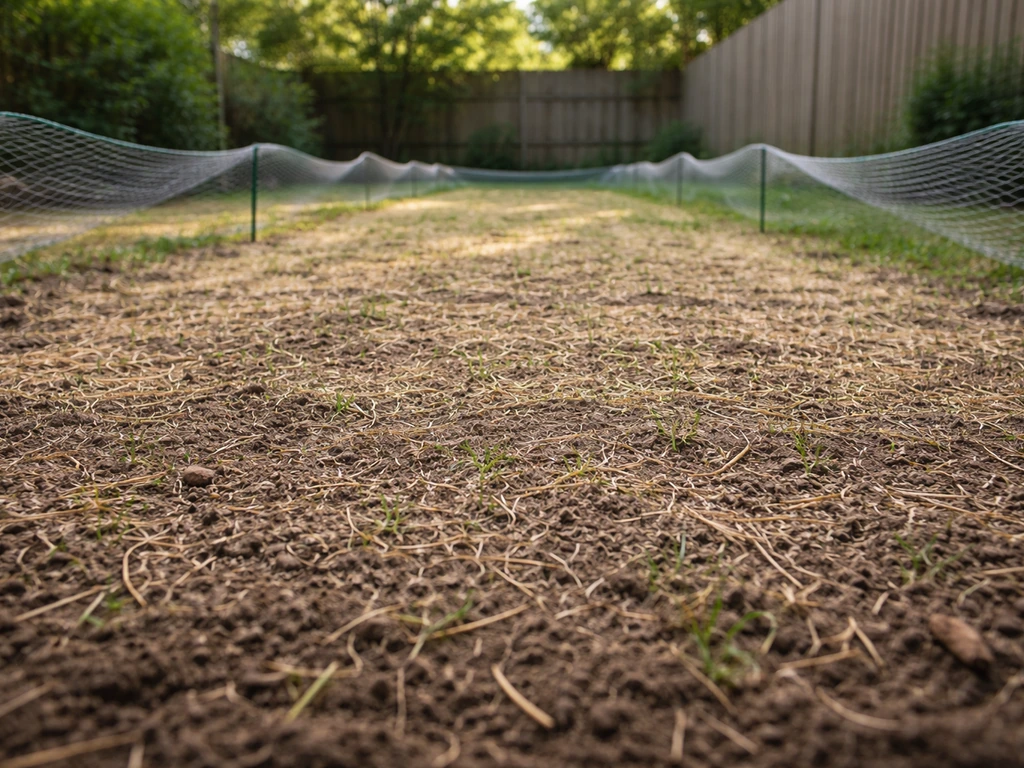
The fastest way to get bird seed out of grass is to wait until the seed and lawn are dry, then use a leaf blower on its lowest setting to push loose seed off the turf, followed by a light hand-rake to gather what remains, and finally bag everything for the trash or compost. Seed like bird seed and grass seed can sprout in the lawn, so cleanup and prevention steps matter even after the initial mess is removed is bird seed grass seed. If seed has already sprouted or gone moldy, you handle it a little differently, but the core workflow is still the same: dry conditions, light tool pressure, and a clean disposal. If you are seeing grass growing in the area where you put bird seed, it usually comes from sprouted seed that got buried in the lawn grass growing from bird seed. The rest of this guide walks through every step, plus the fixes that stop seed from landing in your lawn in the first place.
How to Get Bird Seed Out of Grass and Prevent It

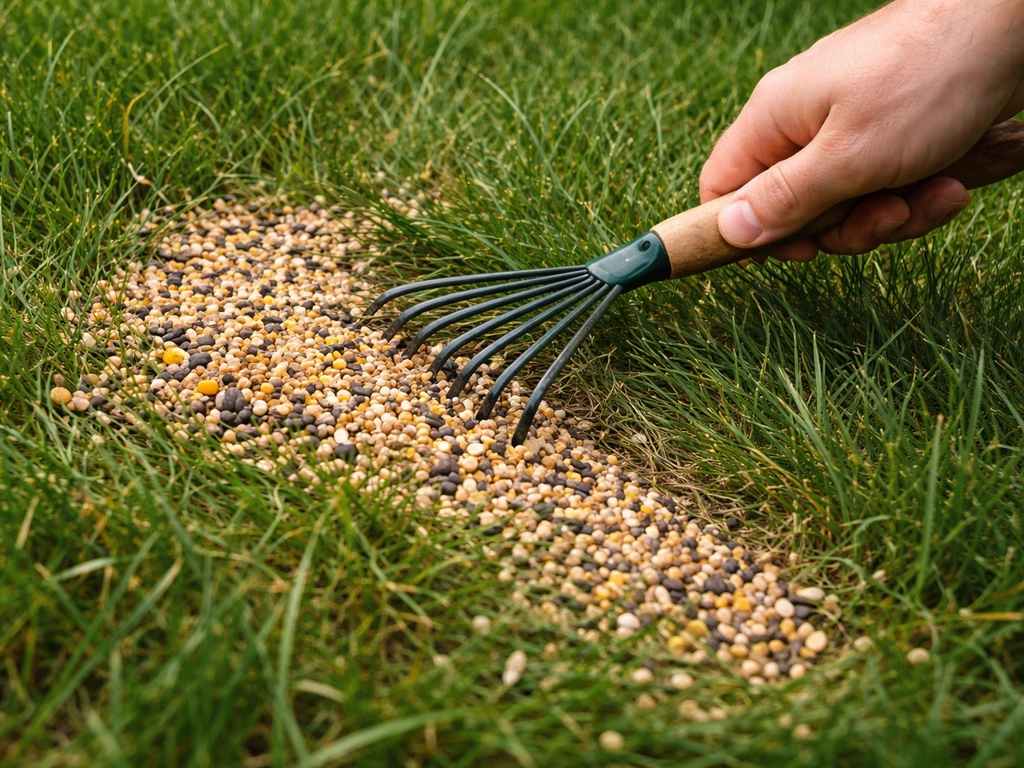
Why bird seed ends up in grass (and how to spot the cause)
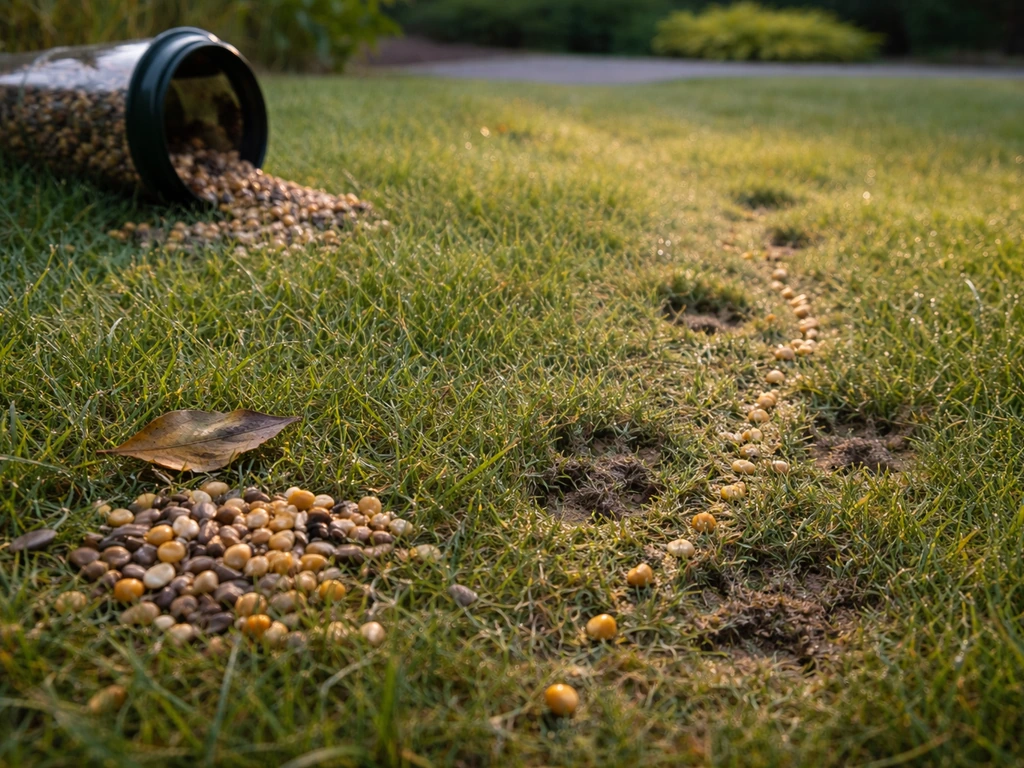
Bird seed gets into your lawn through a handful of predictable routes, and knowing which one is yours determines the best fix. The most common culprits are overfilled feeders that let seed spill over the rim, feeders with wide open ports that birds can kick seed out of while foraging, trays without raised lips that tip or overflow in wind, and straight-up broadcast feeding where seed is tossed directly on the ground. Wind is an underrated contributor too, especially with lightweight millet and cracked corn.
Certain seed types make the problem worse. Black-oil sunflower seeds are sold whole with a thin hull, which makes them biologically ready to germinate the moment they hit moist soil. If you are wondering can bird seed grow, the short answer is yes, especially when it lands in moist soil and the right seed types hit the right conditions. Millet and milo (sorghum), which are common filler ingredients in mixed bags, sprout just as readily. blank" rel="noopener noreferrer">Millet and milo (sorghum) are common birdseed mix components, so spilled kernels can grow and look like grass-like weeds. A standard backyard mix is often something close to 50% black-oil sunflower, 25% millet, and 25% cracked corn, so if your lawn is showing patchy grass-like growth under the feeder, those three are almost certainly responsible. If you've noticed this already, there's more detail in the related articles on why bird seed grows grass and what sprouted bird seed actually looks like.
You can usually identify the specific source by looking at where the seed concentration is heaviest. A ring of seed directly under the feeder points to birds flicking seed out or hulls dropping. A wider scatter pattern across the lawn suggests wind or an open tray. A consistent line of seed leading away from a feeder pole is usually a tray overflow issue. Figuring this out before cleanup matters because it tells you which prevention fix to prioritize once the mess is gone.
Immediate cleanup methods for bird seed in grass
Timing is the first thing to get right. Wet seed mats down into the grass blades and is nearly impossible to blow or rake cleanly without dragging turf with it. Wet conditions also make your mower and rake wheels sink, which can leave ruts in soft soil. Wait until both the seed and the lawn surface are dry before you start. If it rained recently, give it at least half a day of dry weather first.
Step-by-step seed removal
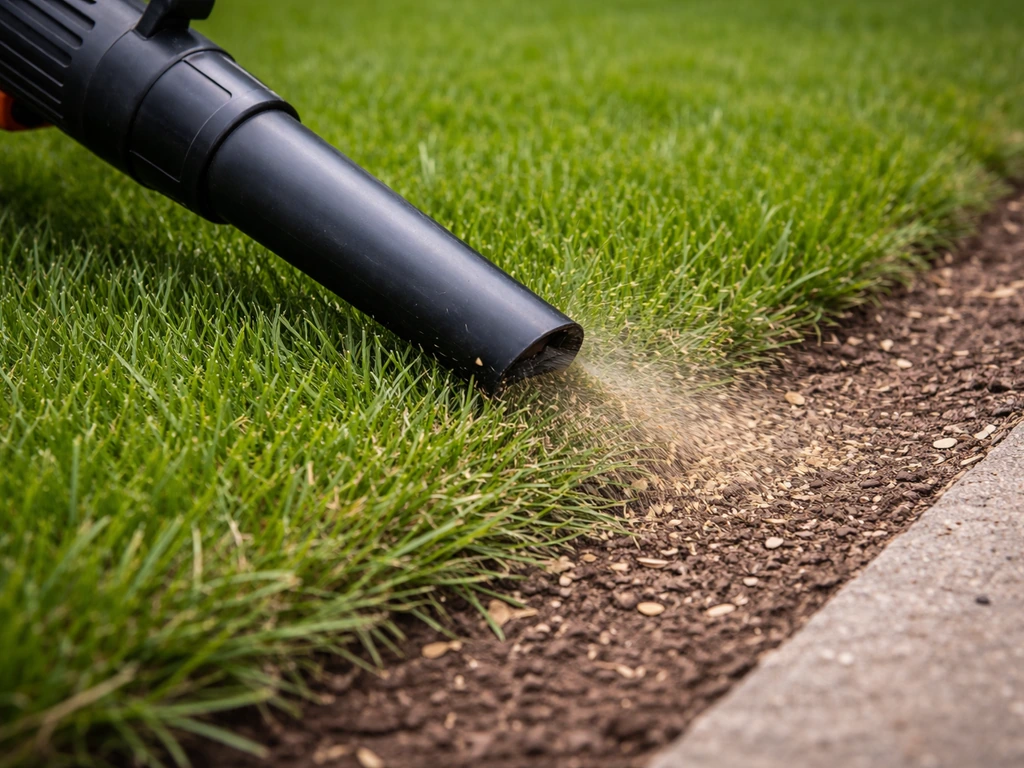
- Set a leaf blower to its lowest speed and walk it across the affected area to loosen and push seed toward one edge of the lawn. Keep the nozzle angled low and moving so you're nudging seed rather than blasting it deeper into the turf.
- Follow up with a light hand rake (a standard leaf rake, not a heavy garden rake) to gather the seed you've pushed into a pile. Use short, gentle strokes. Aggressive raking on an established lawn can damage the thatch layer and set back turf recovery by two to three weeks, so keep the pressure light.
- Scoop piles into a bucket or bag as you go. Don't leave them sitting on the lawn, where they'll absorb moisture and start the germination clock.
- Do a second pass a day or two later to catch any seed that was hidden in the grass blades the first time. One pass is rarely enough if the seed has been sitting for more than a couple of days.
- If the seed deposit is small and concentrated, hand-picking into a bucket is perfectly effective and the gentlest option for your turf.
- For large flat areas with significant seed buildup, a wet/dry shop vacuum on a dry day can pull loose seed out of grass efficiently. Use a wide nozzle and keep suction moderate so you're not scalping the turf.
One tool to avoid here is a power rake or aggressive dethatcher. Extension guidance from multiple states is consistent on this: mechanical dethatching causes temporary but significant turf damage, and spring is especially the wrong time for it. A standard leaf rake used lightly is all you need for seed removal. Save heavy thatch work for late summer or early fall if your lawn genuinely needs it.
How to prevent seed from scattering onto the lawn
Cleanup is one-time work. Prevention is what stops you from doing it again next weekend. The single most effective change you can make is adding a seed-catching tray or mat directly under your feeder. Commercial seed catchers mount below the feeder body and catch falling or kicked-out seed before it hits the ground. Some are tray-style feeders that let birds eat from the caught seed directly, which also reduces waste. Look for one with a raised lip at least an inch high so seed doesn't roll off the edge in wind.
Feeder height matters more than most people realize. A feeder hung too low lets birds kick seed directly onto nearby turf with every hop. Aim for a feeder height of at least five feet off the ground, positioned over a defined area like a garden bed, patio, or gravel patch rather than open lawn. If a lawn location is unavoidable, place a piece of hardware cloth or a seed mat on the ground directly underneath as a physical barrier between dropped seed and soil contact.
- Avoid overfilling feeders. Fill to about two-thirds capacity so birds have room to sort through seed without flicking the excess overboard.
- Switch to no-mess or hulled seed blends. Hulled sunflower seeds and shelled peanuts don't sprout because the germination-capable embryo is removed. They cost more per pound but dramatically cut ground mess.
- Use a feeder with adjustable port sizes or a weight-sensitive perch that limits access by heavier, messier birds like pigeons and grackles, which are often the worst offenders for seed scattering.
- Position feeders upwind of your lawn where possible, so prevailing wind carries light seed onto a path, driveway, or garden bed instead of turf.
- Clean the tray or catcher every one to two weeks so wet seed doesn't accumulate and overflow.
Seed sorting, disposal, and composting
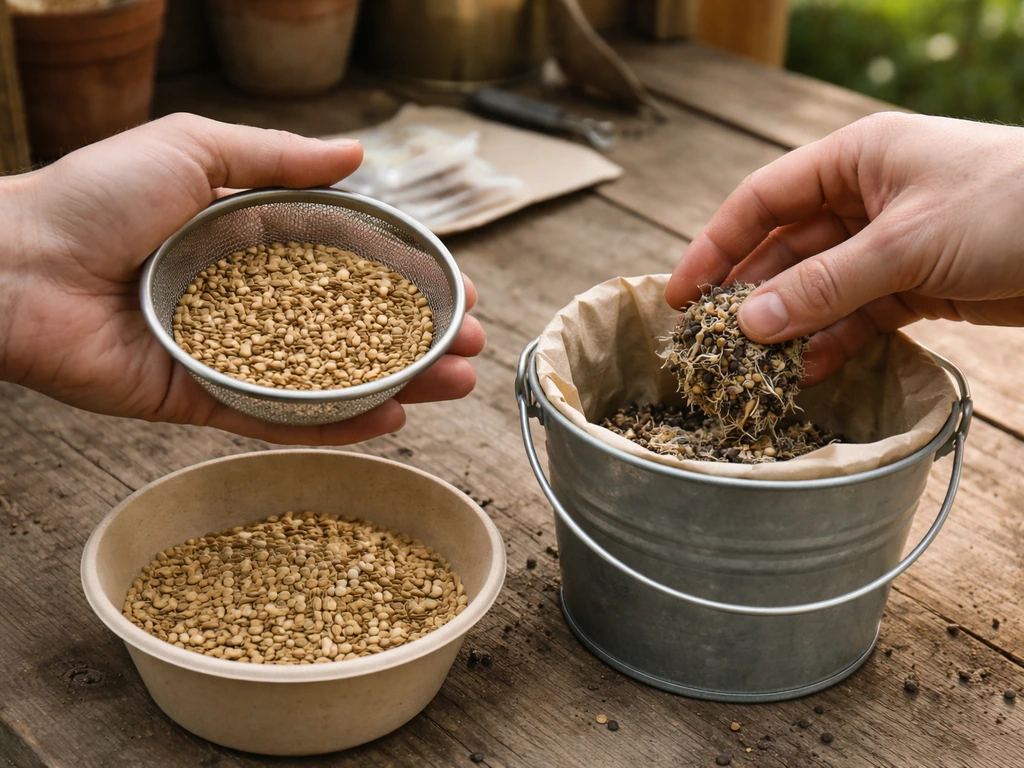
Not all the seed you rake up is the same, and sorting it takes about two minutes but saves you from making the problem worse on disposal. Fresh, dry seed that's only been on the ground for a day or two can go into your compost pile as long as it hasn't started sprouting. Bury it in the center of a hot compost pile to kill germination viability rather than leaving it on top where it can still sprout through the compost and spread.
Sprouted seed is a different situation. Seeds with visible sprout tails can still germinate if composted improperly. If your compost runs hot (above 130 degrees Fahrenheit consistently), sprouted seed is fine to add. If you're not sure, bag it in a sealed garbage bag and put it in the trash. Don't scatter sprouted seed across another part of the yard as an alternative disposal method, or you'll just move the problem.
Wet or damp seed that smells off but hasn't visibly molded yet should go straight to the trash, not compost. Seed that is actively moldy needs to be handled more carefully. Wear gloves and, if the patch is large, a simple dust mask. Bag it without shaking or disturbing it more than necessary to avoid dispersing mold spores. Seal the bag before carrying it to the bin. Don't try to compost moldy seed at home unless you have a verified hot-composting setup, because common backyard cold compost won't reliably kill fungal spores.
Mold, pests, and smell: when to take it seriously
Scattered seed that sits on damp ground becomes a hygiene problem fast. In wet weather, mold and bacteria can develop on seed that's been on the ground for as little as a day or two, and this isn't just a lawn aesthetics issue. Moldy seed is genuinely harmful to birds that continue to forage there. Some molds produce aflatoxins, which are potent toxins regulated by the FDA in commercial feed because of their health impact on animals and people who handle contaminated material.
Pests are the other serious concern. Seed debris under feeders, especially a mix of hulls, uneaten filler, and whole seeds, is attractive to rodents. A quick sign of rodent activity that's easy to miss is a sudden, unexplained drop in your feeder's seed level overnight, well beyond what your usual bird traffic would explain. Ants are also drawn to accumulations of seed and hulls, particularly in warm months. Cleaning up ground debris regularly, ideally every one to two weeks, is the most practical way to reduce both risks.
For the area directly under a feeder where seed and hulls have been accumulating for a while, raking and removing the debris is step one. If you're concerned about bacteria in the soil, the Minnesota DNR recommends sprinkling agricultural lime about a quarter inch deep over the cleaned area to help kill unwanted bacteria. Be aware that lime can affect grass in that spot, so use it only where the turf damage is acceptable or where you're planning to reseed anyway.
If you're cleaning up an area with visible mold, do it on a calm day to avoid spreading spores in wind. Gloves are a minimum; add a dust mask if the moldy patch is more than a square foot or two. After cleanup, wash your hands thoroughly, and don't handle bird feeders or seed again until you have.
Aftercare for the lawn once seed is gone
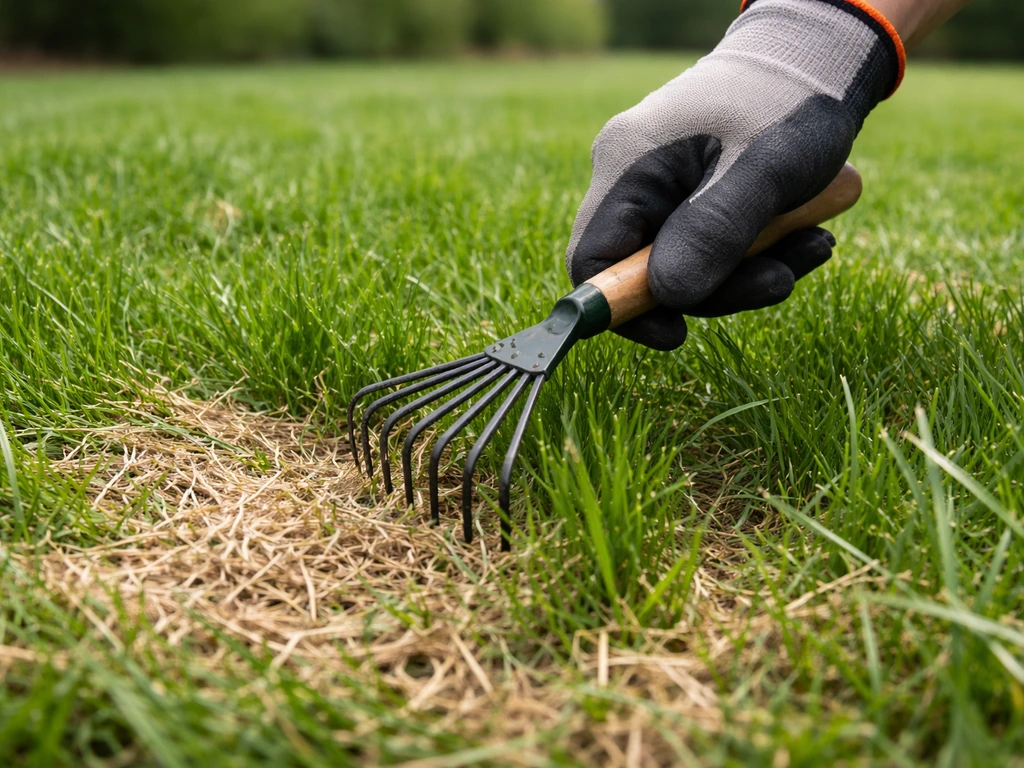
Once the seed is cleared, the lawn under and around your feeder usually needs a little attention, especially if seed was sitting long enough to smother grass or if cleanup disturbed the turf surface. Here's what to do and, importantly, what not to do.
What to do
- Give the area a light rake with a leaf rake to lift any matted grass blades back upright. Don't press hard, just enough to loosen compacted surface material.
- If seed was sitting long enough to kill patches of grass, wait two to three weeks to see how much the turf recovers on its own before overseeding. Grass is often more resilient than it looks.
- If bare patches remain after that recovery window, lightly overseed with a grass variety that matches your existing lawn. Keep the seeded area moist until germination, which is typically seven to fourteen days depending on temperature.
- After overseeding or any mechanical cleanup, a light application of fertilizer can help the grass recover from stress. Iowa State University Extension specifically recommends a light fertilizer rate following mechanical thatch or turf disturbance.
- Keep foot traffic off disturbed areas for at least two weeks to avoid compacting loosened soil before new growth establishes.
What not to do
- Don't run a power rake or dethatcher over the area as a cleanup shortcut. It will cause more turf damage than the seed did and can take two to three weeks to recover from.
- Don't mow the area when the soil is still soft or wet after cleanup. Mower wheels will leave ruts that are annoying to correct.
- Don't apply lime liberally over healthy grass. It's useful for sanitizing a heavily contaminated bare patch, but it can harm turf, so be precise about where you apply it.
- Don't replant the feeder in the same spot immediately if that spot has ongoing bare patches or mold history. Move the feeder a few feet and give the original location time to recover.
- Avoid dethatching in spring. Multiple university extension programs are consistent on this: spring is a recovery season for grass, not a renovation season, and aggressive thatch work in spring sets turf back rather than helping it.
The cleanup itself is genuinely straightforward once you have the right conditions and tools. The bigger payoff comes from the prevention steps, because seed that never hits the lawn is seed you never have to deal with twice. A seed catcher under the feeder, a thoughtful feeder position, and a quick ground cleanup every couple of weeks will keep the whole system running cleanly for your birds and your lawn. Using a seed catcher under your feeder is one of the most reliable ways to stop birds from eating grass seed and scattering it onto your lawn.
FAQ
What if the bird seed is already sprouted and you do not want to damage the lawn while removing it?
Use a light hand-rake only after the sprouts and surface are fully dry, then remove seedlings at the soil surface rather than digging. Mow short first only if the sprouts are tall and dry, then rake again. Avoid power tools or dethatchers, because they can tear up living turf and leave the bare spots more likely to re-colonize.
Can I mow over the seed instead of raking or using a leaf blower?
Usually no. Mowing can chop sprouts, but it also spreads loose seed and hull fragments wider across the lawn, which means you will still be cleaning up later. If you must mow, do it after the area is dry and then follow with a rake pass and pickup.
Is it safe to blow bird seed out of grass with a regular leaf blower on high?
Start on the lowest setting and keep the nozzle angled slightly so you are pushing loose surface seed, not scraping. High settings can bury seed deeper by forcing it into the turf and can also dry out or bruise blades if you hold the stream too close.
How do I clean up without turning the problem into a bigger patch of bare soil?
Do not rake when the soil feels even slightly damp, because rake pressure will pull up grass and create divots that seed will fill again. Use a gentle, repeated skim motion instead of pressing hard, then bag the debris promptly so any remaining seed does not get trampled back into contact with soil.
What should I do if the seed is mixed with grass clippings or soil and looks muddy?
Treat it as damp debris, not compostable. Bag it and dispose of it in the trash, or let it dry completely and then reassess. If it has any off odor, visible damp matting, or clumps that smell sour, do not add it to compost.
Can I use compost if the bird seed was only on the ground for one day?
Fresh and dry seed that has not sprouted can go into a hot compost pile, but only if you bury it in the center of the pile where temperatures stay high. If you do not know your compost temperature or the pile cools down regularly, it is safer to discard in a sealed bag.
What is the best way to dispose of moldy seed if I do not want it spreading anywhere?
Bag it without shaking, seal the bag before carrying it through the house or yard, and tie it closed. Handle it on calm days, if possible, and wear gloves. Do not dump it loosely into a compost bin or onto garden beds.
How often should I clean the seed under a feeder to prevent mold, pests, and ants?
Aim for a quick cleanup every one to two weeks, more often during warm weather or rainy stretches. If you notice seed levels dropping unusually fast or ants showing up, shorten the interval. Consistency matters more than deep cleaning once.
Will agricultural lime or other soil treatments be a good idea for the feeder area?
Only consider it after you remove the debris and only if the turf damage is acceptable, because lime can affect grass in that spot. If you are not planning to reseed or renovate soon, focus on cleanup and prevention instead of changing soil chemistry.
How can I tell whether the seed spill is from birds kicking, wind, or an overflowing tray?
Look at the pattern. A tight ring directly under the feeder points to birds flicking out seed or hulls. A wider scatter suggests wind or a tray without containment. A straighter line away from a feeder or pole often indicates overflow or leaking from a tray edge.
What feeder setup changes reduce seed falling into grass the most?
Use a seed-catching tray or mat under the feeder, and choose one with a raised lip of at least about one inch so seed does not roll off in wind. Raise the feeder to about five feet or higher so bird landings do not kick seed directly onto nearby turf, and position over a defined surface like gravel, a patio, or a garden bed rather than open lawn.
If I want birds to eat from the caught seed, does a seed catcher actually help?
Yes, tray-style catchers can let birds eat the seed that would otherwise fall, which reduces waste and cleanup. The key is that the catcher needs raised sides to prevent seed from spilling back onto the ground and that you still empty or clean the tray regularly to prevent debris buildup.
How to Stop Birds Eating Grass Seed After Sowing
Stop birds eating new grass seed with safe coverage, exclusion, deterrents, and fixes for wet sprouted seed.