
Bird seed grows grass or sprouts because it got wet, sat in humid conditions too long, or the mix contains viable grass or weed seeds that germinated once moisture and warmth were present. The fix depends on which situation you're dealing with: true germination, mold or fungal growth, or a seed mix contaminated with actual grass seed. The good news is you can usually figure out which one it is in about five minutes, and most cases are easy to resolve today.
Why Is My Bird Seed Growing Grass? Fix It Today

Maya Collins
23 May 2026
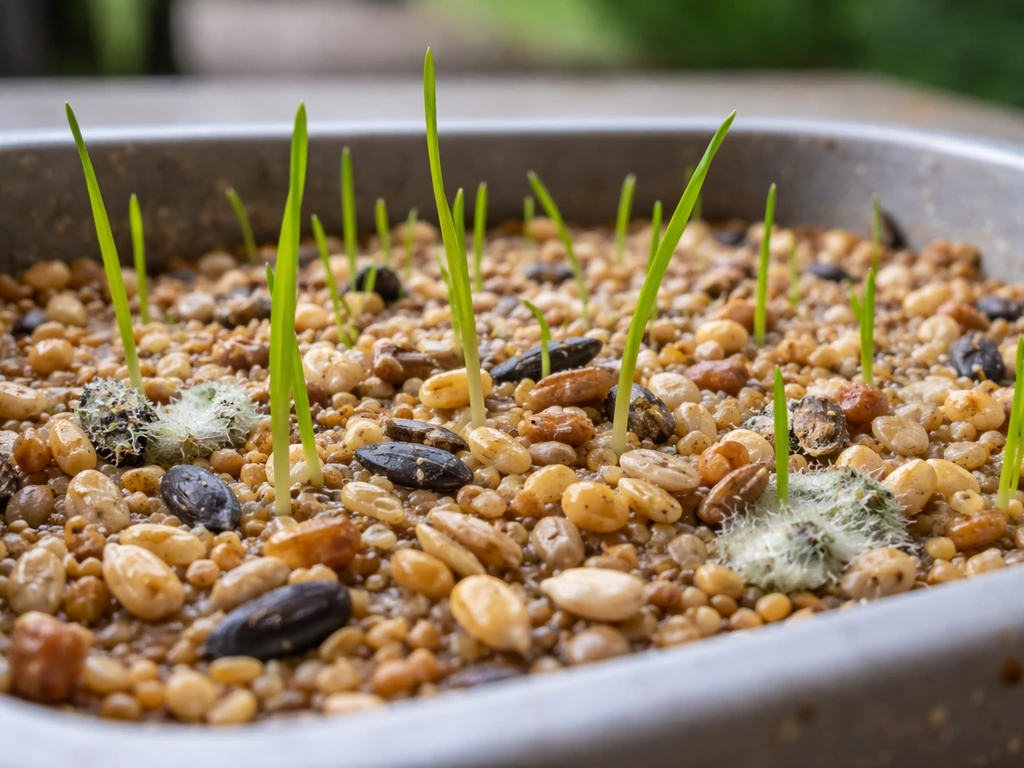
Why your bird seed is sprouting in the first place
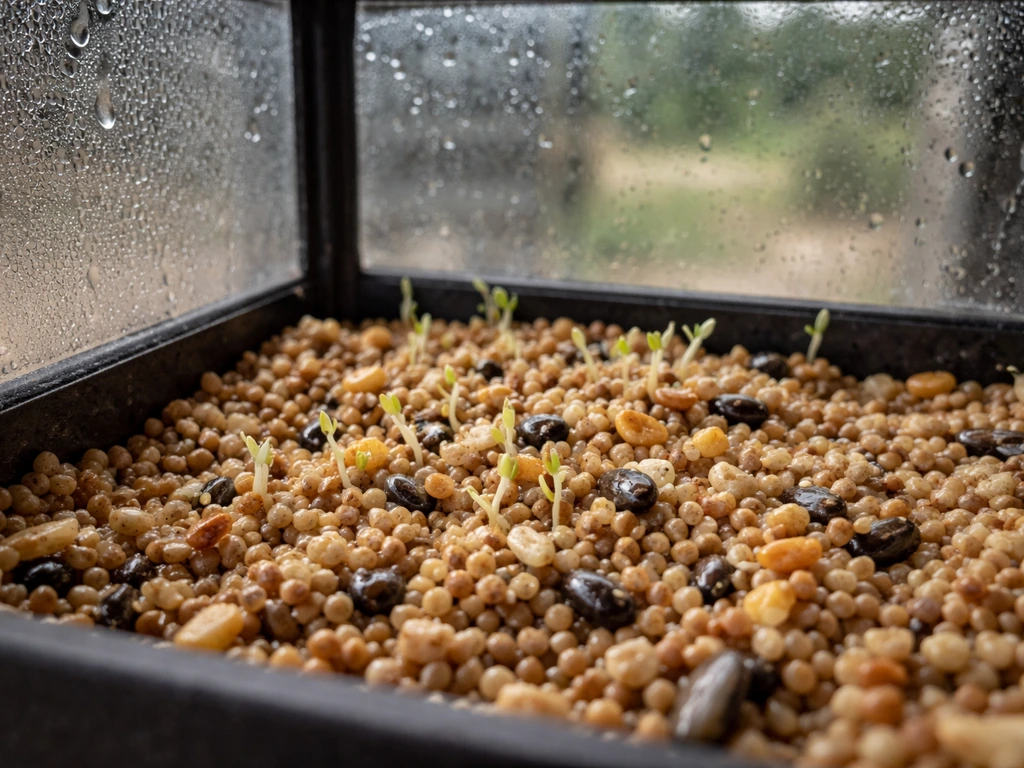
Most bird seed mixes contain seeds that are biologically capable of germinating. Millet, milo, sunflower, and safflower are all real seeds with a viable embryo inside. Under normal dry conditions, they stay dormant. But introduce moisture and warmth, and some of them will sprout, especially if the bag has been sitting around for a while and moisture has crept in.
Here are the most common reasons this happens:
- Moisture intrusion: a torn or loosely sealed bag, rain-soaked feeder tray, or condensation inside a storage container is the single most common trigger. Cool-season grass seeds can start germinating in as little as 5 to 7 days once moisture and temperature line up.
- High humidity in storage: even without visible wet, a garage, shed, or outdoor bin in a warm, humid climate can push seed toward germination over several weeks.
- Old or long-stored seed: viability decreases with age, but some seeds in a bag that has been sitting for months can still germinate under the right conditions. The older the seed, the more uneven the results.
- Seed mix contaminated with grass or weed seed: some budget mixes use fillers that include seeds closer to actual lawn grass. If you notice thin, grass-blade-looking sprouts rather than stubby seedling shoots, this is likely what happened.
- Ground feeding accumulation: seed dropped under a feeder sits in contact with warm, moist soil and essentially plants itself. This is one of the most common ways people notice bird seed growing into actual grass patches.
How to tell what's actually growing: seedlings vs mold vs fungus
Before you do anything, take a close look at what you're seeing. The fix is different depending on whether you have true germination, mold, or a fungal issue, and sometimes two or three of these happen at the same time.
True germination (sprouted seedlings)
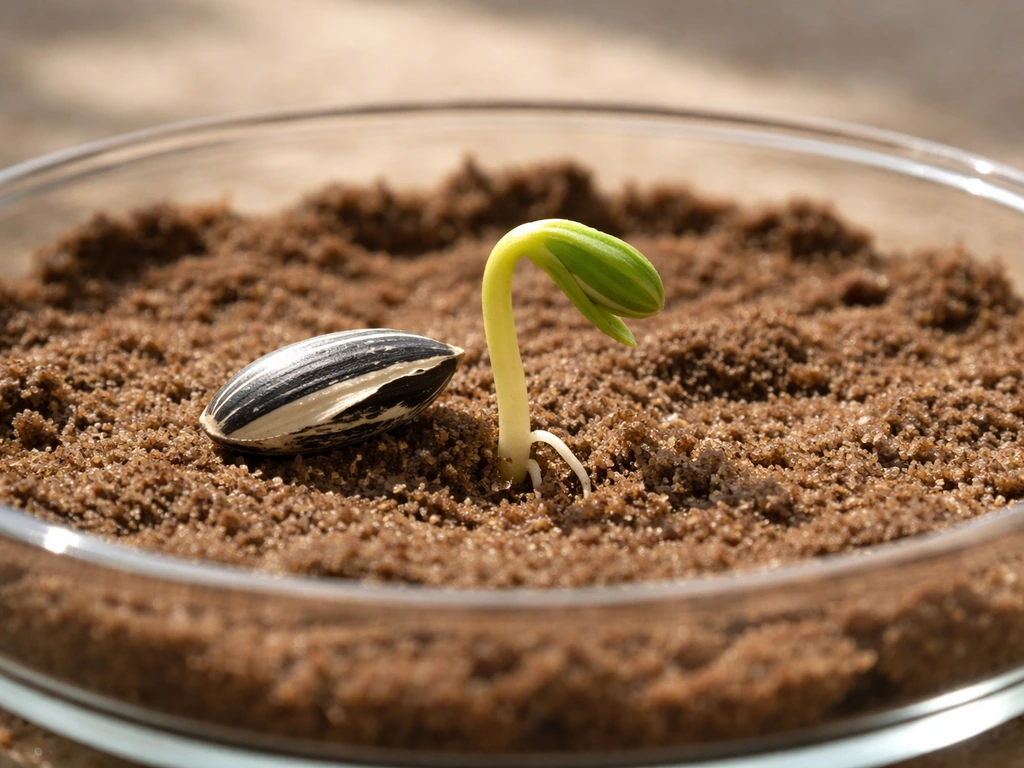
Sprouted seedlings have a recognizable structure: a small root going downward and a green shoot pushing upward. With sunflower, you might see the seed shell still attached at the tip of a tiny stem. With millet or grass-type seeds, you'll see thin, pale green or yellow-green blades emerging. The seed itself looks physically split or cracked open. There's no fuzz, no slime, and no bad smell. This is true germination, and it means the seed got wet and warm long enough to wake up.
Mold growth
Mold looks fuzzy, powdery, or matted. Colors range from white and gray to green, blue, or black. It often appears on seeds that are clumped together, and the surrounding seed will have a musty or sour smell. Mold is a serious concern because some species produce mycotoxins that can harm or kill birds. If you're seeing this, the affected seed needs to go, and if the smell is coming from deeper in the bag or container, the whole batch is suspect.
Fungal threads or white mycelium
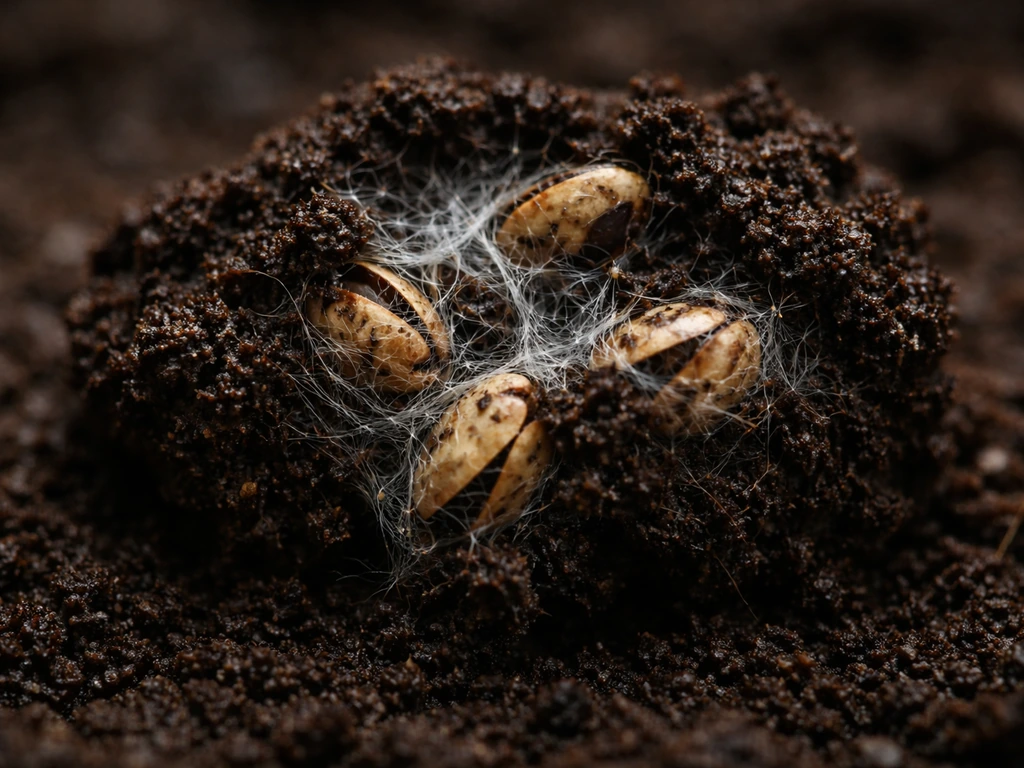
Sometimes you'll see white thread-like strands connecting seeds, especially in a clumped mass. This is fungal mycelium, an early stage of mold colonization rather than a plant root. It looks superficially similar to a germination root but has no structure, no green tip, and the seeds it's growing from are usually soft, discolored, or smell off. Discard any seed showing this.
| What you see | What it is | Safe to use? |
|---|---|---|
| Green shoot with root, cracked seed shell | True germination | No, not ideal — discard or compost |
| Fuzzy coating, musty smell, clumped seed | Mold | No — discard entire affected batch |
| White threads between seeds, soft/slimy seeds | Fungal mycelium | No — discard |
| Thin grass blades, no obvious root structure yet | Weed or grass seed germination | No — discard or separate |
| Dry, firm seeds, no smell, no color change | Normal viable seed | Yes |
What to do right now: save it or toss it?
The honest answer is that most seed showing active sprouting or any mold should be discarded. Trying to dry and re-use wet seed is rarely worth the risk, especially near birds. That said, here's how to make the call quickly:
- Check the smell first. Musty, sour, or off odors mean discard the whole container or bag, even if the visible mold is localized. Mold spores travel through the entire batch.
- Look for clumping. Seed that has clumped into solid masses has been wet long enough for moisture to cause real damage. Discard the clumped portions at minimum.
- Isolate the unaffected seed. If you have a large container and only the top layer shows sprouting or moisture damage, separate the dry, normal-looking seed from the bottom. Spread it in a thin layer on a clean baking sheet and check it carefully before reusing. If it passes the smell and texture test, it's likely fine.
- Compost true sprouts if you want. Sprouted bird seed without mold can go into a compost bin or be buried in a garden bed. Don't put moldy seed in compost meant for edible plants.
- Discard moldy seed in a sealed bag in the trash. Don't leave it open in a bin where birds can access it and don't dump it directly onto garden soil.
If the contamination is isolated and you genuinely want to test seed viability before committing to a new bag, Oregon State University's seed laboratory and similar services can analyze birdseed mixes and test germination rates. It's not something most backyard bird feeders need, but it's useful if you suspect your seed source is consistently contaminated with grass or weed seeds.
Safe cleanup around feeders and seed areas
Cleanup matters both for bird health and for preventing a repeat. Germinated or moldy seed left on the ground or in a feeder tray creates a cycle: more moisture, more mold, more sprouting, and potential harm to the birds you're trying to feed. To stop birds from eating grass seed that sprouts, focus on preventing germination and removing any wet or contaminated seed.
Cleaning the feeder
- Remove all old seed from the feeder and trays completely.
- Scrub the feeder with a stiff brush using a solution of 1 part bleach to 9 parts water.
- Rinse thoroughly with clean water and let the feeder dry completely in the sun before refilling. A fully wet feeder will trigger sprouting again within days.
- Pay special attention to corners, cracks, and mesh trays where damp seed accumulates and is hard to see.
Cleaning the ground underneath
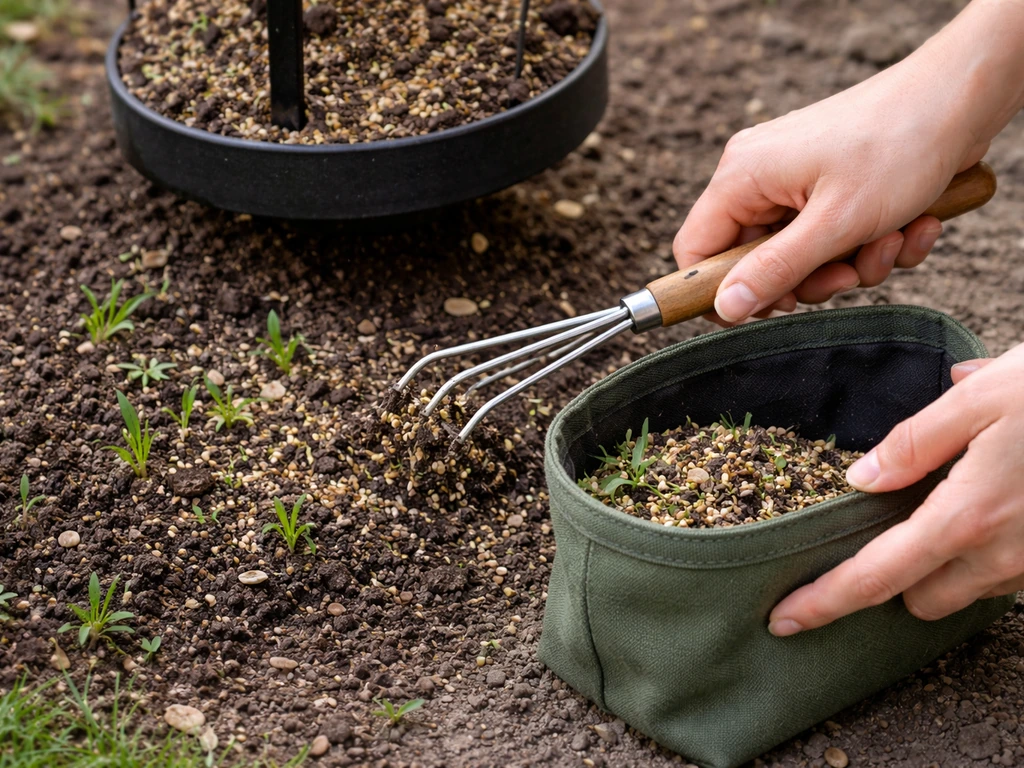
- Rake up and bag any sprouted, moldy, or decomposing seed from the soil surface. If the growth is more established, use a hand trowel to remove the top inch of soil in the affected area.
- If you want to prevent future sprouting in that spot, lay a thin layer of pea gravel or a rubber feeder mat under the feeder. This eliminates the soil contact that seeds need to germinate.
- For established grass or weed sprouts from dropped seed, pull them by hand while young or spot-treat with a garden hoe. Most common bird seed species are not deep-rooted at the seedling stage and pull out cleanly.
How to store bird seed so it stops sprouting
Storage is where most sprouting problems start. Cardboard bags and thin plastic sacks are not suitable long-term containers, especially in humid weather or a damp garage. Here's what actually works:
- Use an airtight hard container: a galvanized metal trash can with a tight lid, a food-grade plastic bin with a sealed lid, or a dedicated seed container with a gasket seal. These keep out moisture and pests.
- Store indoors or in a covered, ventilated space: a climate-controlled garage, a utility room, or a covered shed works. Avoid areas that flood or get condensation overnight.
- Keep it off the ground: raise containers on a pallet or shelf so they don't pick up ground moisture or rainwater pooling.
- Don't overfill feeders: only add as much seed as birds will eat in 2 to 4 days. Seed sitting in an outdoor feeder tray for a week is almost guaranteed to get wet.
- Check your storage every 2 to 4 weeks: smell it, look for clumping, and discard anything that's changed in texture or odor.
- Shelf life matters: most bird seed stays viable and safe for 6 to 12 months under proper dry storage. After that, germination rates drop and the seed is more prone to mold. Buy in quantities you'll use within that window.
Choosing and sorting the right seed mix to reduce sprouting
Not all bird seed sprouting comes from moisture. Some of it comes from the seed itself. Cheap bulk mixes often include fillers like milo, wheat, or low-quality filler grains that birds rarely eat, sit on the ground, and germinate readily. Budget mixes may also contain seeds closer to actual grass varieties than quality-controlled bird seed.
If you're noticing thin grass-like blades growing under your feeder specifically (rather than sunflower or millet-type seedlings), the seed mix is likely the problem. If grass seed sprouted in your yard, the fastest approach is to remove the sprouted pieces and pick up remaining seed so it does not keep germinating how to get bird seed out of grass. If you want to know whether bird seed will grow grass, the key is identifying whether you are seeing true grass-type germination rather than mold or fungal growth thin grass-like blades. Here's how to address it: To reduce bird eating grass seed, use a tighter mix with fewer grass contaminants and keep feed off damp ground so grass-type seeds cannot germinate.
- Switch to a no-mess or hulled seed mix: hulled sunflower, shelled peanuts, and other processed seeds have had their outer coats removed and can't germinate even if they get wet. This is one of the most effective ways to prevent any sprouting at all.
- Avoid mixes with high milo content: milo (grain sorghum) is a common filler that most songbirds ignore, drops to the ground, and sprouts readily. Check the ingredient label.
- Look for seed mixes from reputable suppliers that test for weed seed contamination: quality commercial bird seed is screened to reduce the percentage of weed and grass seeds included. Cheap bulk seed often skips this step.
- Sort out visibly different seeds: if you're suspicious about a mix, spread a small amount on a white plate. Seeds that look distinctly grass-like, thin, or chaff-heavy compared to the main millet or sunflower content are worth identifying before you use the whole bag.
Backyard setup tips, especially if you're in a humid climate
Where you live and how you set up your feeding station makes a real difference. In humid regions like the Southeast, Pacific Northwest, and Gulf Coast, bird seed can go from dry to visibly sprouting in less than a week during summer. In drier climates, the same seed bag might last weeks without issue. Here's how to adapt your setup:
For humid or rainy climates
- Use covered tube feeders or feeders with wide rain-deflector baffles rather than open platform trays. Open trays collect rainwater and create perfect germination conditions.
- Switch to hulled or no-waste seed mixes during the wet season. The small premium is worth it compared to cleaning up sprouting seed every few days.
- Reduce fill quantities in summer: fill feeders every 1 to 2 days rather than weekly, especially during rainy stretches.
- Move feeder locations under a porch overhang or large tree canopy if possible. Even partial rain cover significantly reduces moisture exposure.
- Use a hardware cloth or gravel tray under the feeder instead of bare soil to prevent dropped seed from making soil contact.
For ground feeding setups
Ground feeders are especially prone to sprouting because seeds land directly on moist soil. If you're using a ground tray, choose one with drainage holes and clean it out every 2 to 3 days. If you scatter seed directly on the ground, keep scatter amounts small (enough for birds to consume within a day or two) and avoid wet or shaded spots where seeds can sit and germinate. A gravel or patio slab feeding surface eliminates most of the sprouting problem for ground-feeding setups entirely.
Seasonal adjustments
Spring and early summer are peak sprouting seasons because warmth and rainfall align at the same time. This is when cool-season grass seeds (common contaminants in low-quality mixes) can germinate in as few as 5 to 7 days. In lawn-extension style guidance, true grass seed germination typically requires moisture and warmth, with common timing windows of roughly 5 to 21 days depending on temperature and species [moisture and warmth create common lawn germination windows of about 5 to 21 days](https://www.
lawncare. center/articles/grass-seed-germination-guide). Cool-season grass seeds are a common contaminant in low-quality bird seed mixes, so switching to a cleaner, controlled seed blend can help prevent this kind of sprouting. Scale back your feeder fill amounts in April through June, check feeders more frequently, and consider switching to hulled mixes for those months specifically.
In colder months, the risk drops significantly because temperatures limit germination even if seed gets wet.
FAQ
Is it safe to rinse sprouted bird seed and feed it to my birds?
Mold and fungal growth can be hazardous even if the sprouts are gone. If you see fuzz, powdery growth, dark or unusual colors, or a musty or sour odor, discard the seed and do not just rinse it. Also clean the feeder and any tray, because spores and mycelium can persist in residue and trigger a repeat.
If the sprouts look healthy and smell fine, can I leave them in the feeder?
Yes, some birds will eat the visible sprouts, but you should still remove the seed if it shows mold, slime, or off smells. For true germination, the main issue is not toxicity, but repeated wetting and waste. If the sprouts are healthy-looking and odor-free, dry the feeder area and replace with fresh dry seed rather than leaving a wet pile.
How can I tell the difference between true germination and grass-contaminant sprouts?
Sunflower, millet, and other real seed sprouts often have a structure, a green shoot, and no growth that spreads into clumps. Grass contaminants usually look like thin, blade-like grass emerging with fewer “seed shell” remnants. If you are unsure, compare a few pieces up close, check for fuzz or threads, and separate a small sample before deciding to toss or keep.
What should I check in the bag itself if grass is sprouting again and again?
If the seed bag feels cool or damp and the seeds are clumped together, the most likely cause is moisture intrusion plus humidity. Also check the bag storage location, for example a damp garage wall or an exterior wall closet. A “mostly dry outside” bag can still have moisture higher up inside, especially with thin plastic sacks.
Can I dry moldy seed and use it later?
Drying wet seed is not a reliable solution for mold or mycelium. Even if it looks better after drying, some organisms can survive and resume growth when re-wetted. The safer approach is discard the affected batch, then focus on storage (airtight container, dry area) and feeder hygiene to prevent recurrence.
Will switching to a sealed container stop sprouting in humid weather?
Yes, but only for situations where you can keep everything dry and prevent re-wetting. Use a clean, dry container, a desiccant pack if appropriate for your storage space, and store away from temperature swings. If your area is humid, move from cardboard or thin sacks to a truly sealed container immediately after purchase.
How do I do a quick at-home germination test without wasting a whole bag?
If you want to test before buying a replacement, do not test the whole bag. Start with a small handful, moisten on a paper towel, and watch for emergence over several days while keeping notes on percentage sprouting. If you consistently get high grass-type germination or any mold-like fuzz, it’s a sign the mix source or storage has been compromised.
Could my feeder type be causing the grass to grow, even if the bag is fine?
Different feeder designs change how long seed stays wet. Hopper feeders reduce direct contact with soil, while open trays and ground scatter increase moisture exposure and seed-soil contact. If grass blades appear mainly under a specific feeder type, switch that station to a raised, drained surface and reduce fill during rainy periods.
Why does this happen mostly in certain months or weather conditions?
Yes, temperature and timing matter. In warm seasons, sprouting can happen in under a week after moisture exposure, especially in spring and early summer. In colder months, germination slows substantially, but mold can still grow if the seed stays damp. The practical move is to check more often during peak seasons and remove wet residues faster.
What is the best way to manage a ground tray to prevent recurring sprouting?
If you used a ground tray with drainage, the main goal is to break the moisture cycle. Empty and clean every few days, wipe away residue, and avoid placing the tray in shade where dampness lingers. For heavy rainfall or prolonged wet spells, temporarily reduce seed amounts or switch to a feeding surface that does not hold water.
Next Articles
Will Wild Bird Seed Grow If Planted? Test and Tips
Find out if wild bird seed sprouts when planted, what controls germination, and how to test and plant safely.
Does Bird Seed Sprout? How to Germinate and Grow It
Learn if bird seed sprout works, why some blends fail, and step-by-step germination plus mold-safe sprouting tips.
Does Bird Seed Grow Grass? What to Expect and Why
Find out if bird seed can sprout grass, why it happens, and how to store, clean up, and prevent mold or weeds.