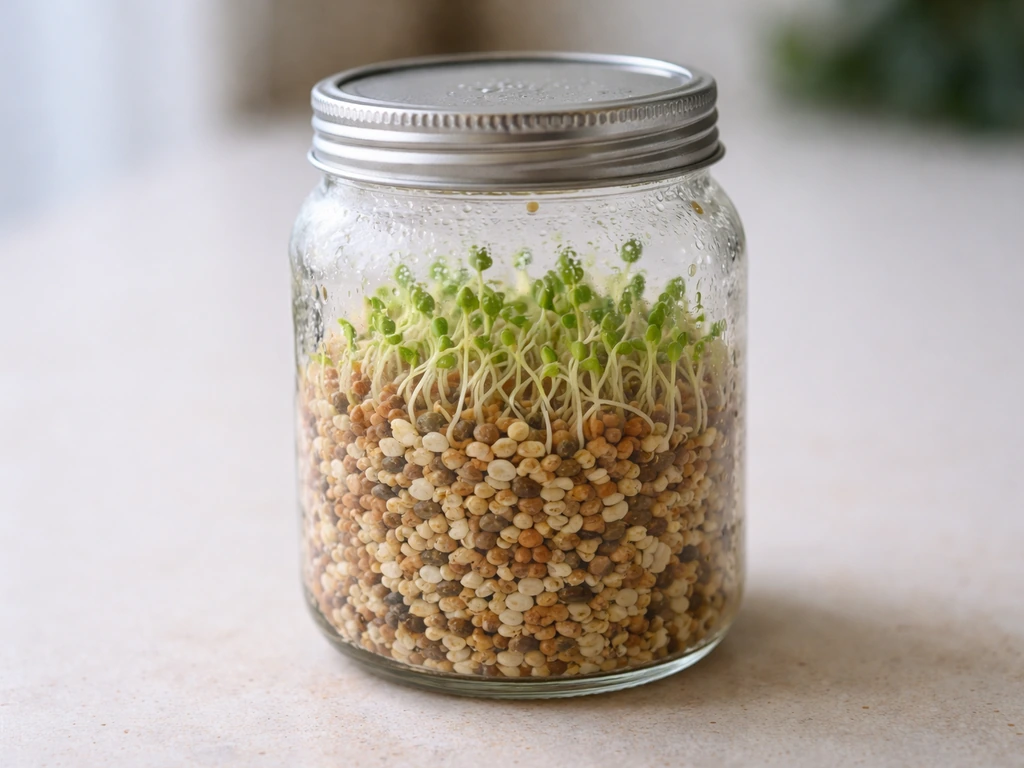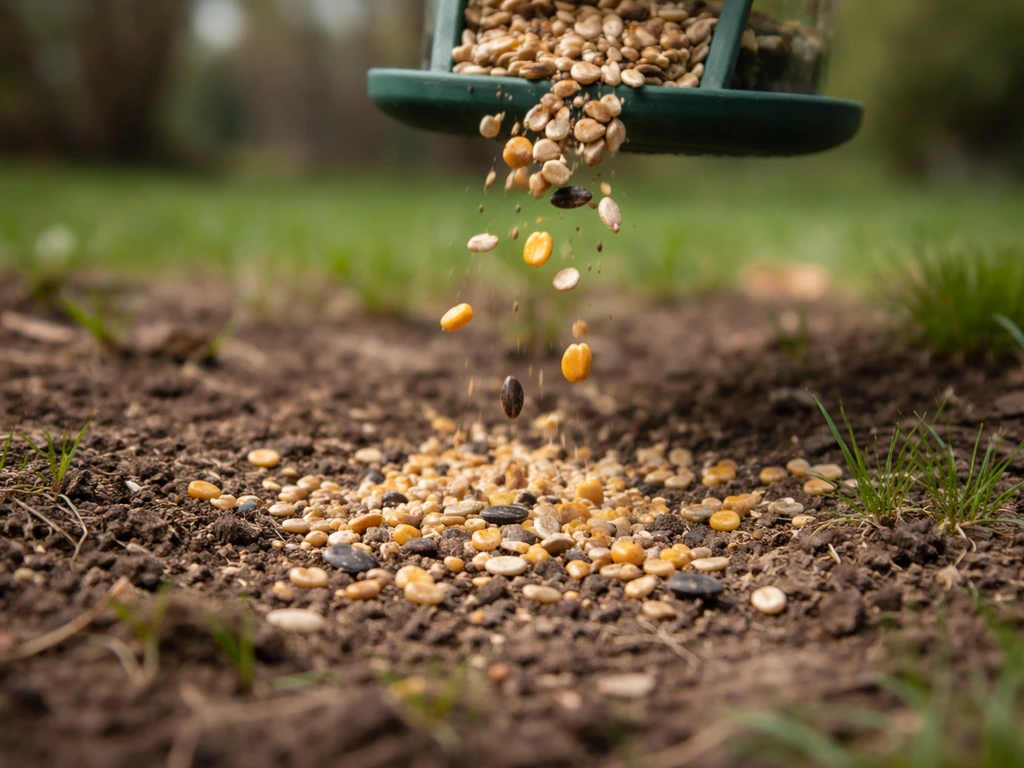
Some wild bird seed will sprout if you plant it, but a lot of it won't, and the results are rarely what you'd expect from a proper seed packet. The odds depend almost entirely on what's in the mix, how old it is, and how it was stored or processed. If you plant a typical supermarket wild bird seed blend, you'll likely get partial, patchy germination at best, with millet and sunflower being your best bets and everything else being a coin toss.
Will Wild Bird Seed Grow If Planted? Test and Tips
Maya Collins
13 May 2026
Will wild bird seed actually sprout?
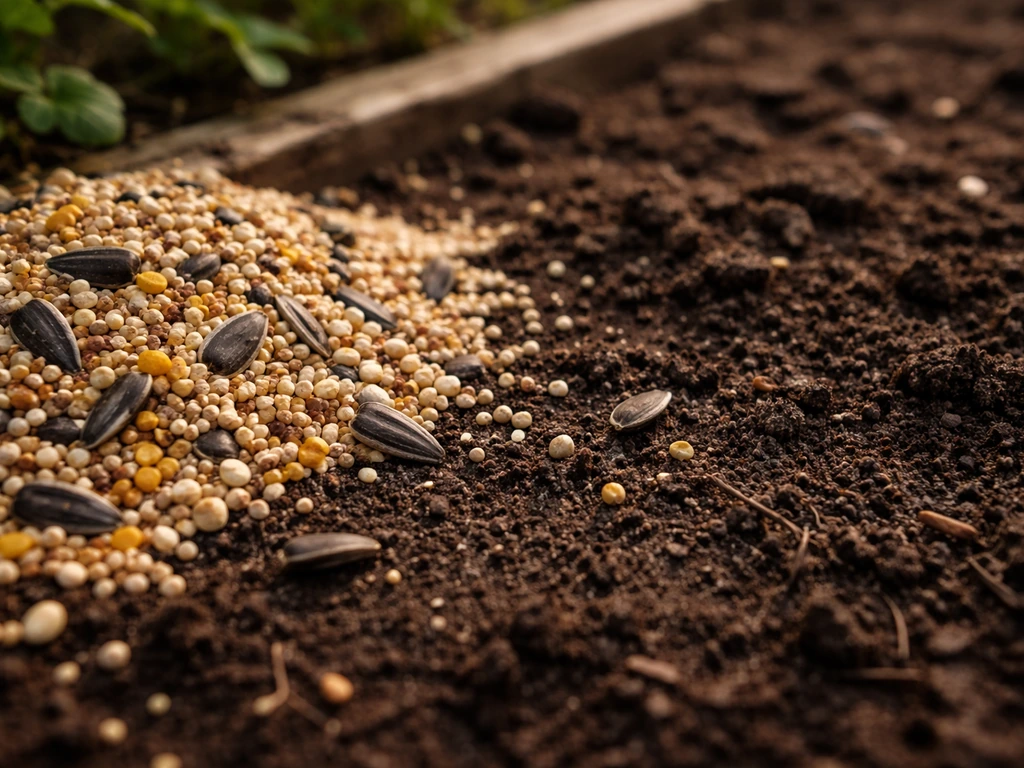
The honest answer is: maybe, depending on the seed type. If you are wondering, can bird seed grow, the answer is mostly yes for certain mixes, but only if you start with viable seed and good conditions maybe. Bird seed mixes are not sold or stored for planting. They're sold for feeding, which means germination viability is not a quality standard the manufacturer cares about. That said, many seeds in a typical mix are biologically capable of sprouting if they haven't been treated, aged out, or moisture-damaged.
The two seeds with the best sprouting odds in most wild bird mixes are black oil sunflower seed and millet, particularly white proso millet. Both are often viable right out of the bag. Safflower can also germinate reasonably well. Cracked corn, meanwhile, is already broken and cannot sprout at all. Milo (sorghum) sometimes germinates but is inconsistent.
The big exception is Nyjer, sometimes called thistle seed. Nyjer sold in the US is blank" rel="noopener noreferrer">legally required to be heat-sterilized at 248°F (120°C) for 15 minutes before import to prevent an invasive parasitic plant called dodder (Cuscuta spp.) from entering the country. This process kills the seed's germination ability. Southern States notes that Nyjer seed is heat-treated so it is less likely to sprout or should not germinate in a lawn or garden blank" rel="noopener noreferrer">kills the seed's germination ability. Many bags are explicitly labeled "Seed is Heat-Treated and Should Not Germinate." If Nyjer is a major component of your mix, those seeds will not sprout, period.
What actually determines whether bird seed will grow
Seed type matters most
The composition of your mix is the single biggest factor. A bag heavy in sunflower seeds and millet has a reasonable shot at germination. A bag heavy in Nyjer, cracked corn, and mixed fillers has almost no shot. Check the ingredient label before you invest any effort.
Age and storage kill viability fast
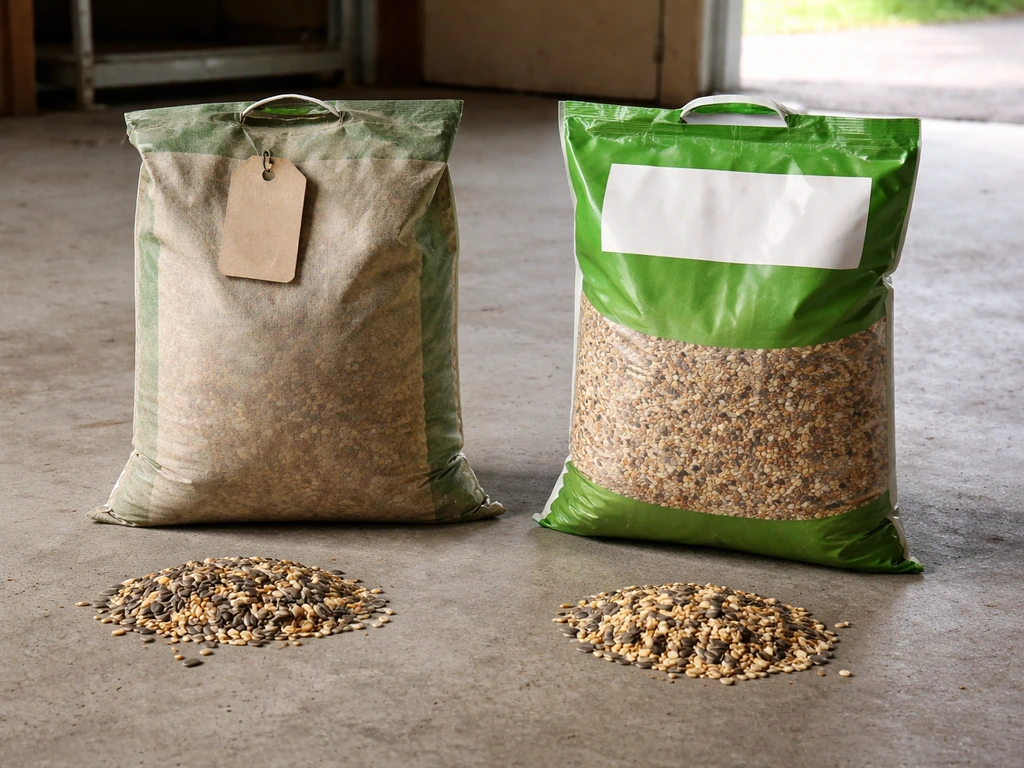
Bird seed sitting in a garage for six months to a year loses germination viability quickly, especially if it's been exposed to temperature swings. Sunflower seed stored at room temperature typically sees germination rates drop significantly after about a year. Millet holds up a bit better but still degrades. If you're using old seed from the bottom of a storage bin, expect poor results.
Heat exposure during storage
Seed stored in a hot shed, a car trunk, or a metal outdoor bin in summer heat takes the same kind of damage that intentional heat sterilization causes. Temperatures consistently above 90 to 100°F over weeks can reduce germination rates dramatically even without any official treatment. If your seed spent a summer in a hot storage container, treat it as low-viability.
Moisture and mold damage
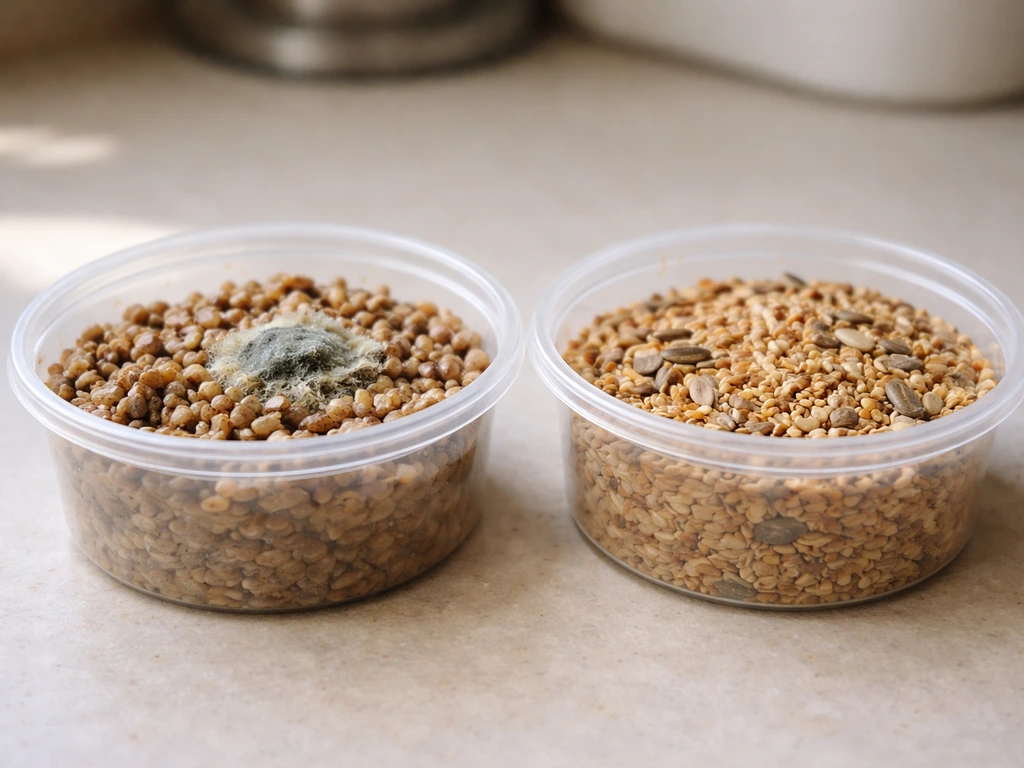
Seed that has gotten wet, clumped, or developed any mold is done for germination purposes and is also a health hazard. Moldy seed should not be planted anywhere near a living space or where pets and kids play, because mold spores, including Aspergillus strains, can be harmful when disturbed. Discard wet or moldy seed rather than trying to plant it.
Test your seed at home before planting a single square foot
Before you scatter seed across a garden bed, do a quick germination test. It takes about a week and tells you exactly what you're working with.
- Pick out 10 seeds of one type from your mix (sunflower, millet, or safflower work best for this test).
- Dampen a paper towel until it's moist but not dripping.
- Lay the seeds on one half of the towel, fold the other half over them, and seal inside a zip-lock bag.
- Place the bag somewhere warm, around 65 to 75°F. A kitchen counter works fine.
- Check after 5 days, then again at 7 to 10 days.
- Count how many seeds have cracked open and show a root tip. Divide by 10 to get your germination rate.
If 7 or more of 10 seeds sprout, you have good viability and planting is worth attempting. If you get 3 to 6 sprouts, expect patchy results but it's still worth a try. Fewer than 3 out of 10 means the seed is too far gone, and you'll be better off buying fresh seed intended for planting. To answer your question directly, whether bird seed will sprout depends heavily on the seed type, age, and storage conditions.
How to plant wild bird seed for the best shot at success
Timing
Plant after your last frost date when soil temperatures are consistently above 55°F. For most of the US, that means May through early June. Sunflower and millet are warm-season growers and will stall or rot in cold soil. If you're in a warmer region like the Southeast or Southwest, you may have already passed the ideal window for spring planting and should aim for late summer for a fall crop.
Soil prep and location
Choose a spot with full sun, at least 6 hours a day. Loosen the top 2 to 3 inches of soil with a rake or hand tool. You don't need to add fertilizer for sunflowers or millet, but very compacted or clay-heavy soil will hurt germination. A raised bed or even a large pot filled with potting mix gives you the most control and the cleanest results.
Planting depth and spacing
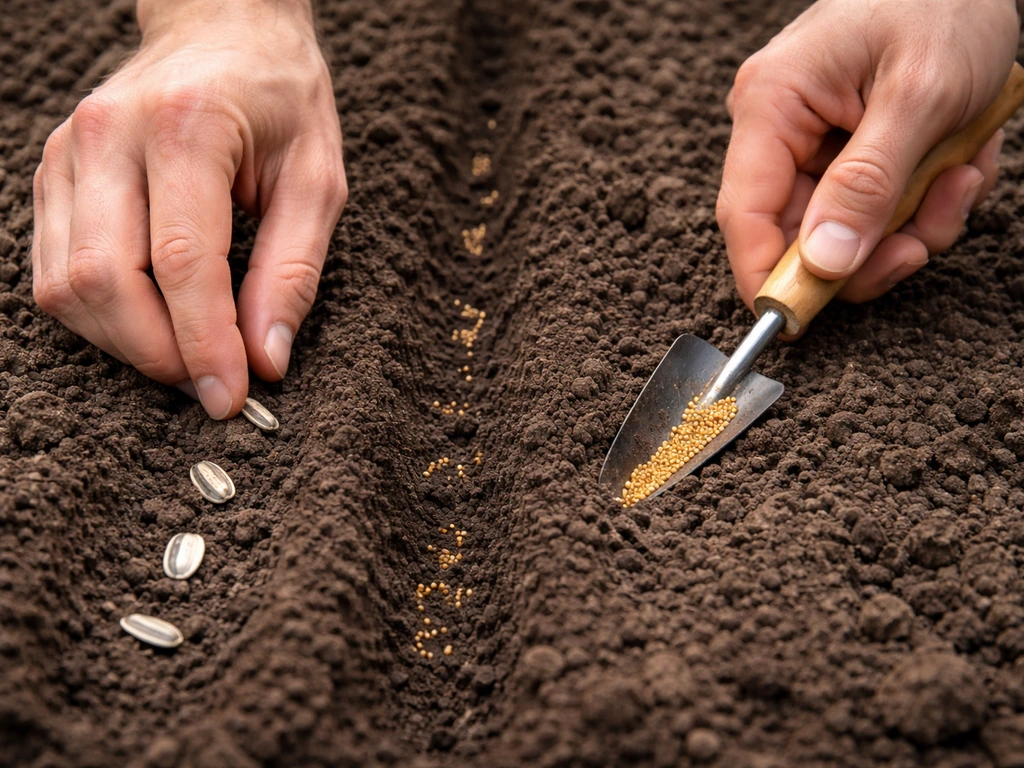
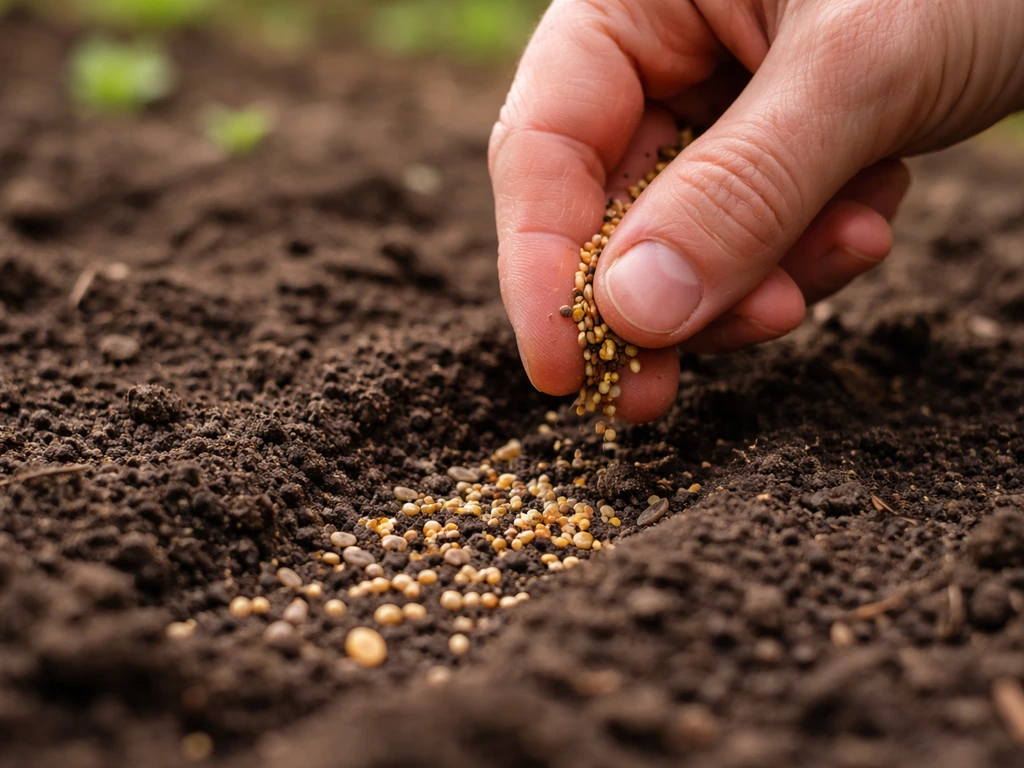
If you've tested and sorted your seed by type, plant sunflower seeds about 1 inch deep and space them 6 to 12 inches apart. Millet is tiny and should only be pressed about a quarter inch into the soil or simply pressed into the surface and raked lightly. If you're planting the mix as-is without sorting, scatter it thinly over loosened soil and rake it in gently to about a half inch. Don't bury the whole mix an inch down or the small seeds will never emerge.
Watering
Keep the soil consistently moist for the first two weeks, but not soggy. A light daily watering or every-other-day watering is better than one heavy soak. Once seedlings are 2 to 3 inches tall, they need less hand-holding. Overwatering at the seed stage is one of the fastest ways to get rot and mold.
What you'll actually end up with
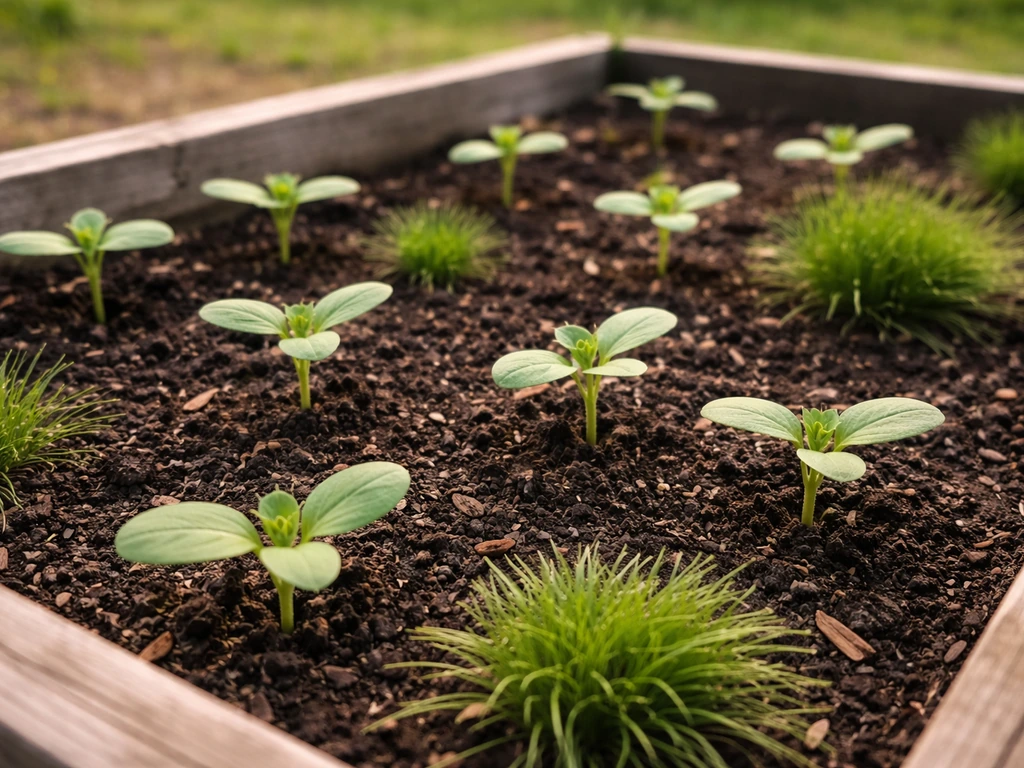
If your germination test came back positive and you plant in good conditions, here's a realistic picture of what to expect. Sunflower seeds from a bird mix are usually the same black oil sunflower variety sold in the bag, so you'll get actual sunflower plants, often quite tall, and birds will absolutely return to eat the seed heads in late summer. That's genuinely useful backyard habitat.
Millet will grow low, grass-like clumps that ground-feeding birds like doves, sparrows, and juncos forage from directly. It's not showy, but it works. Safflower plants are bushy and produce seeds that cardinals and chickadees love.
The less pleasant surprise is that mixed bird seed also contains volunteer plants you didn't invite. Milo (grain sorghum) grows tall and weedy. Any weed seeds that hitched a ride in a lower-quality mix, and they do, will germinate alongside everything else. You may also get uneven, patchy growth where heat-treated or aged seeds simply never came up. Manage expectations: this is not the same as planting a curated wildflower or forage mix from a garden supplier.
The question of whether bird seed produces the same thing as grass seed comes up a lot, and the answer is no. Millet looks somewhat grass-like but it's not lawn grass. Choosing bird seed grass seed blends can make it easier to grow more predictable plants from seed you plan to sow. If your yard is already growing volunteer plants from spilled feeder seed, that's a separate but related problem worth addressing. If you are dealing with spilled feeder seed that has sprouted in lawn grass, the safest approach is to remove the seed and target the seedlings rather than trying to let them keep growing volunteer plants from spilled feeder seed. If you are seeing grass pop up from a bird seed mix, it is usually because the mix included viable weed or grass seeds why is my bird seed growing grass.
Risks you need to know before you plant
Mold and moisture hazards
If seed doesn't germinate quickly and sits wet in the soil, it molds. Moldy seed in a garden bed or pot can release Aspergillus spores, which are a respiratory hazard, especially if you or anyone nearby has allergies, asthma, or a compromised immune system. Don't plant near open windows, HVAC intakes, or areas where you sit outdoors frequently. If you see fuzzy mold growth on ungerminated seed, remove and dispose of it in a sealed bag.
Pest attraction
Loose bird seed on or near the soil surface is a dinner bell for mice, rats, squirrels, and other rodents. If you're planting in an area close to your home's foundation or anywhere rodents are already an issue, this can make the problem worse. Plant in a garden bed away from the structure, cover with a thin layer of soil rather than leaving seed exposed, and don't over-seed. If birds are eating your grass seed too quickly, use bird netting and plant at times when activity is lower how to stop bird eating grass seed.
Invasive and weedy species
Lower-quality bird seed mixes sometimes contain weed seeds, including grasses and broadleaf weeds that can spread aggressively. Some millet varieties can also reseed and spread beyond where you intended. Check whether any of the grasses or plants coming up are on your region's invasive species list before letting them go to seed.
Contaminated or treated seed
Some commercial bird seed has been treated with pesticides or preservatives that are safe for birds consuming small amounts but aren't ideal to concentrate in garden soil. Buy from reputable suppliers and look for seed that doesn't list chemical additives. Avoid planting seed you suspect has been stored improperly, contaminated with rodent droppings, or exposed to pest control chemicals.
Better alternatives if you want reliable bird-friendly plants
If your germination test came back discouraging, or you just want something that reliably works, skip the bird seed bag and go directly to seeds sold for planting. Purpose-grown sunflower seed packets, especially black oil or Mammoth varieties, give you predictable germination rates and strong plants. Native wildflower mixes formulated for your region, particularly those featuring coneflowers, black-eyed Susans, and native grasses, provide far more bird habitat value than a grocery store bird seed blend ever will.
Native plant nurseries are increasingly carrying pre-grown starts of bird-attracting plants like serviceberry, elderberry, and native sunflowers that give you a head start without any germination uncertainty. If you want to create real forage habitat rather than just hoping a random mix grows, a small native plant garden beats a scattered bird seed planting every time.
For millet specifically, proso millet seed is sold as a planting crop in farm supply stores and online. Buying it as planting seed rather than bird food means you get fresh, untreated seed with known viability, and you can sow it in quantity for actual bird forage rather than scattered patches.
Quick reference: which seeds in a typical mix are worth planting
| Seed Type | Likely to Sprout? | Notes |
|---|---|---|
| Black oil sunflower | Yes, good odds | Best performer; will produce full sunflower plants with harvestable seed heads |
| White proso millet | Yes, decent odds | Grows quickly; ground-feeding birds forage directly on the plants |
| Safflower | Yes, moderate odds | Bushy plant; cardinals and chickadees love the seeds |
| Milo (sorghum) | Sometimes | Inconsistent; grows weedy and tall; not high value for most backyard birds |
| Nyjer (thistle) | No | Legally required to be heat-sterilized; will not germinate |
| Cracked corn | No | Already broken; cannot sprout |
| Mixed filler grains | Unpredictable | May include weed seeds; results vary and can introduce unwanted plants |
The bottom line: planting wild bird seed is worth trying if your germination test shows reasonable viability, you stick to the sunflower and millet components, and you go in with realistic expectations about patchy results and some weedy volunteers. If you want a reliable bird habitat garden, buy seed specifically meant for planting. The extra few dollars for a proper seed packet is almost always worth it.
FAQ
How can I tell if the “sunflower” in my bird mix is actually viable black oil sunflower seed?
Look at the ingredient list for “black oil sunflower” rather than generic “sunflower chips.” If the label is vague, do your 7-day germination test first, because many mixes use partially processed pieces or older seed that germinates poorly even when the bag contains sunflower.
If some seeds sprout, should I keep watering for weeks even if most don’t?
Yes for the first two weeks, but stop as soon as you see clear mold or persistent wetness. If you have large patches with zero sprouting and the soil stays soggy, switch to lighter, less frequent watering to avoid rot in the seeds that are failing.
Can I plant bird seed directly into grass or turf without damaging the lawn?
Usually no. Bird seed often includes viable weed seed, and uneven germination can create a mixed stand while also increasing mold risk if the soil stays covered. The safer approach is to remove the seed from the turf and target only the specific seedlings you want, or plant in a separate bed or potting mix.
Is it safe to plant bird seed that has an unknown “heat-treated” or “sterilized” note?
If the bag says the seed should not germinate, assume it will not sprout and do not waste effort trying to grow it. For mixed bags, you can still attempt planting if other components pass your germination test, but treat heat-treated components as non-viable.
What should I do if my germination test is mediocre, but I already bought the bag?
Use the bag only if you still get at least 3 out of 10 sprouting, then improve conditions: plant warm-season crops after soil warms above 55°F, keep the soil evenly moist (not soggy), and consider sorting out obvious non-germinating components like Nyjer if you can identify it.
Will bird seed attract birds immediately after planting, or do I need sprouts first?
Birds often come for exposed seed before seedlings emerge, especially if you rake it in lightly. However, heavier bird interest usually increases once plants produce visible seed heads in late summer, so initial visits do not guarantee long-term habitat value.
Can I reuse soil from a pot or bed where bird seed molded?
Avoid reusing that soil for more plantings nearby. If the seed grew fuzzy mold, remove the contaminated top layer and replace with fresh soil, because spores and high moisture can cause repeated failures, especially in containers.
How do I prevent rodents when planting wild bird seed in a garden bed?
Do not leave seed sitting on top. Rake it in to a shallow depth appropriate for the smallest seeds in the mix, and keep seeding moderate so the area is not an easy, continuous food source. If rodent pressure is high, consider a mesh cover until seedlings emerge.
Will millet spread beyond where I plant it?
It can. Some millet types can reseed and persist, particularly if seed heads are allowed to drop. If you want to limit spread, remove spent heads before they shed seed or use containers or clearly bounded bed edges.
Are there seed types in bird mixes that should never be planted?
Cracked corn cannot sprout, and heat-treated Nyjer should not be planted if your goal is growing plants. In addition, avoid planting any seed that is wet, clumped, or visibly moldy, both because it likely will not germinate and because it can pose respiratory risks.
What’s the quickest way to get predictable results without buying a full native wildflower mix?
Start with a purpose-grown seed packet for the specific plant types you want, for example black oil sunflower or proso millet sold as planting seed. Those typically have known viability and fewer surprises than a multi-ingredient bird food blend.