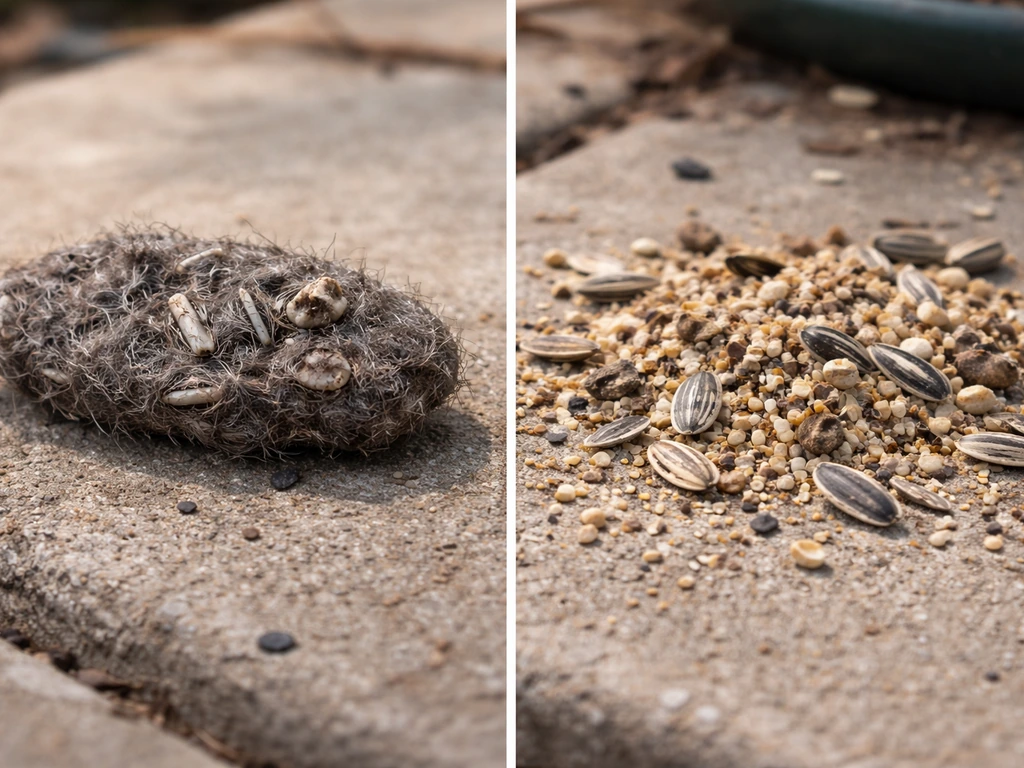
Bird seed is heterogeneous. Almost every bag of wild bird seed you pick up at a garden center or pet store contains multiple distinct seed types, sizes, and often additives, all of which you can see and physically separate. That makes it a classic heterogeneous mixture, not a homogeneous one.
Is Bird Seed Homogeneous or Heterogeneous? How to Tell

Maya Collins
21 May 2026
Homogeneous vs heterogeneous: what those words actually mean
A homogeneous mixture has a uniform composition throughout. A homogeneous mixture has a uniform composition throughout, while a heterogeneous mixture does not have uniform composition and its components can be distinguished.
Every part of the mixture looks and behaves the same. Salt dissolved completely in water is the textbook example: you cannot see the salt, it is evenly distributed, and you cannot pick pieces of it out. A heterogeneous mixture is the opposite: the components are not uniformly distributed, and you can visually or physically distinguish them. Sand stirred into water is a simple example.
The key test is whether the different parts are identifiable. If you can see or separate the individual components, you are looking at a heterogeneous mixture.
So is bird seed homogeneous or heterogeneous?
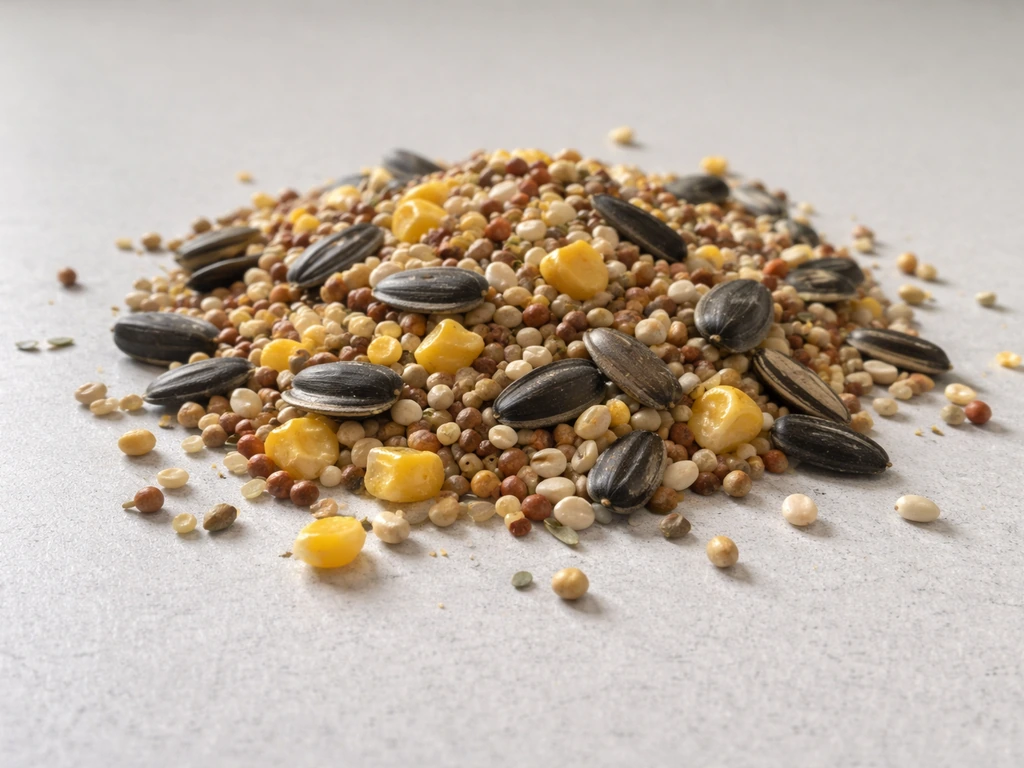
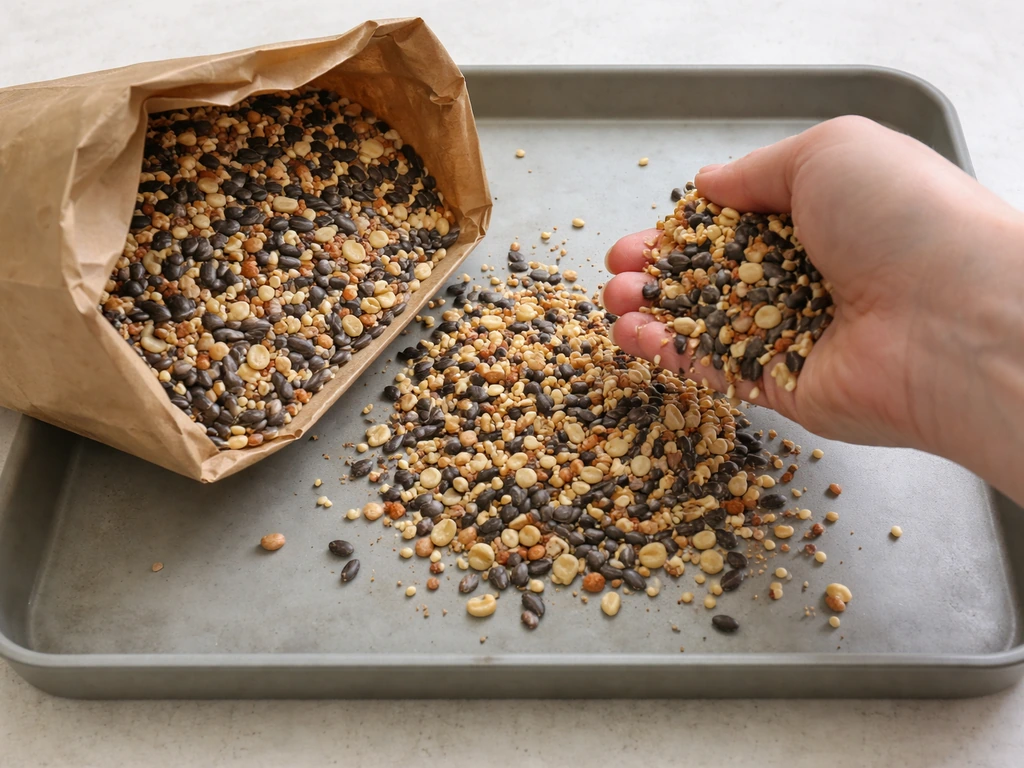
Typical bagged wild bird seed is heterogeneous. Scoop a handful out of any standard wild bird mix and you will immediately see sunflower seeds, millet, cracked corn, and other ingredients sitting side by side. The components have different sizes, shapes, colors, and densities. They are not dissolved into each other or blended into a uniform substance. You could physically sort them into piles if you wanted to. That is the defining characteristic of a heterogeneous mixture, and it describes nearly every commercially sold wild bird seed blend.
Why most wild bird seed is heterogeneous
Manufacturers intentionally formulate bird seed blends with multiple ingredients to attract a wider variety of birds. A typical "Supreme Mix" style product lists white millet, cracked corn, black oil sunflower, striped sunflower, and safflower as separate components. More premium blends go further: Volkman Wild Bird Ultra, for example, lists millet, sunflower seed, oat chips, shelled sunflower, safflower, nyjer seed, canary grass seed, shelled peanuts, plus preservatives, oils, and color additives.
Some mixes add animal protein: the Audubon Park Nut and Mealworm Blend includes dehydrated mealworms alongside several seed types, and Harvest Seed and Supply's Mealworm Blend lists mealworms, black oil sunflower, millet, safflower, peanuts, and milo all in one bag. Each of those ingredients is physically distinct.
No blending process makes them uniform. The result is always heterogeneous.
Even blends that are heavily weighted toward one ingredient stay heterogeneous. A mix advertised as containing over 50% sunflower seeds and nuts still has other identifiable components. Dominance of one ingredient does not equal uniformity across the whole mixture.
Edge cases: single-species seed and bags that look uniform
Single-species bags
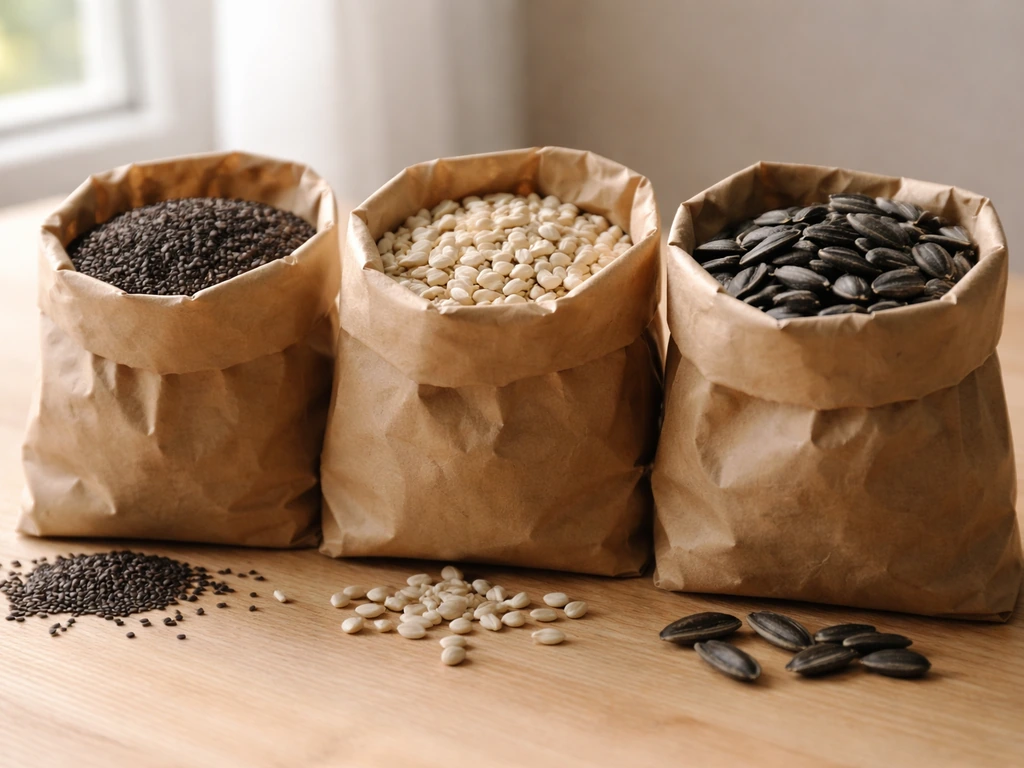
Some bags are labeled as a single seed type, such as straight nyjer (thistle), safflower, or black oil sunflower. On the surface, these could seem homogeneous. In practice, many still contain a physical mix of whole seeds, broken kernels, seed coats, and dust, making them physically heterogeneous even if the species is technically one. Truly uniform single-species seed with consistent size and no variation would be closer to homogeneous, but that level of uniformity is rare in real bagged products.
If the ingredient list on your bag shows just one item and the seeds look genuinely identical in size and condition, it is reasonable to call it approximately homogeneous, but you should still check the label carefully for additives or processing aids.
Bags that look uniform but are not
Visual appearance alone is not reliable. Some blends use seeds of similar color and size, so a quick glance at the bag surface or a small scoop can look deceptively uniform. Milo and certain millet varieties, for instance, have similar small round shapes. The ingredient list is your real answer here. If the label shows more than one ingredient, the mixture is heterogeneous regardless of how uniform it looks at first glance. Reading the label is faster and more accurate than trying to judge by eye.
Quick ways to check your specific bag at home today
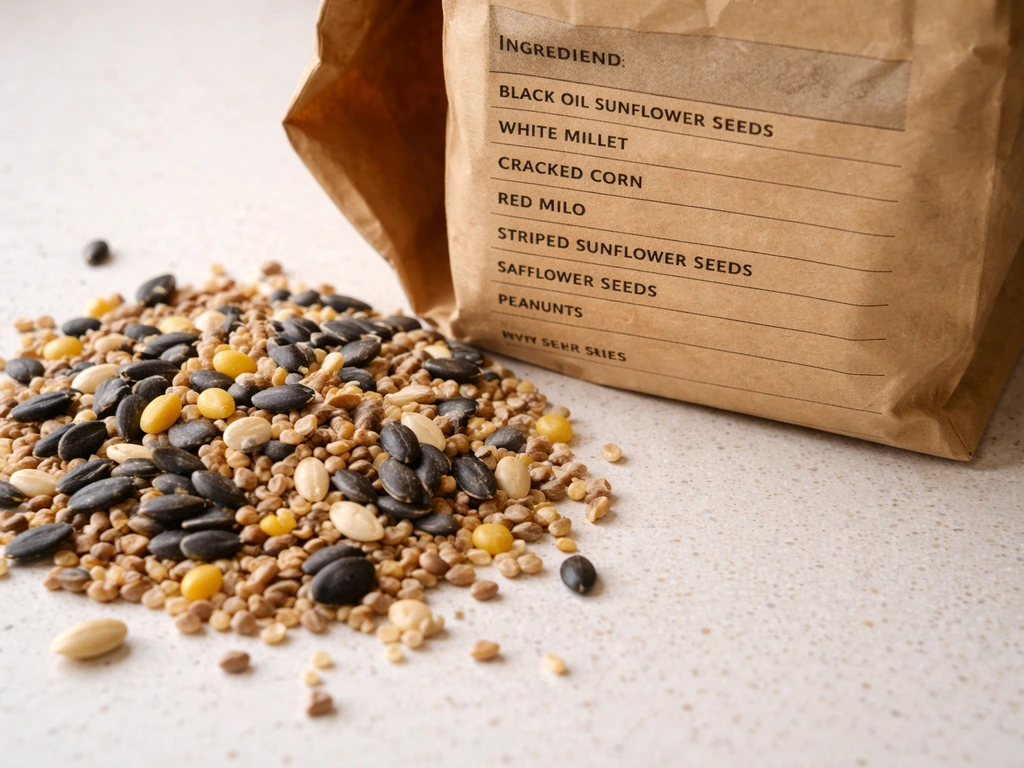
- Read the ingredient list on the bag. This is the fastest and most reliable method. One ingredient (and only one) means potentially homogeneous. Two or more distinct ingredients means heterogeneous, full stop.
- Pour a small handful onto a white plate or tray. Spread it out with your finger and look for differences in size, shape, color, or texture. If you can spot more than one distinct type, it is heterogeneous.
- Try separating the components. Pick through a tablespoon of seed and sort what you find into groups. If you end up with more than one pile of clearly different material, you have confirmed a heterogeneous mixture.
- Check for fine material at the bottom of the bag. Bags often settle during shipping, with small seeds and dust at the bottom and larger seeds on top. That separation happening on its own is direct evidence of heterogeneity: a homogeneous mixture would not stratify like that.
Why the mixture type matters for storage, sprouting, pests, and cleanup
Knowing your bird seed is heterogeneous is not just an academic exercise. Suet is a totally different food from seed, and feeding it alongside bird seed can change which species visit your yard heterogeneous. The fact that it contains multiple physically distinct components has real practical consequences for how you store and handle it.
Moisture and mold risks are uneven
Different seed types absorb moisture at different rates. Small seeds like millet can clump and trap moisture faster than larger sunflower seeds. Once moisture levels climb above roughly 12%, mold growth becomes a serious risk in stored grain and seed. In a heterogeneous mix, one component can become moldy while another still looks fine, which is why Penn State Extension advises discarding bird seed if any mold is visible rather than picking out the bad parts. When in doubt, throw it out.
Settling and sorting affect what birds actually eat
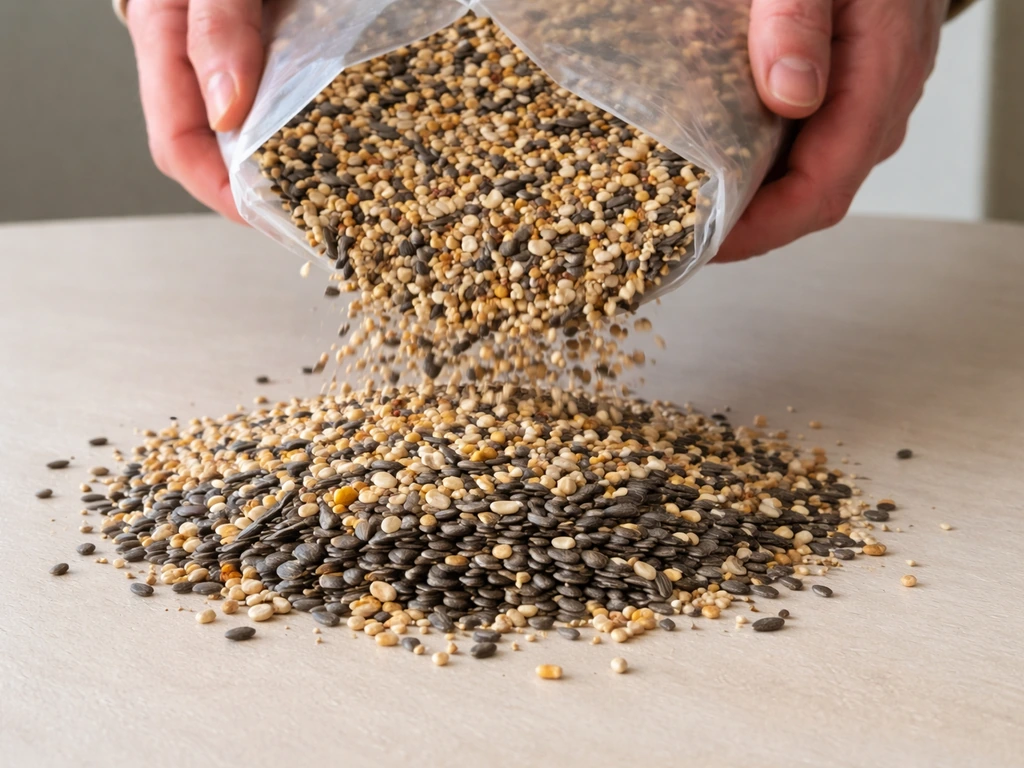
Because the components have different densities and sizes, they settle during shipping and storage. Heavier seeds sink, lighter ones float to the top. If you pour straight from the bag into a feeder without stirring, early fills may be mostly one seed type and later fills mostly another. Giving the bag a gentle mix before each fill keeps the blend more consistent and ensures birds are getting the variety the product is designed for.
Pest pressure varies by ingredient
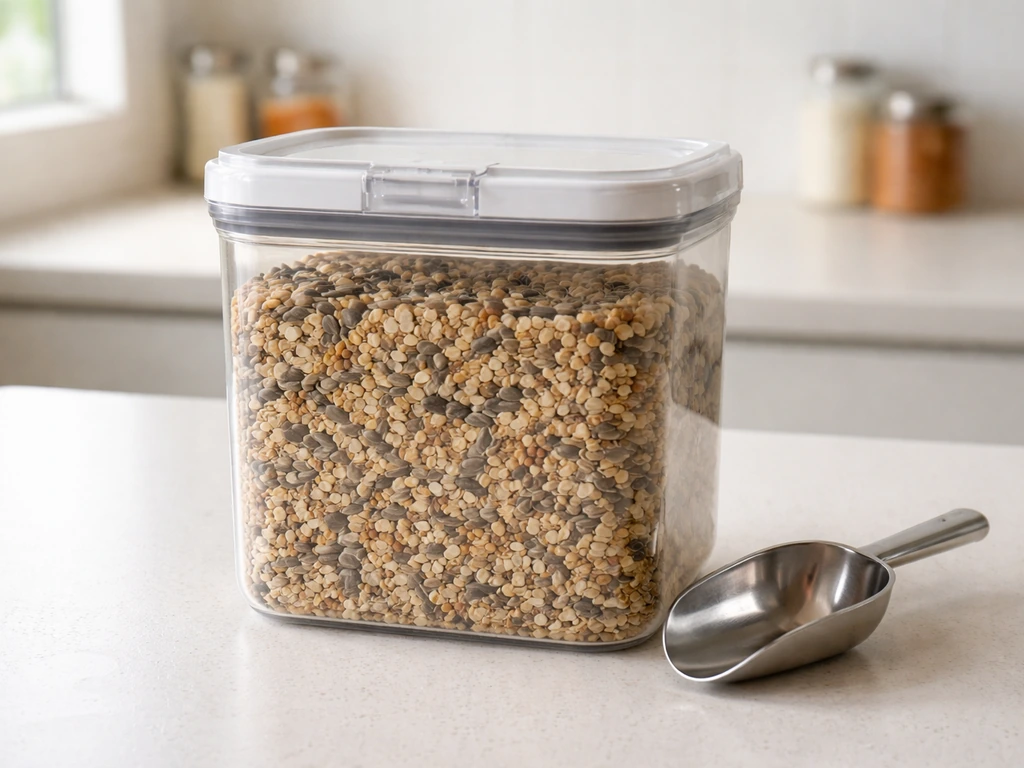
Insects and rodents are attracted to specific components in a heterogeneous mix. Cracked corn, milo, and millet tend to attract stored-product insects faster than whole sunflower seeds. UGA Extension notes that dry storage conditions are critical: moisture in any part of the blend can allow fungi and insects to develop through the entire bag. Store your seed in a sealed container in a cool, dry location. If you see insects or clumping in any layer of the bag, the safest move is to discard the whole thing.
Sprouting and cleanup under feeders
The smaller seeds in a heterogeneous mix, particularly millet and milo, are more likely to germinate under feeders than larger seeds. If you want to reduce sprouting under your feeder, look for mixes with a higher proportion of hulled seeds or consider switching to a more limited-ingredient product. Bird pellets can also reduce some mess and may offer more consistent nutrition, but you will want to check that the pellet type is appropriate for your bird species. Cleanup is also messier with a heterogeneous blend because shells, husks, and uneaten seeds from several species accumulate at different rates. Tray feeders and regular raking underneath the feeder area keep things manageable.
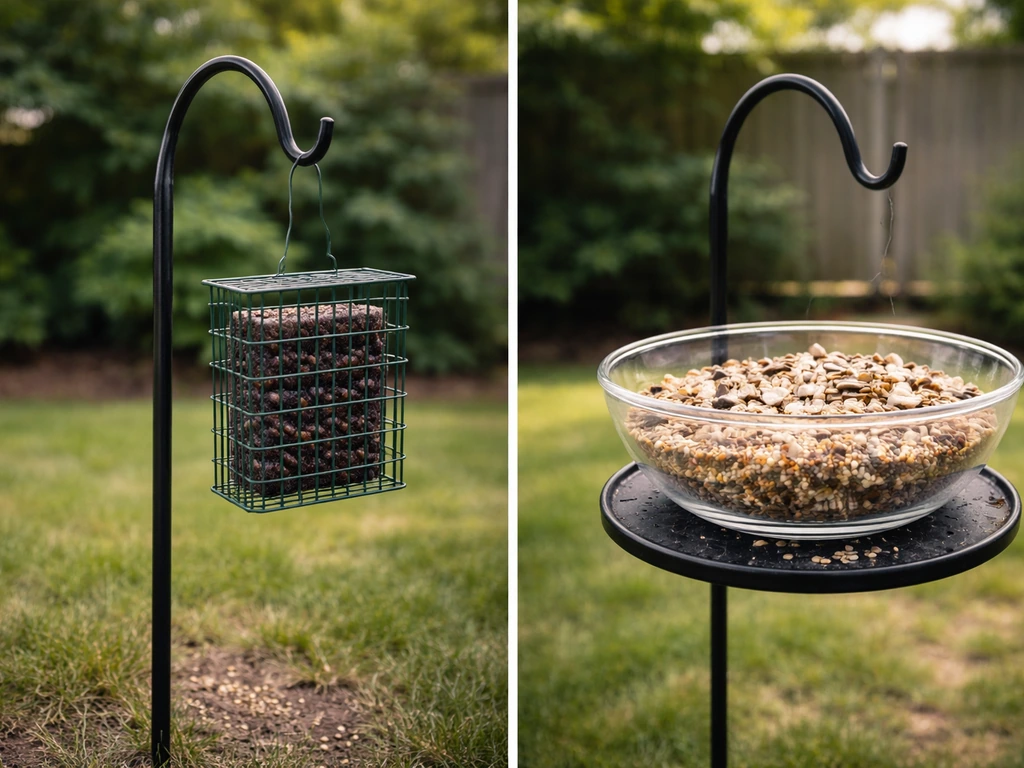
If you are curious how bird seed compares to other bird foods in terms of composition and handling, the same heterogeneous-versus-homogeneous logic applies when you look at alternatives like suet cakes, bird pellets, and chicken scratch, each of which has its own ingredient structure and storage considerations. Bird pellets vs seed is a similar comparison, since pellets are more uniform while many seed mixes include multiple distinct ingredients. Suet vs bird seed can also differ in how evenly the food breaks down and how quickly it can attract pests suet cakes.
FAQ
If I only see one type of seed in the bag, is it always homogeneous?
Not always. Even products labeled as a single seed type can include broken kernels, seed coats, hulls, dust, or added ingredients like preservatives, oils, or colorings. If those visible differences exist or the ingredient list mentions more than one component, the mixture is heterogeneous (or at least not truly uniform).
Does the ingredient list always override what I see visually?
Yes. Visual look can be misleading when different seeds are similar in color and size, but the label reveals whether multiple ingredients or additives are present. If the list contains more than one seed ingredient or any additives, treat it as heterogeneous for storage and handling decisions.
How can I check whether my seed is heterogeneous at home without tools?
Take multiple small scoops from different spots (top, middle, bottom) and compare the components by size, shape, color, and texture. If you find different ingredients in different scoops, or you can sort them into distinct piles, that is strong evidence of heterogeneity.
Will a pre-mixed blend become more homogeneous after I stir it?
Stirring can temporarily distribute components more evenly, but it does not change the fact that the mixture contains distinct particles with different properties. Over time, settling can occur again, so you should still treat it as heterogeneous and mix before each fill.
What’s the safest approach if I notice mold in one area of a heterogeneous seed bag?
Do not try to salvage by picking the bad bits. Mold can spread beyond what you can see, and different components can reach harmful moisture levels differently. The safer choice is to discard the bag once any mold is visible, then clean the feeder and surrounding area.
Do different moisture levels in a mix affect how I should store it?
Yes. Because small seeds can clump and pick up moisture faster, the bag can have hot spots even if the rest looks dry. Store in a sealed container in a cool, dry place, and periodically check for clumping, damp smell, or condensation.
If my feeder empties unevenly, could that mean the mix is heterogeneous settling?
Exactly. Heavier ingredients tend to sink, and lighter ones drift toward the top during storage and pour-out. If you pour without mixing, early servings may be different from later ones. Give the bag a gentle stir each time you fill the feeder.
Can heterogeneous bird seed increase germination under the feeder?
Often, yes. Smaller seeds like millet and milo can sprout more easily when conditions are right. Using hulled seeds more often, limiting the variety in the mix, and cleaning up trays or fallen seed can reduce sprouting and mess.
Are pellets more homogeneous than seed blends in practical terms?
Usually, yes. Pellets are manufactured to produce a consistent single product shape and composition. With seed, you are managing multiple distinct particles with different moisture and pest risks, so even “similar-looking” seeds should be treated as heterogeneous unless the product is genuinely uniform.
Is it possible for bird seed to be truly homogeneous?
In most real bagged products, truly homogeneous seed is rare because commercial seed lots often include variation in kernel size, broken pieces, hulls, and mixtures of distinct seed types. A bag that is labeled as one ingredient and shows consistent seed condition may be approximately homogeneous, but you should still check for additives and physical variation.