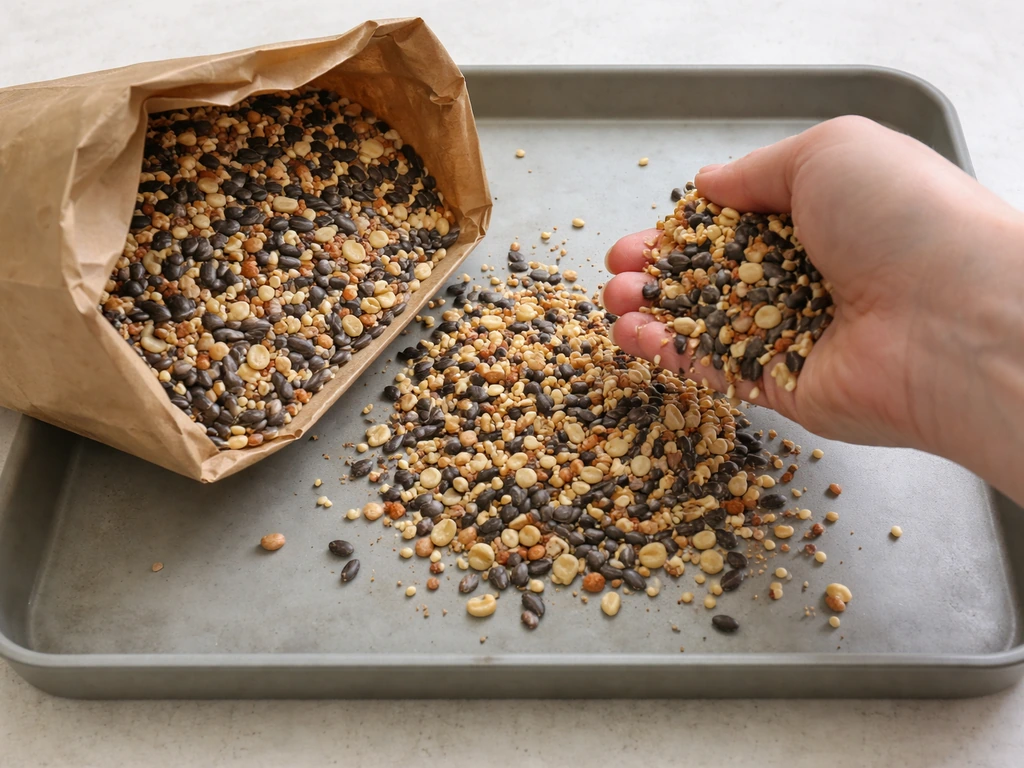
Chicken scratch and bird seed are not the same thing, and using the wrong one will either waste money or attract the wrong animals. Chicken scratch is a grain-heavy poultry supplement built around cracked corn, wheat, barley, milo, and oat groats. Wild bird seed is a targeted mix that adds oilseeds and small specialty seeds like black oil sunflower, white millet, nyger, and safflower to match the bill size and nutritional needs of backyard songbirds. If you want to attract finches, cardinals, and chickadees, reach for a quality bird seed blend. If you have chickens, chicken scratch is a useful treat but not a complete feed for them or the wild birds visiting your yard.
Chicken Scratch vs Bird Seed: Differences and Safe Use

Maya Collins
30 May 2026
What's actually in chicken scratch vs bird seed
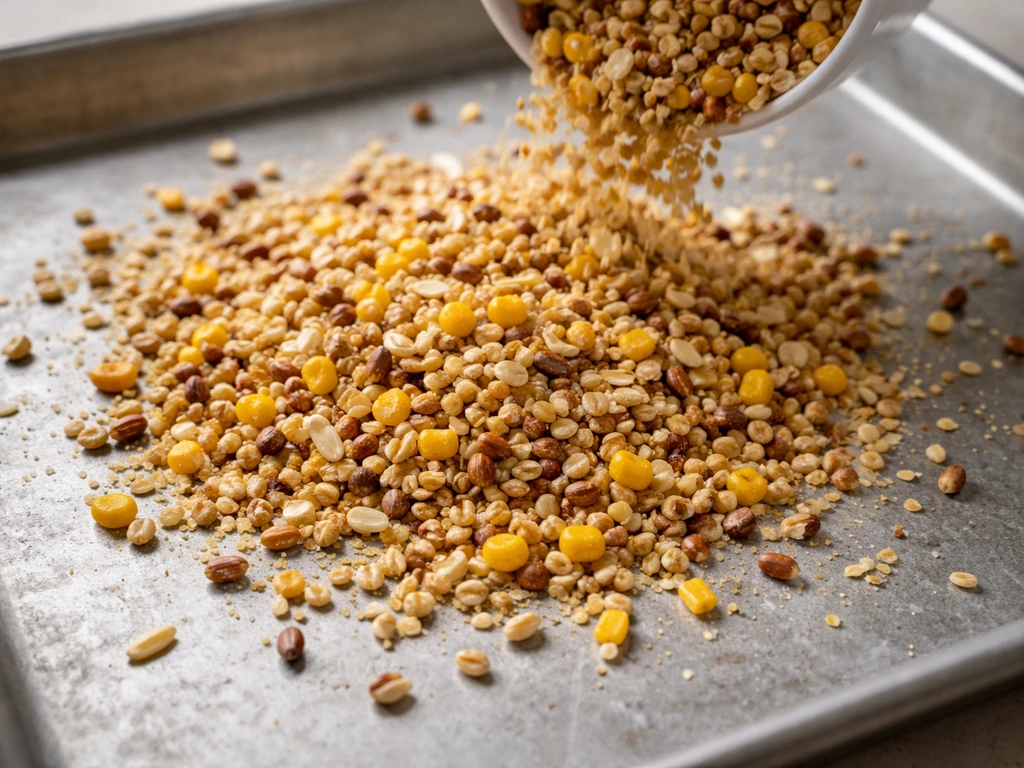
Chicken scratch (sold as 'scratch grains') is basically a cereal grain mix. A typical product lists cracked corn, whole wheat, barley, milo, oat groats, and sometimes a touch of vegetable oil as a binder. That's it. There are no oilseeds, no specialty finch seeds, and no high-fat components. It's designed as a treat or activity feed for chickens, not as a nutritionally complete diet.
A wild bird seed mix covers more ground. A standard blend might include black oil sunflower seed, white millet, red millet, cracked corn, milo, nyger (thistle), safflower, and sometimes peanut kernels. Some products are marketed as 'filler free' or 'no waste,' meaning they skip cheap commodity grains like milo and straight corn that many songbirds ignore and just toss aside. The variety in bird seed is intentional: different seeds attract different species, and the oilseed component (especially sunflower) provides the fat and caloric density that wild birds actually need. If you want to sanity-check labels like this, you may also wonder whether bird seed is homogeneous or heterogeneous, since mixes are usually more varied than single-ingredient seed filler free.
| Ingredient | Chicken Scratch | Wild Bird Seed |
|---|---|---|
| Cracked corn | Yes (primary) | Sometimes (minor) |
| Whole wheat / barley | Yes | Sometimes |
| Milo / sorghum | Yes | Sometimes (varies by brand) |
| Black oil sunflower seed | No | Yes (key ingredient) |
| White / proso millet | No | Yes |
| Nyger / thistle | No | Yes (finch blends) |
| Safflower | No | Yes (cardinal/squirrel-deterrent blends) |
| Peanut kernels | No | Sometimes |
| Oat groats | Yes | Rarely |
Who actually eats each mix
Chickens will enthusiastically eat scratch grains because the large cracked and whole grains suit their bill and digestive system (they need grit to grind grain since they have no teeth). Wild songbirds have mixed results with scratch. House sparrows, doves, and starlings will readily eat cracked corn and milo. But most birds people actually want to attract, like cardinals, goldfinches, chickadees, and nuthatches, will largely ignore a pure scratch mix or pick out the small amount of acceptable grain and drop the rest.
Wild bird seed attracts a much wider and more desirable range of backyard species. Black oil sunflower is a favorite of cardinals, blue jays, chickadees, nuthatches, and grosbeaks. White millet draws juncos, sparrows, and doves. Nyger seed specifically targets goldfinches and pine siskins. Safflower is useful because squirrels generally dislike it, so a safflower-heavy mix can help you feed cardinals while discouraging squirrel raids.
The unintended guests are the bigger issue. Both mixes attract the same pest lineup: mice, rats, squirrels, and European starlings. Cracked corn and milo in particular are magnets for rodents and pest birds. Scratch grains left on the ground after a chicken feeding session will draw rats overnight. Spilled bird seed under a feeder does the same. The difference is that a quality no-waste bird seed blend produces less ground spillage and less rodent-attractive filler than straight scratch grains.
Is chicken scratch actually okay for wild birds?
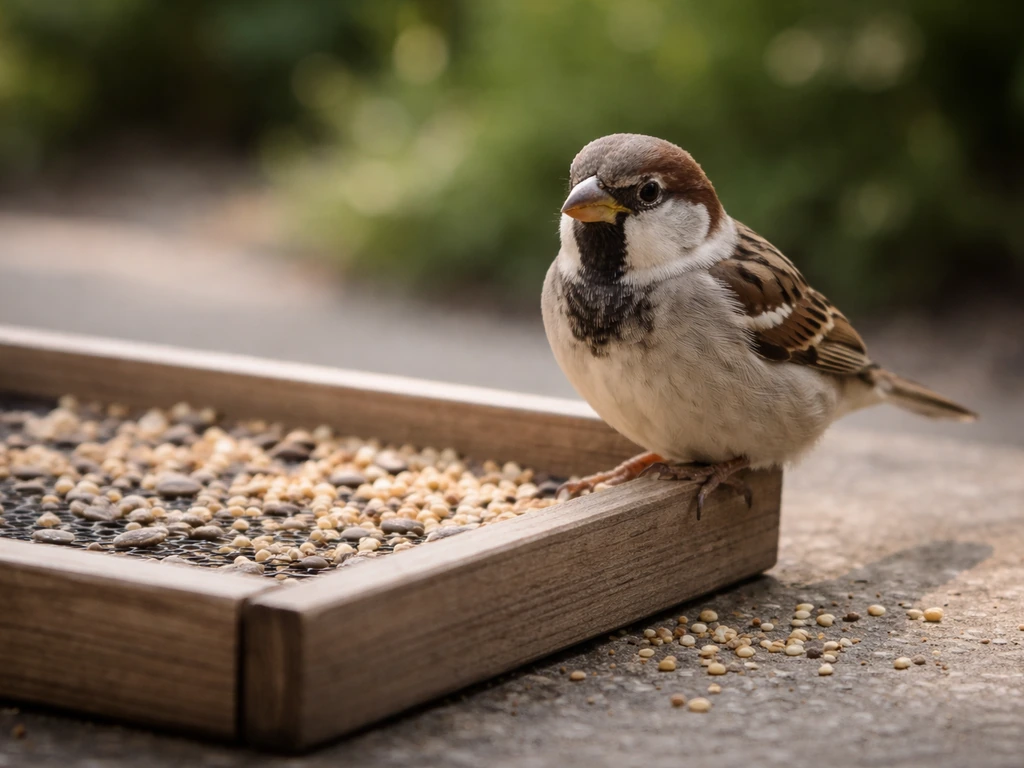
Occasionally and in small amounts, yes. If you run out of bird seed and have scratch grains on hand, scattering a little on a tray feeder or the ground will not harm wild birds in the short term. Ground-feeding doves, sparrows, and towhees will pick through it without issue. But chicken scratch is not a substitute for a real bird seed blend if you want to attract a variety of species or support birds through winter and breeding season when fat and protein matter most.
The bigger concern is using scratch grains as a primary or regular wild bird food. The mix is grain-heavy and low in fat, which means it does not provide the energy density songbirds need during cold weather or migration. University of Minnesota extension guidance says scratch grains should be no more than a handful per 10 chickens as a treat; the same logic applies here. blank" rel="noopener noreferrer">A diet built around corn, wheat, and milo is nutritionally incomplete for wild birds, just as it is for chickens. In general, bird seed is usually considered a mixture rather than a pure substance because it contains multiple types of seeds and sometimes additives like oil corn, wheat, and milo.
There is also a waste and hygiene problem. Scratch grains attract more rodents and pest birds than a targeted bird seed blend, and they are more likely to be ignored and left on the ground to get wet, mold, and sprout. If you are trying to run a clean, low-pest feeding station, scratch grains make that harder.
Choosing the right mix for your yard
Start by deciding which birds you actually want to attract. That narrows your seed choices significantly.
| Target Bird(s) | Best Seed Choice | Feeder Type |
|---|---|---|
| Cardinals, grosbeaks | Black oil sunflower or safflower | Hopper or platform feeder |
| Goldfinches, siskins | Nyger (thistle) | Tube feeder with small ports |
| Chickadees, nuthatches, titmice | Black oil sunflower, shelled peanuts | Tube or hopper feeder |
| Juncos, sparrows, doves | White millet | Ground tray or low platform |
| Blue jays | Whole peanuts, sunflower | Platform feeder |
| Mixed species, general feeding | No-waste blend (sunflower + millet + safflower) | Hopper or platform feeder |
| Chickens only | Scratch grains as treat (not sole diet) | Ground scatter or tray |
If you want to keep things simple, a no-waste or filler-free blend with black oil sunflower as the lead ingredient will attract the broadest range of desirable backyard birds. Avoid mixes dominated by milo, red millet, and cracked corn unless you specifically want to feed ground birds. Those fillers end up on the ground, get wet, and create mold and rodent problems faster than any other seed type.
If you keep both chickens and a backyard bird-feeding station, keep the two feeding areas physically separate. Chicken scratch near a wild bird feeder invites cross-contamination, disease transfer, and a rodent problem that feeds both stations.
Storing seed and scratch to prevent mold and pests
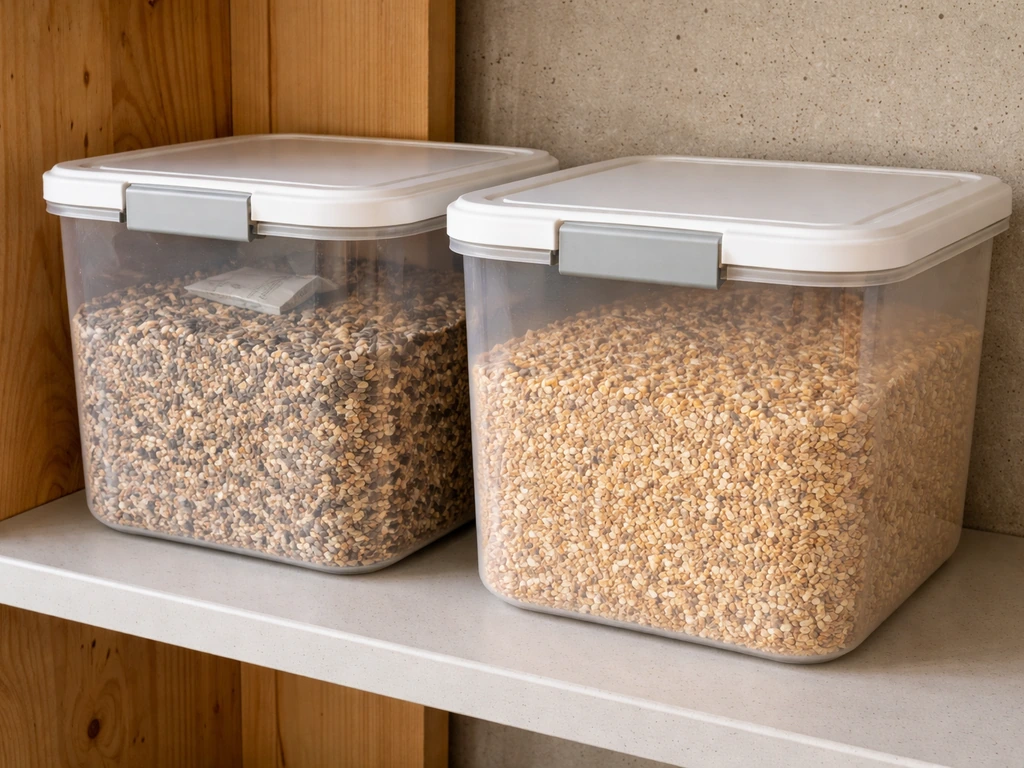
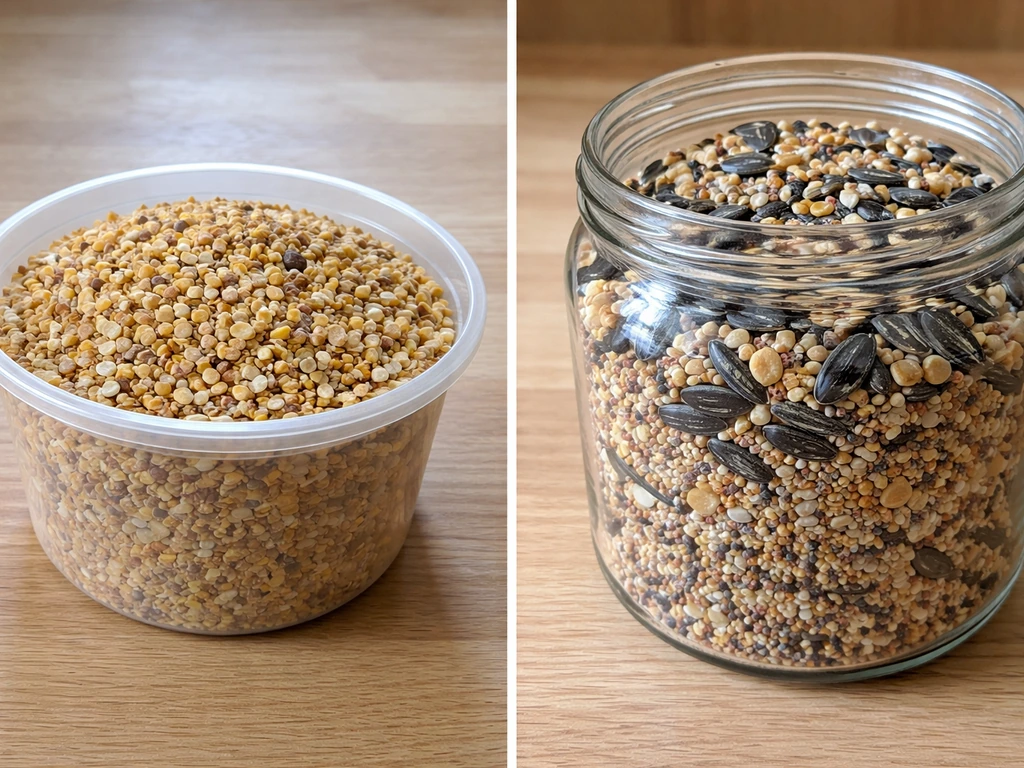
Moisture is the enemy of both chicken scratch and bird seed. Grains stored above 12% moisture content will begin to mold, and molds produce mycotoxins that are harmful to birds and chickens alike. Keep relative humidity below 70% in your storage area. In practice, that means using airtight hard containers, not paper or cloth bags.
- Transfer seed from the original bag into a hard-sided, airtight container immediately after purchase. Metal or heavy-duty plastic bins with locking lids work best. This also prevents rodent access.
- Store containers off the ground on a shelf or pallet to prevent moisture wicking from concrete floors.
- Keep seed in a cool, dry location, ideally below 70°F. A garage or shed is fine as long as it does not flood or get humid in summer.
- Do not mix new seed on top of old seed. Empty and clean the bin before refilling. Old seed at the bottom harbors mold and insects that contaminate new stock.
- Check stored seed every 2 to 4 weeks. If you smell something musty or sour, or see clumping, discard that batch. Do not use moldy seed.
- Plan to use bird seed within 6 months and scratch grains within 3 to 4 months for best quality, especially in humid climates.
Buying in bulk saves money but increases mold risk if you cannot move through the supply quickly. In hot, humid regions like the Southeast or Gulf Coast, buy smaller quantities more often rather than a 50-pound bag that sits in a humid garage all summer.
Troubleshooting: wet seed, mold, insects, and rodents
Wet or clumped seed
If seed in your feeder is wet or clumping, it is either from rain getting in, morning dew, or condensation. Empty the feeder completely. Do not add dry seed on top of wet seed. Dispose of any clumped or damp seed in the trash (not compost, where it can still mold). Dry the feeder completely before refilling. Roof-style hopper feeders reduce rain exposure. In persistently rainy weather, smaller refills every day or two are better than large loads that sit wet.
Moldy or sour-smelling seed
Never put moldy or sour-smelling seed in a feeder. Mold produces mycotoxins that can sicken or kill birds. If the seed in the bag itself is moldy, discard the whole bag. If mold is only in the feeder, discard that seed, scrub the feeder with a 10% bleach solution (1 part bleach to 9 parts water), rinse thoroughly, and let it dry completely before refilling. The same applies to sprouted seed: sprouts signal moisture and should be removed promptly along with the surrounding seed.
Insects in seed
Small moths (Indian meal moths) and weevils are the most common insects in stored seed. If you see webbing, larvae, or tiny beetles in your seed storage bin, discard the affected seed, wash and dry the bin, and freeze new seed for 48 hours before storage to kill any eggs. Check storage conditions: insects thrive in warm, humid environments, so cooler storage slows infestations significantly.
Rodent problems
Rats and mice are drawn to spilled seed and accessible storage. If you have rodents, the first step is cutting off their food supply: switch to hard airtight storage containers immediately, pick up all ground spillage daily, and consider switching to no-waste seed blends or shelled sunflower to reduce hull and milo debris on the ground. Oklahoma State University extension recommends promptly removing uneaten grain, especially if wet, to reduce toxin and pest risk. Avoid leaving any food out overnight.
Seed sprouting under the feeder
Millet, sunflower, and corn in spilled seed will sprout in soil, especially after rain. Sprouted seed under a feeder creates a damp, moldy mat that is a disease and pest risk. Laying a rubber or plastic tray under the feeder catches debris and makes cleanup much easier. Mulching the area under a feeder (wood chips or gravel) also helps: it allows drainage, makes sprouted seed easier to pull, and keeps the ground drier. Rake or sweep under feeders at least once a week.
Feeder setup, seed sorting, and keeping things clean
Picking the right feeder for the seed
Match your feeder to your seed. Tube feeders with small ports work for nyger seed and fine mixes but will clog or waste larger seeds. Hopper and platform feeders handle sunflower and general bird seed blends well. If you are putting scratch grains out for ground-feeding birds as an occasional supplement, a low tray feeder is better than scattering on bare soil: it keeps the grain off damp ground, reduces direct contact with droppings, and makes cleanup far easier.
Sorting seed
If you buy a mixed seed blend and find birds are throwing out large amounts of milo or cheap filler, you can sift it out before loading the feeder. Pour the mix through a kitchen colander or mesh strainer: milo and small filler grains fall through while sunflower and larger seeds stay behind. It takes two minutes and noticeably reduces ground debris and pest attraction. Alternatively, just buy a no-waste or filler-free blend to skip this step entirely.
Pest-proofing the feeding area
Mount feeders on smooth metal poles with baffles above and below to block squirrels and raccoons. Keep feeders at least 10 feet from fences, trees, and structures that squirrels can jump from. If squirrels are persistent, switch to safflower or a hot-pepper-coated seed blend, which birds tolerate but squirrels strongly dislike. For chicken scratch specifically, avoid scattering it near your wild bird feeders: the corn and grain smell draws rodents and pest birds to both feeding areas at once.
Cleaning your feeders
Clean seed feeders at least once a week in warm or humid weather, and every two weeks at minimum in winter. Empty the feeder completely first. Scrub with hot soapy water and a bottle brush, then rinse with a 10% bleach solution (1 part bleach to 9 parts water). Rinse again with clean water and let the feeder dry completely, either air-dried or with a clean towel, before refilling. Never add fresh seed to a damp feeder. A wet feeder is a mold incubator, and moldy seed can spread salmonella and fungal respiratory disease to birds at the feeder.
Ground cleanup under feeders
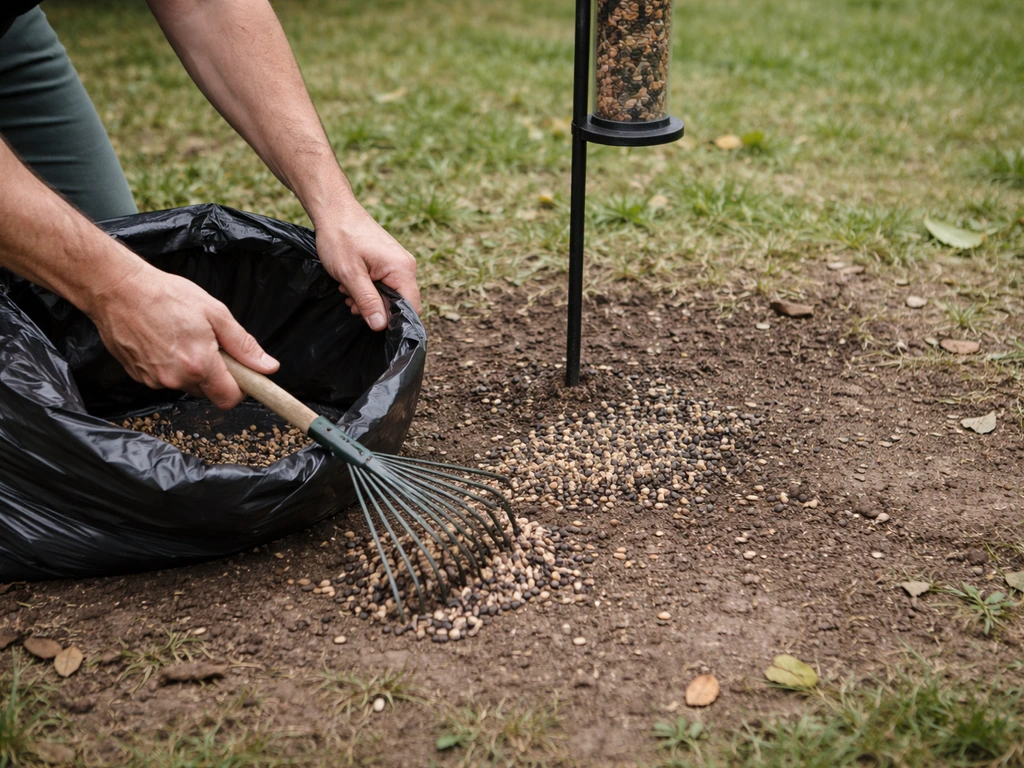
Rake up seed hulls, uneaten seed, and bird droppings under feeders at least once a week. Bag and dispose of it rather than composting, since composting can spread disease and allow seeds to sprout. If you have a persistent wet-ground problem, add a gravel or coarse mulch layer under the feeder to improve drainage. During disease outbreaks (like a salmonella event at your feeder, which shows up as lethargic or dying birds), temporarily take down all feeders, clean them thoroughly, and let the area rest for at least a week before resuming feeding.
Chicken scratch and bird seed overlap just enough in ingredients to cause confusion, but they serve different purposes and perform very differently at a wild bird feeding station. For anyone trying to attract and support wild birds, a quality bird seed blend built around black oil sunflower, millet, and specialty seeds is the right tool. Scratch grains are best left for chickens as an occasional treat, kept away from wild bird feeders, and never used as a substitute for a nutritionally complete diet in either species. Keep storage dry, feeders clean, and ground waste minimal, and you will have healthier birds and far fewer pest problems to deal with.
FAQ
Can I mix chicken scratch into my bird seed blend to stretch it further?
Usually not. Even small amounts of scratch grains increase the ground-facing grain component (corn, wheat, milo), which raises spillage, sprouting, and rodent/pest risk. If you want to stretch feed, choose a true filler-free or no-waste bird blend instead, or add only highly compatible ingredients like black oil sunflower if the label already supports it.
If I use scratch grains for ground-feeders, how much is too much?
Treat it like a supplement, not a feed. A practical guideline is to offer a small, limited portion and remove what is not eaten within a short window (often by the next day), especially in warm or humid weather. Larger “free choice” piles sit wet, attract mice and starlings, and can grow mold if moisture gets in.
Will scratch grains harm birds if a little gets wet and sits under the feeder?
It can. Wet grains can sprout and form a damp mat that increases mold and bacterial growth risk. If you see clumping, sour smell, or sprouts, remove and discard that portion, and dry the feeder before refilling. Do not top off wet seed with dry seed.
How can I tell whether my “bird seed” is truly designed for songbirds or just cheap filler?
Check the label for a lead ingredient that matches the target birds, especially black oil sunflower for many species. If the blend is dominated by cracked corn or milo with limited oilseeds and specialty seeds, expect more waste on the ground and fewer of the birds people commonly want.
Can I feed birds with chicken scratch during winter, since birds are hungry then?
You can offer a small amount occasionally, but it will not replace the calorie and fat density that winter-active songbirds need. Scratch is grain-heavy and relatively low in fat, so birds may still rely on safer, oilseed-forward blends for energy during cold snaps and migration.
What feeder type works best if I’m only using scratch grains as an occasional ground supplement?
A low tray feeder is better than scattering on bare soil. It reduces direct contact with damp ground and droppings, makes cleanup faster, and limits how much spills into rodent-friendly areas. If you do use ground feeding, rake or sweep daily after the feeding period.
Is it okay to compost spilled seed hulls and uneaten grains from a bird feeding station?
Generally no, especially when disease is possible or you have a mold or sprouting issue. Composting can spread pathogens and also allow seeds to germinate. Bag and dispose of the cleanup material instead, and keep compost away from feeders.
Do birds get less nutrition from bird seed that is sorted or sifted (for example, removing milo)?
If you sift out milo and small filler grains while keeping oilseeds and desirable seed sizes, most birds should still get what they need from the remaining components. The key is not to remove the oilseed base entirely. If the remaining mix becomes very sunflower-poor, you may see fewer of the species that rely on fats and calories.
Can squirrel baffles and feeder height reduce the need to switch from scratch to bird seed?
They help, but they do not solve the core issue. Scratch grains still create more ground spill and rodent attractant, so even a well-baffled setup often ends up with more wasted seed below the feeder. Using a no-waste, sunflower-led blend is usually more effective than relying on positioning alone.
What should I do if I notice webbing, larvae, or bugs in stored chicken scratch or bird seed?
Discard the affected portion, clean the storage bin thoroughly, and dry it completely. Then freeze the new seed for about 48 hours before long-term storage to kill eggs and reduce reinfestation. After that, store in airtight containers in a cooler area to slow insect activity.
Next Article
Is Bird Seed Homogeneous or Heterogeneous? How to Tell
Learn if bird seed is homogeneous or heterogeneous and how to verify your bag by spot checks and label details.