Wild bird seed is fine for pigeons in a pinch, but it is not ideal as a long-term diet. Most backyard mixes lack the balanced protein, calcium, and amino acids pigeons actually need, and a pigeon living entirely on a generic mix will eventually develop nutritional problems. If you keep relying on wild bird seed long-term, pennington bird seed problems are often the result of the same nutritional imbalance nutritional problems. That said, if you are feeding backyard pigeons or have a pet pigeon and wild bird seed is what you have, you can make it work safely with a few adjustments. Here is everything you need to know.
Is Wild Bird Seed Good for Pigeons? Safe Feeding Guide
Maya Collins
5 Jun 2026
Quick verdict: is wild bird seed actually good for pigeons?
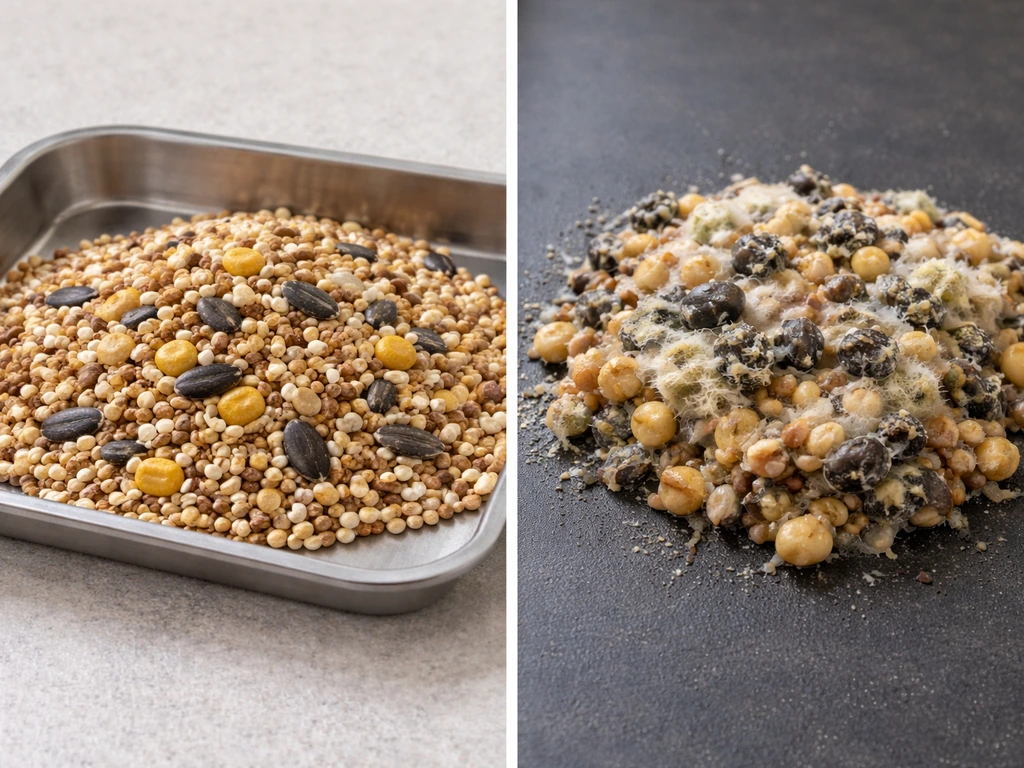
Pigeons can eat wild bird seed without immediate harm. They digest seeds whole using their gizzard, and most common mix ingredients like millet, cracked corn, and sunflower are not toxic to them. The real problem is nutritional imbalance over time. Seed-only diets are well documented for causing calcium-to-phosphorus imbalance, vitamin A deficiency, and amino acid shortfalls. These are not rare edge cases: they are the leading causes of malnutrition in seed-eating birds. So the honest verdict is that wild bird seed is acceptable for short-term or supplemental feeding, but it should not be the only thing a pigeon eats day after day.
What is in wild bird seed versus what pigeons actually need
A typical wild bird seed mix is designed to attract the widest variety of backyard species, not to meet the specific needs of any one bird. Pigeons, on the other hand, are grain specialists with fairly precise dietary requirements.
Common wild bird seed ingredients
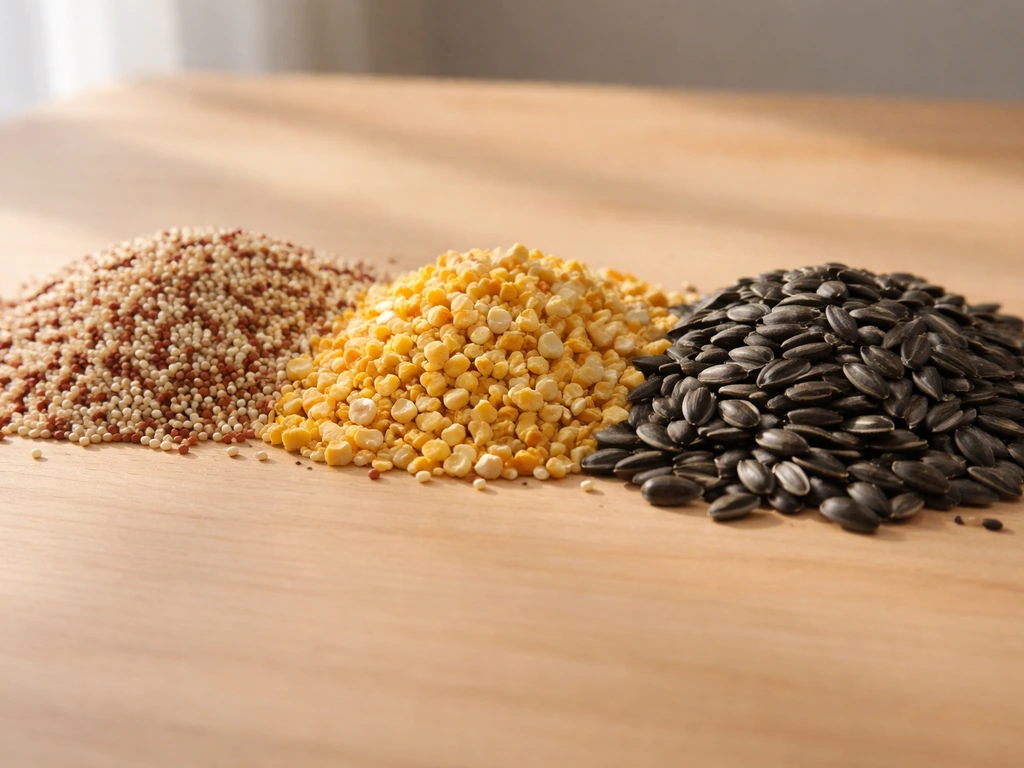
- Millet (white and red): pigeons like this and it is a reasonable base grain
- Cracked corn: fine for pigeons, a good energy source, but low in protein
- Black oil sunflower seeds: high in fat, acceptable in moderation
- Nyjer (thistle): pigeons generally ignore this, it is too small and designed for finches
- Safflower: okay in small amounts, not a staple
- Milo (sorghum): filler grain that most songbirds reject but pigeons will eat
- Peanut pieces or chips: occasional appearance in premium mixes, high protein but also high fat
What a properly formulated pigeon diet includes
Commercial pigeon feed designed specifically for the species looks quite different. A balanced pigeon feed label typically includes recleaned wheat, oat groats, recleaned milo, peas, soy oil, safflower seed, and other protein-boosting legumes. The key differences are the inclusion of peas and whole grains for amino acids, and added soy for protein balance. On top of seeds and grains, pigeons need access to grit. blank" rel="noopener noreferrer">Insoluble grit like granite or flint helps the gizzard grind food mechanically, while soluble grit like crushed oyster shell, limestone, or eggshell provides calcium as it dissolves. A small bowl of mixed grit placed beside the food and left available continuously lets pigeons self-regulate. Most generic wild bird mixes include none of this.
| Nutrient / Component | Wild Bird Seed Mix | Purpose-Made Pigeon Feed |
|---|---|---|
| Protein (legumes/peas) | Mostly absent | Included (peas, soy) |
| Calcium source | Not included | Soluble grit / oyster shell |
| Amino acid balance | Poor to moderate | Better balanced |
| Vitamin A precursors | Low in most mixes | Improved with greens or pellets |
| Grain variety | Broad (for many species) | Targeted for pigeons/doves |
| Filler grains (nyjer, etc.) | Often present | Minimal to none |
If you are asking a related question about whether bird seed is generally good for birds, or how a specific brand performs, those are worth looking at separately since the answer changes a lot depending on species. For chickens, the guidelines are different, and you should make sure any bird seed you use is appropriate and balanced for their diet bird seed good for chickens. For pigeons specifically, the gap between a generic mix and a pigeon-specific product is meaningful.
How to feed pigeons safely using wild bird seed
How much to offer
A useful starting point for a pet or regular backyard pigeon is about one tablespoon of feed per 100 grams of body weight per day. A typical feral pigeon weighs around 300 to 350 grams, so roughly 3 to 3.5 tablespoons daily is a reasonable starting portion. Meal-feeding works better than free-choice grazing: put the food out in the morning and let the bird finish it by sunset rather than constantly topping it up. This reduces waste, keeps the feeding area cleaner, and helps you notice quickly if a bird is not eating well.
Feeder and tray setup to reduce waste and mess
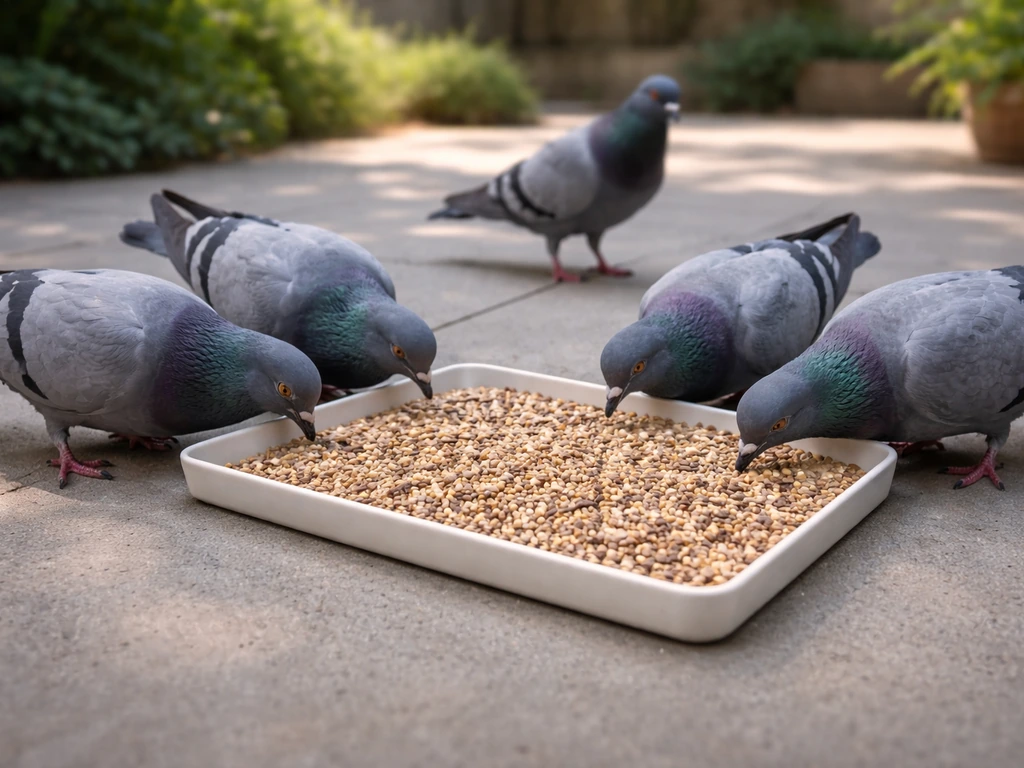
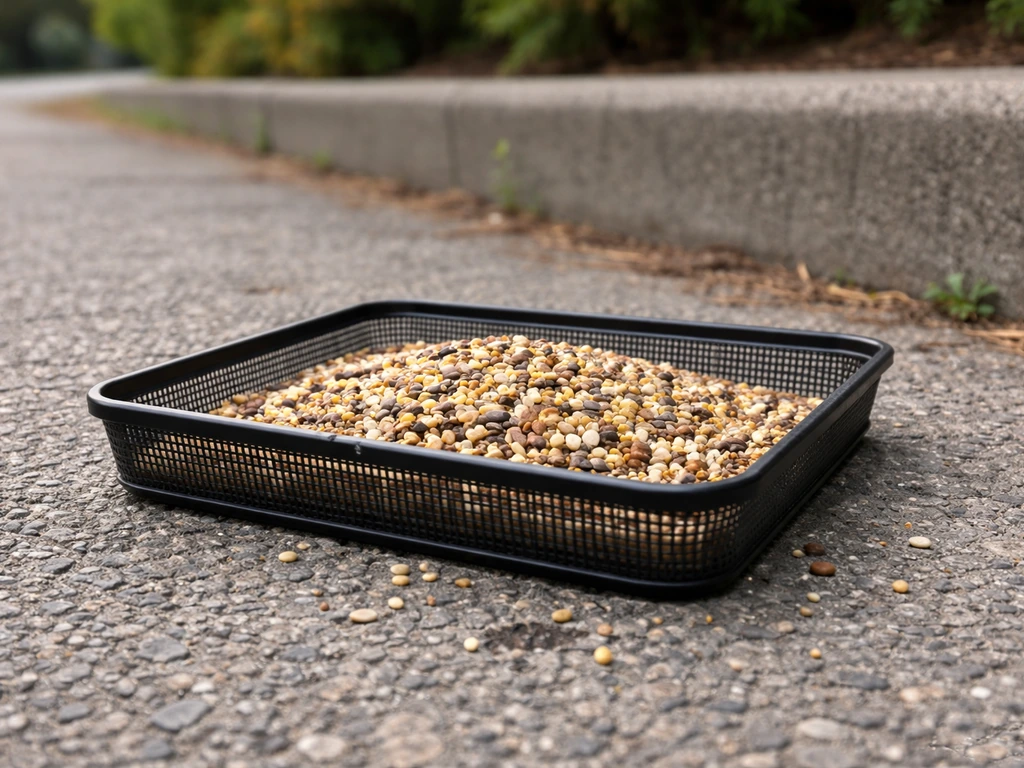
- Use a flat tray or ground-level platform feeder rather than a tube feeder. Pigeons are ground feeders by nature and a tray matches that behavior, reducing spills.
- Choose a tray with raised edges of at least 1 to 2 cm to keep seed contained as pigeons sort through it.
- Place the tray on a hard surface like a patio slab, not directly on soil or grass, so spilled seed is easy to sweep up and does not sprout or attract pests.
- Keep the tray in a shaded spot during warm months. Direct sun heats seed quickly and accelerates bacterial growth.
- Do not overfill. Offer only what the pigeons will eat within a few hours. Excess seed sitting in the tray is the number one cause of mold, pest attraction, and mess.
- Add a small separate bowl of mixed grit (insoluble granite grit plus crushed oyster shell or eggshell) next to the tray. Pigeons will self-regulate intake.
Improving the nutritional value of wild bird seed
If you want to stick with wild bird seed but improve its nutritional quality, the most practical upgrade is to mix in commercial pigeon pellets. Start with a ratio of about 20% pellets to 80% seed and maintain that for roughly two weeks while the pigeon adjusts. Over time you can shift toward 50/50 or even higher pellet content. Offering fresh leafy greens on the side (chopped romaine, kale, or spinach) also helps address vitamin A gaps. Avoid mixes that are heavy on nyjer or peanut shells since pigeons mostly ignore those ingredients and they just become waste.
Storage and handling: keeping seed fresh and mold-free
Seed that goes bad before it gets eaten is one of the most common and underappreciated problems with backyard feeding. Moldy seed can harbor aflatoxins (produced by storage molds like Aspergillus flavus) and salmonella, both of which are genuinely dangerous to birds. The FDA has set action levels for aflatoxins in animal feed at 20 ppb for many feed categories, and contamination levels in poorly stored grain can exceed that. In practical terms, this means storage conditions matter a lot.
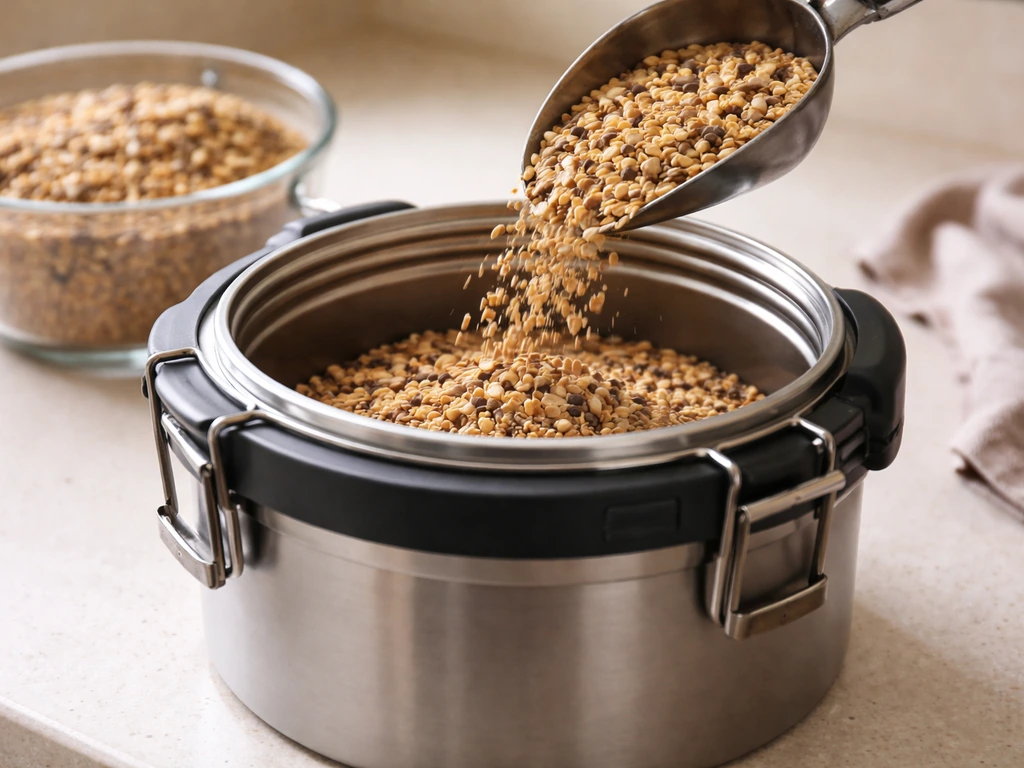
- Store seed in a hard-sided, airtight container. Metal or thick plastic bins with tight lids keep out moisture and rodents better than the original paper bags.
- Keep containers in a cool, dry location. Heat and humidity accelerate mold growth, so a garage corner that stays above 90°F in summer is a poor choice.
- Buy seed in quantities you will use within 4 to 6 weeks. Bulk buying saves money but increases spoilage risk if turnover is slow.
- Check seed before each use. Clumping, a sour or musty smell, visible gray or green fuzz, or oily discoloration are all signs to discard the batch.
- Never mix new seed on top of old seed in a bin. Empty and inspect the container before refilling.
- In hot, humid climates (southeastern U.S., coastal areas), reduce your purchase quantity and check stored seed weekly rather than monthly.
Preventing sprouting
Millet and cracked corn in wild bird seed will sprout readily if they get damp, especially when spilled on soil. Sprouted seed is not harmful to pigeons (it is actually more digestible), but it creates a permanent feeding station in your garden and can attract rodents. Feeding on a hard surface tray and sweeping up spills within a day or two prevents most sprouting problems.
Troubleshooting: wet seed, pests, and pigeons that won't eat
Wet or clumped seed in the tray
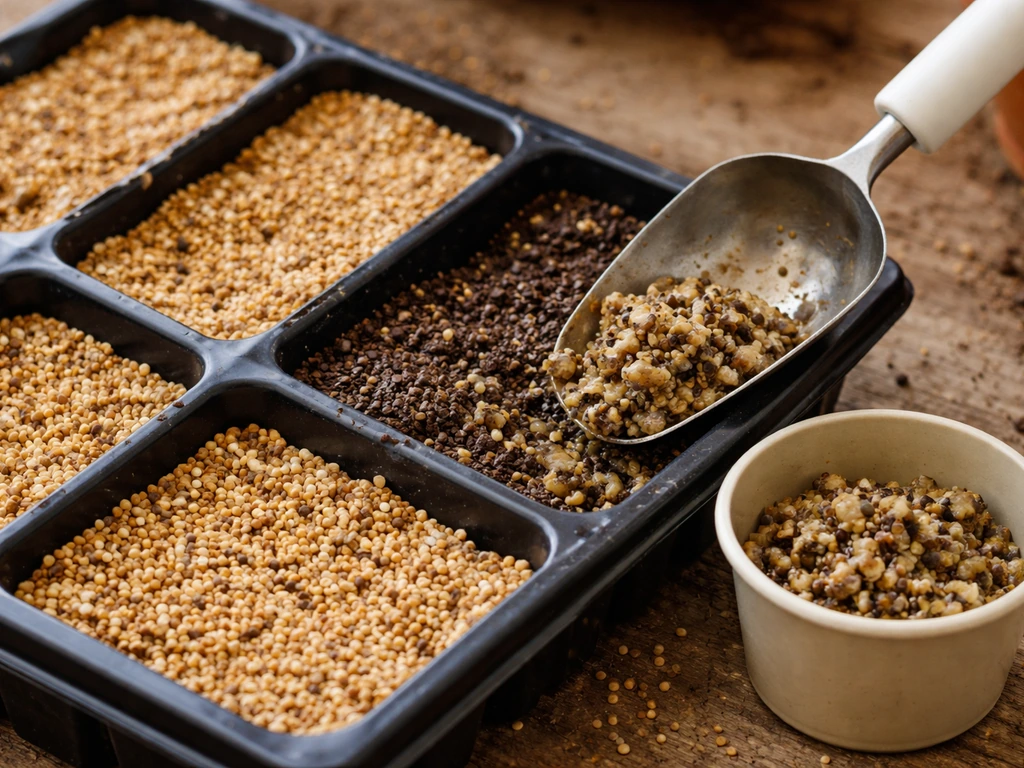
Cause: rain, dew, or humidity got into an uncovered tray. Fix: discard the wet seed immediately. Do not dry it out and reuse it; once seed is wet, mold can begin forming within hours in warm weather. Clean the tray before refilling. Prevention: use a tray with a slight roof or overhang, or bring it inside overnight and in wet weather. In wet climates like the Pacific Northwest or during monsoon season in the Southwest, covered platform feeders make a real difference.
Rodents and insects around the feeder
Cause: spilled seed on the ground, seed left out overnight, or large quantities offered at once. Fix: reduce portion sizes to what pigeons finish in one sitting, sweep up spilled seed same day, and never leave food out after dark. For ant infestations in the tray, place the tray legs in shallow water-filled dishes (ant moats). Rodent activity usually stops within a few days of consistent cleanup. Prevention: hard-surface feeding area, meal-feeding rather than constant availability, and proper sealed storage.
Pigeons not eating the seed
If pigeons are picking through the mix but leaving most of it, they are probably sorting out the millet and cracked corn and rejecting everything else. This is very common with cheap mixes that are heavy on nyjer, canary seed, or filler grains pigeons do not prefer. Try switching to a cleaner mix or sorting out the unwanted components yourself. If a pigeon stops eating entirely, sits fluffed with its eyes partially closed, or has visible discharge, that is a health issue, not a food preference issue, and the bird needs professional attention.
Cleanup and hygiene around feeders and droppings
This part is non-negotiable. Pigeon droppings accumulate fast, and when they mix with wet seed residue, you have ideal conditions for salmonella growth. Regular cleanup protects both the birds and you.
Feeder and tray cleaning schedule
- Clean the tray every two weeks as a minimum. In hot or wet weather, or if you see sick birds, clean it weekly.
- Remove all old seed and debris first, then scrub with hot soapy water.
- Disinfect with a 9: 1 water-to-bleach solution (about 1 part household bleach to 9 parts water). Let it soak for a few minutes.
- Rinse thoroughly with clean water and let the tray dry completely before refilling. A damp tray with new seed on top is a mold setup.
- Hydrogen peroxide diluted to 3% is a reasonable bleach alternative if you prefer it.
Cleaning up under and around the feeder
Sweep or rake up spilled seed and droppings from the ground around your feeding area at least every few days, and more often if you have multiple pigeons visiting. Droppings on pavement can be hosed down, but on wooden decks they should be scraped and then disinfected with the same bleach solution. Wear gloves and wash your hands afterward. If you have a compacted droppings problem under a regular perching spot, that area needs scraping and disinfection too.
Regional note on disease risk
In humid, warm regions like the Gulf Coast or Southeast U.S., mold and bacterial growth in spilled seed accelerate dramatically in summer. During those months, daily cleanup is not overkill. In colder northern climates, frozen seed on the ground is less immediately dangerous but thawing in spring creates a concentrated mess that needs prompt attention.
Next steps: what to switch to and when to stop feeding
Better alternatives to wild bird seed
If you are feeding pigeons regularly, the single best upgrade from generic wild bird seed is a purpose-formulated pigeon and dove mix or commercial pigeon pellets. If you are wondering is bird seed good for deer, the answer is different, because deer need a very different nutrition plan than birds purpose-formulated pigeon and dove mix. These are available from pet stores, farm supply shops, and online. A good pigeon mix will include wheat, whole corn, milo, peas, and sometimes safflower, without the nyjer and filler grains that make up the bulk of cheap wild bird mixes. If you are already using wild bird seed and it is working okay, adding pellets at the 20% mix rate described above is a low-friction improvement that does not require switching cold turkey.
When to stop feeding and get help
- Stop feeding immediately if you see visibly contaminated seed: mold, unusual color, foul smell, or insect infestation throughout the batch.
- Stop if multiple birds are showing signs of illness (fluffed feathers, lethargy, nasal discharge, loose droppings) and contact a wildlife rehabilitator or avian vet.
- Pause feeding temporarily if a rodent infestation develops. Clear the area, seal your storage, and restart with smaller portions once the problem is resolved.
- Consider stopping or reducing feeding if local wildlife or pest management authorities have issued disease alerts for the area.
Ongoing best practices
Feeding pigeons well is not complicated, but it does require consistency. Meal-feed rather than free-feed, keep portions sized to what gets eaten in one session, maintain a clean tray and feeding surface, store seed properly in a sealed container, and keep grit available alongside food. If you take care of those basics, wild bird seed used as part of a varied diet is perfectly workable. If you are wondering, "is pennington bird seed good," the same rule applies: it can be okay short-term or supplemental, but it should not be the only diet for pigeons. If you want the best outcome for the birds with the least hassle, transitioning to a dedicated pigeon mix is worth the small extra cost. The difference in bird health over months is noticeable.
FAQ
How long can a pigeon safely eat wild bird seed before problems show up?
If the pigeon is eating only seed and your mix has no pellets or greens, you are more likely to run into slow vitamin and mineral shortfalls. A practical rule is to treat wild bird seed as a topping, not a full ration, and introduce pigeon pellets (for example starting around 20% of the total) so the diet becomes more complete over weeks, not months.
Can wild bird seed work for baby or juvenile pigeons (nestlings and weanlings)?
Yes, but avoid making the seed the main source. Keep grit available, offer chopped leafy greens, and use a smaller seed portion so you do not crowd out needed protein and calcium. If you see slow growth, poor feathering, or weakness, switch to a pigeon and dove mix or pellets promptly rather than trying to “patch” with more seed.
Is wild bird seed still a good option if I am not confident about how it will be stored?
Use only if you can control storage and freshness. Since mold risk depends on how it is kept, buy in small quantities, store in sealed containers, and discard anything clumped, musty, or damp. If you cannot guarantee dryness and daily inspection, pellets are the safer default.
What grit should I offer, and does it make wild bird seed “complete” for pigeons?
You can offer grit with seed even if the rest of the diet is not perfect, but do not replace pellets or pigeon food with grit alone. Use a small separate bowl of mixed grit, keep it continuously available, and replace it when it becomes soiled with droppings.
My pigeons pick through the mix and leave a lot behind. Does that mean the seed is bad?
Yes, pigeons will often sort the mix, so the “good” part of the diet may be only the grains they like, leaving the rest uneaten and contaminating the tray. If birds repeatedly pick through and leave most of the seed, switch to a cleaner pigeon mix or pre-sort to remove filler grains and nyjer-heavy portions.
Is it safe for me to clean up pigeon seed and droppings at home?
For humans, the main risk is disease from droppings and wet seed residue, not direct “seed toxicity.” Wear gloves when cleaning, wash hands immediately, and disinfect trays and perching areas after scraping, especially in warm, humid weather where bacterial growth increases.
Can I just dry out wet wild bird seed and keep using it?
Do not rely on sun-drying or trying to salvage damp seed. Once rain or dew gets into the tray, discard it right away, clean the tray, and refill with dry seed because mold can start quickly and toxins can develop even after drying.
Is it okay to add crushed eggshell or calcium to wild bird seed for pigeons?
Yes, but make it part of a measured feeding routine. Offer only what is likely to finish in one sitting, remove leftovers promptly, and add calcium sources only as supported by your overall diet plan (for example, grit plus a pellet-based diet). Avoid giving calcium supplements as a substitute for balanced pigeon food.
What feeder setup best prevents moldy seed problems?
Trays with partial roofs or covered platform designs reduce rain and dew exposure, which is one of the biggest triggers for mold and bacterial growth. In wet climates, consider bringing the tray inside overnight, and avoid letting seed sit in an exposed spot overnight.
What should I do if a pigeon stops eating or looks sick while I am feeding it wild bird seed?
If a pigeon is not eating normally, sits fluffed with eyes partially closed, or has discharge, treat it as a health problem, not a picky-eating issue. Offer water and keep the environment quiet, but seek professional help quickly because illness can worsen rapidly even if the seed is “the right type.”
Next Article
Is Bird Seed Good for Deer? What to Feed or Avoid
Get a clear yes/no on bird seed for deer, what to feed or avoid, and how to prevent pests, mold, and disease risk.