Amazon, Chewy, Walmart, and Wild Birds Unlimited all deliver bird seed to your door, and if you need it today, Instacart can pull from local stores for same-day delivery. Really Wild Bird Food, for example, advertises free delivery on orders that include bird seed products and emphasizes [fast delivery](https://www. reallywildbirdfood. co.
Who Delivers Bird Seed Near You Best Options and Safety Tips
Maya Collins
16 Jun 2026
uk/). If you are wondering where bird seed comes from, most mixes start with harvested crops like sunflower, millet, and thistle, plus processed ingredients from commercial seed suppliers where does bird seed come from. If you are wondering what bird seed is made of, it is usually a mix of grains and seeds like sunflower, millet, and cracked corn, plus sometimes oils or dried fruit depending on the bird type.
The right choice depends on how fast you need it, how much you want, and what seed type your birds actually eat. This guide walks through every realistic option, helps you pick the right one for your situation, and covers what to do once the bag lands on your porch. “What is bird seed” usually refers to the types of food and seed blends people buy to attract specific birds to their feeders.
Decide what 'delivered bird seed' means for you
Before you search or click 'buy,' it helps to be honest about what you actually need. If you still feel unsure about what you need before you buy, see tell me why bird seed for more clarity. There are four main modes people usually want when they search for bird seed delivery, and they lead to very different purchasing paths.
- Fast or today: Feeders are empty and birds are showing up. You need seed in hours, not days. Same-day delivery through Instacart or curbside pickup from a local store is your move.
- Standard (a few days is fine): You're not in a rush. Online retailers like Amazon, Chewy, or Walmart with standard ground shipping work well and usually offer the widest variety and best prices.
- Subscription or auto-delivery: You don't want to think about it again. Amazon Subscribe & Save, Chewy's Autoship, and some specialty bird retailers let you schedule recurring deliveries so you never run out.
- Bulk buying: You're feeding a lot of birds or want the lowest cost-per-pound. Warehouse clubs (Costco, Sam's Club), farm/feed stores, and big-box home improvement stores often carry 40 to 50 lb bags. Delivery of bulky items has its own logistics quirks covered below.
Best places to order bird seed for delivery
Online retailers
Amazon is the most convenient catch-all. You can find almost every seed type, brand, and bag size, and Prime members get free two-day shipping on most items. The Subscribe & Save option discounts recurring orders by 5 to 15 percent depending on how many items you subscribe to at once. Chewy carries a solid selection of wild bird food, though its return policy (and refund terms for opened items) is worth reading before ordering large quantities. Note that Petco explicitly excludes wild bird food from some of its standard delivery and shipping programs, so double-check before assuming you can order there.
Walmart.com has a large bird seed selection and offers free shipping over a threshold (usually $35), plus in-store or curbside pickup at most locations. The Home Depot and Lowe's also carry popular brands like Scotts Wild Bird Food and Pennington and allow in-store pickup or standard shipping. These are good options if you already shop there regularly.
Specialty bird retailers
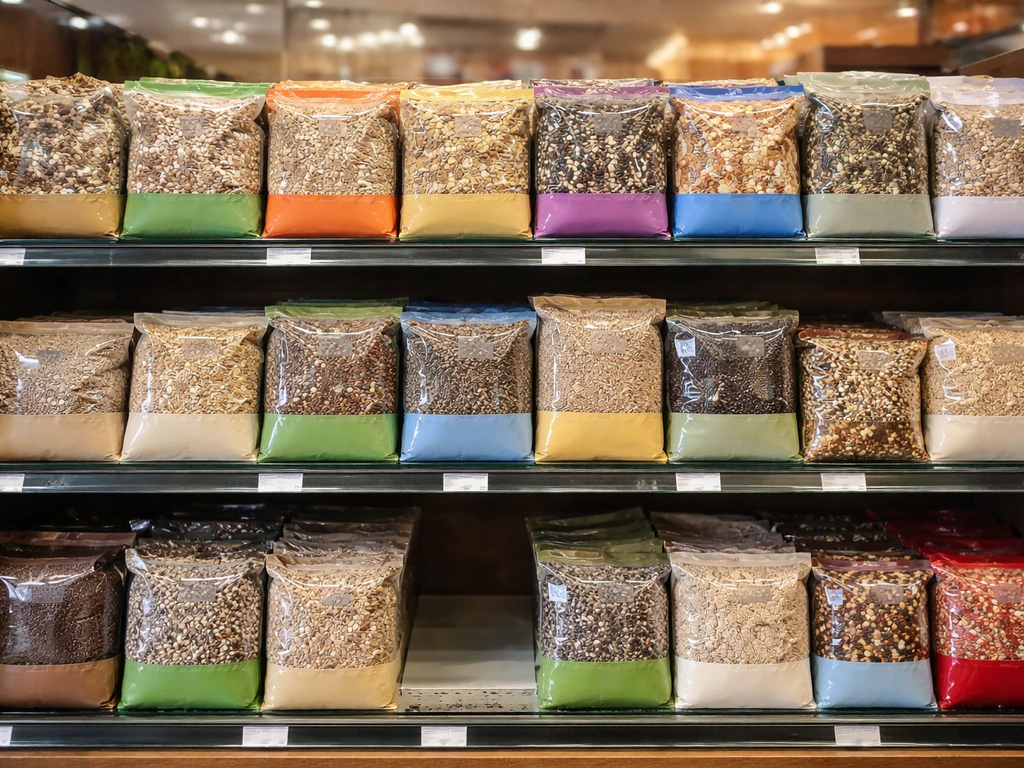
Wild Birds Unlimited (WBU) is the best specialty option. Their stores carry blends designed to minimize waste and attract specific birds, and the franchise's online ordering system ships via standard ground through the local store's courier of choice. It's not the fastest route, but the seed quality is genuinely better than most big-box generic mixes. The Cornell Lab of Ornithology also runs an online store geared toward serious birders, with good product curation and order notifications.
Local feed stores and co-ops
Farm supply stores (Tractor Supply Company is the biggest chain) often have the best bulk pricing and carry high-quality seed including straight safflower, Nyjer/thistle, and sunflower. Many now offer curbside pickup and local delivery. Independent feed co-ops can be even better for bulk seed, and some offer delivery for large orders. Call ahead to check. This route is especially valuable in rural areas where shipping costs for heavy bags can offset any online discount.
Delivery options compared
| Delivery method | Speed | Best for | Watch out for |
|---|---|---|---|
| Instacart (same-day) | Within hours | Emergency restocking, small quantities | Higher per-unit price, product availability varies by store |
| DoorDash / third-party apps | Hours to same-day | Small bags from local pet or grocery stores | Driver capacity limits for heavy bags; not all stores list bird seed |
| Amazon Prime (2-day) | 1–2 days | Most seed types, wide selection | Heavy bag shipping costs without Prime |
| Amazon Subscribe & Save | Scheduled, recurring | Regular feeders who want set-and-forget | Need to cancel or pause before deadline to avoid unwanted orders |
| Chewy Autoship | Scheduled, recurring | Wild bird mixes, suet cakes | Return policy has nuances for opened consumables |
| Walmart.com / Home Depot standard | 3–5 days | Common mixes, budget pricing | Delivery fees on smaller orders |
| Wild Birds Unlimited online | 3–7 days via ground | Quality blends, species-specific mixes | Slower than Amazon; original shipping may not be refunded on returns |
| Roadie / freight for bulk | Varies | 50+ lb orders, pallets | Extra fees for residential/oversized delivery |
| Local store curbside pickup | Same-day or next | Large bags without shipping costs | You have to drive to collect it |
One thing worth knowing about third-party delivery platforms: DoorDash has merchant-level rules around restricted and big or bulky items, which can affect whether a given store will list heavy bird seed bags through the app. If a product doesn't appear, that's usually why. Instacart tends to have better coverage for bird food specifically and lists it as an explicit product category with same-day windows at many participating retailers.
How to choose the right seed for your birds and your risk level
What seed you order matters as much as who delivers it. The wrong mix wastes money, creates mess (birds toss filler seeds onto the ground), and can attract pests. Here's the practical breakdown by bird type and situation.
| Seed type | Best for | Mold/pest risk | Notes |
|---|---|---|---|
| Black oil sunflower seed | Most songbirds: chickadees, finches, nuthatches, cardinals | Moderate if wet | Thin shell, easy for small birds; high fat content |
| Nyjer / thistle | Goldfinches, siskins, redpolls | Low if kept dry; clumps when wet | Needs a specialized tube feeder with tiny ports |
| Safflower | Cardinals, chickadees; squirrels usually ignore it | Low | Good choice if you have a squirrel problem |
| White proso millet | Ground-feeding sparrows, juncos, towhees | High if spilled on wet ground | Scattered hulls create cleanup and sprouting issues |
| Suet cakes | Woodpeckers, nuthatches, starlings | High in warm weather (goes rancid above 50°F) | Only offer suet in fall and winter in warm climates |
| Generic wild bird mix (filler-heavy) | Broad but less targeted | High (millet/milo filler piles up on ground) | Often contains milo and red millet that most songbirds reject |
| Seed cakes / cylinders | Variety of species | Moderate; depends on binder freshness | Check manufacture date; binding can hold moisture |
Regional note: If you live in a humid climate (the Southeast, Pacific Northwest, or anywhere with wet summers), mold and spoilage risk is dramatically higher. In those areas, order smaller quantities more frequently rather than one huge bag, and stick to seed with lower moisture uptake like sunflower or safflower. In dry climates seed can keep longer, but heat still degrades suet and fat-based products fast. Cold, dry climates in winter are actually ideal storage conditions and you can buy in larger bulk safely then.
If squirrels or larger animals are a concern at your feeders, safflower is your best defense and it still attracts a solid list of songbirds. Nyjer/thistle is nearly useless to squirrels and most pest mammals because of its tiny size. Avoid buying large mixes heavy in whole corn or milo if you're trying to keep rats and raccoons out of the equation.
What to do when the seed arrives
Check for moisture immediately
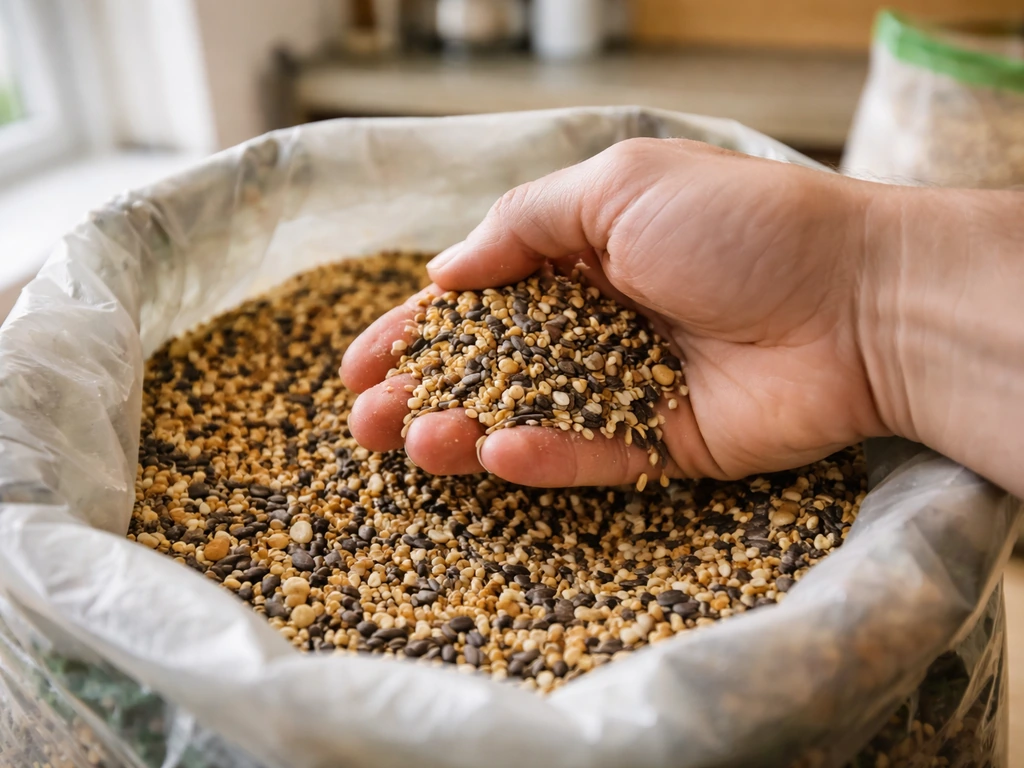
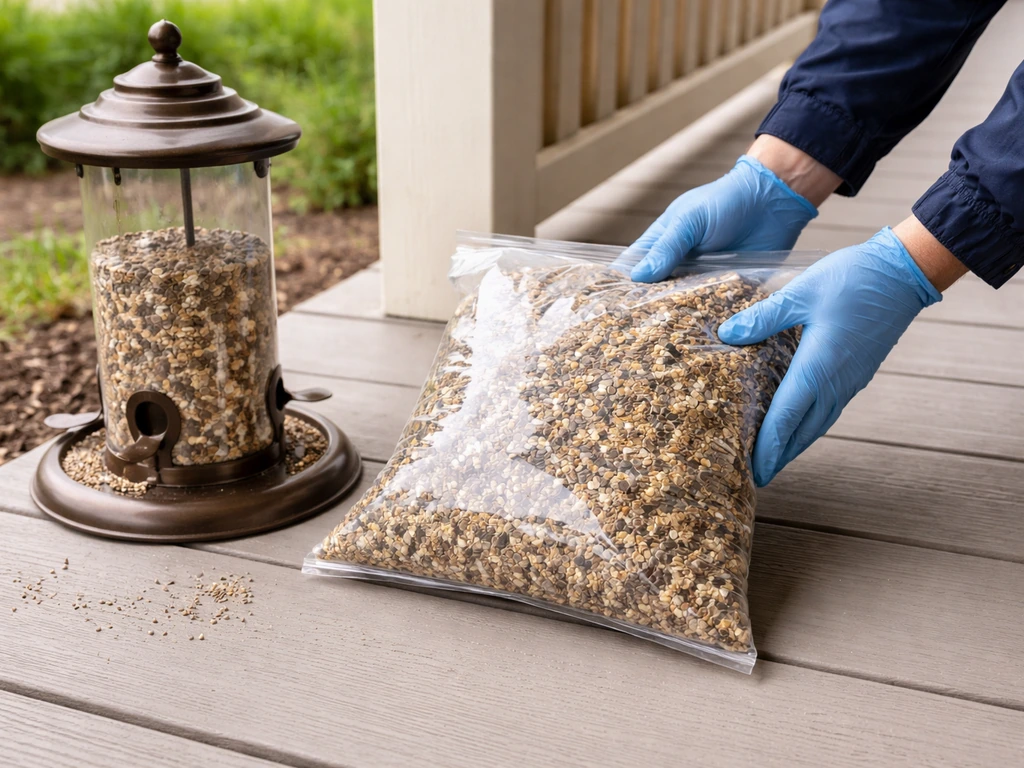
Before putting a single scoop in a feeder, open the bag and check it. Run your hand through the seed and feel for clumping, sliminess, or anything that feels wetter than it should. Smell it. Fresh seed smells nutty or faintly oily. Musty, sour, or ammonia-like smells are red flags. Check the bag itself for tears, dampness on the outside, or dark staining that could indicate moisture got in during transit.
Store it right from day one
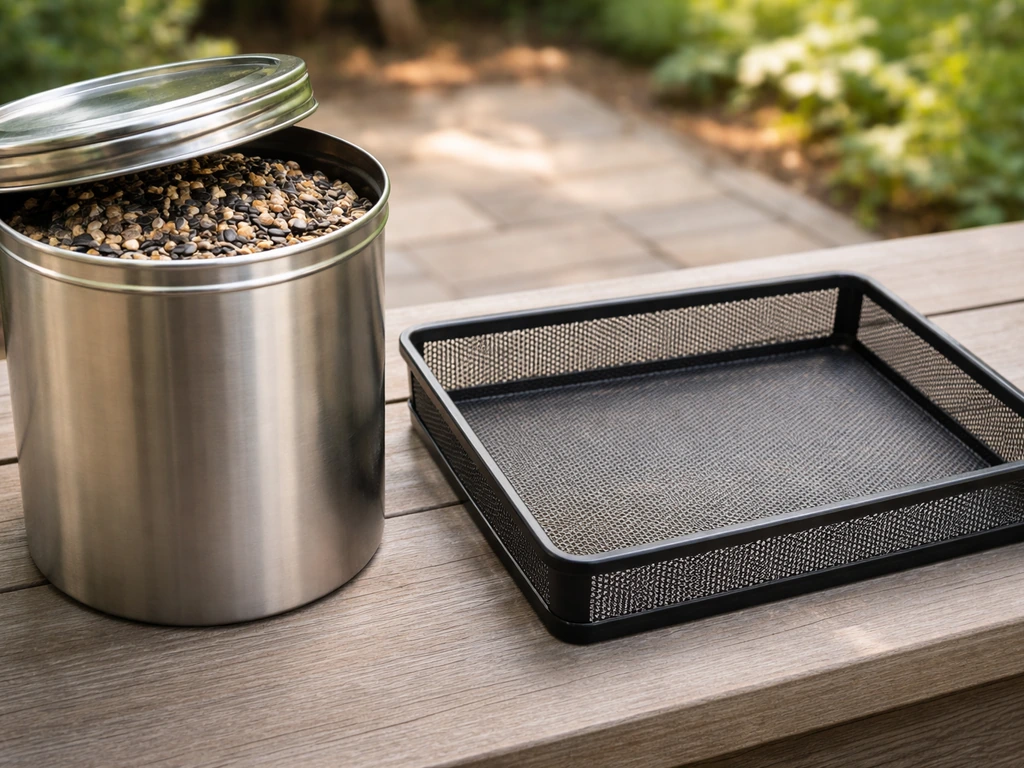
Transfer seed into a hard-sided, airtight container as soon as possible. A metal galvanized trash can with a secure lid is the classic choice and it keeps rodents out. Plastic bins work in mild climates but rodents can chew through them and they can trap heat. Store the container in a cool, dry spot: a garage, shed, or cool basement. Never leave the original bag sitting on concrete or a damp surface, it wicks moisture through the paper or plastic quickly. Wild Birds Unlimited recommends discarding any seed that smells moldy, rancid, or just 'off' rather than trying to salvage it, and that's good practice.
Do a quick sort if mixing seed types
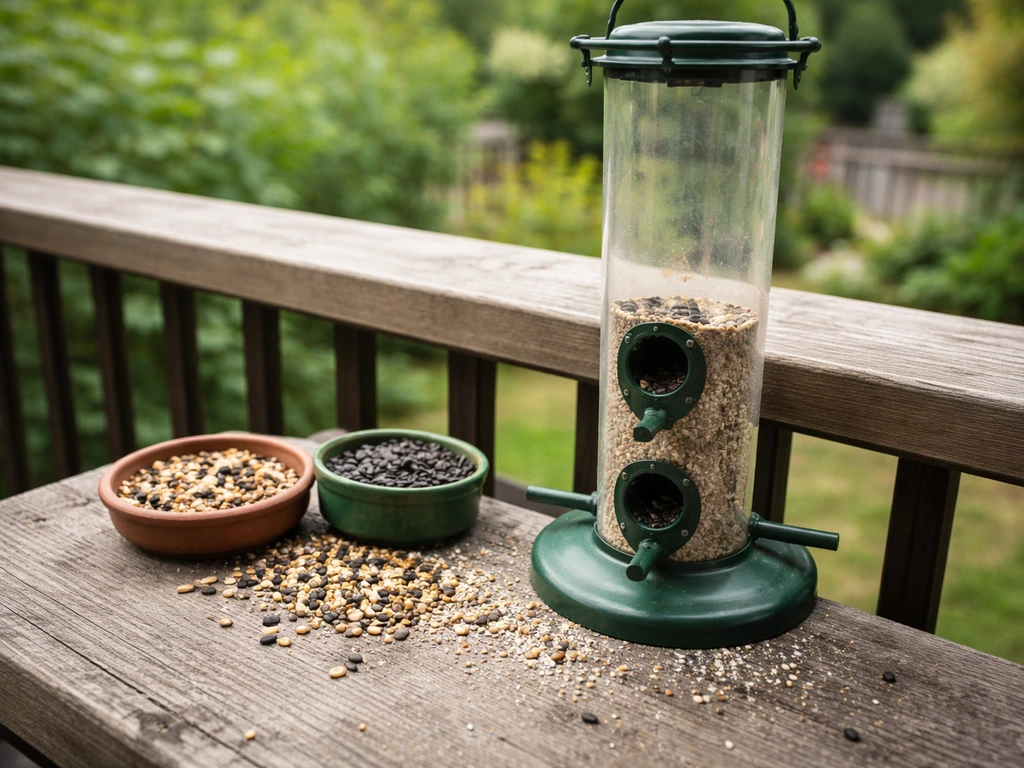
If you ordered a mixed bag and want to offer specific seeds in different feeders, it's worth sorting out seed types when the bag is fresh. Doing it later when the mix has been sitting is messier and harder. A few large bowls and five minutes of work can separate sunflower from millet from milo. This way, picky birds aren't tossing unwanted seed onto the ground (which is a major pest attractor).
Troubleshooting after delivery
Wet or damp seed
If the seed arrived damp but doesn't smell bad yet, spread it in a thin layer on a clean dry surface (a tarp in the sun works well) and let it dry completely before storing. This takes several hours on a warm, sunny, low-humidity day. Do not dry it in an oven or enclosed space with poor air circulation; you risk accelerating mold growth in pockets you can't see. If it's heavily wet or already smells off, discard it. Wet seed that isn't fully dried before storage will go moldy within days.
Sprouted seed
Sprouting happens when seed gets wet, either during shipping or in the feeder. Sprouted seed isn't automatically harmful, but it signals moisture exposure that often comes with mold below the surface. Toss any sprouted seed from a feeder tray. If seed in the storage bag has sprouted, check the whole batch for mold before deciding whether to use any of it. Under feeders, sprouted millet and sunflower are a common lawn problem. Lay a tray under the feeder to catch hulls and uneaten seed before it hits the soil.
Visible mold
Do not feed moldy seed. This is not a maybe. Moldy seed can produce mycotoxins that are harmful to birds, and moldy debris around feeders contributes to disease spread across your local bird population. Audubon also emphasizes disease prevention by removing and throwing out hulls and casings, especially when they are moldy, wet, or spoiled, rather than relying on washing alone [moldy debris around feeders contributes to disease spread](https://www.
audubon. org/news/3-ways-keep-your-feeder-disease-free-birds). Project FeederWatch and Audubon are both clear on this: moldy or spoiled food is a health hazard and needs to go in the trash, not the feeder. If mold is isolated to part of the batch and the rest looks and smells clean, discard the affected portion and do a close check on the rest, but when in doubt, throw it out.
Pests and rodents showing up after delivery
If you started seeing mice, rats, or insects shortly after your seed order arrived, the most likely culprit is an inadequate storage container or spilled seed. Move your seed into a metal container immediately. Check for any gaps between the lid and container body. Sweep up any seed that spilled during transfer. The USDA APHIS recommends removing spilled and uneaten feed promptly and securing all seed storage against rodent access. Insects (particularly grain weevils and moths) can come in the bag itself if seed was stored poorly before shipping; check for small holes, webbing, or tiny insects inside the bag.
Cleanup and feeder setup to prevent repeat problems
Getting fresh seed delivered is only useful if your feeder setup doesn't immediately spoil it. Project FeederWatch recommends cleaning feeders every one to two weeks under normal conditions, and more often (every few days) during warm, wet weather. Here's a practical routine that prevents most repeat issues.
- Empty the feeder completely before refilling. Don't pour new seed on top of old seed; you'll just inoculate the fresh batch with anything that was wrong with the old one.
- Scrub feeders with a diluted bleach solution (one part bleach to nine parts water) and rinse thoroughly.
- Let the feeder dry fully before adding new seed. Audubon specifically calls this out: adding seed to a damp feeder speeds up mold growth significantly.
- Sweep or rake the area under the feeder. US Fish & Wildlife Service recommends clearing old, moldy, and discarded seed from the ground beneath feeders. This also removes rodent attractants.
- Use a catch tray under the feeder to collect hull and seed debris. Empty and clean the tray at least weekly.
- If you're in a high-humidity climate, consider a feeder with drainage holes or mesh-bottom trays that let moisture escape.
- Keep stored seed off the ground, away from walls, and in a container with a tight-fitting lid that a rat can't chew or pry open.
Clemson's Home and Garden Information Center notes that moldy seeds and droppings accumulating around feeders create ongoing disease risk for your bird visitors. A clean feeder area isn't just aesthetically nice; it's a genuine health measure for the birds you're trying to help.
Who should you choose? Quick recommendations by situation
Here's the direct answer based on your situation right now:
| Your situation | Best delivery choice |
|---|---|
| Feeders are empty today, need seed in hours | Instacart from a local pet or grocery store; or curbside pickup from Walmart, Tractor Supply, or a local feed store |
| You want the widest seed variety and don't need it today | Amazon Prime (2-day) or Chewy standard shipping |
| You want to stop thinking about reordering | Amazon Subscribe & Save or Chewy Autoship on a schedule that matches how fast you go through seed |
| You want the best quality specialty blends | Wild Birds Unlimited online or in-store; Cornell Lab store for specialty/educational products |
| You're buying 40–50 lb bags to save money | Tractor Supply, Costco, or Sam's Club (pickup or local delivery); Roadie for very large/freight-level orders |
| You're worried about pests and mold | Buy smaller quantities more often rather than large bags; choose sunflower or safflower over mixed filler-heavy blends |
| You have allergy concerns or want low-mess seed | Order pure black oil sunflower, safflower, or shelled (hulled) sunflower chips; avoid mixed bags with dusty milo/millet |
| You're in a hot or humid climate | Order every 2–4 weeks max; avoid suet in warm weather; stick to sunflower or Nyjer in small quantities |
One final thing: once you know what seed your local birds prefer (and that comes with a little observation at the feeder), you can start ordering the right type consistently rather than generic mixes. That single change reduces waste, cuts down on pest-attracting seed piles under the feeder, and usually saves money over time. The delivery channel matters a lot less than getting the right seed into a clean, dry feeder on a regular schedule.
FAQ
Who delivers bird seed if I need it today in my area?
Same-day options usually come from Instacart via nearby participating stores. If a bird seed bag does not show up in the app, it is often due to platform rules about bulky or restricted items, so try a different brand, bag size, or retailer within Instacart.
Who delivers bird seed in bulk or heavy bags without making the order impractical?
Farm supply stores and some feed co-ops often have better bulk pricing, and many offer curbside pickup or local delivery. Call ahead for delivery availability and ask whether they can deliver large seed bags to your exact address, since shipping costs can erase online discounts.
Can I order the same bird seed from any delivery platform?
Not always. Some retailers restrict shipping or delivery of wild bird food through standard programs, so you may see availability differences across platforms. If you specifically want a brand you trust, check it on the platform you plan to use before you commit to a long recurring order.
Why doesn’t bird seed appear in delivery apps even though the store has it?
It is commonly an item listing issue for heavy or bulky products on third-party platforms. Trying a smaller bag size, a different packaging format, or switching to a bird-food-focused category can bring it back into the catalog.
Is it safer to buy pre-made mixes delivered to my door, or should I assemble seeds myself?
If you are trying to attract specific birds or reduce waste, sorting mixes soon after delivery helps. Split the bag into separate seed types while it is fresh, so you avoid leaving unwanted filler seeds in the feeder that can increase mess and pests.
How can I tell if the bird seed I received is too old or spoiled?
Open the bag right away, run your hand through it, and check for clumping or sliminess. Smell is a key indicator, nutty or faintly oily is normal, musty, sour, or ammonia-like smells are not. Also inspect for tears, damp spots, or dark staining on the bag exterior.
What should I do if my bird seed arrives damp but doesn’t smell bad yet?
Spread it in a thin layer on a clean, dry surface in warm, low-humidity conditions, then let it dry completely before storing. Do not dry it in an oven or in an enclosed space with poor airflow, because hidden pockets can still mold.
Should I throw out sprouted seed, or can I still use it?
Do not use sprouted seed in the feeder. Sprouting means the seed got moisture, which often pairs with mold growth below the surface. Also check the stored batch for mold before deciding whether any of the remaining seed is safe.
If only part of a bag looks bad, can I use the rest of the seed?
If you can identify a clearly affected portion, discard that portion and closely inspect the remainder. If you cannot confidently confirm the rest is clean and it smells off, discard the whole batch to avoid risking mold or mycotoxin exposure.
What’s the best way to store bird seed after delivery to prevent mice and insects?
Transfer seed promptly into a hard-sided airtight container with a secure lid, metal is ideal because rodents can chew through plastic. Sweep up any spilled seed during transfer, and check for small holes, webbing, or tiny insects inside the bag before you store it.
How often should I clean feeders when using delivered seed?
Plan on cleaning at least every one to two weeks under normal conditions. In warm, wet weather, clean every few days, since damp seed and wet surroundings increase mold and disease risk around the feeder area.
Who delivers bird seed if I want specialty blends designed to attract particular birds?
Wild Birds Unlimited is often the most straightforward for specialty blends, since their stores typically offer mixes tailored to reduce waste and target specific birds. Their online orders usually ship via standard ground through local-store courier choices, so it may not be the fastest option.