Yes, bird suet absolutely goes bad. It can turn rancid, grow mold, attract insects, and become genuinely harmful to the birds you're trying to feed. The good news is that spoiled suet is easy to spot once you know what to look for, and proper storage can extend its life dramatically. Here's everything you need to know to figure out whether what you have is still good and what to do if it isn't.
Does Bird Suet Go Bad? Signs, Shelf Life, Storage Tips

Maya Collins
18 Apr 2026
Does suet expire or spoil? (And what's the difference?)
Store-bought suet cakes typically carry a "best by" date, but expiration and actual spoilage aren't the same thing. Expiration is a manufacturer's estimate of peak quality. Spoilage is what happens when fat oxidizes, bacteria multiply, or mold takes hold, and that can happen before or after the printed date depending on how you've stored the suet.
The biggest factor in how fast suet spoils is what it's made of. Pure rendered beef tallow (the traditional stuff) is naturally more shelf-stable than nut- or seed-based suet because it has a lower moisture content and fewer proteins for bacteria to feed on. Suet cakes loaded with peanut butter, fruit, or meal worms go rancid faster because those ingredients carry oils and moisture that break down more quickly. Homemade suet made from raw fat you rendered yourself can be especially perishable if any water was left in during rendering.
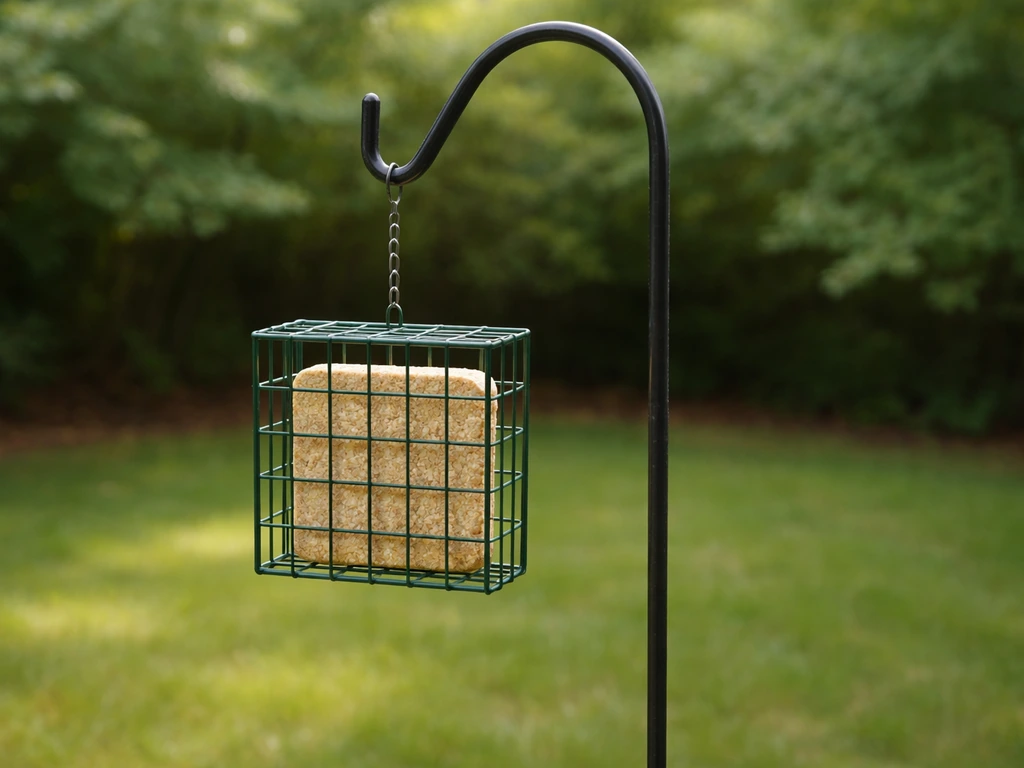
Heat and humidity are the other major variables. A suet cake sitting in a wire cage feeder in Minnesota in January is going to last much longer than the same cake hanging in a Georgia backyard in July. Summer heat accelerates fat oxidation and insect activity dramatically, which is why some people switch to a no-melt or high-melt suet formula in warm months.
How to tell if your suet has gone bad
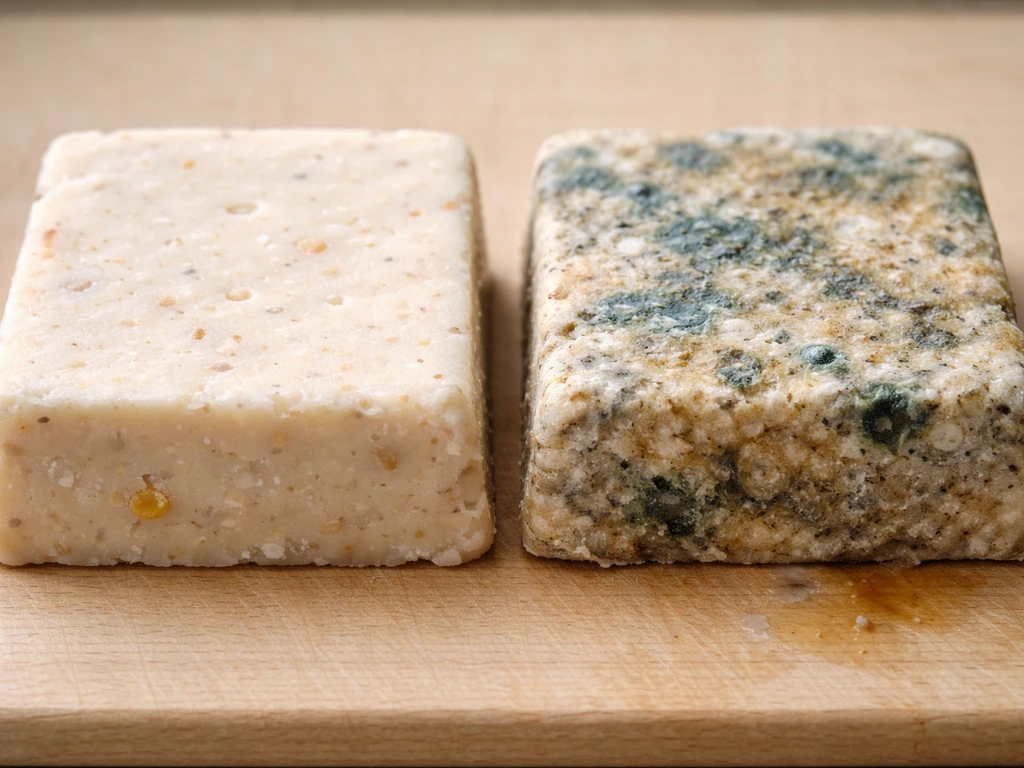
Before you leave suet out for another week, give it a quick check using these indicators. Any one of them is enough reason to pull it and replace it.
- Rancid or "off" smell: Fresh suet smells faintly of fat or is nearly odorless. If it smells sour, sharp, like old cooking oil, or generally unpleasant, the fat has oxidized. Rancid fat can cause digestive problems in birds.
- Mold or white fuzz: Any visible mold, especially green, black, or fuzzy white patches, means the suet is done. White fuzz is almost always mold, not a normal wax bloom.
- Color changes: Good suet is typically off-white, tan, or the color of its added ingredients. If it has turned yellow, gray, or greenish, oxidation or mold is at work.
- Visible insect activity: Fly larvae (maggots), beetles, or ants inside the suet cake are a clear sign it has been sitting too long. Insects also cross-contaminate the suet with bacteria.
- Wet or greasy texture: Suet that has partially melted and re-solidified repeatedly develops an oily, shiny surface and a crumbly or slimy texture. This repeated thaw-and-refreeze cycle accelerates rancidity.
- Wax separation: Some commercial suet cakes use wax as a binder. If you see clear or yellowish liquid pooling around the cake or separating from the fat, the product has likely melted past its design temperature more than once.
- Visible wetness or water damage: Suet left exposed to rain absorbs water, which promotes bacteria and mold growth rapidly.
If you're ever uncertain whether what you're looking at qualifies as "bad," how to tell if bird seed is bad covers a similar sensory checklist that applies just as well to suet and other fat-based foods in your feeding setup.
How long suet lasts depending on where you store it
Storage location is the single biggest factor controlling suet's shelf life. Here's a practical breakdown so you can set realistic expectations.
| Storage Location | Expected Shelf Life | Notes |
|---|---|---|
| Freezer (sealed) | Up to 12 months | Best option for bulk or homemade suet; wrap tightly to prevent freezer burn and odor transfer |
| Refrigerator (sealed) | 1 to 3 months | Good for store-bought blocks between seasons; keep in an airtight bag or container |
| Room temperature / indoors (sealed, cool) | 2 to 4 weeks | Acceptable only in cool, dry conditions; check frequently |
| Feeder outdoors, mild weather (below 60°F) | Up to 2 weeks | Replace sooner if it shows any signs of spoilage |
| Feeder outdoors, warm/hot weather (above 70°F) | 3 to 5 days | High-melt formulas perform better; inspect daily |
| Feeder outdoors, direct sun or humidity | 1 to 3 days | Strongly consider removing suet in summer peak heat |
Store-bought suet cakes that have never been opened and are kept in a cool pantry can sometimes remain usable close to (or just past) their best-by date, but once the packaging is broken or the cake has been in a feeder, the clock speeds up. Homemade suet, especially if you added seeds or fruit, should be treated like the most perishable category above.
If you're also managing bird seed alongside your suet supply, it's worth knowing how long bird seed is good for so you can align your restocking schedule and avoid having multiple spoiled products on hand at once.
What to do right now if you've found spoiled suet
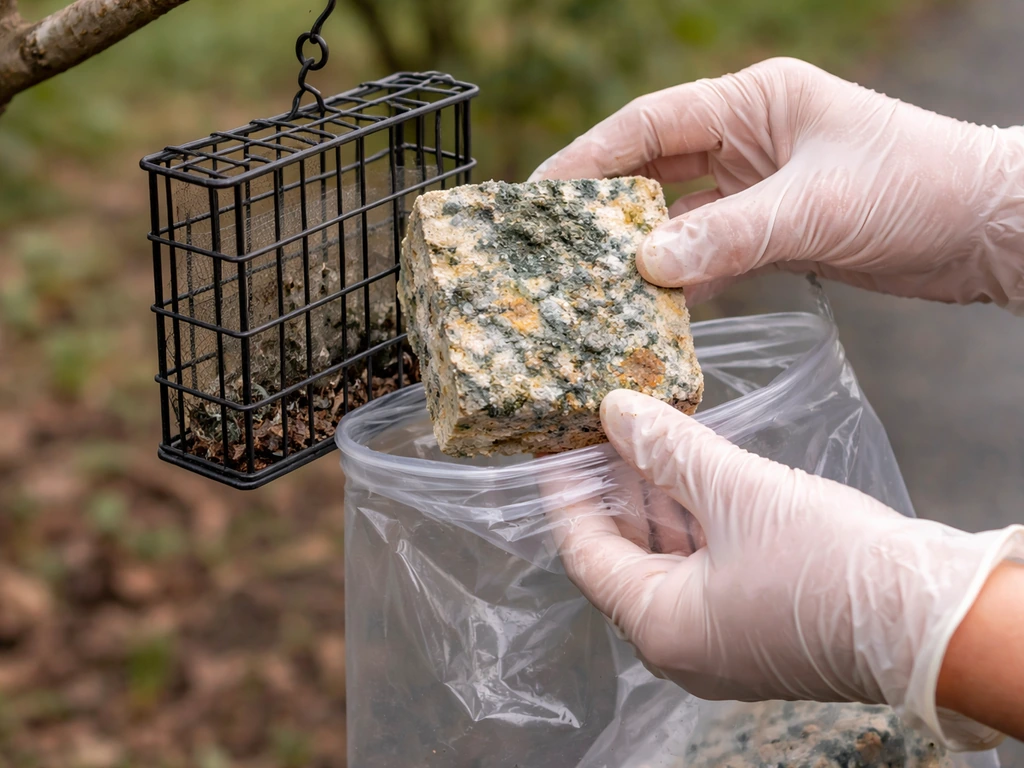
If the suet is visibly moldy, smells rancid, or has active insects in it, take it down immediately. Don't leave it hoping the birds will "clean it up" because they won't eat bad suet once it's truly rancid, and trying to pick at contaminated food can make them sick. Dispose of it in a sealed bag in the trash rather than composting it, since rancid fat in a compost pile attracts rodents and other pests.
If you're on the fence because the suet just looks a little old but doesn't obviously smell or show mold, use the smell test as your deciding vote. When in doubt, throw it out. Suet cakes are inexpensive, and the cost of a replacement block is far less than the risk of making birds sick or attracting a pest problem to your yard.
For guidance on what to do with seed-based products that have also passed their prime, the advice on what to do with old bird seed gives you practical disposal and repurposing options that follow the same general safety logic.
Will birds still eat bad suet?
Sometimes, unfortunately, yes. Birds don't have a perfect instinct for detecting rancid fat, especially if they're hungry or if the suet has only just started to turn. Consuming rancid fat disrupts their ability to absorb fat-soluble vitamins and can cause digestive stress. Moldy suet is more obviously dangerous because mold produces mycotoxins that are genuinely harmful. Whether birds will eat old bird seed follows similar logic: some will try it, but that doesn't mean it's safe to leave out.
How to store suet so it stays fresh longer
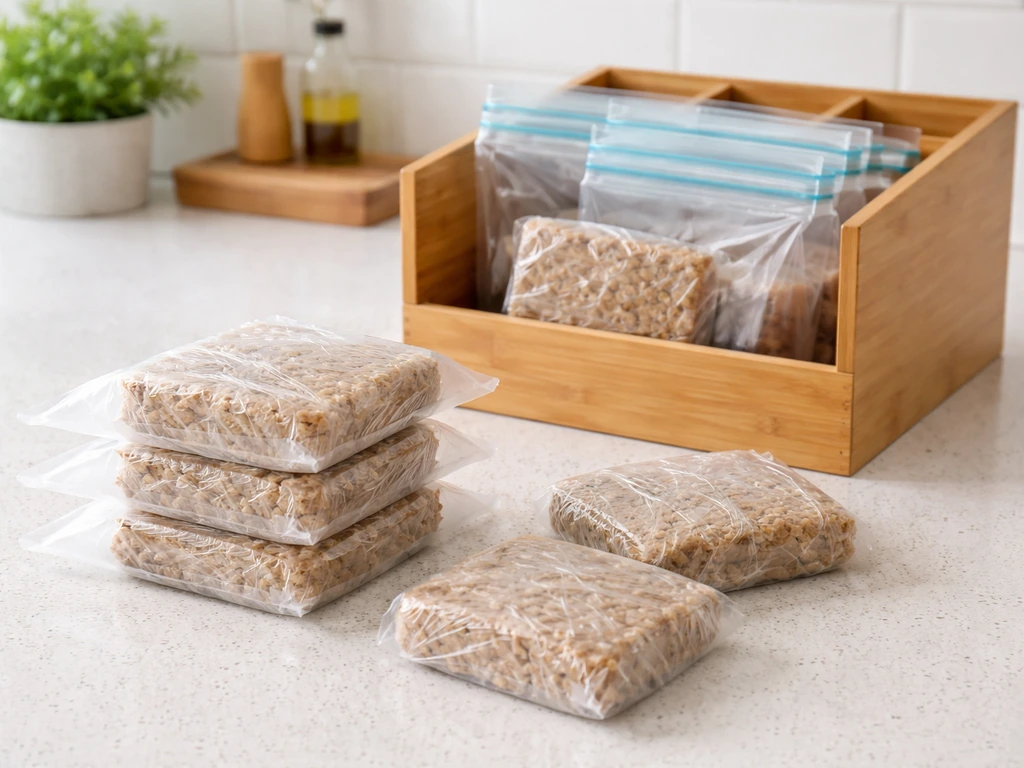
Good storage habits are the difference between suet that lasts a season and suet that turns in a week. Here's what actually works.
- Freeze what you're not using immediately. Wrap individual suet cakes tightly in plastic wrap, then place them in a zip-top freezer bag or an airtight hard container. This prevents freezer burn and stops the fat from absorbing odors from nearby food. Thaw one cake at a time in the fridge overnight before putting it in the feeder.
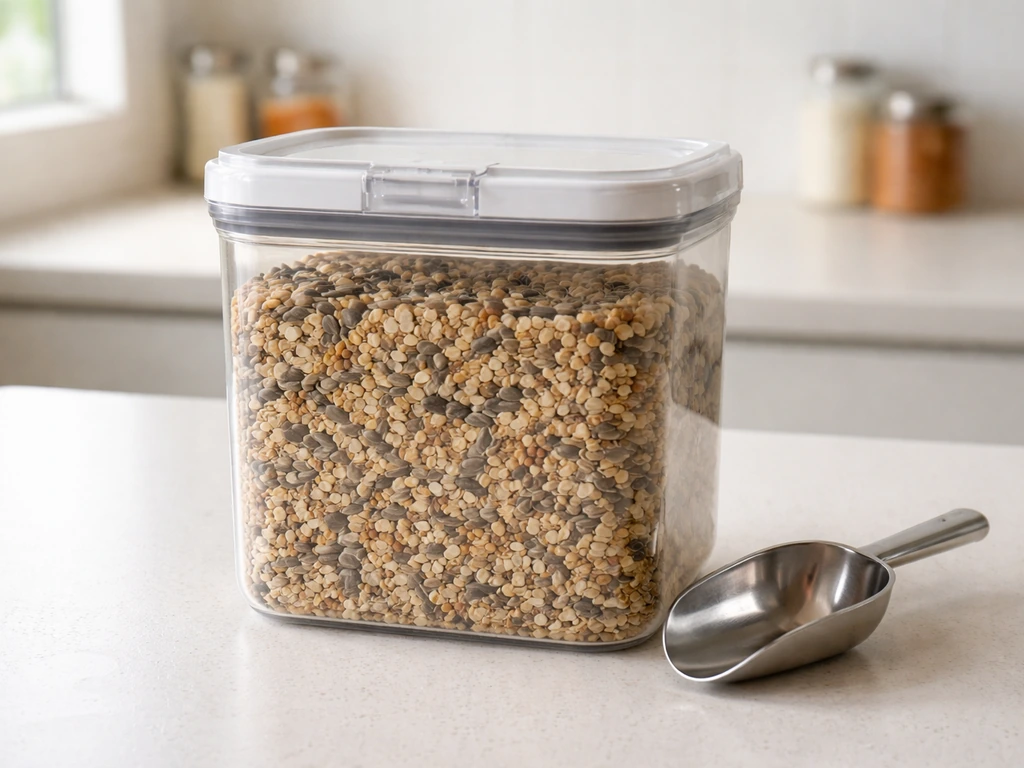
- Use a hard plastic or metal storage container for anything kept at room temperature. Cardboard boxes and thin plastic wrapping let in moisture and offer no protection against rodents or insects. Pest-proof containers matter even indoors.
- Never handle suet with dirty or greasy hands. Bacteria and oils from your skin transfer directly to the fat and accelerate spoilage. Use gloves or wash your hands before touching the cake.
- Keep suet away from direct sunlight and humidity. A cool, dry pantry or basement shelf works well for short-term storage. Garages can work in winter but are too warm and humid in summer.
- In hot weather (above 70°F), only put out as much suet as birds will consume in two to three days. Smaller portions reduce waste and prevent the feeder from becoming a mold or insect problem.
- Consider no-melt or high-melt suet formulas for summer months. These are specifically formulated to resist melting and spoiling in warm weather better than standard suet cakes.
Cleaning your feeder and stopping the cycle of contamination
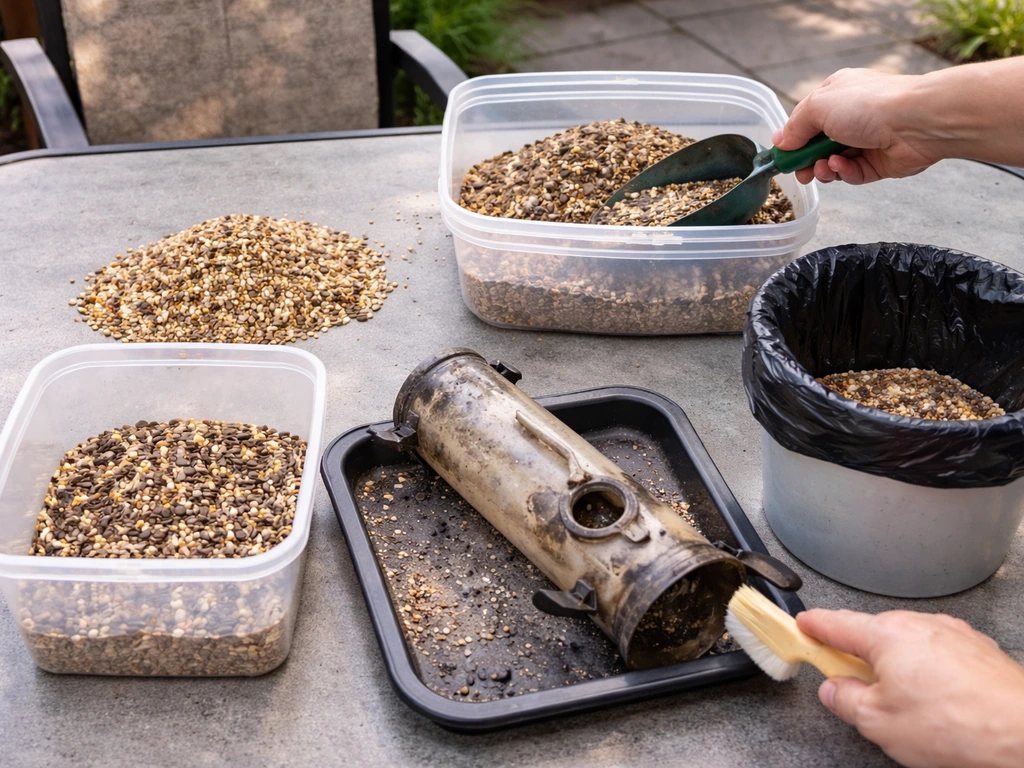
A dirty suet feeder is one of the fastest ways to spoil a fresh cake. Residue from old, rancid suet left in the cage or on the feeder tray contaminates new suet almost immediately. This is especially true in warm months when bacteria multiply quickly on fat residue.
The cleaning process recommended by university extension programs is straightforward: wash the feeder with warm, soapy water first to remove visible grease and debris, then disinfect it with a bleach solution of 9 parts water to 1 part bleach, letting the feeder soak for at least 10 minutes. Rinse thoroughly with clean water and allow the feeder to dry completely before adding new suet. Never put a wet feeder back in service, since moisture accelerates mold growth in the new cake.
If you don't have bleach on hand, a diluted hydrogen peroxide solution works as an alternative disinfectant. The soaking time and rinsing steps are the same. Cornell Lab of Ornithology recommends rinsing feeder parts after soaking them in a solution of 1 part bleach to 9 parts water soaking time and rinsing steps are the same. What matters most is that the feeder is fully dry before the next suet cake goes in.
How often should you clean a suet feeder? In cool weather, once or twice a month is usually adequate if the suet is being consumed at a normal rate. In warm weather or if you've had a spoilage incident, clean the feeder every time you replace the suet. This takes about 15 minutes once you have a routine down and makes a measurable difference in how long fresh suet stays clean.
Also check the area directly below the feeder. Dropped suet crumbles on the ground go rancid just as fast as suet in the cage, and ground-level debris attracts rodents, flies, and ants that can then climb up into the feeder. Clear debris from beneath the feeder regularly, especially in summer.
Preventing pests from getting into stored suet
Rodents and insects are drawn to suet for the same reason birds are: it's calorie-dense fat. Store any backup suet supply in a rodent- and insect-proof container with a secure lid. Metal tins or hard plastic bins with locking lids work best. Don't store suet in the same area where you keep grains or other food that could attract a broader pest population. If you notice insect activity in your stored suet supply, discard the affected cakes, clean the container with the bleach solution described above, and inspect the rest of your storage area for entry points.
Following these steps consistently means you'll spend less time troubleshooting spoilage and more time watching the woodpeckers, nuthatches, and chickadees that make suet feeding so worthwhile in the first place.
FAQ
How can I tell if my suet is rancid versus just dirty or dusty?
Rancid suet usually has a sharp, sour, paint-like, or “old oil” smell even if there is no visible mold. Dust or feeder grime looks different, it tends to be superficial and you usually do not get a strong fat odor when you warm it slightly by bringing it indoors briefly.
Is it safe to scrape off moldy spots and keep the rest of the suet?
No. Mold can spread through the cake even where spots are small. If you see any mold growth, remove the entire cake, discard it sealed in a trash bag, and clean the feeder before adding a new one.
What should I do if the suet gets too warm in the feeder during the day?
If you notice frequent overheating, switch to a high-melt or no-melt suet product for hot weather, and shorten your time in the feeder by replacing more often. In extreme heat, consider taking the cake down for part of the day and restarting when temperatures drop.
Can I freeze bird suet to extend its life?
Often yes, especially for unopened cakes or portions in airtight packaging. Thaw in the refrigerator or a cool place to reduce condensation, then let the feeder area dry before mounting. Avoid freezing repeatedly, which can worsen texture and increase spoilage risk after thawing.
Should I stop feeding immediately if birds start leaving the suet?
Not always. Birds can ignore suet for many reasons, availability of other food, feeder traffic, or weather changes. Use a smell and visual check first, if there is rancid odor, active insects, or mold, remove it immediately.
Is store-bought suet still okay if it is past the “best by” date but looks fine?
Possibly, but treat it as “use by smell and condition.” If it has no off odor, no mold, and no insect activity, it may still be usable, especially if it was kept cool and never opened for long. When in doubt, replace it, since replacement cost is low compared with bird health risks.
How long does suet usually last once it’s opened and in a feeder?
There is no single number because it depends on melt rate and climate, but in warm, humid conditions it can spoil in days. In cool weather it can last longer, often weeks, but always rely on the indicators (odor, mold, insects) rather than time alone.
Can I compost suet that went bad or smells rancid?
It’s not recommended. Spoiled fat and rancid oils can attract rodents and other pests, and compost piles are not a reliable containment method. Seal it in a bag and dispose of it in the trash instead.
Do I need to disinfect the feeder after every suet block, or only when something goes wrong?
When things are going well, routine cleaning is still important. Disinfect after any spoilage incident, visible mold, or heavy grease buildup. In warm weather, disinfect more frequently, at least every time you replace the cake, since microbial growth is faster.
What storage setup prevents pests from getting into my extra suet?
Use a sealed, pest-proof container with a tight lid, store it off the floor, and keep it away from grains and other attractants. If you find insect activity in the backup supply, discard the affected cakes, disinfect the container, and inspect for entry points.