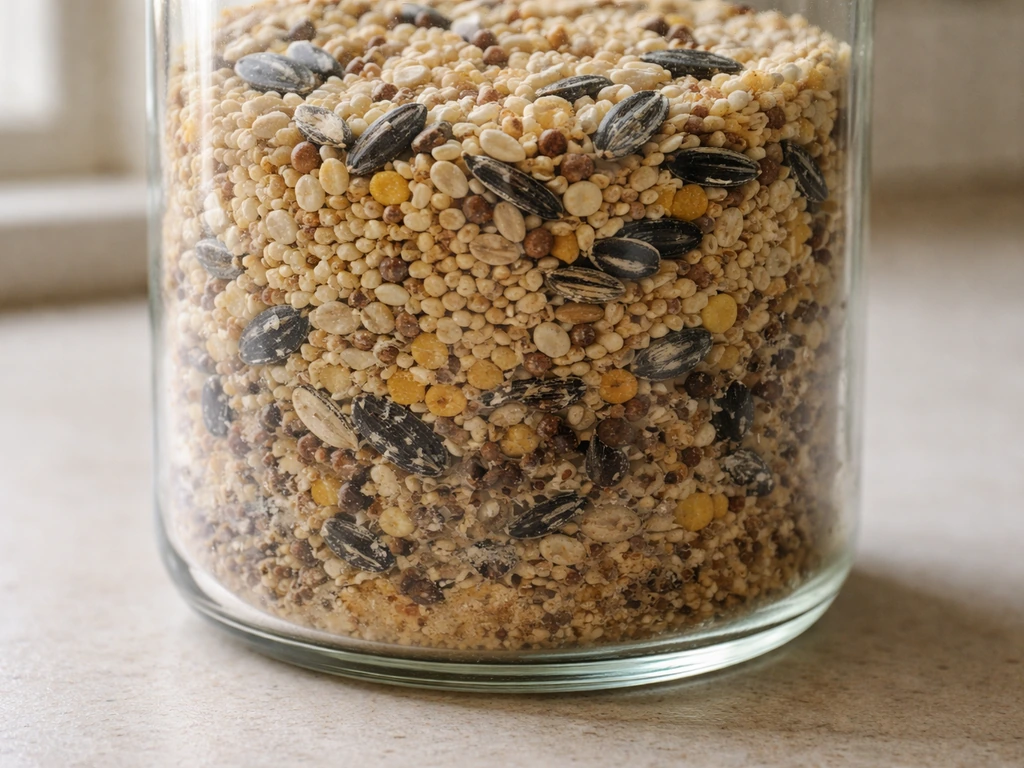
Birds will eat old bird seed, but only if it's merely stale, not if it's wet, moldy, sprouted, or infested. Stale seed that's just lost some of its oil content and flavor is generally safe and most backyard birds will pick at it. Seed that's damp, clumped, smells musty, shows visible mold, or has insects crawling through it is a different story entirely: that seed should never go into a feeder, because it can make birds seriously ill or even kill them. The Pennsylvania Game Commission also warns that bird feeders can expose wild birds to aspergillosis if feeder seed is moldy, emphasizing that seed should be fresh and not moldy.
Will Birds Eat Old Bird Seed? Safety Checks and Salvage Tips
Maya Collins
1 May 2026
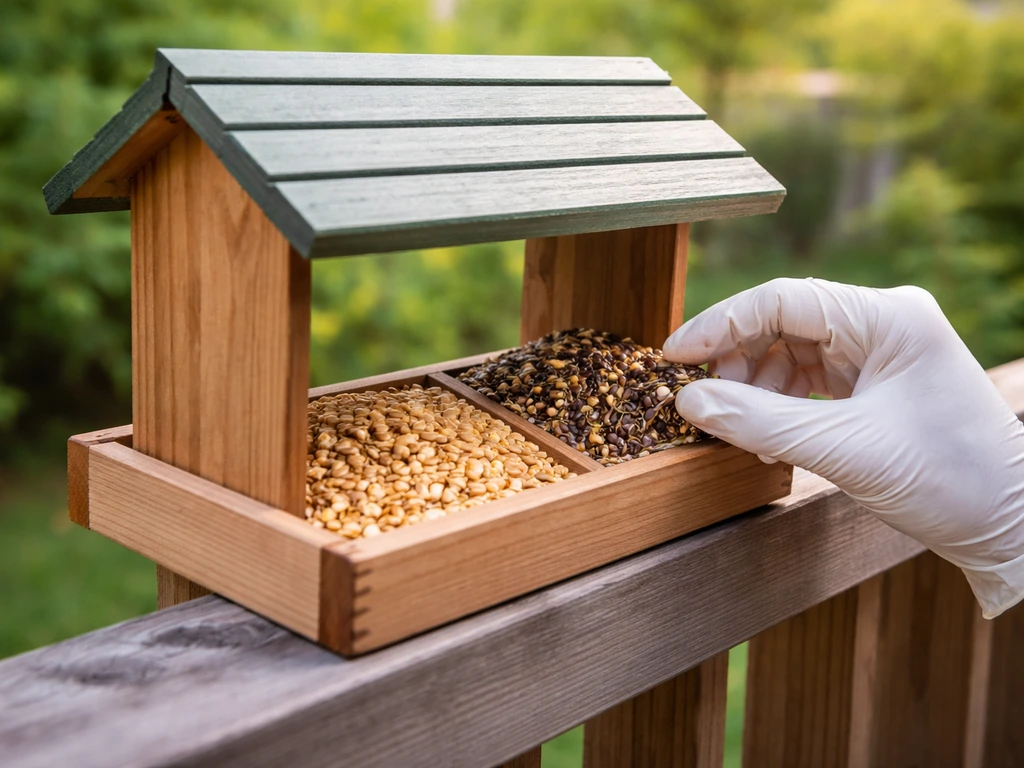
What actually makes bird seed "old"
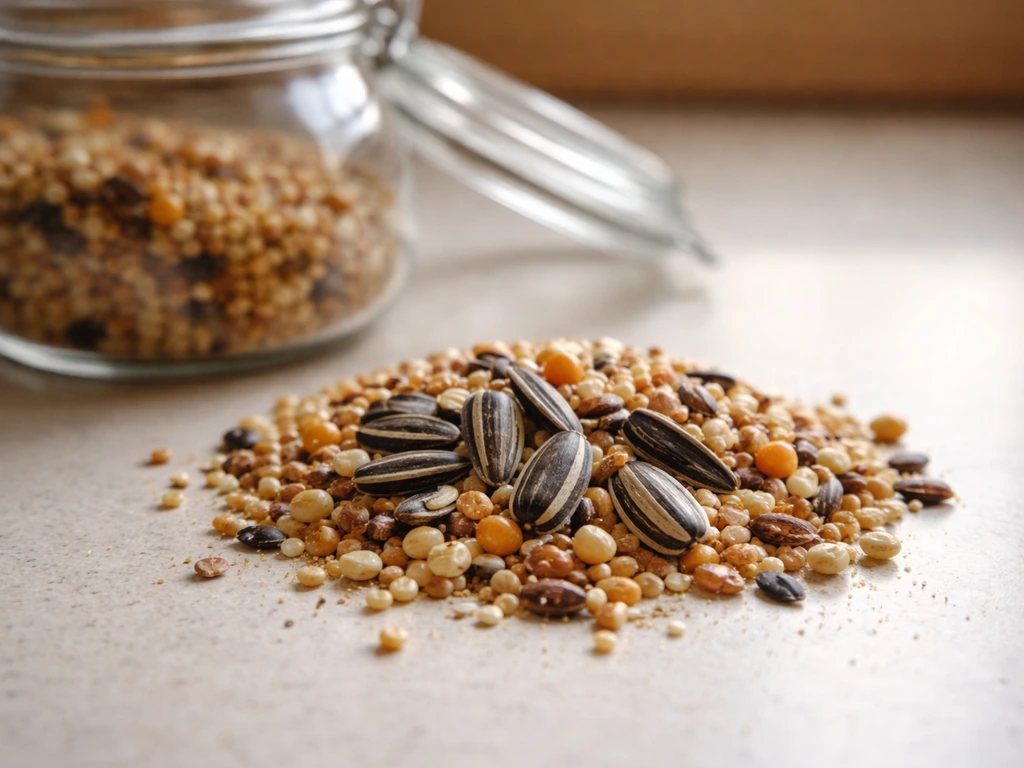
Bird seed doesn't just sit there and stay fresh forever. It degrades in a few different ways depending on how it's stored, and understanding which kind of "old" you're dealing with changes everything about how you handle it.
- Staling: The natural oils in seeds (especially sunflower and safflower) oxidize over time. The seed loses nutritional value and palatability but isn't dangerous. This happens even in properly stored seed after 6 to 12 months.
- Moisture absorption: Seed that's been exposed to humidity, condensation, or rain starts to clump. Clumped seed is a warning sign because it means the moisture level is high enough to support mold and bacterial growth.
- Sprouting: Seeds that get wet and warm can germinate. Sprouted seed isn't toxic, but it rapidly degrades and can become a source of mold within days.
- Insect infestation: Weevils, Indian meal moths, and their larvae tunnel into seeds and leave behind webbing, frass (excrement), and hollowed-out kernels. Infested seed has dramatically reduced nutritional value and is unpleasant even for birds that aren't picky.
- Mold: This is the most serious problem. Mold colonies can produce mycotoxins. Aspergillus, a common feeder mold, causes aspergillosis, a respiratory disease in birds. Moldy seed is not a "use with caution" situation, it's a discard situation.
Knowing which of these problems you have tells you whether to use the seed, salvage part of it, or throw the whole batch out. The sections below walk you through each decision.
Stale vs. moldy: a critical difference
Stale seed is seed that's past its prime but hasn't been compromised by moisture or pests. Birds are more selective about stale seed than fresh, meaning they may leave it in the feeder longer or avoid certain seeds, but it won't hurt them. Most backyard birds have eaten plenty of low-quality seed in the wild and can handle it just fine.
Moldy or wet seed is an entirely different category. According to Georgia DNR, fungal diseases like aspergillosis are directly linked to birds eating or being exposed to wet and moldy seed and hulls. Penn State Extension is unequivocal: if seed is moldy, do not use it. Penn State Extension advises storing seed in a cool, dry place and not using it if it becomes moldy Reducing Disease Risk at Feeders. Project FeederWatch (Cornell Lab) flags bacteria, viruses, and cold-weather molds as genuine disease risks that accumulate when seed is exposed to moisture. The risk isn't hypothetical, it's documented.
Sprouted seed sits in a gray zone. A seed that has just cracked open and started to sprout isn't toxic, but it's already using up its stored nutrition, it's wet by definition, and it will mold fast. If you find a small amount of barely sprouted seed in an otherwise dry batch, pick it out. If a significant portion of your seed has sprouted, treat the whole batch as compromised and discard it.
How to check old seed before you use it
Do this inspection before you load anything into a feeder. If you’re wondering what to do with old bird seed, the safest approach is to inspect it first, then use or discard it based on what you find. It takes about two minutes and saves you from inadvertently poisoning the birds you're trying to help.
The smell test
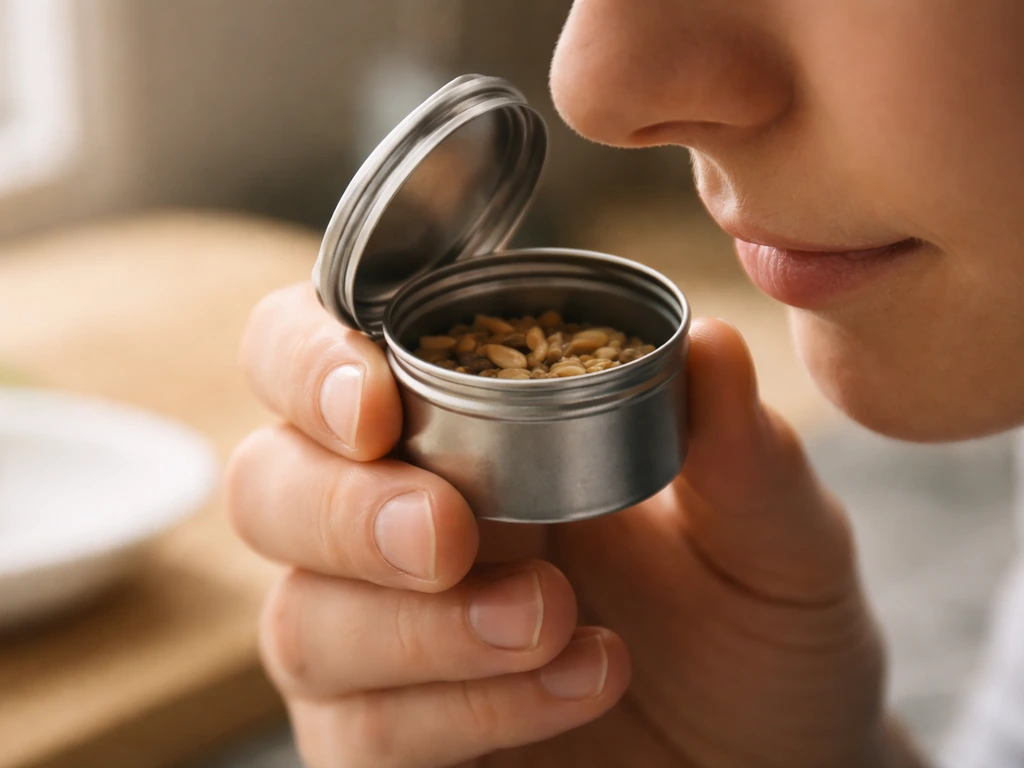
Open the container and take a slow sniff. Fresh or merely stale seed smells faintly nutty or neutral. If you get a musty, sour, ammonia-like, or rancid smell, that's mold or bacterial activity. Trust your nose: if it smells wrong, it is wrong. Toss it.
The look test
Pour a small amount onto a white plate or paper towel and look closely. You're checking for:
- Visible mold: fuzzy white, gray, green, or black growth on seeds or clumps
- Clumping: seeds sticking together in solid masses (a moisture indicator)
- Webbing or fine threads between seeds (Indian meal moth larvae)
- Small dark insects or moving specks (weevils or their larvae)
- Hollowed or shriveled kernels (pest damage from the inside out)
- Green or white seed sprouts emerging from the shell
The moisture test
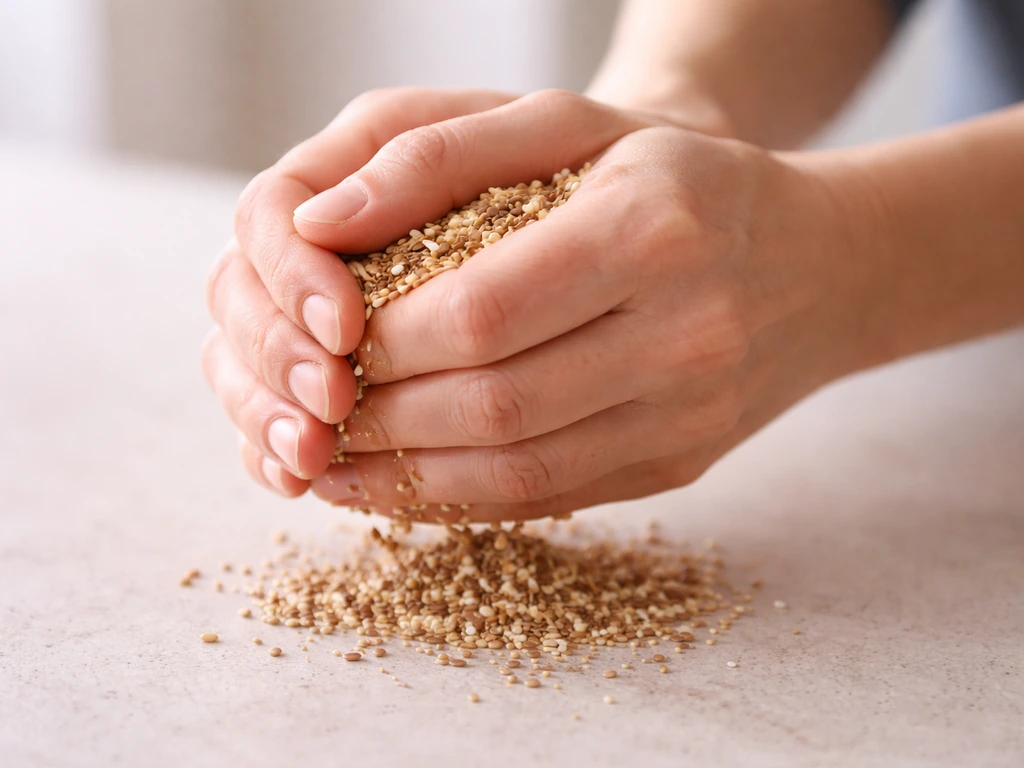
Press a small handful of seed between your palms. It should feel completely dry and loose, not cool, damp, or slightly sticky. Even seed that looks okay can be harboring moisture. If it feels at all damp, treat it as suspect: either spread it out to dry thoroughly (more on that below) or discard it, depending on whether it also fails the smell or look test.
Quick reference: pass or fail
| What you find | What it means | What to do |
|---|---|---|
| Dry, loose, neutral smell | Stale but safe | Use it, birds may be picky |
| Clumped but no smell or mold | Moisture exposure, borderline | Spread to dry, recheck before use |
| Musty or sour smell | Mold or bacterial activity | Discard the whole batch |
| Visible fuzzy mold (any color) | Active mold colony | Discard, clean container thoroughly |
| Webbing or small insects | Moth or weevil infestation | Discard, inspect and clean storage area |
| Sprouted seeds, otherwise dry | Early moisture issue | Remove sprouts, use remainder quickly |
| Wet or damp to the touch | Moisture compromised | Dry fully, retest before any feeder use |
How to salvage seed that's borderline
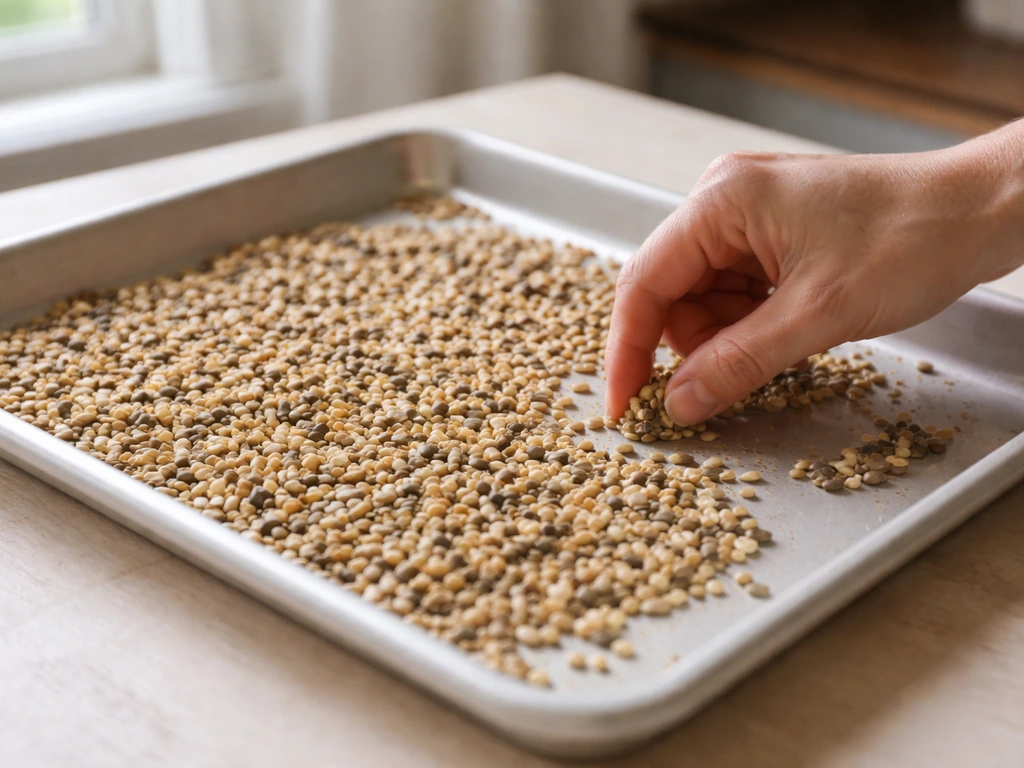
If your seed passes the smell and look tests but has some clumping or a few suspect kernels, you can often salvage a usable portion. Here's how to do it without contaminating the good seed.
- Sort it: Spread the seed in a single thin layer on a clean baking sheet or tray. Pick out and discard any clumped masses, discolored seeds, visibly damaged kernels, or anything with webbing on or around it. This is tedious but it's the only reliable way to separate usable seed from compromised seed.
- Dry it: If the seed is slightly damp but otherwise clean, spread it on a baking sheet and let it air dry in a warm, well-ventilated space for 24 to 48 hours. Do not use an oven: heat destroys the oils and makes the seed even less nutritious. A fan pointing at the tray speeds this up significantly.
- Retest it: After drying, do the smell and moisture tests again before using. If it still feels off, discard it.
- Use it quickly: Salvaged seed has already started degrading. Don't put it back into long-term storage. Load it into feeders first and use it within a week or two.
- Rotate your stock: When adding fresh seed to a bin, always put the new seed underneath the old so older seed gets used first. This prevents good seed from sitting on top while older seed ages at the bottom of the container.
One thing worth noting: sorting seed by hand is only practical for small amounts. If you have a large quantity of clumped or suspicious seed, the time cost of sorting usually isn't worth it compared to discarding and starting fresh. A 20-pound bag of bird seed costs a few dollars more than dealing with a sick bird population at your feeders.
When the seed is bad: safe disposal and cleanup
Moldy, infested, or severely compromised seed needs to be handled carefully, both for bird safety and for household hygiene. Mold spores and insect eggs can spread to other stored food if you're not careful.
- Seal it before moving it: Transfer the bad seed into a sealed plastic bag before carrying it through your house or garage. This prevents spores and insects from escaping.
- Throw it in the outdoor trash: Don't compost moldy seed. Compost piles can be visited by birds and other wildlife, and mold spores can persist. Outdoor trash bins are the right call.
- Clean the storage container: Wash it with hot water and a dilute bleach solution (one part bleach to nine parts water), scrub the interior, rinse thoroughly, and let it air dry completely before adding new seed. Any residual mold or insect eggs in the container will contaminate your next batch.
- Clean the feeder too: If the bad seed went into a feeder before you caught the problem, clean the feeder with the same bleach solution. Project FeederWatch recommends cleaning feeders every two weeks under normal conditions and more frequently during warm, wet weather.
- Rake up the area under the feeder: Seed hulls, droppings, and fallen seed underneath feeders are a major source of aspergillosis and other bird diseases. Audubon (citing Project FeederWatch) recommends raking or shoveling up wet, moldy debris from under feeders and disposing of it. Don't leave it to accumulate.
If you have an Indian meal moth infestation (the kind with webbing), also check any other stored grains or dry goods nearby: pet food, flour, oatmeal, pasta. These moths are not picky and they spread fast.
How to store bird seed so this doesn't happen again
Most spoilage problems are preventable with a few straightforward storage habits. Penn State Extension recommends storing seed in a cool, dry place as the baseline rule, and that's really the foundation of everything else.
Container matters
Store seed in a hard-sided, airtight container with a lid that seals firmly. Metal trash cans with locking lids work well for large quantities and have the added benefit of keeping out squirrels and rodents. Plastic bins are fine as long as they seal tightly. Avoid fabric bags, cardboard, or original paper seed bags for anything but very short-term use: they absorb moisture from the air and from the ground if they're sitting on a garage floor.
Location and temperature
Cool and dry is the goal. A garage, shed, or basement corner that stays below about 70°F and away from direct sunlight is ideal. Avoid storing seed directly on a concrete floor, because concrete wicks moisture. Elevate the container on a shelf or wooden pallet. In hot, humid climates (the southeastern US especially), even well-sealed containers can accumulate condensation if they're in an uninsulated space, so check your seed more frequently in summer.
Buy what you'll use
This is probably the most underrated piece of advice: buy smaller quantities more frequently rather than stockpiling a year's supply. Most bird seed has a shelf life of roughly 6 to 12 months when stored properly. As a rule of thumb, most bird seed stays usable for about 6 to 12 months when stored properly, but always verify it with the smell and look tests how long is bird seed good for. If you have 50 pounds sitting in a bin from last fall, some of it is already stale or on its way to compromised. Buy amounts you'll realistically use within 4 to 6 weeks during peak feeding season, and always check what's already in the bin before adding new seed.
Pest prevention
Insect pests enter seed bags at the store, in warehouses, or through small gaps in storage containers. When you buy a new bag, inspect it before putting it in your storage bin: look for tiny holes in the bag, webbing, or moving insects. Some people keep new seed in a sealed bin in a freezer for 48 to 72 hours before transferring it, which kills any moth eggs or larvae present without affecting seed quality. If you've had a weevil or meal moth problem before, this step is worth doing routinely.
Which birds will tolerate older seed (and which won't)
Not all birds are equally selective about seed quality. Knowing what's at your feeders helps you decide whether mildly stale seed is worth offering at all.
Generalist ground feeders (sparrows, juncos, doves, pigeons)
These birds forage on the ground and naturally eat a lot of weathered, older seed in the wild. They're the most tolerant of stale seed and will often clean up spilled or older seed that other birds ignore. That said, they're also the birds most at risk from moldy ground debris, since they're eating close to the soil surface where hulls and droppings accumulate. Keep the area under your feeder raked clean.
Finches (goldfinches, house finches, purple finches)
Finches are noticeably picky. They prefer fresh, high-quality nyjer (thistle) and sunflower chips and will simply stop visiting a feeder if the seed goes stale or gets damp. If your finch feeder has gone quiet, stale or clumped seed is one of the first things to check. Nyjer seed in particular goes stale relatively quickly, within 4 to 6 weeks in a feeder, especially in warm or humid conditions.
Blue jays and crows
Corvids are opportunistic and among the least picky birds at backyard feeders. Blue jays will eat older sunflower seeds and corn that other birds have rejected. Crows will eat almost anything. They're not a reason to deliberately offer compromised seed, but if your concern is "will anything eat this slightly old corn," jays and crows probably will.
Chickadees, nuthatches, and woodpeckers
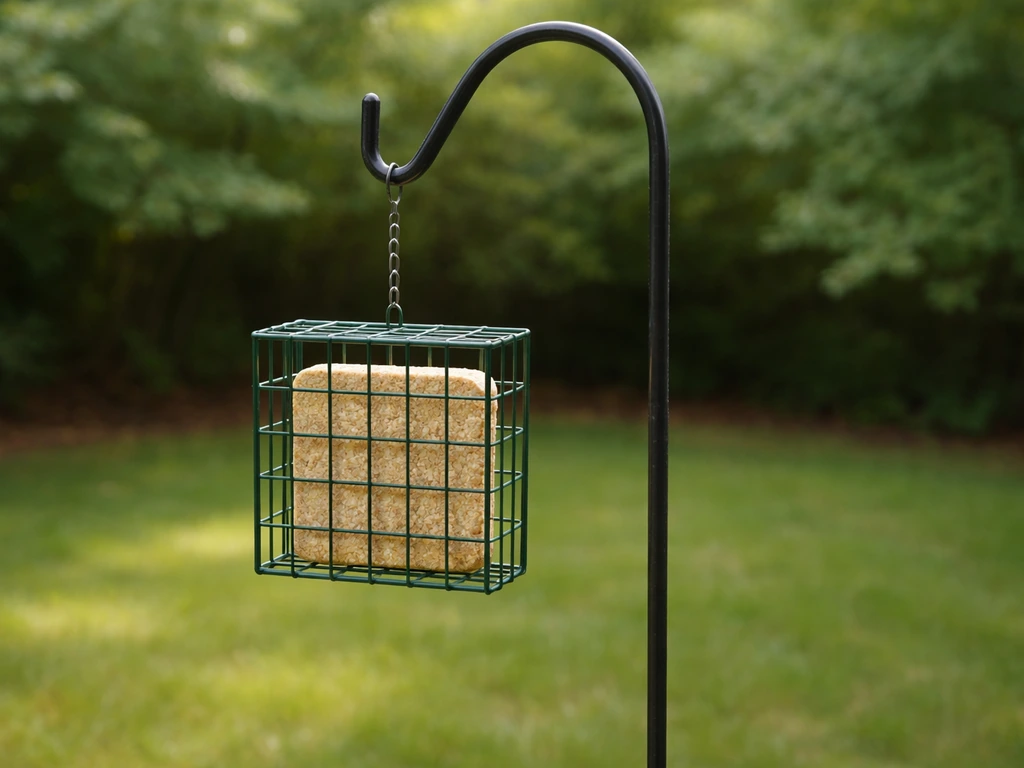
These birds are moderately selective. They tend to prefer fresh black oil sunflower seed and suet, but they'll tolerate mildly stale seed, especially in winter when food is scarce. Suet can also go bad, so if you're offering it, use the same kind of quick smell and moisture checks and discard anything that seems moldy. In warmer months when natural food sources are abundant, they'll often ignore older seed entirely.
A quick comparison
| Bird type | Tolerance for stale seed | Avoid moldy seed? | Notes |
|---|---|---|---|
| Sparrows, juncos, doves | High | Yes, absolutely | Ground feeders: most at risk from mold under feeder |
| Finches (goldfinch, house finch) | Low | Yes, absolutely | Will abandon feeder over stale nyjer or clumped seed |
| Blue jays, crows | High | Yes, absolutely | Will eat old corn and sunflower without hesitation |
| Chickadees, nuthatches | Moderate | Yes, absolutely | More selective in warm months when wild food is available |
| Woodpeckers | Moderate | Yes, absolutely | Prefer fresh suet and seed; tolerate mildly stale options in winter |
The key takeaway across all species: no bird is safe eating moldy or chemically contaminated seed. Tolerance for "old" only applies to seed that's genuinely just stale, not seed that's been moisture-compromised or infected with mold. The species differences only matter when you're deciding whether slightly aged but clean seed is worth putting out at all.
Putting it all together
The practical answer is: smell it, look at it, feel it. If it passes all three checks, it's safe to use and birds will eat it, some more reluctantly than others. If it fails any one of those checks, especially the smell test, the right call is to discard it, clean everything it touched, and start fresh. A few dollars of new seed is a much better outcome than a sick or dead bird population at your feeders. Stick to smaller, more frequent purchases, keep your storage container sealed and off the ground, and clean your feeders on a regular schedule. Do those things consistently and "old bird seed" stops being a recurring problem.
FAQ
Can I dry out old bird seed so birds can eat it?
Yes, but only after you confirm it fails none of the safety checks (smell, visual, and feel). If it passes, you can usually re-offer it in a clean feeder with dry bedding or a liner removed and replaced. If it smells musty or feels even slightly damp, do not try to “salvage by drying,” discard it instead (drying often does not remove toxins or deep contamination).
If the seed is extremely old but still dry, will birds eat it anyway?
For very old seed that is dry and has no off-odors, birds may still eat it, but “edible” does not always mean “attractive.” If the bin smells rancid or kernels look darker with clumped dust, expect lower visits, especially from finches. In practice, replace a small portion first and watch feeder traffic for 2 to 3 days before dumping out everything.
Is it safe to compost old bird seed that smells moldy or looks clumped?
You should not. If you suspect mold or pests, remove the seed, bag it, and discard it (or seal it tightly outside) rather than composting it. Mold spores and pest eggs can spread in compost piles and into your garden area, which can create problems for other stored foods and pets.
How should I clean my feeder if I accidentally put out compromised old seed?
If the seed was only stale, you can usually reuse the same feeder after a routine cleaning. If it was moldy or wet, clean more thoroughly: empty completely, scrub away residue, wash with warm soapy water, rinse, and let it dry fully before refilling. Pay attention to crevices and the feed ports where damp seed can remain.
What’s the safest way to offer slightly stale seed without letting it get worse?
You can offer the stale seed in a way that reduces exposure time. Start with a light fill, use a dry covered feeder if you have one, and avoid placing it under tree drip lines or in rain-splash areas. If birds leave it quickly, pull it and discard rather than letting it sit and absorb humidity.
Can I reuse seed that fell to the ground under the feeder?
Ground or floor-spilled seed should be treated more strictly than seed from a sealed bin. Even if it looks dry, soil moisture and droppings can contaminate the seed surface. Rake and remove spills promptly, and do not re-collect and re-use spilled seed unless you can confirm it smells neutral, shows no mold, and feels completely dry.
If I already have stale seed in storage, can I mix it with a new bag?
Add it only after you confirm the “new” seed shows no holes, webbing, or active insects, and after your storage container is clean and airtight. Then re-run the smell, look, and feel checks on the combined batch. If you already had clumping or musty odor in the old seed, do not mix, discard the old first.
What should I do with old seed that only partially fails my inspection?
Use a simple approach based on your checks. If it passes smell, appearance, and feels dry and loose, you can store and use it. If it fails any one test, quarantine that seed in a sealed container away from your other supplies and discard it when you’re ready, rather than continuing to open the bin and spreading contaminants.
Does this advice apply equally to sunflower, nyjer, and other seed types?
Most seed types are similar for risk, but clumping and dampness are the real warning signs. Nyjer and fine seeds can foul quickly, and suet has a separate spoilage pathway, so stale seed rules do not fully transfer to suet. For any seed you switch to, re-check smell and moisture because temperature and humidity change spoilage speed.
Why do birds sometimes abandon seed that looked fine at first?
Yes, and it’s a common mistake. If you keep the feeder clean and swap out seed quickly, you prevent wetting and microbial growth that can turn “stale” into “moldy.” For best results, schedule checks during humid weather and after storms, and remove uneaten seed before it sits for long periods.