Bird seed has gone bad when it shows visible mold or fuzzy growth, smells musty, sour, or rancid, clumps into solid chunks, contains silk webbing or live insects, or has rodent droppings mixed in. Any one of those signs is enough to discard the batch. If you're not sure, do a quick smell and squeeze test before you put anything in your feeder.
How to Tell If Bird Seed Is Bad: Quick Checks and Steps
Maya Collins
28 Apr 2026
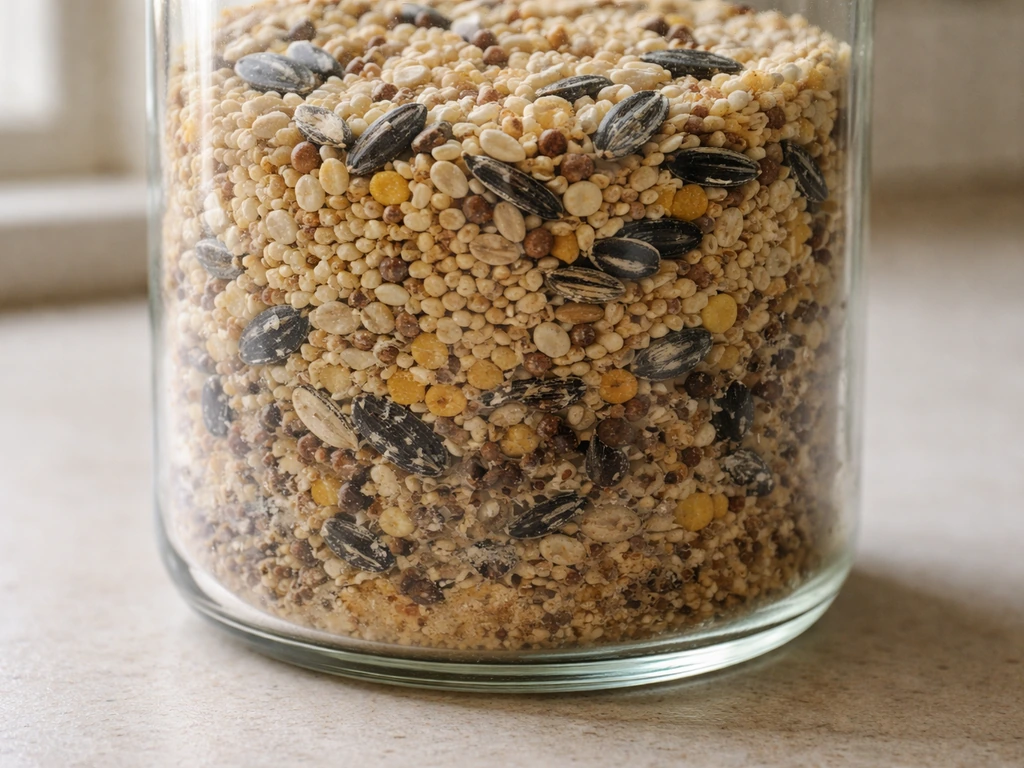
Quick signs seed has gone bad (check these first)

Run through this visual checklist before anything else. You can usually make a confident call in under a minute.
- Fuzzy growth or dusty coating on seeds or the inside of the container — that's mold, and it's a discard.
- Discoloration: patches of black, green, white, or gray that weren't there when the seed was fresh.
- Clumping or caking: seed that no longer flows freely and has fused into dense chunks or a solid block.
- Silk webbing threading through the seed — a clear sign of Indian meal moths or another stored-grain moth infestation.
- Visible larvae or live/dead insects moving through or mixed into the seed.
- Rodent droppings, gnaw marks on the container, or hair mixed into the seed.
- Sprouting: seeds have started to germinate (visible white root tips or green shoots). Sprouting alone isn't toxic, but it tells you the seed was wet long enough that mold risk is high.
If any of those are present, skip straight to the salvage-vs-discard section below. If the seed looks clean visually, move on to the smell and texture check.
Smell and texture checks for mold, mildew, and rancidity
Take a small handful of seed and hold it close to your nose. Fresh seed smells neutral to mildly nutty. Bad seed has one of three distinct off-odors, and once you know what to look for you'll catch it immediately.
- Musty or earthy smell: mold or mildew is present, even if you can't see visible fuzz yet. Discard.
- Sour or fermented smell: seed has been wet and begun to break down. Discard.
- Rancid or paint-like smell: oils in the seed have oxidized. This is especially common in sunflower, nyjer (thistle), and safflower — all high-oil seeds. Discard.
- Chemical or sharp smell: can indicate pesticide or fumigant residue, or severe oxidation. Discard.
Oil-rich seeds go rancid faster than millet or milo because the fats oxidize over time, especially in warm storage. Nyjer seed is particularly vulnerable, its high oil content means it goes stale and rancid faster than almost any other seed you'll buy. If your nyjer smells sharp or oily-stale and birds have stopped visiting your nyjer feeder, that's almost always the reason.
For the texture check, squeeze a small clump in your palm and release it. Fresh seed breaks apart easily. Seed that holds its shape or feels damp and sticky has moisture damage, even if it doesn't yet smell bad. That's an early warning to dry and inspect rather than put it straight in the feeder.
Moisture issues: sprouting, clumping, and wet seed vs truly spoiled seed
Moisture is the most common reason seed goes bad, and the situation isn't always black and white. Here's how to read the different stages.
Wet but not yet spoiled

If seed got rained on or absorbed humidity but has no visible mold, no off-odor, and no clumping, you have a short window to salvage it. Spread it in a thin layer on a clean dry surface (a baking sheet works well) in a well-ventilated area out of direct sunlight. Let it dry completely, usually 24 to 48 hours depending on humidity. Once it's fully dry and smells neutral, inspect it closely for any mold before using it. If you're in a humid climate (Southeast, Pacific Northwest, anywhere during summer), err on the side of discarding: the conditions that wet the seed will also encourage rapid mold growth.
Clumping and caking
Seed that has caked into a solid block has absorbed significant moisture. This is a strong warning sign even without visible mold, because mold spores grow inside the mass where you can't see them. If the block breaks apart easily, smells fine, and shows no discoloration, you can try drying it. If it's dense and hard to break, or smells off at all, discard it.
Sprouting
Sprouting isn't automatically toxic, a germinated sunflower seed is technically still food, but it's a reliable signal that seed has been damp long enough for mold to develop alongside the sprouts. Check for mold at the base of any sprouted seeds and smell the batch carefully. If it passes both checks, it's borderline safe to use. If there's any doubt, discard it. Sprouting seed left in or under a feeder should be cleaned up promptly because it creates exactly the moist, nutrient-rich conditions mold needs to take hold.
Pests and contamination: insects, mites, and rodent droppings

Pest contamination is a hard discard with no exceptions. Here's what to look for in detail.
Moths and webbing
Indian meal moths are the most common stored-grain pest in birdseed. The larvae spin fine silk webbing through the seed, and you'll often see the webbing before you see any larvae or adult moths. If you spot any webbing at all, the entire batch is infested. Seal it immediately in a bag, take it outside, and discard it. Don't shake or pour infested seed near your house, the larvae and pupae can spread to other dry goods if you carry the infestation indoors.
Grain weevils and borers
These are smaller and harder to spot. Signs include tiny exit holes in whole seeds, a fine powdery dust (frass) at the bottom of the container, or small dark beetles moving through the seed. Any of these means discard the batch and thoroughly clean the container before using it again.
Rodent droppings and contamination
If you find droppings, gnaw marks, or nesting material in or near your seed storage, the seed is contaminated and must be discarded. Wear gloves and a mask when handling potentially rodent-contaminated seed, rodent waste can carry pathogens that are a human health concern, not just a bird health concern. After discarding, clean and disinfect the storage container before refilling.
Mites
Grain mites are tiny, you may need good lighting or a magnifying glass to see them, and they appear as a fine moving dust or grayish powder on the surface of seed or the container walls. If you suspect mites, hold a dark piece of paper under a handful of seed and look for tiny movement. Mite-infested seed should be discarded and the container thoroughly cleaned and dried before reuse.
Salvage, dry and sort, or discard: the decision rules
Use this table to make the call quickly. When in doubt, the guidance from every major wildlife and bird-feeding organization is the same: discard and start fresh. The risk of spreading aspergillosis or other mold-related illness to backyard birds is not worth the cost of a replacement bag.
| What you find | What to do | Notes |
|---|---|---|
| Seed is damp but smells fine, no mold, no clumping | Dry thoroughly, then inspect again | Spread thin layer, 24–48 hrs; discard if any mold appears during drying |
| Seed is clumped but breaks apart, smells fine | Dry and inspect closely | Check interior of clumps for mold before reusing |
| Visible mold or fuzzy growth anywhere in the batch | Discard the entire batch | Do not sort out the moldy pieces — spores spread through the whole batch |
| Musty, sour, or rancid smell | Discard | No salvage; smell indicates chemical or biological breakdown |
| Silk webbing present | Discard immediately, seal the bag | Do not sort — infestation is throughout the batch |
| Live insects, larvae, or frass | Discard | Clean container before reuse |
| Rodent droppings or gnaw marks | Discard; wear gloves and mask | Clean and disinfect storage area |
| Seed has sprouted, no mold or off-odor | Use with caution or discard | Inspect base of sprouts carefully; when in doubt, discard |
| Seed is old but dry, smells neutral, flows freely | Still likely usable | Run smell and texture checks; birds may refuse truly stale seed |
One important rule on sorting: if you find visible mold in part of a batch, don't try to pick out the bad pieces and use the rest. Mold spores are microscopic and spread through the whole container well before visible growth appears. Treating it as all-or-nothing is the only safe approach.
Immediate cleanup: feeders, trays, and the ground beneath them
Once you've identified and discarded bad seed, the feeder and its surrounding area need attention too. Contaminated seed leaves behind mold spores, insect eggs, and bacteria that will affect fresh seed the moment you reload.
Cleaning your feeder
- Empty the feeder completely. Shake out all remaining seed, shell fragments, and debris.
- Scrub all surfaces with a stiff brush and hot soapy water to remove caked seed, droppings, and biofilm.
- Disinfect by soaking the feeder (or wiping non-submersible parts) in a solution of 1 part household bleach to 9 parts water. Soak for 10 to 15 minutes.
- Rinse thoroughly with clean water to remove all bleach residue.
- Allow the feeder to air dry completely — ideally in sunlight — before refilling. Adding seed to a damp feeder restarts the moisture problem immediately.
- Wear rubber gloves throughout the process.
How often should you clean? Every two weeks is the standard recommendation for most feeders, and more often during warm, rainy weather or when you have heavy bird traffic. During summer in humid regions, weekly cleaning is not excessive.
Cleaning trays and the ground below
Seed trays and the ground beneath feeders accumulate wet hulls, droppings, and discarded seed, exactly the substrate mold and rodents love. Rake or sweep up all seed waste and debris from the ground at the same time you clean the feeder. Bag it and dispose of it rather than composting it, especially if mold is present. Seed waste on the ground is also the primary way you'll attract rats and mice to your yard, so keeping that area clean is both a bird health and a pest management issue.
Prevention: how to store seed so it doesn't go bad
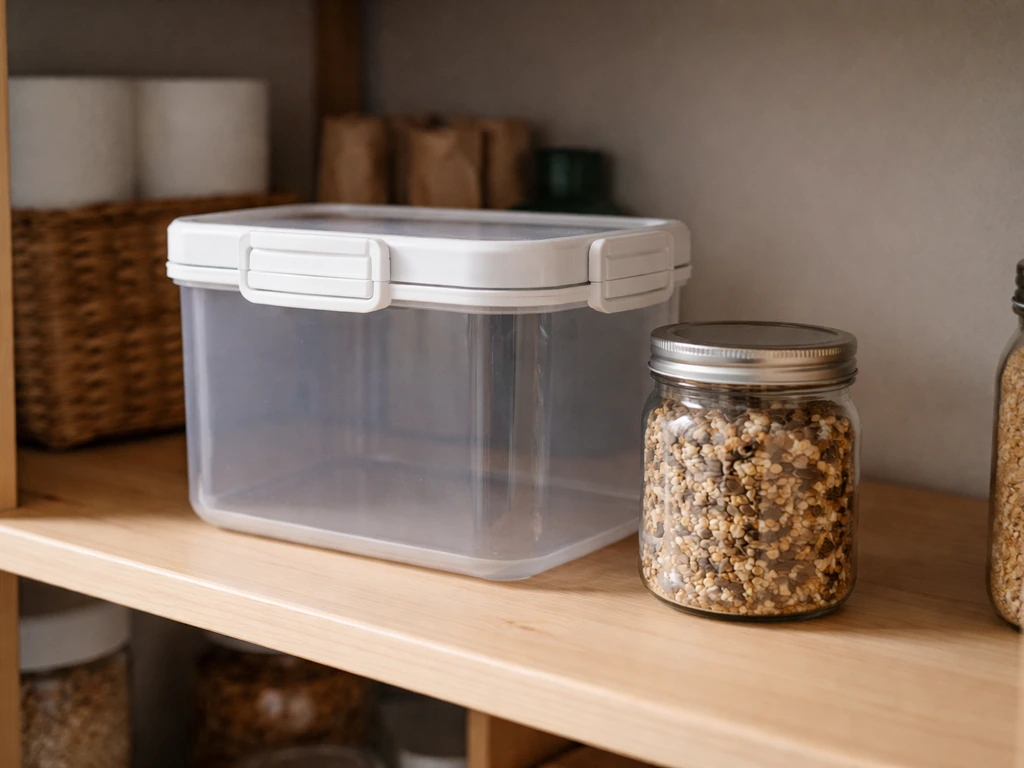
Good storage habits eliminate most of the problems described above before they start. The three conditions that kill seed quality are moisture, heat, and pests, and all three are controllable.
Container and location
Use an airtight, hard-sided container, metal or thick plastic, with a tight-fitting lid. This keeps out moisture, insects, and rodents simultaneously. Avoid storing seed in cloth bags, thin plastic bags, or open bins. Keep the container in a cool, dry, dark location: a garage shelf, basement corner, or shed works well as long as it doesn't get very warm in summer. Warmth accelerates rancidity in oil-rich seeds like sunflower and nyjer, so if your storage space gets above 70–75°F (21–24°C) for extended periods, those seeds will degrade faster.
Humidity is the biggest factor
Humidity matters more than temperature for how quickly seed goes bad. A useful rule of thumb: if the sum of your storage area's temperature (in °F) and the relative humidity percentage is over 100, you need either an airtight container with a desiccant pack inside, or better climate control. In high-humidity climates like the Gulf Coast or Pacific Northwest, desiccant packs (silica gel) inside a sealed container are worth adding. Replace them every few months or when they're saturated.
Buy in manageable quantities
Buying seed in very large quantities feels economical, but if you can't use it within a few months, you're likely to end up with spoilage. For oil-rich seeds like nyjer and black-oil sunflower, aim to use up your supply within 1 to 3 months of purchase. Millet and milo keep somewhat longer under good conditions. Buying smaller, more frequent quantities is almost always better than storing a 50-pound bag for six months.
Pest exclusion basics
Store seed off the ground on a shelf, not directly on a garage or shed floor. Inspect the seams and lid of your storage container regularly for any signs of gnawing. If you find evidence of rodent access, switch to a metal container with a locking or clamping lid. For moth prevention, keeping the storage area clean and cool is your best defense, moths prefer warm, undisturbed environments. You can also freeze a new bag of seed for 3 to 4 days before moving it to your storage container, which kills any moth eggs already present in the seed.
A note on species sensitivity
Some birds are more vulnerable to the effects of spoiled seed than others. Smaller songbirds like finches and sparrows that feed heavily on nyjer and fine mixed seed can be particularly affected by rancid or moldy seed because they consume more relative to their body weight. Aspergillosis, a fungal lung disease caused by inhaling Aspergillus spores from moldy seed or substrate, is a genuine risk for wild birds, and ground-feeding species like doves and juncos that forage through wet, discarded seed beneath feeders face higher exposure. Aspergillosis is an infection caused by breathing in spores of Aspergillus, a common mold blank" rel="noopener noreferrer">Aspergillosis, a fungal lung disease caused by inhaling Aspergillus spores from moldy seed or substrate. California Wildlife Health Lab (California Department of Fish and Wildlife) notes that aspergillosis is a respiratory disease caused by inhaling Aspergillus spores, and moldy birdseed is associated with that risk blank" rel="noopener noreferrer">Aspergillosis, a fungal lung disease caused by inhaling Aspergillus spores from moldy seed or substrate. Keeping both the feeder and the ground beneath it clean is the most direct thing you can do to reduce that risk.
If you're working through whether your seed is past its prime but not obviously bad, the question of how long bird seed stays good in the first place is worth understanding, storage conditions affect shelf life dramatically, and what's fine after two months in a cool dry shed may be rancid after two months in a hot garage. If you want to estimate it for your situation, check how storage conditions like heat and humidity affect the shelf life of your bird seed how long bird seed stays good. Once you've decided what to do with a questionable batch, whether birds will even eat old seed is a practical follow-up: birds often refuse stale or rancid seed before you notice the problem yourself, which is sometimes the first sign something's wrong. If you're wondering whether questionable suet spoils enough that birds avoid it, see whether birds will even eat old seed and compare that with whether it shows moldy or rancid signs. If you’re wondering what to do with old bird seed, start by deciding whether it’s salvageable, then clean your feeder and storage area before refilling Once you've decided what to do with a questionable batch.
FAQ
Can I use bird seed if I only see a few moldy pieces at the top of the bag or container?
No. If you see visible mold anywhere in the batch, treat the entire container as contaminated. Spores can be present before you see growth, so picking out pieces does not make the remaining seed reliably safe.
What if the seed smells slightly “off,” but there is no visible mold or clumping?
Follow the smell rule strictly. A musty, sour, or rancid odor is a discard signal even without other signs. If you have to think about it for more than a moment, err on the safe side and replace the batch.
Is it safe to pour questionable seed into a feeder quickly before I check it?
Don’t. Birds can inhale mold spores and are more likely to consume stale or rancid seed when it is fresh-looking to you. Check the batch first, then reload only after it passes both the smell and texture tests.
Can I rinse moldy bird seed to make it safe?
Rinsing usually makes things worse. Moisture can drive deeper mold growth and create damp pockets that are hard to dry thoroughly, increasing the chance of re-contamination.
How do I tell rancid oil in sunflower or nyjer seed from “normal” freshness?
Fresh seed is neutral to mildly nutty. Rancid seed has a distinct rancid, sharp, oily-stale note that often becomes stronger over time. If birds stop visiting a specific feeder type (especially nyjer), that pattern supports rancidity as the cause.
If the seed got wet but dries back out, is it always salvageable?
Only in a narrow scenario. If it has no visible mold, no off-odor, and does not form clumps, you can spread it thin and dry it for 24 to 48 hours in a well-ventilated, non-sunny area, then re-check closely. If any off-odor appears during drying, discard.
What’s the right way to dry seed to try salvage, if there’s no mold?
Spread seed in a thin layer on a clean, dry surface in a well-ventilated spot out of direct sunlight. Avoid re-bagging until it smells neutral and feels fully dry in your hand. Moisture left inside seed is what allows hidden mold to grow.
Is sprouting in bird seed dangerous if I remove the sprouts?
Sprouting is usually a sign the seed stayed damp long enough for mold to develop. Even if you remove obvious sprouts, the base and surrounding batch can still be contaminated, so check for mold and smell. If either looks questionable, discard rather than attempting to “pick clean.”
What should I do if I find webbing but no obvious bugs yet?
Discard immediately. Webbing is a strong indicator of stored-grain pest infestation. Seal the entire bag or container outside, then dispose. Do not shake or pour it near your home because larvae and pupae can spread to other dry foods.
If I see tiny exit holes or frass dust at the bottom of the container, can I vacuum it out and reuse the rest?
No. Tiny holes and frass mean insects were active in the batch. Discard all of it and thoroughly clean the container before refilling, because life stages can remain in crevices even if the seed looks mostly intact.
My birdseed container has mites, but the seed looks normal. What’s the safest approach?
Discard the batch and clean the container thoroughly, then dry it completely. Mite activity can persist on surfaces and in residue, so wiping and drying matter, not just removing visible debris.
What should I clean and disinfect after discarding spoiled seed, the feeder only or also the ground?
Both. Spores, insect eggs, and bacteria can remain on feeder surfaces and in the seed waste under and around the feeder. Sweep or rake up dropped seed and debris, bag it for disposal (especially if mold was involved), then clean the feeder before reloading.
If my yard has a lot of spillage, how often should I clean compared to the standard every two weeks?
Increase frequency during warm, rainy weather and in humid climates. If you see wet hulls or lots of discarded seed buildup, weekly cleaning is often the safer choice, especially during summer months when mold and pests accelerate.
Can I compost spilled seed if I suspect mold?
No, avoid composting when mold is involved. Bag and dispose of seed waste instead, because compost conditions may not reliably eliminate mold spores or pest life stages.
How can I tell if my storage conditions are pushing seed toward spoilage?
Use the humidity and temperature rule of thumb mentioned in the article. If temperature in °F plus relative humidity percentage exceeds 100, add a desiccant pack in an airtight container or switch to climate-controlled storage, since high moisture is the main driver of mold and clumping.
Should I freeze a new bag even if I plan to store it in an airtight container?
Freezing can be a proactive step for moth prevention. Freezing a new bag for 3 to 4 days before transferring to storage kills moth eggs already present. Even then, still use an airtight, hard-sided container and keep it cool and dry.
Next Articles
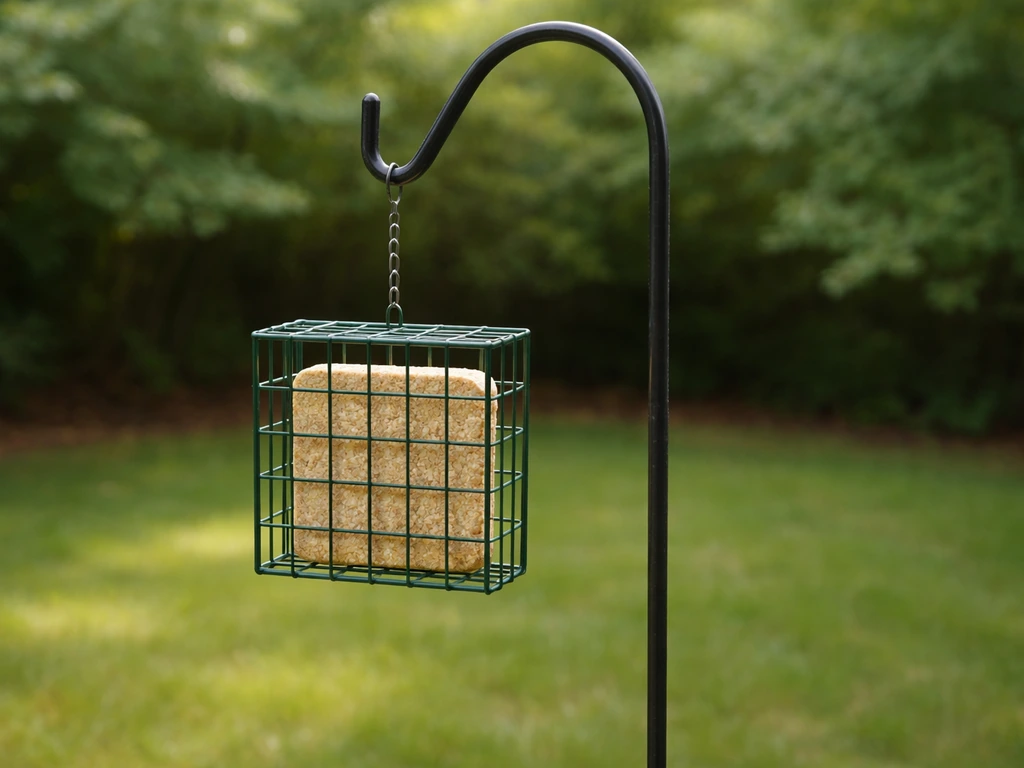
Does Bird Suet Go Bad? Signs, Shelf Life, Storage Tips
Learn if bird suet expires, how to spot spoilage, and safe storage steps to prevent mold and pests.

How Long Is Bird Seed Good for in a Bag and Feeder
How long bird seed stays good in bags and feeders, signs it’s spoiled, plus storage and cleaning tips.
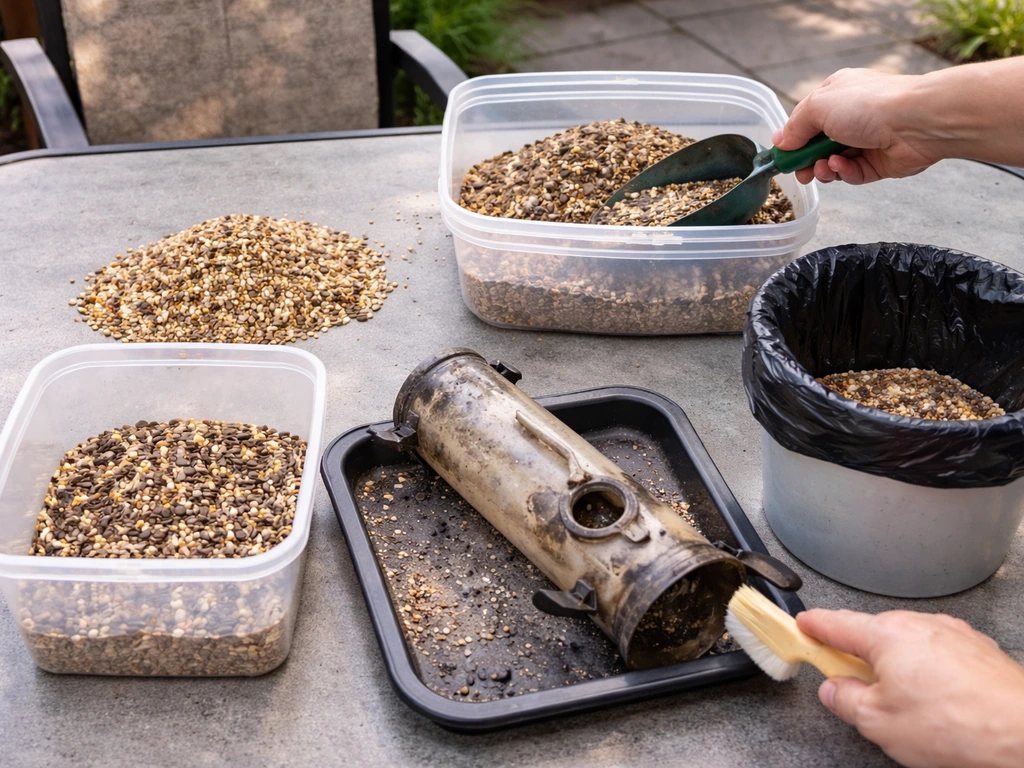
What to Do With Old Bird Seed: Triage, Salvage, Cleanup
Triage old bird seed for safety, salvage usable parts, discard moldy clumps, clean feeders, and store correctly.