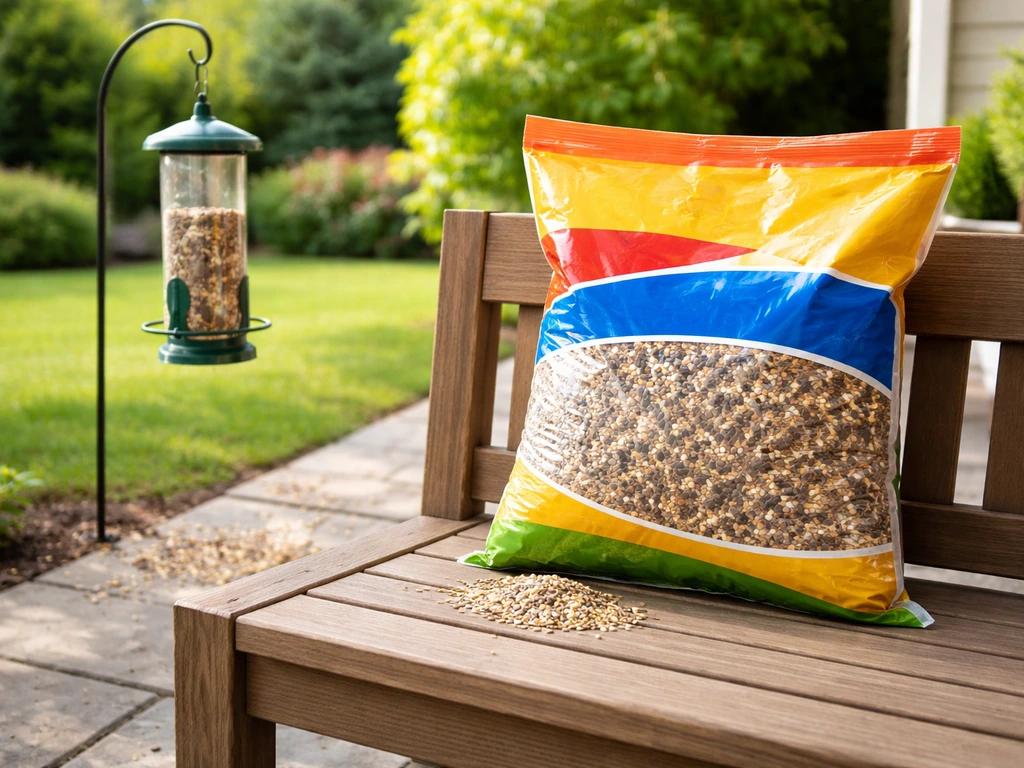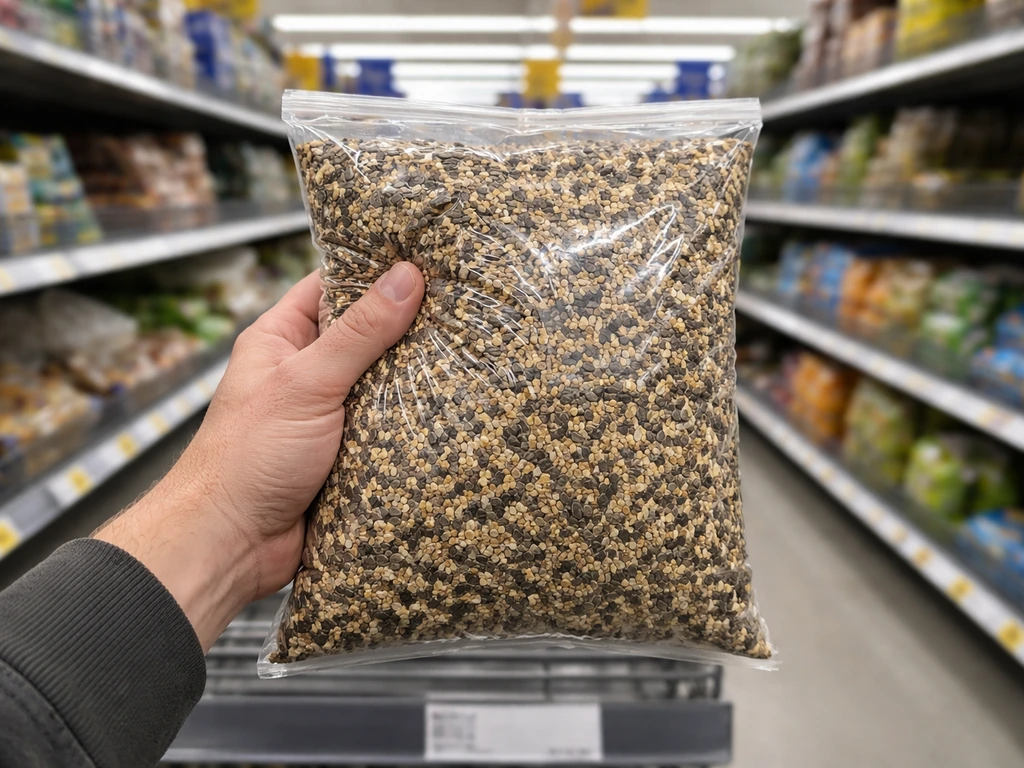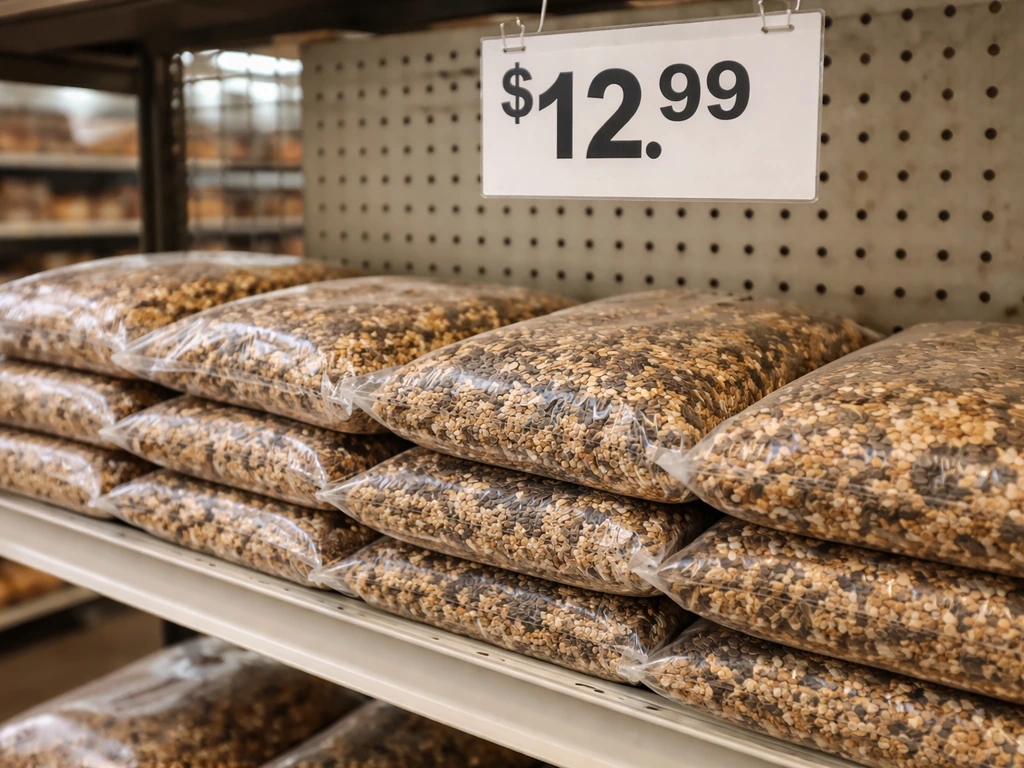
To compare bird seed prices accurately, divide the price by the weight in pounds to get a cost-per-pound figure, then adjust for what percentage of that bag your target birds will actually eat. A $12 bag that your birds ignore is more expensive than a $20 bag they empty in a week. The real comparison is cost per pound of seed consumed, not cost per pound on the label.
Compare Bird Seed Prices: Find Best Value and Avoid Waste
Maya Collins
22 Jun 2026
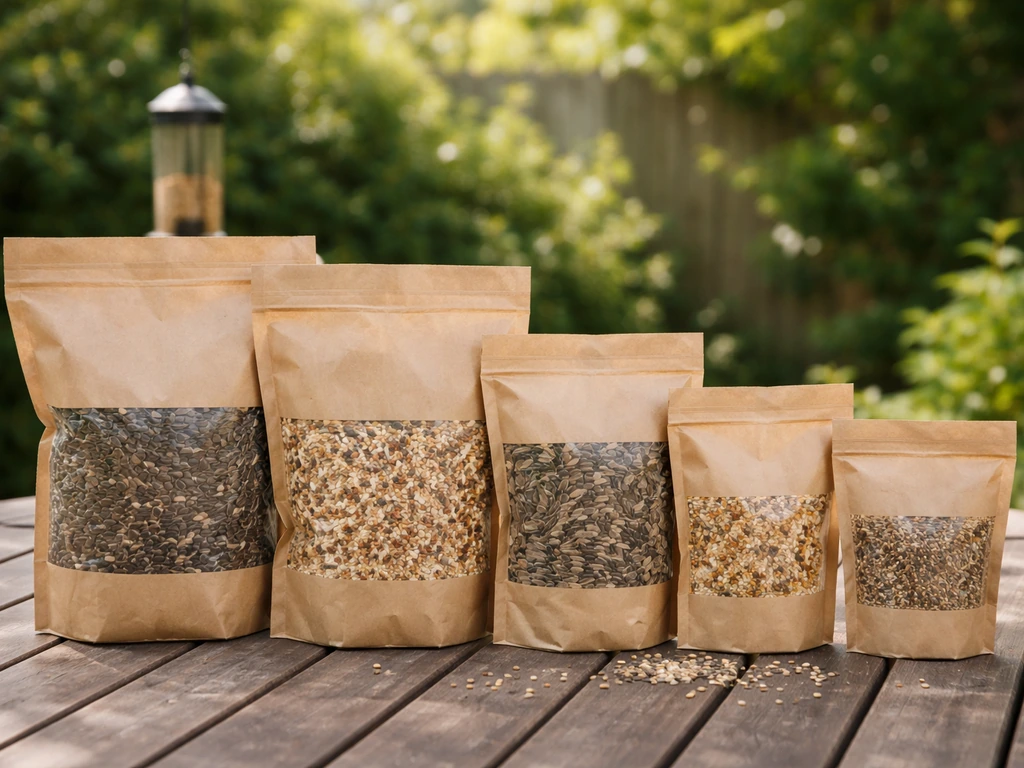
How to compare bird seed prices like-for-like
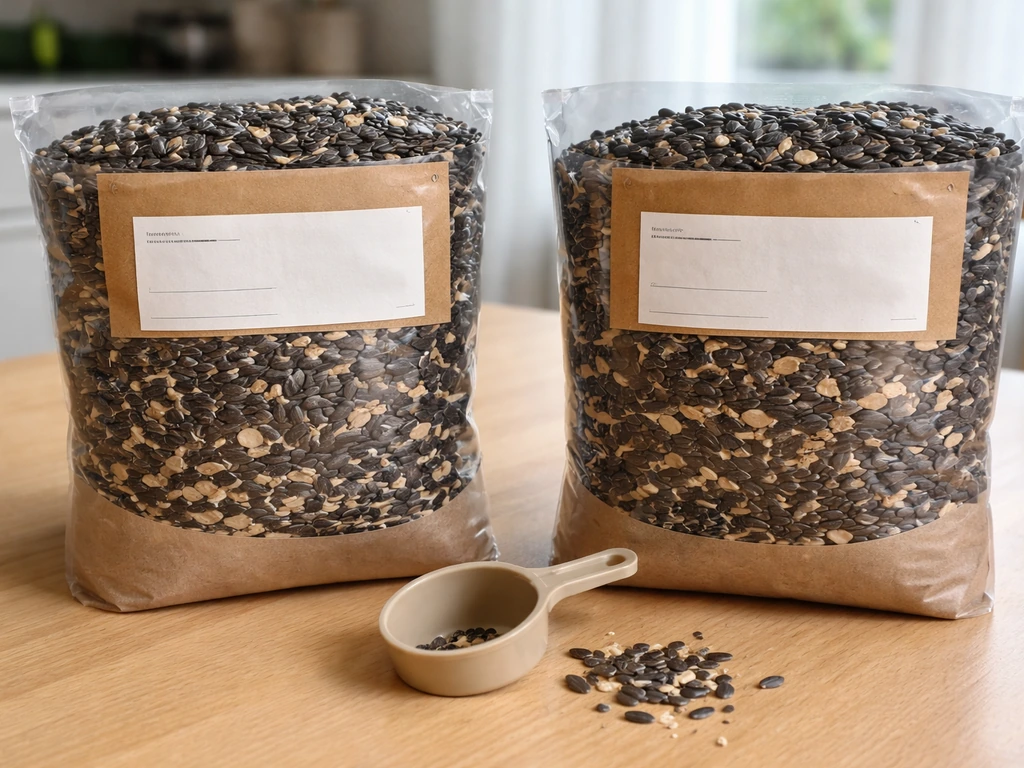
The biggest mistake people make is comparing prices across bags without checking if they're actually comparing the same thing. A 20 lb bag of Pennington Select black oil sunflower at Walmart and a 40 lb bag of Royal Wing black oil sunflower at Tractor Supply are genuinely comparable once you reduce both to a per-pound price. At Tractor Supply, you can use the same cost-per-pound method to figure out how much bird seed costs at that store.
A 50 lb bag of cracked corn at Menards is not the same thing at all, even if the per-pound number looks similar. Seed type, form (whole vs. cracked vs. shelled), and whether you're buying a single-ingredient bag or a mix all change the value equation entirely.
To shop same-value, use this checklist before you compare any two bags:
- Same seed type: black oil sunflower vs. black oil sunflower, not sunflower mix vs. straight sunflower
- Same form: whole seed, shelled (hulled), or cracked are three different products at different price points
- Same ingredient list order: WBFI and AAFCO labeling standards require ingredients to be listed from greatest to least by weight, so a bag with sunflower listed third is mostly something else
- Same weight unit: always convert to cost per pound before comparing any bags
- Check moisture guarantee: the Guaranteed Analysis section on the label includes a moisture percentage, and seed above 12% moisture has a much shorter shelf life
A quick formula: take the shelf price, divide by bag weight in pounds. A $18.99 / 20 lb bag = $0.95/lb. A $29.99 / 40 lb bag = $0.75/lb. That 40 lb bag is 21% cheaper per pound if everything else is equal. But everything else has to actually be equal first.
Cost per pound vs. cost per serving
Cost per pound is a useful starting point, but cost per effective pound is what actually matters. This is the amount of seed your birds eat divided into the total price you paid. If you buy a cheap economy blend and your birds pick out the sunflower and leave 40% of the bag on the ground, your effective cost per pound just went up by roughly 67%. A Vibrant Life Economy Blend style mix from Walmart might look like a bargain at 20 lbs, but if it's padded with red millet, wheat, or milo that most backyard species reject, you're paying for filler.
Caloric density also matters for winter feeding. Black oil sunflower seeds are high-fat, high-calorie seeds that give birds real energy value per mouthful. Cracked corn is cheaper per pound but delivers fewer calories per gram than sunflower. If you're trying to support birds through cold snaps, the caloric value per dollar spent is a better metric than the raw price per pound. Think of it as cost per feeding event rather than cost per bag.
Seed types and why they're priced so differently
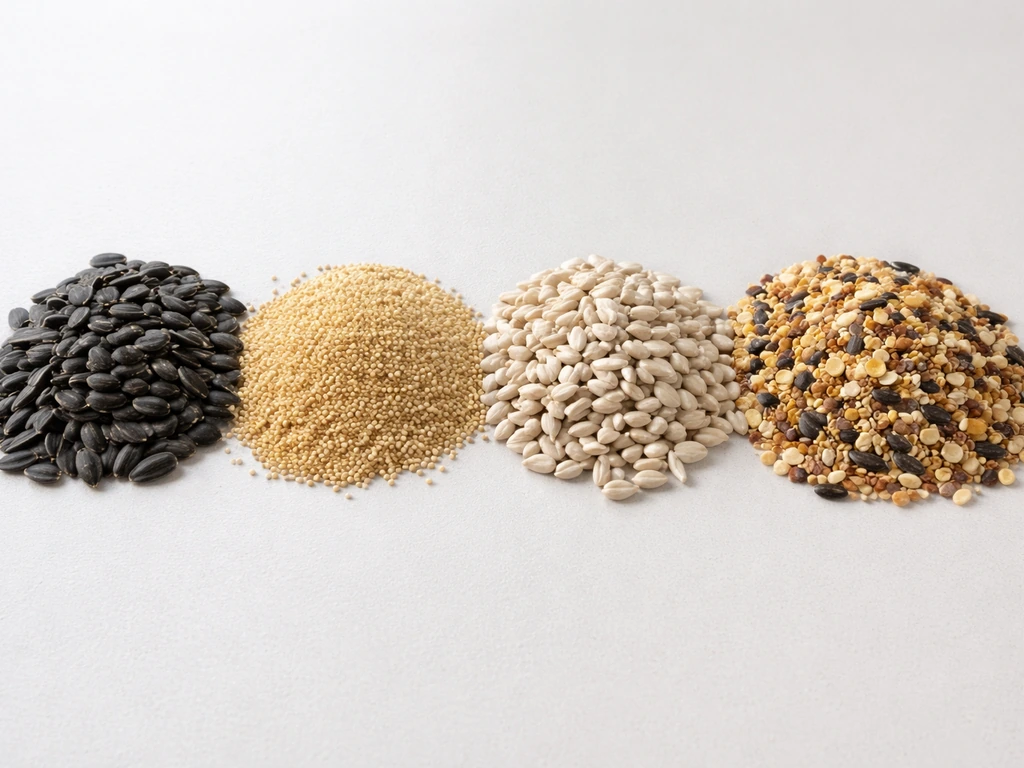
Price differences across seed types aren't random. They track closely with how the seed is processed, how it's imported or grown, and how much demand exists for it. Here's a quick breakdown of the common types and why they land where they do on the price scale:
| Seed Type | Typical Price Range ($/lb) | Key Value Notes |
|---|---|---|
| Black oil sunflower (whole) | $0.60–$1.10/lb | Best all-around attractant; thin shells easy for most birds to crack; high fat content; strong value for mixed yards |
| Striped sunflower (whole) | $0.70–$1.20/lb | Thicker shell reduces number of species that can open it; useful if you want to discourage certain birds like house sparrows |
| Shelled sunflower (chips/kernels) | $1.20–$2.00/lb | No waste, no shells, no cleanup; more expensive but zero filler; great for tube feeders and trays |
| White proso millet | $0.50–$0.90/lb | Sparrows, juncos, and doves love it; low waste if those are your target species; often included cheaply in mixes |
| Nyjer (thistle) | $1.50–$2.50/lb | Imported from Ethiopia/India; only major imported wild bird seed in North America; finch-specific; historically mislabeled as thistle |
| Cracked corn | $0.20–$0.40/lb | Very cheap per pound; lower caloric density; attracts doves, jays, squirrels; spoils faster once wet |
| Suet cakes | $1.00–$2.50/cake | Rendered fat with additives; priced by cake not by weight; high calorie; sold separately from loose seed |
Economy wild bird mixes tend to use cracked corn, red millet, and wheat as low-cost fillers to bring the per-pound price down. The bag looks affordable but your birds may reject the majority of it. When you're comparing an economy mix to a straight black oil sunflower bag, you're not comparing equivalents, even if both say 'wild bird food' on the front.
Nyjer is worth calling out specifically. It's been sold under the name 'thistle' for years, but Audubon and WBFI note it's actually Guizotia abyssinica, a tropical crop grown in Africa and Asia. It's the only major birdseed ingredient imported into North America, which is why it commands premium prices. If you're not specifically feeding goldfinches, pine siskins, or redpolls, Nyjer is probably not your best value. If you are targeting finches, it's often the most effective seed per dollar because waste is minimal when you use the right feeder.
Where prices vary most and why
Local stores vs. online
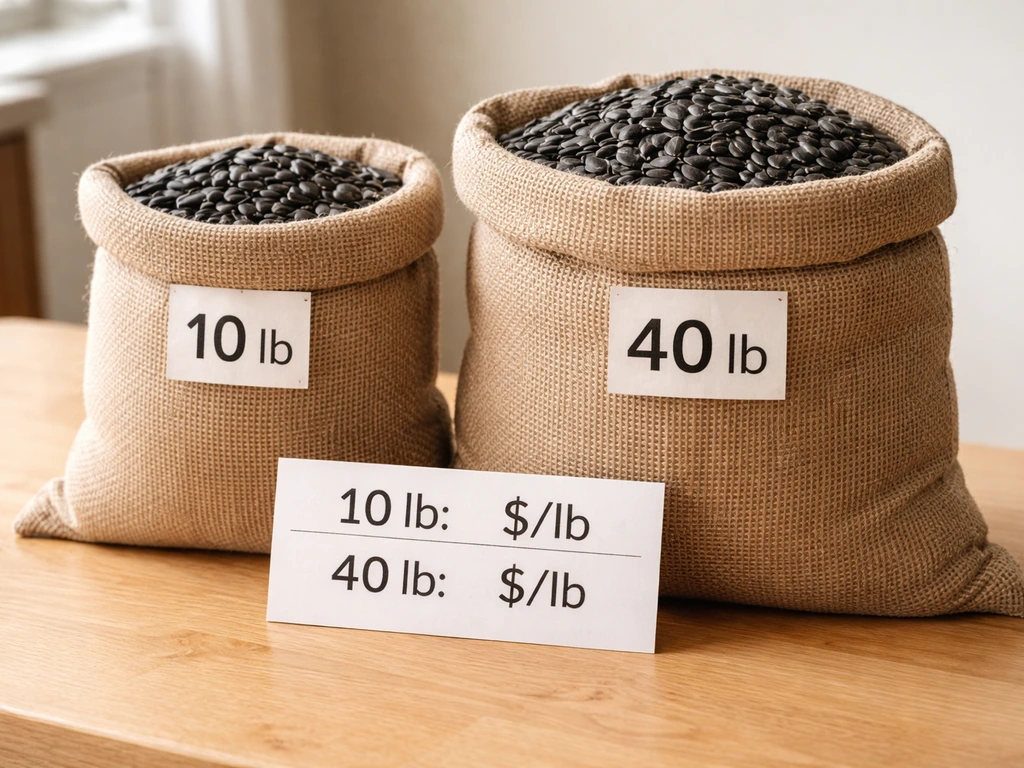
For heavy seed users (25+ lbs per month), local store pricing usually beats online once you factor in shipping. A 40 lb bag of black oil sunflower is cheap per pound but expensive to ship, and many online retailers charge $15–$25 for freight on heavy items. Walmart and Tractor Supply are the two most consistent local sources for bulk bag pricing in 20 lb and 40 lb formats.
You can also check Tractor Supply directly to see what bag sizes of bird seed are currently available. If you're buying 50 lb bags of a commodity like cracked corn, a farm co-op or feed store will typically beat both. Online subscriptions (like Amazon Subscribe & Save) can occasionally undercut local pricing on specialty seeds like Nyjer, but always verify the final price after shipping before assuming it's a deal.
Bulk vs. small bags
Bulk bags almost always win on per-pound price. Going from a 10 lb bag to a 40 lb bag of the same seed can cut your per-pound cost by 25–35%. But that advantage disappears if you can't store the seed properly and it goes bad before you use it. If you have airtight containers and a cool, dry space, buying the largest bag you can realistically use within 4–6 months is almost always the right move. If you're storing it in a garage that gets hot and humid in summer, smaller bags you cycle through quickly may actually save money by preventing spoilage losses.
Sales and seasonal pricing
Birdseed prices are not static. Reddit birding communities have documented significant year-to-year price swings, including 40 lb black oil sunflower prices jumping noticeably between seasons due to crop yield changes. Late summer and early fall are often good times to stock up before winter demand pushes prices up. Post-winter clearance sales (February through April) can also offer good deals, though seed quality from long shelf storage at a retailer is something you need to check.
Watch for seasonal promotions at Tractor Supply, Walmart, and Menards, as these stores often discount birdseed alongside garden products in spring. If you spot a sale, compare the discounted per-pound price to normal shelf pricing so you know you're getting real value good deal. If you track prices for your two or three most-used seeds across two or three local stores, you'll quickly develop a sense of what a genuinely good sale price looks like vs.
a normal shelf price with a sale tag on it.
Quality checks that stop cheap seed from costing more
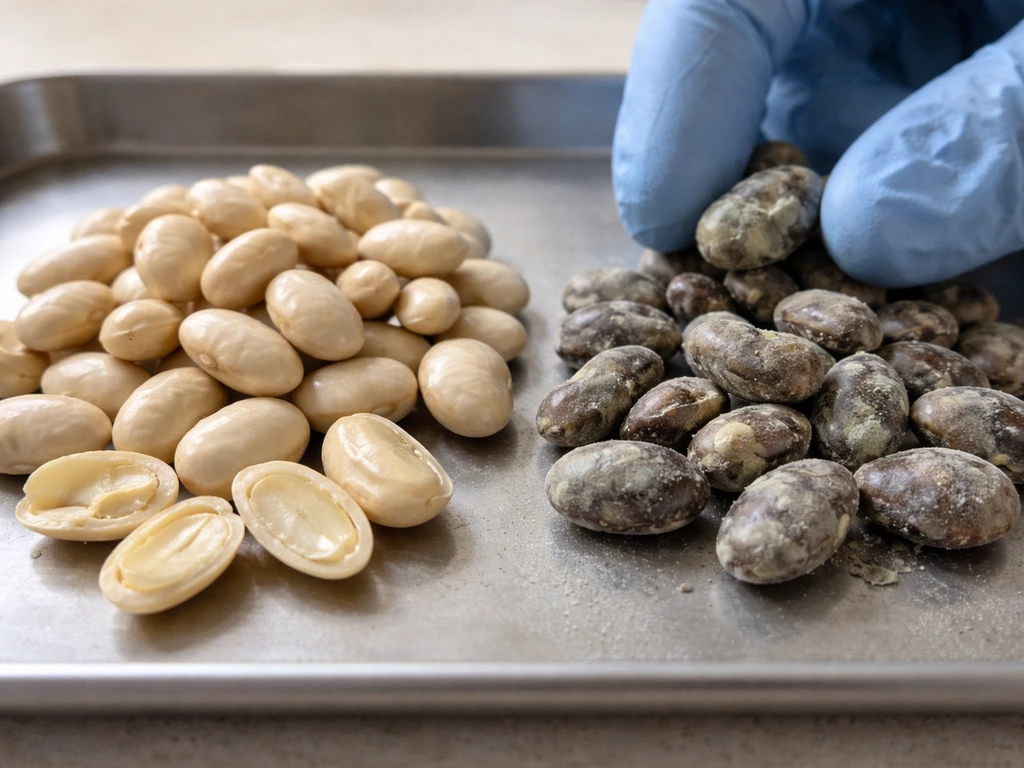
Stale, damp, or mold-contaminated seed is one of the fastest ways to turn a bargain bag into an expensive problem. AAFCO’s feed labeling guide is a primary reference for animal-feed and wild-bird-feed label sections such as the “Guaranteed Analysis,” which can help explain what fat, protein, and moisture percentages do and do not tell consumers [“Guaranteed Analysis” sections](https://www. aafco. org/wp-content/uploads/2023/01/Feed-Labeling-Guide-with-new-Cover.
pdf). Moldy seed can harbor mycotoxins including aflatoxins, which are produced by fungi and pose real health risks to birds. The FDA publishes action levels for aflatoxins in animal feed, and moisture-damaged grain is subject to regulatory scrutiny for exactly this reason. The practical takeaway for backyard feeders: any seed that smells musty, shows visible clumping, or has visible mold should be discarded entirely, not spread in a feeder.
Here's how to screen seed quality before and after purchase:
- Smell the bag before buying if possible: fresh seed smells nutty or neutral; musty, sour, or off smells indicate moisture damage or mold
- Check the bag for moisture or clumping: bags that feel stiff or have visible wet patches have likely already been compromised
- Look at the sell-by or packed-on date if one is printed: seed packed more than 12 months ago should be treated with skepticism
- Check the Guaranteed Analysis for moisture percentage: seed listed above 12% moisture has a shorter usable window
- After opening, watch for sprouting in the bag: sprout-prone seed has been exposed to moisture; sprouted seed in a feeder becomes a mold risk quickly
- Inspect the bag seams and base for pest evidence: small holes, frass (insect droppings), or webbing indicate stored-product insect infestations
- Never buy a bag that has been wet on a pallet or external shelf: sunflower seed in particular goes rancid fast due to its high oil content when moisture gets in
High-oil seeds like sunflower and Nyjer spoil faster than low-oil grains like corn or millet. WBFI specifically notes this difference and recommends airtight storage for all seed mixes. A bag of shelled sunflower chips that sat on an outdoor garden center shelf through a rainy May is genuinely not worth buying at any price.
How to estimate how much seed you'll actually use
Before you commit to buying a 40 lb bag of anything, it helps to have a rough sense of your weekly consumption. This depends on which species are visiting, how many feeders you run, and the season. Birds eat roughly in proportion to their body weight daily. Chickadees may consume around 35% of their body weight per day when it's cold, while larger birds like blue jays eat closer to 10% of their body weight.
A chickadee weighs about 11–12 grams, so 35% is around 4 grams of seed per bird per day. A busy feeder with 20 daily chickadee visitors consumes roughly 80 grams (under 3 oz) just from chickadees. Scale that up across multiple species and multiple feeders and weekly consumption in the 5–15 lb range is realistic for an active yard.
The practical approach is to track usage for two weeks before buying in bulk. Fill your feeder(s) with a measured amount (by weight, not by scoop), note the date, and refill when empty. After two weeks you'll have a real consumption number, not a guess. That number tells you whether a 20 lb bag lasts you two weeks or two months, which completely changes whether bulk buying makes sense.
Feeder type also affects consumption rate. A tube feeder with small ports limits access and slows consumption compared to an open tray feeder, which can attract more birds and more waste. If you're running multiple feeder types, track them separately, since the consumption rates and species mix will differ significantly.
Match seed to your species targets
Research consistently shows that seed preference is highly species-specific. Chickadees, nuthatches, and larger finches concentrate at black oil sunflower feeders. Goldfinches and pine siskins cluster at Nyjer. Sparrows, juncos, and doves prefer white proso millet, especially on or near the ground. Knowing which birds are actually visiting your yard lets you buy the one or two seed types they prefer rather than a generic economy mix padded with seeds most of your visitors ignore. This species-targeted approach almost always delivers better value per dollar than a bargain multi-seed blend.
Best-buy strategies for long-term value
Storage: where bulk buying either pays off or backfires
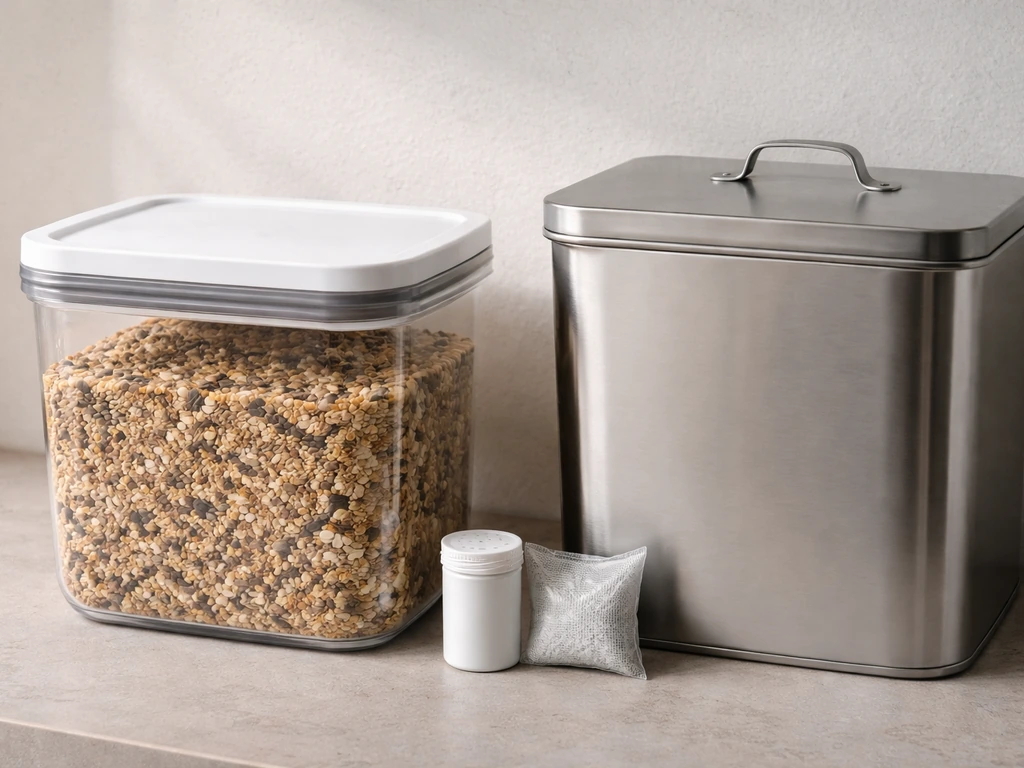
Bulk seed is only a bargain if it stays fresh until you use it. The standard recommendation from WBFI is airtight containers to block both moisture and pests. Metal trash cans with tight lids work well for 40–50 lb quantities. Food-grade plastic bins with gasket seals are excellent for smaller amounts. Avoid storing seed in the original paper or plastic bag inside a container, since bags can have micro-tears that let moisture and insects in. Pour seed directly into the container and seal it.
- Store in a cool, dry location: ideal is below 70°F and below 50% relative humidity
- Avoid garages that heat above 85–90°F in summer: high heat accelerates rancidity in high-oil seeds like sunflower
- Use first-in, first-out rotation: don't pour new seed on top of old seed; finish one container before opening the next bag
- Plan for a 4–6 month maximum storage window for sunflower and Nyjer; millet and cracked corn can last slightly longer in proper conditions
- Inspect stored seed monthly: check for clumping, odor changes, or pest activity
- Keep storage containers off the ground on a pallet or shelf to reduce moisture wicking and rodent access
Pest exclusion keeps your investment from walking away
Rodents and stored-product insects (grain weevils, Indian meal moths) will find bulk seed. Mice can chew through plastic bins and thin metal. If you're storing more than 20 lbs at a time, heavy-gauge metal containers with a secure lid are worth the one-time cost. Any sign of pest intrusion (droppings, gnaw marks, webbing inside the container) means the seed needs to be discarded and the container cleaned before reuse. The cost of lost seed from a rodent incursion in a 40 lb bag quickly exceeds any savings from bulk pricing.
Cleanup costs are part of your total seed budget
Cheap seed mixes with high filler content create disproportionate ground mess because birds toss aside what they don't want. That discarded seed attracts rodents, grows mold, sprouts into weeds, and generally creates ongoing cleanup work. This is a real hidden cost of economy blends. Straight seeds (black oil sunflower for most yards, Nyjer for finch-focused setups, millet for ground-feeding species) generate far less waste and less cleanup than multi-ingredient economy mixes. Adding a tray or catch basin under your feeder and cleaning it every 5–7 days prevents ground accumulation from becoming a pest and mold problem.
Where to check prices right now
For most backyard feeders, the best starting comparison is a 20 lb or 40 lb bag of straight black oil sunflower across Walmart, Tractor Supply, and your local feed or farm store. You can also check the latest Walmart price by comparing the shelf cost to the bag’s weight in pounds to get the true per-pound cost how much is bird seed at walmart. Check all three in the same week since prices shift.
If you're targeting finches specifically, compare Nyjer pricing across those same stores plus online, factoring in shipping. Tractor Supply tends to have strong pricing on larger format bags (40 lb) for commodity seeds. Walmart is often competitive on 20 lb formats. Regional farm co-ops often beat both for 50 lb quantities if you have storage space.
Timing a purchase to align with a sale on your preferred seed type, then buying the largest bag your storage can handle, is the single most reliable way to reduce your per-pound cost over time without sacrificing quality.
FAQ
How do I compare bird seed prices if I don’t know how much my birds will eat from the bag?
Use cost per effective pound by estimating what percentage of each bag your birds actually consume, then multiply that by the bag price. If your mix gets pulled apart and 30 to 40 percent ends up on the ground, do not compare it only to straight sunflower, compare it to straight sunflower after you inflate the effective per-pound cost for that waste.
What should I do if I want to compare bird seed prices but I don’t have a scale
If you cannot weigh consumption, use a practical proxy: weigh an empty bag or portion container, fill the feeder to a known weight, then tare the scale after a few days. Even a one-week test run is enough to catch the biggest difference between straight seeds and high-filler mixes where birds discard the majority.
Should I compare cost per pound for whole vs cracked vs shelled seed
When two bags are not the same form, compare by “effective calories per dollar” instead of “price per pound.” Whole or shelled sunflower, and cracked corn, have different nutrition delivery and handling waste, so a cheaper-per-pound cracked ingredient can lose value if your birds drop a lot or if it delivers fewer calories per gram.
How do I factor shipping when compare bird seed prices online vs in-store
Don’t add shipping to the per-pound number unless you’re sure you will buy that exact quantity online. For example, a heavy 40 lb bag can look cheap per pound until you include freight, then the store option can win even if the shelf price is higher. Always compute a “delivered cost per effective pound” using the final checkout total.
Is it ever better to buy smaller bags even if bulk is cheaper per pound
Yes, but only if you define the time window. If you buy during a sale and the bag will sit for months, the “sale” per-pound price can be worse once you account for moisture damage risk and pest intrusion. A quick rule is to match bag size to your real consumption cycle (for many yards, a 4 to 6 month storage target).
What are the red flags that a bargain seed bag is actually a health risk for birds
If you see clumping, musty odor, or visible mold, discard it. Also check the bottom of the bag and any pre-opened portions, since moisture often collects there first. “Looks fine” seeds can still be risky if they smell off or show tiny dark specks that suggest fungal growth.
How do I compare bird seed prices for wild mixes vs straight seeds when I know my birds have preferences
If you are comparing mixes, isolate the key ingredient your birds actually target. For example, a “wild bird mix” padded with millet can be a poor value even if sunflower is present, because birds may consume sunflower preferentially and waste the rest. Price the bag as if only the portion your birds eat matters, then compare that to a straight seed option.
Does storage conditions change which seed is the best value
For seed types that spoil faster due to higher oil content, effective cost can rise if you store them in warmth or humidity. Sunflower and Nyjer are the highest risk, and a hot garage can turn a bulk deal into consistent losses, so you may want smaller purchases or better airtight containers.
Should I compare bird seed prices separately for each feeder I use
Track consumption separately by feeder type because access changes how much birds spill. A tube feeder with small ports often reduces waste compared to an open tray, so the same seed can have very different “effective cost” depending on how birds feed and whether they scatter seed.
What’s the best way to store bulk bird seed after I buy it
Repack promptly if the bag is stored outside the store or arrives with obvious damage, since micro-tears can let moisture and pests in. Don’t store seed in the original bag inside a bin, pour directly into a sealed container, then label the container with the purchase date so you can rotate stock.
How can I build a simple system to know when bird seed prices are truly low
Compare across your top 2 or 3 visited seed types, not everything on the shelf. Once you have a baseline “good price” for each seed, you can spot true bargains during seasonal promos without getting misled by marketing changes like new bag weights or mixed blends.
When is the best time to stock up if I want to compare bird seed prices month to month
If you feed year-round, do not use winter promotions as your only guide. Crop and demand patterns can swing prices in specific seasons, so check the same seed type at the same stores over multiple weeks, then stock only the seeds you can store safely and use before quality declines.