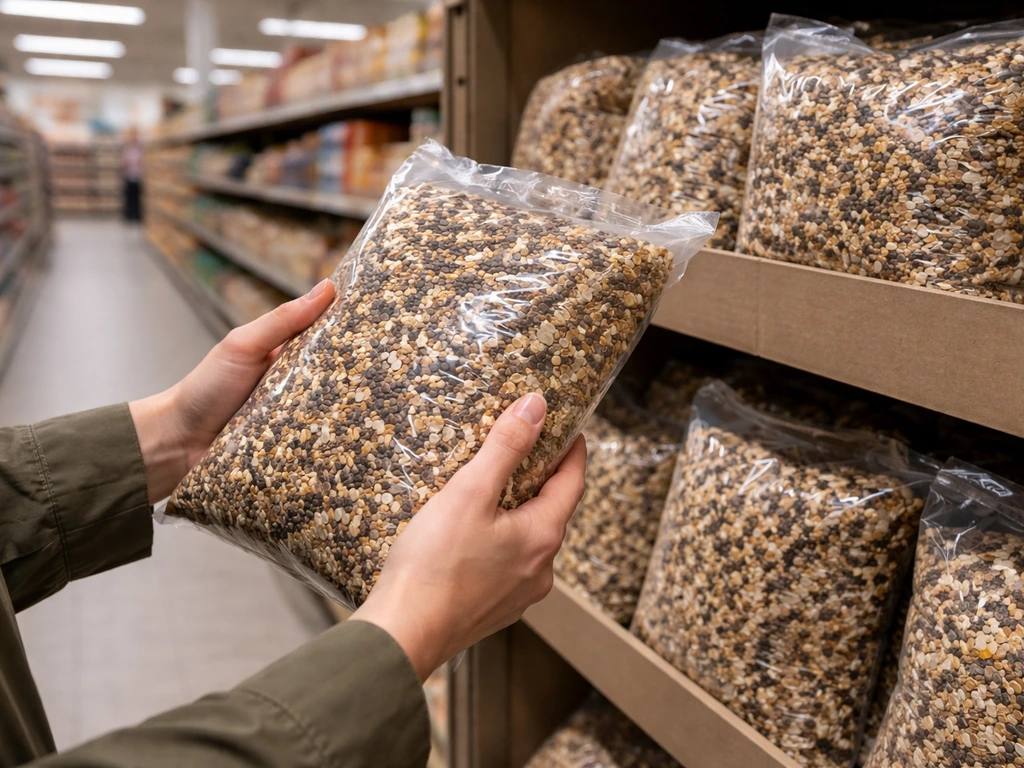
Yes, Aldi does sell bird seed, but availability is seasonal and varies by store. Aldi carries wild bird seed and related products (like suet cakes) as limited-time Aldi Finds rather than year-round shelf staples. The most reliable product to look for is 'Heart to Tail Wild Bird Seed Feed' in a 20 lb bag, which has shown up both in stores and on Aldi's online shop. If you need to know whether your specific store has it right now, the fastest move is to check shop.aldi.us or Instacart's Aldi storefront before you drive over.
Does Aldi Sell Bird Seed? In-Store and Online Guide

Maya Collins
29 Apr 2026
How to check if your Aldi has bird seed today

Aldi's inventory isn't always visible until you pin your location, so a quick online check saves a wasted trip. Here's the fastest way to confirm availability right now.
Check Aldi's own website first
- Go to shop.aldi.us and set your store location using your zip code.
- Search for 'bird seed' or 'wild bird food' in the search bar. You can also browse the Birds collection directly.
- Look at the product page for messaging like 'This product is currently not available in your selected store.' If you see that, the item isn't in stock at your location right now.
- If the product shows up with a pickup or delivery option, you can order same-day or confirm it's on the shelf.
Use Instacart as a backup check
Instacart's Aldi storefront sometimes surfaces inventory that Aldi's own site doesn't make obvious. Search 'birdseed for wild birds' or 'wild bird seed' on Instacart and select your local Aldi store. This gives you a quick second opinion on what's actually available for same-day pickup or delivery near you.
Understand Aldi's seasonal timing
Aldi typically stocks bird seed as a spring or seasonal Aldi Finds item, meaning it shows up on shelves for a limited window and then disappears until the next restock cycle. ALDI states that ALDI Finds are available for a limited time while supplies last, meaning they are not guaranteed to be restocked or repeated a spring or seasonal Aldi Finds item.
Past stock dates have included spring weeks (an April 2021 weekly ad listed Heart to Tail Wild Bird Seed as that week's featured item, for example). If bird seed isn't showing in your store right now, check back in a few weeks or watch Aldi's weekly ad for upcoming Finds. You can see upcoming limited-time items by checking ALDI’s official Weekly Specials page at https://www. aldi.
us/weekly-specials ALDI’s official “Weekly Specials” page. Aldi's bird-related Finds have also included sunflower seeds, suet cakes, and feeders, so searching broadly for 'bird food' or 'suet' can turn up more options during active seasons.
What about other budget retailers?
If Aldi doesn't have stock right now, you're not out of options. Lidl is a natural alternative since it follows a similar discount grocery model with seasonal garden and pet items. Lidl may also stock bird seed seasonally, so it is worth checking what is available in your local store.
If you are wondering about other stores, you may also want to check whether Food Lion sells bird seed, since stock can vary by location and season does Food Lion sell bird seed. Dollar General and Family Dollar sometimes carry smaller bags of wild bird seed as a more consistent shelf item, and Food Lion tends to have bird seed year-round in its garden or pet aisle.
Dollar Tree may also stock bird seed, but it depends on the store and season, so it is worth checking the aisles or calling ahead Dollar Tree bird seed availability. Dollar General also sells wild bird seed at times, but selection and availability can vary by store and season. Lowe's is worth checking too if you want larger bulk bags or specialty seed types like nyjer or safflower.
What to look for when you find bird seed at Aldi

Not all seed mixes are equal, and a cheap bag of mostly filler isn't doing your birds any favors. Here's what to check on the label before you buy.
Seed mix types you might find
Aldi's Heart to Tail Wild Bird Seed is typically an all-season wild bird mix, which usually contains a blend of millet, milo, cracked corn, and sunflower seeds. Past Aldi stock has also included black-oil sunflower seeds sold separately, which are one of the best all-around seeds you can offer. Suet cakes have also appeared as Aldi Finds and are particularly useful in colder months for high-fat energy.
Quality checks on the bag

- Seed purity: Look for bags that describe a high percentage of pure seed by weight. Reputable suppliers aim for around 98.5% pure seed, minimizing chaff and debris.
- Ingredient order: The first ingredient listed should be a seed birds actually eat, like black-oil sunflower, millet, or milo. Avoid mixes where milo (red sorghum) dominates if you're trying to attract songbirds, as many common backyard species ignore it.
- No artificial additives: Good wild bird seed doesn't need preservatives or dyes. Simple is better.
- Allergen notice: At least one Aldi birdseed product has carried a manufacturing allergen warning noting the facility also handles peanuts, tree nuts, wheat, fish, and soy. This doesn't affect birds, but it matters if you or someone in your household has a severe allergy and will be handling the seed regularly.
- Bag integrity: Check for tears, moisture damage, or evidence of pest activity before you buy. A compromised bag can mean the seed is already starting to degrade.
Storing and handling your seed after purchase
How you store bird seed after buying it matters almost as much as what you buy. Seed that gets damp, overheated, or improperly sealed can mold, sprout, or attract pests within days.
Best storage setup
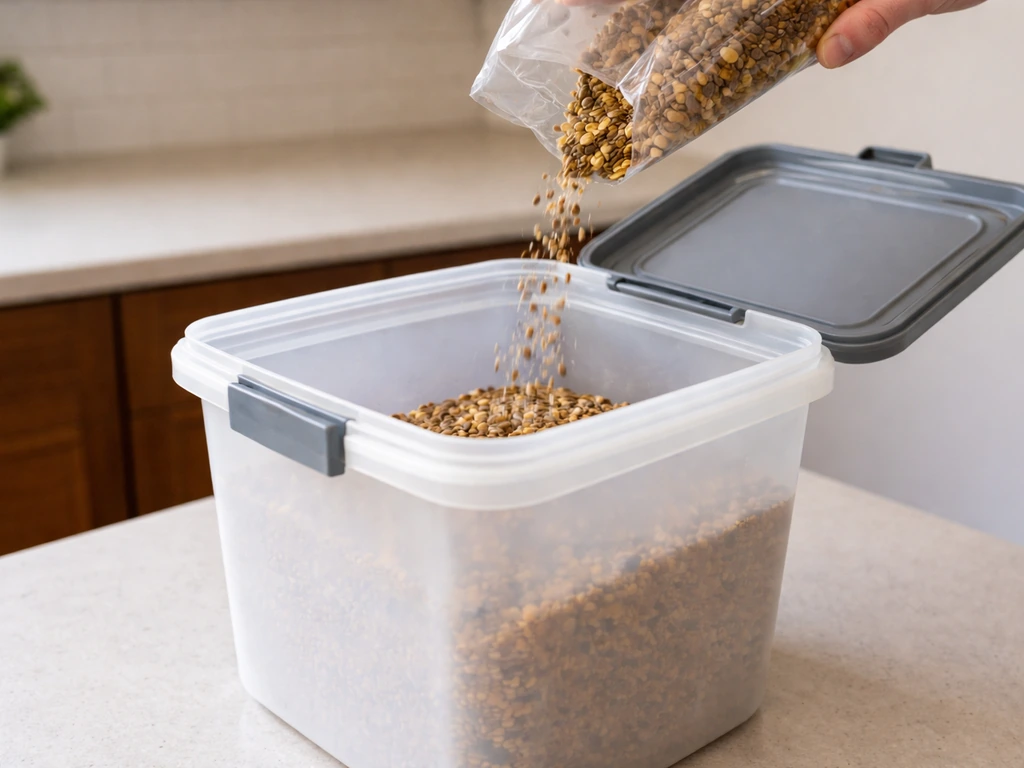
- Transfer seed from the paper or thin plastic bag into a hard-sided airtight container, like a metal trash can with a lid or a food-grade plastic bin with a tight seal. This keeps moisture out and rodents unable to chew through.
- Store in a cool, dry place: a garage, shed, or basement works well. Avoid storing seed in direct sunlight or in areas that get warm and humid, as heat accelerates mold growth and fat oxidation.
- Keep the storage container off the ground on a shelf or pallet to reduce ground moisture contact and make it harder for rodents to access.
- Under ideal cool, dry conditions, most wild bird seed stays fresh for 6 to 12 months. Seed stored in warm or humid conditions can degrade in as little as a few weeks.
- Only fill your feeder with as much seed as birds will eat in a day or two, especially in warm or rainy weather. This prevents seed from sitting wet in the feeder.
Handling tips
Wash your hands after handling bird seed, especially before eating. The allergen note above is one reason, but bird seed can also carry bacteria and mold spores even when it looks clean. Use a dedicated scoop rather than scooping by hand when filling feeders, and avoid shaking seed dust near your face.
Troubleshooting: wet seed, mold, sprouts, and pests

Even with good storage habits, things go wrong. Here's how to handle the most common problems.
Wet or sprouting seed
If seed in your feeder has gotten wet from rain or condensation, empty the feeder into the trash immediately. Do not try to dry the seed and reuse it. Wet seed is a fast-track environment for mold and bacteria that can make birds sick. Once you've dumped the wet seed, clean and dry the feeder completely before refilling. If you notice seeds sprouting in or under your feeder, that's a sign seed has been sitting damp too long. Clean up the sprouted seed, rake or remove it from the ground, and look at your feeder placement or drainage to prevent it from happening again.
Mold
Mold in seed looks like gray, black, or white fuzzy patches, or seed that clumps together in a way that crumbles when pressed. If you see mold in stored seed, discard the affected portion (or the whole bag if it's widespread) rather than trying to salvage it. Mold spores spread through the batch even when not visibly present. To prevent mold in storage: keep humidity low, don't mix old seed with new, and rotate stock so older seed gets used first.
Insects
Grain weevils, Indian meal moths, and grain beetles are the most common insects you'll find in stored bird seed. Signs include tiny holes in seed, webbing, fine powder (frass), or small larvae. If you find insects in a bag or container, seal the affected seed in a plastic bag and dispose of it in an outdoor bin. Clean the storage container thoroughly with hot soapy water before refilling. A tight-fitting metal container is the single best prevention against insect infiltration.
Rodents and rats
Bird feeders are one of the most common ways rats and mice get established around a home. If you're seeing rodent activity, the advice from pest management guidance is direct: do not leave bird seed in feeders overnight. Take feeders in at dusk and only put them back out in the morning. Clean up spilled seed from the ground daily. Hard-sided metal storage containers are essential here because rodents can chew through almost any plastic or fabric bag. Elevating feeders on smooth metal poles with baffles also helps.
| Problem | Cause | Fix | Prevention |
|---|---|---|---|
| Wet or clumped seed in feeder | Rain, humidity, or condensation | Empty into trash, clean feeder before refilling | Use feeders with drainage holes, fill smaller amounts more often |
| Sprouting seed under feeder | Seed sitting damp on the ground | Remove sprouted seed, rake area clean | Use a seed tray, reduce fill amount, clean up daily |
| Moldy stored seed | Moisture in storage container or warm conditions | Discard affected seed, clean container | Airtight metal container, cool dry location, rotate stock |
| Insects in seed | Eggs present at packaging, warm storage | Dispose of affected seed, clean container | Metal container, keep storage area cool and dry |
| Rats or mice near feeder | Spilled seed and overnight access | Remove feeders at night, clean up spilled seed daily | Metal storage, baffled poles, no overnight filling |
Cleaning feeders and keeping things hygienic
Regular feeder cleaning protects both the birds and your household. The standard recommendation from bird-feeding researchers is to clean seed feeders about once every two weeks, and more often during warm or wet weather when bacteria and mold build up faster.
Step-by-step feeder cleaning
- Empty all old seed from the feeder and dispose of it. Never top off old seed with fresh seed.
- Disassemble the feeder as much as possible to reach all surfaces.
- Scrub with hot soapy water, using a bottle brush to reach tubes and ports.
- Rinse thoroughly to remove all soap residue.
- Disinfect with a dilute bleach solution: 1 part household bleach to 9 parts water. Soak or thoroughly wipe all surfaces and let sit for a few minutes. Alternatively, a full-strength white vinegar soak (allow around 10 minutes contact time) works as a milder option.
- Rinse again completely after disinfecting.
- Allow the feeder to air dry fully before refilling. Refilling a damp feeder defeats the purpose.
- If the feeder is dishwasher-safe, running it through a hot dishwasher cycle is a valid alternative to the hand-wash method.
Ground cleanup under feeders
Seed husks, uneaten seed, and bird droppings accumulate under feeders and become a disease vector and rodent attractant. Rake or sweep the area under your feeder at least once a week, more often in summer. Some people use a seed tray attached to the feeder to catch hulls and fallen seed, which makes cleanup much easier. Dispose of raked seed and droppings in your outdoor waste bin rather than composting it, since it can harbor pathogens.
Personal hygiene after feeder tasks
Always wash your hands with soap and water after filling feeders, cleaning feeders, or handling seed. This is especially important for households with young children, elderly family members, or anyone immunocompromised. Bird droppings can carry Salmonella and other pathogens, and seed can carry mold spores. Keep feeder-cleaning supplies separate from kitchen equipment.
Setting up your feeder after getting seed from Aldi
Once you've got your seed home and stored properly, setting up a feeder that works well doesn't take much. If Aldi's mix is a standard all-season wild bird blend (millet, milo, cracked corn, sunflower), a platform tray feeder or a classic tube feeder with a wide port will suit it well. Black-oil sunflower seed, if you found it as a separate Aldi Finds item, works in almost any feeder style and attracts the widest variety of songbirds.
Place feeders at least 10 feet from dense shrubs or brush piles to reduce cover for cats and predators, but within 30 feet of trees so birds have a perch to stage from before flying to the feeder. Mount feeders on smooth metal poles with a baffle (a cone-shaped guard below the feeder) to deter squirrels and rats. Start with small fill amounts (enough for one or two days) until you know how quickly birds are going through the seed, then adjust from there. Check the feeder every couple of days for wet or spoiled seed, and follow the two-week cleaning schedule from day one. That's really all it takes to run a clean, bird-friendly setup long-term.
FAQ
Does Aldi sell bird seed year-round, or is it seasonal?
Aldi usually treats bird seed as a seasonal Aldi Finds item, so it is not consistently stocked every week. If you do not see it in-store, check again after a weekly restock window, since the product can appear for a short period and then disappear.
What is the best way to confirm whether my specific Aldi has bird seed right now?
Check Aldi’s site with your location set, then cross-check the same day on Instacart for your local store. Instacart often shows what is available for pickup or delivery even when it is not obvious on Aldi’s own inventory view.
Can I buy Aldi bird seed online if it is not in stock near me?
Sometimes yes, but availability can still be limited by location and timing. If Aldi’s online shop shows no bird seed for your area, try a nearby store on Instacart, since inventory can differ between stores.
Is Aldi bird seed in smaller bags, or is it usually bulk like the 20 lb option?
The product most often mentioned is a 20 lb bag, which can be a lot if you are only feeding a few birds. If you want smaller quantities, search broadly during active seasons for other Aldi Finds options, or consider checking alternative retailers that carry smaller bag sizes more consistently.
Does Aldi sell specific seed types like nyjer (niger) or safflower?
Aldi’s common offering tends to be an all-around wild bird mix and, at times, black-oil sunflower. Specialty seeds like nyjer are less predictable, so be ready to substitute with sunflower or mix-based seed, or check other stores that list these specialty types regularly.
Are suet cakes or feeders sold at the same time as the seed?
They can be, but they are also typically seasonal Aldi Finds. If you see the seed showing up, searching for “suet” or “bird feeder” on Aldi’s site or Instacart around the same time can help you find the matching items.
What birds will Aldi’s typical seed mix attract?
Seed mixes described for Aldi’s wild bird blend often include millet, milo, cracked corn, and sunflower, which generally attracts common backyard seed-eaters like finches, sparrows, and many songbirds. For the widest variety, black-oil sunflower usually works better than filler-heavy mixes.
How should I store Aldi bird seed to prevent mold and pests?
Use an airtight container and keep it dry, cool, and sealed. Avoid mixing old and new seed, and do not let the bag sit in humid areas like garages or near leaky windows, since damp seed is where mold and sprouting start.
What should I do if the seed gets wet in the feeder?
Dump the wet seed out and do not try to dry it for reuse. Clean and dry the feeder completely before refilling, because damp seed can grow mold quickly and can make birds sick.
How can I tell if stored seed has mold or insects?
Mold often shows up as fuzzy gray, black, or white patches or clumping that crumbles. Insect signs include tiny holes, webbing, fine powder (frass), or larvae. If you see insects, seal the affected seed and clean the container before refilling.
How often should I clean feeders if I use Aldi seed?
A common guideline is about once every two weeks, but you should clean more frequently during warm or wet weather. Also clean spills under the feeder regularly, since hulls and droppings can attract pests and increase contamination.
Should I leave bird seed in feeders overnight to attract more birds?
Avoid it. Leaving seed in the feeder overnight can increase rodent activity, especially if you have rats or mice around. A practical approach is to put feeders out in the morning and take them in at dusk, then remove spilled seed daily.
Is bird seed safe to handle around children and pets?
Handle it carefully and wash hands after filling or cleaning feeders. Bird droppings can carry germs, and seed can carry mold spores, so keep seed-related tasks separate from kitchen prep surfaces and supervise children and pets around open seed.
Next Articles
Does Lowe’s Sell Bird Seed? Where to Find It and Feeders
Yes. Get bird seed at Lowe’s plus feeders, where to find them in-store, and how to store seed safely after purchase.
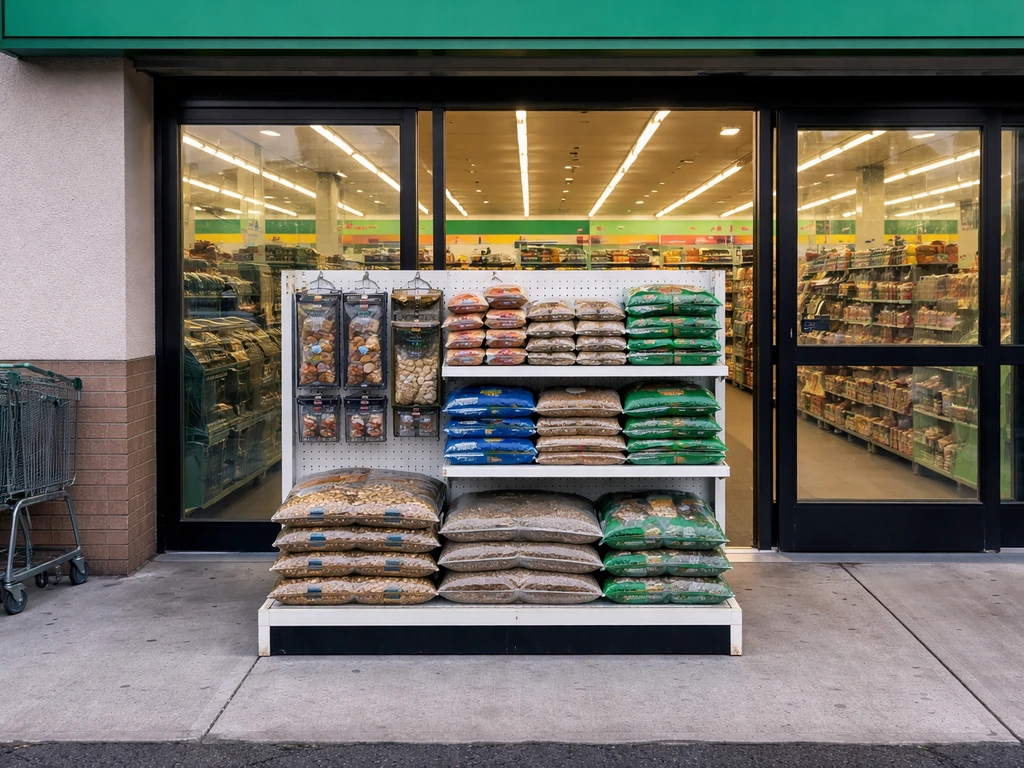
Does Dollar Tree Sell Bird Seed? How to Check and Buy
Learn if Dollar Tree sells bird seed, how to check stock, choose the right blend, and store safely to prevent pests.
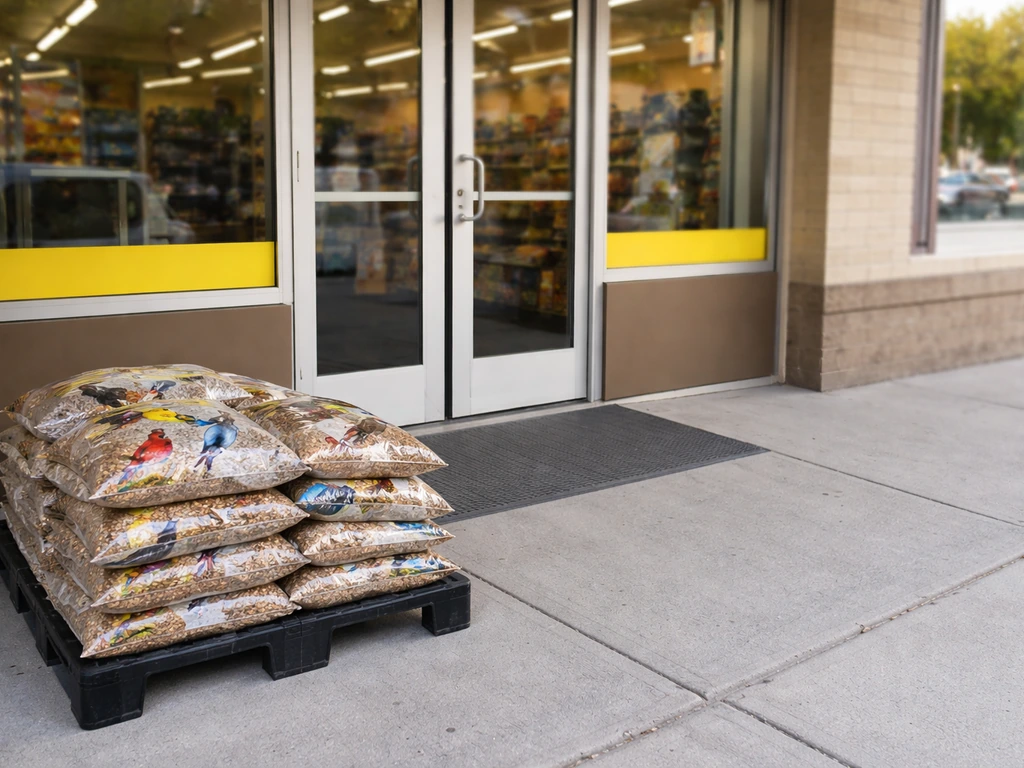
Does Dollar General Sell Bird Seed? How to Check Today
Quick answer on whether Dollar General sells bird seed and how to check stock today, plus storage and wet-seed tips.