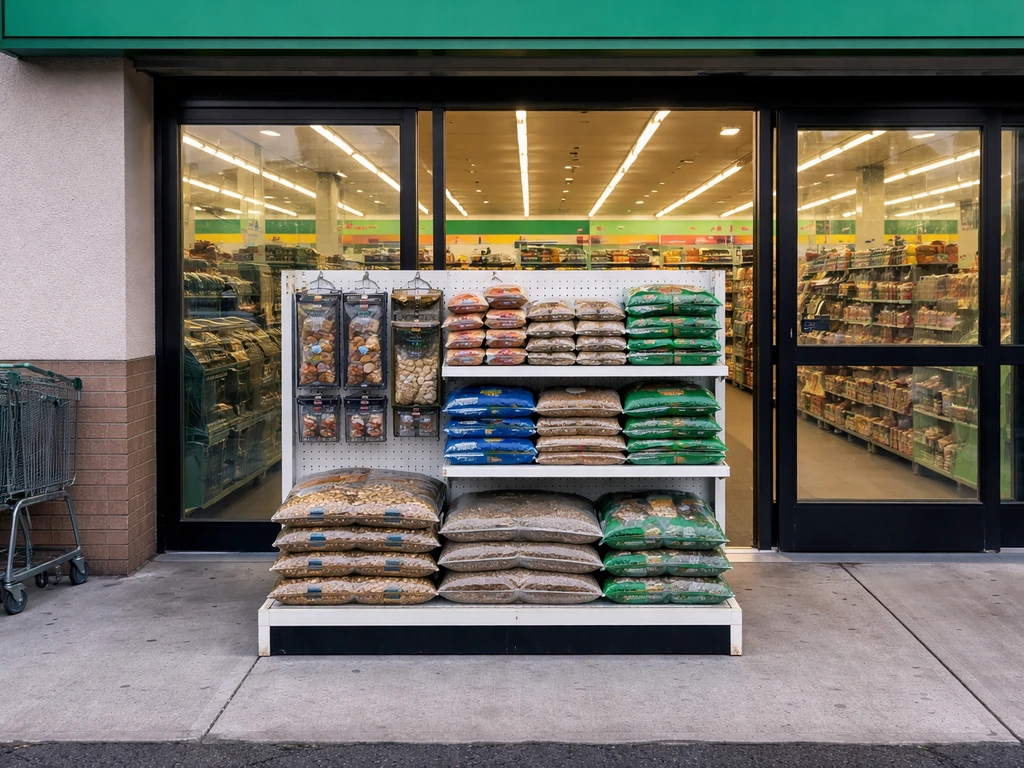
Dollar Tree does sell bird food, but not always the classic bag of mixed seed you might expect. Based on current listings, Dollar Tree carries items like suet cakes and hummingbird nectar through its same-day delivery platform. The specific products I found are "Bird Feeder's Choice Nutty No Melt Suet" (10 oz, $1.50) and "Hummer's Galore Hummingbird Nectar" (4 oz, $1.50). Traditional loose bird seed blends are less consistently stocked, so availability really depends on your specific store and the time of year. Here is how to find out today and what to do once you have something in hand.
Does Dollar Tree Sell Bird Seed? How to Check and Buy

Maya Collins
14 Apr 2026
How to check if your Dollar Tree has bird food right now
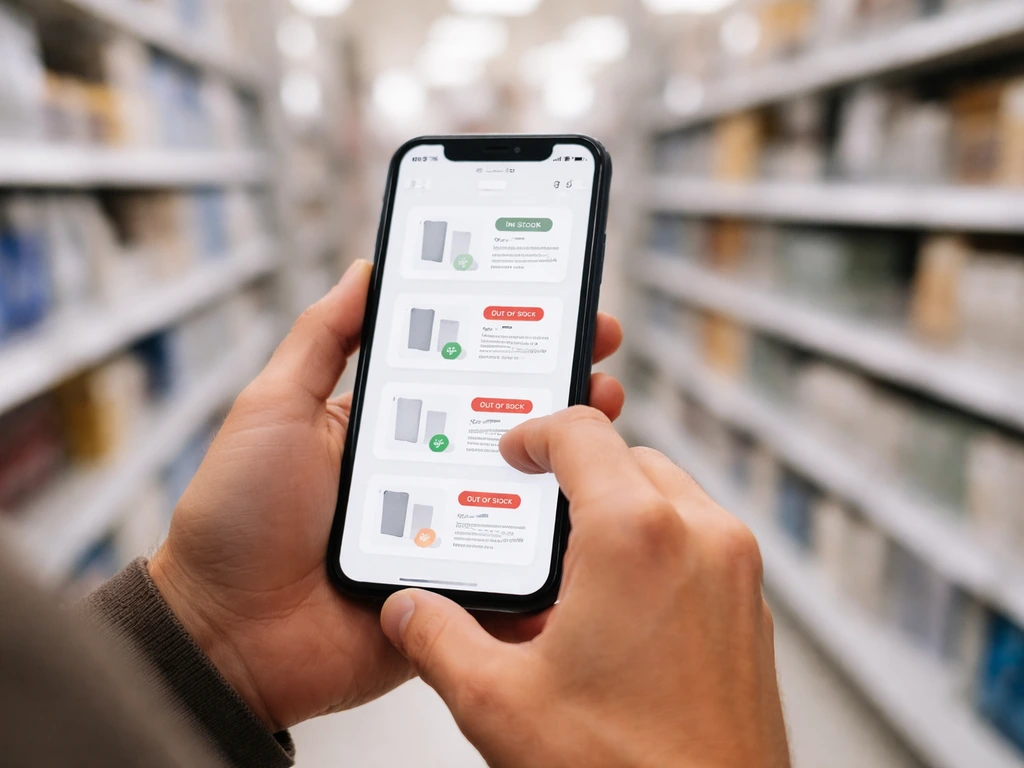
The fastest way is to go to Dollar Tree's same-day delivery pages and search for "bird seed," "bird food," and "suet" separately. Each product page will show an "Out of stock" label if your local store's same-day network doesn't have it, or it will let you add it to a cart if it's available. That in-stock/out-of-stock indicator is tied to your local store's inventory, so it's actually a useful real-time signal even if you plan to shop in person.
For in-store verification, use the official store locator at locations.dollartree.com to pull up your nearest location and check whether it offers same-day ordering. If it does, whatever shows as in stock online is likely physically on the shelf. If not, your best bet is a quick call to the store or just walking in and checking the seasonal or pet-supply aisle. If you are also wondering about other retailers like Lidl, you can check their current inventory and online listings to see whether they carry bird seed near you does lidl sell bird seed. Stock rotates frequently at Dollar Tree, so what's there one week may be gone the next.
- Search terms to use on the Dollar Tree site: "bird seed," "bird food," "suet," "nectar," "wild bird"
- Check the seasonal aisle in person, especially spring through early fall when demand is highest
- Call ahead if you're making a special trip; ask specifically about suet cakes or hummingbird nectar
- Revisit weekly if an item shows out of stock, since Dollar Tree restocks in small batches
What to actually buy if they have it
If you find the suet cake, grab it. Suet is one of the more useful things you can put out at a feeder because it attracts a wide range of species and doesn't go stale as quickly as loose seed when stored properly. The 10 oz "Nutty No Melt" style is designed to hold up in warmer temperatures, which matters because standard suet can turn rancid fast in summer heat. At $1.50, even a mediocre suet cake is hard to argue with as a supplement.
The hummingbird nectar (4 oz) is a liquid concentrate you dilute and pour into a hummingbird feeder. It works fine as a convenience item, but you can always make your own with one part white sugar to four parts water if you run out. The bottled version is useful when you just want to refill quickly. If you find loose mixed seed at your Dollar Tree, check the ingredient list before buying. Seed blends loaded with milo or red millet are typically low-quality filler that most songbirds ignore, so you want to see sunflower seeds, millet (white proso specifically), or nyjer (thistle) near the top of the list.
Storing cheap seed so it doesn't go bad
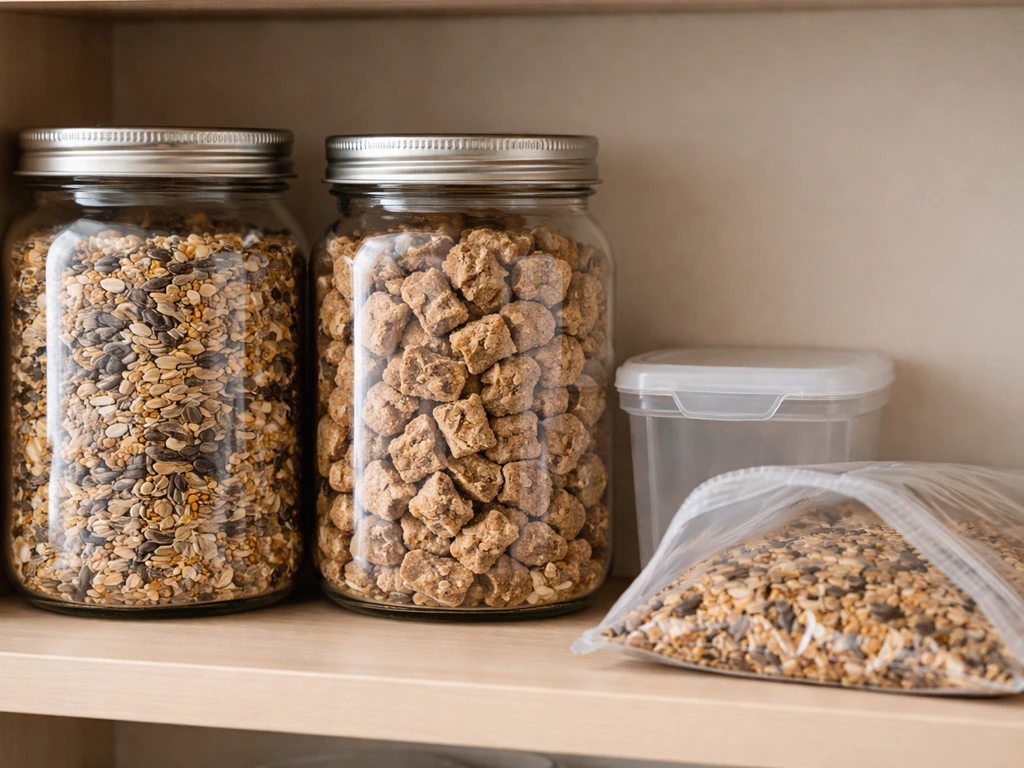
Budget bird seed and suet from discount stores can have a shorter shelf life or arrive with higher moisture content than premium brands, so storage matters more here than it might with a name-brand product. The single most important step is transferring seed into an airtight container immediately after you open the bag. Moisture is the main enemy: it triggers mold, encourages clumping, and speeds up rancidity in oily seeds like sunflower.
For insects already in the seed (which can happen with any brand), the freezer is your best tool. Place the sealed bag or container in the freezer for five days to kill any insect eggs or larvae before transferring to your storage container. This is a standard recommendation from bird supply retailers and works reliably without chemicals. After freezing, keep the seed in a cool, dry spot away from direct sunlight. A metal or hard plastic container with a tight-fitting lid in a garage or shed is ideal.
- Transfer seed to an airtight container right after opening
- Freeze new seed for 5 days to kill insect eggs before storing
- Store in a cool, dry location away from sunlight and humidity
- Use within 4 to 6 weeks once opened; suet keeps longer in cool weather but can go rancid above 80°F
- Keep hummingbird nectar in the fridge after mixing; discard unused nectar after 1 week
Troubleshooting wet, sprouted, or moldy seed
Wet or clumped seed is a signal to act, not to just spread it out and hope for the best. Moisture creates exactly the conditions that mold needs, and some molds produce mycotoxins that can harm birds. Aspergillus is a common culprit in bird seed, and the toxins it produces are not neutralized by drying the seed out again. If seed has gone visibly moldy or has a sour, musty smell, discard it. Do not put it in a feeder thinking birds will avoid the bad parts.
Sprouted seed is a different situation. If seeds have just begun to sprout (you can see tiny white tails emerging), they are technically still safe and some birds will eat them. However, once sprouting is well underway the seed is decomposing and you should discard it. Wet and humid conditions are the same ones that drive aflatoxin risk, so if your feeder regularly gets rained on or you're in a humid climate, dome-style feeder covers and frequent seed refreshes are worth the investment.
What to do if you find insects in the seed
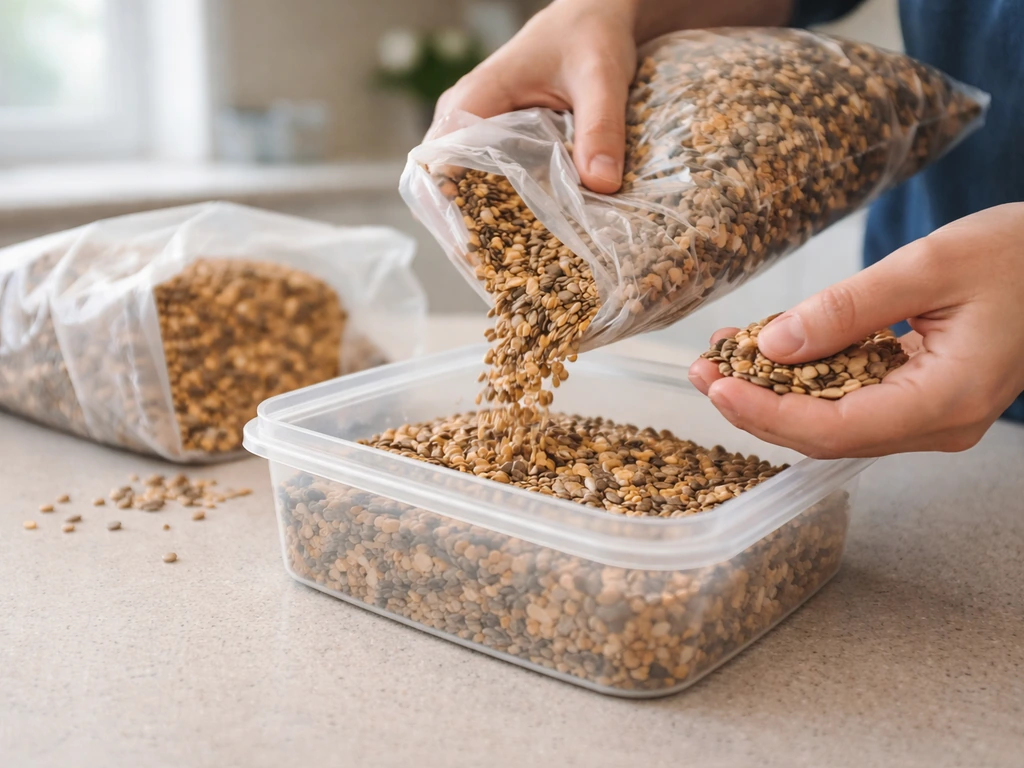
Weevils and grain moths are common in bagged bird seed, even from reputable brands. If you open a bag and see small beetles, moths, or webbing, don't panic. Transfer the seed to a zip-lock bag and freeze it for five days to kill everything present. After freezing, sift out the dead insects and use the seed normally. Going forward, the airtight-container-plus-freezing routine on new bags will stop this cycle before it starts.
Dollar Tree vs. other budget stores for bird seed
If Dollar Tree's bird food section is sparse or out of stock, you have several solid backup options at similar price points. Dollar General typically carries a broader selection of bagged seed year-round. shopping for bird seed at Dollar General is often more reliable if you want a standard mixed-seed bag rather than specialty items like suet or nectar. For larger quantities and more consistent quality, hardware and home improvement stores are worth the trip. buying bird seed at Lowe's gives you access to name-brand blends in larger bags, which brings the per-pound cost down significantly.
| Store | Typical Seed Selection | Availability | Best For |
|---|---|---|---|
| Dollar Tree | Suet, nectar; mixed seed sporadic | Inconsistent, seasonal | Suet cakes, hummingbird nectar on a budget |
| Dollar General | Mixed seed bags, sometimes suet | More consistent | Quick grab of a standard seed blend |
| Lowe's | Multiple brands, larger bags | Reliable year-round | Bulk buying, sunflower, specialty blends |
| Family Dollar | Mixed seed, limited brands | Moderate | Budget filler seed between larger purchases |
| ALDI | Seasonal, limited | Spring/fall only | Good value when in season |
| Lidl | Seasonal mixed seed | Limited, varies by region | Budget sunflower and mixed blends in season |
If you're near a Family Dollar, that's another option worth checking. what Family Dollar stocks for bird seed tends to overlap with Dollar General in terms of basic blends. Grocery chains can also surprise you. whether Food Lion carries bird seed is worth checking if you're already doing a grocery run, since they often stock a small selection of bagged seed near the pet or seasonal aisle. For discount grocery shoppers, bird seed options at ALDI can be surprisingly good value during the spring season, and Lidl's bird seed selection is similarly seasonal but competitive on price when it's in stock.
Which birds will actually show up
For suet: expect woodpeckers (downy, hairy, red-bellied depending on your region), nuthatches, chickadees, and starlings. Starlings can monopolize suet feeders fast, so if that's an issue, look for upside-down suet feeders that clinging birds handle easily but starlings don't bother with. The nutty suet variety also attracts Carolina wrens if you're in the Southeast.
For hummingbird nectar: ruby-throated hummingbirds in the East, Anna's and black-chinned in the West. If you're buying nectar in April, migration is already underway in the southern half of the country, so timing is good. Keep the feeder clean (more on that below) and change nectar every two to three days in warm weather, more frequently above 85°F.
For mixed seed blends (if you find them at Dollar Tree): mourning doves, house sparrows, and dark-eyed juncos are almost guaranteed. You may also get house finches and white-throated sparrows depending on season. Avoid putting out seed that is primarily milo or wheat if your goal is to attract songbirds. These fillers mostly attract pigeons and house sparrows and end up rotting on the ground.
Cleaning up after mold, pests, or spoiled seed
If you've had wet or moldy seed in a feeder, the feeder itself needs a proper clean before you refill it. Hot soapy water is the starting point, but it's not enough on its own to disinfect. The standard recommendation is a dilute bleach solution: 1 part bleach to 9 parts water (a 10% solution). Scrub all surfaces with a bottle brush, making sure to get into seed ports and any crevices. Rinse thoroughly with clean water and let the feeder air-dry completely before refilling. Do not skip the drying step: putting seed into a damp feeder restarts the mold problem immediately.
If you prefer to avoid bleach, blank" rel="noopener noreferrer">a 4-to-1 vinegar-to-water solution works as a milder cleaning option when mold hasn't taken hold yet. It won't disinfect as thoroughly, but it's fine for routine weekly cleaning when things look clean but you want to remove bacterial buildup. For feeders with visible mold, stick with the bleach solution. Aim to clean at minimum once a week during warm, humid months, and after any rain event that has gotten water into the seed tray.
- Empty all old or suspect seed into a trash bag and seal it
- Disassemble the feeder as much as possible
- Soak and scrub with hot soapy water using a bottle brush
- Apply a 1: 9 bleach-to-water solution to all surfaces
- Rinse thoroughly with clean water, at least twice
- Air-dry completely before adding fresh seed (30 to 60 minutes minimum)
- Dispose of moldy seed in a sealed bag, not on the ground where birds or animals can reach it
For ground cleanup under feeders where hulls and wet seed accumulate: rake up the debris regularly and dispose of it rather than letting it compost in place. Wet seed piles on the ground are a prime spot for mold, rats, and fungal growth. If you're in a wet climate or going through a rainy stretch, check under the feeder every few days. A layer of hardware cloth under the feeder stand can help with drainage and makes cleanup much easier.
FAQ
Why do I not see “bird seed” listed, even if Dollar Tree sells bird food?
Look for listings under “suet” or “hummingbird nectar” rather than only “bird seed.” Dollar Tree can stock specialty feeder foods that are not loose seed blends, so searching those terms separately gives more accurate same-day results.
If the same-day page shows bird food is in stock, will it definitely be on the shelf when I go in?
Yes, if your local same-day network shows an item as in stock, it is more likely available in-store as well, but it is not guaranteed. Online stock can update faster than shelf replenishment, so it can be worth calling the store after you see it available.
How often does Dollar Tree’s bird food stock change for my store?
Try entering your ZIP code and repeating the search after a few hours or the next day. Inventory can rotate quickly, especially seasonally, and the same item may appear or disappear based on local delivery coverage.
Can I dry out wet or moldy bird seed and reuse it?
No. Even if seed is technically “edible,” moldy, wet, or musty-smelling seed should be discarded because drying does not neutralize some mycotoxins. If the bag smells sour or has visible fungal growth, do not put it out.
What should I do if I open a bag of seed and find weevils or grain moths?
If you see small beetles, moths, or webbing, don’t dump the whole bag onto the feeder. Transfer to a sealed bag, freeze it for five days, then sift out dead insects before using.
How long should I freeze bird seed to control insects, and does the seed need to stay sealed?
For typical freezer treatment, freezing the sealed bag for five days is the practical baseline. Keep the seed sealed during freezing, then move it straight into an airtight container to prevent moisture reentry.
How do I prevent hummingbird nectar from going bad in hot weather?
Yes, in warmer or rainy weather you should consider adding a feeder cover and refreshing more often. Nectar should be changed every two to three days in warm temperatures, and faster when temperatures exceed about 85°F.
What’s the best way to clean a nectar feeder before refilling it?
Clean nectar feeders right after emptying using hot water and a bottle brush, then fully air-dry before refilling. Any residual moisture or film increases the chance of bacterial buildup and fermentation.
What feeder type works best if starlings keep taking all the suet?
For suet, look for designs that limit access by dominant species. If starlings take over easily, an upside-down suet feeder can reduce monopoly while still letting clinging birds use it.
How can I tell if a mixed seed blend will attract the birds I want?
If you are aiming for songbirds, check whether the main ingredients are sunflower, white proso millet, or nyjer. Blends dominated by milo or wheat often attract mostly pigeons and house sparrows and can waste your budget.
Is sprouted bird seed safe to feed?
You should not assume sprouted seed is fine once sprouting is well underway. Tiny early sprouts can be eaten, but advanced sprouting means decomposition, so discard it, especially in humid climates.
What should I do after a feeder gets rained on?
If rain gets into the seed tray or the feeder gets wet, clean and refill promptly. After any rain event, inspect the feeder and seed, discard spoiled material, and make sure the feeder is completely dry before adding fresh seed.
Should I clean under the feeder too, or only the feeder itself?
Yes. Under-feeder cleanup matters because spilled hulls and wet seed can become a mold hotspot. Rake debris regularly and consider a hardware cloth barrier to improve drainage and make cleanup easier.