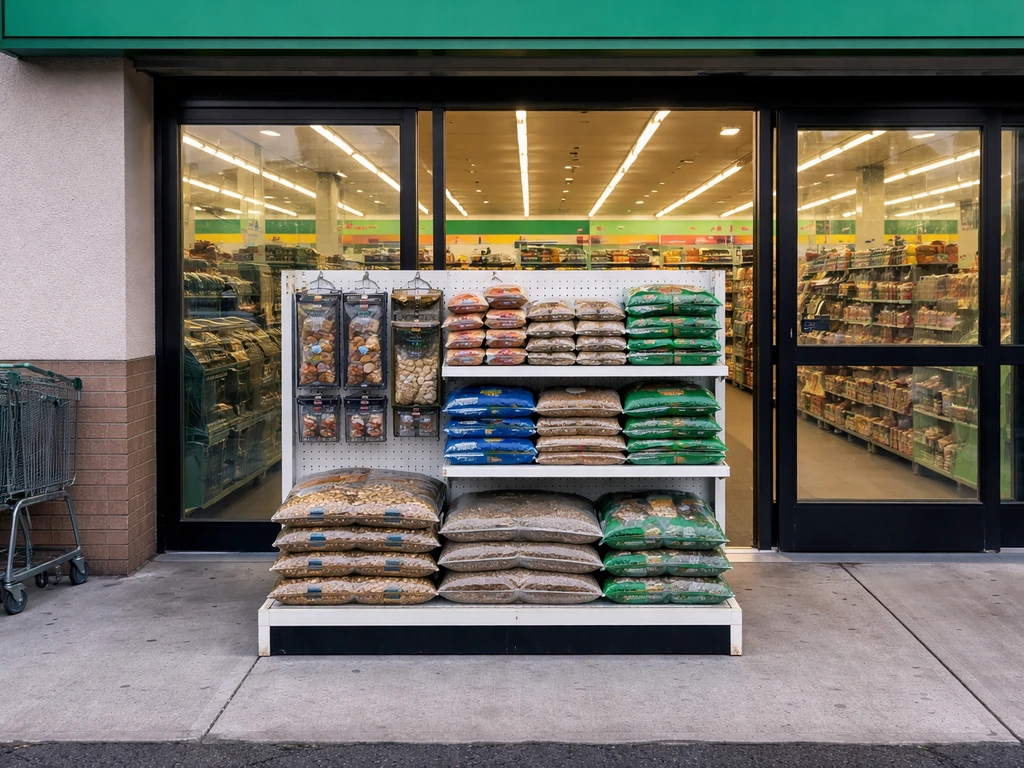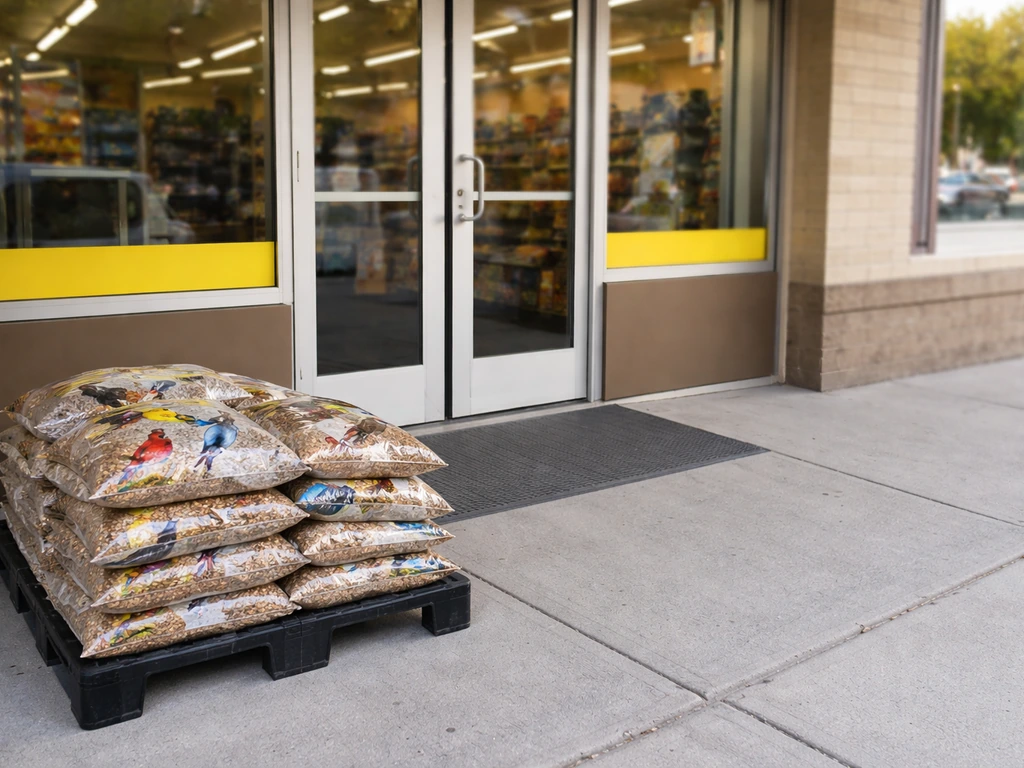
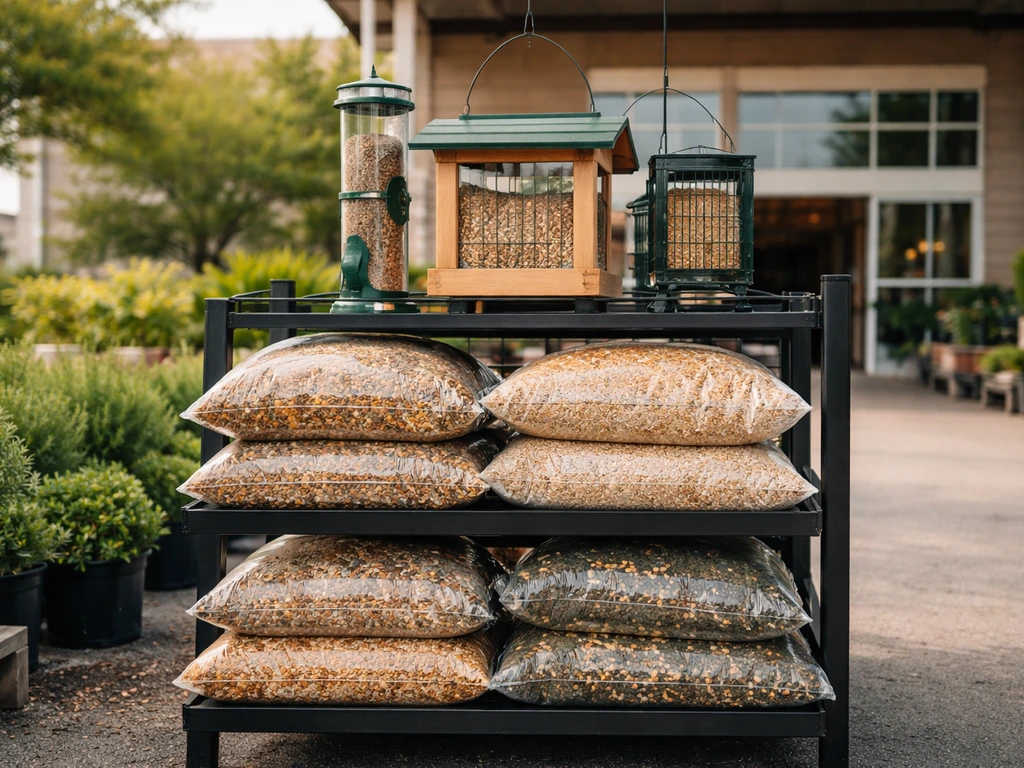
Yes, Lowe's sells bird seed. As of today, Lowe's carries bird seed both in-store and online under its Garden Decor department, specifically within the Bird & Wildlife section. Lowe’s provides a dedicated online bird seed category page under Garden Decor → Bird & Wildlife → Bird Seed. You can find loose seed, pre-mixed blends, and specialty formulas in multiple bag sizes, alongside a full range of bird feeders. If you're heading to Lowe's specifically to set up a backyard feeding station, you're in the right place for both pieces of the puzzle.
Does Lowe’s Sell Bird Seed? Where to Find It and Feeders
Maya Collins
16 Apr 2026
Where to find bird seed inside a Lowe's store
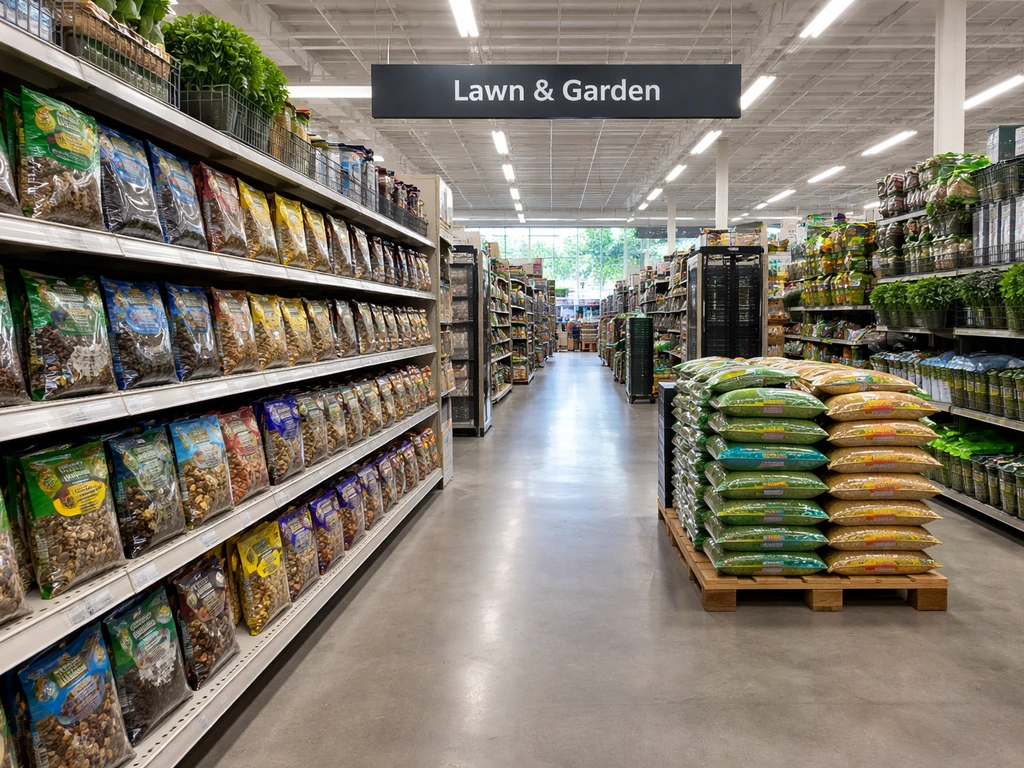
Walk past the main checkout lanes toward the Lawn & Garden section, which is usually near the back or along a side of the building depending on your store layout. Once you're in Lawn & Garden, look for the outdoor living or Garden Decor aisle cluster. Bird seed sits under the Bird & Wildlife subsection, which is typically shelved near patio and garden decor, not in a general pet supply aisle. On Lowe's website, the path is Lawn & Garden → Bird Seed, and that same physical logic carries through in-store.
If you're not sure where to start, use the Lowe's store app or ask any floor associate to confirm the aisle number for "Bird & Wildlife Food." Lowe's in-store navigation on the app actually lets you search a product and it will show you the bay and shelf location for your specific store, which saves a lot of walking. You can also check online availability before leaving home: search "bird seed" on Lowes.com, filter by "in-store" and your zip code, and see which specific bags are on the shelves today.
Product types you'll typically find on the shelf include 20 lb pre-mixed wild bird blends (like Lyric High Energy Fruit and Nut mixes), larger 25 lb bags aimed at attracting a broader range of backyard birds, and sometimes smaller specialty or single-seed options like sunflower or safflower. Availability can vary by region and season, so checking the Lowe's site ahead of time is worth the two minutes.
Yes, Lowe's sells bird feeders too
Lowe's has a dedicated Bird Feeders category right next to the seed section, both online and in the store aisle. Lowe’s has a dedicated online category page for bird feeders under Garden Decor → Bird & Wildlife → Bird Feeders Lowe’s has a dedicated Bird Feeders category. The selection covers tube feeders, platform feeders, hopper feeders, suet cages, and specialty feeders in various materials including cedar, metal, and plastic. The category page specifically notes they carry feeders in many shapes, sizes, and colors to suit local birds, which is accurate in practice. You'll usually find budget plastic options starting around $10 and cedar or decorative feeders running $30 to $60 or more.
Matching the feeder to the seed and bird you want
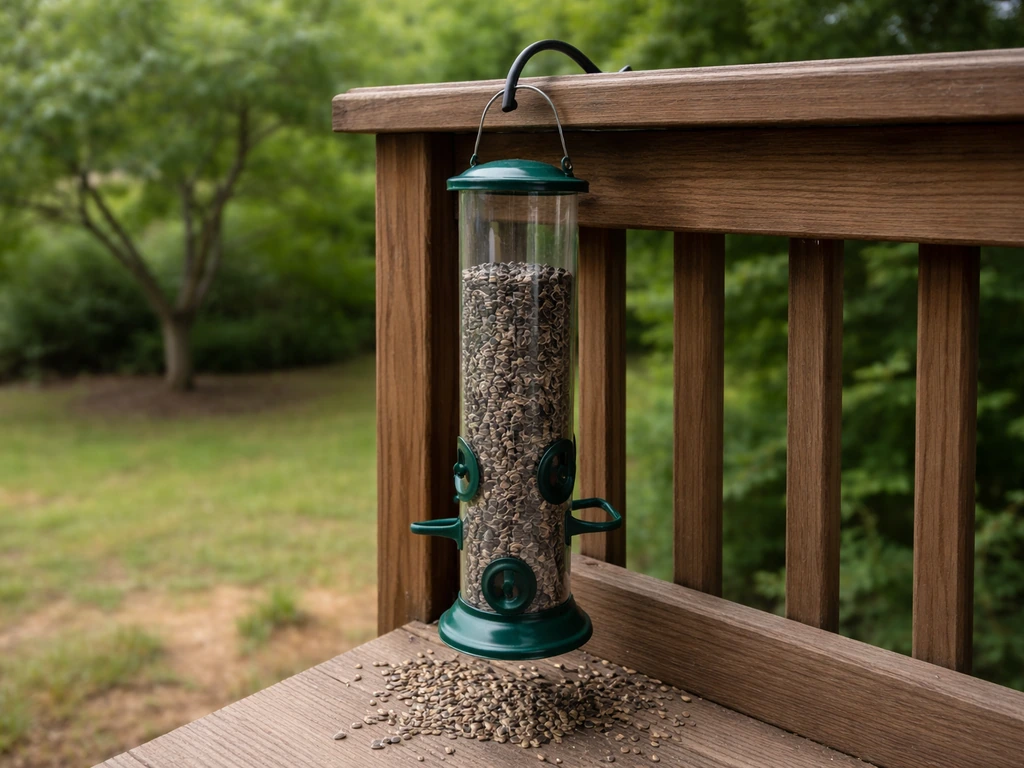
Seed and feeder type are not interchangeable, and buying a bag of mixed seed without thinking about feeder design is a common mistake that wastes money and attracts the wrong birds. Here's the short version of what works together:
| Bird Target | Best Seed | Feeder Type |
|---|---|---|
| Cardinals | Safflower or sunflower (in shell) | Hopper or platform feeder |
| Finches (goldfinch, house finch) | Nyjer (thistle) seed | Tube feeder with small ports |
| Chickadees, nuthatches | Black oil sunflower seed | Tube or hopper feeder |
| Bluebirds | Mealworms or fruit/nut blends | Platform or open tray feeder |
| Mixed songbirds | Pre-mixed wild bird blend | Hopper or platform feeder |
Lowe's online category filters let you sort bird seed by attraction tags like "Attracts Cardinals," "Attracts Finches," and "Attracts Bluebirds," which makes finding the right bag easy once you know which birds you're targeting. Use those filters both online and as a reference when you're standing in the aisle.
Picking the right seed blend at the shelf
The most practical general-purpose choice for most backyard setups is black oil sunflower seed, either on its own or as the primary ingredient in a mixed blend. It has a thin shell that most birds can crack, it has high fat content, and it attracts the widest range of species. Check the ingredient list on any mixed bag: if sunflower seed is listed first or second, it's a quality blend. If the first ingredient is milo, red millet, or wheat, most songbirds will kick it out of the feeder onto the ground.
Lowe's also carries Lyric brand blends, which are considered a step above budget generic mixes because they use higher proportions of preferred seeds and include additions like fruit and tree nuts. For finch-specific feeding, look for Nyjer seed (sometimes labeled thistle), sold in smaller bags since it requires a dedicated tube feeder with tiny ports. If you're buying a 20 or 25 lb bag of a general mix, smell the bag before you buy: it should smell faintly nutty or neutral. A musty or sour odor means the seed has already degraded.
If you're comparing prices across stores rather than committing to Lowe's specifically, it helps to know what other retailers carry. Aldi sometimes sells bird seed at a lower price point, though the selection is more limited and seasonal. And if you're running low mid-week between Lowe's runs, knowing that Food Lion carries bird seed in its grocery aisles can be a useful backup.
Storing bird seed after you get it home
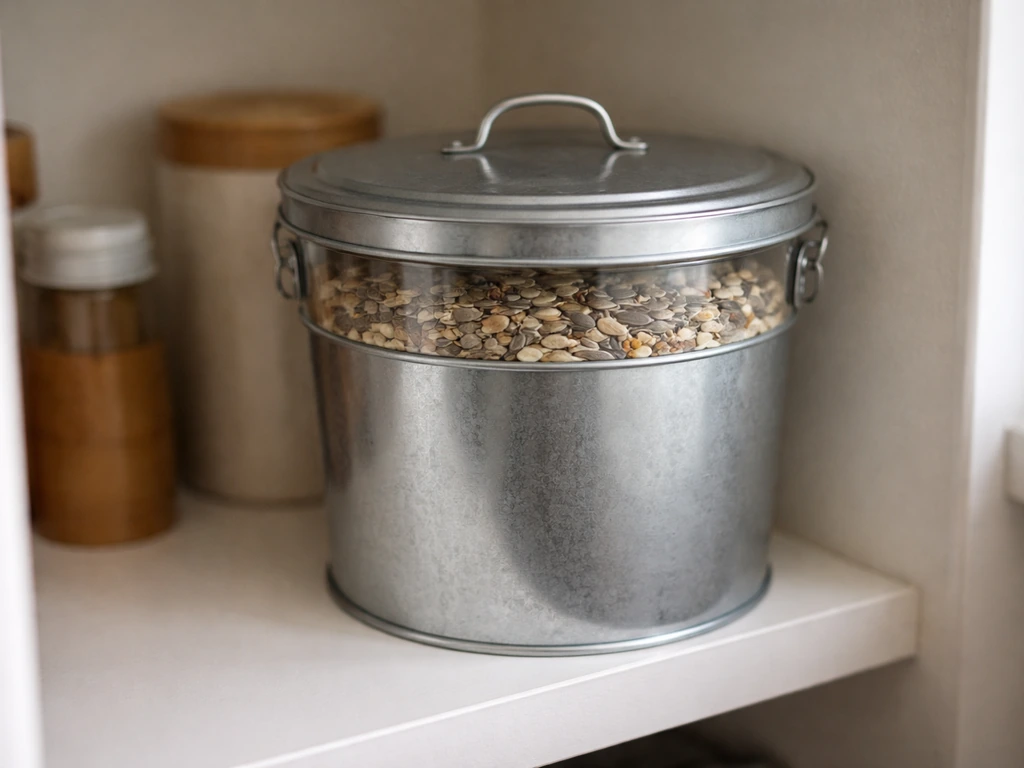
Most bird seed has a practical shelf life of 6 to 12 months if stored correctly, and much shorter if you get this wrong. The two biggest threats are moisture and pests. Moisture leads to mold, and mold produces aflatoxins that can kill birds. Rodents and insects, especially grain beetles and weevils, can colonize a bag within weeks in warm weather.
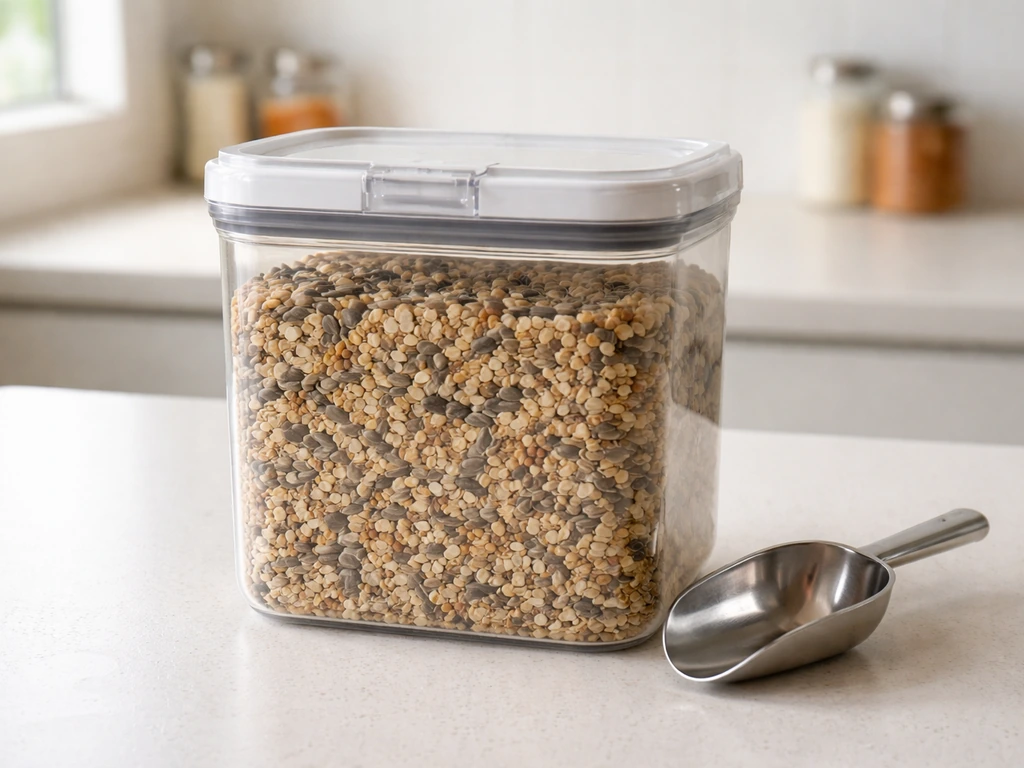
The best container is a metal or thick hard plastic bin with a tight-fitting lid, stored in a cool, dry location: a garage, shed, or basement works well. Avoid storing seed directly on a concrete floor because concrete retains moisture and transfers it to the bag. Keep the container off the floor on a wooden pallet or shelf. Never store seed in a hot car trunk or a greenhouse-style shed where temperatures regularly exceed 85°F, since heat accelerates oil degradation in the seed and makes it go rancid faster.
- Use a metal or rigid hard plastic container with a locking or tight lid
- Store in a location where temperatures stay below 70°F if possible
- Keep off concrete floors to avoid moisture wicking
- Don't mix old seed and new seed in the same container (use the old batch first)
- Check every 4 to 6 weeks for signs of moisture, clumping, or insects
Budget shoppers who pick up seed from discount stores often run into storage problems faster because those bags sometimes sit in warehouses longer before reaching shelves. Whether you're shopping at Lowe's or checking whether Dollar General carries bird seed for a quick top-up, the storage rules are identical: get it into a sealed container the same day you bring it home.
What to do when seed goes bad
Bad seed is one of the most common backyard bird feeding mistakes, and it's genuinely dangerous for birds. Here's how to identify it and what to do.
Wet or clumped seed
If seed in your feeder or storage bin has clumped together or feels damp, it has absorbed moisture. Wet seed can develop bacterial growth within 24 to 48 hours in warm weather. Don't try to dry it and re-use it. Discard it in an outdoor trash bin away from your feeding area, and rinse your feeder with a 9:1 water-to-bleach solution (about 1 part bleach per 9 parts water), then let it air dry completely before refilling. This is not optional: birds feeding on moldy seed can develop aspergillosis, a respiratory fungal infection.
Sprouted seed
Sprouted seed under a feeder is a sign that seed is spilling, getting wet on the ground, and germinating. The sprouts themselves aren't toxic, but they signal that ground conditions are wet and that decomposing seed debris is building up. Rake up the sprouted material, dispose of it, and either add a seed catcher tray under your feeder or switch to a no-mess blend (hulled sunflower or shelled peanuts) that won't sprout. Some people also lay landscape fabric under the feeding area and cover it with gravel to prevent germination and make cleanup easier.
Moldy seed
Visible mold (gray, green, or white fuzz on seed) means the entire batch needs to go. Don't pick around it. Mold spores spread through the whole container, and the mycotoxins they produce are invisible. Wear gloves when handling moldy seed, bag it in a sealed garbage bag before discarding, and wash your hands and any surfaces it touched. Clean the storage bin with the same bleach-water solution mentioned above. To prevent recurrence, add a food-safe desiccant packet to the bottom of your storage bin and replace it every 3 months.
If you're buying seed from a smaller or discount retailer, turnover rates matter more. Stores with lower foot traffic may have seed sitting on shelves longer. It's worth checking whether Dollar Tree sells bird seed and understanding that the shelf life of those products may be shorter than what you'd find at a dedicated home improvement retailer like Lowe's with higher product turnover. The same logic applies if you're comparing Family Dollar's bird seed selection or checking what Lidl carries in its bird seed aisle: always check the bag's production or best-by date before buying, regardless of where you shop.
Quick recap before your Lowe's trip
- Go to Lawn & Garden, find the Bird & Wildlife aisle, look for Bird Seed and Bird Feeders side by side
- Use the Lowe's app to check your store's exact aisle and current stock before you walk in
- Pick your seed based on which birds you want: sunflower for most songbirds, Nyjer for finches, blends with fruit or nuts for bluebirds
- Buy a feeder that matches the seed type: tube for Nyjer, hopper or platform for sunflower and mixed blends
- Transfer seed to a sealed metal or hard plastic bin the same day you get home
- Check stored seed every 4 to 6 weeks; discard anything wet, moldy, or clumped immediately and clean the feeder before refilling
FAQ
If my local Lowe’s is out of bird seed, what should I do?
Yes, but availability varies by store and season. If you cannot find “Bird & Wildlife” food in your local Lowe’s, check the Lowe’s app for your specific zip code and look for in-store pickup, or call the store to confirm the exact item name (for example, black oil sunflower versus a finch-only mix).
Can I use any bird seed in any feeder?
Typically no. Mixed blends are usually designed for general backyard feeding, but they often contain hulled and unhulled components that may not work well with finch tube feeders (tiny ports) or with suet holders. If you want finches, look for Nyjer (thistle) specifically, then match it to the right feeder type.
How long does bird seed last after I buy it from Lowe’s?
For most general mixes, 9 to 12 months is a reasonable window if the bag stays sealed until you open it and you store it in a sealed container in a cool, dry place. Once opened, expect quality to decline faster, and you should replace seed sooner during humid months or if you notice an off smell.
What should I check on the bag before buying bird seed at Lowe’s?
If the bag looks dusty, feels clumpy, or smells musty, don’t buy it even if the best-by date hasn’t passed. Also check for tears in the bag and for any insects you can see inside the packaging, since pests can start in the bag before you bring it home.
What’s the safest way to handle bird seed that got wet or clumped together?
If you see mold, damp clumps, or sprouts, do not reuse the seed. Clean the feeder and any nearby surfaces first (bleach-water solution), then run fresh seed only after the feeder is fully dry. This prevents continued exposure to mold spores and mycotoxins.
What storage mistakes cause bird seed to go bad faster?
A thick lid on a metal or hard plastic bin matters, and so does placement. Keep the container off concrete, store it in a temperature-stable area, and avoid storing seed in a hot garage corner or near freezers or water lines where condensation can form.
How do I choose a seed blend based on the birds I’m seeing?
If you want the widest variety of birds, start with black oil sunflower as the primary ingredient, then adjust based on what shows up. If you see mostly finches, switch to Nyjer in a dedicated small-port tube feeder rather than adding Nyjer into a big mixed bag.
How can I tell if a mixed seed bag from Lowe’s is good quality?
Yes, but label reading is the key. Look for ingredient order, and avoid mixes where milo, red millet, or wheat are first, because many songbirds drop those seeds. If sunflower is listed first or second, you usually have a better general blend.
How can I prevent sprouted seed under my feeder?
Often, you can use seed catchers, baffles, or a feeder stand design to reduce waste. Lower ground spill decreases sprouting and also reduces pests, so pairing seed choice with a feeder setup can be more effective than repeatedly buying new seed.
What if I buy seed from Lowe’s, but I’m not attracting the birds I expected?
If you are only seeing one or two species, check for mismatch rather than assuming seed quality. Make sure the seed type matches the feeder design (for example, Nyjer for finch tubes), and consider that some birds avoid certain feeder styles or locations if there is little cover nearby.