Yes, Family Dollar does sell bird seed. Their online same-day delivery listings show Ashland Farms Wild Bird Seed in a 5 lb bag, and the store also carries small bird diet products like Hartz Bonanza Small Bird Diet. That said, in-store stock varies by location, so what's available on the website may not be sitting on the shelf at your nearest store today.
Does Family Dollar Sell Bird Seed? How to Check and Alternatives
Maya Collins
3 May 2026
What Family Dollar Actually Stocks
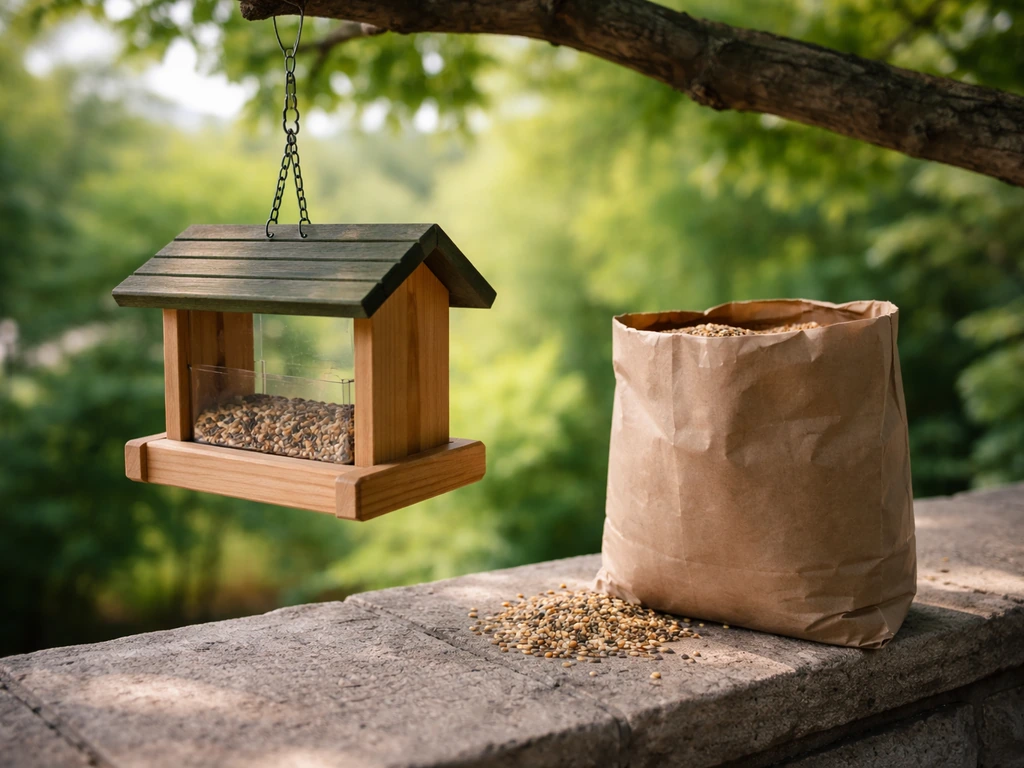
The main product to look for is Ashland Farms Wild Bird Seed in a 5 lb bag. It shows up on Family Dollar's same-day fulfillment site under two separate listings, which suggests it's a relatively consistent SKU across their inventory. Beyond basic wild bird seed, they also stock small bird diet products aimed at pet birds, so don't be surprised if you see both types on the shelf or listed online.
Family Dollar leans toward budget-friendly, no-frills products. You're not going to find premium species-specific blends or large 20 lb bags here. Think of it as a reliable grab-and-go option for a standard wild bird seed mix, not a specialty bird feeding shop.
How to Check if Your Specific Store Has It Right Now
Don't just drive over and hope. Stock at dollar store chains can be inconsistent, and bird seed is a seasonal item that sells fast. Here's how to verify before you go:
- Use the Family Dollar store locator on their official website. Enter your city, state, or ZIP code to find the nearest location and pull up the store's phone number.
- Check the Family Dollar same-day delivery site for your area. If the Ashland Farms Wild Bird Seed 5 lb shows as available for same-day delivery to your address, there's a good chance a nearby store has it in stock.
- Call the store directly and ask for the exact product by name: 'Do you have Ashland Farms Wild Bird Seed, the 5 lb bag?' Giving the brand name and size is far more likely to get you a useful answer than asking generically for 'bird seed.'
Calling ahead takes 90 seconds and saves a wasted trip. If you want to confirm which Family Dollar location is closest, use Family Dollar’s official store locator at locations.familydollar.com, where you can search by city, state, ZIP code, or store number Calling ahead takes 90 seconds and saves a wasted trip.. Store employees can physically check the shelf when you give them a specific product name to look for.
If Family Dollar Doesn't Have It, Here's Where to Look Next
If your local Family Dollar is out of stock or doesn't carry bird seed at all, you have solid options nearby. Dollar General is a comparable first stop and frequently stocks wild bird seed as well. Tractor Supply is one of the best alternatives if you want more variety: they carry seed by type (black oil sunflower, mixes, suet cakes, treats) and usually have it year-round. Grocery stores and home improvement retailers like Lowe's are also worth checking if you need something today. Does lowes sell bird seed? Does Food Lion sell bird seed too? It can be worth checking their in-store stock or website listings before you go. Check their garden or outdoor bird-feeding aisle for current availability Lowe's.
If you're truly in a pinch and can't get to a store quickly, plain unsalted raw sunflower seeds from a grocery store baking or snack aisle work as a short-term substitute for many backyard birds. Just avoid anything salted, flavored, or roasted in oil. It's not a long-term solution, but it keeps the birds fed while you track down a proper bag of seed.
Other discount chains like Dollar Tree and Aldi occasionally carry bird seed seasonally, so those are worth a quick check too. While Family Dollar may vary, Dollar Tree sometimes stocks bird seed seasonally as well. Stock tends to be limited and inconsistent at those stores, but if one is closer to you than a Tractor Supply or garden center, it's worth the phone call.
Picking the Right Bird Seed When You Find It
Whether you're buying from Family Dollar or anywhere else, not all seed is equally useful. Here's how to make a smart choice quickly.
Black oil sunflower seed is your best all-around pick
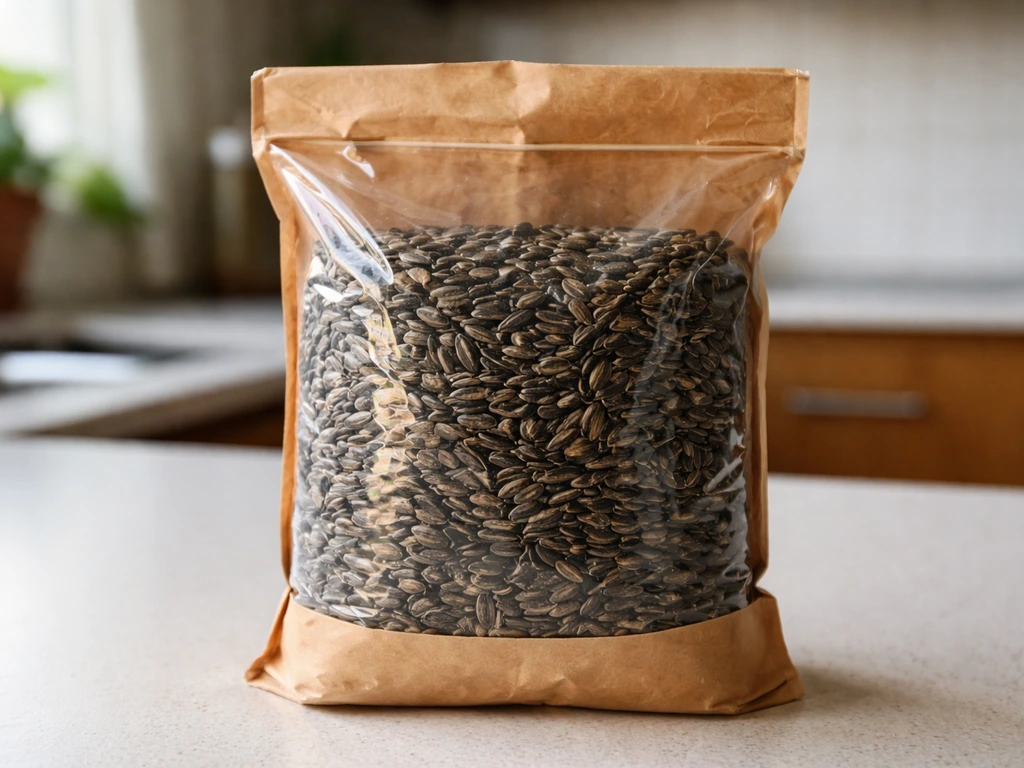
Black oil sunflower seed is the single most effective seed for attracting the widest range of backyard birds, including chickadees, finches, nuthatches, cardinals, and sparrows. The shells are thinner than striped sunflower, making them easier for small birds to crack. If you can find a bag that's mostly or entirely black oil sunflower, grab it. A standard wild bird mix from Family Dollar will usually contain some sunflower along with millet, milo, and filler grains, which is fine but less efficient.
Niger (thistle) seed for finches specifically
If you want to attract goldfinches, pine siskins, or redpolls, niger seed (sometimes labeled thistle) is the targeted option. You won't find it at Family Dollar, but Tractor Supply and most garden centers stock it. You'll need a specialized nyjer feeder with small ports for it to work properly.
Quality cues to look for on the bag
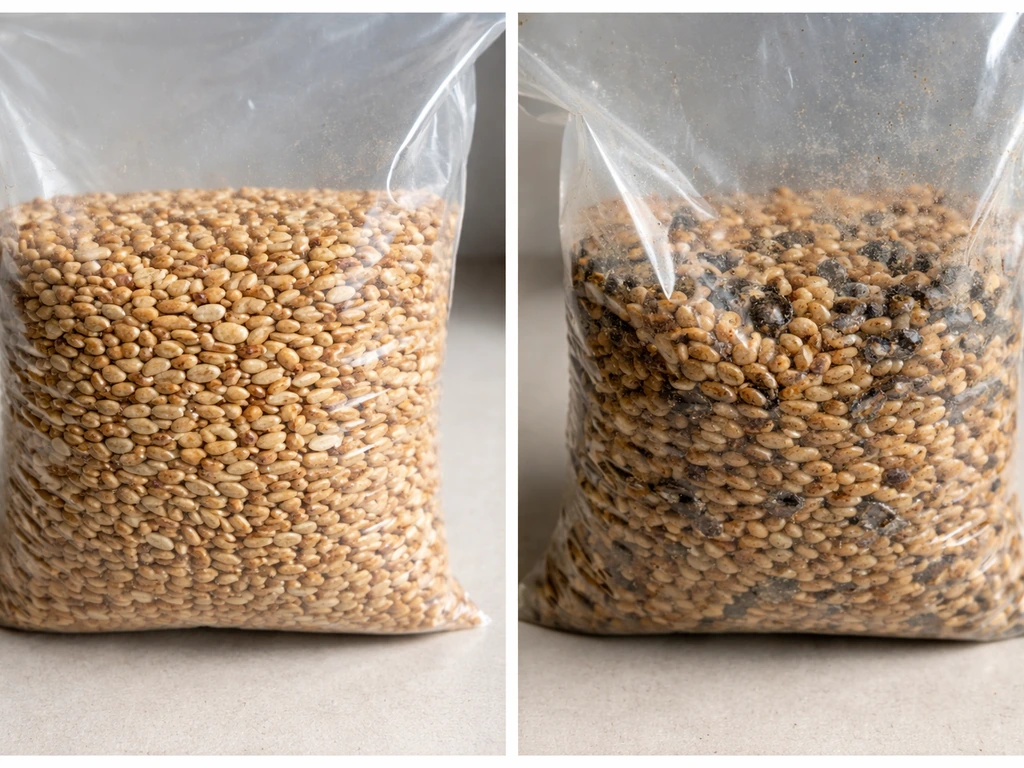
- Seed should look dry and uniform, with no clumping or dusty residue inside the bag.
- Check the bag for any moisture, mold smell, or dark discoloration through the packaging.
- Avoid bags with a lot of red milo (the small round reddish grain): most songbirds reject it, and it often fills cheap mixes as filler.
- Look for a bag that lists black oil sunflower as the first or second ingredient if you want broad appeal.
Storing Seed at Home So It Doesn't Go Bad
A 5 lb bag from Family Dollar is a manageable size, but storage still matters. Seed that gets wet or warm spoils quickly, and moldy seed is genuinely harmful to birds.
The basics of good seed storage
- Transfer seed to an airtight container (a metal trash can with a lid or a sealed plastic bin) as soon as you get home. The original bag is not moisture-proof.
- Store in a cool, dry location: a garage, shed, or basement is ideal. Avoid storing near a heat source or anywhere that gets humid.
- Keep stored seed off the ground to discourage rodents.
- Dry seed stored properly stays good for about 6 to 12 months. Once you notice a musty smell or visible clumping, discard it.
What to do with wet or sprouted seed
If seed in your feeder gets rained on or develops sprouts, remove it immediately and discard it. Don't just add fresh seed on top. Wet seed is a breeding ground for mold (including aspergillus fungi) that can cause respiratory disease in birds. Sprouted seed isn't automatically harmful but is a sign the feeder isn't draining well or is staying too damp. Fix the feeder drainage issue before refilling. On dry, sunny days you can sometimes spread a thin layer of damp (not moldy) seed on a clean dry surface to dry it out, but when in doubt, throw it out.
Keeping pests out of your seed supply
- Metal containers deter rodents far better than plastic bins, which mice and squirrels can chew through.
- Don't leave the original paper or thin plastic bag sitting in a garage: rodents will find it overnight.
- Wipe up any spilled seed immediately near storage areas.
- If you notice rodent activity, switch to a metal container with a tight-fitting lid and consider placing it in a less accessible spot.
Setting Up and Maintaining Your Feeder Safely
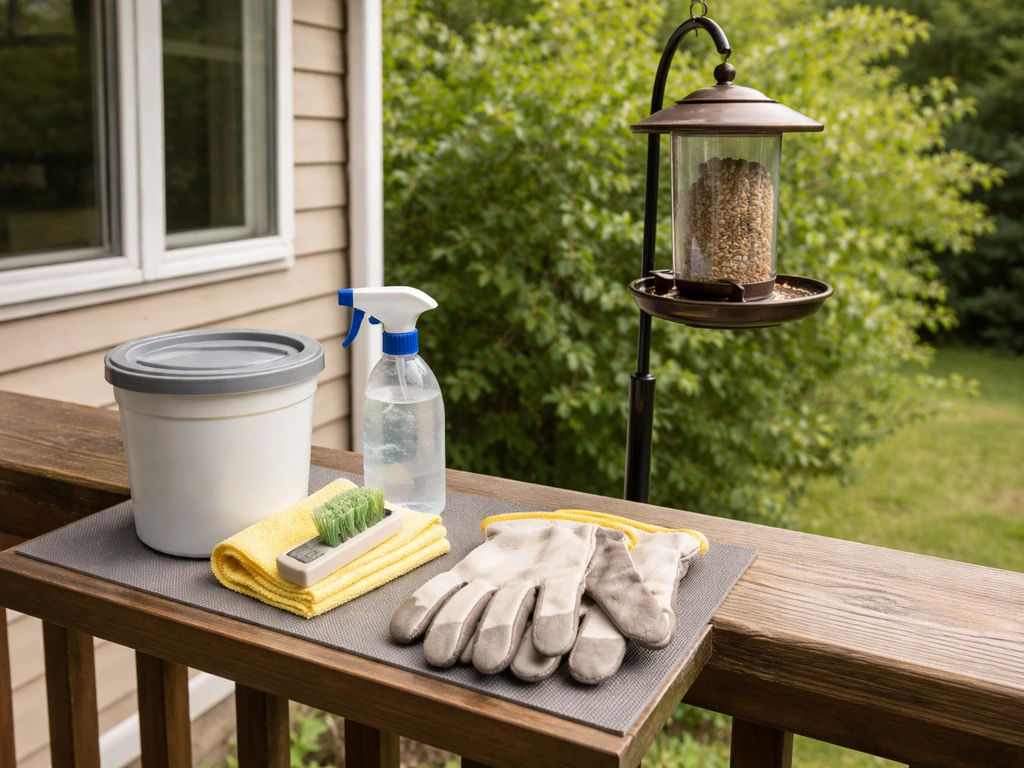
Getting seed is only half the job. How you set up and maintain the feeder determines whether birds stay healthy or get sick at your yard.
Feeder and tray placement
- Place feeders at least 3 feet from windows to reduce collision risk, or more than 30 feet away if possible.
- Position feeders where you can easily reach them for cleaning: accessibility matters or cleanings get skipped.
- Keep feeders away from dense shrubs at ground level where cats can hide and ambush birds.
- If you're using a tray or platform feeder, make sure it has drainage holes so rainwater doesn't pool and soak the seed.
How often to clean and exactly how to do it
Clean seed feeders at least once every two weeks under normal conditions. During warm, humid weather or after rain, clean weekly. The cleaning process is straightforward: empty all remaining seed, discard it if it looks or smells off, scrub the feeder with a brush to remove debris and droppings, then soak or rinse with a diluted bleach solution of 1 part bleach to 9 parts water (a 10% bleach solution). Rinse thoroughly and let the feeder dry completely before refilling. A wet feeder will make fresh seed go bad faster.
Do not clean feeders in your kitchen sink or any food prep area. Use an outdoor utility sink, a bucket, or a hose setup in the yard. This is a CDC recommendation and a practical hygiene point: bird feeders carry bacteria and droppings that you don't want near food surfaces.
Ground cleanup under the feeder
Seed hulls and discarded seed accumulate under feeders quickly. This debris gets wet, molds, and can harbor bacteria and fungal spores. Sweep or rake under the feeder at least once a week, and more often during wet weather. If you see a dark, wet mat of decomposing seed under your feeder, that needs to be removed and the ground area raked out. Some people put a catch tray under the feeder to make cleanup easier, but the tray itself then needs regular cleaning.
Protecting yourself while handling seed and feeders
Always wash your hands with soap and water after handling bird seed, feeders, or anything from the feeder area. If you're cleaning a heavily soiled or potentially disease-exposed feeder, wear disposable gloves. This is standard CDC guidance for anyone handling wild bird equipment, and it takes 20 seconds to protect yourself from salmonella and other pathogens that can move from birds to humans through contaminated surfaces.
Quick Reference: Feeder Care at a Glance
| Task | Frequency | Key Detail |
|---|---|---|
| Clean seed feeders | Every 1 to 2 weeks (weekly in warm/wet weather) | 1 part bleach to 9 parts water, rinse fully, air dry before refilling |
| Sweep ground under feeder | Weekly or after rain | Remove wet, moldy hull debris to prevent disease buildup |
| Check seed in feeder | Every 2 to 3 days | Remove and discard any wet, clumped, or sprouted seed immediately |
| Wash hands | Every time after handling feeder or seed | Soap and water, 20 seconds minimum |
| Rotate stored seed | Every 6 to 12 months | Discard any seed that smells musty or shows clumping or mold |
FAQ
How can I confirm the exact bird seed type (not just “bird seed”) at my local Family Dollar?
When you call or check online, ask for the specific brand and format, for example “Ashland Farms Wild Bird Seed, 5 lb bag,” and also ask whether they carry it year round or only seasonally. Store stock can differ from the website, and employees are more likely to find the right item when you provide the exact name and bag size.
If Family Dollar does not have bird seed, will any substitute be safe for most backyard birds?
A short-term substitute is plain, unsalted raw sunflower seeds, but avoid flavored, salted, honey-roasted, and oil-roasted options. Those can upset birds or reduce feeding interest. If you switch from mixed seed to sunflower-heavy seed, you may see different bird species within a day or two.
Is it better to use a wild bird mix or black oil sunflower seed for small birds?
Black oil sunflower is usually more effective for small birds because the shells are easier to crack. With a typical wild bird mix, you still attract birds, but fewer individuals may manage the harder grains, especially smaller finches and chickadees.
Can I add fresh seed on top of wet seed if I only got caught in a quick rain?
No, replace wet seed. Wet seed can grow mold and bacteria quickly, and topping off makes it harder to remove the contaminated layer. Empty the feeder, discard the wet portion, and refill only after the feeder and surrounding debris are cleaned.
What should I do if I see mold or if the seed smells musty?
Do not try to “salvage” it. Discard the seed immediately, clean the feeder, and let it dry completely before refilling. Musty odor or visible fuzzy growth is a sign the seed has spoiled and can contribute to respiratory problems in birds.
How often should I clean a feeder if the weather is hot and humid?
Clean more frequently in warm or wet conditions. As a rule of thumb, move from every two weeks to weekly after rain or in humid stretches, and also clean right away if birds seem reluctant to feed or the seed is clumping.
Do I need a special feeder for niger seed (thistle) if I want goldfinches?
Yes, niger seed typically requires a feeder designed for very small ports so the seed can dispense properly. Without the right feeder, much of the seed may spill or birds may be unable to access it efficiently, which reduces visits.
Is it okay to wash feeders in the garage or use a hose?
Yes. Use an outdoor utility sink, a bucket with a controlled wash area, or rinse with a hose outdoors. Keep the wash process away from kitchen food prep surfaces to reduce cross-contamination from droppings and feeder bacteria.
What’s the safest way to handle bird seed if I’m worried about illness or children/pets?
Wear disposable gloves for heavy cleanups, and wash hands with soap and water after handling seed, feeders, or anything under the feeder. Keep pets from drinking from puddles or chewing feeder debris, and store seed in a sealed container to keep it dry and reduce exposure to pests.
How long does a 5 lb bag stay “good,” and what storage mistakes ruin it?
Use the seed soon after purchase, and store it in a dry, sealed container. Avoid leaving it in a humid garage, directly on concrete floors, or in damp sheds, since moisture and warmth can cause spoilage and mold even if the bag looks intact.