Yes, Home Depot sells bird seed, bird food, and bird feeders
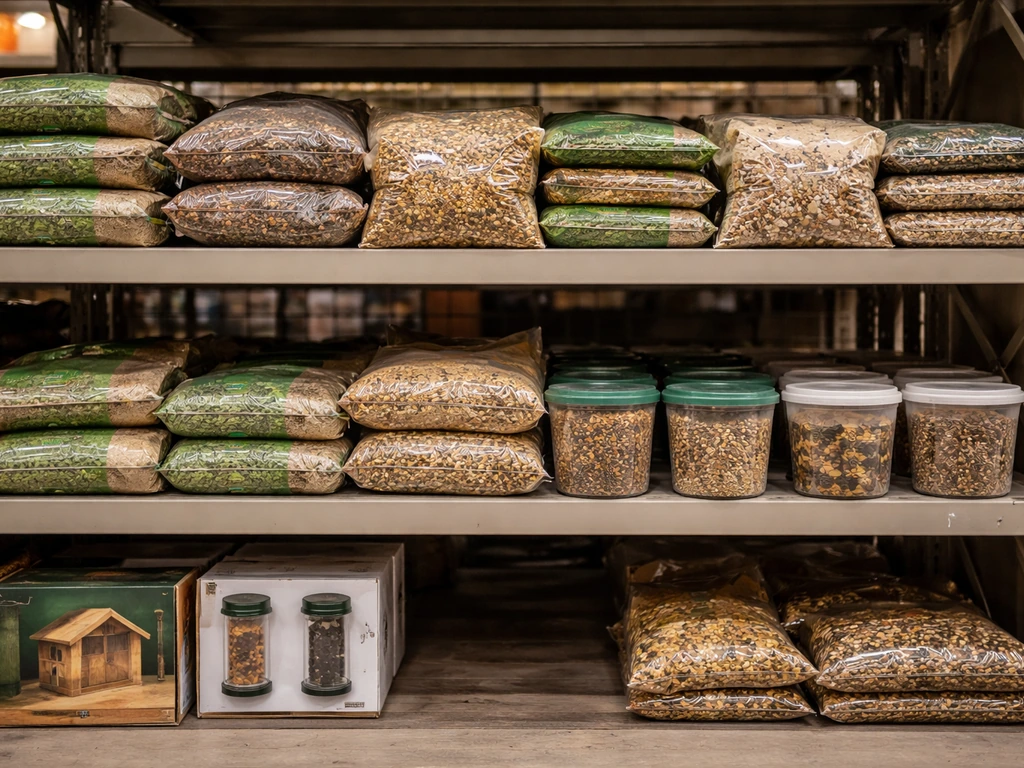
Home Depot carries bird seed and bird food both in-store and online, with same-day pickup available at most locations. You can find wild bird seed blends, black oil sunflower seed, suet, hummingbird nectar concentrates, and mealworm-based foods. Bird feeders are also stocked, including tube feeders, hopper feeders, suet cages, and squirrel-resistant styles. The product line sits under Outdoors → Pet Supplies & Wildlife → Bird & Wildlife Supplies on their website, and the physical store typically groups these items in the outdoor/garden section. A Reddit thread in r/MontgomeryCountyMD also notes that Home Depot and Lowe’s carry bird seed, with commenters discussing alternatives for better value or selection blank" rel="noopener noreferrer">Reddit commenters say Home Depot and Lowe’s carry bird seed.
Finding bird seed in-store, fast
Bird seed at Home Depot is almost always in the outdoor/garden department, not buried in a pet aisle. Head toward the garden center or outdoor living section. You'll usually find seed, feeders, and related wildlife supplies on endcaps or a dedicated shelving bay near lawn and garden products. Stores vary in layout, so if you're hunting for a specific item, use the Home Depot app: open it, select your local store, search for the product, and the app's in-store map will show you the exact aisle and bay. That feature genuinely saves time in a big-box store.
If you prefer to confirm everything before you drive, use the Home Depot store locator to set your local store, then browse the Bird Seed & Food or Bird Feeders category with the 'In Stock at Store Today' filter turned on. Retailers like Piers Feed also publish wild bird and wildlife seed and feed in online category formats, which can help you compare specialty sourcing against big-box options browse the Bird Seed & Food or Bird Feeders category. What you see available is what's actually on the shelf at that location right now.
How to find and filter bird seed on the Home Depot website
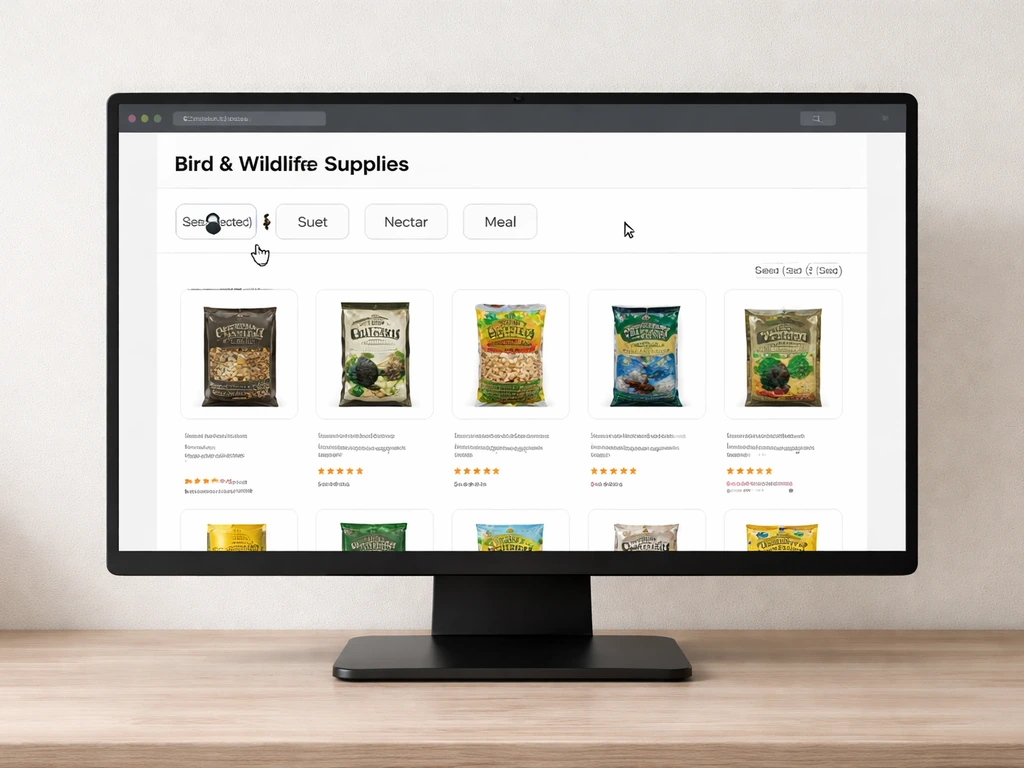
Go to homedepot.com and navigate to Outdoors → Pet Supplies & Wildlife → Bird & Wildlife Supplies → Seed (or Bird Seed & Food). Alternatively, just type 'bird seed' or 'wild bird food' into the search bar. Once you're on the category page, use these filters to narrow things down quickly: On Home Depot's Bird Seed & Food category page, you can use filters for Bird Food Type (such as Seed, Suet, Nectar, and Mealworms) and Bird Type (such as Multiple Bird Species, Hummingbird, and Finch) Bird Seed & Food category filters.
- Bird Food Type: lets you toggle between seed, suet, nectar, and mealworms so you're not scrolling past irrelevant results
- Bird Type: select 'Multiple Bird Species' for a general-purpose mix, or filter by a specific species if you're targeting cardinals, finches, or hummingbirds
- Pick Up Today / In Stock Near Me: shows only items physically available at your chosen store right now
- Material or Style (for feeders): filter by 'Plastic' or 'Squirrel-Guard' to match your setup and local pest situation
Home Depot also has an official in-store pickup program, so once you spot something online, you can reserve it and pick it up the same day rather than guessing at shelf stock. Checking availability this way before you leave the house is always worth the two minutes it takes.
Choosing the right seed for your backyard birds
Home Depot stocks several of the most practical seed types you'd actually want. Black oil sunflower seed is the single best all-around choice: the thin shell is easy for small birds to crack, and the high fat content attracts a wide range of species including chickadees, nuthatches, finches, and cardinals. Wild bird seed blends (like Pennington mixes, which Home Depot carries) spread appeal across more species but can include fillers like milo or red millet that many birds toss aside. Check the ingredient list and lean toward blends where sunflower, safflower, or white proso millet make up the majority.
Suet is a high-energy option best used in cold weather; it goes rancid quickly in heat above about 70°F, so skip it in summer unless you buy a 'no-melt' formulation. Hummingbird nectar concentrate (also available at Home Depot) is worth stocking if you want to attract hummingbirds, but it requires a dedicated nectar feeder, not a standard seed feeder. Mealworms appeal to bluebirds and robins and are a good specialty option if you're trying to attract those species specifically.
Home Depot's site hosts a Seed & Ingredient Attraction Chart (from Pennington) that maps specific seed types to target species. It's a handy reference if you want to go deeper than a general blend. The core takeaway: match the seed to the birds you actually see in your yard, not the birds you hope will magically show up.
| Seed/Food Type | Best For | Notes |
|---|
| Black oil sunflower | Chickadees, finches, cardinals, nuthatches | Best all-around choice; thin shell suits small birds |
| Safflower | Cardinals, doves, chickadees | Squirrels and starlings tend to avoid it |
| White proso millet | Juncos, sparrows, towhees | Best scattered on the ground or in tray feeders |
| Nyjer (thistle) | Goldfinches, pine siskins | Requires a tube feeder with small ports |
| Suet | Woodpeckers, nuthatches, wrens | Cold-weather use only unless using no-melt formula |
| Hummingbird nectar | Hummingbirds | Use nectar feeders; clean every 3-5 days in warm weather |
| Mealworms | Bluebirds, robins | Specialty use; live or dried both work |
If you're comparing options across retailers before buying, it's worth knowing that Walmart also carries bird seed with a similar range of blends and sunflower seed, often at a lower per-pound price for large bags, though the brand selection differs.
Storing seed safely to prevent mold, pests, and sprouting
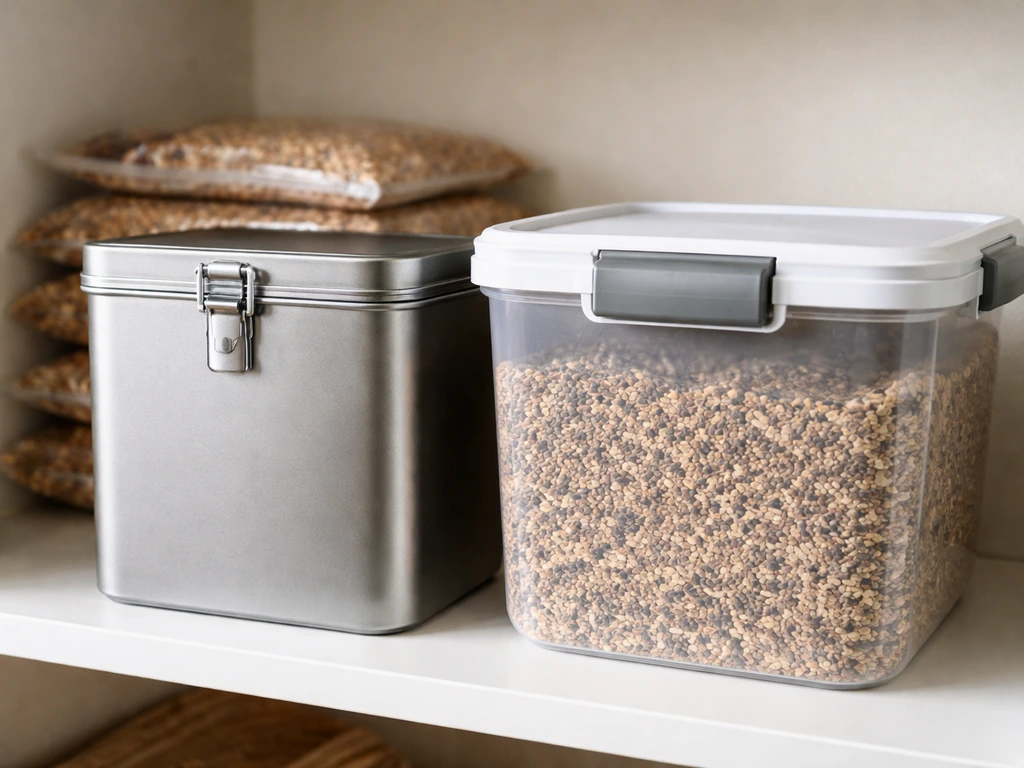
This part matters more than most people expect. Seed stored incorrectly goes bad quickly and can seriously harm birds that eat it. Keep these rules in mind from the moment you get home from the store.
- Use an airtight hard-sided container: a metal or thick plastic bin with a tight lid. This blocks moisture and keeps rodents out far better than the original paper or thin plastic bag.
- Store it in a cool, dry place: a garage, shed, or basement is fine as long as it doesn't get hot or damp. Avoid direct sunlight and anywhere that gets above 70-75°F consistently.
- Don't overfill feeders: only put out what birds will eat in a few days. This is the single most common mistake, especially in humid climates.
- Rotate stock: use older seed first. Don't pour new seed on top of old seed sitting in the feeder.
- Check for clumping: if seed in the storage container is clumping or smells musty, toss it. Moldy seed causes aspergillosis in birds, a fungal lung infection that is often fatal.
If you buy in bulk (which warehouse stores like Costco sometimes stock for bird seed buyers), the storage rules become more important, not less, because you're holding a larger quantity for longer.
Dealing with wet seed, sprouting, and contaminated feeders
Wet or clumped seed in a feeder is a direct health hazard. When seed gets damp, mold can establish within 24 to 48 hours in warm weather. Sprouting seed (you'll notice green shoots emerging from the tray or ports) means the seed has absorbed enough moisture to germinate, and while germinated seed itself isn't toxic, it signals that the feeder has been sitting wet long enough to also be harboring bacteria or mold.
Here's how to handle it:
- Remove all seed from the feeder immediately. Don't just top it off.
- Scrub the feeder with hot soapy water, paying attention to corners, perches, and ports where wet seed packs in.
- Disinfect with a 10% bleach solution (roughly 1 part bleach to 9 parts water). Let it soak for a few minutes, then scrub again.
- Rinse thoroughly. Bleach residue is harmful to birds, so rinse until you can't smell it.
- Let the feeder dry completely before refilling, ideally in open air. Putting dry seed into a damp feeder defeats the purpose.
- Discard any seed that was in the feeder. Don't return it to the storage container.
For the area under the feeder, wet hulls and spilled seed on the ground can also grow mold and attract rodents. Rake or sweep the area every week or two. A concrete pad or gravel base under feeders makes this dramatically easier than trying to clean seed debris out of grass.
If you're getting persistent problems with wet seed, evaluate the feeder design. Some feeders have drainage holes in the tray; if yours doesn't, drill a few small holes. Tube feeders with weather guards (roof baffles) keep rain out far better than open tray feeders in rainy climates. This is something to filter for when browsing Home Depot's feeder listings.
How often to clean your feeder
The consensus from wildlife agencies and ornithology organizations is to clean feeders roughly every two weeks under normal conditions. During heavy use, high humidity, or frequent rain, bump that up to weekly. Hummingbird feeders are the exception: nectar goes bad fast, so clean those every three to five days in warm weather and change the nectar on the same schedule even if it looks fine. A hummingbird drinking from fermented nectar is essentially drinking alcohol, which is harmful to them.
Grocery-chain stores like Kroger also stock bird seed at some locations, but for cleaning supplies like brushes, bottle cleaners, or replacement feeders, a hardware store like Home Depot is often the more reliable one-stop option.
Setting up feeders and trays the right way
Placement affects both which birds visit and how safe the setup is. A few practical rules:
- Place feeders either within 3 feet of a window or more than 30 feet away. This reduces window-strike risk: birds close to the glass don't build up enough speed to injure themselves if they fly toward the reflection, while birds far from the window have time to recognize it.
- Mount tube and hopper feeders 5 to 6 feet off the ground and use a pole-mounted baffle below to block squirrels and raccoons.
- Put ground feeders and tray feeders low (12 to 18 inches off the ground) for species like juncos, sparrows, and mourning doves that prefer to feed low.
- Keep feeders at least 10 feet from dense shrubs where cats can hide.
- Separate feeder types if you're stocking multiple seed varieties: this reduces crowding and lets shyer species access food without competing with aggressive ones like starlings or house sparrows.
Home Depot's own bird-feeding guide and 'Best Bird Feeders' article both reinforce species-feeder matching, and it genuinely matters. Hummingbirds won't use a hopper feeder meant for seed; woodpeckers strongly prefer suet cages with a tail-prop design that lets them brace while they feed. Buying the wrong feeder style is a common reason people say 'the birds won't come.'
If you're comparing pricing across stores before committing to a full setup, Sam's Club sells bird seed in larger bulk quantities that can cut per-pound cost significantly, though the feeder and accessory selection there is more limited than at a dedicated hardware retailer like Home Depot.
What else might show up at your feeder
Bird seed attracts more than birds, and it's worth being realistic about this before you set up. Squirrels are the most common visitors and will empty a feeder quickly if it isn't squirrel-proofed. Home Depot's feeder listings include squirrel-resistant options (weight-sensitive feeders that close the ports when something heavier than a bird lands) which genuinely work well. Raccoons, deer, and bears (in some regions) are also drawn to ground-level feeders or seed spilled on the ground. If you're in a bear-active area, the standard advice is to bring feeders in at night from spring through fall. Rodents like mice and rats are attracted to seed on the ground, which is another reason to minimize spill and clean up regularly.