Yes, Walmart sells bird seed, bird food, and bird feeders both online and in most physical stores. You can browse the full range at Walmart.com under their Bird Food category or their Bird Feeders category, and you'll typically find shelf space dedicated to wild bird products in the pet or outdoor living section of any Walmart store. Walmart also maintains a dedicated online category page specifically for wild-bird food and seed blank" rel="noopener noreferrer">dedicated online category page for wild-bird food and seed. If you want to confirm stock at your local store before making the trip, use the Walmart app or website to check in-store availability by zip code. Walmart also explains how to check an item’s location and store information through its official “Find an Item & Store Maps” help page blank" rel="noopener noreferrer">check in-store availability by zip code.
Does Walmart Sell Bird Seed and Bird Feeders?
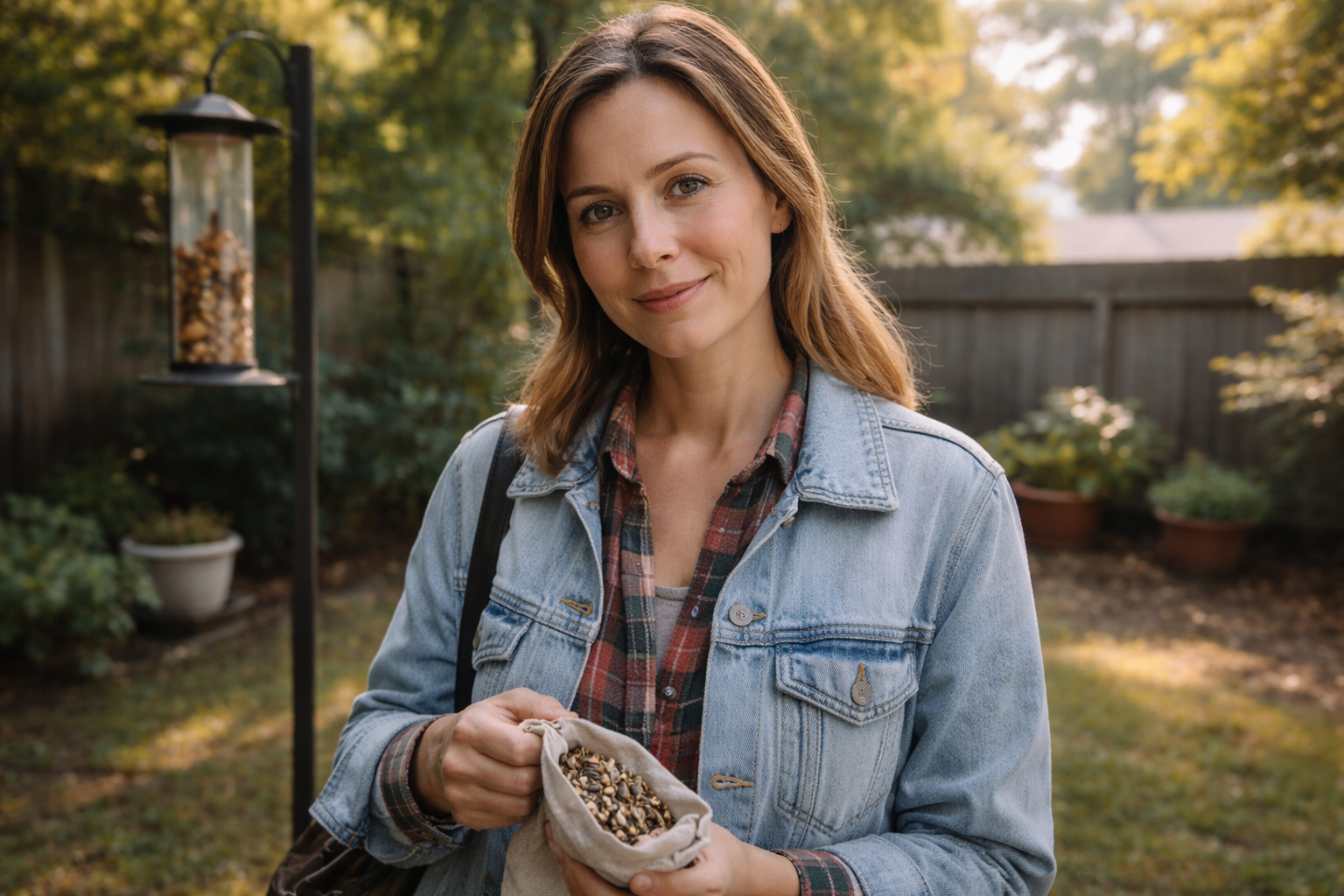
How to find bird seed at Walmart online and in-store
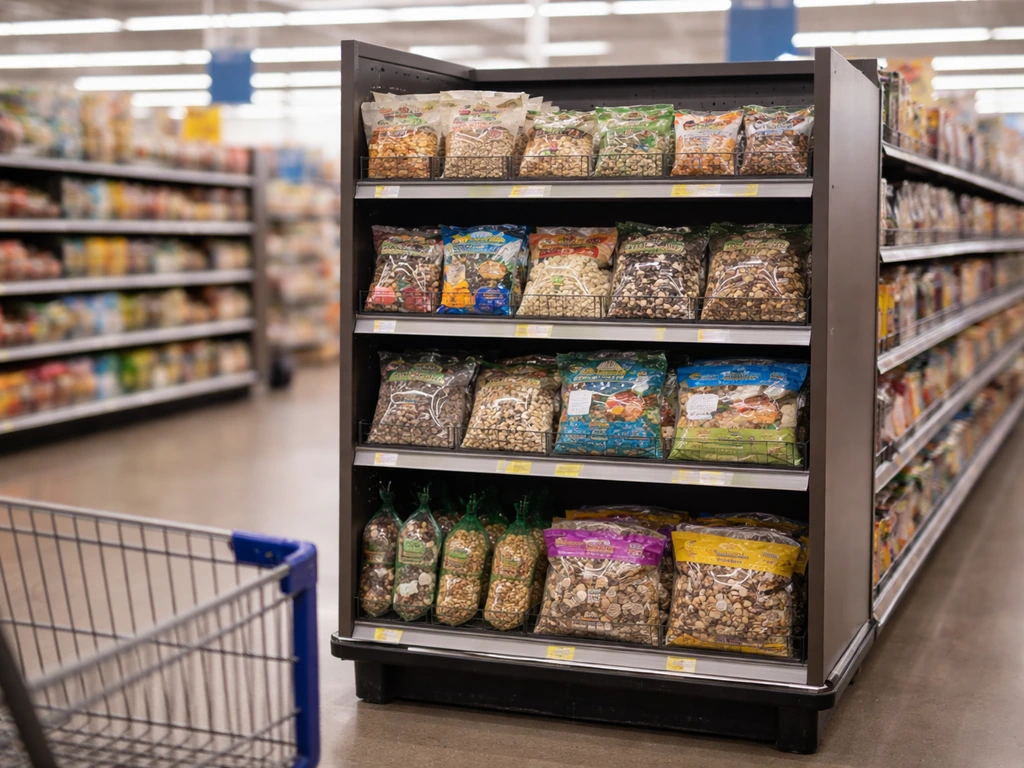
Online, Walmart organizes everything under a Bird Supplies umbrella, with two sub-categories worth bookmarking: Bird Food (which covers wild birdseed, mixes, and treats) and Bird Feeders (which is listed under Wild Bird Supplies). Searching 'bird seed,' 'wild bird seed,' or 'bird food' directly in the Walmart.com search bar will pull up the same products. Filtering by department once you're in results keeps things clean.
In a physical Walmart, bird seed is almost always in one of two spots: the dedicated pet supply aisle or the seasonal outdoor/garden section. During spring and summer, large bags of wild bird seed often move to the garden center near the entrance. If you're not finding it, ask an associate to check the pet aisle first, then lawn and garden.
What bird seed and food categories Walmart carries
Walmart's Bird Food category includes wild birdseed as a primary sub-type, along with parakeet and parrot food, bird treats, and specialty blends. For backyard wild bird feeding, the wild birdseed listings are what you want. You'll typically find these formats at Walmart:
- Large bags of wild bird seed mix (usually 5 lb, 10 lb, 20 lb, and sometimes 40 lb options)
- Black oil sunflower seed (sold separately or as the dominant ingredient in mixes)
- Safflower seed
- Nyjer (thistle) seed for finch feeders
- Suet cakes for woodpeckers and cold-weather feeding
- No-mess or no-waste seed blends with hulled seeds
Common brands at Walmart include Wagner's, Pennington, and store-brand or value-line wild bird blends. Stock varies by region and season, so if a specific seed type isn't on the shelf, check the online listing to ship to store or to your door.
Bird feeders at Walmart: what to expect
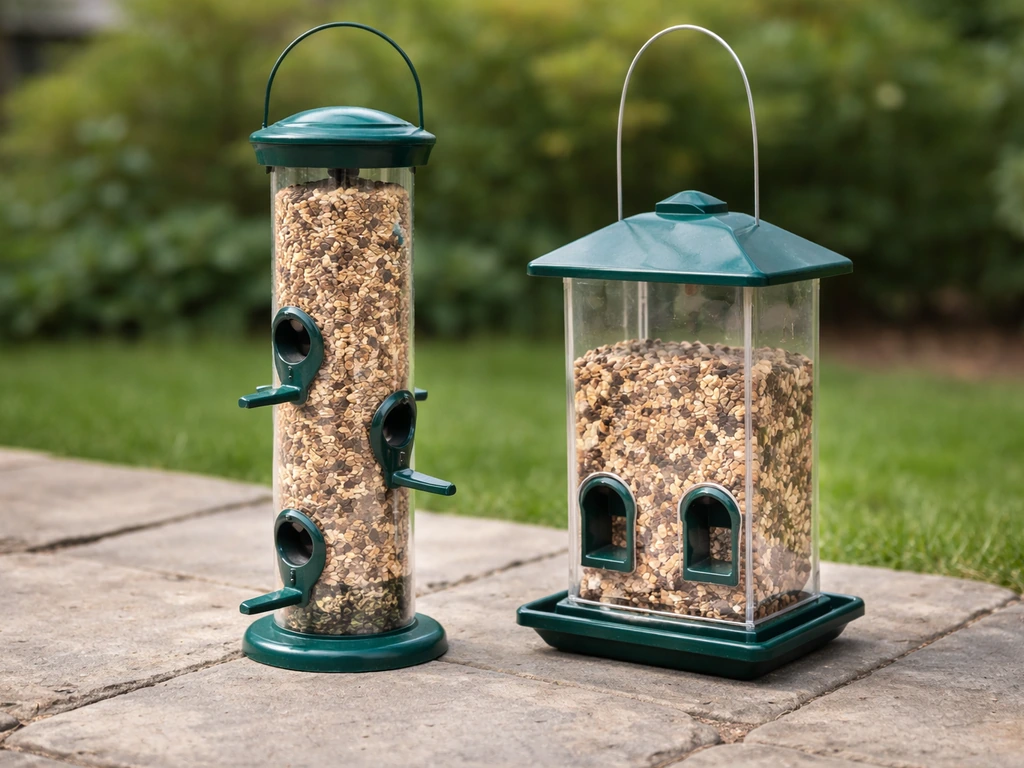
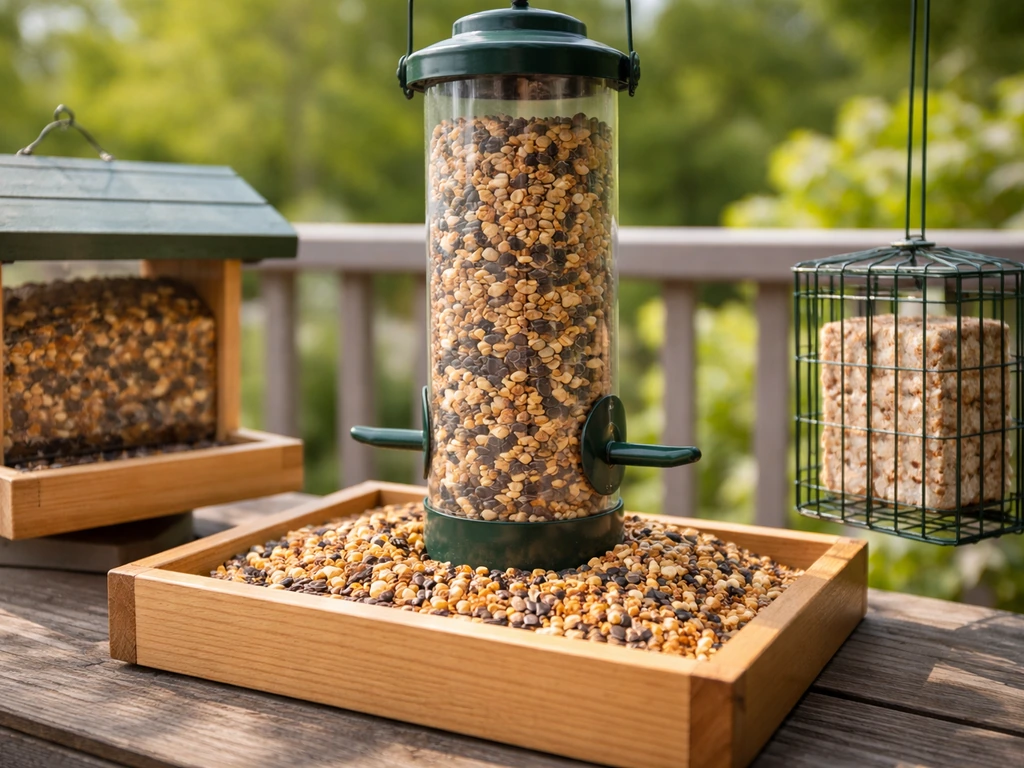
Walmart's Bird Feeders category page lists multiple feeder styles, and you'll find both budget-friendly and mid-range options. The category falls under Wild Bird Supplies online and includes traditional and newer smart/tech feeder styles. Here's what you're likely to see:
- Tube feeders with multiple feeding ports (including metal tube feeder options, good for sunflower and safflower seed)
- Platform or tray feeders (open-style, attracts the widest variety of birds)
- Hopper or house-style feeders (hold larger seed volumes, good for daily refilling)
- Nyjer/thistle sock or tube feeders (for goldfinches and siskins)
- Suet cage feeders
- Hummingbird nectar feeders (usually in the same online category)
If you're buying your first feeder, a basic tube or hopper feeder in the $10 to $25 range from Walmart will do the job reliably. Spend a bit more if you want squirrel-resistant features or a metal build that holds up outdoors year-round.
Picking the right seed for your backyard birds
Black oil sunflower seed is the best single seed to buy if you want to attract the most species. The shells are thin, so birds of all sizes can crack them, and the kernels are high in fat, which is especially valuable in winter. It attracts chickadees, nuthatches, finches, cardinals, sparrows, and more. If you only buy one thing at Walmart, make it black oil sunflower.
That said, different birds have clear preferences. Mourning doves, for example, eat seeds almost exclusively and have a strong preference for millet. A general wild bird mix that combines sunflower, millet, and sometimes safflower covers the broadest range of species. Avoid cheap filler-heavy mixes that lead with milo or red sorghum, which most backyard songbirds ignore and which just ends up on the ground.
One specific caution: sunflower hearts and chips (shells already removed) are convenient but spoil fast. They can harbor dangerous bacteria within just a day or two in warm or humid weather. Offer them only in small quantities that birds will finish quickly, and never let them sit in a feeder overnight in summer.
| Seed Type | Best For | Watch Out For |
|---|---|---|
| Black oil sunflower | Widest variety of songbirds | Hulls accumulate under feeder |
| Sunflower hearts/chips | Easy feeding, shell-free | Spoils within 1-2 days in warmth |
| White millet | Sparrows, juncos, doves | Can attract unwanted house sparrows |
| Nyjer (thistle) | Goldfinches, siskins, redpolls | Needs a thistle-specific feeder |
| Safflower | Cardinals, chickadees | Squirrels tend to leave it alone |
| Suet cakes | Woodpeckers, nuthatches, winter birds | Goes rancid quickly in summer heat |
If you're in a warmer climate or feeding during summer, avoid suet and hulled seeds unless you can monitor and refresh them daily. In colder northern regions, high-fat seeds like black oil sunflower and suet are especially valuable from October through March.
Storing bird seed after you bring it home
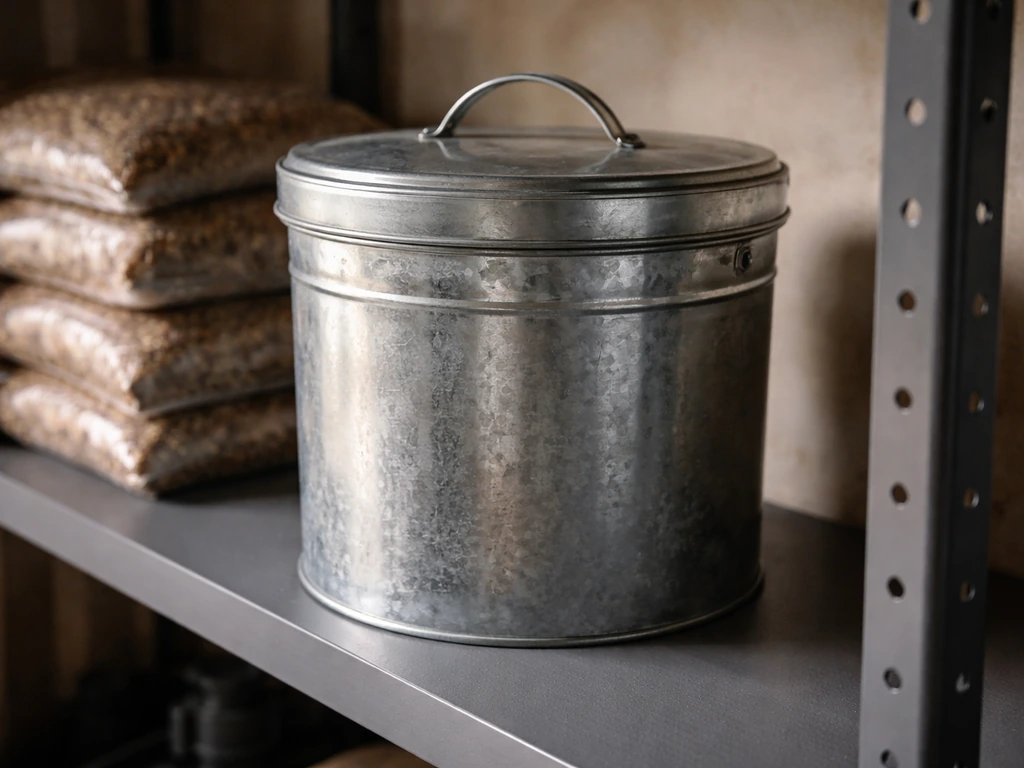
Store bird seed in a cool, dry place, always. A metal or hard plastic container with a tight-fitting lid keeps moisture out and pests away. A garage shelf or basement works well in most climates. Avoid leaving the original paper or cloth bag on the floor in a shed or garage where it can absorb ground moisture or become easy access for mice and squirrels.
If your seed develops mold, discard it. Moldy seed is not a small issue. It can make birds sick, and it means the storage conditions are wrong. Fix the moisture source before buying another bag. The same applies to seed that smells off, clumps together, or has visible fungal growth. No amount of picking out the bad parts makes it safe to use.
- Use an airtight metal or thick plastic bin, not the original bag
- Store off the ground on a shelf, never directly on concrete floors
- Buy in quantities you'll use within 4 to 6 weeks to keep seed fresh
- Check stored seed before every refill. If it clumps or smells musty, toss it
- In humid climates, smaller, more frequent purchases beat bulk buying
Setting up your feeder and keeping the area clean
Placement matters more than most people realize. Hang or mount feeders within about 3 feet of a window (to reduce dangerous window strike speed) or more than 30 feet away. Avoid placing feeders directly over garden beds where hulls and waste seed will kill plants. A dedicated gravel or mulch patch under the feeder makes ground cleanup much easier.
Clean your seed feeder about every two weeks under normal conditions, and more often during warm, wet weather or when you have heavy bird traffic. The cleaning process is straightforward: disassemble the feeder, scrub it with a brush, then soak it for about 10 minutes in a bleach solution of one part bleach to nine parts water. Rinse thoroughly and let it air-dry completely before refilling. Fully dry means fully dry. Putting wet seed into a damp feeder is how mold problems start.
If you prefer not to use bleach, a weak vinegar solution works too. Soak for about an hour, scrub, rinse, and dry. It's less effective against some pathogens but fine for routine maintenance when birds are healthy and no disease outbreaks are happening in your area.
Underneath the feeder matters too. Rake or sweep up seed hulls, waste seed, and droppings regularly, ideally every week or two. Old, wet seed on the ground is a mold factory and a rodent magnet. Some people lay a seed catcher tray under tube feeders to simplify this, which Walmart also carries in their bird supplies section.
Troubleshooting problems after you start feeding
Seed is wet or clumping in the feeder
Wet seed is a direct result of moisture getting into the feeder, either from rain splashing in, condensation, or a feeder design that doesn't drain well. Remove all wet seed immediately. Don't try to dry it out and reuse it. Clean and dry the feeder, then check that drainage holes at the bottom are clear. A feeder with drainage holes or a weather dome above it helps prevent this in rainy climates.
Seed is sprouting under the feeder
Sprouting under the feeder means uneaten seed is hitting moist soil. The fix is twofold: lay down hardware cloth, gravel, or a ground seed catcher to prevent contact with soil, and switch to hulled or no-waste seed blends that can't germinate. You can also buy sterile (heat-treated) birdseed that won't sprout, which Walmart sometimes carries in its wild bird section.
Mold in the feeder or on stored seed
Black mold or any visible fungal growth in a feeder is an immediate stop-and-clean situation. Discard all seed in the feeder, soak the feeder in your bleach solution for at least 10 minutes, scrub every surface, rinse completely, and air-dry before using it again. If mold keeps coming back, the feeder may have cracks or textured surfaces that trap moisture and need replacing. Also check where you're storing the main seed supply.
Rodents or pests showing up under the feeder
Spilled seed on the ground is the main reason rodents and squirrels congregate under feeders. Clean up seed waste every few days, use a seed-catching tray, and switch to a no-waste blend to reduce what hits the ground. Bring feeders in at night if you have a persistent raccoon or rat problem. Avoid placing feeders near dense shrubs or wood piles that give cover to rodents.
Birds aren't eating the seed
If you've just set up a new feeder, give it one to two weeks. Birds need time to discover a new food source. If birds were visiting before and suddenly stopped, check the seed quality first (old or moldy seed gets rejected), then check if a predator like a hawk or outdoor cat has been hanging around the feeder area. Also make sure the feeder is clean, since dirty feeders with old hulls and droppings can deter birds over time.
Is Walmart the best place to buy bird seed?
Walmart is genuinely one of the most convenient options for most people, especially for everyday seed mixes, basic feeders, and suet. The prices are competitive and the availability is consistent. That said, it's worth comparing a few options depending on what you need. Warehouse clubs like Costco and Sam's Club often sell larger bags of seed at lower per-pound prices if you feed birds heavily. Home Depot and similar stores can be strong for feeder hardware and mounting supplies. Kroger carries bird seed in many locations but typically has a narrower selection. For specialty seeds like straight nyjer or high-end no-waste blends, a dedicated wild bird store or online retailer may have better options than any big-box chain.
For most casual to moderate backyard feeders, though, Walmart's combination of accessible pricing, in-store pickup, and online shipping makes it a practical first stop. Use the Walmart app to check what's in stock at your nearest store before you go, and you'll have a feeder full of seed the same day.
FAQ
Does Walmart sell bird seed only online, or can I buy it in stores too?
Walmart sells bird seed in both places. Most stores keep it in the pet supply aisle or the outdoor or garden area, and stock often shifts seasonally, so checking in-store availability by zip code in the Walmart app can save a trip.
Can I buy bird seed for specific birds at Walmart, like finches or doves?
Yes. Walmart typically carries specialty items such as black oil sunflower for many songbirds, and millet-focused options are often a better fit for mourning doves. If the exact bird-specific seed you want is not on your shelf, check the online listing and use ship-to-store or delivery options.
Does Walmart carry nyjer seed (thistle) for finches?
Sometimes, depending on season and region. Nyjer is a specialty seed and may not always be stocked in every store, so the most reliable way is to search “nyjer” or “thistle” on Walmart.com and then check whether it can ship or arrive at your local store.
What type of bird seed should I avoid because it attracts fewer backyard birds?
Avoid filler-heavy mixes that lead with milo or red sorghum. Many songbirds do not eat those seeds much, and the extra waste increases mold risk on the ground and attracts rodents and squirrels.
Do sunflower hearts and chips (seed with shells removed) spoil faster?
Yes. They can go bad quickly, especially in warm or humid weather. If you buy hearts or chips, purchase smaller amounts and only put out what birds will finish soon, do not leave them sitting overnight in summer.
Does Walmart sell squirrel-resistant bird feeders?
Yes, in the feeder aisle you can find models with squirrel-resistant features, like mechanisms that limit access. If you regularly see squirrels under your feeder, look for designs specifically marketed as squirrel resistant and place the feeder away from dense cover.
How do I prevent birds from wasting too much seed under the feeder?
Use a feeder that fits your yard and reduces spillage, consider a seed-catching tray (Walmart sells them), and place the feeder so hulls and waste do not land in garden beds. Cleaning up hulls every week or two also reduces ground seed accumulation.
What should I do if my bird seed starts molding?
Discard it right away. Mold can make birds sick, and picking out the bad parts does not fix deeper contamination. Then check your storage conditions, cooler and drier is key, and use an airtight metal or hard plastic container.
Can I reuse seed that got wet in the feeder?
No. If seed gets wet, remove it immediately, clean the feeder, and dry it fully before refilling. Wet seed can lead to mold and bacterial growth, and trying to dry and reuse it does not reliably make it safe.
How often should I clean a Walmart bird feeder?
About every two weeks under normal conditions. If it is hot and rainy, or you have heavy bird traffic, clean more frequently. Make sure the feeder is fully air-dried before adding new seed, otherwise moisture can trigger mold.
Is it okay to use bleach or vinegar for feeder cleaning?
Bleach is stronger for routine disinfection, and a vinegar solution is an alternative if you do not have disease outbreaks in your area. Either way, the crucial step is soaking/scrubbing consistently and rinsing thoroughly (for bleach) and fully air-drying before refilling.
If birds stopped visiting after I set up a new feeder, what are the first things to check?
Check seed quality first, old or moldy seed causes birds to stop. Then verify the feeder is clean, and watch for predator activity like cats or hawks near the feeding spot, since changes in nearby threats can shift visitation quickly.
Does Home Depot Sell Bird Seed? In Store and Online
Find out if Home Depot sells bird seed, where to locate it in-store or online, plus choosing, storing, and cleanup tips.