Yes, Sam's Club sells bird seed. You can find multiple options on samsclub.com right now, including the Audubon Park High Energy Blend (15 lbs), Pennington Wild Bird Food with Cherry Flavor (50 lbs), and the store's own Member's Mark Supreme Blend Wild Bird Food (40 lbs). That said, what's available online doesn't always match what's on the shelf at your specific club, so it's worth taking a quick extra step before you drive over.
Does Sam’s Club Sell Bird Seed? Check Stock Today
Maya Collins
27 Apr 2026

How to check if Sam's Club has bird seed today
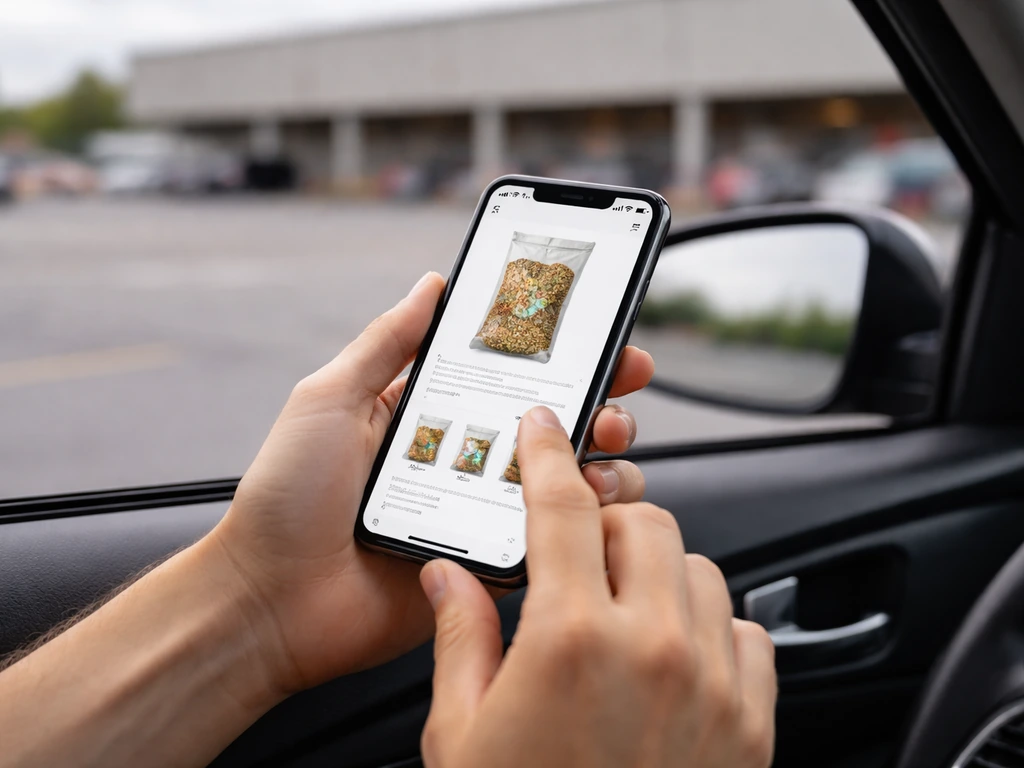
The fastest way to confirm availability at your local club is to go to samsclub.com, log into your account (you need to be signed in to see member pricing and club-specific stock), and search for 'wild bird food' or 'bird seed' in the search bar. Once results appear, set your shopping mode to either Pickup or Delivery and select your specific club location. Sam's Club ties inventory to whichever club you have selected, so the same product can show as available at one club and out of stock at another. That location selector is the key step most people skip.
If you want same-day availability, you can also check Sam's Club through Instacart, where the Member's Mark Supreme Blend (40 lbs) appears with same-day delivery language. Keep in mind that same-day options depend on delivery slot availability and your location, so that's not always guaranteed. For in-store trips, calling ahead is still a reliable backup if the website shows 'check availability in club' rather than a clear in-stock status.
- Go to samsclub.com and log in with your membership credentials
- Search 'wild bird food' or 'bird seed' in the search bar
- Switch your club location to your nearest Sam's Club using the location selector
- Toggle between Pickup and Delivery to see what's available for each method
- Check the product page for an 'Add to Cart' or 'Pickup' button — a greyed-out or missing button usually means out of stock at that club
- If status is unclear, call the club directly or check via Instacart for a second data point
What to look for when choosing bird seed at a bulk club
Buying in bulk at Sam's Club makes sense if you have proper storage (more on that below), but you want to pick the right blend, not just the cheapest bag. The single best ingredient to look for is black oil sunflower seed. It has thin shells that nearly every seed-eating backyard bird can crack open, it's high in fat, and it attracts the widest variety of species. The Audubon Park High Energy Blend sold at Sam's Club advertises over 50% black oil and striped sunflower seed, which puts it in a solid position as an all-around feeder blend.
The Member's Mark Supreme Blend is worth a look too, specifically because it's formulated without wheat and oats. Those two fillers are common in cheap bulk seed, and most backyard birds ignore them, which means they just pile up on the ground and rot. A blend that skips fillers reduces waste, cuts down on cleanup, and keeps your feeding area drier and less attractive to rodents.
When you're standing in the aisle or reading the product page, flip the bag or scroll to the Ingredients section and look at what's actually listed. A good blend will lead with black oil sunflower, millet (white proso millet is excellent and affordable), or sunflower chips. Be skeptical of blends where the first few ingredients are milo, wheat, or red millet, those are cheap fillers most songbirds won't touch.
| Ingredient | Birds It Attracts | Worth Paying For? |
|---|---|---|
| Black oil sunflower seed | Cardinals, chickadees, finches, nuthatches, sparrows, and more | Yes — the single best all-around choice |
| White proso millet | Sparrows, juncos, doves, towhees | Yes — affordable and widely eaten |
| Sunflower chips (hulled) | Most seed-eaters, less mess | Yes — no shell waste, great for tray feeders |
| Safflower seed | Cardinals, chickadees, some sparrows | Yes — squirrels often avoid it |
| Milo (sorghum) | Few backyard songbirds in most regions | No — common filler, mostly ignored |
| Wheat or oats | Very few desirable species | No — filler that rots on the ground |
If you buy it: storage and handling to prevent mold and pests
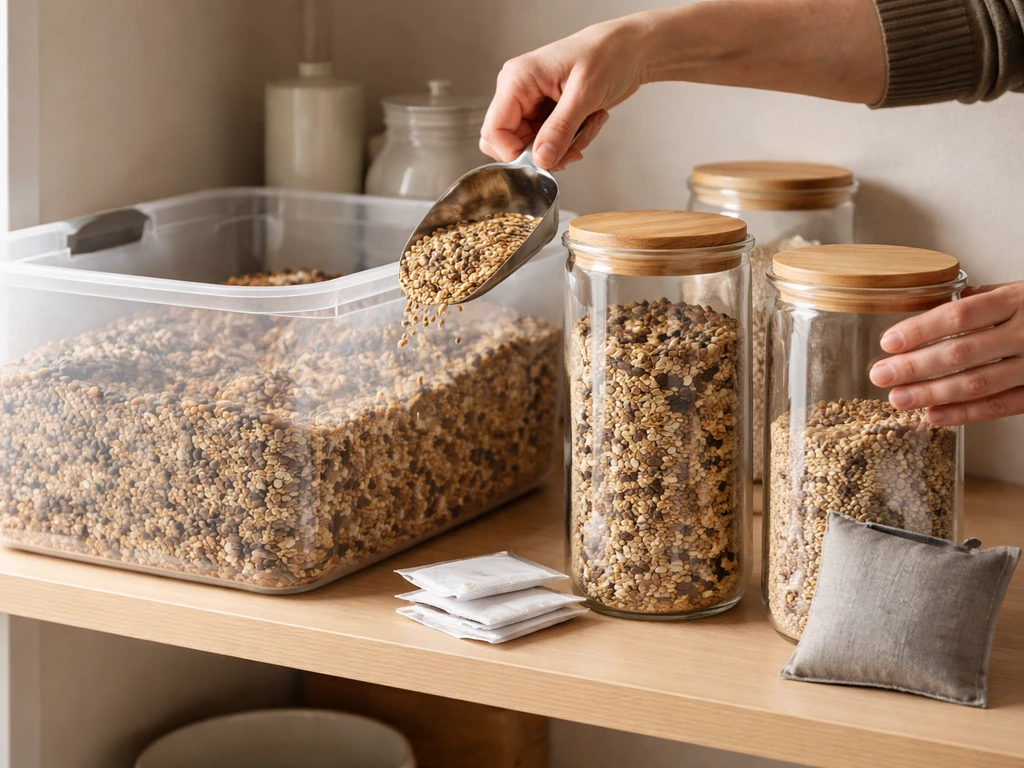
A 40 or 50 lb bag from Sam's Club is a great value, but only if you store it correctly. The biggest threats to bulk seed are moisture, heat, and rodents, and all three are easy to control with the right setup.
Transfer the seed into airtight containers as soon as you get home. Hard plastic bins with locking lids (like a large Gamma Seal bucket or a metal trash can with a bungee cord) work well and keep out both moisture and pests. Keep the container in a cool, dry location, ideally a garage, shed, or basement where temperatures stay stable. Avoid storing seed in direct sunlight or in a hot car trunk for any extended period, as heat accelerates rancidity.
One practical rule: during warm weather feeding season, try not to store more than a two-week supply at a time. Heat and humidity speed up spoilage significantly. In winter you have more leeway, but the airtight container rule applies year-round. If you buy a 40 lb bag in July, plan to work through it in reasonable rotation rather than letting it sit for months.
- Use airtight, hard-sided containers with locking or tight-fitting lids
- Store in a cool, dry place away from direct sunlight
- Keep containers off the ground to reduce moisture wicking and pest access
- In warm weather, limit stored quantities to roughly a two-week supply
- Never pour new seed on top of old seed — empty and inspect the container first
- Keep storage containers away from pets and check for signs of rodent activity regularly
Troubleshooting bad seed: wet, sprouted, or buggy
Wet or spoiled seed is one of the most common backyard bird problems, and it's also one of the most preventable. Here's how to identify what you're dealing with and what to do about it.
Wet or moldy seed
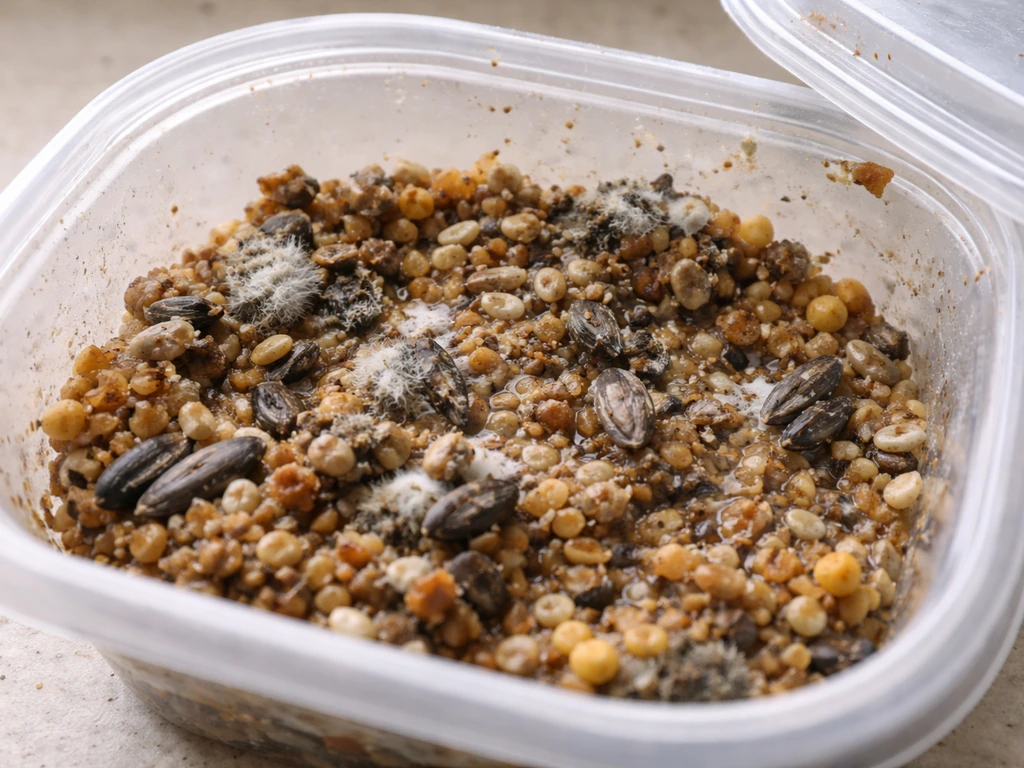
If the seed smells sour, musty, or yeasty, or if you see visible clumping, dark discoloration, or fuzzy growth, discard it immediately. Moldy seed can carry bacteria and fungal spores that are genuinely harmful to birds. Don't try to dry it out and reuse it. Toss it, clean the container or feeder thoroughly, and start fresh.
To clean a contaminated feeder or storage bin, scrub out all debris first with a stiff brush, then apply a dilute bleach solution: no more than 1 part bleach to 9 parts water. Let it soak for a few minutes, scrub again, rinse thoroughly with clean water, and let it air dry completely before refilling. A feeder that goes back into service while still damp is just going to mold again faster.
Sprouted seed
Sprouting happens when seed gets enough moisture to germinate. A little sprouting isn't automatically toxic, but it usually means the seed has been wet long enough that mold is also developing. If you see sprouts in the feeder tray or on the ground below, that area needs to be cleaned out. Remove the sprouted material, scrub the surface, and check whether moisture is getting into your feeder from rain or condensation.
Bugs or weevils in the seed
Small moths, weevils, or larvae in stored seed usually mean moisture got into the container at some point, or the bag was already infested before you bought it. If you find insects in stored bulk seed, discard the affected portion, wash and dry the container, and inspect the remaining seed carefully. Going forward, a tighter lid and cooler storage temperature will make a significant difference. Grain weevils can't thrive in genuinely cold, dry conditions.
Cleanup after bad seed
Ground debris from spoiled seed is a rodent magnet. Rake up and dispose of any accumulated hulls, clumped seed, or droppings under your feeders regularly. All About Birds specifically notes that scattered seed on the ground attracts rodents, and that's especially true when the seed is wet and fermenting. If you're dealing with a persistent rodent issue, consider switching to hulled sunflower chips, which get eaten cleanly with almost no ground waste.
If Sam's Club doesn't have it: how to find the right substitute fast
If your local club is out of stock or you're not a Sam's Club member, you have solid options nearby. Walmart typically carries bulk bird seed bags in the pet or garden section, often from brands like Pennington or Scott's. If you're wondering does Walmart sell bird seed, most stores carry bulk bags in the pet or garden section. Home Depot and Lowe's carry larger bags in their garden centers, especially in spring and fall.
If you are wondering, does Home Depot sell bird seed, it is often stocked in the garden section seasonally or in larger bags Home Depot and Lowe's carry larger bags in their garden centers, especially in spring and fall. . Costco carries bird seed seasonally and sometimes carries large-format bags comparable to what Sam's Club offers, though availability varies by region and time of year.
If you need something today and bulk isn't a priority, grocery chains like Kroger carry bird seed in smaller bags, usually in the pet aisle. You can usually find bird seed at Kroger in smaller bags in the pet aisle. It won't be the same value per pound, but the seed quality can be just as good. Whatever you buy, apply the same label-reading rules: look for black oil sunflower as the lead ingredient and avoid blends heavy in milo, wheat, or red millet.
Wild Birds Unlimited stores (if one is near you) are worth knowing about for specialty blends and no-waste mixes, though prices are higher. For pure value on a high-quality black oil sunflower seed or all-around blend, bulk club stores and large hardware retailers are generally your best bet per pound.
Species-friendly tips for using the seed once you have it
Once you're home with your seed, a few setup choices will determine how well it actually works for your local birds. The most important: match the seed to the feeder type and the birds you're trying to attract.
Black oil sunflower seed works in nearly any feeder style, including tube feeders, hopper feeders, and platform trays. It attracts cardinals, chickadees, nuthatches, finches, and sparrows across most of North America, making it the safest choice if you're not sure what birds are in your area. If you're using the Audubon Park High Energy Blend from Sam's Club, that 50%+ sunflower content means it will perform like a sunflower-forward mix even though it includes other seeds.
White proso millet is best offered in a low platform tray or scattered on the ground for ground-feeding birds like juncos, mourning doves, and native sparrows. If your Sam's Club blend includes millet, consider adding a separate ground tray rather than relying on overflow from a hanging feeder, where it tends to get ignored and pile up.
For feeder hygiene, plan to clean your feeders every one to two weeks during active feeding season, and more often in wet or humid weather. Empty the feeder completely, brush out any old seed or clumps, and inspect for moisture inside before refilling. In hot summer months, reduce the amount you put in at each refill so seed turns over faster and doesn't sit long enough to spoil. A feeder that's half-full but always fresh is better than one that's packed but stale.
- Use tube or hopper feeders for black oil sunflower seed to minimize weather exposure
- Offer millet on a low platform tray to attract ground-feeding species
- Fill feeders in smaller amounts during summer so seed rotates before it spoils
- Place feeders within a few feet of shrubs or trees so birds have quick cover, but far enough from the trunk that squirrels can't leap across
- Clean feeders every one to two weeks with a dilute bleach solution (1: 9 bleach to water), rinse well, and dry before refilling
- Rake up ground debris and hulls weekly to reduce rodent attraction and mold buildup
FAQ
If I’m not seeing bird seed on samsclub.com, does that mean my local Sam’s Club definitely has none in stock?
Not necessarily. Online results are tied to the club you select, and sometimes products only show up as a different category (for example, “wild bird food” vs. “bird seed”) or not at all due to short-term listing changes. Try switching between Pickup and Delivery while keeping the same club location, and also search for the brand names you’re looking for.
Do Sam’s Club store shelves carry the same brands and bag sizes as the website?
Often they match, but it is not guaranteed. Website inventory can reflect what is currently stocked or what is available for that specific pickup or delivery flow. If you have a specific bag size in mind, confirm by using the club location selector first, then verify by calling if the site shows a vague “check availability” status.
Can I buy Sam’s Club bird seed without a membership?
You can usually buy in-store without a membership for standard merchandise in many locations, but online member pricing and some online availability features are designed for signed-in accounts. If you do not have an account, check the store in person for a current shelf option, or use Instacart to see what delivery listings appear for your area.
Is Sam’s Club bird seed suitable for all backyard birds, or do I need to choose a specific mix?
Most seed is not truly “one size fits all.” A sunflower-forward blend is a safer default, but if you want ground feeders like juncos or mourning doves, a mix with millet or a separate ground tray can help. If your current feeder type is hopper or tube, avoid relying on overflow seed that tends to get ignored and waste.
What should I do if I bought a bag and it smells off or looks clumped when I open it at home?
Do not try to salvage it. Discard the affected seed immediately, then clean and fully air-dry your storage container or feeder before refilling. Sour, musty, or yeasty odors, clumping, dark spots, or fuzzy growth are signs you should replace the batch, not dry and reuse.
How can I prevent insects like weevils or moths from showing up in a bulk bag after I buy it?
Store seed in airtight, pest-resistant containers right away, keep it in a cool dry spot, and avoid storing seed in areas with temperature swings. Also inspect the bag when you buy it, and if you see live insects, discard the affected portion and thoroughly clean the container before storing the rest.
Does buying a 40 lb bag mean I must store it for months to get the value?
Not necessarily, and it can be risky in hot or humid weather. A practical approach is to rotate seed so you are not holding a large amount for long periods during warm season, since heat and moisture speed spoilage even in a sealed container.
Can I use bird seed for a feeder if I’m seeing a little sprouting or small sprouts in the tray?
Small sprouting often indicates moisture exposure, and mold can develop at the same time. Clean out sprouted areas, remove the wet material, and check where moisture is coming from (rain splash, leaking roof, condensation). If the seed smells sour or looks moldy, discard it rather than trying to continue feeding from that same batch.
What’s the fastest way to find the right product at Sam’s Club if I’m shopping on my phone?
Use the search bar with both terms, “wild bird food” and “bird seed,” and set shopping mode to Pickup or Delivery before you look at results. Then select your exact club location and confirm the ingredients section once you tap the product, since the best value depends on ingredient order, not just the bag size.