Yes, Petco sells wild bird seed. If you're wondering whether CVS sells bird seed instead, it can vary by location, so check the store listings or call ahead Yes, Petco sells wild bird seed. You can find it under the dedicated "Wild Bird Food & Seeds" category on petco.com, and most physical Petco stores carry at least a basic selection year-round. Petco stocks both their own branded products (like the Petco Black Oil Sunflower Seed Wild Bird Food in a 30 lb bag and the Petco All Purpose Seed Mix Wild Bird Food) and third-party brands like Audubon Park and Kaytee. Stock does vary by location and season, so a quick check online before you drive over is always worth it.
Does Petco Sell Wild Bird Seed? How to Check and Buy
Maya Collins
17 Jun 2026
How to confirm Petco has wild bird seed right now
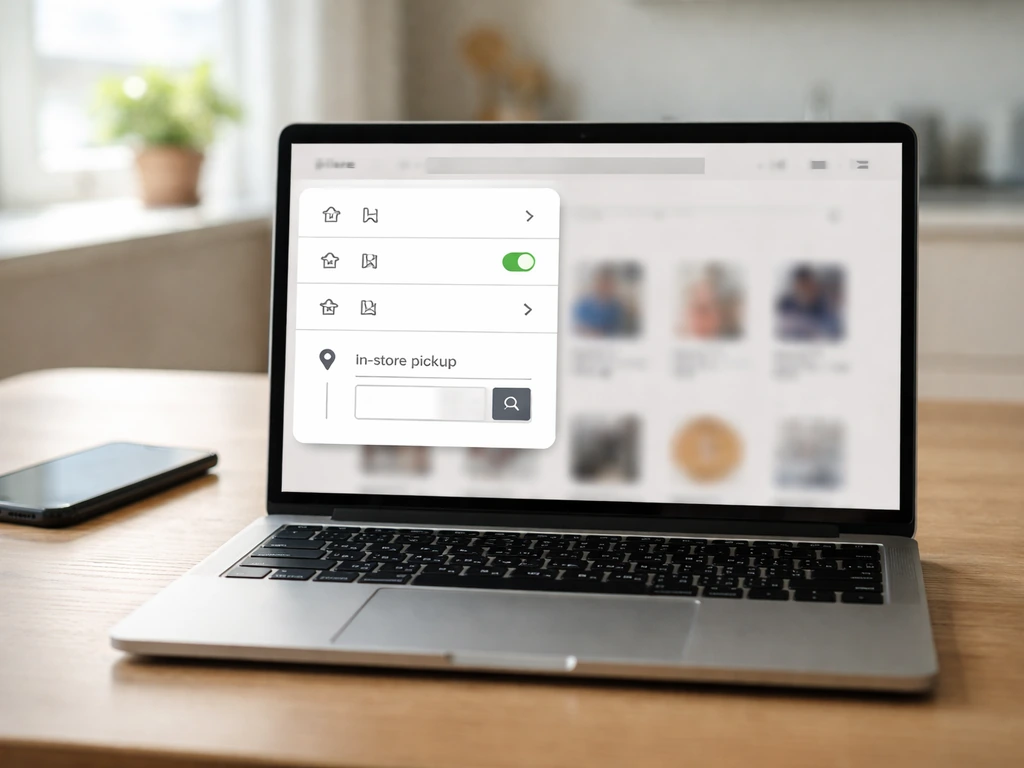
The fastest way is to go to petco.com and navigate to Bird > Wild Bird > Wild Bird Food & Seeds. From there, use the "Pick Up In-Store" filter and enter your zip code. This will show you exactly which seed products are available at your nearest Petco today, not just what they carry in general. Inventory fluctuates, especially in early spring and late fall when more people are setting up or winding down feeders.
- Go to petco.com and search "wild bird seed" or navigate to the Wild Bird Food & Seeds category.
- Click the "Pick Up In-Store" option and enter your zip code.
- Browse the filtered results to see what's actually on the shelf near you.
- If a product shows "Ships Next Business Day" but no in-store pickup option, call the store directly to confirm shelf stock before making the trip.
If your local Petco is out of stock, ordering online for home delivery is a solid backup. The Petco All Purpose Seed Mix is explicitly listed as a year-round product and typically ships quickly. If you want to compare delivery-focused options, Chewy is another major retailer that carries a wide range of wild bird seed and often has competitive pricing on larger bags. Does Chewy sell wild bird seed? Yes, it is another major retailer you can check for options and pricing.
What to search for on Petco's site
"Wild bird seed" is the right starting phrase, but knowing the specific seed names helps you filter to what actually works for your yard. If you're wondering whether you can buy bird seed with food stamps, the best place to check is your local retailer's SNAP policy, since eligibility rules can vary by store and state. Petco's catalog uses these terms consistently, so searching any of them will surface relevant results.
| Search term | What it is | Best for |
|---|---|---|
| Black oil sunflower seed | Single-ingredient sunflower seed with thin, easy-to-crack shells | Cardinals, chickadees, finches, sparrows, nuthatches |
| All purpose seed mix / wild bird mix | Blended mix of multiple seed types (often millet, milo, sunflower) | General backyard feeding, multiple species at once |
| Nyjer seed / thistle seed | Tiny black seeds, also labeled nyjer or niger | Goldfinches, pine siskins, redpolls |
| Safflower seed | White seeds with a bitter coating squirrels tend to dislike | Cardinals, doves, chickadees |
| Midwest regional blend | Multi-seed blend formulated for species common to that region | Region-specific backyard birds |
One thing worth knowing: Petco labels nyjer and thistle interchangeably. If you search "thistle" you'll get the same nyjer products. That Kaytee Nyjer Seed Wild Bird Food is the same product as the Kaytee Thistle Seed Wild Bird Food listed in the catalog. Don't let the naming confuse you.
Choosing the right seed for the birds in your yard
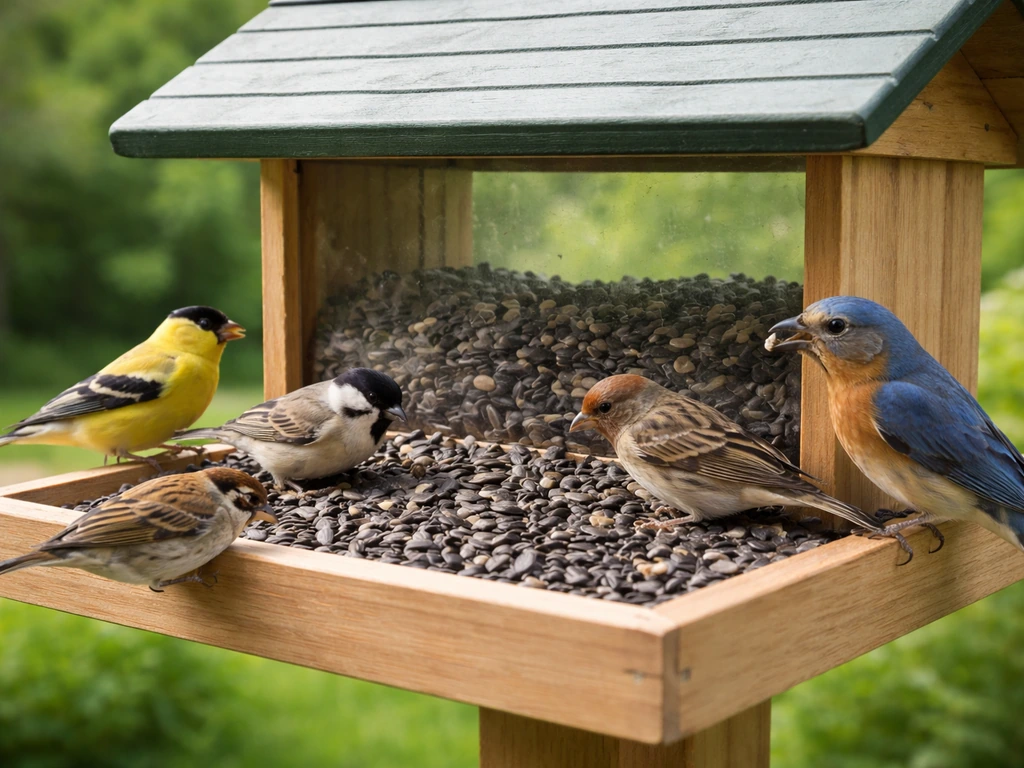
If you're just starting out and want one product that works for most common backyard birds, black oil sunflower seed is the single best choice. It appeals to the widest variety of species: cardinals, chickadees, house finches, goldfinches, sparrows, and nuthatches all go for it. The shells are thin enough that even smaller birds crack them without trouble.
Matching seed to species
- Cardinals and chickadees: black oil sunflower or safflower in a hopper or platform feeder
- Goldfinches and pine siskins: nyjer/thistle seed in a dedicated thistle sock or finch tube feeder with small ports
- Mourning doves and juncos: millet scattered on a low tray or ground feeder
- Woodpeckers: peanuts or suet (neither of which are seed, but worth pairing with your Petco haul)
- Sparrows: mixed seed or millet in a tray feeder
One myth worth busting: robins, bluebirds, and mockingbirds almost never visit seed feeders. They're fruit and insect specialists. If those are the birds you're hoping to attract, seed isn't the answer regardless of where you buy it. Stick with native fruiting shrubs or mealworm feeders for them.
Regional and seasonal notes
If you're in the Midwest, Petco carries a Kaytee Midwest Regional Blend that's formulated specifically for the species mix you'll see in that region. In colder climates, high-fat seeds like black oil sunflower, peanuts, and suet become even more important in winter because birds need extra calories to stay warm. Audubon’s winter-feeding guide similarly discusses which seed types to use in winter and the bird groups those mixes are likely to attract blank" rel="noopener noreferrer">high-fat seeds like black oil sunflower, peanuts, and suet become more important in winter. In the Southeast and Southwest, heat and humidity mean you need to think more carefully about storage and how fast seed goes stale in your feeder, since warm conditions accelerate mold.
What wild bird seed actually contains and how to handle it safely
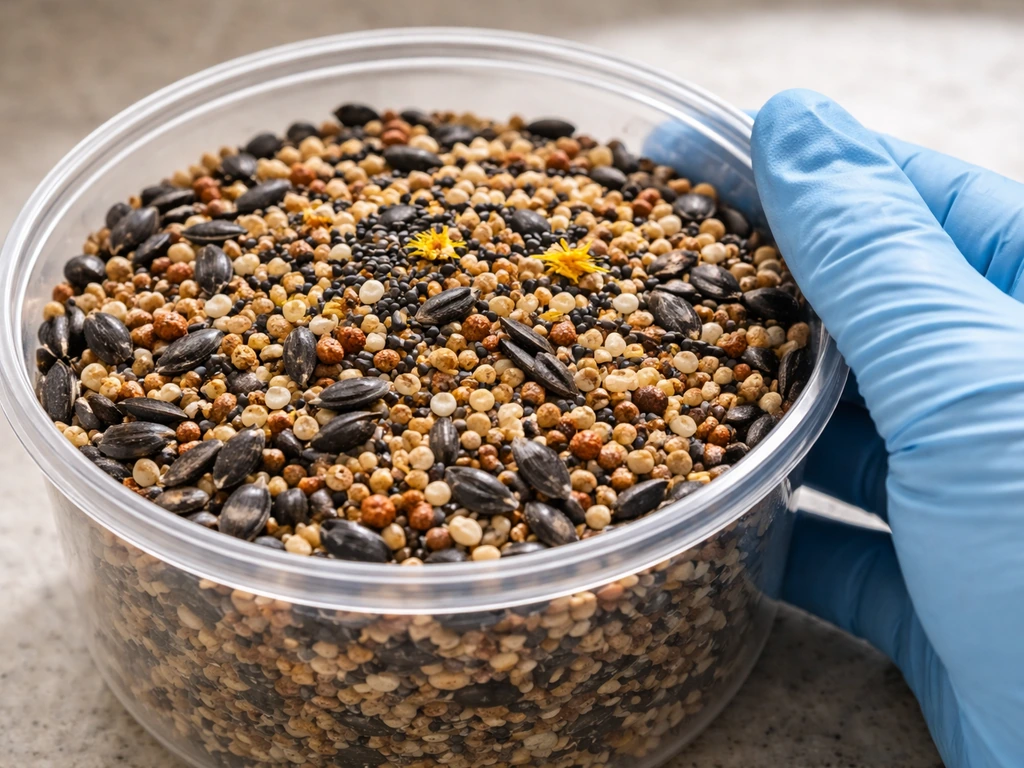
Most wild bird seed mixes contain a combination of millet, milo (sorghum), black oil sunflower seeds, and sometimes nyjer, safflower, or peanut pieces. The specific blend determines which birds show up. What matters from a handling standpoint is that all of these are raw grains and seeds, which means they carry the same risks as any stored grain: mold, aflatoxin, and pantry pest infestation if stored improperly.
Aflatoxin is the specific risk that deserves attention. It's a cancer-causing toxin produced by certain mold fungi that can grow on grain, and it's invisible. You can't see it just because the seed looks clean. The FDA issued a voluntary recall of one Kaytee wild bird food lot in March 2023 specifically due to elevated aflatoxin levels. This isn't a reason to panic, but it's a reason to take storage seriously and to discard seed that shows any visible mold, clumping, or off smell without hesitation.
- Always wash hands after handling raw bird seed
- Keep seed out of reach of children and pets
- Never use seed that smells sour, musty, or off, even if you can't see visible mold
- Check for recalls on bird food brands through the FDA website periodically, especially after a large purchase
Storage to prevent mold and pests (and how long seed actually lasts)
The single most important storage rule is this: keep seed cool, dry, and in a sealed hard-sided container. Most wild bird seed stored correctly will stay fresh for 6 to 12 months. Once moisture gets in, that window drops fast. A bag left open in a humid garage can start showing mold within a few weeks.
Storage setup that actually works
- Transfer seed from the paper or cloth bag into a metal or hard plastic bin with a tight-fitting lid immediately after purchase. Rodents chew through paper and thin plastic bags with no effort.
- Store the bin off the ground (on a shelf or pallet) in a cool, dry location. A climate-controlled garage or shed is ideal. Avoid storing seed outdoors in summer or in areas where humidity tops 60%.
- Label the container with the purchase date. Rotate stock so older seed gets used first.
- Place a bay leaf or two inside the container as a mild deterrent to pantry moths and beetles (low-effort, zero harm to birds).
- Inspect the seed every time you refill your feeder. If it clumps, smells off, or shows any dusty gray or green patches, discard the batch.
Pantry pests like Indian meal moths and flour beetles can absolutely infest bird seed. These are the same insects that get into your flour and cereal. If you see small moths flying around your storage area or find webbing in the seed, the batch is compromised. Seal and discard it in an outdoor trash bin, then clean the container with a dilute bleach solution (2 ounces bleach per 1 gallon of water) and let it air dry completely before refilling.
If the seed gets wet or starts sprouting: what to do
Wet seed is a fast path to mold, and mold in a feeder can make birds seriously sick. The straightforward rule is: if the seed in your feeder has gotten wet and is clumped, discard it. Don't try to dry it out and put it back. Empty the feeder into the trash (not the compost, unless you're sure the seeds won't sprout and establish invasive plants in your yard), then clean the feeder before refilling.
Sprouting is a slightly different situation. A few seeds germinating on the ground under your feeder is normal and mostly harmless. But if seed inside the feeder or in your storage container has started sprouting, that means moisture has been present long enough to trigger germination, and mold is likely right behind it. That seed should be discarded. Sprouted seed in the feeder also has a compromised hull that speeds up bacterial growth.
Wet seed action checklist
- Wet and clumped inside feeder: empty into trash, clean feeder, refill with dry seed
- Wet seed from a thistle sock or tube feeder: remove and compost the wet seed, rinse and dry the feeder completely before refilling
- Wet seed in storage: discard the affected portion (or the whole batch if contamination is widespread), dry the container, and inspect for the moisture source before restoring
- Sprouted seed in feeder: discard, clean feeder, identify and fix the water entry point (drooping perches, cracked roof, no drainage holes)
Tray feeders without a cover are the most vulnerable to wet seed buildup. If you use one and live somewhere with frequent rain, drilling a few small drainage holes in the bottom of the tray makes a real difference.
Cleanup and troubleshooting when pests or mold show up
Mold and pests at a feeding station usually trace back to the same root causes: moisture, spilled seed that isn't cleaned up, and feeders that go too long between cleanings. Here's how to troubleshoot each problem and prevent it from coming back.
Feeder mold
- Empty the feeder completely and discard all seed inside.
- Scrub the feeder with hot soapy water, then disinfect with a bleach solution (2 oz bleach per 1 gallon of water). Let it soak for a few minutes.
- Rinse thoroughly and allow to air dry completely before refilling. A damp feeder seeded with fresh seed will mold again within days.
- Refill with only as much seed as birds will consume in 2 to 3 days in humid weather, or up to a week in dry conditions.
- Clean feeders every 1 to 2 weeks as a routine, not just when you notice a problem.
Ground buildup and rodents
Seed hulls, fallen seed, and spilled millet accumulate under feeders and attract rodents and ground-feeding insects fast. Sweep or rake the area under your feeders at least once a week. If you're seeing rats or mice, switch to hulled (shelled) sunflower seed or a no-waste blend temporarily, which leaves less debris. Move the feeder location if rodents have already established a pattern of visiting.
Pantry insects in stored seed
Indian meal moths and flour beetles are the most common culprits in stored bird seed. If you open your seed container and see small moths, silky webbing in the seed, or tiny beetles, the seed is infested. Discard it in a sealed bag in an outdoor bin immediately. Wipe out the storage container with the bleach solution, let it dry, and inspect the surrounding storage area for other potential food sources these pests might move to (dry pet food, flour, cereals). Switching to a metal container with a rubber-sealed lid stops most future infestations.
Sour smell without visible mold
A sour or fermented smell from seed means bacterial or fungal activity has already started, even if you can't see it visually. This is exactly the condition where aflatoxin risk is elevated. Don't use that seed for birds, and don't handle it extensively without washing your hands afterward. The USDA is clear that moldy and fermented grain can carry invisible bacterial contamination alongside visible fungal growth. When in doubt, throw it out. Seed is inexpensive compared to a sick flock of backyard birds or a storage area overtaken by mold spores.
Your next steps after buying from Petco
Once you've confirmed stock on petco. If you're wondering where else to buy bird seed, you can also check whether Walgreens sells bird seed in-store or online petco.. com and picked up your seed, the practical sequence is straightforward: transfer seed into a sealed hard-sided container the same day you bring it home, set up your feeder for the species you want to attract using the seed-to-bird guide above, and put a recurring reminder on your phone to clean feeders every one to two weeks. Check the area under your feeder weekly for hull buildup. If your area gets heavy summer rain, fill feeders in smaller quantities so seed turns over before it can get wet and mold. That's the whole system, and it's what actually keeps your birds coming back and your feeding station problem-free.
FAQ
How can I confirm what wild bird seed my specific Petco store has today?
Yes, but availability depends on your local store. Use Petco.com with the “Pick Up In-Store” filter (enter your zip code) and confirm the specific product name you want, since stores may carry only a basic selection even if another location stocks larger bags or specialist blends.
What should I do if my nearest Petco is out of wild bird seed?
If the exact product you want is out of stock locally, order online for home delivery instead of driving store to store. When you place the order, check the delivery timing or choose faster shipping options so the seed arrives before it starts absorbing moisture during prolonged transit in humid conditions.
What’s the best way to search Petco’s catalog if I want seed for specific birds?
You can search by seed type (for example “black oil sunflower,” “nyjer,” or “peanut”) rather than by generic “wild bird seed.” This helps you match the blend to the birds you want, since many mixes contain millet or milo that attract different species than sunflower-heavy seeds.
Does Petco label nyjer and thistle as different products?
Treat “nyjer” and “thistle” as the same category when shopping. If you see one name in the product title or search results, expect it to pull up the same type of seed under a different label.
How can I tell if a bag I buy at Petco is fresh and safe?
Look for the presence of hard, sealed packaging and check the seed for signs you would discard (visible mold, clumping, off or sour smell). Even sealed bags can become compromised if they were stored warm or damp for a long time in a warehouse, so rely on storage-condition cues like bag integrity and product appearance.
Which seed types work best if I’m preparing for winter feeding?
If you plan to feed through the winter, prioritize high-fat options like black oil sunflower, peanuts, or suet, and avoid large multi-month open storage. High-fat seed also tends to attract more species, but it still must be kept cool and dry in a hard-sided sealed container.
Why might birds ignore the seed I bought from Petco?
Yes. Many birds reject certain seed mixtures, especially if the mix is heavy on millet and you want sunflower-loving species. If birds ignore a feeder for several days, switch to a sunflower-forward option or a hulled (shelled) blend to reduce hull debris and improve what remains in the feeder.
What’s the difference between safe sprouting and seed you should throw away?
Don’t try to rescue seed that got wet in the feeder. Discard any clumped or visibly wet seed, empty the tray or container, and clean it before refilling. For ground-sprouted seeds, a few germinating nearby can be harmless, but sprouting inside storage or in the feeder suggests moisture and higher mold likelihood.
What should I do if I discover meal moths or beetles in my bird seed storage?
Pet pantry pests can survive in the storage area even if the seed is sealed poorly. If you see moths, webbing, or tiny beetles, discard the batch in an outdoor trash bin, then clean the container and also inspect nearby dry foods (flour, cereal, pet food) that may be acting as a source.
How much wild bird seed should I buy at once to avoid spoilage?
Petco locations can carry different quantities, and seasonal demand can change what’s on shelves. If you want uninterrupted feeding, buy enough for about a month at a time and store it correctly, rather than buying one huge bag and keeping it open for too long.