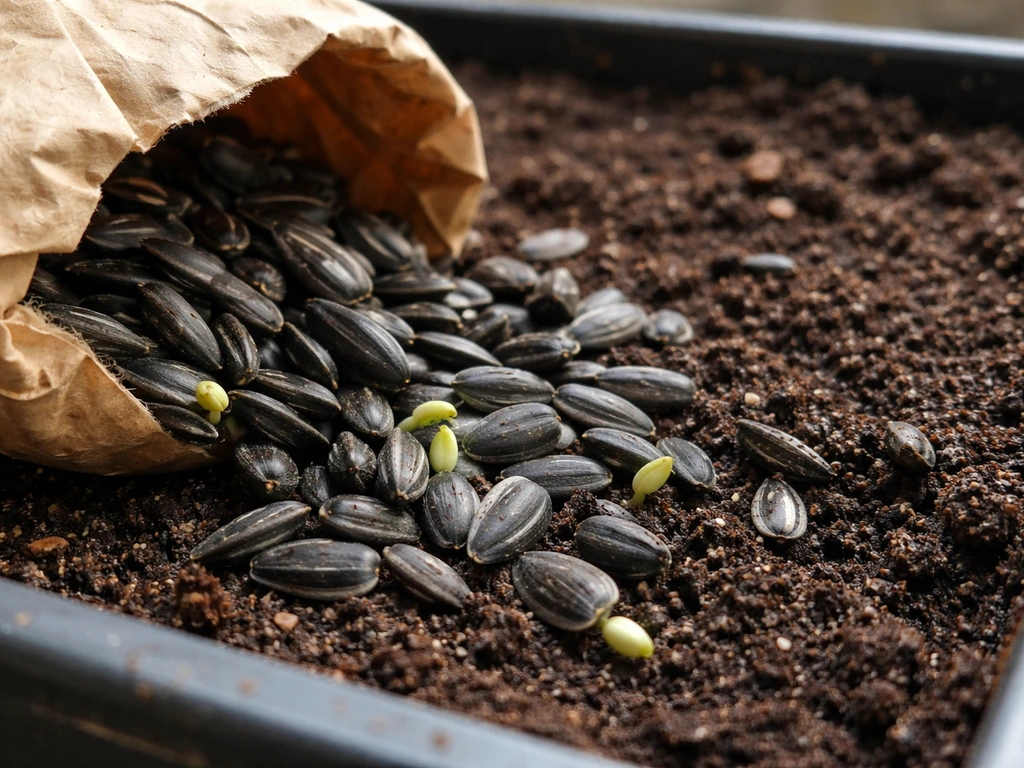
Yes, you can grow black oil sunflowers from store-bought bird seed, and it works more reliably than most people expect. Black oil sunflower seed sold for bird feeders is the same species (Helianthus annuus) used in garden and agricultural production. As long as the seed hasn't been roasted, treated, or sitting in poor storage conditions for too long, a good portion of it will germinate and grow into full-sized plants. The main variables are seed age, how it was stored, and whether you give it the right conditions to sprout.
Can You Grow Black Oil Sunflowers From Bird Seed?
Maya Collins
15 Apr 2026
Will black oil sunflower bird seed actually sprout?
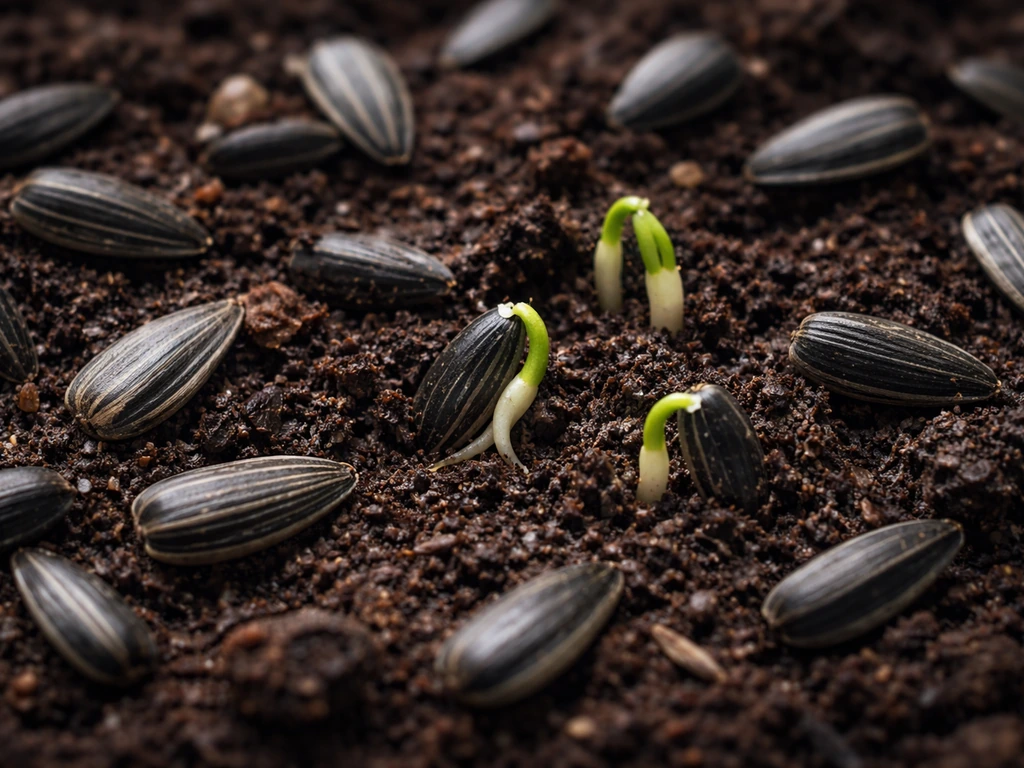
Most commercially bagged black oil sunflower seed is raw and untreated, which means the embryo inside is still alive and capable of germinating. That said, germination rates vary quite a bit depending on how old the bag is and how it was stored before you bought it. Fresh seed from a well-ventilated, cool, dry storage environment can germinate at 70% or better.
Old seed that's been sitting in a hot garage or damp shed may barely hit 20%, if it germinates at all. Frost-damaged seed is another culprit: NDSU notes that light-weight and brown sunflower seeds are typically the result of frost damage, and those seeds are much less likely to be viable. If you sort your bird seed and see a lot of shriveled or discolored seeds, expect a lower germination rate.
The short answer on what to expect: plant more seed than you think you need, thin later, and run a quick germination test before committing a whole bed to old seed. If you've been wondering will bird seed sunflowers grow at all, the answer is yes, they generally will, but viability testing first saves a lot of frustration.
Test your seed before you plant it
If your bag is more than a year old or has been stored somewhere warm and humid, run a quick paper towel germination test before planting. The University of Alaska Fairbanks Cooperative Extension recommends this approach specifically when seed quality is in question. Take 10 seeds, place them on a damp (not soaking wet) paper towel, fold it over, slip it into a zip-close bag, and keep it somewhere around 70°F. Check after 7 days.
If 7 or more seeds have sprouted, you're in good shape. If fewer than 5 sprout, plant more densely and expect gaps, or get a fresh bag. A rough float test can also help: seeds that float when placed in water tend to be hollow or frost-damaged, while heavier, viable seeds usually sink. It's not a perfect method, but it filters out the worst candidates quickly.
How to plant black oil sunflower bird seed
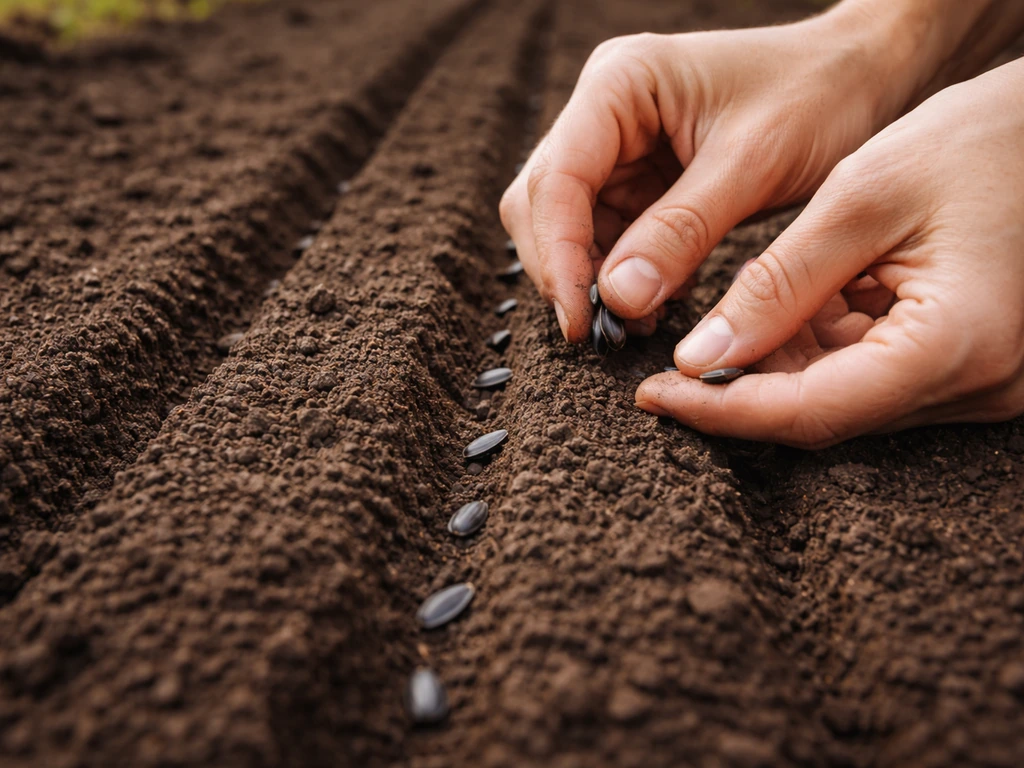
Timing matters more than most people realize. Sunflowers need soil that's at least 50°F for germination to happen at all, according to NDSU's sunflower production research. For most regions, that means waiting until two to three weeks after your last frost date. Planting into cold soil just leads to sitting seed that rots before it can sprout. If you're in a cooler northern region, check your soil temperature with an inexpensive thermometer before you even bother opening the seed bag.
Soil prep and spacing
Sunflowers aren't picky about soil type, but they do want decent drainage and a pH somewhere in the 6.0 to 7.5 range. The University of Wisconsin notes that sunflower is not highly sensitive to soil pH, so most average garden soil works fine. Loosen the top 6 to 8 inches, remove large clumps, and rake the bed smooth. Good seed-to-soil contact is critical for even germination, so a lumpy, cloddy seedbed works against you. Space seeds about 6 inches apart in rows 24 to 30 inches apart if you're planting a row. You'll thin them later, but starting with good spacing reduces competition early.
Planting depth
Plant seeds about 1 inch deep. OSU Extension germination guidelines suggest 1/4 to 1/2 inch for sunflower in general, but with bird seed (which can vary in hull thickness and seed size), going to about 1 inch gives the seed better contact with moist soil and protection from drying out. Don't go deeper than 1.5 inches, or emergence slows significantly. After placing seeds, firm the soil over them gently rather than leaving it fluffy, which helps maintain moisture contact.
When to expect sprouts
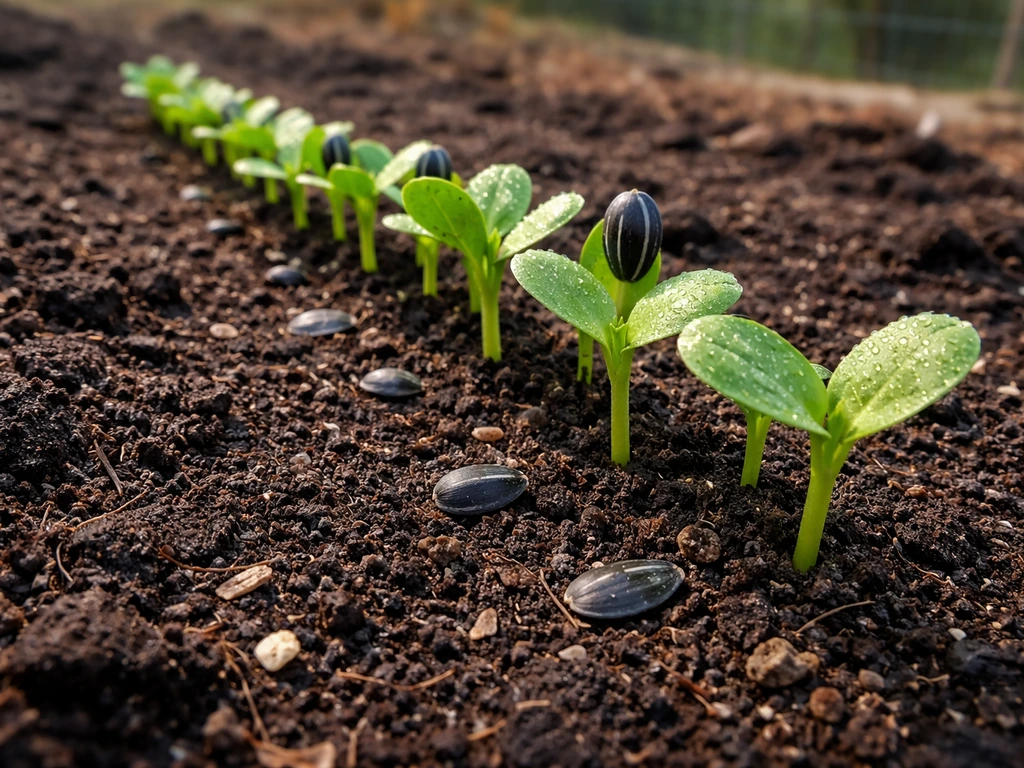
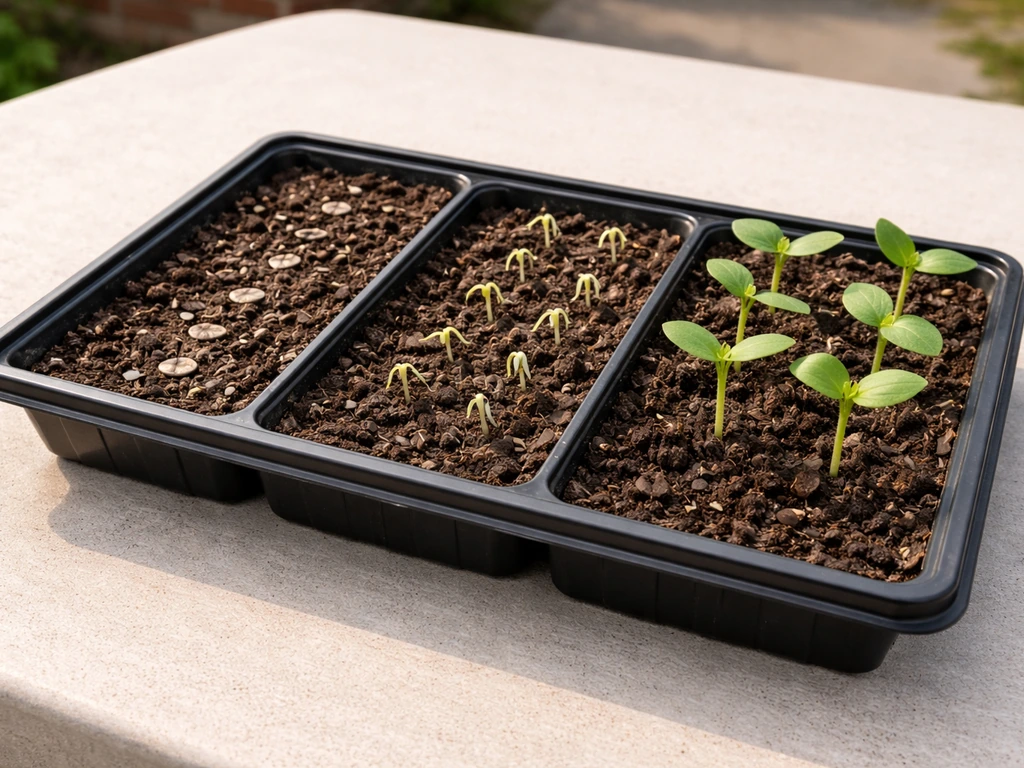
At an optimal soil temperature around 70°F, sunflowers typically emerge in 5 to 7 days according to OSU germination data, and in commercial field conditions emergence is often described as uniform within 8 to 12 days. From bird seed, expect the slightly wider end of that window, since seed quality is more variable than certified garden seed. If nothing has pushed through at 14 days and you had reasonably warm, moist soil, that's a signal to investigate.
Germination troubleshooting
Most germination failures come down to a handful of predictable causes. Here's how to diagnose and fix them:
- Soil too cold: Below 50°F, germination stalls or fails. Fix by waiting for warmer weather or using a black plastic mulch to warm the soil faster before planting.
- Planted too deep: Seeds buried more than 1.5 inches often exhaust their energy before reaching the surface. Replant at 1 inch.
- Soil too wet: Waterlogged soil causes seed rot before emergence. Illinois Extension notes this is one of the most common causes of pre-emergence failure. Improve drainage or wait for the bed to dry out before replanting.
- Soil too dry: The seed needs consistent moisture to break dormancy. Water gently after planting and keep the top inch of soil moist until sprouts appear.
- Old or damaged seed: If your germination test came back below 50%, switch to a fresher bag or supplement with purchased garden-variety black oil sunflower seed.
- Roasted or treated seed: Some specialty birdseed mixes include roasted seeds for human snacking, or seeds treated to prevent mold in feeders. These won't germinate. Check the bag label if you're unsure.
One thing people sometimes try is soaking seeds before planting to speed germination. If you do soak, keep it short: around 2 hours is typically recommended for sunflower seeds in sprouting guides. Soaking longer than 8 hours doesn't improve germination and increases the risk of the seed becoming waterlogged and prone to rot. If you're sprouting seeds for eating rather than planting, that's a different process entirely (rinsing and draining over 2 to 3 days in a jar), but for soil planting, a brief soak or no soak at all is the safer choice.
Preventing mold, pests, and sprouting problems
The stretch between planting and emergence is where most preventable problems happen. Mold is the biggest one. If you water too heavily or the weather turns wet and cool after planting, seeds sitting in saturated soil can develop surface mold before they even sprout. Keep the soil consistently moist but not muddy. If you see a white, fuzzy coating on the soil surface after rain, that's often mold feeding on decomposing seed hulls. Scratch the surface lightly, allow it to dry for a day, and then water more gently going forward.
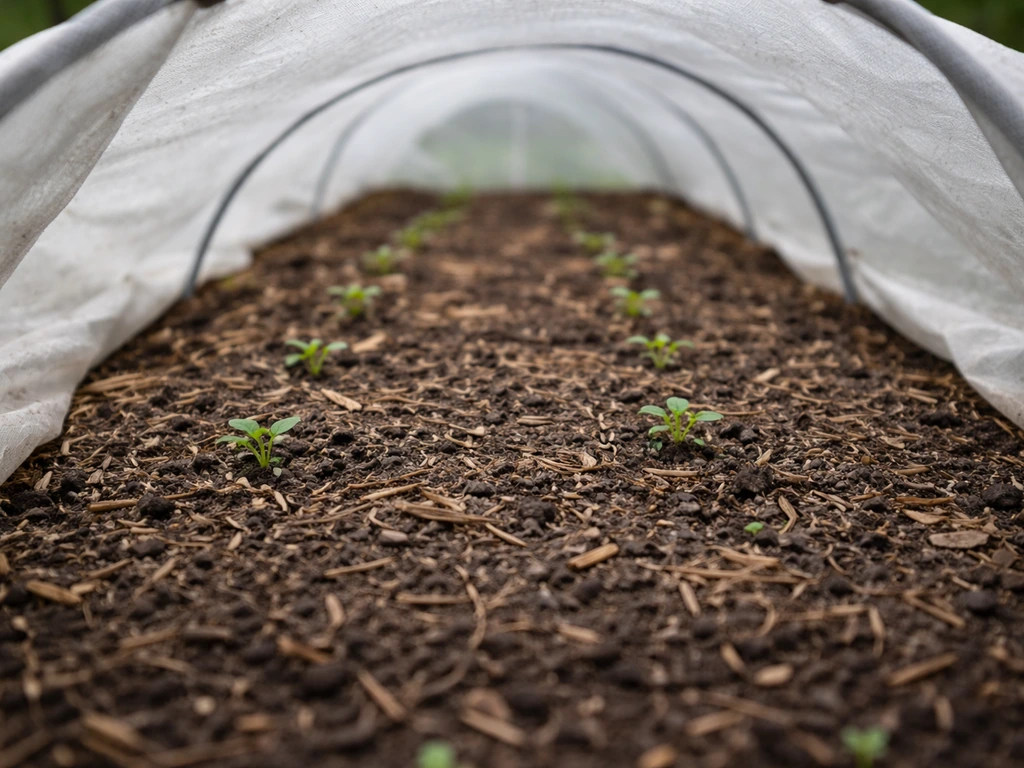
Pests are the other concern. Squirrels, chipmunks, and birds know exactly what's in your freshly planted bed. Squirrels in particular will dig up freshly planted sunflower seed within hours of planting. Cover the bed with a lightweight row cover or chicken wire laid flat on the ground and staked down until seedlings are a few inches tall. Once the cotyledons are up and visible, digging tends to drop off. If you're curious about what bird eats sunflower seeds and might raid your bed, the list is long: cardinals, jays, chickadees, and house sparrows all target them. The row cover handles all of these.
Already-sprouted seed from your feeder or storage area is a slightly different issue. If seed in a feeder or storage bag has started sprouting before you plant it, it can still germinate in soil, but handle it carefully to avoid breaking the emerging radicle (the first tiny root). Plant sprouted seeds the same day you find them, at the same 1-inch depth, and water gently. Don't try to store sprouted seed; it degrades quickly.
Getting plants established: watering, thinning, and feeding
Watering
Once seedlings are up, sunflowers are fairly drought-tolerant but grow faster and taller with consistent watering. OSU Extension recommends regular watering for sunflowers, particularly during bud formation and flowering. Aim for about 1 inch of water per week, applied at the base of the plant rather than overhead to reduce foliar disease. Deep, infrequent watering encourages roots to go down rather than staying near the surface.
Thinning
Once seedlings reach 3 to 4 inches tall, thin them to one plant every 12 to 18 inches. Crowded sunflowers compete for nutrients and light, which results in thinner stalks, smaller heads, and fewer seeds at harvest. Pull the extras rather than cutting them at the base, which can disturb neighboring roots. If you planted from bird seed and had patchy germination, thin only where you have multiple seedlings close together and leave singles in place.
Fertilizing
A balanced fertilizer like a 10-10-10 NPK works well for sunflowers, applied at planting or as a side-dress early in the season. OSU Extension specifically cautions against high-nitrogen fertilizers, which push leafy growth at the expense of flowers and seeds. If you're growing these plants specifically to harvest seed for feeding back to birds, over-fertilizing with nitrogen will disappoint you at harvest. UNL Extension recommends basing nitrogen rates on a soil test when possible, applying preplant or as a side-dress around 4 to 6 weeks after planting.
Staking and support
Black oil sunflowers grown from bird seed tend to be multi-branching, shorter varieties rather than the tall single-stem types sold as garden cultivars. That's actually an advantage: they're less likely to need staking. If you're in a windy location or plants get tall (over 5 feet), stake them loosely with a bamboo cane and soft tie. Don't tie them tightly against the stake; the stalk needs a little flex to develop strength.
Harvest timing
Sunflowers reach physiological maturity about 30 to 45 days after bloom, according to agronomic harvest guides. At that point, seed moisture is around 30 to 40 percent, which is too wet to store. NDSU’s Sunflower Production Guide reports seed moisture around about 35% at physiological maturity [seed moisture is around 30 to 40 percent](https://www. ndsu.
edu/agriculture/extension/publications/sunflower-production-guide). Let the heads dry on the plant until the back of the head turns yellow to brown, then cut and hang them upside down in a dry, well-ventilated space. For long-term storage, seeds should ultimately reach around 9 percent moisture content. Penn State Extension provides a rule of thumb that sunflower seed moisture of about 7, 9% is suitable for storage after harvest or processing for oilseed [around 9 percent moisture content](https://extension.
psu. edu/cleaning-and-storage-of-oilseed). You can test this roughly by trying to dent a seed with a fingernail: if it's hard and doesn't dent, it's dry enough to store.
Cleanup, bird safety, and what to do with leftover seed
After planting, you'll likely have leftover bird seed in the bag. How you handle it matters both for the seed's viability and for household hygiene. If the bag has been open for more than a few weeks, inspect it carefully before storing or feeding. Mold in bird seed is a real hazard: some mold species produce mycotoxins that can harm birds, so moldy seed should go in the trash rather than back in the feeder. A faint musty smell is a red flag even before you can see visible mold.
For seed you want to keep viable (either for planting or feeding), store it in a sealed container in a cool, dry location. A metal or thick plastic bin with a tight lid works better than the paper bag it came in, which breathes moisture and invites pests. Avoid storing seed in a hot garage or shed during summer; heat accelerates viability loss. Properly stored black oil sunflower seed stays viable for planting for about one year, sometimes two if conditions are ideal.
If you have seed that's been sitting in a wet feeder or got rained on in the bag, don't plant it or feed it to birds without checking it first. Wet seed molds within 24 to 48 hours, and planting moldy seed just adds mold inoculum to your garden bed. Spread questionable wet seed on a clean tray in a warm, ventilated spot for a day to see if it dries out cleanly. If you see any gray or blue-green fuzz developing, compost it or dispose of it.
One question people often ask is whether you can just scatter leftover bird seed directly on the ground as a casual planting method. You can, and some seeds will germinate, but you'll get poor spacing, variable germination, and a lot of competition from whatever else is growing there. It's also an open invitation for rodents. For best results, plant deliberately in a prepared bed. If you want to explore the broader question of can you plant bird seed as a general approach for other species in your mix, the same principles apply: viability and soil conditions matter more than the type of seed.
After your plants are established and flowering, you don't need to do much for bird-safety cleanup until harvest. But once you've cut the heads, clean up fallen seeds from the ground promptly if you have pets or if you're in an area with rodent pressure. Piles of seed on the soil surface attract rats and mice fast, and wet fallen seed molds just as quickly as feeder seed does.
Black oil sunflower vs. other sunflower seed types
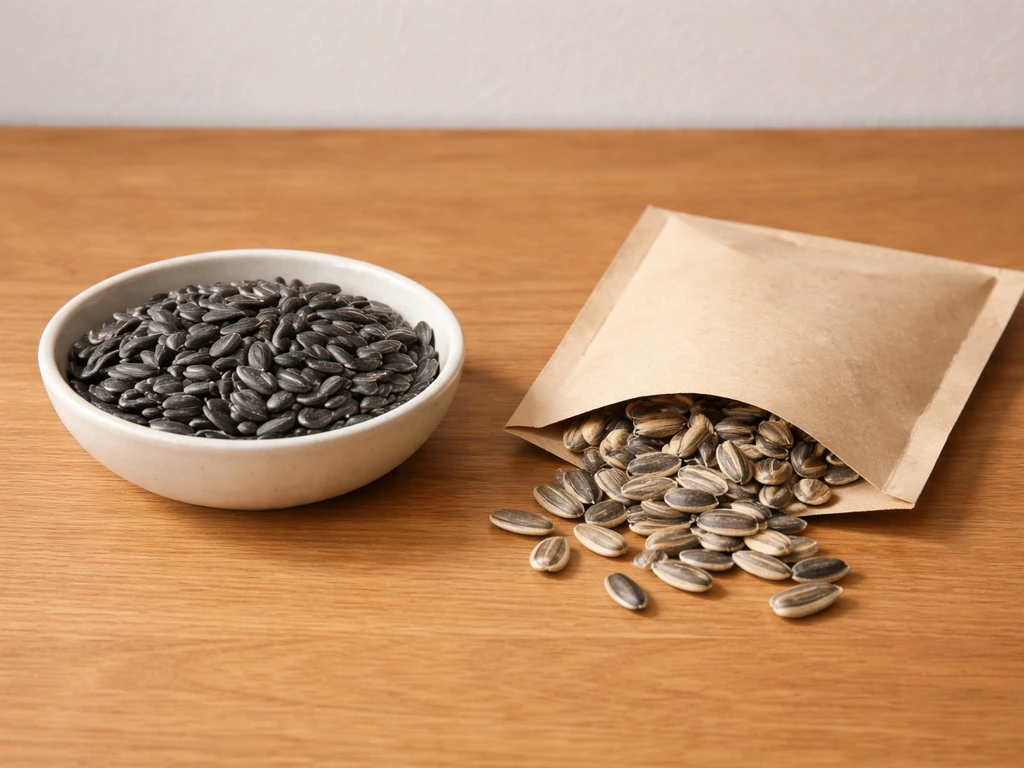
People sometimes wonder whether black oil sunflower bird seed will perform the same as garden sunflower seed packets. Here's a quick comparison of what you're actually working with:
| Seed Type | Shell | Germination Rate | Plant Type | Cost |
|---|---|---|---|---|
| Black oil bird seed (bulk) | Thin black hull | Variable (50–80% if fresh) | Multi-branch, medium height | Low (bulk pricing) |
| Black oil garden seed (packet) | Thin black hull | High (often 85%+ guaranteed) | Similar multi-branch | Higher per seed |
| Striped sunflower (bird or garden) | Thicker striped hull | Moderate | Often tall single-stem | Similar to black oil |
| Confectionery/snack sunflower | Large striped hull | Low if roasted or treated | Large-seeded cultivars | Variable |
The main trade-off with bird seed over garden seed packets is germination rate reliability. Garden packets are tested and labeled with a germination percentage. Bulk bird seed isn't. That's why the paper towel test before planting is worth the three minutes it takes. For a deeper look at this specific question, the article on can you plant sunflower bird seed covers the differences between seed types and what to realistically expect from each.
Quick-reference planting checklist
- Check soil temperature: wait until it's at least 50°F at planting depth, ideally 60–70°F.
- Run a paper towel germination test if seed is more than 1 year old or storage was poor.
- Prepare a well-drained, raked bed with a soil pH of 6.0 to 7.5.
- Plant seeds 1 inch deep, 6 inches apart in rows 24 to 30 inches apart.
- Firm the soil over seeds for good seed-to-soil contact.
- Water gently and keep the top inch of soil consistently moist until emergence.
- Cover the bed with row cover or flat chicken wire until seedlings are 3 to 4 inches tall.
- Thin to one plant every 12 to 18 inches once seedlings reach 3 to 4 inches.
- Apply a balanced 10-10-10 fertilizer at planting or as a side-dress early in the season. Avoid high-nitrogen formulas.
- Harvest heads 30 to 45 days after bloom when the back of the head turns brown. Dry to 9% moisture before storing.
FAQ
Can I plant black oil sunflower bird seed in containers or raised beds instead of the ground?
Yes, but use a larger pot or deep raised bed (at least 10 to 12 inches of soil depth) and ensure fast drainage. Container sunflowers dry out faster, so keep moisture consistent, and thin to one plant per pot or to about 12 to 18 inches between plants in larger containers to prevent weak, crowded growth.
Should I buy “sprouting” sunflower seeds instead of bird seed for planting?
Usually, bird seed is fine for planting as long as it is raw and untreated, but “sprouting” seeds are processed to germinate for eating and are not always ideal for field emergence. If the label says roasted, heat-treated, or treated, skip it. If you are unsure, do the paper towel germination test on any questionable bag before planting.
What if my bird seed contains hulls, chaff, or broken pieces, will that affect germination?
It can. Hulls and damaged seed usually do not germinate well, and too many non-viable pieces can increase mold risk by holding moisture in the planting zone. Sifting out obvious hulls and using only intact, plump seeds improves consistency, especially with older bird seed.
How do I tell the difference between slow emergence and a failed planting?
If soil was warm enough, seeds should show some emergence by 10 to 14 days. After 14 days, check by gently digging 1 to 2 inches in a few spots to see whether seeds are still intact, hollow, or covered in mold. If you see mold or mushy seed, you likely need to replant rather than wait longer.
Is watering differently after planting, like misting versus soaking, better for preventing mold?
In most cases, a thorough initial watering followed by gentle moisture is best. Avoid saturating the bed every day, instead aim for evenly moist soil that is not muddy. If weather turns cool and wet, reduce watering frequency, because saturated, cold soil is when mold forms fastest.
Can I plant the seed straight from a bird feeder, even if it looks clean?
Only if it is not wet and not visibly moldy. Seed from feeders can carry moisture, droppings, and fungal spores. If it has been rained on or you see fuzzy growth, discard it. If it is dry and intact, still expect lower and more variable germination than fresh bulk seed.
Do I need to remove the hull or shell before planting?
Usually no. Black oil sunflower seeds intended for birds are typically already in the hulled form (the “kernel” that birds eat). If you are planting whole unshelled seeds, don’t expect better results and consider that the thicker hull can slow emergence, which is one reason bird-seed lots vary in timing.
How close together can I plant before thinning, and what happens if I thin late?
Planting closer than the final spacing is fine, but thinning should happen once seedlings are a few inches tall. If you delay thinning, early crowding can reduce head size and lead to thin stems that are more likely to lodge in wind. Use scissors or pull carefully, and do not disturb neighboring root clumps.
Will black oil sunflowers planted from bird seed cross-pollinate with other sunflower varieties?
Yes. Sunflowers are insect-pollinated, so nearby garden varieties can cross with your bird-seed plants, changing seed traits in the next generation. If you are saving seed specifically to grow similar plants later, isolate plantings by distance and timing, or grow one variety per area.
How do I store leftover bird seed safely if I want to keep it viable for next season?
Store only dry, non-moldy seed in a sealed, airtight container in a cool location. Avoid the original paper bag, it can absorb moisture. Also discard any seed with musty odor or visible mold, because mycotoxins can be a risk for birds and can spread mold spores.
Next Article
Will Bird Seed Sunflowers Grow? Germination and Planting Guide
Find out if bird seed sunflower kernels germinate, how to plant them, and troubleshoot mold, age, additives, and pests.