Which seeds in a mix will actually grow (and which won't)
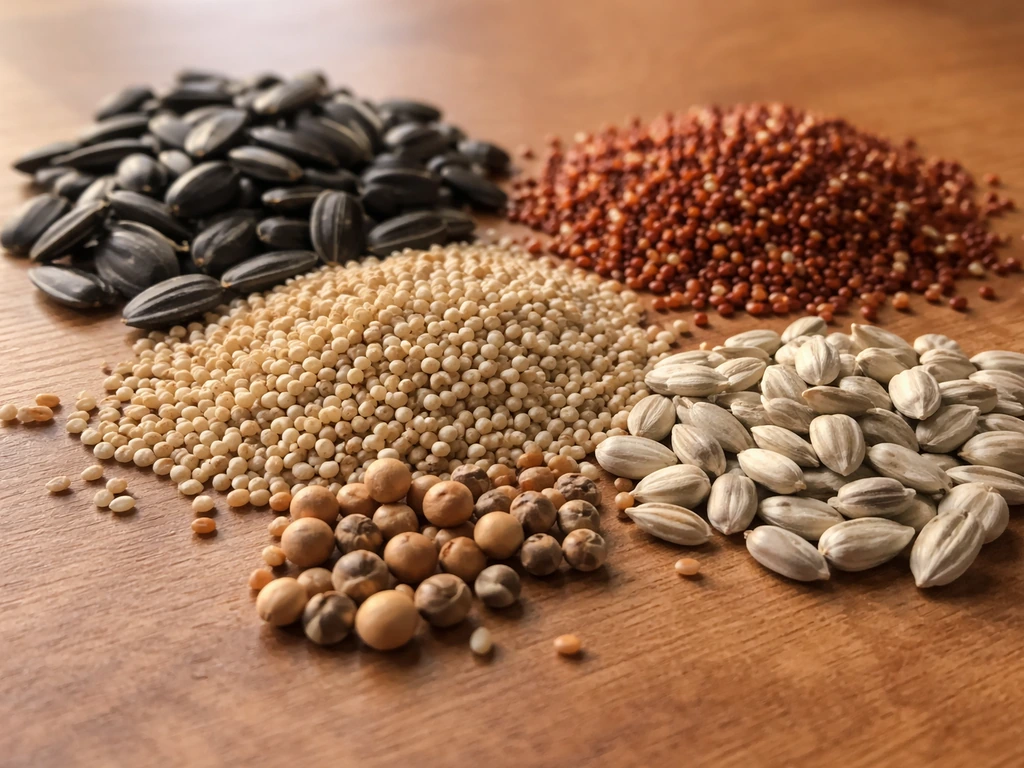
Not all bird seed is created equal when it comes to germination. A typical wild bird mix might contain black oil sunflower, white millet, red millet, milo (sorghum), safflower, cracked corn, and nyjer (also called niger or thistle). Some of those are perfectly viable botanical seeds. Others are processed in ways that kill germination potential entirely.
Sunflower is the standout performer. Black oil sunflower seed, the kind that dominates most mixes, is a real agricultural seed that germinates readily in warm soil. If you've ever wondered specifically about whether you can plant sunflower bird seed, the short answer is yes, and it's one of the most reliable seeds in any mix to actually grow. White millet is another reliable germinator. Milo, safflower, and wheat can also sprout under the right conditions.
Nyjer (often labeled thistle) is a different story. Imported nyjer sold for feeders is heat-treated at 248°F (120°C) for 15 minutes under a USDA-approved schedule specifically to prevent it from germinating in the wild. The Wild Bird Feeding Institute confirms this treatment also means any nyjer that does sprout under a feeder typically produces a sterile plant that sets no seed. So don't count on nyjer from a feeder mix as something you can plant and grow.
Cracked corn is already broken open, so it won't germinate. Hulled sunflower (sunflower hearts) and hulled millet are also non-viable since the seed coat is removed. If a mix contains a lot of these, you're working with a high percentage of seeds that will never sprout no matter what you do.
| Seed Type | Will It Germinate? | Notes |
|---|
| Black oil sunflower (whole) | Yes | Most reliable germinator; grows into full sunflower plant |
| White millet (whole) | Yes | Good germinator; plant about 1/2 inch deep |
| Red millet (whole) | Yes | Similar to white millet; less common in mixes |
| Milo / sorghum (whole) | Usually yes | Variable germination rate; can be weedy |
| Safflower (whole) | Yes | Germinates well; slower to establish |
| Wheat (whole) | Yes | Grass-like growth; not ornamental |
| Nyjer / niger (heat-treated) | No | Heat treatment kills germination potential |
| Cracked corn | No | Broken seed cannot germinate |
| Hulled sunflower / millet | No | Seed coat removed; not viable |
Check your seed before you plant it
Even seeds that should germinate won't if they've been sitting in a damp bag for six months or stored improperly. Before you commit to a planting project, it's worth spending ten minutes checking viability. Extension Dane County's approach is simple: dampen a paper towel, lay out 10 seeds from your batch, fold the towel over them, seal it in a plastic bag, and leave it at room temperature for 5 to 7 days. Count how many produce a shoot and a visible root. If fewer than 4 out of 10 sprout (below 40%), the seed isn't worth planting outdoors. University of Alaska Fairbanks Cooperative Extension specifically recommends this kind of test for any seed over a year old or seed you're uncertain about, because you can't judge viability reliably by looking at the seed.
Red flags that mean the seed is already compromised
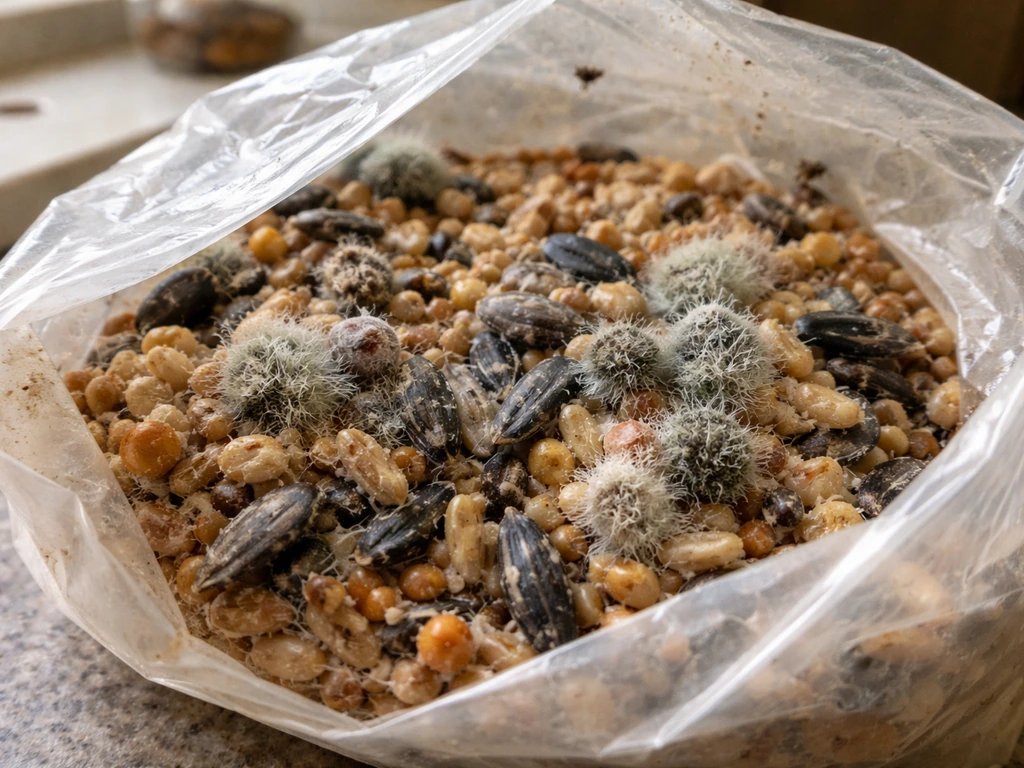
Wet or clumped seed, visible mold (usually grey, green, or black fuzz), a musty or sour smell, webbing, powdery residue, or small insects in the bag are all signs the seed has been damaged by moisture or pests. Extension sources from Illinois, Missouri, Utah State, and Penn State all flag stored birdseed as a realistic host for pantry pests including beetles, moths, mites, and psocids. If you see shed skins, frass (tiny droppings), or webbing in the bag, the seed is compromised. Don't plant it, and don't put it back in storage near clean seed.
Wet seed is a particular problem because water causes seed to swell, which accelerates mold growth and kills the embryo inside. Cornell notes that hot-water seed treatment parameters (about 118, 125°F for 15, 30 minutes depending on crop) are used to help manage seed-internal pathogens hot-water seed treatment parameters (118–125°F and 15–30 minutes). Even seed that looks dry on the outside can have moisture damage if the bag was stored in a humid shed or garage. When in doubt, run the paper towel test before planting.
How to plant bird seed step by step
Once you've confirmed your seed is viable, the process is straightforward. These steps work for sunflower, millet, milo, and safflower, the seeds most likely to succeed from a typical wild bird seed mix.
Step 1: Wait for the right timing
Plant outdoors after the last frost date in your area. Illinois Extension is explicit about this: birdseed-type plants should go in the ground after frost danger has passed. Sunflower can germinate in soil as cool as 46°F, but millet prefers warmer soil above 55°F. In most of the continental US, that window opens between late April and mid-May, depending on your region. If you're further north (Minnesota, Montana, Alaska), push planting toward late May or early June. You can start seeds indoors 3 to 4 weeks before your last frost date if you want a head start.
Step 2: Pick your site and prep the soil
Sunflower and millet both want full sun, at least 6 hours a day. Loose, well-drained soil is important. University of Maryland Extension notes that compacted or cloddy soil, especially heavy clay, can stop seeds from emerging even if they germinate underground. If your soil is compacted, loosen it to about 6 inches deep with a fork or tiller and mix in a little compost to improve structure. Raised beds or garden borders work well for small plantings.
Step 3: Sow at the right depth
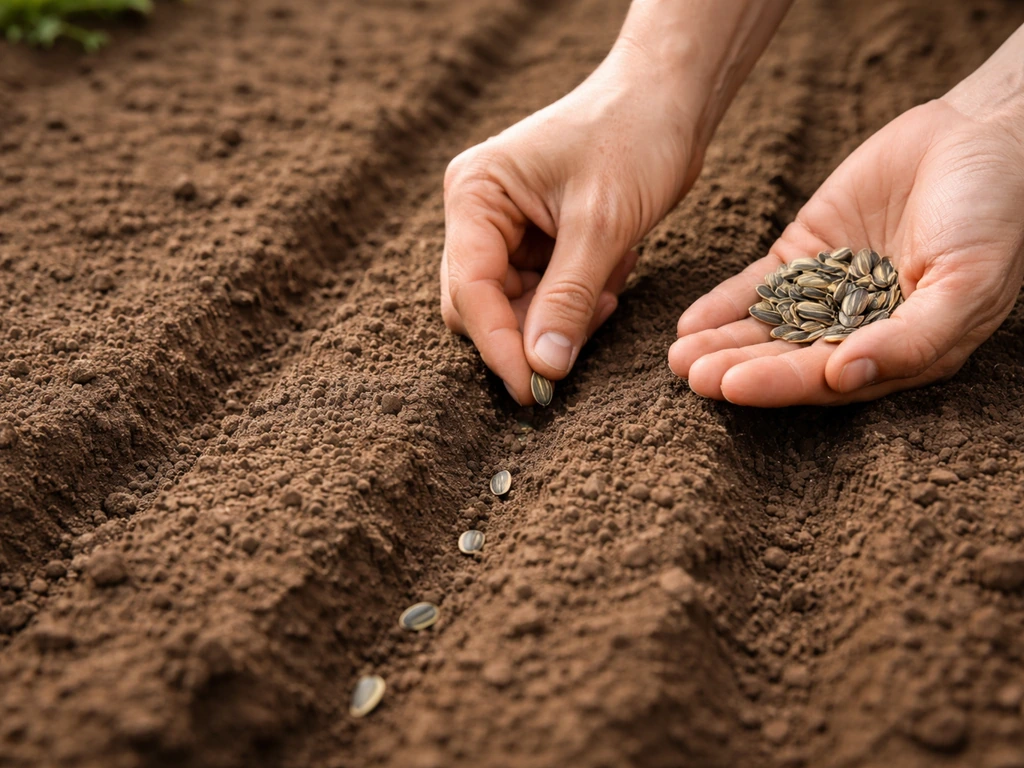
Depth matters more than most people think. UMD Extension gives a reliable rule of thumb: plant seed 2 to 3 times its own diameter deep. If you are unsure about seeding depth, UMN Extension suggests a general rule of thumb: plant seed about two times as deep as its width Depth matters more than most people think.. For black oil sunflower, that's roughly 1 inch deep. For millet, University of Missouri Extension recommends about 1/2 inch deep. Plant sunflower seeds 6 to 12 inches apart if you want individual plants, or closer if you're creating a wildlife patch and don't mind crowding. For millet, you can broadcast more densely over a bed and rake the seed in lightly to achieve contact with the soil. Mississippi State University Extension emphasizes seed-to-soil contact as critical for germination, so don't just scatter seed on hard ground and walk away.
Step 4: Water carefully and consistently
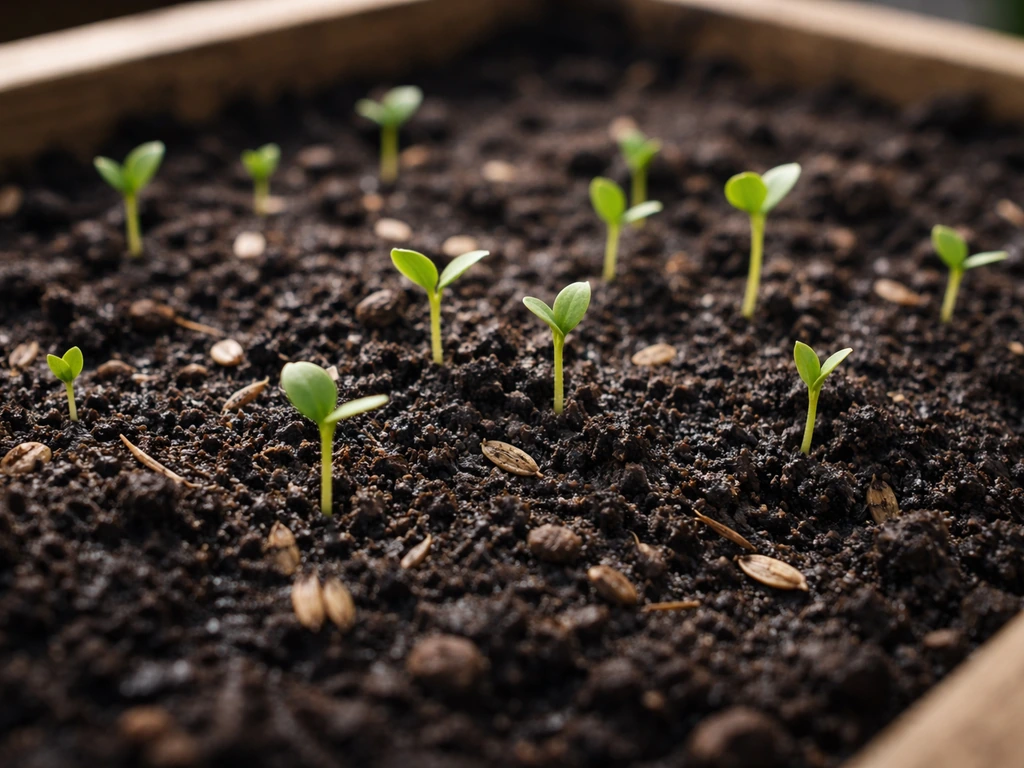
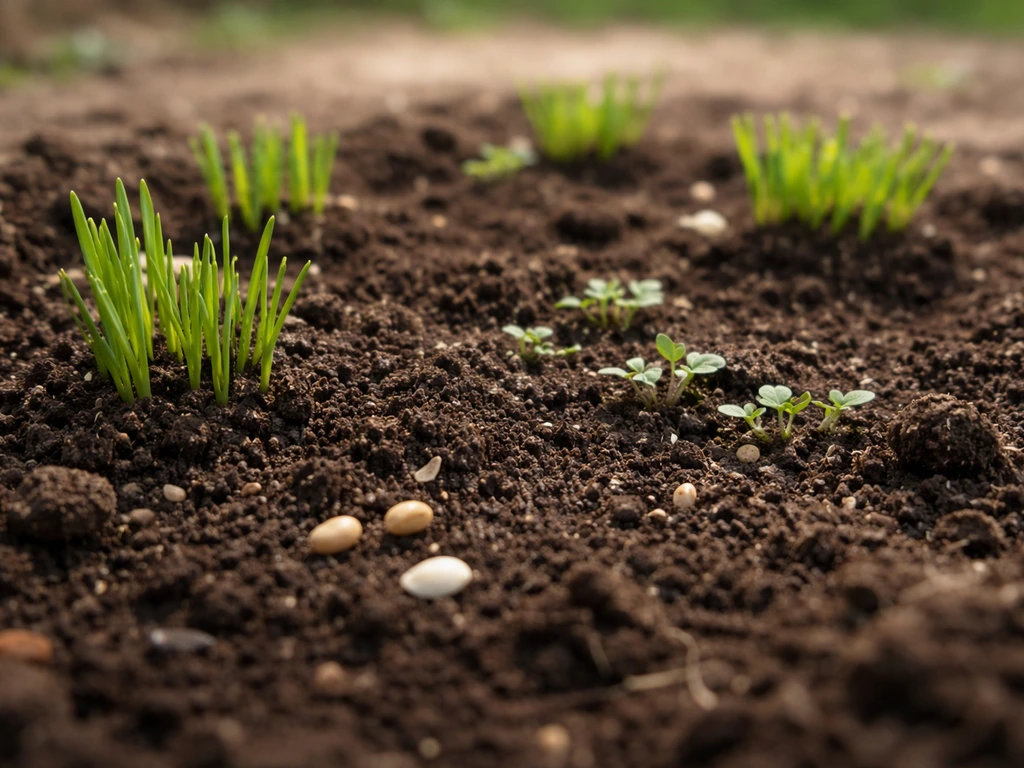
Water gently after sowing to avoid washing seed out of position. Keep the top inch of soil consistently moist until seedlings emerge, which typically takes 7 to 14 days for sunflower and millet under good conditions. After seedlings are an inch or two tall, you can back off to watering every few days unless it's very dry. Avoid overwatering: wet soil sitting around seed before germination encourages mold and rot, the same problem that ruins stored seed in damp bags.
Protecting your planted seed from birds, squirrels, and insects
Here's the irony of planting bird seed: birds will eat it before it sprouts if you don't protect the bed. The same birds you're attracting to your feeder, house finches, cardinals, and especially the birds that eat sunflower seeds most enthusiastically, will raid a freshly sown garden bed given the chance. Squirrels will dig up seed they can smell in the soil.
The most effective low-tech solution is to lay a piece of hardware cloth (1/4-inch mesh) or bird netting flat over the bed immediately after sowing, and prop it up slightly as seedlings emerge. You can remove it once plants are a few inches tall and less appealing as food. Row cover fabric also works and has the added benefit of retaining soil moisture during germination.
For insects, the same stored-product pests that can infest seed in your garage (beetles, moths) can follow seed into garden soil, especially if the seed was already partially infested before planting. Healthy, well-drained soil and prompt watering reduce the window during which seed is vulnerable. Avoid planting in areas with heavy debris or mulch piles nearby, which harbor pests.
Troubleshooting when things go wrong
If your seeds don't sprout, or growth is patchy and disappointing, here are the most common causes and fixes:
- No sprouts at all: Seed viability was too low (below 40%), soil was too cold, or seed was planted too deep. Run the paper towel test on a sample from the same batch and check soil temperature before replanting.
- Patchy, uneven germination: Mix of viable and non-viable seeds, or inconsistent planting depth. Sort seed types before planting and use a dibber or ruler to maintain consistent depth.
- Seed rotted before sprouting: Soil was too wet or cold. Improve drainage, wait for warmer soil, and avoid overwatering in the first week. Remove and dispose of any moldy seed from the bed.
- Seedlings appear then die: Damping off (a fungal disease) caused by overly wet soil. Water at the base, not on leaves, and improve air circulation around seedlings.
- Entire bed cleared overnight: Birds or squirrels found the seed. Cover beds immediately after sowing and keep netting or hardware cloth in place for the first two weeks.
- Only weeds sprouted: The mix contained too many non-viable seeds or weed-prone types like milo. Sort the mix before planting and focus on sunflower or millet only.
Cleanup, hygiene, and what to do with bad seed
If you've got seed that's wet, moldy, or infested with insects, don't compost it in a pile close to the house or leave it spilled on the ground. Mold spores from wet birdseed can be a respiratory irritant, and infested seed left near structures invites stored-product pests indoors. Seal compromised seed in a bag and put it in an outdoor trash bin, not the green waste bin, to prevent insect spread.
Clean up spilled seed around feeders and planting areas regularly, at least once a week. Wet seed sitting on the ground under a feeder or near a garden bed can grow a mat of sprouts or mold within days, especially in warm, humid weather. Rake or sweep the area, and if there's mold present, use diluted white vinegar (1 part vinegar to 3 parts water) to wipe down hard surfaces like feeder trays and paving stones.
If rodents are visiting your planting area, that's a sign too much seed is accessible on the ground. Switch to planting only and remove any open feeders near the planting bed until plants are established. Rodents lose interest once seed is germinated and no longer smells like food.
Better alternatives if planting bird seed isn't working out
If you've tried planting and run into repeated failures, or you just want more predictable results, a few alternatives are worth considering. First, buy seed specifically sold for planting rather than for feeders. Agricultural-grade sunflower seed intended for garden planting has higher, guaranteed germination rates compared to feeder seed, which may have been stored for extended periods before retail.
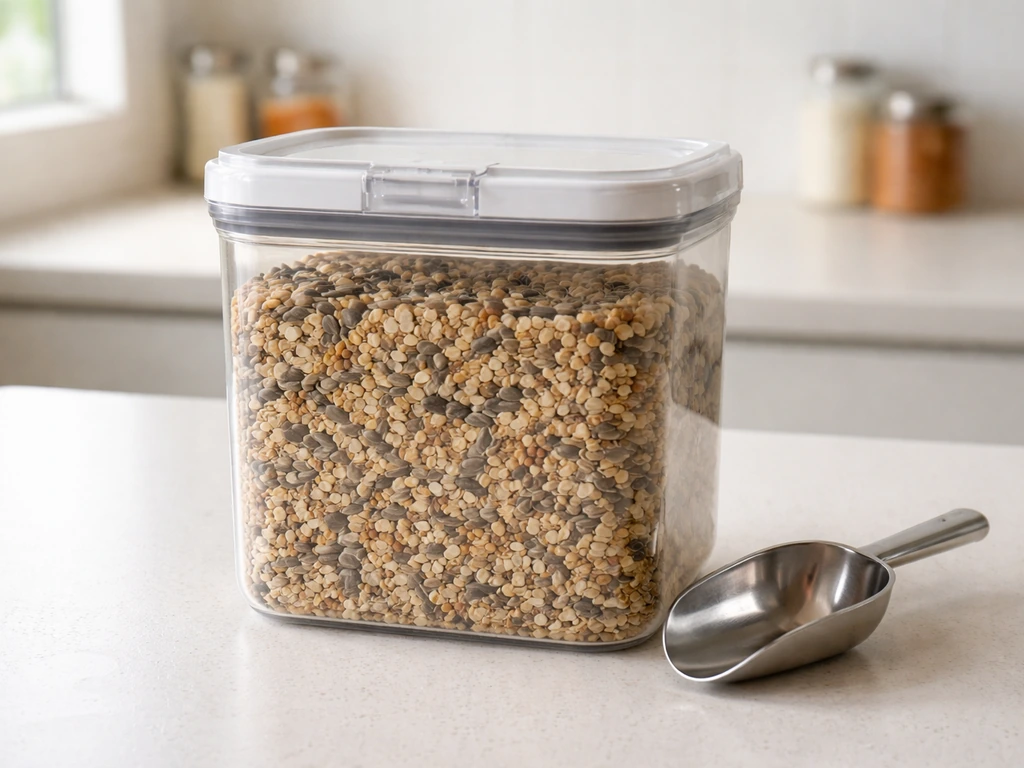
Second, think about whether bird seed sunflowers will grow as reliably from the specific brand and batch you have on hand. Feeder seed from a trusted supplier stored properly (cool, dry, sealed container, used within a season) tends to have better viability than discount or bulk mixes of unknown age.
Third, if you specifically want to grow black oil sunflowers for wildlife, there's detailed guidance on growing black oil sunflowers from bird seed that covers variety selection, germination rates, and what to expect from seed taken directly from a feeder bag versus seed packaged for planting.
If your main goal is feeding birds without dealing with sprouting under your feeders, no-grow or no-waste mixes are a practical option. These mixes use hulled seeds (sunflower hearts, hulled millet) and cracked corn, all of which birds eat readily but which cannot germinate. Missouri Department of Conservation recommends sunflower and white millet as the top performers for bird attraction, so a hulled version of both gives you the wildlife value without the garden bed surprise.
Finally, if you're planning a dedicated wildlife planting area rather than a casual experiment, Missouri Department of Conservation recommends establishing sunflower plantings in late summer or fall in warmer regions so plants can set seed for winter bird use. That kind of intentional planting, using the right variety at the right time in a prepared bed, will outperform a handful of mixed feeder seed scattered in the yard every time.