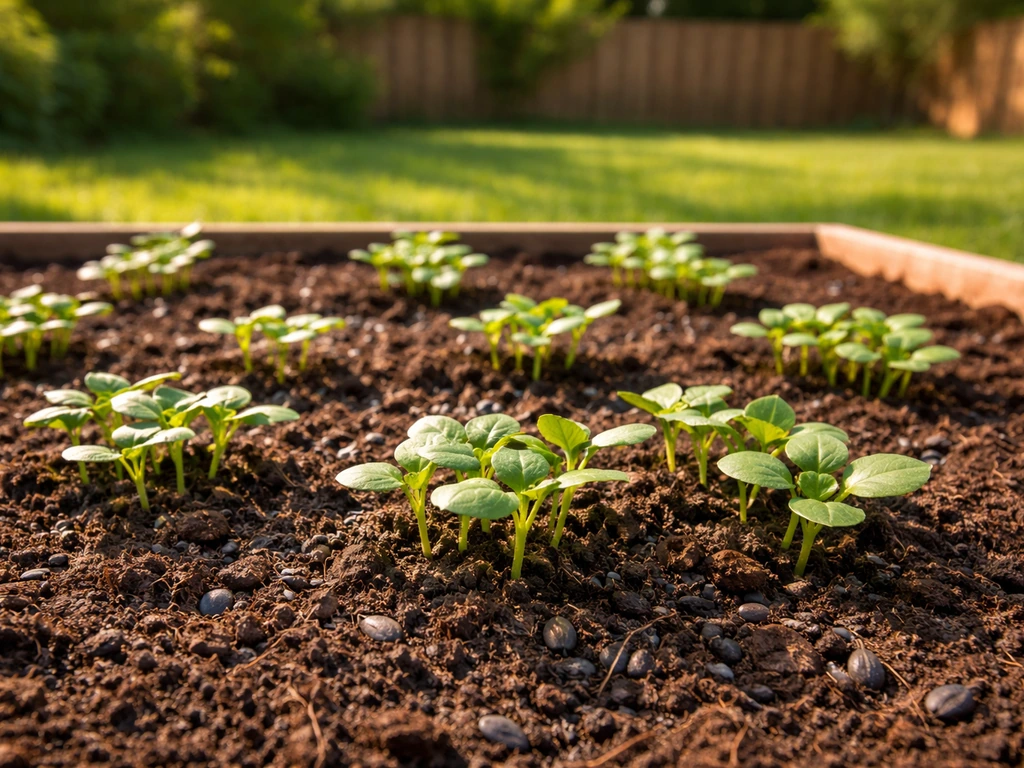
Yes, sunflower seeds from bird seed can absolutely grow into full plants, but there is a real catch: not every kernel in your feeder bag is viable. Whether you get a seedling or a disappointment depends almost entirely on how those seeds were processed, stored, and handled before they reached you. Get those factors right and you can grow healthy sunflowers from a bag of bird feed. Get them wrong and you will be staring at a tray of nothing. Here is exactly what you need to know to figure out which situation you are in, and what to do about it today.
Will Bird Seed Sunflowers Grow? Germination and Planting Guide
Maya Collins
10 Apr 2026
Do bird seed sunflower kernels actually germinate?

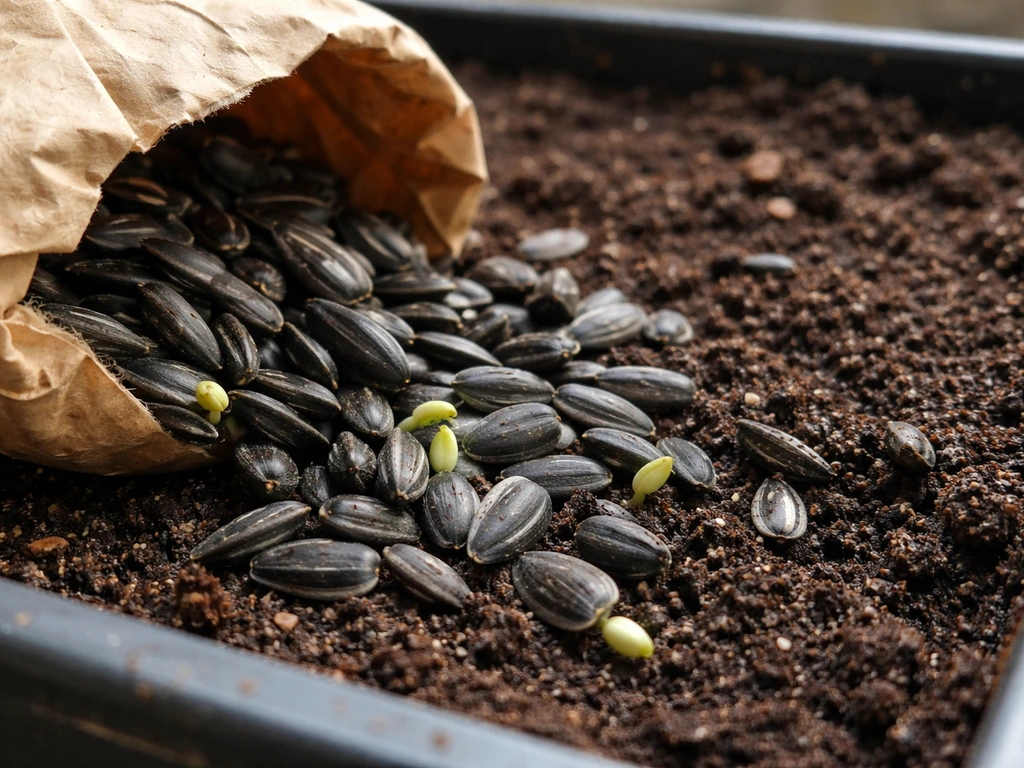
The short answer is yes, many of them will. The sunflower seeds sold in bird feed, especially black oil sunflower seeds, are the same species (Helianthus annuus) that gardeners plant intentionally. They are not chemically engineered to be sterile, and they have not been selectively bred to fail in the ground. If the seed is raw, intact, and has been stored reasonably well, it retains its embryo and can germinate just like any other sunflower seed you would buy from a seed catalog.
That said, there is an important distinction to understand right up front. Not all bird seed is treated the same way. Nyjer seed, for example, is heat-sterilized specifically so it will not sprout in your lawn or garden, and only a limited number of licensed facilities perform that sterilization process. If you are working with Nyjer, you can stop reading now because those seeds will not germinate. But if you have black oil sunflower seed, striped sunflower seed, or a general wild bird mix containing sunflower, the seeds are almost certainly raw and potentially viable.
The other big thing worth knowing before you plant: bird feed mixes are not curated seed lots. Research examining commercial bird feed for contaminants found weed seeds and other non-target material mixed in, so if you plant a whole scoop of mixed feed, you may end up growing more than sunflowers. For best results, sort out the sunflower kernels specifically.
What makes bird-seed sunflowers succeed or fail (seed viability and processing)
Viability is the single biggest variable here. A sunflower kernel only germinates if its embryo is alive, and several things specific to the bird seed world can kill that embryo before the seed ever hits your soil.
Roasting and heat treatment
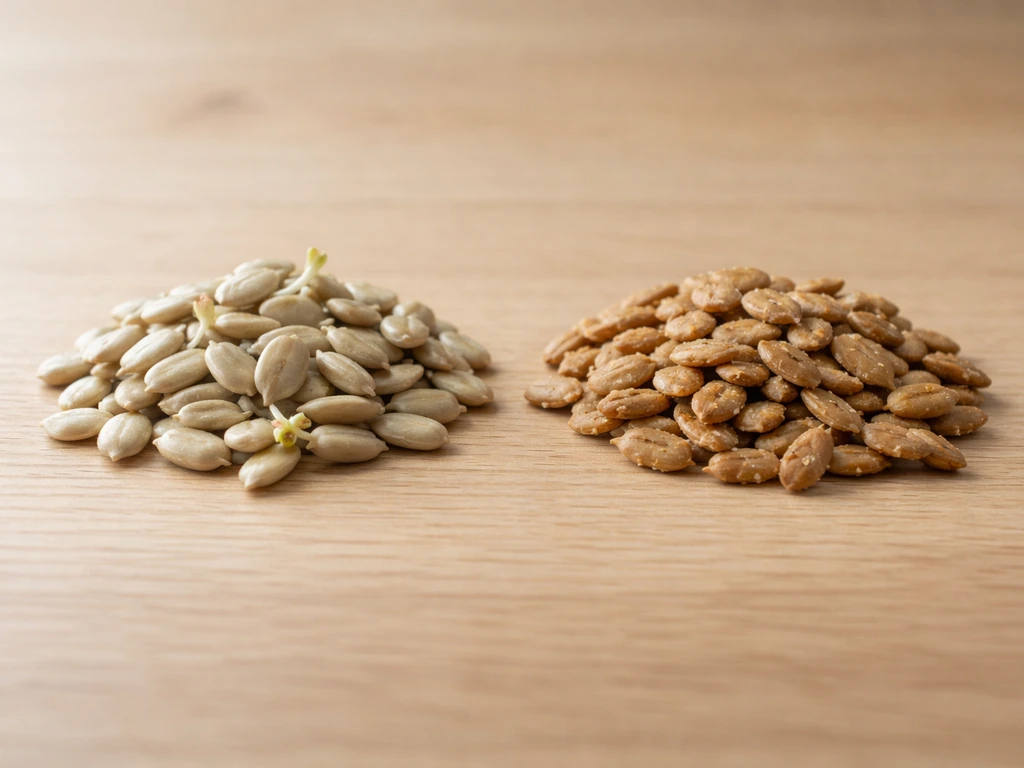
Roasted sunflower seeds, including the salted snack type, will not grow. The heat destroys the embryo. Some bird seed formulations also include roasted kernels, so check the bag. If it says roasted or treated, those seeds are dead. Raw, unprocessed sunflower seeds are what you need.
Seed freshness and storage conditions
Older seed loses viability gradually. A bag sitting in a hot garage through summer, or exposed to humidity cycles, will have noticeably lower germination rates than a fresh bag stored in a cool, dry spot. This is why germination testing (covered in the next section) is worth doing before you commit to planting a whole batch.
Physical damage from birds and handling

NDSU Extension specifically notes that sunflower seed is particularly vulnerable to damage by birds. Kernels that birds have cracked, chipped, or partially eaten have damaged seed coats and compromised embryos. Even seeds that look mostly intact but have small cracks may rot rather than sprout once they hit moist soil. Always use seeds that look whole and plump when planting.
Moisture and mold exposure
Seed that has gotten wet in the feeder or storage bag and then dried out is a problem. It may look fine but the embryo may have already begun to break down. Seed with any visible mold, softness, or off smell should be discarded, not planted.
Additives and pesticide treatment
Most bird seed sold for backyard feeders is not pesticide-treated, but some premium seed mixes include preservatives or anti-mold treatments. Check the bag label. If anything other than seed is listed as an ingredient, do a germination test before planting a full tray.
How to test germination from your bird seed today
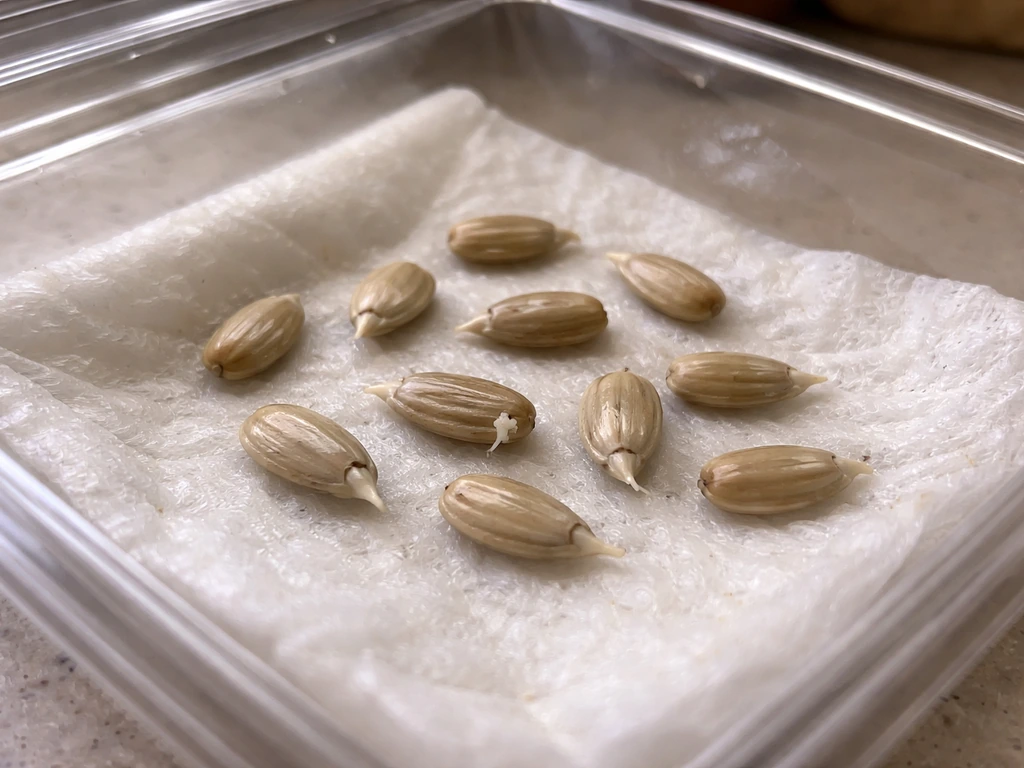
Before you plant a whole pot or bed, spend five minutes doing a wet paper towel germination test. This is the same basic method recommended by University Extension programs for testing seed quality, particularly for seed that is over a year old or has been stored in questionable conditions. It tells you exactly what percentage of your seeds are likely to sprout, so you can decide whether to plant more densely, source fresh seed, or just go ahead with confidence.
- Pick out 10 whole, intact sunflower kernels from your bird seed. Avoid cracked, shriveled, or discolored ones.
- Dampen a paper towel until it is moist but not dripping. Lay the 10 seeds in a row across one half of the towel.
- Fold the other half of the towel over the seeds to make a sandwich, then slide the whole thing into a zip-lock bag or wrap it loosely in plastic to retain moisture.
- Place the bag somewhere consistently warm, around 70 to 77°F (roughly 21 to 25°C). A shelf above a refrigerator, a seed-starting mat, or a warm windowsill all work. Research on sunflower germination shows the practical optimum temperature range is about 59 to 95°F (15 to 35°C), with around 77°F (25°C) being ideal.
- Check the towel daily starting on day 3. You are looking for radicle emergence, which is the small white root tip pushing out of the seed. That counts as a germinated seed.
- Count how many have germinated by day 7 to 10. If 8 or more out of 10 sprouted, your seed has good viability and you can plant at normal spacing. If only 5 to 7 sprouted, plant more densely and expect some gaps. Below 5, consider sourcing fresh seed.
Keep the towel moist throughout the test but not waterlogged. If white fuzz appears on the towel itself, that is mold from contaminants in the seed lot, and it is a warning sign worth taking seriously before you plant indoors.
How to plant sunflower seeds from bird seed (tray, pot, or ground steps)
If your germination test came back positive, here is a straightforward method for planting. The principles are the same whether you are going into a pot, a seed tray, or directly in the ground.
Timing
Sunflowers do best when soil temperature is at least 50°F (10°C), and they prefer warmer. For most of the US, this means direct sowing from late April through June depending on your region. If you are in a short-season area (northern states, higher elevations), starting seeds indoors 2 to 3 weeks before your last frost and then transplanting gives you a head start.
Planting depth
Multiple Extension programs align on planting depth for sunflower. OSU Extension also advises planting sunflower seeds about 1 inch deep blank" rel="noopener noreferrer">planting depth for sunflower. blank" rel="noopener noreferrer">Purdue Extension recommends 1 to 2 inches for oilseed types. Iowa State Extension suggests 1 to 1.5 inches. NDSU puts the range at 1.5 to 2.5 inches, and Manitoba Agriculture advises 1.5 to 2 inches with the soil firmed over the seed row to maintain moisture contact. For backyard garden conditions, planting at 1 to 1.5 inches deep is a reliable target, with firmed (not packed) soil over the top. Going deeper than 3 inches is not recommended since emergence becomes unreliable at that depth, especially in cool or compacted soil.
Soil and container setup
Use loose, well-draining potting mix or loamy garden soil. Avoid heavy clay or anything that compacts easily when wet, because compacted soil makes it hard for seedlings to push through. Fill pots to within about an inch of the rim. For trays, standard seed starting mix works well and gives you control over moisture. If planting directly in the ground, loosen the soil at least 6 inches deep and remove any surface debris.
Step-by-step planting
- Sort through your bird seed and select only whole, plump sunflower kernels. Discard anything cracked, shriveled, or discolored.
- Pre-moisten your soil or potting mix so it is evenly damp but not soggy before planting.
- Make a small hole or furrow 1 to 1.5 inches deep. For pots, one seed per 6-inch pot or two to three per 12-inch pot works well.
- Place a seed in each hole and cover with soil. Firm gently with your finger or the back of a spoon.
- Water lightly after planting. Missouri Extension recommends watering right after planting to settle the soil around the seed.
- Place in a location with full sun, or under a grow light for indoor starts. UMN Extension confirms sunflowers need full sun for healthy establishment.
- Expect germination in 7 to 14 days under warm conditions. Once seedlings reach 3 to 4 inches tall, thin to one plant per pot or 12 to 18 inches apart in a bed.
Common problems: mold, wet or aged seed, bird-damaged seeds, and poor sprouting
Here are the most common failure modes specific to planting from bird seed, with direct fixes for each.
| Problem | Likely Cause | Fix |
|---|---|---|
| Seeds rot instead of sprout | Damaged seed coat from bird handling, or seed was previously wet | Use only intact kernels; do a germination test first; ensure soil is moist but not waterlogged |
| Nothing germinates at all | Seed was roasted, heat-treated, or too old | Test viability with wet towel method; buy a fresh bag if test shows zero germination |
| Mold on soil surface after planting | Wet seed brought in mold spores, or soil stays too wet | Reduce watering frequency; improve drainage; use a fan for air circulation indoors |
| Seedling emerges then collapses | Damping off fungus, often triggered by wet seed contaminants | Use sterile potting mix; avoid overwatering; increase airflow |
| Sprouting is uneven or patchy | Mixed viability from a blend of old and new seed in the bag | Test a sample first; plant at double density and thin to best seedlings |
| Seedling cannot push through soil | Planted too deep, or soil crusted and compacted | Keep depth at 1 to 1.5 inches; use loose soil; mist surface rather than heavy watering |
One specific issue worth flagging: if you are planting near an area where sunflower shells have fallen (under a feeder, for example), be aware that sunflower hulls contain allelopathic compounds that can inhibit germination of nearby seeds. That is less of a problem for the sunflower seeds themselves, but it matters if you are trying to establish other plants in the same bed. Clear the shell debris before planting.
Also, if you have been asking questions like whether you can plant bird seed in general beyond just sunflowers, the same viability logic applies across the board: raw and intact seeds can grow, but processed, damaged, or specialty-treated seeds usually will not.
Pest, hygiene, and cleanup tips when using bird feed seed to grow plants

Using bird seed as planting material introduces some hygiene considerations that standard seed packets do not. Bird feed has been handled, stored in bulk, and potentially exposed to bird droppings, insects, and moisture at various points. Here is how to keep things clean and safe whether you are starting seeds indoors or managing volunteer seedlings outdoors.
Handling wet or sprouted seed safely
If seed in your storage bag or feeder has gotten wet and started to sprout, do not plant it as-is. Wet bird seed is a fast mold factory, and the spores that develop can cause damping off in seedlings and create air quality issues indoors. Remove wet or sprouted seed from your feeder or bag immediately. Discard anything that smells fermented, shows fuzzy growth, or feels slimy. Only seeds that are still dry, firm, and odor-free are worth testing for germination.
Indoor seed starting and mold prevention
When starting bird seed sunflowers indoors, use sterile potting mix rather than garden soil to reduce the chance of introducing additional pathogens. Water from the bottom by setting pots in a shallow tray rather than watering over the top, which keeps the soil surface drier and reduces mold risk. Keep your seed starting area well ventilated. If you see any white or gray fuzz on the soil surface, remove affected seeds immediately and let the surface dry out before watering again.
Dealing with volunteer seedlings and cleanup
Sunflower seeds that fall under a feeder will often germinate on their own in spring, producing volunteer seedlings you did not ask for. If you want to manage these, hoe or hand-pull them while they are small, ideally before they reach 4 inches tall. At that stage the tap root is shallow and they come out easily. Once they have established a deeper root, removal is harder and can disturb nearby plants. Regular feeder cleanup, including removing uneaten seed before it sits long enough to sprout, is the most effective prevention.
Pest considerations
Bird seed germinating in your garden or under your feeder can attract rodents and other pests that are drawn to the smell of germinating seed and fresh seedlings. Keep the area under your feeder raked and clear of accumulated seed hulls and sprouting material. If you are starting seeds indoors, store your remaining bird seed in a sealed, airtight container rather than leaving the bag open. This limits both pest attraction and moisture exposure that would reduce viability for future planting.
Feeder hygiene when seed sprouts in the feeder itself
Seed that sprouts inside a feeder is a sign of moisture intrusion and is a problem beyond just wasted seed. Sprouted and moldy seed can make birds sick. Empty the feeder completely, discard all seed, and wash the feeder with a 10% bleach solution (1 part bleach to 9 parts water), rinsing thoroughly and allowing it to dry fully before refilling. This is a routine hygiene step worth doing every few weeks regardless of whether sprouting is visible.
Choosing the right sunflower seed from your bird feed
Not all sunflower seeds in bird feed are equal when it comes to growing potential. Here is a quick comparison of the types you are most likely to encounter.
| Seed Type | Will It Grow? | Notes |
|---|---|---|
| Black oil sunflower seed (raw) | Yes, high viability if fresh | Most common in bird feed; easy to germinate; produces smaller ornamental or oilseed plants |
| Striped sunflower seed (raw) | Yes, good viability if intact | Larger kernel; slightly harder hull; takes a day or two longer to sprout |
| Hulled sunflower kernels (chips) | No | Embryo is removed or damaged during hulling; will rot, not sprout |
| Roasted or flavored sunflower seed | No | Heat kills the embryo; do not attempt |
| Nyjer (thistle) seed | No | Heat-sterilized before sale; will not germinate by design |
| Mixed bird seed with sunflower | Sometimes | Sort out intact sunflower kernels first; test viability before planting the whole batch |
If you are specifically working with black oil sunflower seed and want a deeper dive into its growing potential, the article on growing black oil sunflowers from bird seed covers variety-specific considerations in more detail.
For anyone working with a general mixed bag, the broader guide on planting sunflower bird seed walks through sorting and selecting the best candidates from a typical mixed feed blend.
What kind of sunflower will you actually end up with?
This is worth setting expectations on. Black oil sunflower seed from bird feed typically grows into a shorter, branching sunflower plant rather than the tall, single-stem classic. The plants are still attractive and fully functional as garden sunflowers, and the seeds they produce will be just as appealing to the birds that visit your yard. In fact, growing your own sunflowers as a supplement to your feeders is a great way to learn which birds eat sunflower seeds by watching what visits the plants directly as the seed heads mature.
The bottom line is this: if you have raw, intact sunflower kernels from bird seed that have been stored decently and pass a basic germination test, you have perfectly good planting material. Sort your seeds, test a small batch first, plant at 1 to 1.5 inches deep in loose soil with full sun, and manage moisture carefully. That is genuinely all it takes to go from a bird feeder bag to a flowering sunflower in your garden.
FAQ
How can I tell the difference between raw sunflower seed and ones that won’t germinate?
Look for wording like roasted, toasted, treated, or anything that suggests heat processing. If the seed feels brittle and very dry, or has a fragrance like snack seed, it is often already processed. If you can only identify it by label, assume unlisted items are raw, but still run a wet paper towel test before planting a lot.
Should I soak bird seed sunflower kernels before planting to improve germination?
Soaking can help only if the seeds are already viable, but it also increases the chance of rot if your seed has any damage or was stored damp. If you try soaking, keep it short (for example 6 to 12 hours), drain well, and plant immediately. Skip soaking for older seed or any seed that looks cracked, soft, or smells off.
What spacing should I use when planting sunflower bird seed so the seedlings don’t compete?
A practical starting point for garden sunflowers is about 6 to 12 inches between plants for typical bird seed strains, then thin after emergence if they crowd. If you plant too densely, you may get thin, leggy stems and higher risk of damping off because airflow is reduced.
Can I plant sunflower bird seed in winter or late fall?
In most areas, direct sowing before reliable warm soil will lower germination because sunflowers need consistently warmer conditions. If you want an early start, indoors 2 to 3 weeks before the last frost is more reliable than planting outside cold soil, unless you are intentionally doing a controlled cold period and have a warm spell soon after.
Do bird seed sunflowers come up as tall, single-stem plants or shorter branching types?
Bird seed black oil and many mixed blends often produce shorter, more branching plants rather than the classic very tall single-stem look. They will still flower well, and the seed heads are useful for saving seed or feeding birds, but expect a different mature form than ornamental tall varieties.
Why did my seeds germinate on the paper towel test but not in soil?
Soil conditions can override viability. Common causes are planting too deep for cool soil, compacted ground that seedlings cannot push through, or inconsistent moisture (dry out after planting, then waterlogged later). Also double-check that your seed was not moldy or nicked, since damaged embryos may germinate briefly on a towel but fail once they face real soil pathogens.
What’s the best way to handle leftover bird seed after I test and plant some?
Store the remaining seed airtight in a cool, dry place. Bird feed is more prone to moisture uptake than seed packets, so keep it sealed and avoid humid garages or damp storage closets. If any moisture got into the bag before, re-check with another quick germination test before planting later.
Is it safe to start these seeds indoors if there are signs of mold on the towel or soil?
If you see fuzz on the paper towel or you notice white or gray growth on the potting mix surface, do not proceed with those seeds. Discard affected seeds, remove any contaminated mix surface, improve ventilation, and let the area dry before continuing. Moldy seed can contribute to damping off and poor indoor air quality.
Do sunflower hulls and shells stop other plants from growing near the feeder?
Yes, nearby hull debris can inhibit germination of some other seeds because the material can release compounds that suppress nearby germination. Clear fallen shells under feeders and in planting beds before establishing other crops, especially small-seeded plants.
How do I manage volunteer sunflower seedlings that pop up under my feeder?
Remove them small, ideally before they reach about 4 inches tall, because the tap root becomes harder to extract as it establishes. Regularly rake up uneaten seed and hulls, and empty and clean the feeder so fewer seeds stay moist long enough to sprout.
Will squirrels, mice, or birds eat my newly planted sunflower bird seeds before they sprout?
It’s common for rodents to target seed that is new and germinating, and birds may peck loosened kernels. To reduce losses, plant slightly deeper within the recommended range, keep the area under the feeder clean, and consider physical protection like mesh or a seed guard until seedlings are established.
What should I do if my feeder seeds start sprouting inside the feeder?
Treat it as moisture intrusion. Empty the feeder immediately, discard all sprouted or moldy seed, wash the feeder thoroughly with a diluted bleach solution, rinse well, and let it dry completely before refilling with fresh dry seed. Doing this consistently prevents repeat contamination and reduces the risk of making birds sick.
Next Article
Can You Plant Sunflower Bird Seed? How to Grow Sunflowers
Yes, you can grow sunflowers from bird seed. Learn how to sort, plant, water, and troubleshoot for best germination.