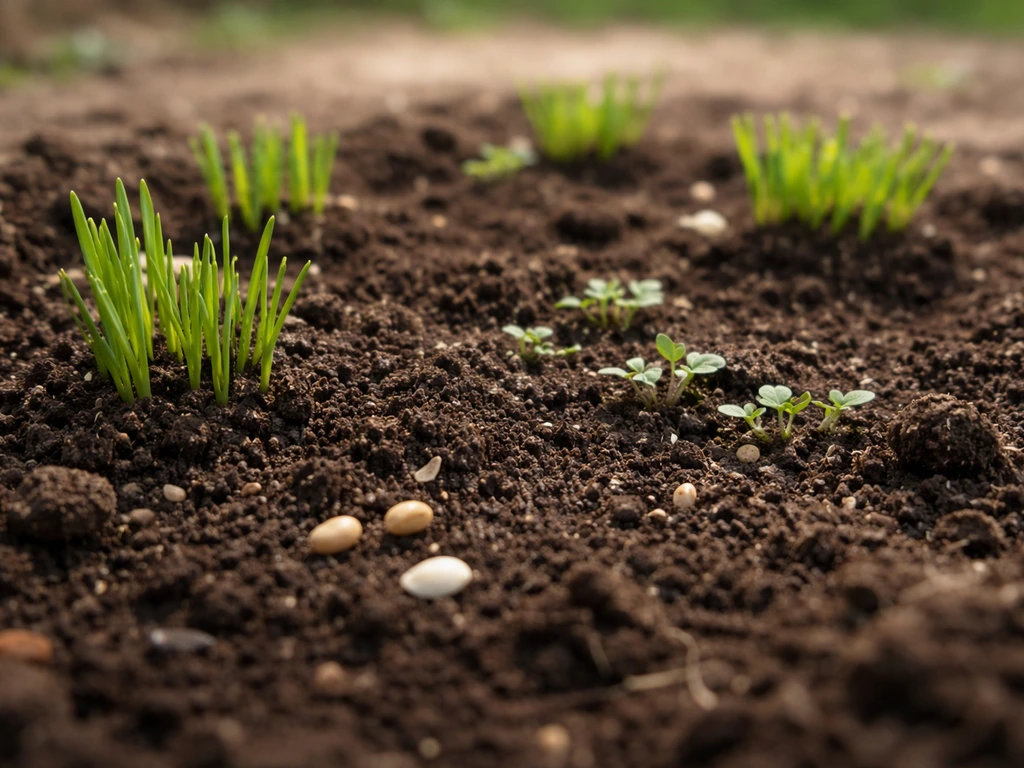
Yes, you can plant sunflower seeds from bird seed and grow real sunflowers from them. The catch is that not every seed in your feeder bag will sprout, and a few simple factors determine whether you get a garden bed full of sunflowers or a tray of nothing. The short version: whole, unroasted, untreated sunflower seeds from a reasonably fresh bag have a solid chance of germinating. Seeds that have been sitting in a wet feeder, seeds that are cracked or split, and seeds that have gone through any heat treatment before packaging generally won't sprout. Here's how to sort the good ones from the bad and get them in the ground.
Can You Plant Sunflower Bird Seed? How to Grow Sunflowers
Maya Collins
8 Apr 2026
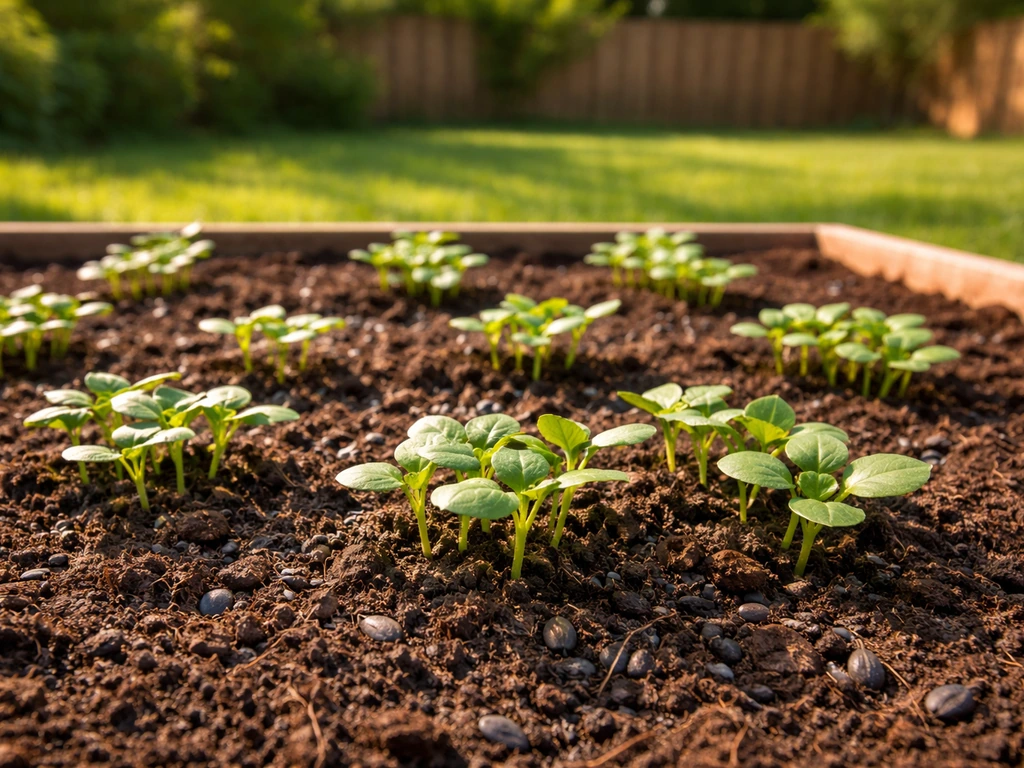
Are the sunflower seeds in bird seed actually viable?
The biggest question people have is whether sunflower seeds from a feeder bag are even alive. Most of them are. Bird seed sunflower seeds are typically sold whole and raw because that's what birds want, and "whole and raw" also happens to be exactly what a seed needs to germinate. Roasting kills viability, but roasted sunflowers aren't common in bird seed mixes. What you're usually looking at is either black oil sunflower seeds or striped sunflower seeds, both of which can sprout.
Freshness matters a lot. A seed is a living thing, and it deteriorates over time. The USDA's seed-testing standards measure germination and viability as separate metrics for commercial seed lots, which tells you something useful: a seed can look fine and still have low vigor. Bird seed bags don't come with germination rates printed on the label the way garden seed packets do. As a rough rule of thumb, bird seed purchased within the last six to twelve months and stored in a cool, dry place will have reasonable germination rates, often 50 to 80 percent. Older stock or bags that got damp will be much lower.
If you've been wondering whether bird seed sunflowers actually grow, the answer depends almost entirely on seed freshness and how the seeds were handled before they got to you. Treat any bag of bird seed with the same skepticism you'd apply to old garden seeds found in a garage drawer, and you'll set realistic expectations.
What makes a seed worth planting (and what doesn't)
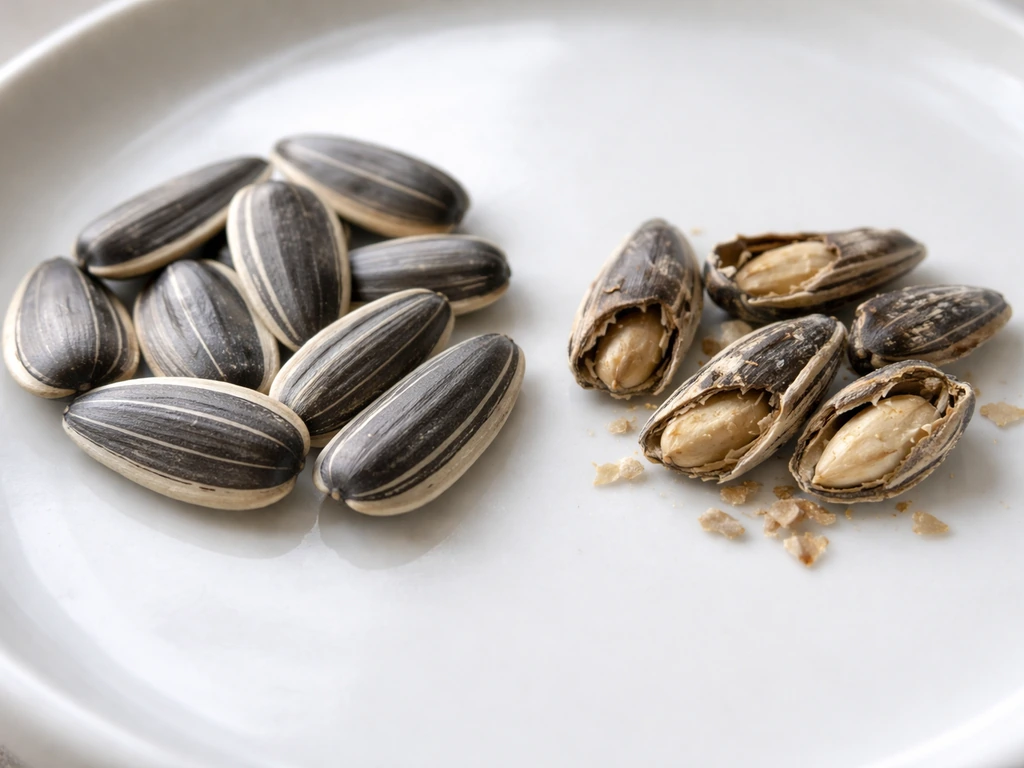
- Whole seed with intact shell: good candidate
- Cracked, split, or shriveled shell: skip it, the embryo is likely damaged
- Black oil sunflower seeds (small, entirely black shell): high germination odds, easiest to find in most mixes
- Striped sunflower seeds (larger, white-striped gray shell): also viable, but slightly lower germination rates in older stock
- Seeds that smell musty, rancid, or like mold: do not plant, they won't germinate and can spread mold in your soil
- Seeds from a bag stored longer than 12 months or exposed to moisture: test a small batch first before committing a whole row
Step-by-step: how to plant sunflowers from bird seed
Step 1: Sort and select your seeds
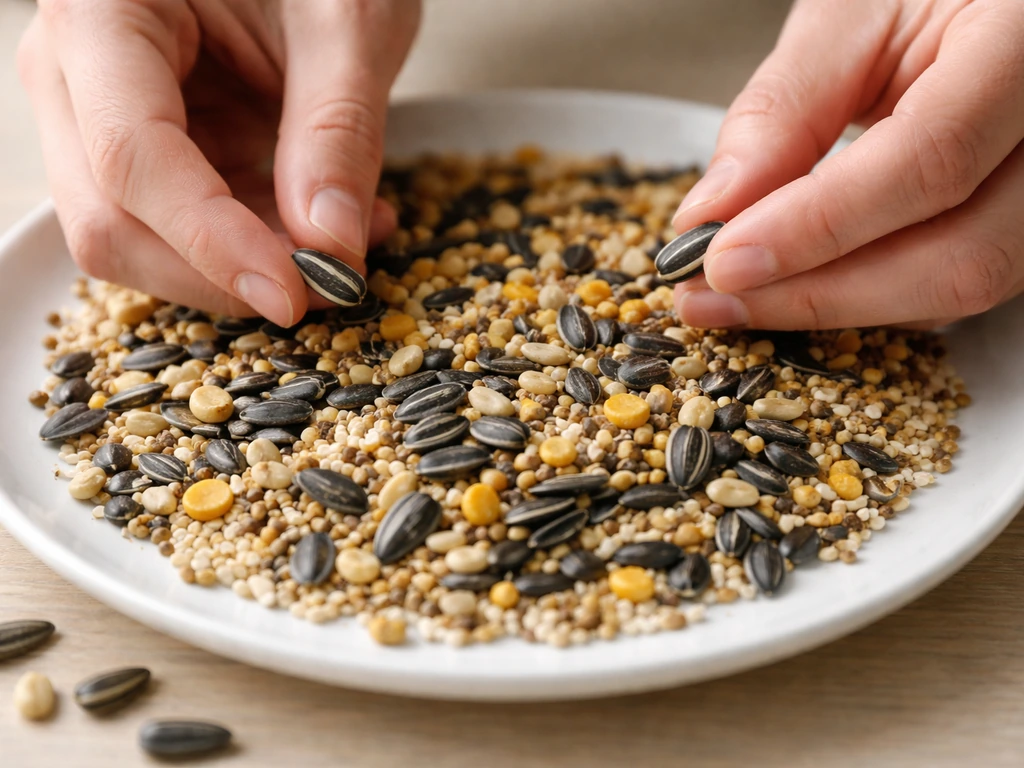
If your bird seed is a mix, you'll need to pick out the sunflower seeds first. Spread a handful on a white plate or tray and pull out only the whole, uncracked sunflower seeds. Discard anything shriveled, moldy, or broken. For a quick viability test, drop the seeds into a cup of water and leave them for 15 minutes. The North Dakota seed quality lab also describes viability testing methods such as the tetrazolium test to estimate whether seeds are alive (viable) when germination results are uncertain. Seeds that sink are more likely to be viable; seeds that float are often empty or dead. This isn't foolproof, but it filters out the obvious duds before you spend time planting them.
Step 2: Decide between containers and ground planting
Sunflowers grow best directly in the ground, but starting them in containers first gives you more control over soil conditions and protects early seedlings from birds and squirrels. If you go the container route, use a pot at least 12 inches deep (sunflowers have long taproots), fill it with a mix of potting soil and compost, and plan to transplant outdoors once the seedling has two to three true leaves. If planting directly in the ground, loosen the soil to about 12 inches deep, mix in a few inches of compost, and make sure the spot drains well. Waterlogged soil is the fastest way to rot a seed before it germinates.
Step 3: Plant at the right depth and spacing
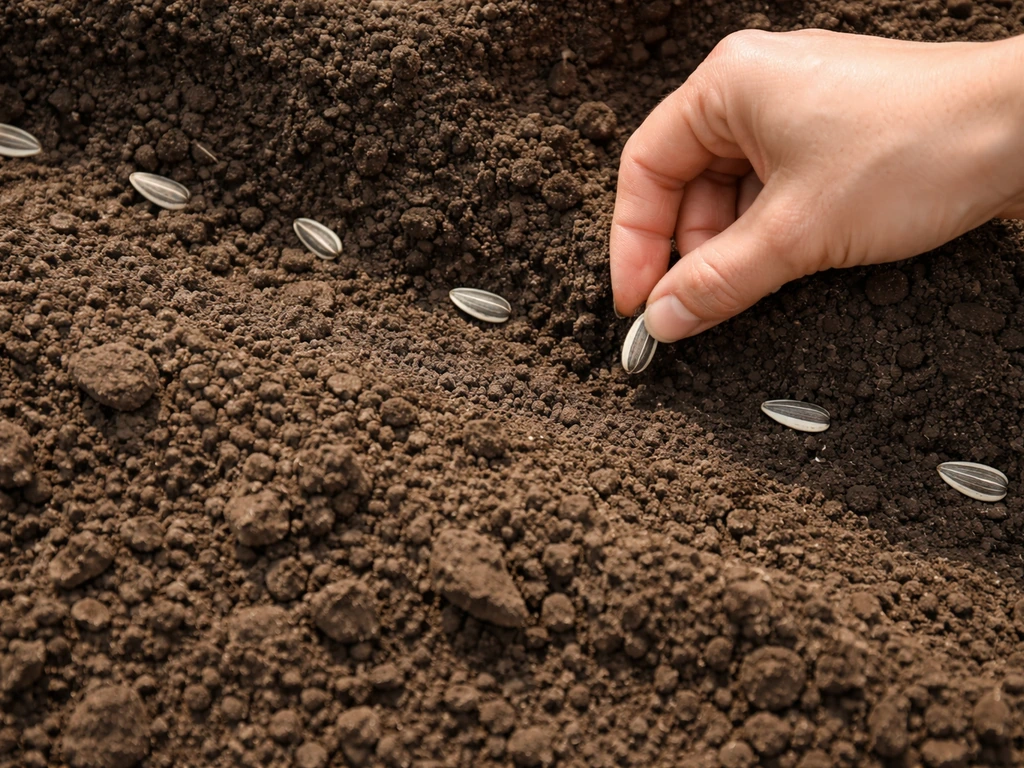
Plant each sunflower seed about 1 inch deep. Press it in pointed-end down if you can tell the orientation, but honestly, seeds find their way regardless. Space seeds at least 6 inches apart for smaller varieties or 12 to 18 inches apart for tall varieties that can reach 6 to 8 feet. If you're planting a test batch from uncertain stock, plant a few extra seeds per spot and thin to the strongest seedling once they're 4 to 5 inches tall.
Step 4: Water and watch
Water the planted area gently and thoroughly right after planting, then keep the top inch of soil consistently moist until germination. Once seedlings are 3 to 4 inches tall, you can back off to deep watering once or twice a week, letting the soil dry out slightly between waterings. Overwatering young seedlings is a common mistake and is a direct cause of mold and damping-off.
When and where to plant
Timing is critical. Sunflowers need soil temperatures of at least 50°F to germinate, but they'll do best with soil temperatures between 70°F and 85°F. In most of the U.S., that means planting outdoors after your last frost date, typically late April through early June depending on your region. In warmer zones (USDA zones 8 to 10), you may be able to plant as early as late February or March. A quick soil thermometer check before planting takes the guesswork out of it.
Sunflowers want full sun, meaning at least 6 to 8 hours of direct sunlight per day. They'll tolerate partial shade but will grow leggier and produce smaller heads. Pick the sunniest spot in your yard, ideally with some protection from strong wind for tall varieties. If you're using containers, place them in your sunniest spot and be ready to rotate them so the plant doesn't lean toward one light source.
What to realistically expect: germination and growth timeline

Under good conditions with fresh, viable seed, sunflowers typically germinate in 7 to 10 days. With older bird seed stock, expect a wider window of 10 to 21 days, and some seeds simply won't sprout. A germination rate of 40 to 60 percent is reasonable for bird seed that's been stored properly but isn't fresh garden stock. If you plant 10 seeds and get 5 to 7 seedlings, that's a success. If you get 2 or fewer, the seed lot was probably too old or damaged.
Once sprouted, sunflowers grow fast. You'll see the first true leaves within a week of germination. Most varieties reach full height in 70 to 100 days from germination. Since bird seed sunflowers are often black oil varieties bred for oil and seed production rather than ornamental purposes, the flowers may be smaller and less dramatic than garden cultivars, but they're fully functional and will set seed that birds love, including the species that eat sunflower seeds most enthusiastically at feeders.
Troubleshooting: why your seeds aren't sprouting
Failed sprouts are frustrating but usually come down to one of a handful of causes. Here's how to diagnose and fix each one.
| Problem | Likely Cause | Fix | Prevention |
|---|---|---|---|
| No germination after 21 days | Old or dead seed stock | Start fresh with a new bag purchased recently | Check bag date; use seed within 12 months |
| Seeds sprouted then collapsed | Damping-off from overwatering or mold | Improve drainage, reduce watering frequency | Use well-draining soil; water at base, not overhead |
| White fuzzy mold on soil surface | Wet seed or contaminated mix spreading mold | Remove affected soil, let dry out, apply thin layer of sand on surface | Don't plant seeds that smell musty; ensure soil drains freely |
| Seeds disappear before sprouting | Birds or rodents digging them up | Cover with a lightweight row cover or wire mesh until sprouted | Plant seeds 1 inch deep; firm soil over them |
| Seedlings yellowing early | Nutrient-poor soil or overwatering | Add balanced fertilizer at half strength; check drainage | Amend soil with compost before planting |
| Very patchy germination | Mixed seed viability from wet feeder seed mixed with good seed | Do a float test next time to pre-screen seeds | Only plant seeds sourced from a dry, sealed bag |
Seeds that have been sitting in a feeder and gotten wet or partially sprouted are a special case. Wet feeder seed can harbor mold and bacteria, and a seed that's already started the germination process inside a damp feeder has effectively used up part of its stored energy. You can try planting these if they look physically intact and don't smell bad, but your odds are low. Honestly, it's faster and less frustrating to use seed straight from a dry bag rather than rescued feeder seed.
Storage, handling, and safety around bird seed
Whether you're buying bird seed to grow sunflowers or to feed birds, the same storage principles apply. Keep the bag or container sealed and off the ground, in a cool and dry location, ideally below 70°F. Humidity is the enemy. Once bird seed absorbs moisture, mold can develop within days and viability drops fast. A sealed plastic bin or metal trash can with a lid works well for storing larger quantities.
For planting purposes, try to work from a sealed bag rather than seed that's been in an outdoor feeder. Feeder seed is exposed to humidity, bird droppings, and saliva, all of which accelerate mold and bacterial growth. If you do handle feeder seed or wet seed of any kind, wash your hands afterward and don't handle it near food preparation areas. This is standard hygiene, not alarmism, but it's worth stating directly. The mold species that develop in wet bird seed can be irritants to people with respiratory sensitivities.
If you're trying to decide whether to use seed from a bag you already have versus buying fresh, planting bird seed in general follows similar logic regardless of species: fresher is better, dry storage is essential, and anything that smells off should go in the trash rather than the garden.
Seed type and mix specifics: not all bird seed is the same
The type of sunflower seed in your bag matters for germination success. Black oil sunflower seeds are the most common type in bird seed and also the most germinable, with thin shells that sprouts can push through easily and high oil content that supports vigorous early growth. Striped sunflower seeds have thicker shells and slightly lower germination rates, but they're still worth trying. If you want to understand exactly what you're working with before planting, growing black oil sunflowers from bird seed is a specific topic worth reading before you commit to a planting plan.
Mixed bird seed is trickier than a single-species bag. Many mixes include millet, milo, safflower, nyjer (thistle), and other seeds alongside sunflower seeds. Nyjer seeds sold in the U.S. are legally required to be heat-sterilized before import, which means they won't germinate. Millet and milo can sprout but become weedy. If your goal is just sunflowers, sort the seeds before planting and only put sunflower seeds in the ground. Planting the whole mix is a great way to get a random patch of weeds and non-germinators mixed in with your sunflowers.
Hulled sunflower seeds (kernels with the shell already removed) will not germinate. The embryo is exposed and damaged during the hulling process. Only whole, in-shell sunflower seeds are worth planting. If your bird seed bag is labeled "no-waste" or "hulled," those sunflower pieces are for feeding only, not growing.
Your next steps today
If you're ready to try this today, here's the practical order of operations. Check your bird seed bag for a purchase date or freshness indicator. If it's been more than a year or the bag was stored somewhere warm and humid, buy a fresh bag rather than gambling on old stock. Sort out the whole, in-shell sunflower seeds, do a quick float test, and plant the sinkers at 1 inch deep in a sunny spot with well-amended, well-draining soil. Keep the soil moist but not wet, cover the planted area with wire mesh to protect from birds and squirrels, and check for sprouts at the 10-day mark. That's really all there is to it. The seeds are usually viable, the process is simple, and the main thing separating success from failure is starting with reasonably fresh seed and keeping the soil conditions right. A peer-reviewed MDPI study on sunflower seedling development also links germination to environmental conditions like temperature and water availability keeping the soil conditions right.
- Check bag date: use seed purchased within the past 12 months stored dry
- Sort whole, uncracked, in-shell sunflower seeds from any mix
- Run a float test: plant the sinkers, discard the floaters
- Plant 1 inch deep, 6 to 18 inches apart depending on variety, in full sun
- Water gently and keep the top inch moist until germination (7 to 21 days)
- Cover with wire mesh or row cover to protect from birds and rodents
- Thin to the strongest seedling per spot once plants are 4 to 5 inches tall
- Deep water weekly once established and expect flowers in 70 to 100 days
FAQ
How can I tell which bird sunflower seeds will actually germinate (black oil vs striped vs “hulled”)?
If the label says the seed is roasted, heat-treated, “for feeding only,” or “hulled,” it usually will not sprout. In practice, only whole, unroasted, uncracked in-shell sunflower seeds are worth trying, and any that smell sour or moldy should be discarded.
Can you plant sunflower bird seed that’s already been in a feeder that got wet?
Yes, but expect uneven results. Wet feeder seed may already have started germination and also can grow mold quickly, which reduces viability. If you try it anyway, plant only visibly intact seeds, keep the soil more on the dry side than usual, and accept that many will fail compared with a dry bag.
What’s the best way to prevent birds and squirrels from stealing the sunflower seeds?
Cover it. After planting at about 1 inch deep, use wire mesh or a similar barrier so birds and squirrels cannot pull seeds up or peck them before they sprout. Once you see seedlings, adjust the barrier so it protects without smothering young plants.
Is it better to start sunflower bird seed in pots or plant directly in the ground?
Use a container only if you need more control, for example for short seasons, poor drainage, or heavy animal pressure. Choose a deep pot (at least 12 inches), transplant when you have two to three true leaves, and avoid letting roots become pot-bound because sunflowers send a long taproot.
How often should I water sunflower seeds from bird seed before they sprout?
Not exactly. Sunflowers are generally drought-tolerant after establishment, but right after planting you need steady moisture in the top inch to trigger germination. Once seedlings are up, water deeply but let the soil dry slightly between waterings to reduce damping-off risk.
What happens if I plant sunflower bird seed too early, before the soil warms up?
In most cases, just wait for the soil to warm to at least 50°F, then plant. If you plant earlier, seeds often sit and rot if the soil stays cool and damp. A soil thermometer is the most reliable tool for timing instead of relying on air temperature.
Can you plant a whole bird seed mix and expect only sunflowers?
A fully covered bird seed mix often produces random outcomes. If your goal is sunflowers, sort the sunflower seeds out first, because millet or milo can come up as weeds, and some seeds may be treated so they never germinate.
If I’m using older bird seed, should I plant more seeds per hole?
Yes. Plant a few extra seeds per spot when you are unsure of seed age, then thin to the strongest seedlings at around 4 to 5 inches tall. This improves your odds without needing perfect germination rates.
If only a few sunflower bird seeds sprout, should I keep replanting the same bag?
Usually no. If germination is poor, it is typically because the seeds are too old, were roasted/treated, or got wet and molded. Replanting right away with the same seed lot often gives similar results, so consider switching to a fresher dry bag if multiple areas fail.
My seeds didn’t sprout, how do I diagnose whether it was too wet, too cold, or bad seed?
Check for rot and mold first, then adjust conditions. If many seeds rot, the soil is likely staying too wet or poorly drained. Improve drainage (loosen soil, add compost, avoid low spots), and make sure you’re not overwatering the first two weeks.
Next Article
Can You Plant Bird Seed? Yes, Here’s When and How
Yes, you can plant bird seed. Learn which types sprout, viability checks, planting steps, and fixes for failed germinati