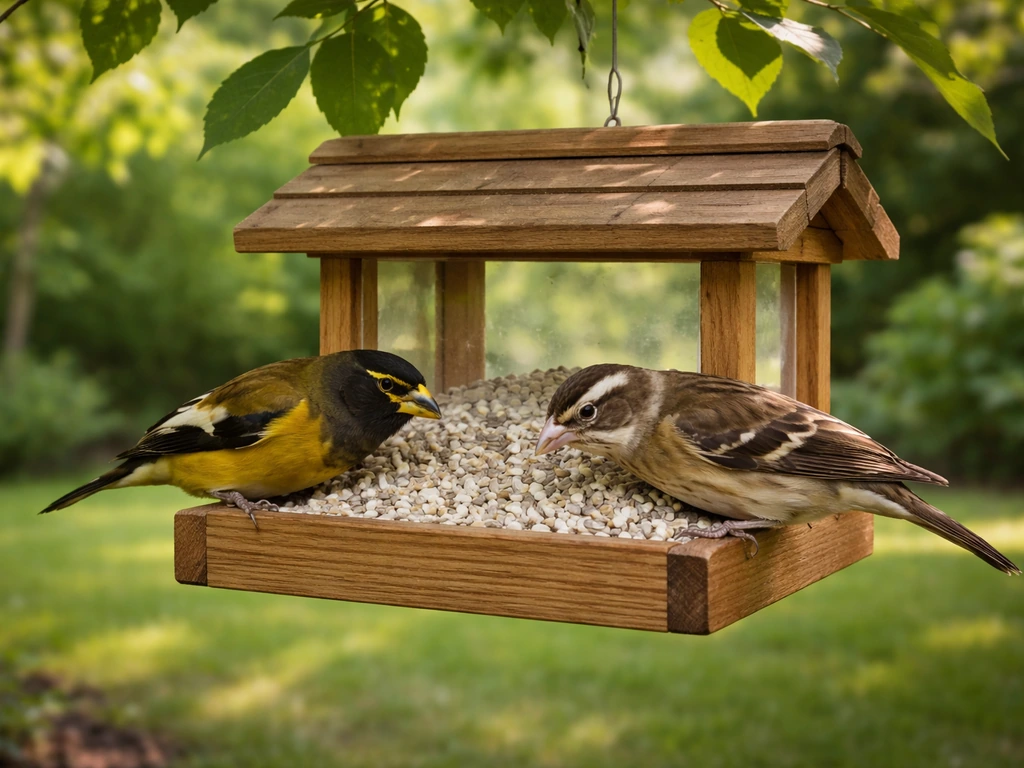
Yes, you can plant safflower bird seed, but whether it actually sprouts depends on a few things you need to check first. Raw, whole safflower seeds that haven't been heat-treated or heavily processed can germinate reliably, typically within 10 to 14 days at soil temperatures around 68 to 72°F. The catch is that a lot of commercial bird seed has been through processes that kill viability, and older or improperly stored seed loses germination ability fast. So before you dig a hole and drop seeds in, spend five minutes checking what you actually have.
Can You Plant Safflower Bird Seed? Quick Guide to Germination
Maya Collins
15 Jun 2026
Can safflower bird seed actually germinate?
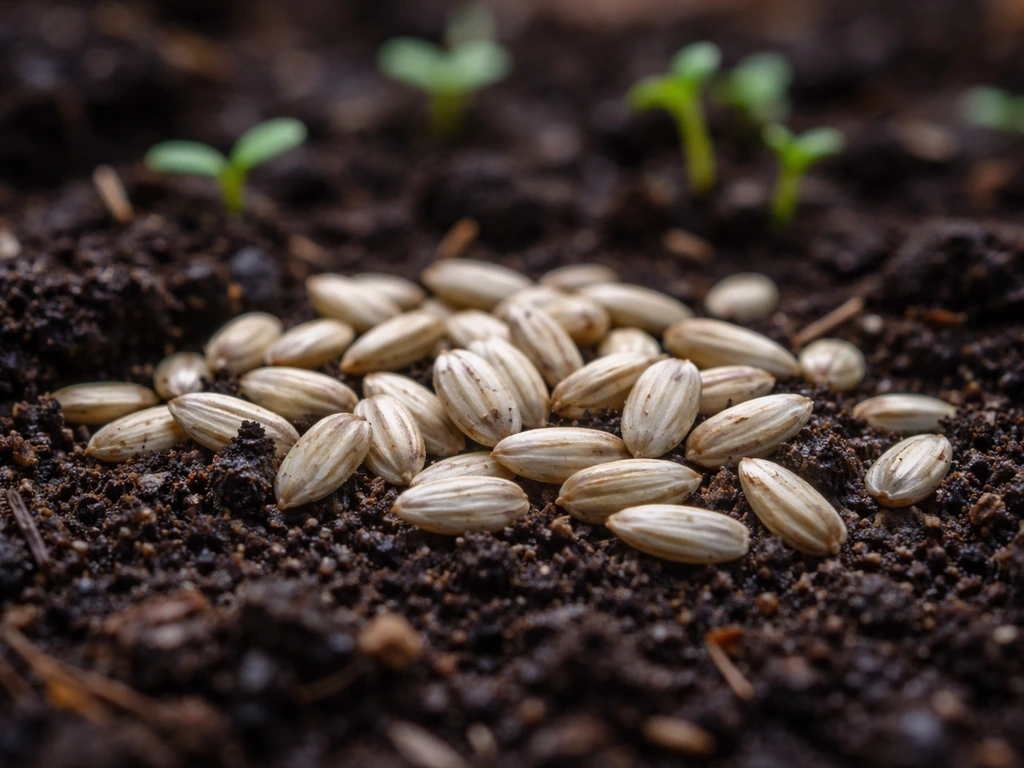
Safflower (Carthamus tinctorius) naturally has low dormancy, which means a viable seed doesn't need a complicated cold stratification period or special trigger to wake up and sprout. Under good conditions, germination rates around 88% are achievable. The problem isn't the plant's biology, it's what happens to the seed before it reaches your feeder. If you put bird seed directly in the ground without checking that it is viable, you usually just end up with a failed sprout what happens to the seed before it reaches your feeder.
Some bird seed manufacturers use heat treatment specifically to prevent sprouting. Just 2.5 minutes of microwave or oven heat is enough to kill every seed in a batch, so any bag labeled 'no-grow' or 'no-sprout' is completely dead for planting purposes. Even without intentional devitalization, seeds that have sat in a warm warehouse or on a store shelf for many months will have significantly reduced germination rates. Storage duration matters a lot: studies tracking safflower seed viability show measurable decline by four months and steep drops by 16 to 28 months at room temperature.
Standard safflower bird seed sold as whole white safflower (not hulled, not mixed with coatings or additives) has a reasonable chance of being viable, especially if the bag is fresh. Hulled safflower, on the other hand, is essentially just seed meat with no protective coat. Those seeds won't germinate. If your bag says 'hulled safflower,' skip planting.
Check your seed before you bother planting it
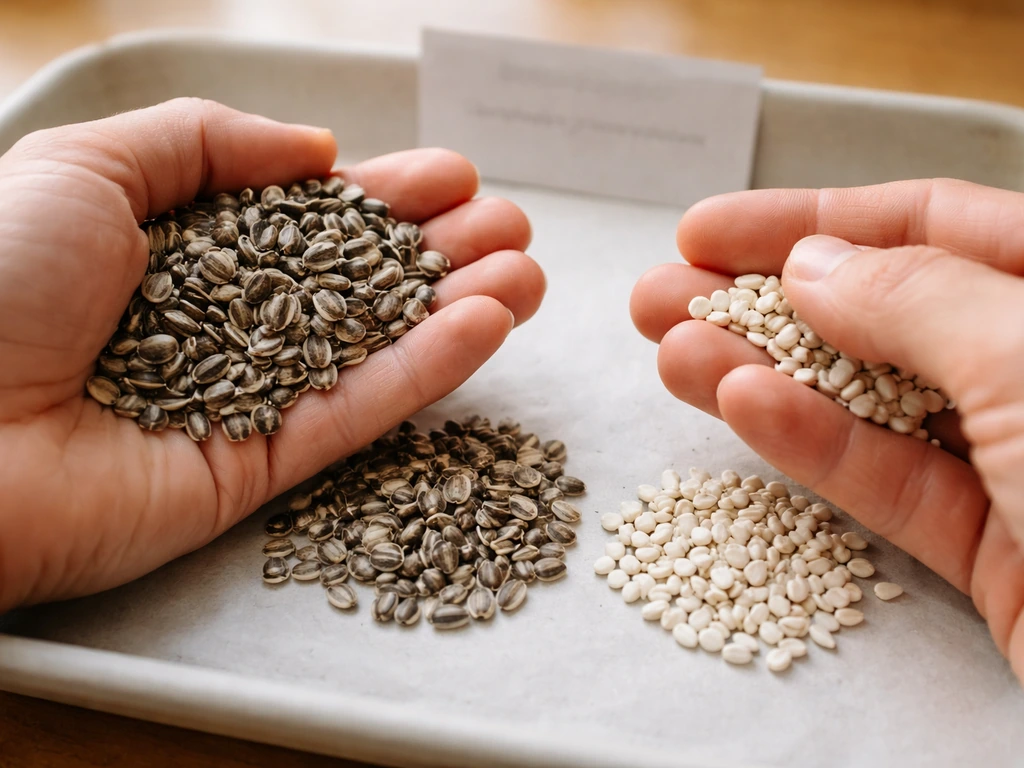
A quick viability check saves a lot of wasted effort. Here's what to look at before committing to a planting attempt:
- Whole vs. hulled: Whole seeds have the outer shell intact. Hulled seeds look white and smooth like tiny grains of rice. Only whole seeds can germinate.
- Bag freshness: Look for a 'packed on' or 'best by' date. Seed packed within the last 6 to 12 months is your best bet. Older than that and germination rates may already be disappointing.
- 'No-grow' or 'no-sprout' labels: These are deliberately devitalized. Don't bother planting them.
- Mixed seed bags: If your safflower is mixed with millet, sunflower, or other seeds, you can still pick out the safflower by hand. Safflower seeds are white, oval, and a bit bigger than millet.
- Additives and coatings: Some seeds have dyes, vitamin coatings, or mineral oil finishes. These don't necessarily kill germination, but they're a flag that the seed has been processed more heavily.
- Quick float test: Drop 10 seeds in a cup of water. Sink = potentially viable. Float = likely dead or damaged. It's not perfect, but it's a fast first screen.
If you want a more definitive answer, do a paper towel germination test. Dampen a paper towel, fold 10 seeds into it, seal it in a zip-lock bag, and leave it somewhere warm (70°F range) for about two weeks. Count how many sprout. If 6 or more germinate, you have decent seed worth planting. Fewer than 3 and it's probably not worth the garden bed space.
How to plant safflower bird seed, step by step
Safflower is actually a pretty easy annual to grow once you have viable seed. It likes warm weather, full sun, and reasonably well-drained soil. It's drought-tolerant once established, which makes it forgiving for busy gardeners.
Timing
Sow after your last frost date when soil temperatures have reached at least 60°F. For most of the US, that's late April through May. Since today is mid-June, you're actually still in a fine window in most regions, including the upper Midwest and Pacific Northwest. In the South and Southwest, you may want to wait until late summer for a fall planting to avoid peak heat stress during germination.
Soil and bed prep
Safflower isn't picky, but it does best in loose, well-drained soil. If you're planting in a garden bed, loosen the top 6 inches and break up any clumps. In containers, a standard potting mix works fine. Avoid heavy clay or areas that stay wet, because waterlogged conditions will rot the seeds before they can sprout.
Sowing depth and spacing
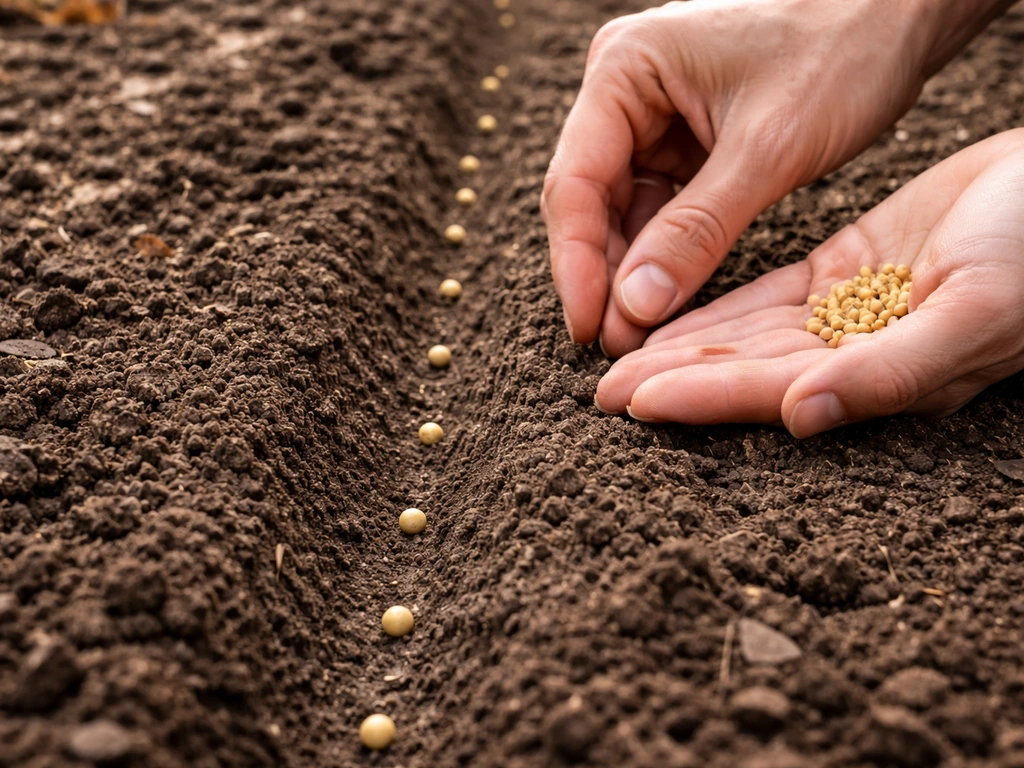
There's a range of guidance on depth, and the honest answer is that both ends of the range work depending on your soil type. In loose, sandy soil you can go a bit deeper, blank" rel="noopener noreferrer">around 1 to 2 inches (3 to 5 cm). In denser or heavier soil, shallower is better, about 1/4 inch (6 mm). When in doubt, aim for 1/2 inch and you'll hit the middle ground. Space seeds about 6 inches apart, or scatter them and thin later once you see what germinates.
Watering
Germination depends on consistent moisture. Keep the soil evenly damp (not soaked) until you see sprouts, which typically takes 10 to 14 days at 68 to 72°F. Letting the soil dry out completely during that window kills germination. Once seedlings are 3 to 4 inches tall, you can ease off and water deeply but less frequently. Safflower is quite drought-tolerant at that stage.
Containers vs. ground planting
Safflower grows 18 to 36 inches tall, so it needs a container at least 12 inches deep if you go that route. A standard 5-gallon pot works for a couple of plants. Ground planting is easier and produces stronger plants, but containers let you control placement and move plants away from areas where birds are actively foraging.
Dealing with birds while your seedlings establish
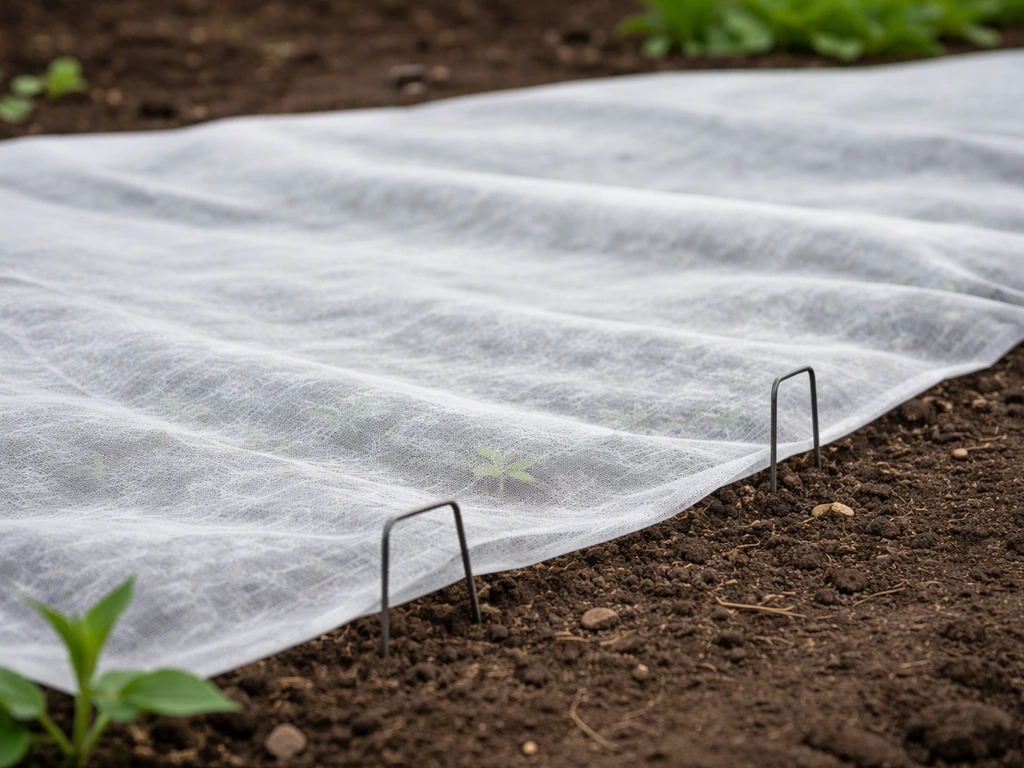
This is the part most people don't think about until it's too late. The same birds you're feeding at your feeder will absolutely dig up freshly planted safflower seeds if they can get to them. You can also attract many of the same birds by offering safflower bird seed they readily eat from your feeder, which may be mixed with other seed types what birds eat safflower bird seed. Cardinals, doves, and sparrows (all big safflower fans at the feeder) will scratch around bare soil looking for seed. If you're curious about which birds specifically go after safflower, that's worth a separate look, but the short version is that ground-feeding birds are your main concern during establishment.
The easiest solution is a simple row cover or wire mesh laid flat over the planted area until seeds germinate. Once seedlings are 2 to 3 inches tall with established roots, birds are much less likely to dislodge them, though they may nibble early leaves. You can also try planting in a spot that's harder for ground-feeding birds to access, like a raised bed with some height to it.
If you have an active feeder nearby, keep it well-stocked while your seedlings establish. Birds with a reliable food source are less motivated to forage aggressively in adjacent beds. Once safflower plants mature and produce seed heads later in the season, you can let birds eat directly from the plant, which is genuinely worth watching.
Troubleshooting: mold, pests, and seeds that won't sprout
A few common problems come up when you try planting bird seed, and most of them have straightforward fixes.
| Problem | Likely Cause | Fix |
|---|---|---|
| Seeds rot before sprouting | Overwatering or poor drainage, possibly already-dead seed | Improve drainage, reduce watering frequency, test seed viability before replanting |
| Mold on soil surface around seeds | Too much moisture, not enough airflow | Water less often, thin any covering material, scratch surface lightly to improve air exchange |
| No sprouts after 3 weeks | Seeds were heat-processed or too old | Do a paper towel germination test on remaining seeds; if none sprout, get fresh seed from a garden supplier |
| Sprouts appear then collapse | Damping off fungus from overly wet conditions | Let soil surface dry slightly between waterings; apply a thin layer of sand around stems |
| Birds digging up seeds daily | Ground-feeding birds finding the planting area | Cover with wire mesh or lightweight row cover until seedlings establish |
| Ants or other insects around seeds | Insects attracted to oils in the seed | Scatter a light dusting of diatomaceous earth around the planting area; keep area tidy of stray seeds |
Wet seed is a specific issue worth mentioning separately because it comes up a lot on the feeder-to-garden path. If you're pulling seed from a feeder or storage container and it already feels damp, clumpy, or smells musty, don't plant it. Mold-compromised seed has essentially zero germination potential and can introduce fungal problems to your soil. That seed needs to go in the trash, not the ground.
Cleanup, storage, and handling leftover seed
Whether your planting attempt goes well or not, good seed hygiene matters both for your garden and for the birds you're still feeding. Leftover safflower seed that's been sitting out or partially exposed to moisture should be evaluated carefully before going back into a feeder or storage container.
For seed you're keeping: store whole, dry safflower in an airtight container (a sealed glass jar or food-grade plastic container works great) in a cool, dry place. A basement or climate-controlled pantry is better than a garage that heats up in summer. Cold storage dramatically extends viability, and if you're planning to plant next season, a fridge set around 40°F with the seed in a sealed bag is close to ideal. Avoid freezing without proper moisture control, as condensation during thawing can damage seeds.
For seed you can't use: if it's dry and uncontaminated, you can leave it out in an open tray for birds to clean up rather than tossing it. If it's wet, moldy, or clumped, bag it and dispose of it in your regular trash. Don't compost moldy bird seed, as it can spread fungal spores and attract pests to your compost pile.
Feeder hygiene goes hand in hand with any planting attempt. If you've noticed seed sprouting inside your feeder, that's a separate but related issue worth addressing directly, because it signals moisture is getting in. Scrub feeders with a 10% bleach solution (1 part bleach to 9 parts water), rinse thoroughly, and let them dry completely before refilling. Ground spill below feeders should be raked up regularly, since damp fallen seed under a feeder is a magnet for mold and rodents.
If you're new to thinking about whether bird seed sprouts, and you've ever pulled a soggy feeder apart and wondered what's going on, the quick takeaway is: safflower is one of the more well-behaved seeds in this regard. It's less prone to causing messy weed problems than millet or sunflower, partly because of that low dormancy and because conditions have to be fairly right for it to germinate at all. Whether you're planting it intentionally or just trying to prevent unexpected sprouts, the same principles apply: keep it dry, keep it fresh, and give it good drainage. will safflower bird seed sprout will safflower bird seed sprout? (related: sprouting likelihood) Finally, for a quick check on whether will safflower bird seed sprout, follow the same keep-it-dry and keep-it-fresh rules mentioned above. (Adds the internal link to the destination keyword.).
FAQ
Can I plant safflower bird seed straight from the feeder without testing it first?
You can try, but only if the seed is clearly dry and not moldy or clumped. Seed that sat in a damp feeder (or has a musty smell) should not be planted, because it often won’t germinate and it can add fungal issues to your soil. If you want to avoid guesswork, do the paper towel germination test on a small sample first.
What if my soil is already warm but nights are still cool, will safflower still sprout?
Safflower usually germinates best when soil stays in the 68 to 72°F range. If nighttime temperatures drop well below that, germination can slow or become uneven, even if daytime sun warms the surface. Consider using a light row cover during cool nights to help keep soil temperature steadier.
Should I soak safflower seeds before planting to improve germination?
Not usually. Safflower has low dormancy, so soaking is rarely necessary and can backfire if seeds split or start to mold while they sit. The better approach is consistent, evenly damp soil until sprouting, not pre-soaking.
How do I tell the difference between “not sprouting yet” and “the seeds are dead”?
Give it the full window for your conditions, typically 10 to 14 days at warm soil temperatures. If you don’t see any movement by then, gently check a few seeds by digging them up. If they’re firm and intact but no root has formed, assume poor viability, and replant with a tested batch rather than repeatedly rewatering the same spot.
Will safflower planted in containers work, and how deep should the pot be?
Yes, but use a container at least 12 inches deep so the roots have room. A 5-gallon pot works for a couple of plants, and drainage is critical. If water stands in the saucer, seeds can rot before they sprout, so empty the saucer after watering.
Can I broadcast safflower seed instead of planting it in rows?
You can scatter it, then lightly cover it with soil around the target depth. The main risk with broadcasting is seeds ending up too deep or uncovered. Aim for roughly 1/2 inch coverage as a middle-ground, and thin seedlings to about 6 inches apart once they emerge.
What depth should I use if my soil is heavy clay or stays wet?
In dense or moisture-retentive soil, shallower is safer, about 1/4 inch. Planting deeper in heavy clay increases the chance that seeds sit waterlogged while waiting to sprout. Improving drainage by loosening the top layer can significantly improve your odds.
Do birds only eat sprouting safflower seeds, or will they keep digging after seedlings emerge?
They mostly target bare ground during establishment, but they may still scratch at seedlings when they are small. Once seedlings reach about 2 to 3 inches tall and have established roots, dislodging drops a lot. For extra protection, keep a low row cover or wire mesh over the bed until seedlings are sturdier.
Can I prevent safflower sprouting in my yard if I’m using it at a feeder?
Yes. Keep spilled seed to a minimum, rake ground under and around feeders regularly, and ensure you aren’t leaving damp, old seed exposed. If you want to go further, use a feeder setup with a tray design that limits ground scatter and clean it frequently to prevent moisture buildup.
Is it safe to plant hulled safflower seed from bird food?
Usually no. Hulled safflower is essentially seed without the protective coat, and it typically fails to germinate. If your bag says hulled safflower, it’s better to skip planting and use whole, unhulled seed intended for cultivation or at least labeled as whole safflower.
How should I store safflower seed so it stays viable for next season?
Keep it dry and sealed in an airtight container in a cool, dry location. Refrigeration around 40°F in a sealed bag is one of the best options if you’re saving for later. Avoid storing it in a warm garage, and don’t freeze unless you can prevent condensation during thawing, because moisture can damage seeds.
Next Article
What Birds Eat Safflower Bird Seed How to Attract Them Today
Discover which birds eat safflower seed and how to set feeders, reduce mess, stop mold, and boost visits fast.