If you want to attract the widest variety of backyard birds as quickly as possible, black-oil sunflower seed is your best starting point. It has a thinner shell, a fat content around 38–40%, and virtually every common feeder bird will eat it. Safflower is the better choice when you specifically want to discourage squirrels, House Sparrows, and European Starlings while still feeding cardinals, chickadees, and doves. Neither seed is universally better. The right pick depends on which birds are showing up, which ones you want to keep away, and how your feeder is set up.
Safflower vs Sunflower Bird Seed: Which Attracts More Birds?
Maya Collins
19 Jun 2026
What's the difference between safflower and sunflower seed
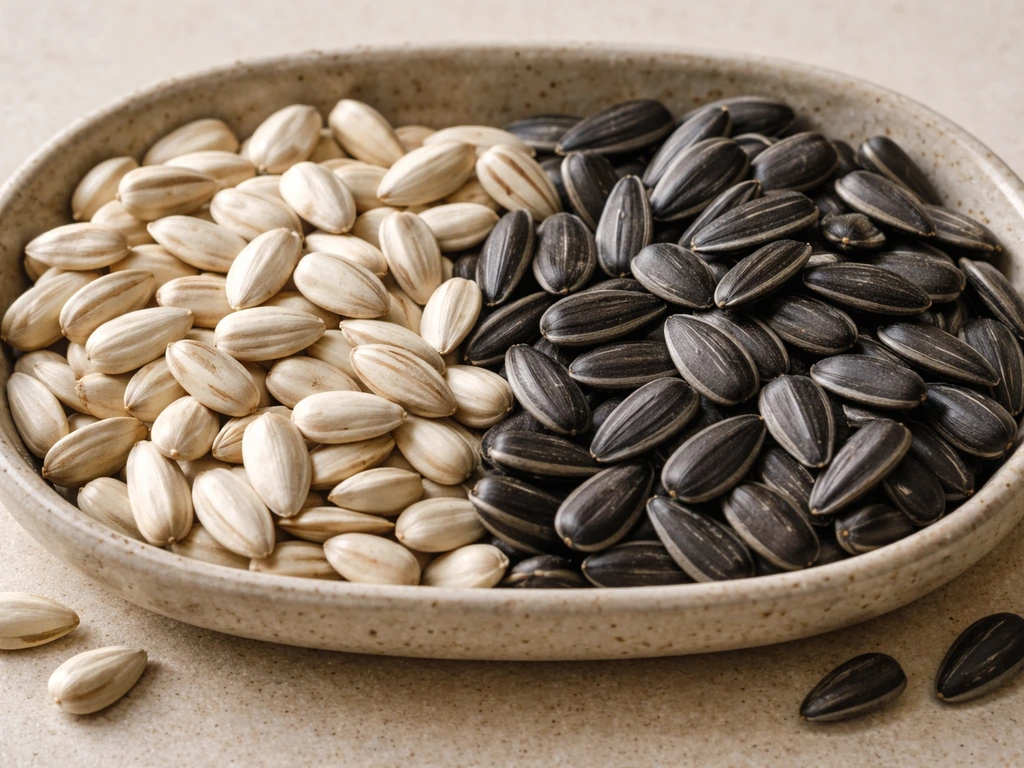
Both seeds are high-fat, high-energy options, but they differ in shell thickness, flavor compounds, and which animals find them appealing. Black-oil sunflower has a thin shell that almost any bird with a bill can crack. It clocks in at roughly 38.5% crude fat and 16.1% crude protein, making it one of the most calorie-dense seeds you can offer. Striped sunflower (the larger, confection-style seed) has a thicker, tougher shell that smaller birds and many nuisance species struggle with. Hulled sunflower (also called sunflower hearts or chips) is shell-free, so there's zero mess under the feeder and no cracking required.
Safflower is a white, slightly bitter seed with a hard shell. Many of the common feeder birds will eat safflower, especially if they are already visiting your feeder regularly. Its bitter taste compounds are what put off squirrels and several unwanted bird species. Nutritionally it's comparable to sunflower, but its bitterness is the key functional difference. Birds that regularly eat it seem to adjust quickly, but animals tasting it for the first time often reject it initially. That means there can be a short lag when you first switch to safflower before your regulars figure out it's food.
| Feature | Black-Oil Sunflower | Striped Sunflower | Hulled Sunflower | Safflower |
|---|---|---|---|---|
| Shell thickness | Thin | Thick | None | Hard |
| Crude fat (approx.) | ~38–40% | ~28–30% | ~45% | ~35–38% |
| Shell waste under feeder | Moderate | High | None | Moderate |
| Squirrel appeal | Very high | Moderate | Very high | Low |
| House Sparrow/Starling appeal | High | Moderate | High | Low to moderate |
| Cardinal appeal | High | High | High | High |
| Best feeder type | Tube, hopper, platform | Platform, hopper | Any feeder type | Tube, hopper, platform |
Which birds you attract, and which you may discourage
Black-oil sunflower is the single most broadly attractive feeder seed according to Cornell Lab's Project FeederWatch testing. Cardinals, chickadees, nuthatches, finches, grosbeaks, titmice, jays, woodpeckers, and juncos all eat it readily. The downside is that squirrels, House Sparrows, European Starlings, and grackles love it too. If your feeder is overrun by these species, switching to or mixing in safflower is one of the most practical moves you can make.
Safflower consistently attracts Northern Cardinals, Black-capped and Carolina Chickadees, House Finches, Mourning Doves, and White-breasted Nuthatches. Tufted Titmice will eat it too. Cornell's All About Birds notes that House Sparrows and European Starlings tend to avoid safflower, though it adds the honest caveat that local populations can differ. In practice, most people who switch to safflower see a noticeable drop in starling and sparrow traffic within a week or two. Squirrels generally dislike the bitter taste but some persistent individuals will still eat it if they're hungry enough. Chipmunks are usually deterred.
Striped sunflower sits in the middle. Its thicker shell deters House Sparrows and Starlings more than black-oil does, but it's still popular with larger birds like jays, cardinals, and woodpeckers. If you want to keep small nuisance birds down without going full safflower, mixing striped sunflower into your black-oil blend is a reasonable middle ground.
How to choose the right seed for your feeder setup
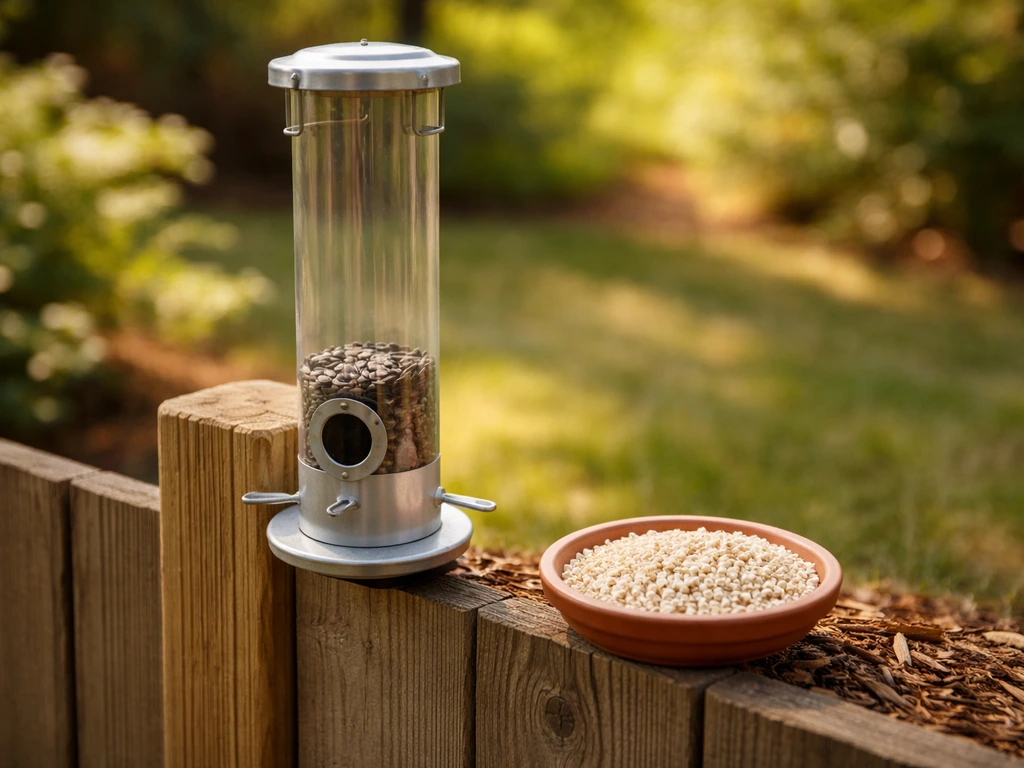
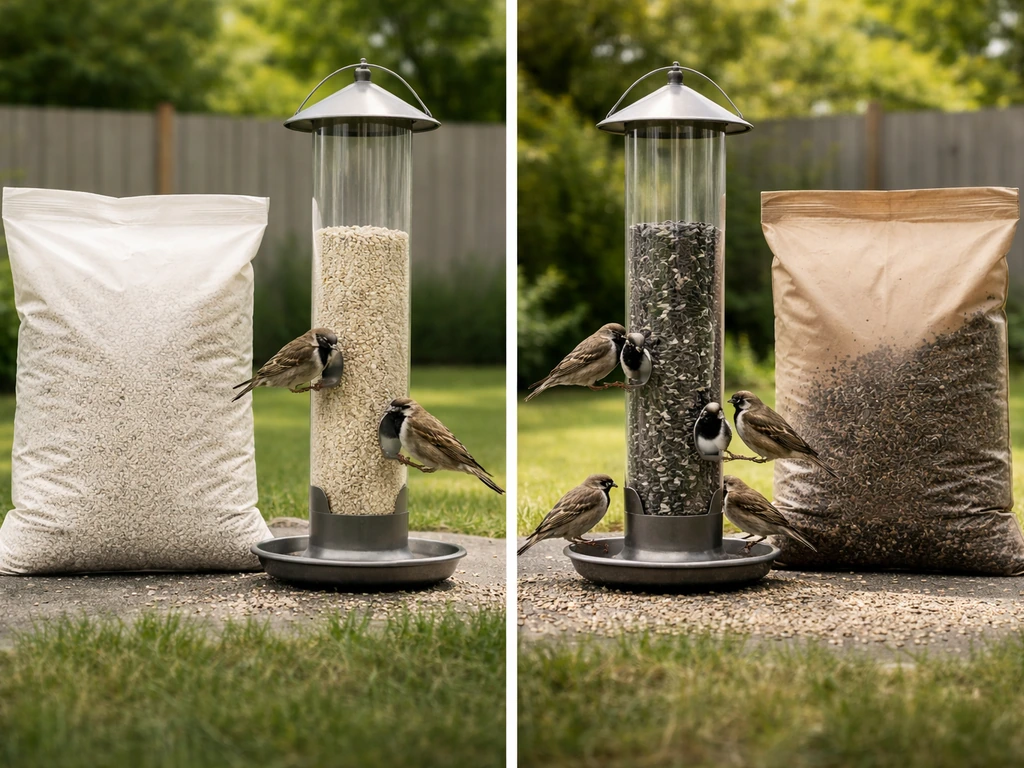
Start by identifying your actual goal. If you want volume and variety fast, use black-oil sunflower. If you want to filter out pest species while keeping your favorite songbirds, lead with safflower. If you hate cleaning up shell debris under the feeder, use hulled sunflower hearts. Many experienced feeders run two separate feeders side by side: one with black-oil sunflower for maximum draw, one with safflower to give cardinals and chickadees a quieter feeding spot away from bully species.
Feeder type matters
- Tube feeders: work well with both black-oil sunflower and safflower; smaller ports limit access for larger nuisance birds
- Hopper feeders: good for both seed types; easy to top off but hulls accumulate inside and can trap moisture
- Platform or tray feeders: great for safflower because cardinals and doves prefer open feeding; also attracts ground feeders like juncos and sparrows
- Ground feeding: safflower works well here if you want to target doves and cardinals; sweep debris regularly to prevent mold buildup
- No-mess feeders (for hulled sunflower): any feeder style works because there are no shells to clog ports or pile up below
If you're new to safflower, try offering a small amount alongside your regular sunflower feeder rather than replacing it entirely. Can you plant safflower bird seed? The better approach is to sow or plant it elsewhere if you want to grow it, while using seed varieties in your feeder to attract the birds try offering a small amount. This lets birds discover it without disrupting their routine. Within one to two weeks you'll see who's eating what and you can adjust the ratio from there.
Storage, shelf life, and keeping seed dry
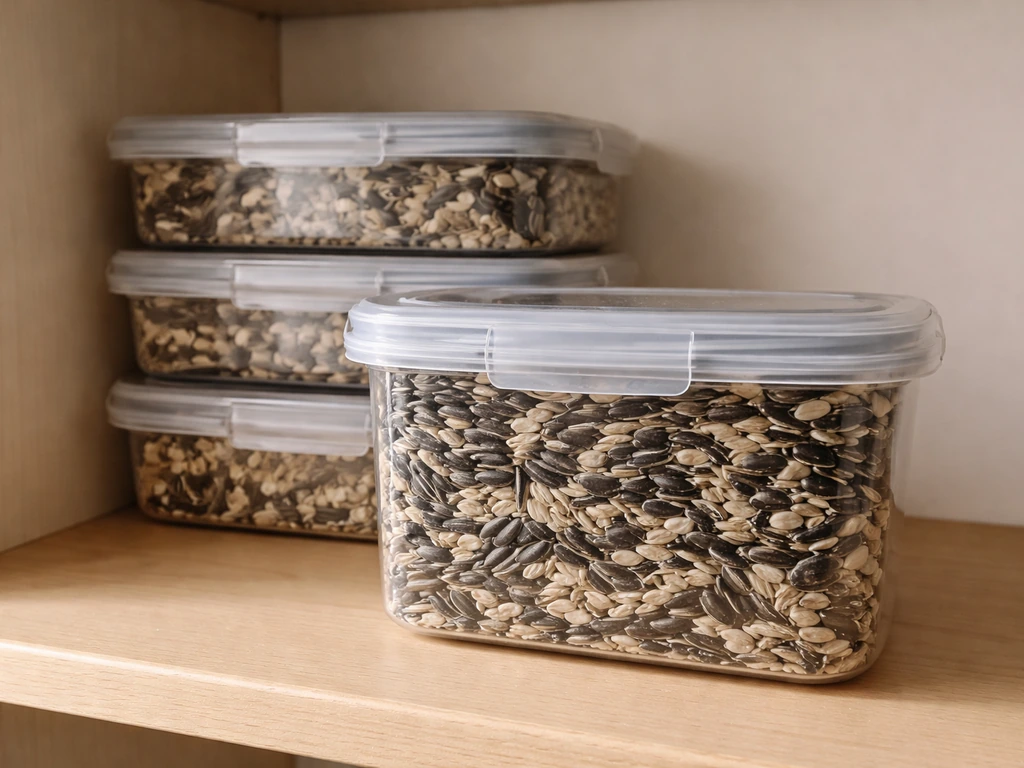
Both sunflower and safflower seed last about six months to a year when stored properly. The enemies are moisture, heat, and oxygen. Store seed in a hard-sided airtight container (metal garbage cans with tight lids or heavy-duty plastic bins with gaskets work well) in a cool, dry location like a garage corner or basement. Avoid keeping large bags in sheds that get hot in summer. Heat above about 80°F accelerates oil degradation, and moisture encourages mold within days.
Keep a practical quantity on hand: two to four weeks of supply at most if your storage conditions are anything less than ideal. Buy in bulk only if you can store it cool and dry. Label containers with the purchase or open date so you're not guessing freshness. Fresh seed smells slightly nutty or neutral. Seed that smells sour, musty, or rancid should not go in the feeder.
One note on sunflower seed and storage insects: sunflower seed weevils can lay eggs in seeds at harvest, and larvae may be present in the bag when you buy it. Most of these larvae die in storage without causing significant damage to the seed or posing any risk to birds, but if you see small beetles emerging from your stored seed, seal the container tightly, move it outside, and use up or discard the batch. Keeping stored seed cold (below 50°F) significantly slows insect development.
What to do with wet, sprouted, or moldy seed
Wet seed is the most common problem at feeders and it escalates fast. Damp sunflower or safflower can begin molding within 24 to 48 hours in warm weather. Mold produces aflatoxins that can be toxic to birds, so this isn't a minor cosmetic issue. The rule is simple: if seed is clumped, slimy, visibly moldy, or smells off, throw it out. Don't dry it and reuse it.
If your feeder consistently gets wet seed, look at feeder design first. If that seed keeps getting wet, it can also begin sprouting, which is why removing and replacing bad seed matters f your feeder consistently gets wet seed. Tube feeders with weather guards (dome baffles above the feeder) dramatically reduce rain exposure. Tray feeders should have drainage holes. If you're using a hopper feeder, check that the seed port area isn't trapping water where it contacts the seed. In very humid climates or during rainy stretches, reduce fill amounts so seed turns over in two to three days before it has a chance to go bad.
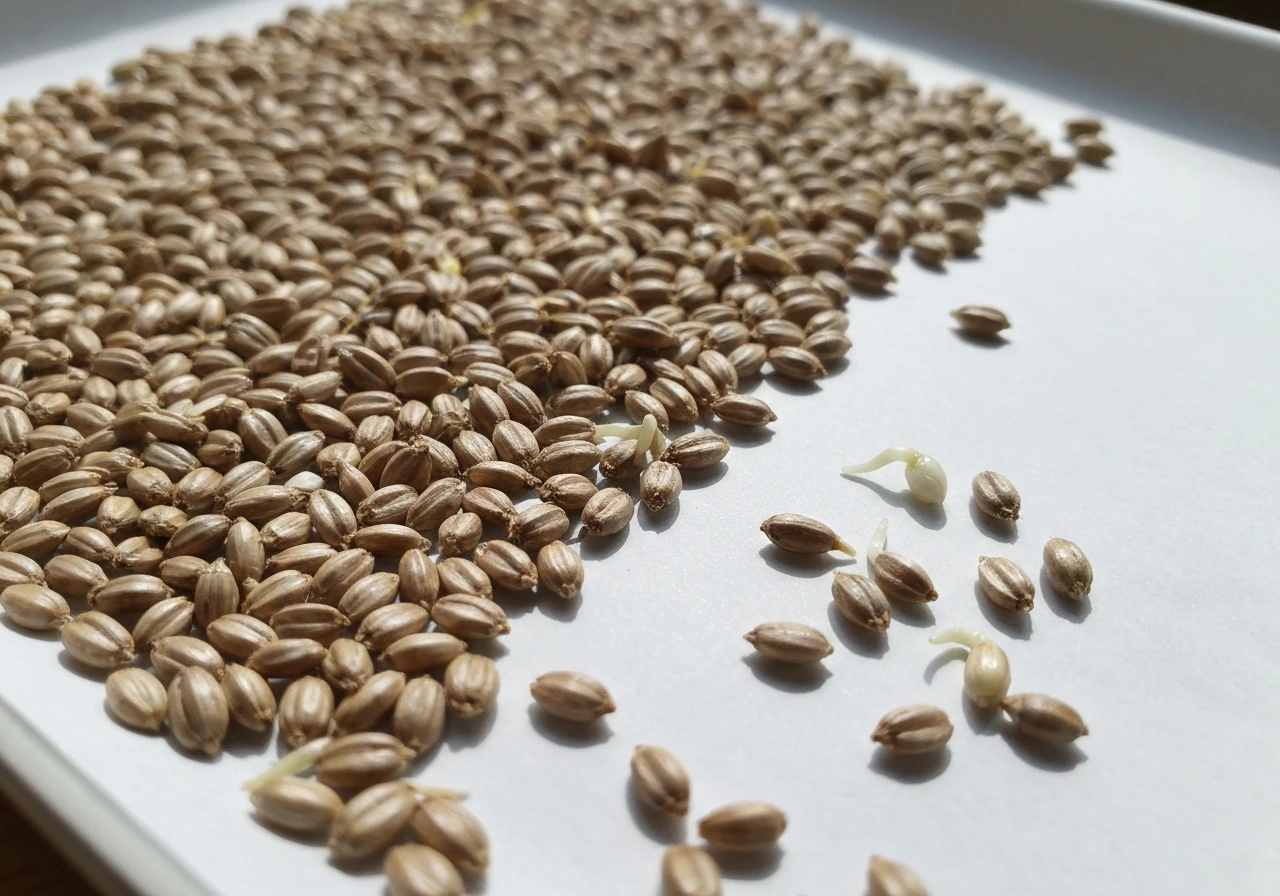
Sprouted safflower or sunflower seed in the feeder is a sign seed has been sitting wet. Birds generally won't eat sprouted seed. Remove it, clean the feeder, and let it dry before refilling. If you're curious about whether safflower seed will sprout under the feeder if it falls to the ground, that's worth understanding separately since safflower can germinate in soil given the right conditions. If you want to know whether safflower seed will sprout when it falls to the ground, you can expect it to germinate in soil under the right conditions.
Pests and mold prevention (insects, rodents, feeder contamination)
Rodents are the bigger pest concern with sunflower seed than with safflower, mainly because sunflower draws more foot traffic in general and squirrels and mice find the smell attractive. Spilled sunflower seed under feeders is a reliable rodent invitation. Hulled sunflower is actually worse for this because the soft kernel is immediately edible with no shell processing needed. Safflower's bitter compounds offer some natural deterrence, but any seed spilled on the ground can attract rodents if left to accumulate.
To manage pests around both seed types, use the following approach consistently:
- Mount feeders on smooth metal poles with baffle guards to block squirrel and rodent climbing
- Use a seed catcher tray or hoop below the feeder to contain spill, then empty the catcher tray every one to two days
- Rake or sweep the ground under feeders every few days, especially in warm or wet weather
- Don't fill feeders more than two to three days' worth of seed at a time during humid or rainy periods
- Store seed in sealed metal containers away from the feeding area so the storage location itself doesn't attract pests
- If you see signs of rodent activity (droppings, gnawed containers), move the feeding station to a new location and remove all seed debris from the old spot
For insects in the feeder itself: ants are commonly a problem with sunflower feeders, especially tube styles. An ant moat filled with water above the feeder hook stops most ant traffic. Small beetles and weevils found in stored seed are largely a storage issue rather than a feeder issue, but if seed is old or stored poorly, larvae can hatch and contaminate the feeder. If you open a feeder and see live insects moving in the seed, empty and clean it immediately.
Cleanup and hygiene: preventing mess and cross-contamination
Feeder hygiene is where a lot of backyard bird enthusiasts cut corners, and it genuinely matters for bird health. Wet seed, bird droppings, and shell debris create conditions for Salmonella, Aspergillus mold, and other pathogens. The standard recommendation from both Audubon and Cornell Lab is to clean feeders every two weeks under normal conditions, and more frequently if you see sick birds or notice seed clumping.
Cleaning method: empty the feeder completely, discard old seed, and scrub the feeder with hot soapy water to remove debris and biofilm. Then disinfect with a solution of 1 part bleach to 9 parts water (that's roughly 1. All About Birds recommends disinfecting seed feeders with a dilute bleach solution of no more than 1 part bleach to 9 parts water. 5 tablespoons of bleach per cup of water). Let the feeder soak for a few minutes, rinse thoroughly with clean water, and let it air dry completely before refilling. A damp feeder refilled immediately is just inviting the problem back. If the feeder is dishwasher-safe, running it on the hot cycle works well for the wash step, but follow up with the bleach rinse.
Shell waste is a real hygiene factor. Hulled sunflower hearts produce no shells, which means far less debris under the feeder and a much lower chance of moldy shell buildup. Black-oil sunflower and safflower both leave shells. blank" rel="noopener noreferrer">Rake the area under the feeder every few days. Penn State Extension specifically recommends raking and removing ground debris regularly, especially if you're ground-feeding, and not letting old seed, droppings, and shells accumulate into a layer. That layer is where disease concentrates.
If you run multiple feeders with different seed types, don't use the same scoop for both without wiping it down between uses. Cross-contamination from a moldy feeder to a clean one is easy to overlook. Keep a dedicated scoop per seed type, or at minimum rinse and dry between uses.
Quick decision guide: safflower vs sunflower for your goal
| Your goal | Best seed choice | Key tip |
|---|---|---|
| Attract the most species quickly | Black-oil sunflower | Use a tube or hopper feeder; refill every 2–3 days |
| Discourage squirrels and starlings | Safflower | Give birds 1–2 weeks to adjust; pair with a baffle pole |
| Eliminate shell mess under feeder | Hulled sunflower hearts | Any feeder works; watch for quick spoilage in rain |
| Feed cardinals specifically | Safflower or black-oil sunflower | Tray or platform feeder at medium height works best |
| Reduce rodent attraction | Safflower (first choice) or striped sunflower | Rake spill daily; use a seed catcher tray |
| Minimize mold risk in humid climate | Hulled sunflower (small fills) or safflower | Fill every 2 days max; use a domed weather guard |
| Balance variety with nuisance control | Mix: black-oil sunflower + safflower in separate feeders | One feeder for each; observe and adjust ratio over 2–3 weeks |
The bottom line is that sunflower seed wins on raw attraction power and safflower wins on selectivity. Most experienced feeders end up using both. Start with black-oil sunflower to establish activity at your feeder, then introduce safflower once you know which birds are regulars and want to tune out the ones that are crowding the feeder. Keep both seed types dry, clean the feeders on a real schedule, and manage ground debris consistently. Those three habits matter more than which seed you choose.
FAQ
How long does it usually take for birds to start eating safflower after I switch from sunflower?
Expect a short lag, often 1 to 2 weeks, because birds that try it for the first time may initially reject the bitter taste. Birds that already visit frequently are usually the first to switch, so mixing safflower in gradually can speed up acceptance.
Will safflower attract the same birds as black-oil sunflower if I use it alone?
Not exactly. Safflower tends to bring more cardinals, chickadees, finches, doves, and nuthatches, while black-oil usually draws a broader mix including many finches, jays, woodpeckers, and buntings, plus nuisance species. If you want maximum variety, using both seed types (or two feeders) performs better than choosing only one.
What’s the best way to reduce House Sparrows and starlings without losing too many desirable birds?
Use safflower as the “quiet” option rather than eliminating sunflower entirely. A common strategy is to keep black-oil for overall activity, then offer safflower in a second feeder or on a separate tray so cardinals and chickadees can feed with less competition.
Does sunflower hearts (hulled sunflower) defeat the purpose of choosing sunflower instead of safflower?
It can, especially for rodents. Hulled hearts are easier for squirrels and mice to eat because there is no shell cracking step, and that also increases how quickly spilled seed becomes accessible. If rodents are a problem, keep hulled sunflower to a minimum and reduce ground spill.
Should I use safflower in a tube feeder, hopper feeder, or tray feeder?
Safflower works in most styles, but it can clump less debris than black-oil only if the seed stays dry. Tube and hopper feeders are usually better at limiting rain exposure, while tray feeders need drainage and more frequent cleanup. The key is preventing wet seed, regardless of feeder type.
What should I do if my safflower or sunflower seed gets wet in the feeder?
Remove and discard the wet or sprouted seed immediately, then clean and dry the feeder before refilling. Birds typically won’t eat sprouted seed, and wet seed can mold quickly, potentially creating health risks that go beyond just bad appearance.
How can I tell whether seed is spoiled from heat or age before I put it out?
Use smell as your first check. Fresh seed is typically neutral or slightly nutty, while rancid, musty, or sour odors mean the oil has degraded and the batch should not go back into feeders. Storing in airtight containers in a cool spot reduces the risk.
Do sunflower seed weevils mean the seed is unsafe for birds?
Usually not automatically. Larvae from harvest can be present in bags, but many die during storage. If you see live beetles emerging from your stored seed, seal it tightly, move it outside, and use it quickly or discard that batch to prevent further contamination.
Can I plant safflower seed I’m feeding, and will it grow under bird feeders?
Safflower can germinate in soil under the right conditions, so yes, planted or dropped seed may sprout nearby. If you do not want volunteer growth, reduce seed spillage and clean up shells and dropped seed regularly, especially after rain.
Is mixing safflower and sunflower always a good idea?
It can be, but it depends on your goal and your feeder setup. If you mix them, the more attractive option for nuisance birds (often black-oil sunflower) can still dominate. If you want selectivity, using two feeders side by side, or adjusting the ratio after you learn which birds are frequent visitors, usually works better.
How often should I clean the feeder if birds are not sick but I’m using high-fat seed?
Clean on a schedule, typically about every two weeks under normal conditions, and more often if you notice clumping, shells building up, or any sign of dampness. With high-fat seed, wet debris and mold can develop fast, so “looks fine” is not a reliable safety check.
Should I use different scoops for safflower and sunflower hearts?
Yes, to avoid cross-contamination. Seed and debris that are damp or moldy in one feeder can seed problems in another. A dedicated scoop per seed type, or washing and fully drying between uses, helps prevent this easy-to-miss transfer.
What’s the most effective way to stop ants from getting into sunflower tube feeders?
An ant moat filled with water above the feeder hook is a practical solution for many ant issues. If you see live insects moving in the seed after opening the feeder, empty it and clean immediately, since that suggests storage contamination rather than just ants on the outside.
Next Articles
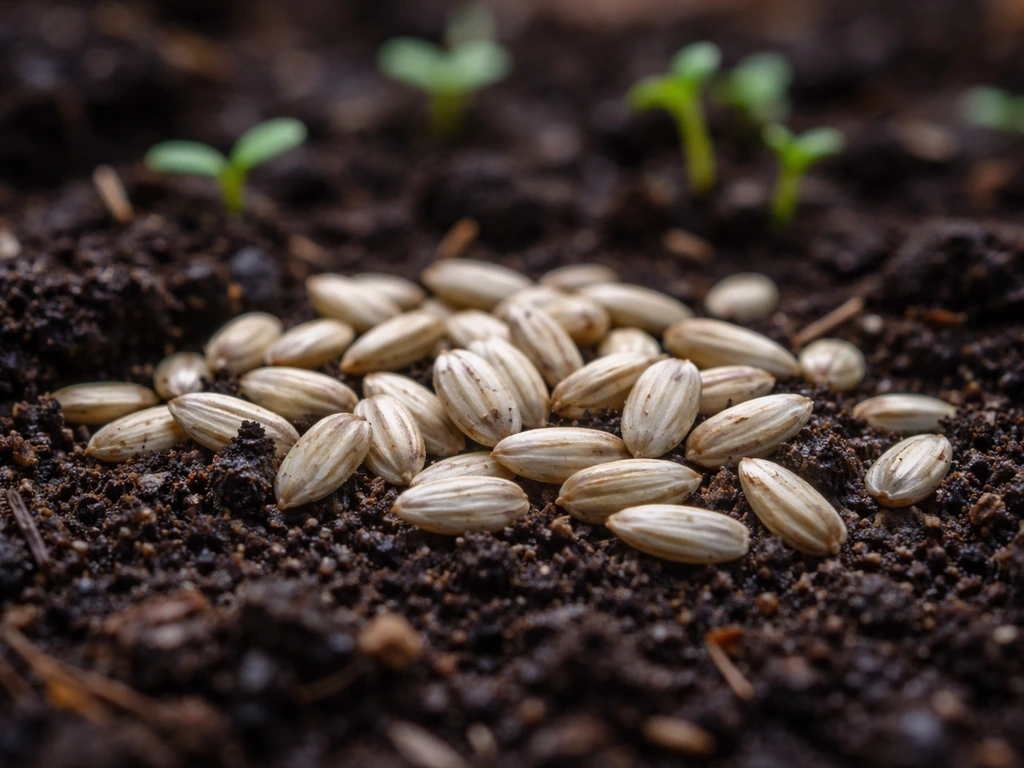
Can You Plant Safflower Bird Seed? Quick Guide to Germination
Answer if you can plant safflower bird seed, check viability, sow safely, and troubleshoot germination, mold, and pests.
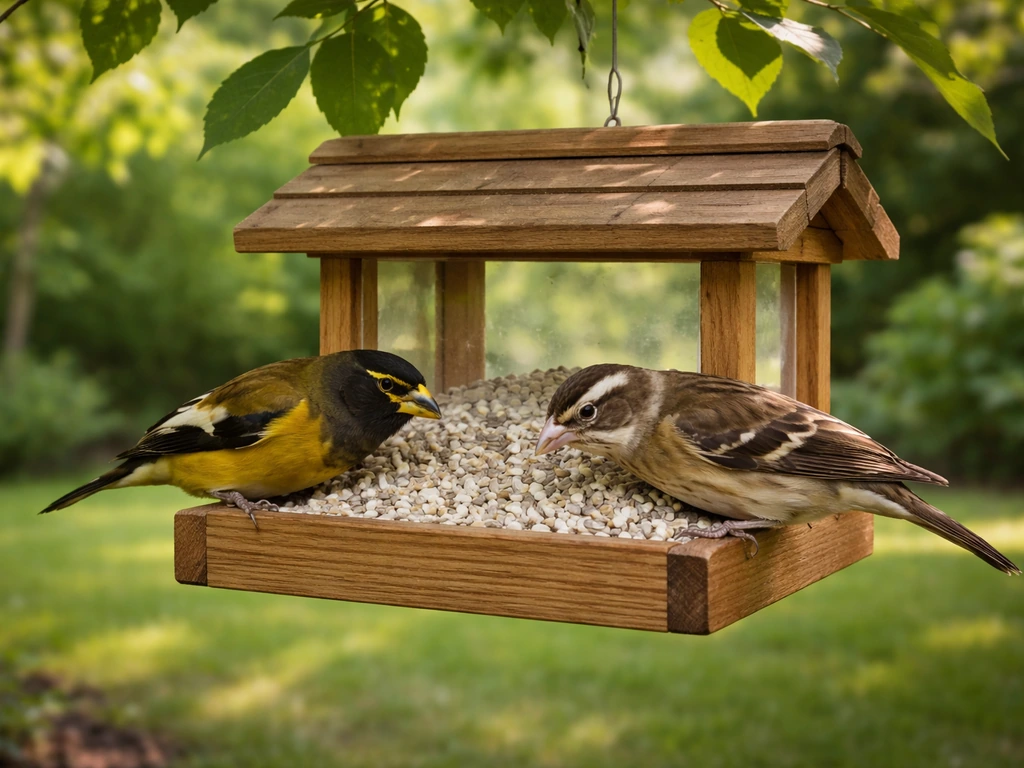
What Birds Eat Safflower Bird Seed How to Attract Them Today
Discover which birds eat safflower seed and how to set feeders, reduce mess, stop mold, and boost visits fast.
Will Safflower Bird Seed Sprout? Germination Fixes
Learn if safflower bird seed sprout, why it germinates, and how to dry, clean, and prevent mold and pests.