Bats almost never eat bird seed. Their diets are built around insects, fruit, nectar, or pollen depending on the species, and dry seed mixes hold zero nutritional appeal for them. If you're seeing bats near your feeders at dusk, they're almost certainly hunting the insects that your spilled seed and standing water attract, not raiding the tray itself. The one real exception is nectar-feeding bats in the Southwest, which will absolutely visit hummingbird feeders, but that's a feeder-type problem, not a seed problem.
Do Bats Eat Bird Seed? How to Stop Seed-Feeding

Maya Collins
24 Apr 2026
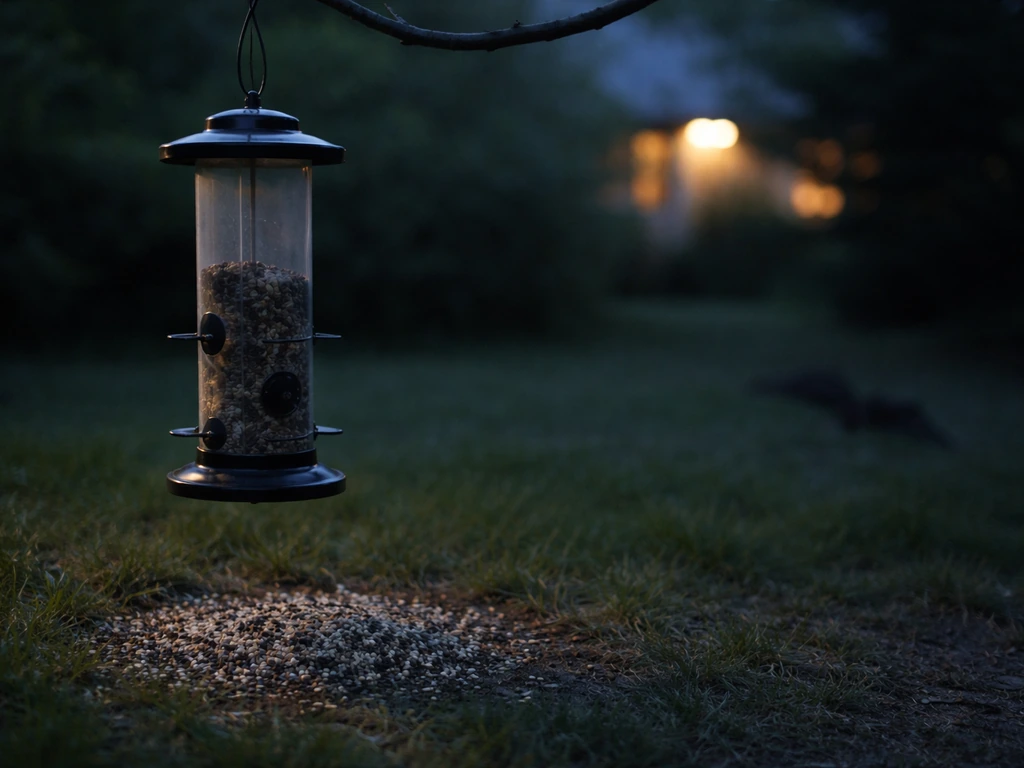
What bats actually eat (and why seed isn't it)
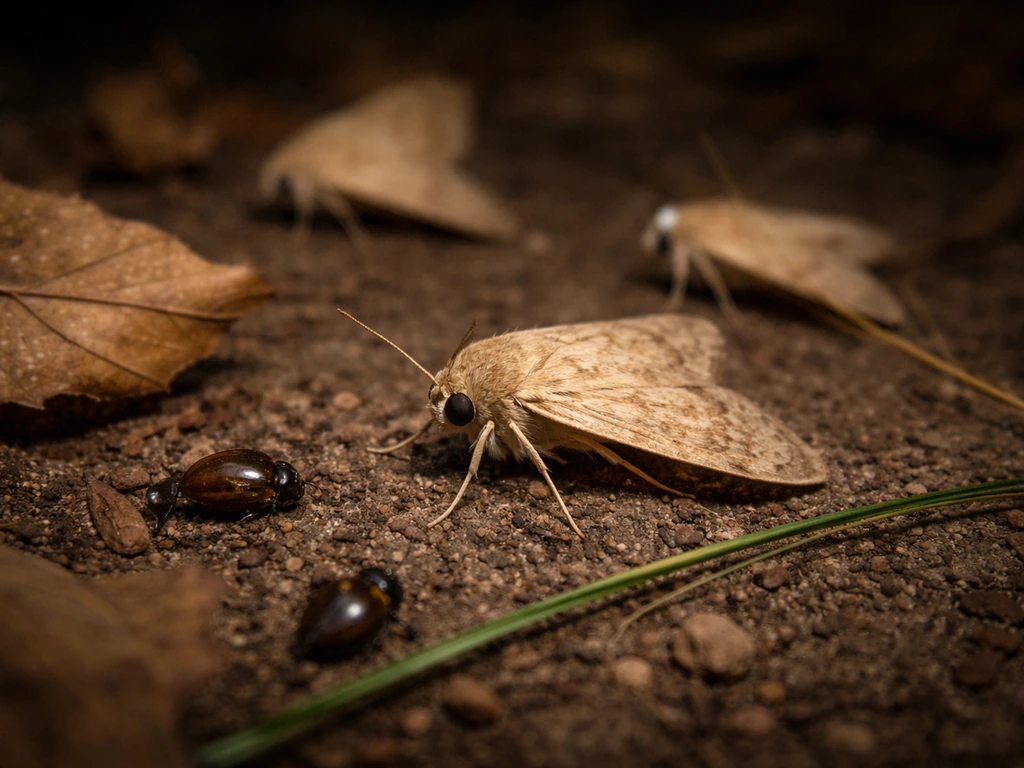
Most backyard bats across North America are insectivores. Silver-haired bats, for example, prefer moths, flies, beetles, and wasps, and they often forage close to the ground. Eastern red bats leave their roosts at dusk and spend roughly two hours actively hunting insects before returning. Neither bat has any biological reason to investigate a suet cage or a tube feeder full of sunflower seeds.
That said, bat diets genuinely vary by species. Across North America you'll find fruit-eaters, nectar-feeders, and fish-eaters in addition to the insect specialists. In Tucson and the broader Sonoran Desert, two species of nectar-feeding bats are well-documented visitors to hummingbird feeders. If you're in that region and running a nectar feeder, bats at your feeder is a real and expected thing. If you're in the Midwest, Northeast, or Pacific Northwest running a standard seed feeder, it's not.
Why bats show up near bird feeders anyway
Feeders create a food chain effect. Seed on the ground draws insects. Insects draw bats. It's that simple. Spilled millet, cracked corn, and hulled sunflower chips that accumulate under a feeder will attract beetles, moths, and other small invertebrates, especially after dark. A bat swooping through your yard at 8 p.m. is almost certainly following that insect trail, not eyeing your niger seed.
Timing is a reliable clue here. Eastern red bats are most active right at dusk. Most insect-hunting bats are in full foraging mode from roughly 30 minutes after sunset through the first two hours of the night. If you're seeing erratic, quick-turning flight near your feeder during that window, that's classic insect-hunting behavior, not seed-eating behavior.
How to tell if it's bats and not birds
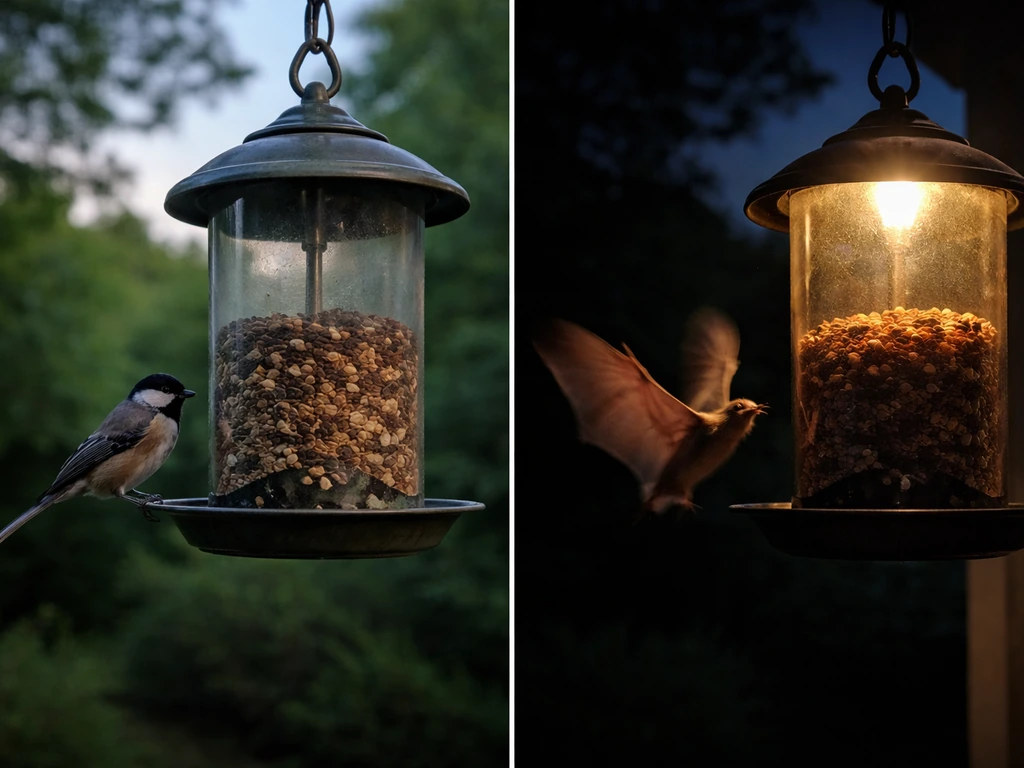
Birds stop feeding at or shortly after dusk. If something is visiting your feeder after dark, it's not a songbird. That narrows the field considerably. Here's what to look for to confirm bat activity versus other nighttime visitors like mice, raccoons, or opossums.
- Flight pattern: Bats have a highly erratic, darting flight with rapid direction changes. Squirrels, raccoons, and mice don't fly, and birds at dusk fly in straight, purposeful lines.
- Timing: Bat activity peaks in the first two hours after sunset. If it's 10 p.m. and something is disturbing your feeder, think rodents first, not bats.
- Seed disturbance: Bats don't knock seed out of feeders. If seed is scattered on the ground, it's more likely squirrels, large birds, or wind.
- Guano: Bat droppings accumulate directly underneath roost points and along entry gaps in walls or soffits. They are small (about 1 cm), dark, and crumble easily when dry. Seed husks mixed in with scattered seed under a feeder is a bird sign, not a bat sign.
- Staining: The Minnesota DNR notes that bat entry points often show guano and urine staining around the gap itself. Look at the eaves, soffits, and siding of your house, not the feeder base.
The key distinction is this: bats are passing through your feeder zone chasing prey. They are not perching on the feeder, manipulating the ports, or sitting at a tray. If you have a camera on your feeder and you're seeing something that lands and feeds after dark, that's a mammal on the ground, not a bat.
If bats are actually eating from a feeder: what to do today
If you're in the Southwest and running hummingbird feeders, this section is for you. Nectar-feeding bats using your hummingbird feeder is a real scenario, and it can empty a feeder overnight and leave it contaminated with bat saliva. Here's what to adjust right now.
- Bring nectar feeders inside at dusk. Bats forage at night; hummingbirds don't. If you bring feeders in around sunset and put them back out at sunrise, hummingbirds lose nothing and bats stop accessing the feeder entirely.
- Raise your feeders. FWC recommends suspending feeders at least 10 feet off the ground and positioning them away from easy-access attachment points. Higher placement doesn't stop bats physically, but paired with bringing feeders in at night it removes the opportunity.
- Switch nectar feeder styles. Feeders with longer ports or bee guards that require hovering rather than landing can reduce bat success rates, though determined nectar bats are skilled hoverers.
- For seed feeders: reduce spilled seed buildup under the feeder, which reduces insect activity, which reduces the reason bats patrol that area.
One thing not to do: do not try to trap or kill bats. Beyond being ecologically harmful, it's often illegal. The Minnesota DNR is explicit that trapping or killing bats is not an acceptable removal method. Exclusion and access removal are the right approaches.
Managing bats around your yard without harming them
Bats are genuinely useful wildlife. A single insectivorous bat can eat thousands of insects per night, which is free pest control for your garden. The goal isn't to eliminate bats from your yard. It's to redirect where they go and what they access.
- Install a bat box: A dedicated bat box mounted 12 to 20 feet high on a pole or the sunny side of a building gives bats a roosting option away from your house. This doesn't stop them foraging near feeders, but it keeps them out of your eaves.
- Reduce insects under feeders: Clean up spilled seed daily. Standing seed on the ground ferments and draws beetles and moths, which draw bats. Less seed spillage means fewer insects, means less bat activity in that zone.
- Avoid standing water near feeders at night: Birdbaths attract insects after dark. Consider emptying or covering birdbaths at dusk if nighttime bat activity near feeders bothers you.
- Don't seal bat entry points into a structure during summer: If bats are roosting in your home, exclusion should happen in fall after young bats can fly, not in summer when pups may be trapped inside. Contact a wildlife specialist for this work.
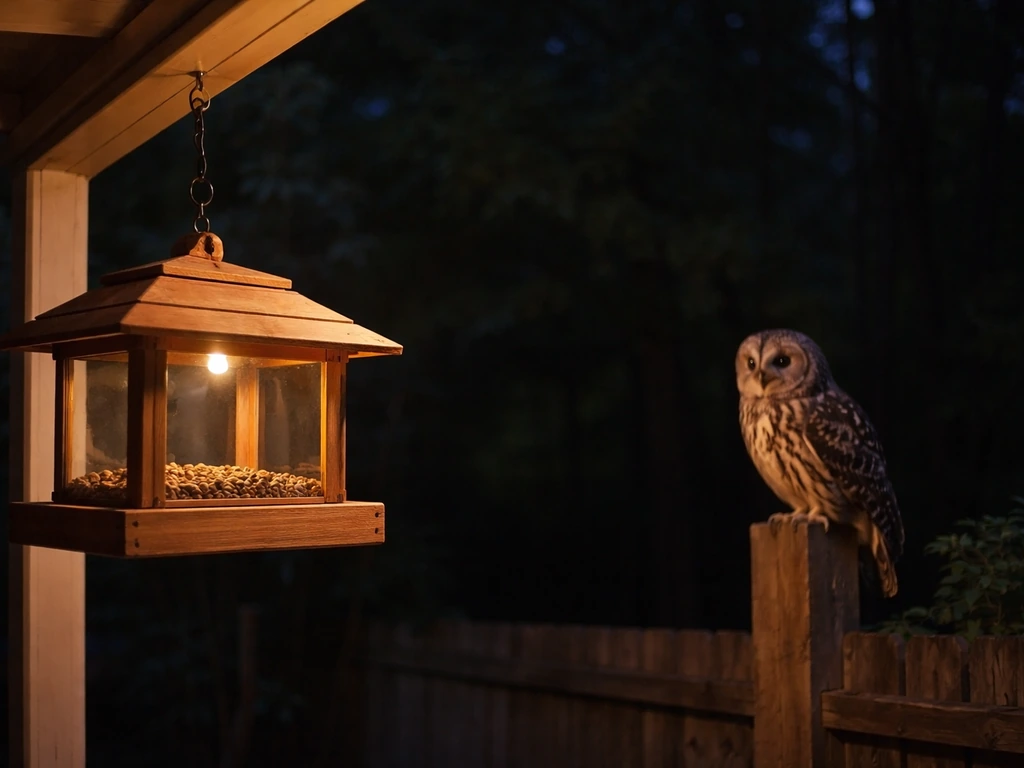
Owls and hawks are the other birds-of-prey sometimes spotted near feeders at night or dawn. Owls are different from bats too, and they do not primarily eat bird seed like the small animals that raid trays Owls and hawks. Many people also wonder, do owls eat bird seed, but they are more likely to take prey like rodents and other birds than to feed on dropped seed.
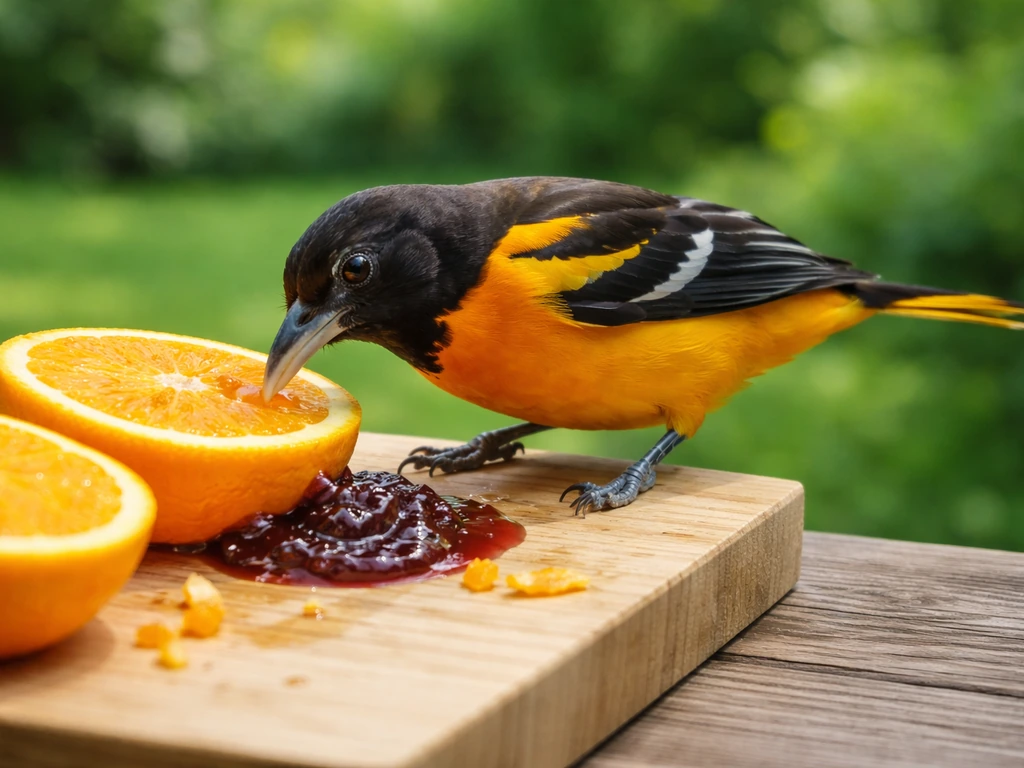
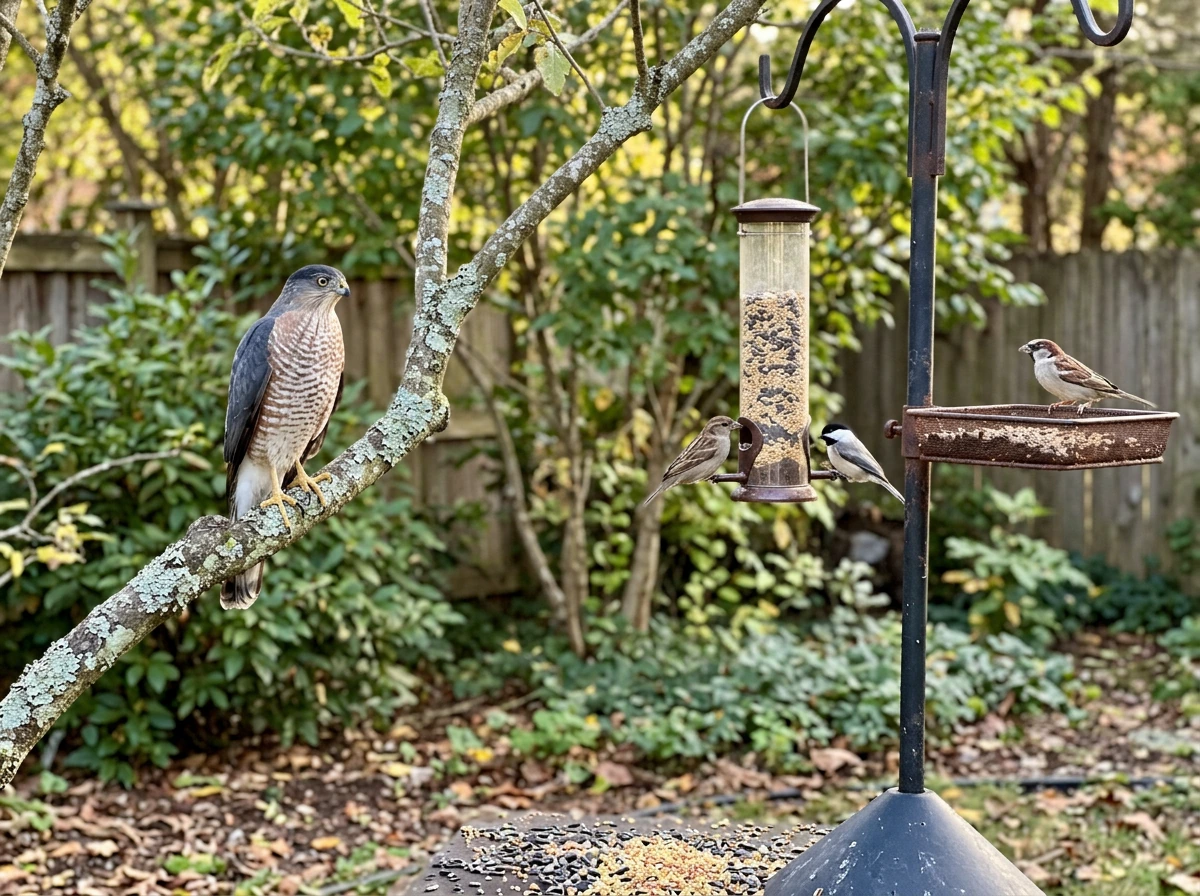
Many people also wonder, do hawks eat bird seed, but hawks are predators that usually target rodents and other birds rather than feeding on spilled tray seed. Many people also wonder, do ravens eat bird seed, but they are more likely to feed opportunistically on a wider variety of food than to rely on dropped seed. Oriole bird feeding preferences can differ from other songbirds, so it's worth confirming whether they will actually eat bird seed before relying on it do orioles eat bird seed. Unlike bats, they're actually after the birds at your feeder, not insects.
If you're sorting out what's visiting at night, that's a useful comparison to keep in mind.
Seed hygiene and cleanup when wildlife is visiting at night
Any time you have nighttime wildlife activity around your feeders, seed hygiene matters more than usual. Nocturnal visitors, whether bats, raccoons, opossums, or rodents, can contaminate seed trays and scatter seed widely. Here's how to keep things clean and safe.
Daily and weekly seed management
- Clear spilled seed from the ground every evening before dark. Wildlife Illinois specifically notes that accumulated seed attracts rodents, raccoons, and opossums, all of which can make the situation worse.
- Use feeders with trays or catch basins and empty them daily. Seed that sits wet overnight molds within 24 to 48 hours, especially in humid conditions.
- Rotate seed stock: Don't leave seed in outdoor storage for more than 2 to 4 weeks in warm weather. Seed that smells musty or shows clumping should be discarded, not used.
- If you find scattered or contaminated seed under a feeder that has had nighttime activity, bag it and discard it rather than spreading it to other parts of the yard.
Cleaning the feeder itself
Clean feeders every one to two weeks with a 1:9 bleach-to-water solution, rinse thoroughly, and let them dry completely before refilling. If you suspect bat contact with a nectar feeder, treat it the same way: empty, wash with bleach solution, rinse well, and air dry before refilling. The U.S. Fish and Wildlife Service includes regular feeder cleaning as a core disease-prevention step for backyard bird feeding.
If you find bat droppings near your feeder area
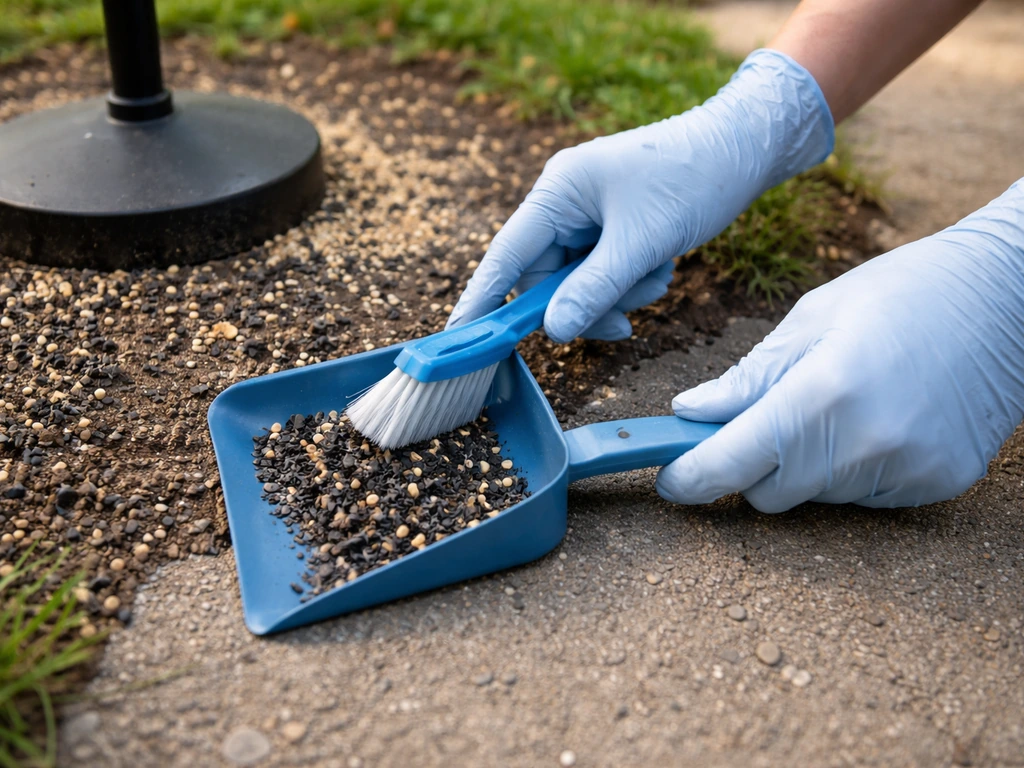
Bat guano can harbor a microscopic fungus that causes histoplasmosis, a respiratory illness. The CDC emphasizes avoiding dust generation when cleaning droppings, and the blank" rel="noopener noreferrer">Minnesota DNR recommends disinfecting contaminated surfaces with 1 part bleach to 20 parts water after removing droppings. Always wear gloves and a properly fitted N95 respirator when cleaning up any accumulation of bat or bird droppings, wet the area before sweeping to reduce dust, and seal waste in a bag before disposal. If you find a significant accumulation, not just a few droppings but a pile suggesting a nearby roost, consider calling a pest management professional.
The short version: your action plan
If you searched for 'do bats eat bird seed' because something is visiting your feeders at night, here's the most likely reality: bats are hunting insects that your spilled seed attracted, not eating the seed itself. You may also be wondering, do orioles eat bird seed, since they can be common visitors to the same feeders. You might also be asking whether blue jays eat bird seed when they show up at your feeder.
Clean up spilled seed daily, reduce nighttime insect attractants, and the bat activity near your feeder will likely drop on its own. If you're running nectar feeders in the Southwest, bring them inside at dusk. And if you find bat droppings anywhere in your feeder setup, clean them up safely using the bleach-and-water ratio above, wearing gloves and an N95. Bats are worth keeping around your yard.
They just don't belong in your feeder. Do blue jays eat bird seed, or are they drawn to other foods instead their feeder.
FAQ
If I see bats near my bird feeder, how can I tell whether they are hunting insects attracted to the seed versus nectar-feeding bats raiding my feeder?
Watch what they do with the feeder area. Insect-hunting bats typically fly through the zone repeatedly during peak night activity and do not linger at the tray or ports. If you have hummingbird nectar feeders in the Southwest, the bats may land at the feeder and feed directly, often quickly emptying it overnight. Also note timing, bats are most active right at dusk and for about the first two hours of night.
Do bats eat suet, sunflower chips, or cracked corn placed in feeder cages or trays?
Most backyard bats do not eat typical seed or suet meant for birds because their diets are adapted to insects, fruit, nectar, or other specialized food types. If you see frequent bat visits to a suet cage or seed tray, it usually means spilled food is drawing beetles and moths (and sometimes wasps), giving bats something to chase.
Can bats learn to eat bird seed if I keep leaving it out at night?
They can keep returning to the same area if insects keep appearing, but that is not the same as switching to a seed-based diet. Bats are unlikely to develop a nutritional dependence on dry seed mixes, because those foods do not match their natural energy sources. The practical lever is removing what attracts insects, especially spilled seed and standing water.
What should I do about spilled seed under the feeder if I want bats to stop circling my yard at dusk?
Clean under the feeder daily (or as close as possible) and avoid letting seed accumulate overnight. Spilled millet, cracked corn, and hulled sunflower can build an insect hotspot, which then pulls in bats. If you are trying to reduce night visits fast, start with cleanup plus removing other insect attractants like standing water.
Is it safe to put out less seed versus stopping feeding entirely when I see bats?
Reducing seed can help, but stopping entirely is not required in most cases. Instead, focus on preventing insect access by cleaning up daily, choosing feeder designs that minimize spillage, and addressing standing water. If you also suspect nectar-feeding bats (for example, in the Southwest), switching nectar feeders off or bringing them in at dusk is the more targeted fix.
What if the visitor looks like a bat but it lands and feeds like a bird?
Many nighttime feeder visitors are mammals other than bats, such as mice, raccoons, or opossums, which will often land and feed on the ground or damage the feeder. A helpful confirmation method is a motion camera, bats typically pass through the feeder zone in flight while chasing prey rather than perching at ports for extended feeding.
I have a nectar feeder, and I’m in the Southwest. How should I handle it if I suspect bat saliva contamination?
Treat it like a contamination event, empty the feeder completely, wash with a bleach-to-water solution, rinse thoroughly, and air dry before refilling. Also remove any residual nectar that may have dripped and attracted insects or other wildlife. If bats keep appearing, bring nectar feeders indoors at dusk.
Can I remove bats by trapping or using repellents?
Do not try to trap or kill bats. That approach is often illegal and can be ecologically harmful. The safer next step is exclusion and access removal, ideally guided by local wildlife authorities or a pest management professional, especially if there is evidence of a nearby roost.
How often should I disinfect feeders if I’m dealing with nighttime wildlife activity?
For general hygiene, clean feeders every one to two weeks. If you suspect bat contact, disinfect the feeder right away before refilling, using a bleach-to-water solution followed by a thorough rinse and complete air drying. When in doubt, prioritize cleaning over continuing to feed from a contaminated setup.
What’s the safest way to clean up bat droppings near feeders?
Wet the area before cleanup to reduce dust, wear gloves and a properly fitted N95 respirator, and seal waste in a bag for disposal. Avoid sweeping dry droppings, and disinfect contaminated surfaces after removal using an appropriate bleach-to-water ratio. If the droppings suggest a pile or a nearby roost, contact a pest management professional rather than handling it yourself.
Will reducing insects in my yard eliminate the bat activity, or do I also need to change my feeder setup?
Both help, but changing what insects can access is often the fastest. Spilled seed and standing water are major insect drivers. Pair cleanup and water management with feeder maintenance (and stopping nectar feeders at dusk if relevant) to break the food chain that brings bats to the feeder area.