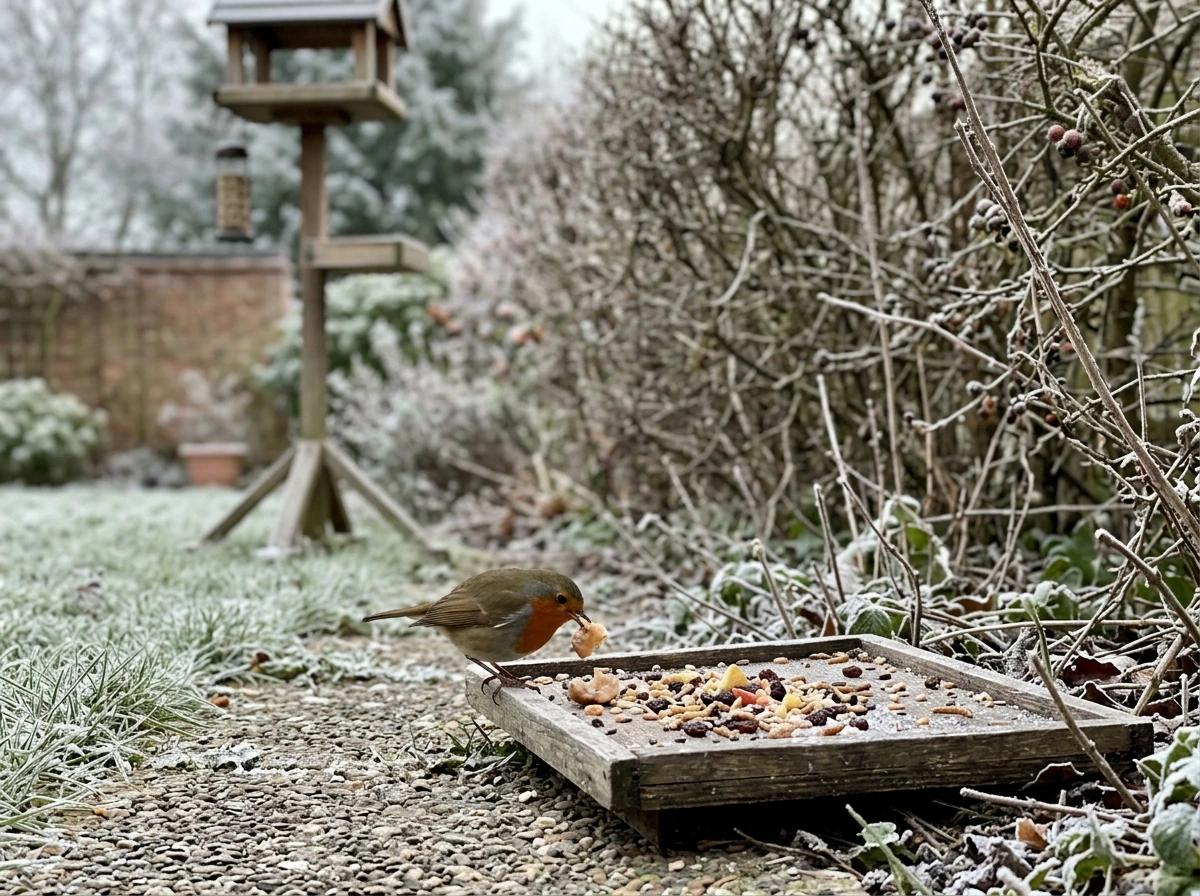
Do orioles actually eat bird seed (and when they do)
The short answer is: almost never. Orioles are insect and fruit eaters by nature, and standard bird seed simply does not match their diet. Wild Birds Unlimited puts it plainly: orioles will not visit seed feeders. That is not a maybe, it is their normal behavior. If you have been loading up a tube feeder with sunflower or mixed seed hoping to catch a Baltimore oriole, you are likely wasting seed and creating a mess that attracts other species instead.
The one exception worth knowing: some individual orioles will occasionally peck at specific seed types, particularly if those seeds are offered alongside fruit or jelly on an open tray. Mealworms, which are technically dried larvae, not seed, can also pull orioles in. But in general, if your goal is orioles, bird seed should not be your primary strategy. Think of it as a supporting cast at best.
Baltimore orioles and common backyard feeding habits
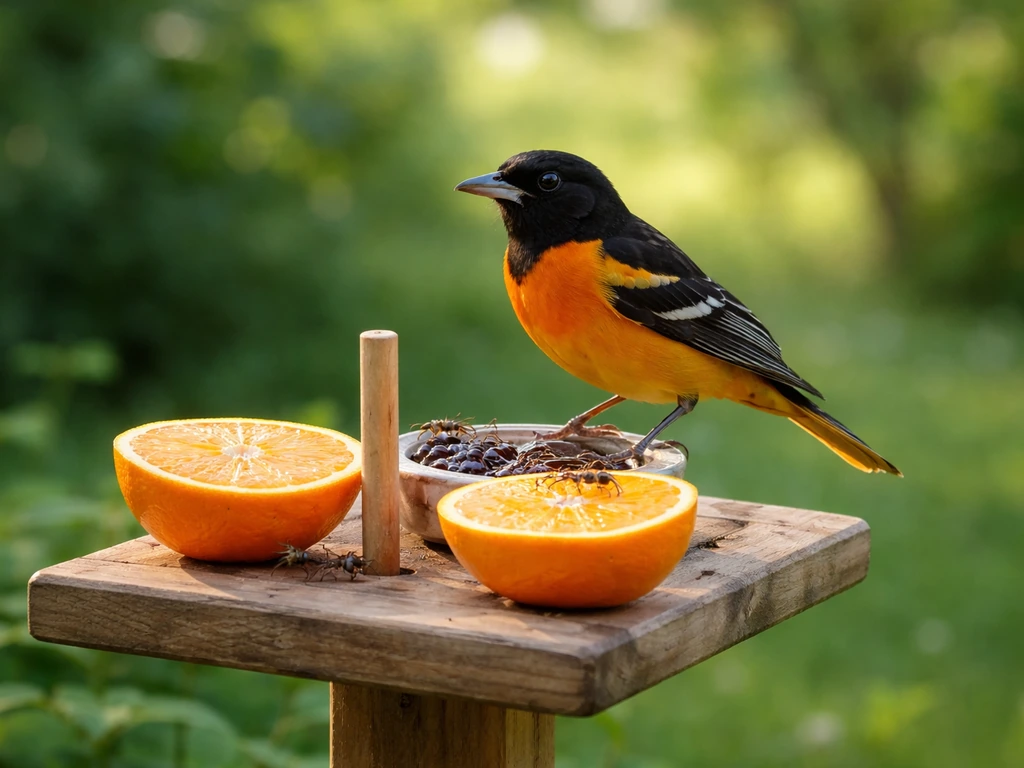
Baltimore orioles have a strongly seasonal diet. According to Cornell Lab's All About Birds, their summer diet skews heavily toward insects because they are feeding growing chicks that need protein. Once breeding season winds down, the balance shifts toward nectar and fruit. The National Wildlife Federation notes that in fall they actively favor dark-colored fruits. This seasonal swing matters for backyard feeding because it tells you when your setup is most likely to work and what to put out.
In practice, the best window to attract Baltimore orioles to a backyard feeder is spring migration through early summer, roughly late April through June depending on your region. They arrive hungry after a long flight and are actively searching for food sources before nesting demands take over. That is when orange halves, grape jelly, and sugar-water nectar get the most attention. After nesting kicks in, they disappear into the canopy hunting insects and you may not see them at feeders at all.
It is also worth knowing that orioles are not flock birds at feeders the way sparrows or finches are. You might get one or two individuals visiting, not a crowd. Patience matters here. Unlike blue jays, which are bold seed feeder regulars, orioles are shyer about new feeding stations and may take several days to start using one consistently.
Which bird seed mixes attract orioles (and what to avoid)
If you want to use seed as part of an oriole setup, the most useful thing you can do is stop thinking about it as the main attraction. Orioles are not going to come for sunflower hearts or millet. Even premium mixes will be ignored if fruit and jelly are not also present. That said, here is a honest breakdown of what to use versus skip:
| Food type | Will orioles eat it? | Notes |
|---|
| Sunflower seed (all types) | Rarely/never | Not a natural food; skip it for oriole-focused setups |
| Millet (white or red) | No | A sparrow and ground bird food; irrelevant for orioles |
| Safflower seed | Very rarely | Higher-end mixes include it, but orioles still ignore it |
| Dried mealworms | Yes, sometimes | Not a seed but works on trays; good protein bridge in breeding season |
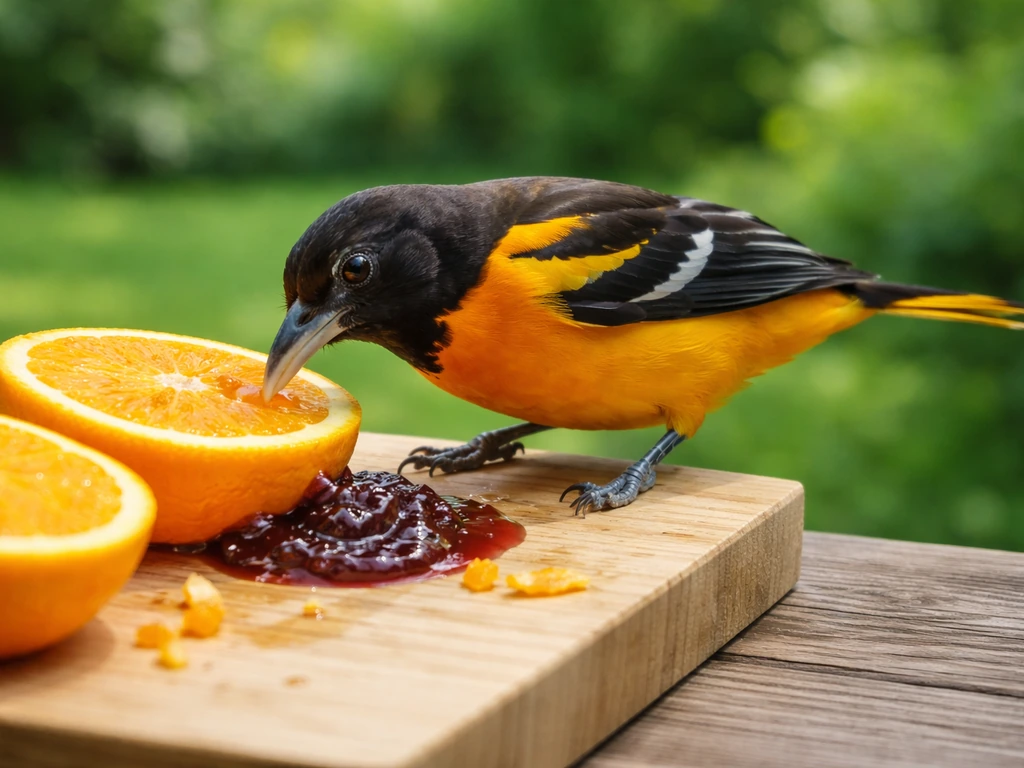
| Orange halves | Yes | Top attractant; cut in half, place on spikes or tray edge |
| Grape jelly | Yes | Orioles love it; use small amounts in a shallow dish or jelly feeder |
| Sugar-water nectar (1:4 ratio) | Yes | Use in an oriole-specific nectar feeder; never use honey |
The Maryland DNR's Wild Acres program is direct about this: orange slices are an excellent attractant for Baltimore orioles in spring. That is practical, cheap, and immediately actionable. Erie Bird Observatory similarly lists nectar, jelly, orange halves, and mealworms as the actual oriole-drawing foods, not seed. If a bag of bird seed mix markets itself as an oriole blend, read the label carefully. Unless it contains dried fruit pieces or is designed to be used alongside a separate nectar or jelly feeder, it is probably just marketing.
One specific thing to avoid: honey in nectar. Bird Canada warns that honey promotes faster bacterial and fungal growth and ferments more quickly than plain white sugar mixed at a 1:4 ratio (one part sugar to four parts water). Stick to the plain sugar recipe. Erie Bird Observatory recommends the same sugar-water nectar mixing ratio: 1 part sugar to 4 parts water The same nectar mixing ratio is recommended by the Erie Bird Observatory for oriole feeders.. The same nectar mixing ratio is recommended by the Erie Bird Observatory for oriole feeders.
Feeder and placement tips for getting orioles to use seed
Pick the right feeder style
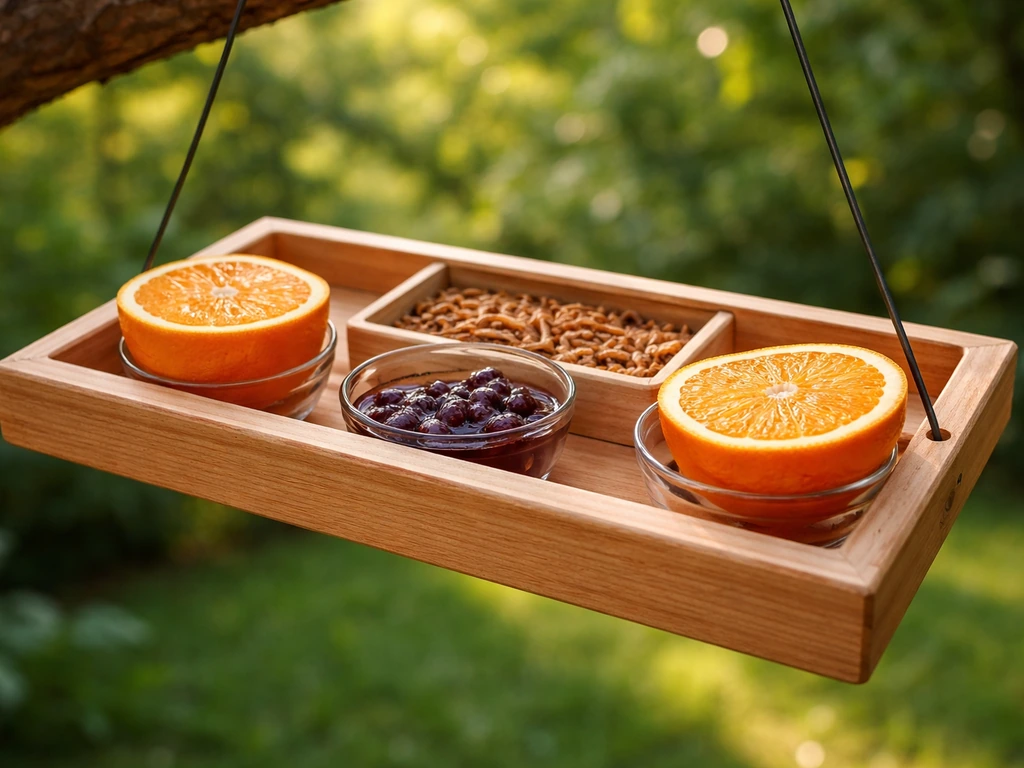
Orioles need open, accessible feeders, not tube feeders with small ports. A wide tray or platform feeder works best if you want to offer mealworms alongside any seed. For nectar and jelly, use an oriole-specific feeder, which is typically orange or red (colors orioles are drawn to) and has wider ports than a hummingbird feeder. Bird Canada recommends choosing an oriole feeder specifically designed to hold nectar and/or orange halves.
Placement matters more than most people think
Set up your oriole station away from high-traffic seed feeders. If you have a busy sunflower feeder that draws large flocks, the noise and competition can deter a cautious oriole. Place the oriole tray or feeder in a calmer spot, ideally near a tree line or taller shrubs that orioles use as approach cover. Keeping it at roughly eye level (about 5 to 6 feet off the ground) or mounted on a shepherd's hook in an open but sheltered area tends to work better than hanging it in an exposed spot with no nearby perching branches.
Offer a small amount of food at a time
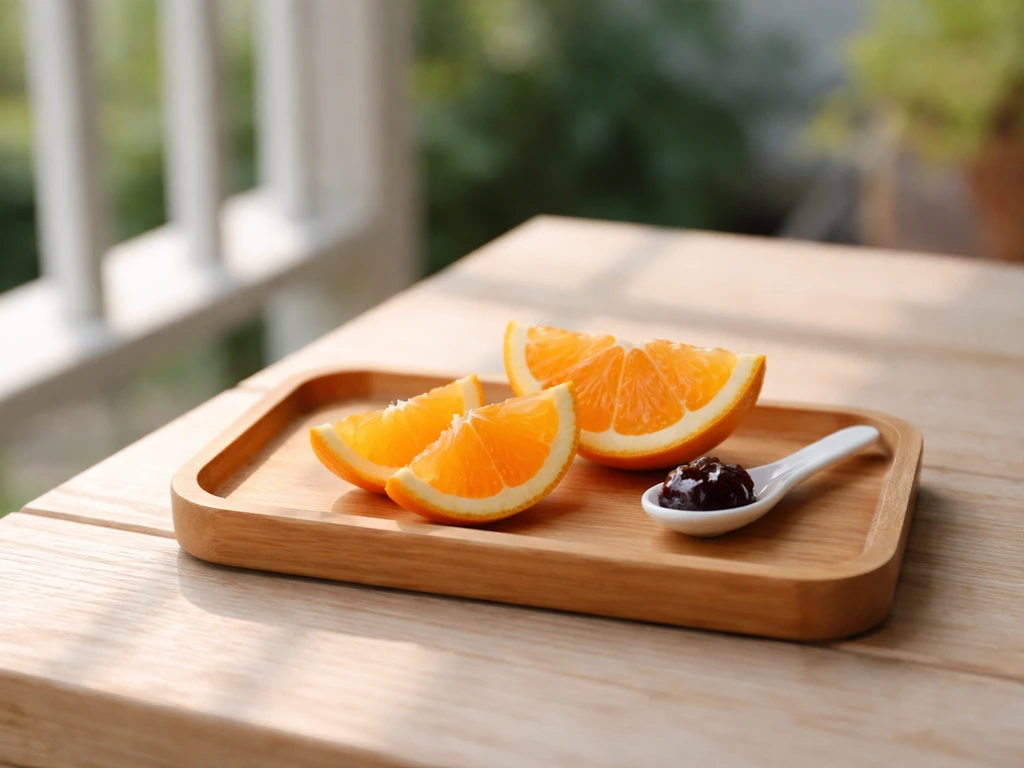
Fresh food is critical. Put out half an orange at a time, not a whole pile. Offer grape jelly in a tablespoon or two, not a full jar. Orioles prefer fresh over fermented or dried-out fruit, and smaller amounts mean less waste and less spoilage. Wild Birds Unlimited recommends tray-style feeders with orange slices, grape jelly, and mealworms as the practical combo for drawing orioles in. That three-item tray setup is a good starting point.
Troubleshooting: seed getting ignored, wet/moldy seed, and pests
Orioles ignoring your setup entirely
If orioles are not coming to your feeder at all, run through this checklist:
- Check the timing: orioles arrive in most of the US between late April and early June. If it is outside that window, they may simply not be in your area yet.
- Remove seed-heavy feeders nearby that are drawing house sparrows, grackles, or starlings. Heavy feeder traffic suppresses shier species.
- Swap to a brighter orange feeder or add orange ribbon near your setup. Orioles are visually drawn to orange and red.
- Try moving the feeder closer to tree cover, giving orioles a perch to scope things out before landing.
- Give it at least 5 to 7 days after setup before concluding it is not working. New feeders need time.
Wet, sprouted, or moldy seed on your tray
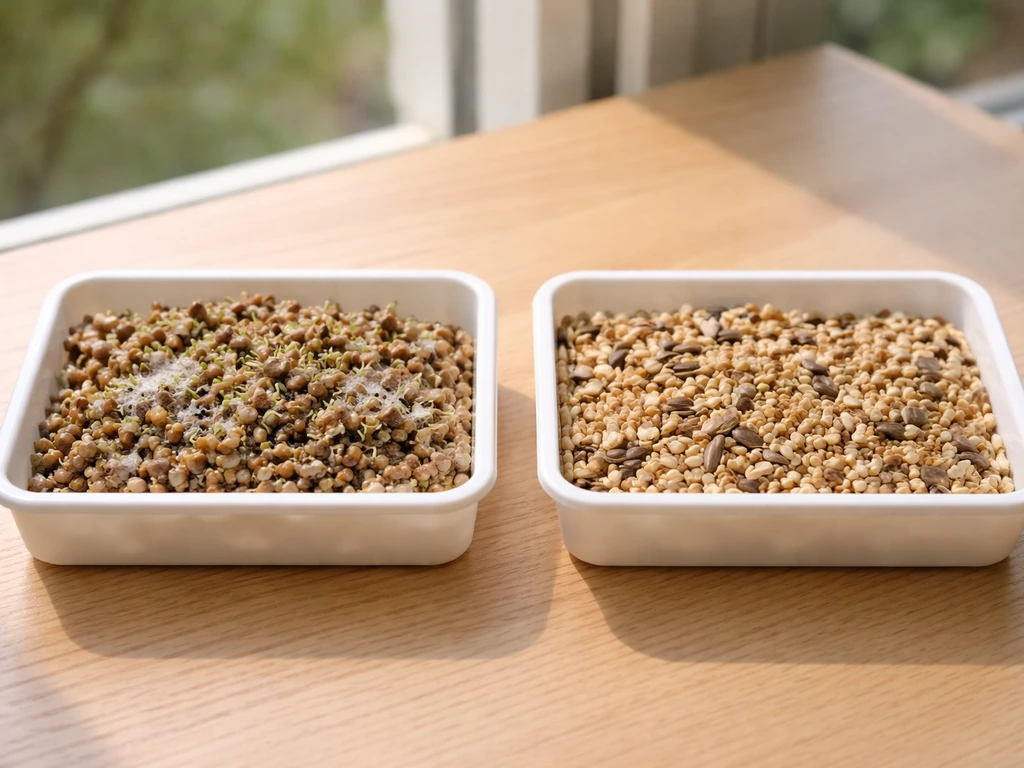
Open trays that hold fruit and mealworms alongside any seed will collect moisture fast. Rain, dew, and fruit juice all make seed wet, and wet seed molds within 24 to 48 hours depending on temperature. If you notice seed clumping or a sour smell, replace it immediately. Do not let moldy seed sit out. Moldy seed can make birds sick, and it will attract pests faster than fresh food will. Keep tray amounts small so you are turning over food daily. If you are in a rainy stretch, consider a feeder with a roof or a covered tray to reduce direct moisture exposure.
For nectar feeders, Audubon recommends cleaning them every two to three days under hot running tap water. In warm weather (above 80°F), clean every day. Discolored or cloudy nectar needs to be dumped and replaced immediately, not topped off. This same principle applies to any sugar-water feeder you use for orioles.
Ants, wasps, and other pests at fruit feeders
The Maryland DNR specifically flags ants and wasps as a concern when offering fruit to Baltimore orioles. This is a real problem. Cut orange halves sitting on a tray can draw wasps within an hour on a warm day. Here is how to manage it:
- Use an ant moat (a small water-filled cup) above your feeder to block ants from reaching nectar or fruit.
- Replace orange halves daily in warm weather. Once they dry out or ferment, wasp activity spikes.
- Do not offer fruit or jelly in large quantities. A tablespoon of jelly and half an orange is plenty for one feeding session.
- If wasps are persistent, try moving the feeder to a shadier spot where temperatures are lower.
- Avoid placing fruit feeders directly on the ground — that invites ants, squirrels, and raccoons.
Unwanted birds raiding the oriole station
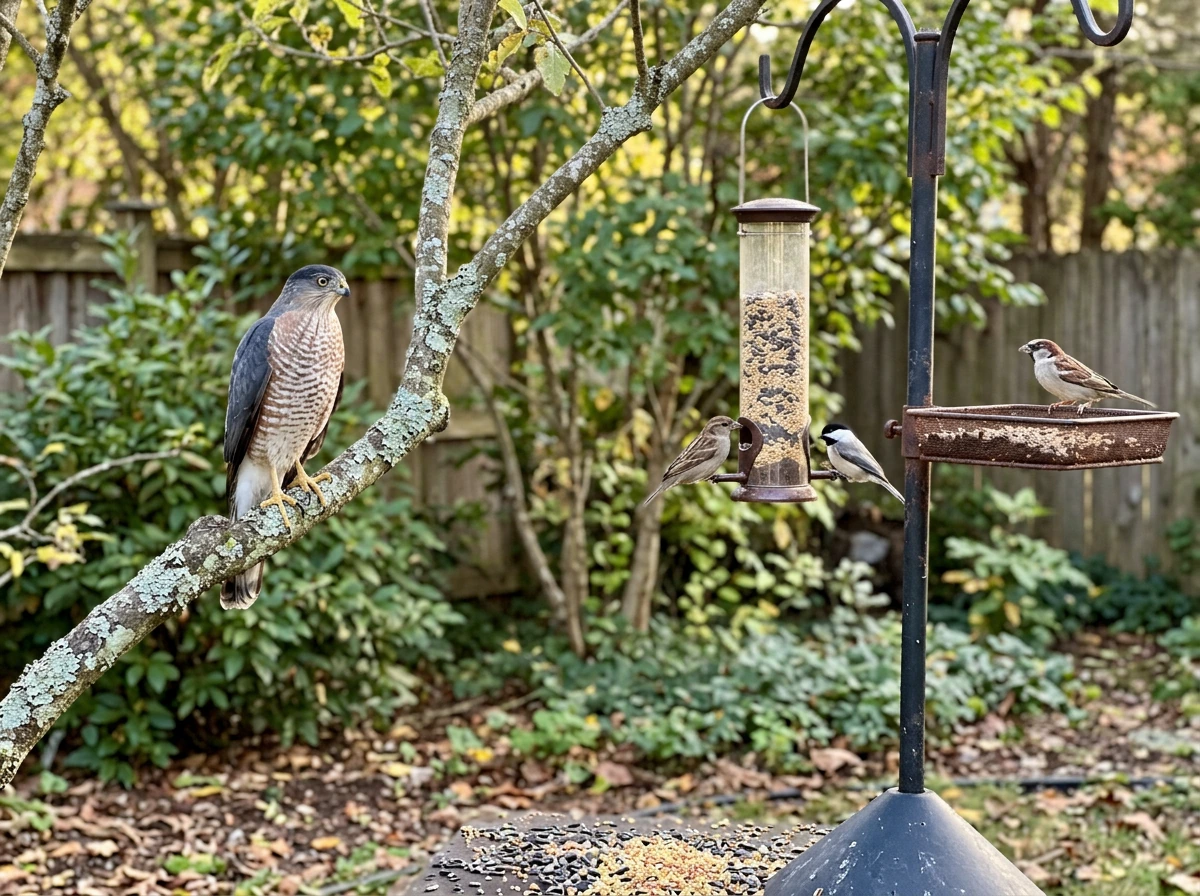
Grape jelly and fruit are not just oriole magnets. House sparrows, European starlings, and even crows, which are opportunistic and will investigate almost any food source, may show up at your tray. If that becomes a problem, switch from an open platform tray to a feeder with smaller perches designed for oriole-sized birds. Covered feeders with specific port sizes can limit access for larger birds. Also note: if you are running a seed station nearby that attracts hawks, which patrol feeders looking for prey, that predator pressure will keep orioles away too.
What to do right now
If you are reading this in mid-to-late April, you are right in the window. Here is the fastest path to getting orioles at your yard:
- Stop relying on seed mixes. Pull any 'oriole blend' seed from your tube feeder if it does not include dried fruit.
- Buy a bag of naval oranges, cut them in half, and skewer them on an oriole feeder spike or the edge of a platform tray.
- Pick up a small jar of grape jelly (regular Welch's grape jelly works fine) and put 1 to 2 tablespoons in a shallow dish or jelly feeder.
- Mix sugar-water nectar at a 1: 4 ratio (1 cup white sugar dissolved in 4 cups water, cooled) and fill an orange oriole nectar feeder.
- Place the whole setup 5 to 6 feet high near tree cover, away from your busy seed station.
- Check and refresh food daily during warm weather, and clean nectar feeders every 2 to 3 days.
That is really it. Orioles are not complicated birds to attract once you stop offering them the wrong foods. Seed is mostly irrelevant to them, and the best thing you can do is get out of the seed-feeder mindset entirely for this species. Fruit, jelly, and nectar will get you results that no seed mix ever will.
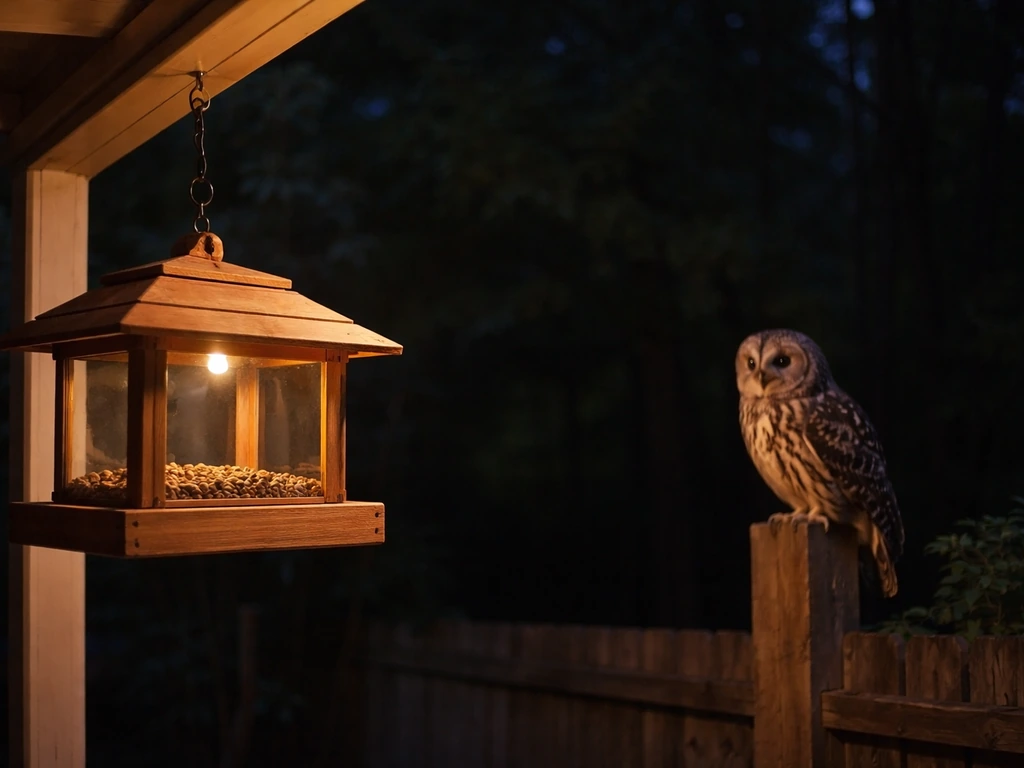
If you are curious how other species stack up when it comes to seed, it is worth knowing that some birds are equally picky in the opposite direction. For example, robins share a lot in common with orioles in how they interact with bird seed, mostly, they do not. On the other end of the spectrum, bats and bird seed is a question that surprises a lot of backyard birders for entirely different reasons. And if you have ever wondered whether owls visit seed feeders or ravens eat bird seed, those are worth a look too, both have answers that might surprise you.