Lizards rarely eat bird seed as a deliberate food choice, but they do show up at feeders regularly, and for good reason: spilled seed attracts insects, and insects are what most lizards are actually after. A handful of species, particularly anoles and some skinks, will occasionally nibble on seed or fruit when it's sitting right in front of them, but seed is not a staple for any common backyard lizard. What draws them to your feeder area is almost always the insect activity, moisture, and shelter that a feeder station creates.
Do Lizards Eat Bird Seed? What to Expect and How to Stop It

Maya Collins
28 Apr 2026
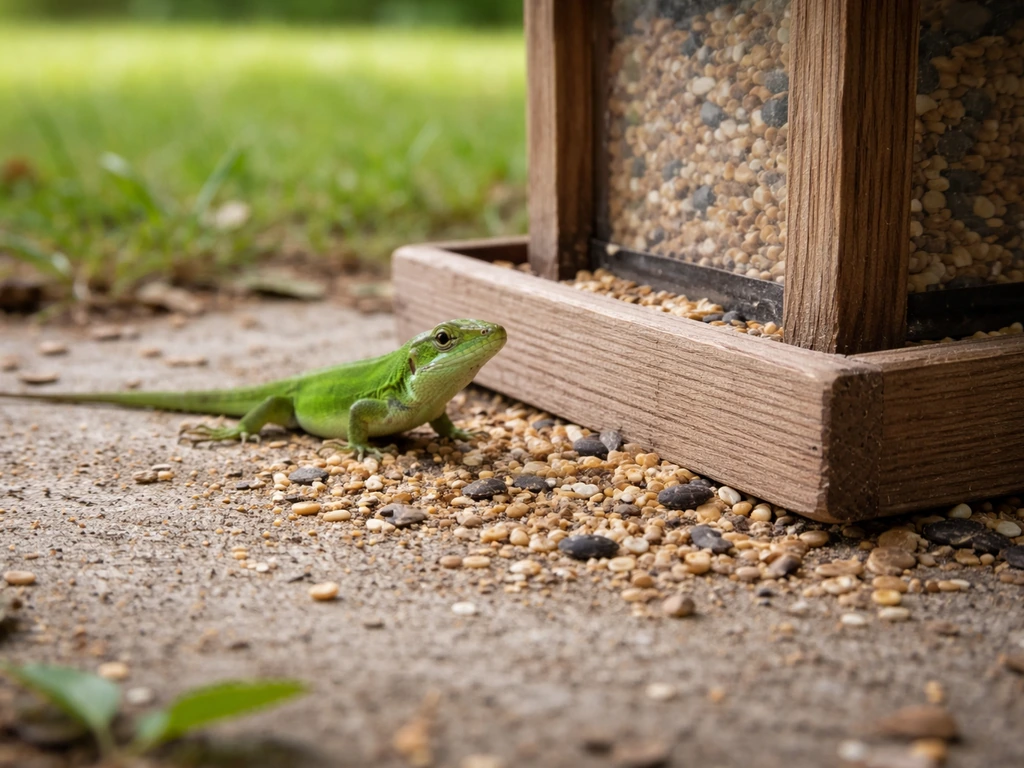
Do lizards actually eat bird seed, or are they just passing through?
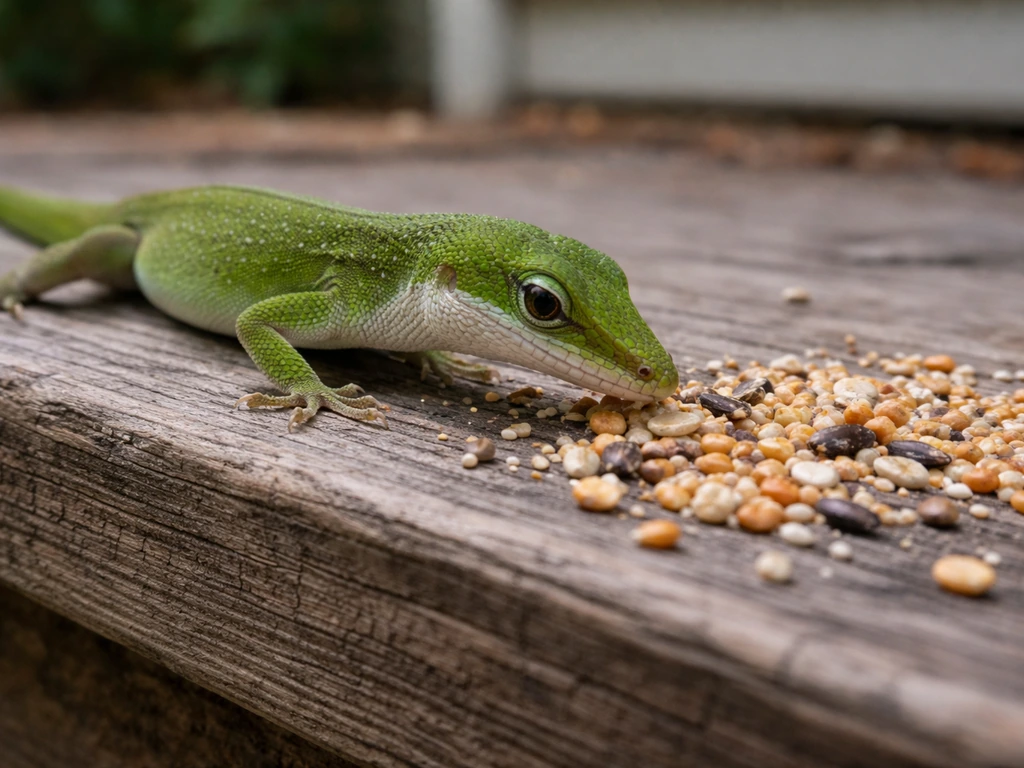
The honest answer is: mostly passing through, with occasional opportunistic snacking. Green anoles (Anolis carolinensis) are documented to occasionally eat grain and seed, and knight anoles have been observed taking fruit and plant matter regularly enough that researchers note their role in seed dispersal. Common garden skinks and some gecko species also eat fruit and plant matter when it's available. So yes, some lizards will eat seed if it's accessible and easy, but none of them are seeking it out the way a sparrow or dove would. Doves do eat bird seed, and they often prefer particular types depending on what’s available at the feeder doves eat bird seed.
The bigger picture is that a feeder station is a lizard buffet for reasons that have nothing to do with the seed itself. Spilled millet and sunflower hulls on the ground ferment, attract ants and beetles, and those insects are exactly what lizards hunt. An iNaturalist observation of an anole eating directly at a bird feeder made news in the birdwatching community specifically because it was unusual enough to be noteworthy. That tells you something about how common true seed-eating behavior actually is.
What pulls lizards toward your feeder in the first place
Three things make a feeder station appealing to lizards: the seed type and how much hits the ground, the feeder design, and what else is nearby.
Seed type matters more than you'd think
Millet, cracked corn, and milo are small, lightweight seeds that scatter easily and pile up under feeders fast. These ground-level seed piles are insect magnets within hours, especially in warm or humid weather. Sunflower seed shells add to the debris layer. The more seed waste on the ground, the more insect activity, and the more lizard traffic you'll see. By contrast, a tidy feeder that minimizes spill, like a tube feeder with a tray that catches falling seed, produces far less ground-level mess and noticeably less lizard interest.
Feeder design and placement
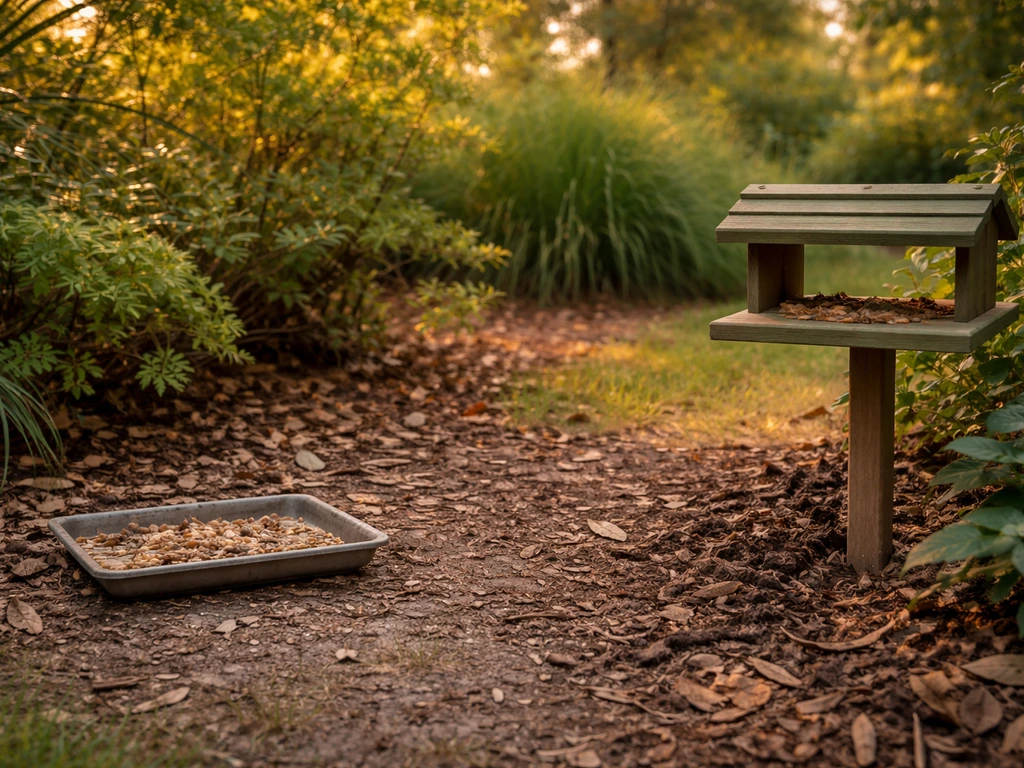
Low platform feeders and ground trays placed near brush or garden beds are the highest-traffic spots for lizards. They offer easy access, nearby cover, and proximity to insect activity all at once. Tube feeders mounted on poles at least 5 feet off the ground, away from fences and overhanging branches, dramatically reduce the number of non-target animals that can physically reach the seed. Nebraska Extension's selective feeding guidance specifically recommends this kind of station design to deter nuisance wildlife, and it works for lizards for the same reasons it works for squirrels: access is harder, and the spill zone shrinks.
Water sources and warm spots
Lizards are ectotherms, so they're drawn to warm, sun-exposed areas, and a bird bath or dripping water feature near a feeder makes the whole setup even more attractive. If you have a water source within a few feet of your feeder, you're essentially creating a one-stop shop. This is worth keeping in mind when you're troubleshooting heavy lizard activity, because you may need to address both the feeder area and what surrounds it.
How to tell if it's a lizard, not something else
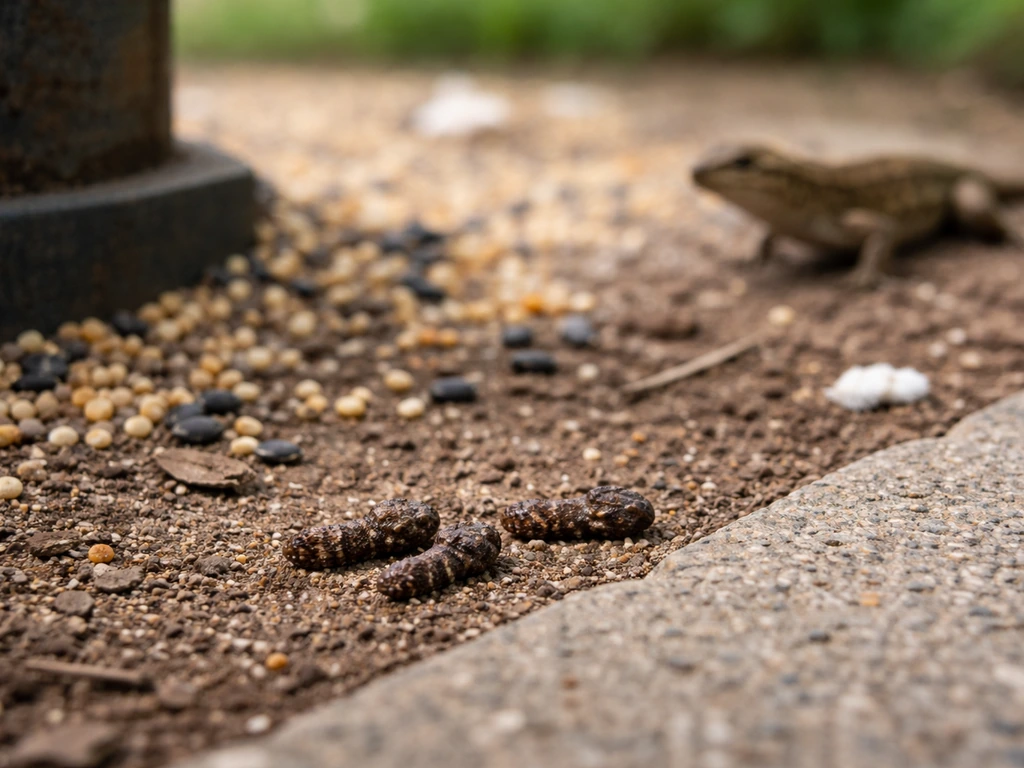
If you're not catching them in the act, the clues are usually in the droppings and the behavior pattern. Lizard droppings are small, tubular or pellet-like, and almost always have a distinctive chalky white tip. That white portion is uric acid, the same substance you see on the white part of bird droppings, but lizard scat tends to be darker and more compact in the pellet portion compared to bird waste. If you're finding these under or near your feeder, lizards have been visiting.
Behavior is another tell. Lizards tend to hunt at the perimeter of the seed spill rather than sitting in the middle of it. You'll often see them dart in quickly, grab something (usually an insect, not a seed), and retreat to a nearby rock, log, or fence post to bask. Birds shuffle and scratch through seed continuously. If whatever you're watching is moving in short bursts and retreating to a warm surface, that's lizard behavior. Unlike slugs or snails, which leave slime trails and work slowly through wet seed overnight, lizards are active during the day and leave no trail. Unlike slugs or snails, which leave slime trails and work slowly through wet seed overnight, lizards are active during the day and leave no trail do snails eat bird seed. Slugs, unlike lizards, do eat bird seed.
What to do today if you want fewer lizards at your feeder
The good news is that the steps that reduce lizard activity are the same ones that make your feeder cleaner and safer for birds overall. You don't need any special products or traps.
- Sweep or rake up spilled seed under and around your feeder every day or two. Seed piles on the ground are the primary lizard draw. Griffin Pest Solutions and University of Nebraska–Lincoln both emphasize this as the single most effective step for keeping non-target wildlife away from feeder stations.
- Move your feeder away from ground-level cover. If the feeder is within 3 to 4 feet of a garden bed, brush pile, or wood pile, lizards have easy cover and a short trip to the food. Pull it out into a more open area.
- Switch to a tube or hopper feeder on a pole with a baffle. Baffles, those cone- or dome-shaped guards that mount on the pole below the feeder, block climbing animals. Nebraska Extension's EC1783 guidance covers baffles as a standard tool for keeping nuisance wildlife off feeder stations.
- Use a seed-catching tray under the feeder rather than letting seed fall freely to the ground. Clean the tray every couple of days so seed doesn't pile up and ferment.
- If you use a ground or platform feeder, put out only as much seed as birds eat in a single day. Don't let seed sit overnight.
- Check for and remove any standing water sources within 10 feet of the feeder if lizard activity is heavy. This reduces the combined attractiveness of the area.
If you're in the Southeast, Southwest, or anywhere with warm winters, lizard pressure at feeders will be year-round. In cooler northern climates, it's mostly a spring-through-fall issue when lizards are active. Adjust your cleanup schedule accordingly.
Keeping your bird seed safe when lizards are visiting
Lizard presence near a feeder is also a prompt to check the condition of your seed, because the same conditions that attract lizards, warm temperatures, moisture, and debris buildup, are exactly what cause seed to go bad. Wet or sprouted seed is mold in progress. Musty or sour odors mean the seed is already rancid or fermenting, which can harm birds even if it looks okay. King County Public Health explicitly advises against putting out moldy or damp seed, and this applies whether or not you have lizards around.
- Check seed in the feeder every 2 to 3 days in warm or humid weather. Press your hand into it and smell it. Fresh seed smells neutral to faintly nutty. Rancid or moldy seed smells sour, musty, or like something fermenting.
- Dump and replace seed that's clumped, discolored, or has visible mold. Don't just add fresh seed on top.
- Store bulk seed in a sealed, airtight container, ideally metal or hard plastic, in a cool, dry location. Garages and sheds work if they stay below about 70°F and don't get humid.
- Don't overfill feeders. Seed that sits in a feeder for more than a week in summer heat is likely to degrade, especially in humid climates.
- If you use a seed-catching tray, check it for wet or sprouted seed after any rain. Sprouted seed is less nutritionally valuable than dormant seed and signals that moisture has gotten in.
Cleanup and hygiene when lizards have been around
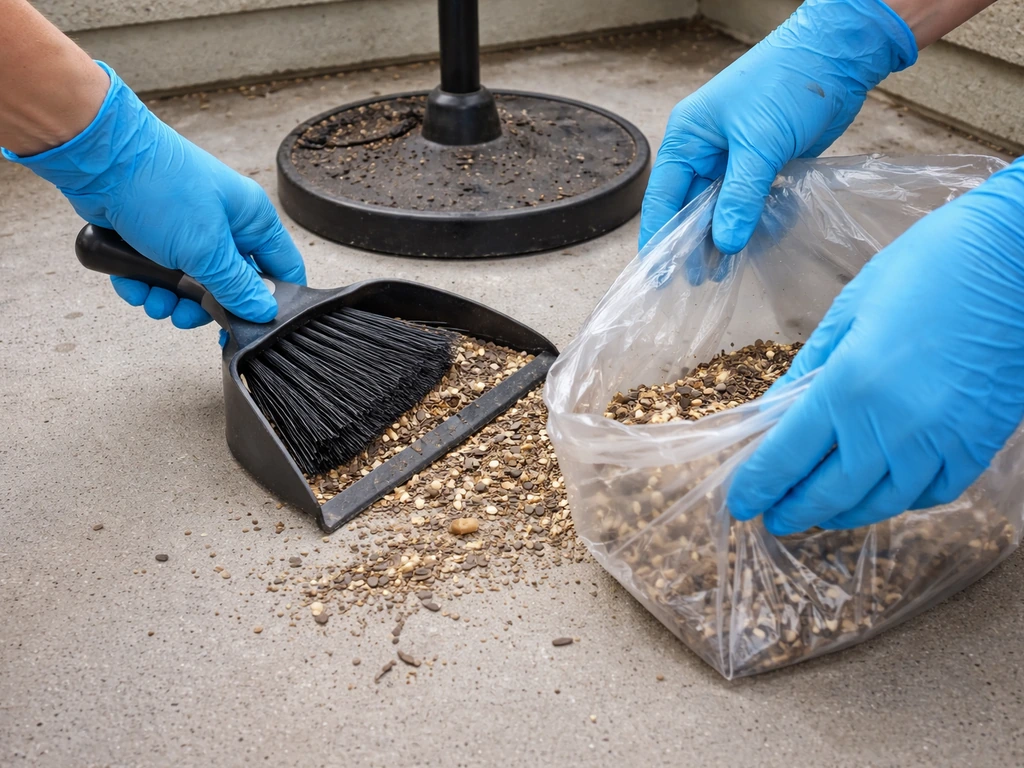
This is the part most people skip, and it matters. Reptiles can carry Salmonella in their droppings, and the FDA and CDC both document that reptile feces can contaminate surfaces and surrounding areas. Reptiles and amphibians can carry Salmonella in their intestines without signs of illness, and fecal shedding can contaminate surrounding environments blank" rel="noopener noreferrer">Reptiles can carry Salmonella in their droppings. Finding lizard droppings near a bird feeder doesn't mean you need to panic, but it does mean you should handle cleanup with gloves and treat it the same way you'd treat any animal waste near a food source.
- Put on disposable gloves before you start any cleanup around the feeder, especially if you've seen lizards or found droppings.
- Remove and dispose of any seed debris, droppings, and shells from the ground under the feeder. Bag it and put it in the trash.
- Clean the feeder itself on a regular schedule. Audubon recommends a solution of 9 parts water to 1 part bleach, while Iowa DNR and K-State Extension suggest a 10% bleach solution (roughly the same ratio). Scrub all surfaces including perches, trays, and ports, then rinse thoroughly.
- Let the feeder dry completely before refilling. This is important: putting seed into a damp feeder accelerates mold growth fast.
- Wash your hands thoroughly with soap and water after any feeder handling, even if you used gloves.
- Aim to clean feeders every two weeks as a baseline, per Project FeederWatch recommendations. If you've had heavy lizard or other wildlife activity, or if you've had rain and warm weather, clean more frequently.
The same hygiene routine that keeps your bird seed fresh and safe also removes the residue that attracts insects, which in turn reduces lizard interest. It's all connected. Dirty feeders with built-up seed hulls, droppings, and moisture attract pests broadly, not just lizards but also rodents, slugs, and snails, which is the last thing you want near the house. Some rodents, like voles, may also take advantage of bird seed if there is accessible food and cover. If you are also wondering about rodents, water voles do eat bird seed in some situations do water voles eat bird seed. If you are also wondering about rodents, water voles do eat bird seed in some situations do water voles eat bird seed do moles eat bird seed.
When to just leave them alone
Here's the honest wildlife-friendly take: if a lizard is hunting insects around your feeder and not eating seed, that's a net positive for your yard. Do roadrunners eat bird seed when they visit backyards, too? Anoles, skinks, and geckos eat aphids, beetles, ants, and other garden pests. Their presence near a feeder usually means the insect population around that spot is high enough to support a predator, which is useful information. The U.S. Fish and Wildlife Service frames backyard feeding as a responsibility that includes managing the broader ecosystem, not just the birds.
Lizards pose no realistic threat to healthy adult birds. They're not predators of birds in any backyard context worth worrying about. The only real concern is seed contamination from droppings and the general hygiene implications of any animal frequenting a food source, which the cleaning steps above address.
If your feeder is clean, your seed is dry, and you're sweeping up ground spill regularly, a lizard passing through to hunt insects isn't a problem worth solving. If you're seeing lizards camping out under the feeder daily and the seed pile on the ground is significant, that's the signal to act, not because the lizard is dangerous, but because that seed pile is also attracting other things you probably don't want, including rodents.
What to do right now based on what you're seeing
| What you're seeing | Most likely cause | Do this today |
|---|---|---|
| Lizards under the feeder, darting around | Insects in the seed debris; lizards hunting, not eating seed | Sweep up spilled seed, move feeder away from ground cover |
| Lizards on a platform or tray feeder eating something | Easy access to seed or insects on the tray | Switch to a tube or hopper feeder with a baffle on the pole |
| Seed pile on the ground with visible insect activity | Overfilling or messy feeder design attracting insects and lizards | Clean up the pile, reduce fill amount, add a catching tray |
| Lizard droppings near or in the feeder area | Regular lizard traffic; hygiene concern | Clean feeder with 9:1 water-to-bleach solution, use gloves |
| Seed in feeder smells musty or has clumped | Moisture and heat degrading seed; connected to pest attraction broadly | Dump and replace seed, check storage container seal |
| Seeing lizards but feeder is clean and dry | Lizards hunting insects in the yard generally | No action needed; monitor, maintain regular cleaning schedule |
The core takeaway is simple: lizards at your feeder are almost always a symptom of spilled seed and insect buildup, not a direct interest in the seed itself. Fix the ground-level mess, move the feeder if needed, keep the seed dry, and clean the feeder on schedule. That handles the lizard issue and makes your setup safer for the birds you're actually trying to feed.
FAQ
How can I tell if lizards are actually eating the seed, or just hunting insects near it?
Usually not. If you see lizards moving quickly to the edge of the spill and then retreating to bask spots, they are more likely hunting insects than eating grain. The main red flag is a growing ground seed pile that stays moist or smells sour, because that is what fuels both lizards and seed spoilage.
Do I still need to clean ground spill if I switch to a tube feeder with a tray?
Tube feeders with a catching tray reduce access and spill, but you still need to manage what falls around the base. Check underneath and around the tray for hulls and droppings, then sweep weekly (more often in warm, humid weather) so the area does not become an insect breeding ground.
What bird seed types are most likely to attract lizards?
Seed size and type matter less than spill and debris. Small, easily scattered seeds (millet, cracked corn, milo) create fast piles that support insects, so they tend to draw more lizard traffic. Choosing less spill-prone formats (larger pieces, less dust, feeders designed to limit landing waste) can reduce the hotspot.
How often should I refill and remove old seed to discourage lizards?
If seed is staying out long enough to get damp, lizards will keep returning because the whole area stays “alive” with insects and smells. Shorten your refills, use smaller quantities, and remove old or suspect seed promptly after rain or warm overnight conditions to break the cycle.
What repellents or traps work best for lizards without harming birds?
Do not use sticky traps or poisons. Instead, focus on habitat disruption: remove ground piles, increase the feeder height and spacing from cover, and eliminate nearby water that can make the site a lure. These changes reduce lizards indirectly without creating risks for birds, pets, or beneficial insects.
Should I relocate the feeder, or is changing the seed enough?
If you’re seeing lizards under a specific part of the setup, relocating the feeder can help more than changing seed alone. Move it away from brush, garden beds, and fence lines, and avoid placing it where lizards can jump down onto a low platform easily.
Why do lizards suddenly show up more on certain days?
Yes, because activity can spike when prey insects surge. After mowing, watering, or a long humid stretch, you may see more lizards even if you did everything right, so use weather patterns to time extra cleanup and ensure seed stays dry.
Are lizards at bird feeders only a spring to fall problem?
In many areas, lizard presence at feeders is seasonal, but warm climates can mean year-round activity. If you live in a region with mild winters, assume the “cleanup and spill control” routine should stay consistent through winter, not just spring to fall.
Is it safe to clean lizard droppings near a feeder, and what’s the safest routine?
Yes, lizard droppings near food zones mean you should treat the cleanup as hygiene-sensitive. Wear disposable gloves, remove droppings and contaminated seed hulls, then wash hands and any tools afterward. Also avoid brushing residue into your face or onto bird feeder touch points.
What are the quickest signs that my feeder setup is “working” to reduce lizards?
You can do a quick spot check using behavior and buildup. If the feeder area has fresh insects around it, lots of fallen hulls, and lizards are darting to edges, reduce spill and moisture. If you find mostly dry seed with minimal debris, then the lizards may be passing through and you may only need light maintenance.
Next Articles
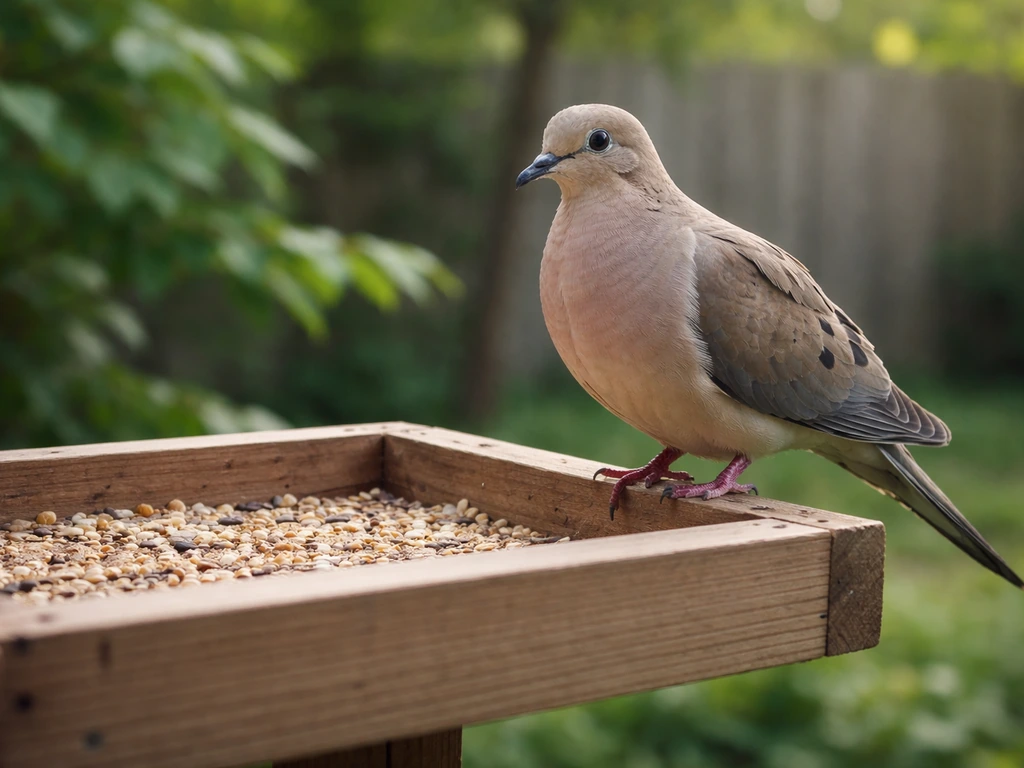
Do Doves Eat Bird Seed? What to Feed and How to Set Up
Do doves eat bird seed? Learn safe options, best feeder setup, and hygiene tips to prevent mold, waste, and pests.
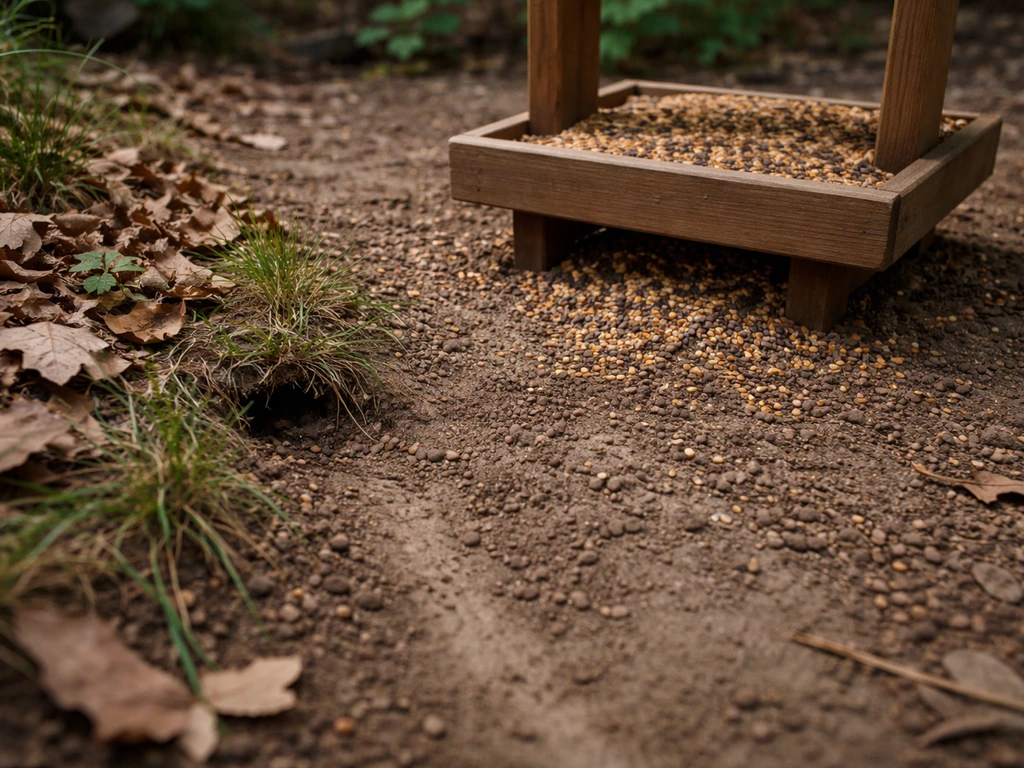
Do Voles Eat Bird Seed? How to Stop Them Today
Do voles eat bird seed? Learn how to confirm activity and stop them fast with cleanup, storage, and barriers.
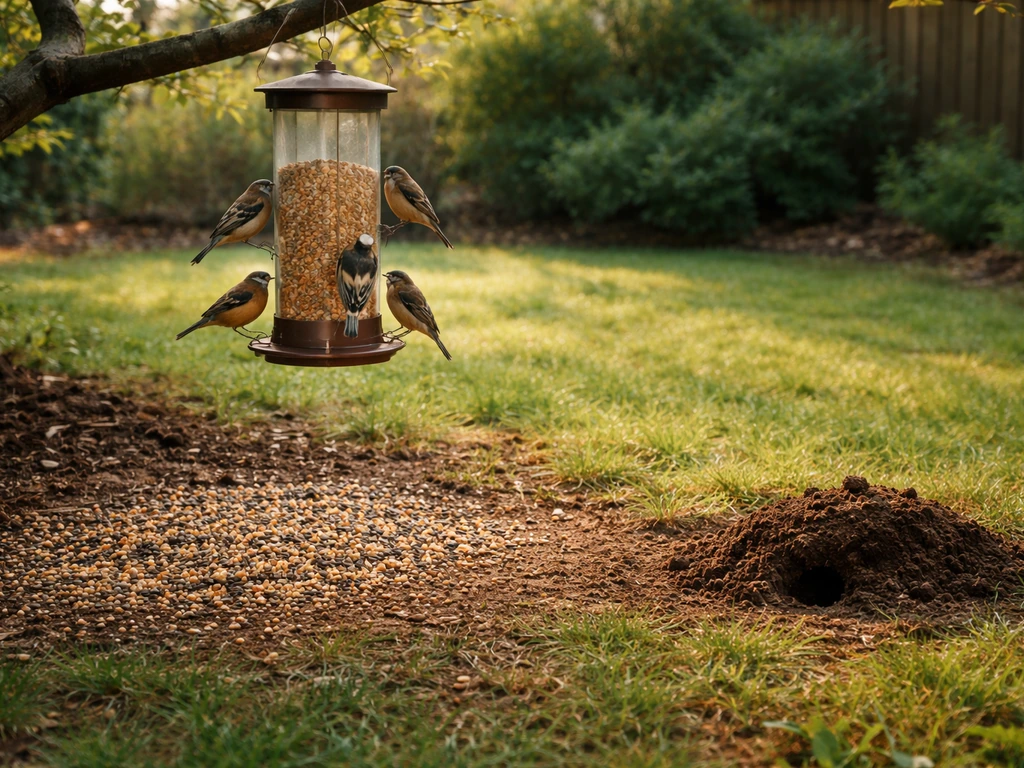
Do Moles Eat Bird Seed? How to Identify and Stop It
Do moles eat bird seed? Learn how to spot mole tunnels, confirm the culprit, and stop seed theft fast.