Yes, voles absolutely eat bird seed. They are primarily herbivores, so grain-based seeds fit right into their natural diet of grasses, plant material, and seeds. If you have a bird feeder and spilled seed on the ground, voles will find it. They are active day and night, year-round, so they are not seasonal visitors you can simply wait out. The good news is that with a few targeted changes to how you feed birds and manage your yard, you can cut off their access quickly. If you are also wondering about other garden visitors, you may be asking, do snails eat bird seed?
Do Voles Eat Bird Seed? How to Stop Them Today

Maya Collins
19 Apr 2026
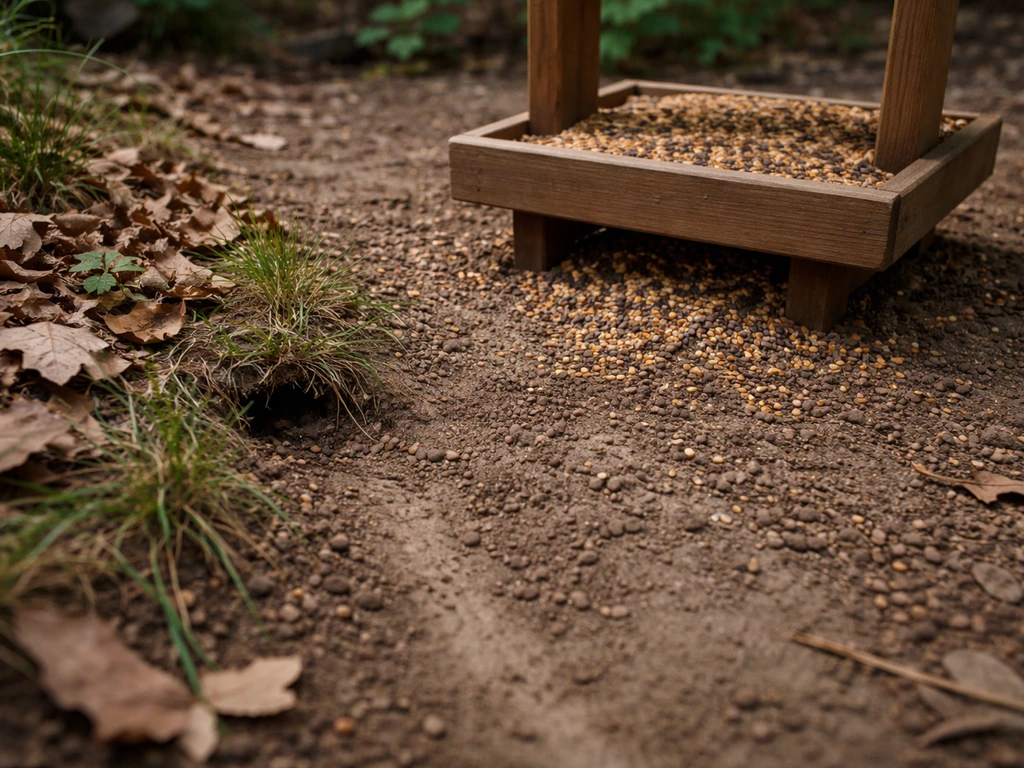
What voles actually eat at your feeder
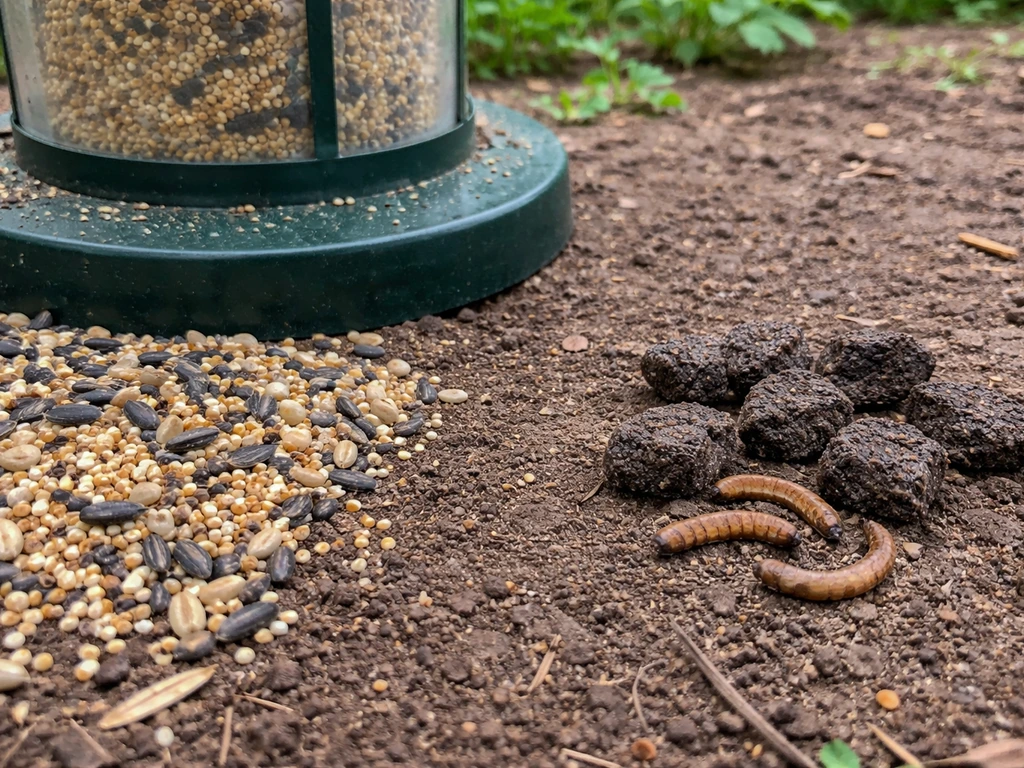
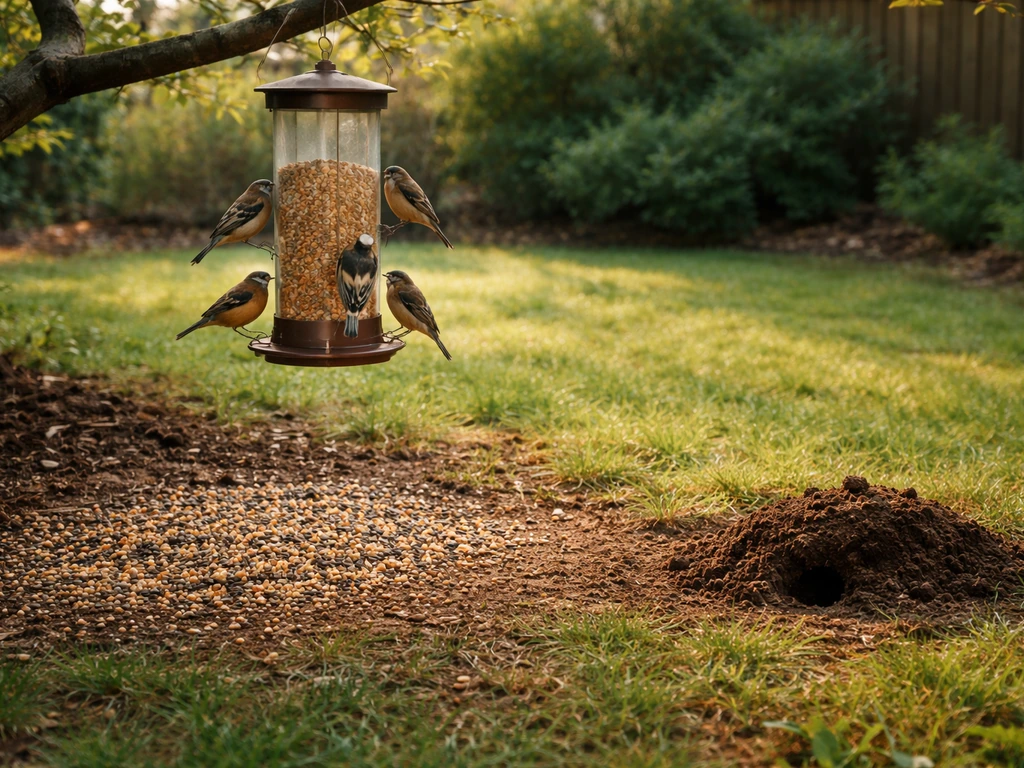
Voles are not picky, but they do have preferences. They gravitate toward softer, energy-dense seeds that are easy to carry into a tunnel or eat quickly at ground level. Millet, milo, cracked corn, and sunflower chips (hulled sunflower) are particular favorites because they are soft, small, and calorie-rich. Whole black-oil sunflower seeds are also targeted. Harder seeds like safflower are eaten less often, but voles will still take them when other options run low. They are not going to climb a pole to reach a hanging feeder since they are poor climbers, but anything that hits the ground is fair game. Hulls, seed fragments, and whole seeds that spill during feeding are essentially a free buffet at ground level.
One thing voles will not eat: suet, mealworms, nectar, or any animal-based food. They are strict plant eaters. So if those items are disappearing, you are looking at a different animal entirely.
Voles vs. mice, rats, squirrels, and chipmunks: how to tell them apart
This is where most people get confused. All of these animals can show up around a bird feeder, and their signs can overlap. Here is how to sort out what you are actually dealing with.
| Animal | Body size | Runways/trails | Droppings | Climbing ability | Key sign near feeders |
|---|---|---|---|---|---|
| Vole | 3–5 inches, compact, short tail | 1–2 inch wide surface runways in grass | Rice-grain shaped, brown or green | Poor climber, stays on ground | Runways leading to spill zone, gnawed plant bases nearby |
| Mouse | 2–4 inches, longer tail | No obvious surface runway | Very small, pointed ends, black | Good climber, can reach feeders | Droppings inside/around feeder, chewed seed bags |
| Rat | 7–10 inches, thick body | Wider worn paths along walls/fences | Large capsule-shaped, blunt ends | Excellent climber | Larger gnaw marks, bolder presence at night |
| Squirrel | 8–12 inches, bushy tail | No runway, random movement | Small, oval | Exceptional climber | Emptied feeders, chewed feeder parts, caching holes in soil |
| Chipmunk | 5–6 inches, striped back | No surface runway | Small, similar to mouse | Moderate climber | Cheek-stuffing behavior, seed caches near burrow entrances |
The clearest indicator of voles specifically is the runway system. These are shallow, worn trails about 1 to 2 inches wide running through the grass, often leading directly toward your feeder area. You will also find bits of freshly cut vegetation and accumulations of small, rice-grain-shaped droppings (brown or green) right inside those runways. Gnaw marks on nearby tree bases or shrubs are about 1/8 inch wide and 3/8 inch long, appearing at irregular angles. If you see those three things together, runways plus droppings plus irregular gnaw marks, you have voles.
After a snowmelt or heavy rain is a great time to check. Vole runways and tunnel systems that were hidden under snow become visible, and fresh droppings in those trails confirm active use. Iowa State Extension specifically notes that post-winter evidence often reveals just how much feeding activity was happening under the snow all season.
Why voles zero in on your bird seed
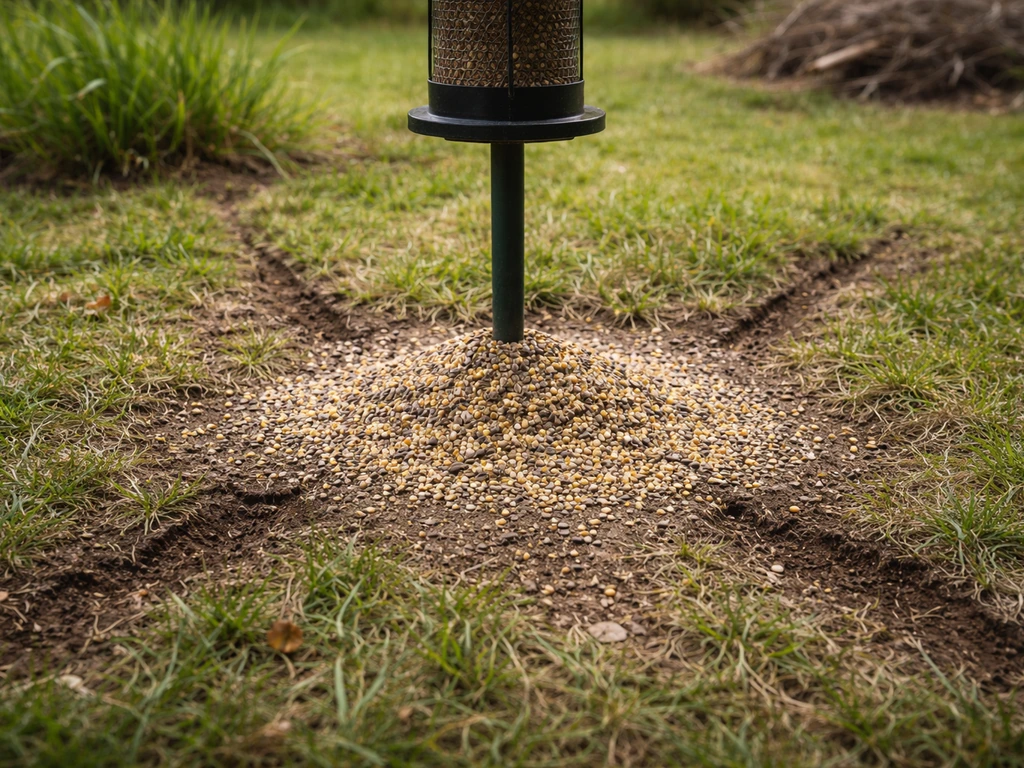
Voles exploit ground-level seed through three main access points: spilled seed directly under feeders, seed hulls accumulating in a kill zone below the feeder, and runways or tunnels that let them travel from dense cover to the feeding area without exposure. Dense vegetation, tall grass, mulch beds, and ground cover around your feeder base give them both protection from predators and a highway system straight to the food. Because they are active at all hours, they are feeding while you are asleep and while birds are feeding during the day.
The University of Nebraska–Lincoln Extension explicitly calls out bird feeders and feeder spillage as a direct driver of vole problems, noting that substantially reducing spillage is one of the most effective things you can do. Every sunflower hull and millet fragment that drops to the ground is an invitation. High-traffic feeders with messy birds (think house sparrows scratching seed onto the ground) can deposit a surprising amount of material in a single day.
What you can do today
Clean up the ground spill zone
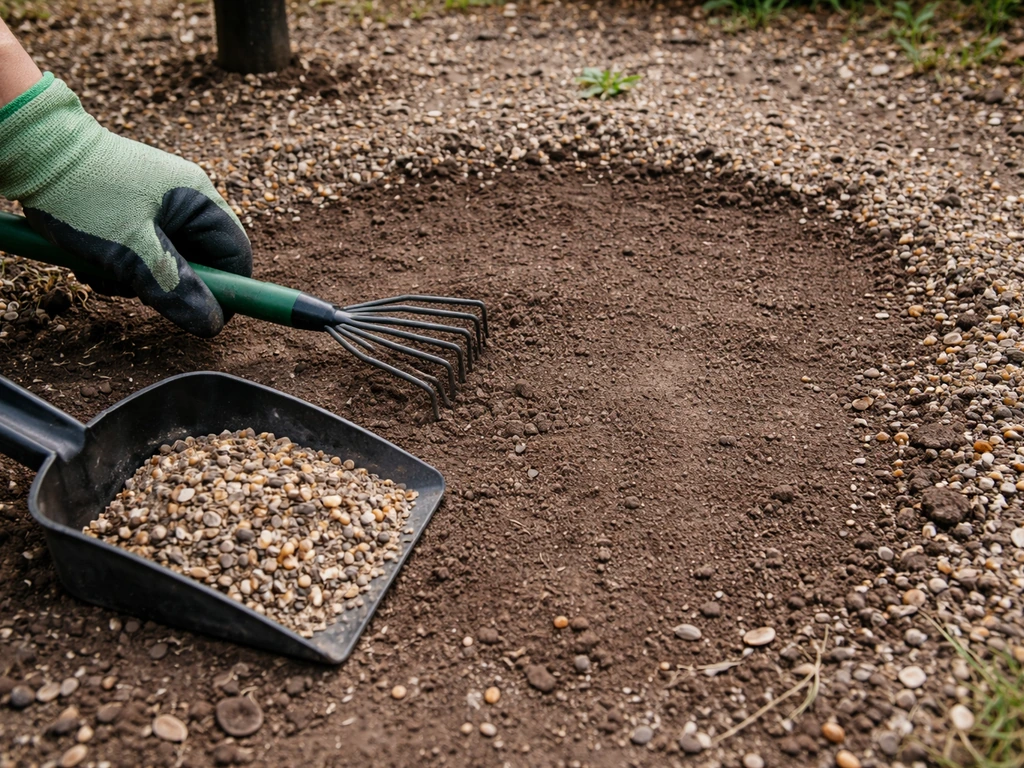
Start by raking and removing all accumulated seed, hulls, and debris from beneath your feeder. Do this today, not this weekend. Every day you leave that material on the ground, you are reinforcing vole traffic to that spot. Bag the debris and dispose of it rather than composting it, since compost piles can also attract rodents.
Switch to no-mess or no-waste seed
Hulled sunflower (sunflower chips), hulled millet, and shelled peanuts leave almost no debris on the ground because birds eat the entire seed. Avoid mixes heavy in milo and cracked corn, since those small grains fall through feeder ports easily and are among the first things voles eat. No-waste seed costs a bit more but dramatically cuts ground accumulation.
Move the feeder and add a seed catcher
Relocate your feeder at least 10 feet away from shrubs, dense grass, mulch beds, or any ground cover that provides vole runway habitat. A seed-catching tray or seed catcher mounted directly below the feeder port intercepts seed before it hits the ground. Empty it every day or two so it does not become a ground-level feeding platform itself.
Cut the grass and pull back ground cover
Voles rely on dense low vegetation for cover. Mow grass short around your feeder area and trim back any thick groundcover, mulch layers, or brush piles within a 10-foot radius. Removing that cover does not eliminate voles from your yard, but it exposes them to predators and makes them far less likely to hang around under your feeder.
Storing seed so it stops being an attractant
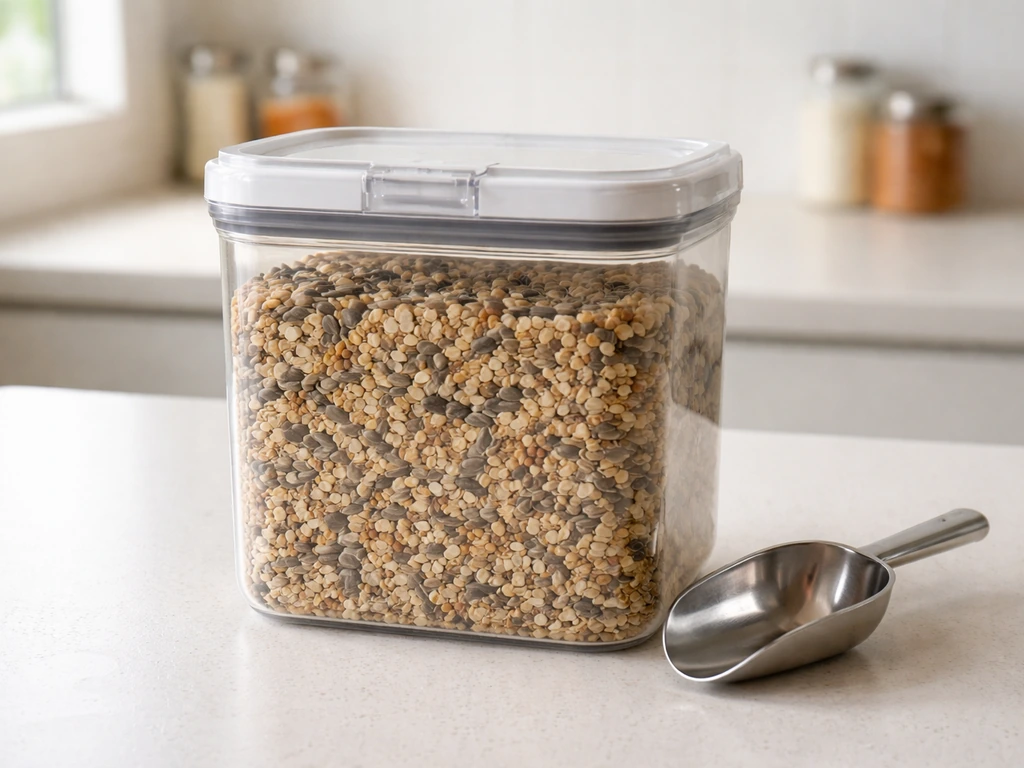
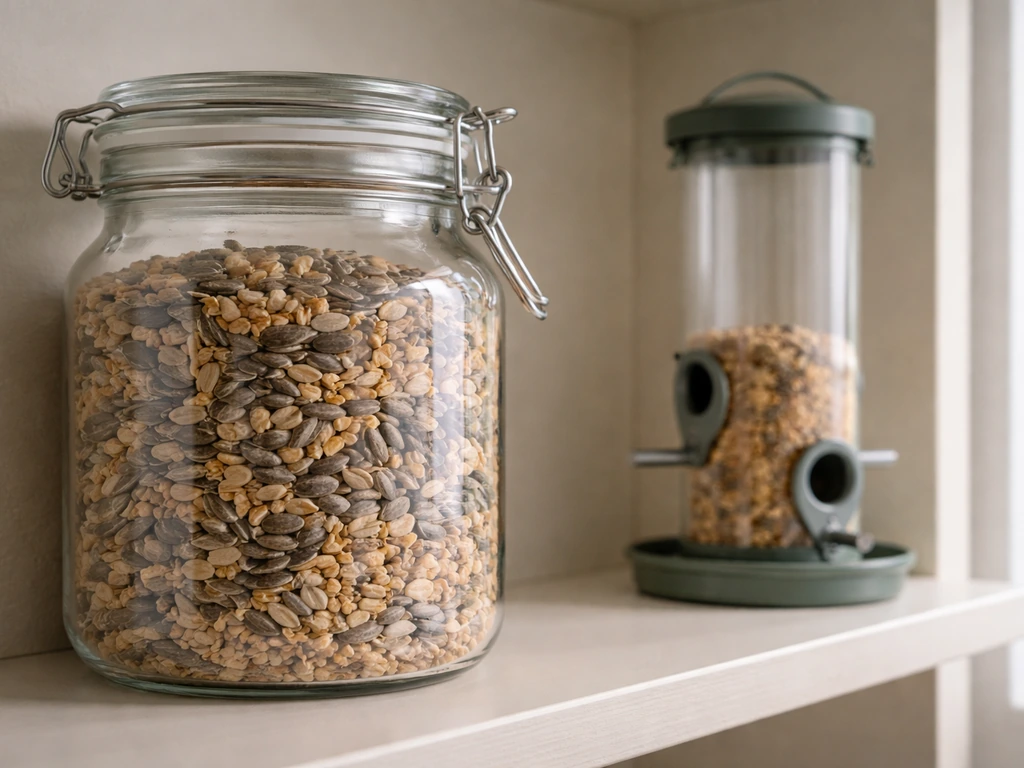
Improper seed storage is one of the most overlooked parts of pest management around bird feeders. Seed in a cloth bag, cardboard box, or plastic bucket with a loose lid is essentially an open invitation to rodents including voles, mice, and rats. Store all seed in a metal or heavy-duty hard-sided container with a tight-fitting, locking lid. A galvanized metal trash can with a bungee cord over the lid works well and is inexpensive.
Keep storage containers inside a garage, shed, or enclosed space rather than outdoors. If outdoor storage is your only option, place the container on a hard surface away from walls and vegetation. If outdoor storage is your only option, place the container on a hard surface away from walls and vegetation do water voles eat bird seed. Buy seed in quantities you can use within four to six weeks. Seed held longer than that, especially in warm or humid conditions, is at higher risk of moisture intrusion, mold, and sprouting, all of which create additional problems.
If you find wet or clumped seed in your feeder or storage container, discard it. Wet seed can develop mold within 24 to 48 hours depending on temperature. Moldy seed is harmful to birds and also attracts more pests as it breaks down. Do not let wet seed dry out and then continue using it. The mold spores remain even after the visible moisture is gone.
Blocking voles from reaching seed areas
Hardware cloth barriers
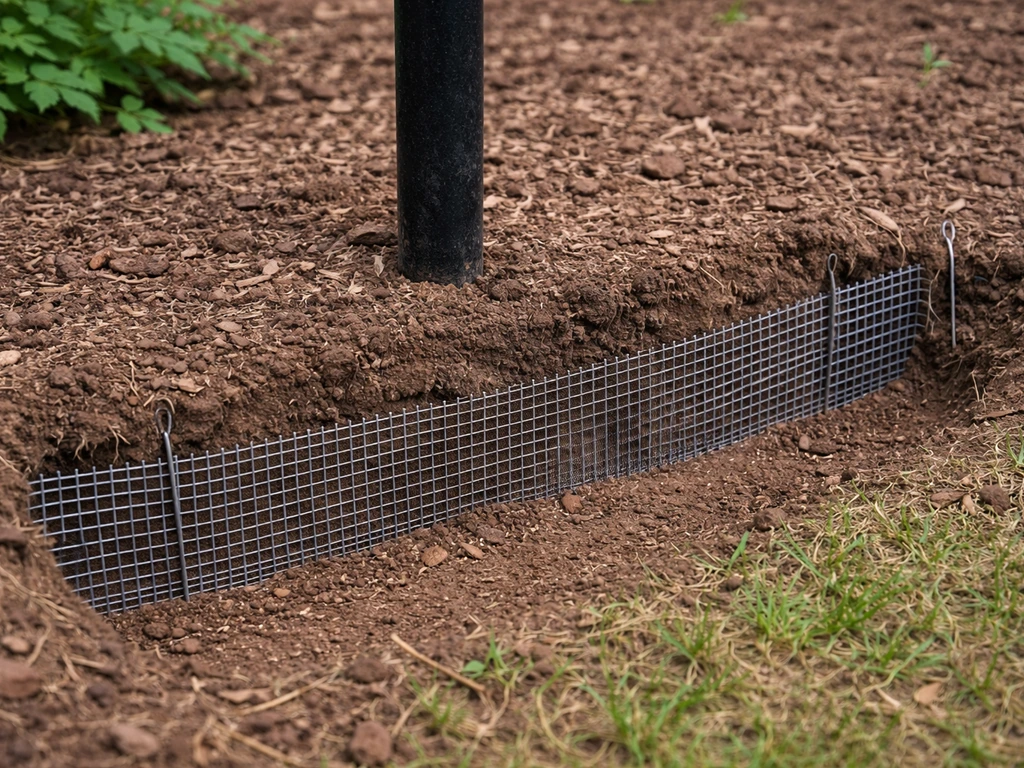
Hardware cloth with a mesh size no larger than 1/4 inch is the gold standard for vole exclusion. West Virginia University Extension recommends burying it about 6 inches deep around the perimeter of any area you want to protect, since voles will burrow under a barrier that only sits on the surface. For a feeder area, you can create a small exclusion zone by forming a hardware cloth apron around the feeder post base and burying the bottom edge. This is especially useful if your feeder is mounted in a bed or area with soft soil.
Covering existing entry points
Any hole 3 inches or larger in diameter near your feeder area, garden shed, or seed storage space should be covered with 1/4-inch hardware cloth before being filled. Voles can exploit these gaps as entry points into storage areas or enclosed spaces. Stuffing holes with steel wool and then sealing with hardware cloth is more durable than foam or caulk alone.
Landscaping choices that reduce vole habitat
Reduce or replace dense, low groundcover plants (pachysandra, vinca, and thick mulch layers are classic vole habitat) within the immediate feeder zone. Gravel or bare soil under feeders is far less inviting than a mulch bed. Keeping a 3-foot clear zone around feeder poles gives predators like hawks and foxes a better chance to control vole populations naturally.
Cleaning up safely: spills, droppings, and contaminated seed
Rodent droppings around your feeder area are a health concern. Voles, like other rodents, can carry hantavirus, and the CDC is very specific about how to clean up safely. The CDC’s hantavirus prevention guidance explains the aerosol risk when fresh rodent urine, droppings, or nesting material are disturbed during cleanup and emphasizes taking precautions to prevent exposure the CDC is very specific about how to clean up safely. Do not sweep or vacuum dry droppings. That sends particles airborne. Instead, follow these steps:
- Put on rubber or plastic gloves before touching anything.
- Mix a disinfectant solution: 1.5 cups of bleach per 1 gallon of water (a 1:10 ratio) works well.
- Spray the droppings, urine-stained areas, or contaminated seed directly with the solution and let it soak for at least 5 minutes.
- Wipe up the material with paper towels and seal everything in a plastic bag.
- Double-bag and dispose of in an outdoor trash bin.
- Wash your hands thoroughly with soap and water after removing gloves.
For feeder cleaning, remove all remaining seed, scrub the feeder with a stiff brush and the same bleach solution, rinse well, and let it dry completely before refilling. A wet feeder refilled immediately will start growing mold within days and can sicken birds. Clean feeders every one to two weeks during active feeding season, and more often if you notice wet or clumped seed.
One important note on bird safety: if you are considering using rodenticides near your feeder area, think carefully. Anticoagulant rodenticides (the most common type) pose a real secondary poisoning risk to birds, particularly raptors like hawks and owls that may eat a poisoned vole. The National Pesticide Information Center confirms that anticoagulant rodenticides can persist in rodent tissue long enough to cause secondary poisoning in birds and other predators. Mass.gov wildlife guidance specifically warns about this risk and recommends removing food sources like bird seed first, before reaching for poison. Rodenticides should be a last resort in any yard where birds are intentionally fed.
When to escalate and what your options are
If you have cleaned up, adjusted your feeder, trimmed vegetation, and the runways are still active after two to three weeks, it is time to escalate. UC IPM notes that trapping is more economical when populations are low and damage is not severe. Snap traps (standard mouse snap traps work for voles) placed at right angles to active runways with the trigger end facing into the runway are the most targeted and safest approach. Check traps daily and reset as needed.
If trap numbers suggest a large population or if the damage is affecting trees, shrubs, or garden plants beyond just the feeder zone, consider contacting a licensed wildlife pest control operator. Penn State Extension specifically recommends this route when a homeowner cannot manage the problem alone. A professional can assess population density, identify all active runway systems, and recommend control methods that are appropriate for your specific situation and legal in your state.
On the topic of rodenticides: if you do decide to use them, the EPA requires that consumer-use rodenticide bait be placed inside a tamper-resistant bait station, not loose on the ground, specifically to reduce risk to children, pets, and non-target wildlife. Never place bait near a bird feeder or in an open area where birds could access it. And as mentioned above, secondary poisoning risk to raptors and other predators is a genuine concern that should factor into your decision.
One last thing worth noting: voles are often confused with moles, which are insectivores and do not eat bird seed at all. If you are also wondering whether other yard animals like moles eat bird seed, see do slugs eat bird seed as a related feeding question. Roadrunners also rely on a diet of insects and other small prey, but they may sample seeds or bird food if it is available do roadrunners eat bird seed.
Lizards are different from voles and moles, so whether they eat bird seed depends on the species and what else is available do lizards eat bird seed. Moles are insectivores, so they do not eat bird seed do not eat bird seed at all. If you are seeing raised tunnel ridges in your lawn but no surface runways or seed loss, you may be dealing with moles rather than voles. The distinction matters because the control strategies are completely different.
Similarly, if you are seeing seed disappear from an elevated platform feeder with no ground spillage, doves, squirrels, or other birds are more likely culprits than voles, which simply do not climb. Similarly, doves also eat bird seed, so if you notice loss from above-ground feeders you may be dealing with birds rather than voles do doves eat bird seed. Similarly, doves also eat bird seed, so if you notice loss from above-ground feeders you may be dealing with birds rather than voles.
FAQ
If my bird seed is vanishing, how can I tell whether voles are actually the cause?
Most voles that wipe out bird seed are eating what drops to the ground, but you can still get seed loss from above-ground feeders if the birds you attract are messy and scatter husks beneath them. If seed disappears from a feeder that is protected from spillage and you are seeing no ground runways or droppings, suspect squirrels, doves, or rats rather than voles.
Will voles eat seed that is wet, sprouted, or moldy?
Yes, voles can eat sprouting seed. If you notice clumps of wet seed or damp areas under the feeder, that can create both a food source and a more attractive route. Remove wet material promptly, dry and clean the feeder, then store remaining seed in a tightly sealed hard-sided container.
Is it dangerous for birds if voles have been eating underneath the feeder?
To birds, the bigger risk is moldy seed and a dirty, wet feeder, not vole urine or droppings on the ground. After cleaning up droppings, scrub the feeder and let it fully dry before refilling. For ground seed debris, bag it and dispose of it rather than composting, and keep children and pets away until cleanup is complete.
Can voles eat seed from a hanging feeder or up on a platform?
Voles cannot climb well, so their feeding should be limited to areas that let them reach ground-level seed. If you see damaged seed on a hanging or pole-mounted feeder with no ground spillage, that points away from voles and toward animals that can access elevated food (for example, squirrels or some birds).
What seed types are most likely to attract voles?
Cracked corn and milo are particularly likely to create loose debris because many fragments fall through and huskless pieces accumulate under the feeder. Switching to hulled sunflower chips, hulled millet, and shelled peanuts reduces hull piles and the amount of ground-level calories available.
Do hardware cloth fences and barriers work, and how deep should they go?
Rodent exclusion works best as a barrier you bury, not a surface mat. Hardware cloth should be installed around vulnerable edges and entry points, with the bottom edge buried, because voles will burrow under a barrier that only sits on top.
Where should I place snap traps for voles?
If you want to use traps, place them along the runway path, not randomly in the yard. Position mouse snap traps at right angles to the active trail with the trigger end facing into the runway, and check daily because dead rodents can become a hygiene and odor problem quickly.
How do I distinguish vole activity from mole activity near my feeder?
Two common signs are runway systems and droppings, but the droppings are the deciding factor. Vole droppings are small and rice-grain shaped, and they are typically found right in the runways. Moles usually create raised ridges or subsurface activity without the same ground trails leading to bird seed.
If I stop feeding birds, will voles leave right away, or do I need to do more?
Yes, if you keep feeding year-round and leave spillage behind, the site stays attractive even when you do not see obvious damage. The fastest improvement usually comes from immediate spillage cleanup plus a temporary reduction in seed availability until runways and droppings fade.
Is it safe to use rodent poison if I feed birds?
Using poison can create secondary poisoning risk for hawks, owls, and other predators that eat contaminated voles. If you do anything beyond cleanup and exclusion, prioritize trapping or exclusion first, and never place bait where birds can access it. For many yards with intentional bird feeding, professionals are the safer next step.