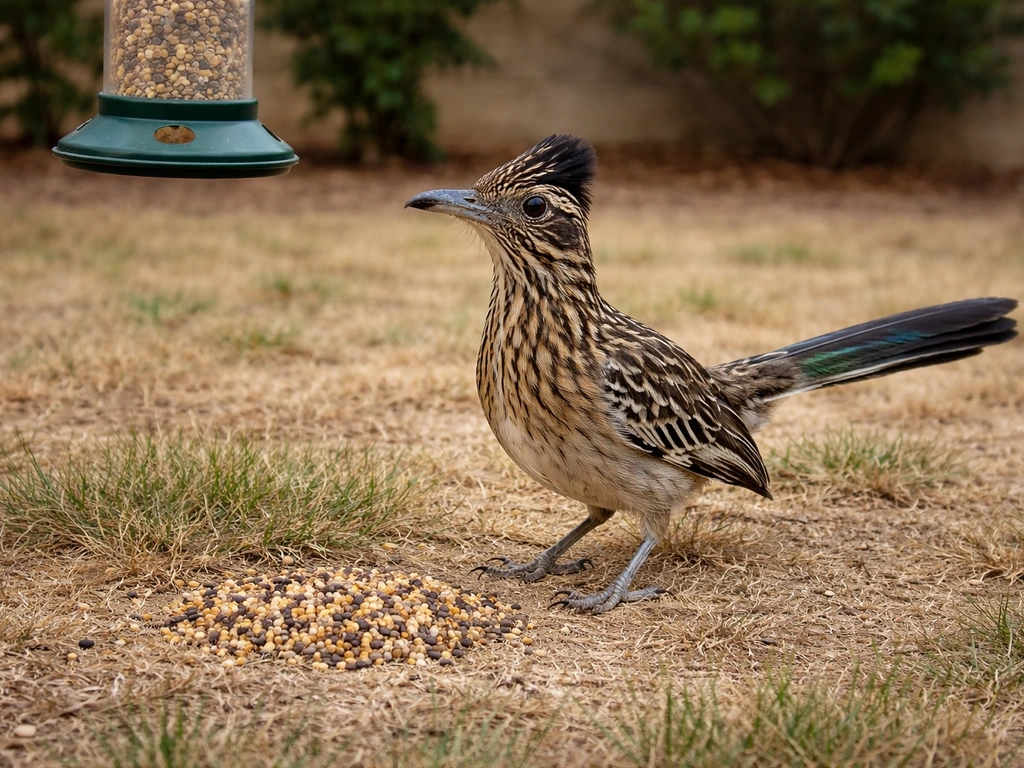
Roadrunners will occasionally eat bird seed, but it is not their first choice and it is not why they are showing up in your yard. About 90% of a Greater Roadrunner's diet is meat: lizards, snakes, insects, spiders, and rodents. Seeds and other plant material make up roughly 10% of the diet, mostly in winter when prey is harder to find. So if you see a roadrunner near your feeder, it is far more likely hunting the small birds, mice, or insects that your seed has attracted than actually eating the seed itself.
Do Roadrunners Eat Bird Seed? What to Expect and Fix

Maya Collins
30 Apr 2026
What roadrunners naturally eat vs what is actually in bird seed
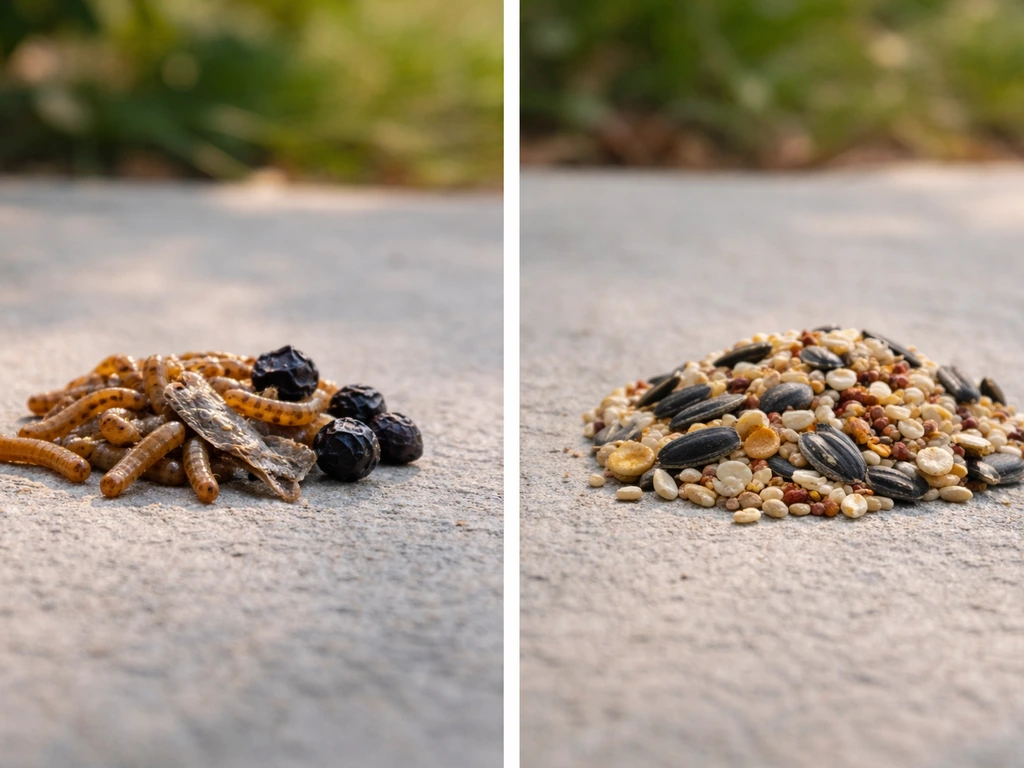
Greater Roadrunners are true omnivores, but heavily weighted toward animal prey. The Cornell Lab of Ornithology confirms that fruit, seeds, and plant material make up only about 10% of their diet, and that figure rises in winter when insects and reptiles are less available. The Arizona-Sonora Desert Museum describes them as opportunistic hunters first, plant-eaters second. The Arizona-Sonora Desert Museum describes Greater Roadrunners as opportunistic hunters that eat plant materials like seeds and berries, though they hunt the majority of their food. Their preferred menu includes lizards, small snakes, insects, spiders, scorpions, small rodents, and occasionally small birds.
Typical wild bird seed mixes contain sunflower seeds, millet, corn, safflower, milo, and sometimes peanut pieces. These are calorie-dense plant foods that songbirds and doves love. For a roadrunner, they are a low-priority food source, nowhere near as appealing as a live gecko or a grasshopper. So even though roadrunners may pick at bird seed sometimes, do slugs eat bird seed is not usually the real driver of what draws them to your feeder low-priority food source. That said, roadrunners are pragmatic about food when the environment is harsh, which is exactly the kind of arid Southwest landscape they live in.
Which seed types a roadrunner is most likely to take
If a roadrunner does pick at seed, the types most likely to get taken are those with the highest calorie density and the easiest handling. Based on what we know about their opportunistic plant-eating behavior, corn and large sunflower seeds are the most plausible targets. Millet is small and low-energy relative to what a roadrunner can get from a single lizard, so it is probably not worth their time. Milo, which many desirable songbirds reject and gets left on the ground in quantity, could attract a roadrunner simply because it accumulates in piles and is easy to pick up.
| Seed Type | Roadrunner Interest | Why |
|---|---|---|
| Black oil sunflower | Low to moderate | High calories, easy to crack; plausible winter snack |
| Cracked corn | Moderate | Large, easy to handle, calorie-dense |
| White millet | Low | Small, low energy payoff for a large bird |
| Milo (sorghum) | Low to moderate | Accumulates on ground, easy to pick up |
| Safflower | Very low | Bitter coating, rarely taken by any non-specialist |
| Peanut pieces | Moderate | High fat and protein, closer to animal food in profile |
The honest takeaway here: a roadrunner eating your seed is a minor, incidental behavior. That is different from moles, which do not eat bird seed the same way backyard wildlife does do moles eat bird seed. If you are losing large amounts of seed to a roadrunner, look closer. It may be ambushing the birds attracted to your feeder, not eating the seed at all.
When and why roadrunners show up to forage near feeders
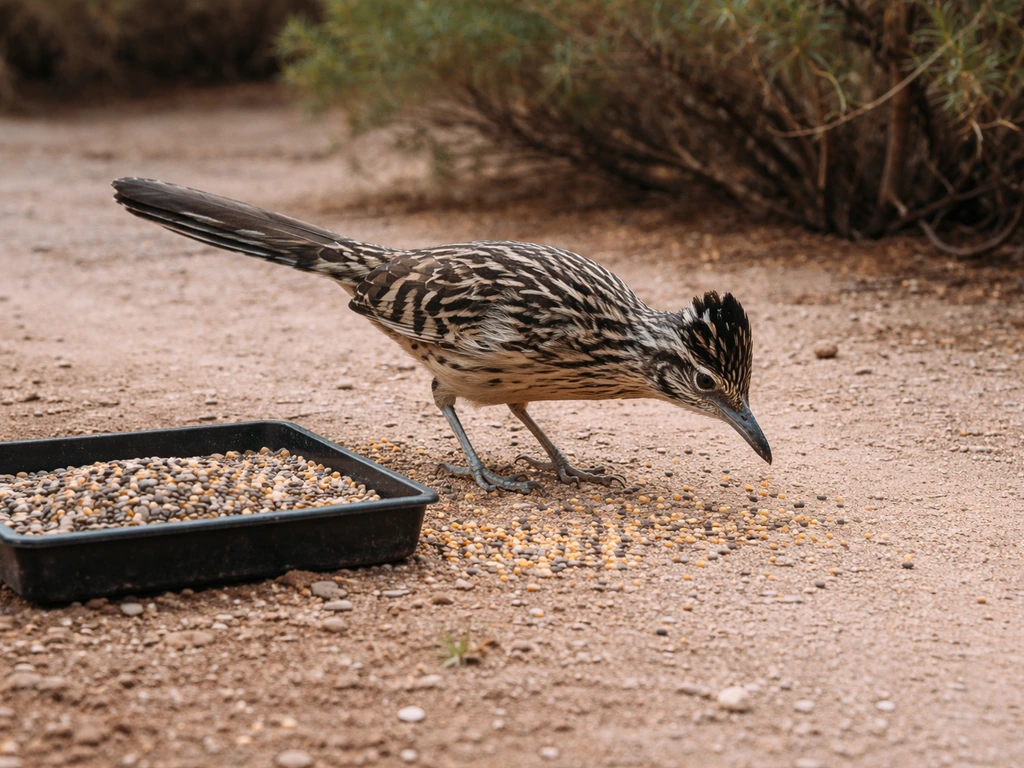
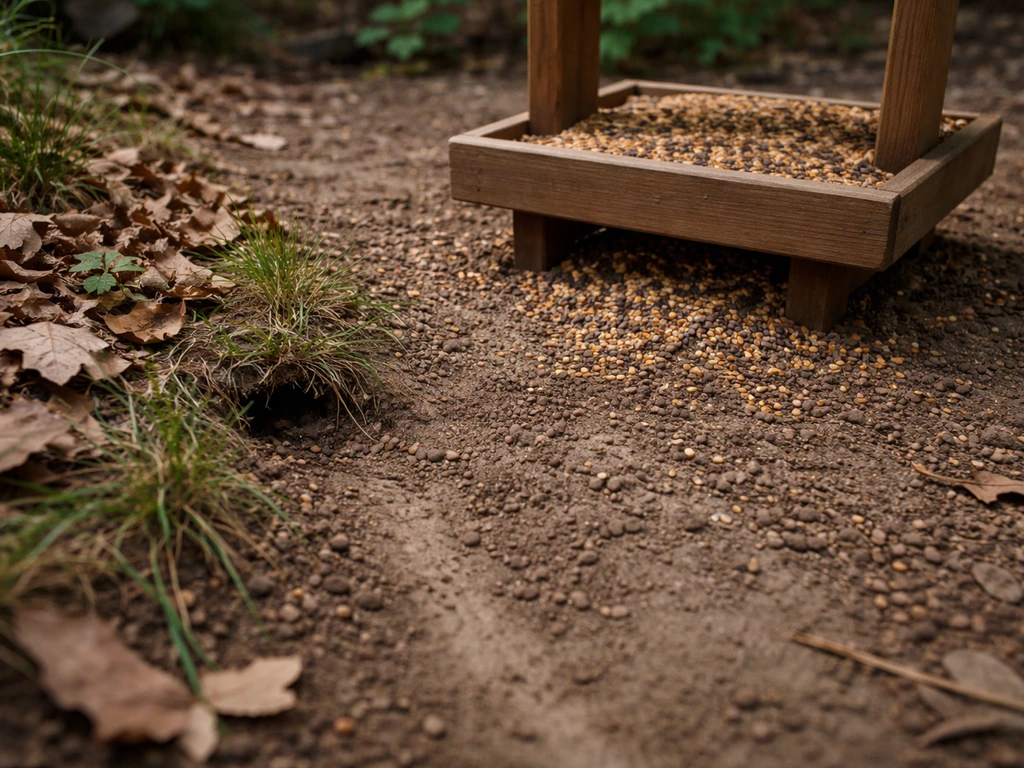
Roadrunners are ground foragers. They race along open paths, roads, and streambeds looking for movement. A backyard with a ground tray feeder or a lot of spilled seed underfoot is exactly the kind of open terrain they patrol. The seed itself is secondary; the activity around it is the draw. If you are also wondering do lizards eat bird seed, the answer is yes, especially when seed is spilled and easy to find. Spilled seed attracts mice, small birds, and insects, and a roadrunner sees all of that as a hunting opportunity.
Seasonally, you are most likely to see this in late fall and winter, when insect and reptile populations drop and roadrunners lean more on plant material and any available food source. Audubon has documented camera observations of roadrunners actively approaching feeders, in at least one case to attack a hummingbird at a nectar feeder. That is predatory behavior, not seed foraging. In summer and spring in the Southwest, a roadrunner near your feeder is almost certainly there to hunt, not snack on millet.
Habitat also matters. Roadrunners prefer areas with shrubby cover, low scrub, and open ground nearby. If your yard backs up to desert scrub, a wash, or open grassland in Arizona, New Mexico, Texas, or Southern California, you are in roadrunner territory. A fully open, manicured lawn with no cover is less appealing to them. Yards with brush piles, native shrubs, or adjacent natural habitat will see more roadrunner activity overall.
How to stop roadrunners from taking your seed (or hunting your feeder birds)
If a roadrunner is becoming a problem at your feeder, the fix depends on what it is actually doing. If it is eating spilled seed, reduce ground spillage. If it is hunting small birds, you need to break up the ambush setup.
Reduce spilled and ground-level seed
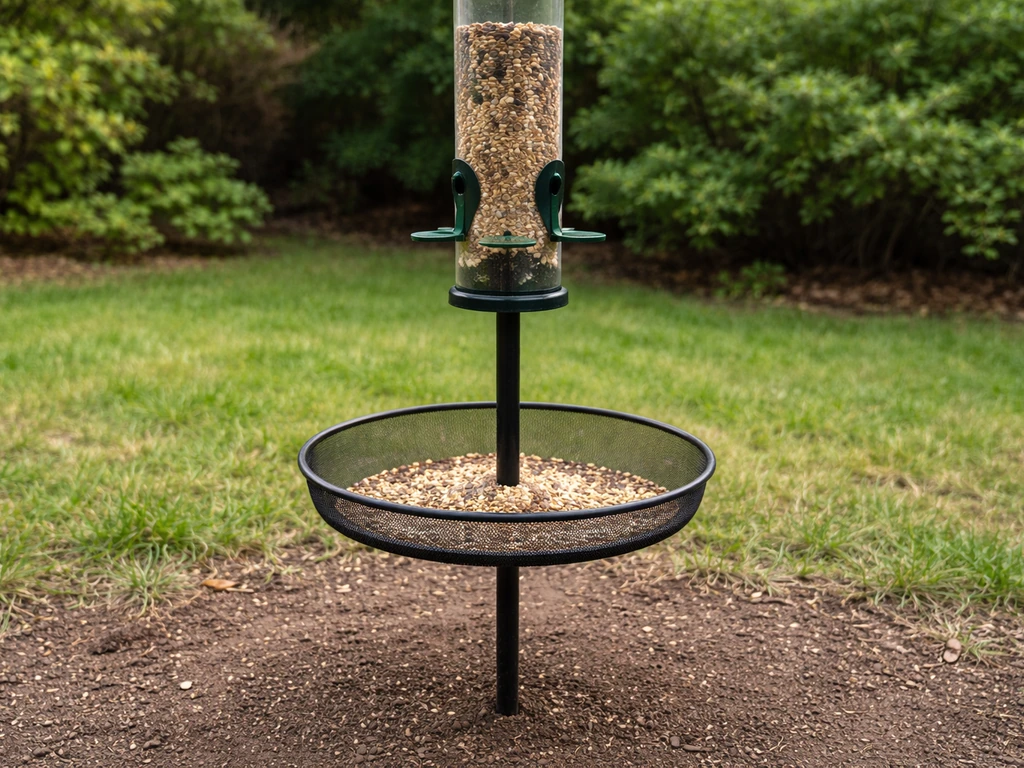
- Switch to tube or hopper feeders with small perches that discourage large birds from landing and knocking seed out
- Add a seed catcher tray underneath feeders to collect fallen seed before it hits the ground
- Use no-mess or hulled seed blends that produce less shell debris on the ground
- Sweep or rake up ground seed every day or two, especially milo and cracked corn that pile up
Protect feeder birds from ambush
- Place feeders in more open spots with at least 10 feet of clear space in all directions so small birds can spot a roadrunner approaching
- Add dense shrubs or thorny plants near (but not adjacent to) the feeder as escape cover for songbirds, not as stalking cover for a roadrunner
- Avoid placing feeders directly against walls, fences, or large rocks that give a roadrunner a concealed approach path
- Use feeders mounted at least 5 feet off the ground on smooth, baffled poles; roadrunners are ground birds and rarely climb
Keep in mind that roadrunners are native wildlife and are protected under the Migratory Bird Treaty Act. You cannot trap or harm them. Deterrence through feeder placement and ground management is your practical toolkit.
Seed storage, moisture, and cleanup to keep your yard safe
Whether or not a roadrunner is eating your seed, wet and spilled seed is one of the biggest hygiene problems at any backyard feeder. If you are also dealing with water voles, keep in mind that they may eat bird seed, especially when it is available near water water voles eat bird seed. The Minnesota DNR notes that mold and bacteria form quickly on wet birdseed, both inside feeders and on the ground. This is especially relevant in the Southwest during monsoon season (July through September) when afternoon storms can soak ground seed fast.
Cleaning your feeders
- Clean feeders every two weeks as a baseline, and more often during wet or hot weather
- Scrub with a 9: 1 water-to-bleach solution, rinse thoroughly, and let the feeder dry completely before refilling
- Never refill a damp feeder: wet seed clumps, molds within 24 to 48 hours in warm weather, and can produce aflatoxins that are toxic to birds
- During wet periods, add only enough seed to last a few hours so seed does not sit damp overnight
Cleaning up ground seed
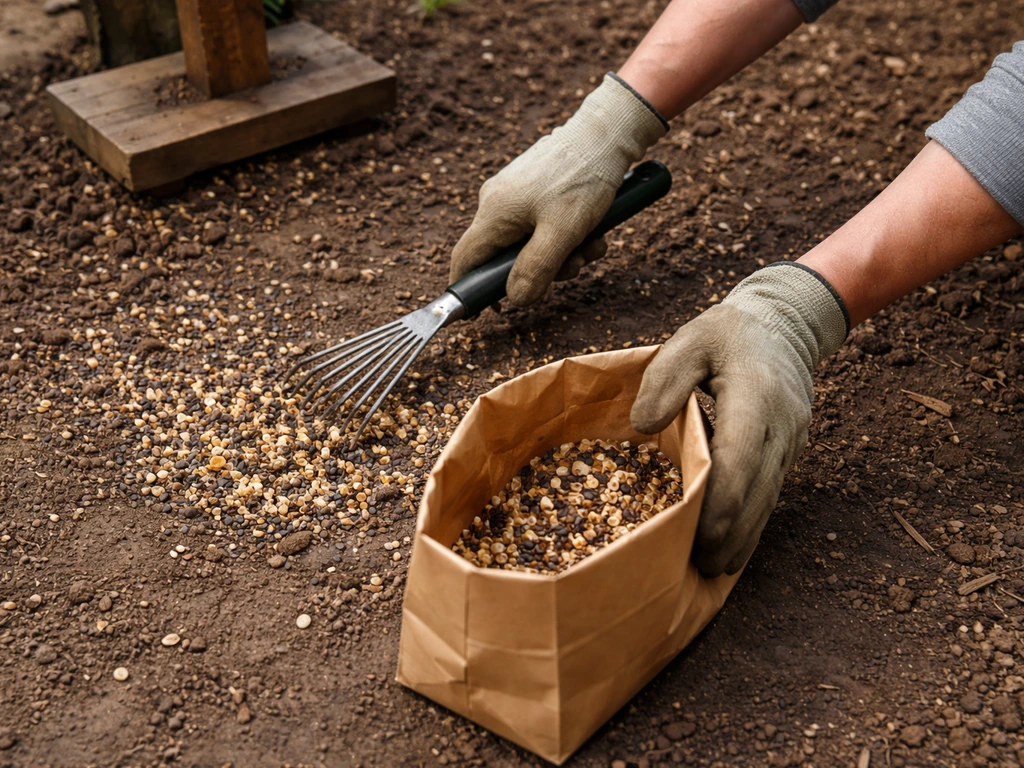
- Rake up all spilled seed, shells, and debris from under feeders at least twice a week
- If seed is soggy or clumped, do not just move it: bag it and dispose of it, or bury it far from the feeding area
- Audubon specifically recommends burying wet or moldy seed away from the yard to prevent bird-toxic mold from spreading
- In arid regions, dry conditions help seed last longer on the ground, but monsoon rains change this fast: check and clean after every significant rain
Storing bulk seed safely
- Store seed in airtight, hard-sided metal or thick plastic containers to block rodents (which also attract roadrunners and other predators)
- Keep storage containers in a cool, dry place out of direct sun; heat accelerates oil oxidation and mold growth
- Most seed blends stay fresh for 6 to 12 months in proper storage; check for off smells or clumping before use
- Buy in quantities you will use within 4 to 6 weeks in hot or humid climates
Keeping a wildlife-friendly yard without feeding every visitor
The goal is usually to attract specific birds, not to run an open buffet for every species in the neighborhood. Roadrunners, doves, and even the occasional lizard will find your feeding station if the setup invites them. The good news is that a few smart choices let you target your desired birds more precisely.
blank" rel="noopener noreferrer">Tube feeders with small ports and short perches physically exclude large, ground-foraging birds from getting to seed. Safflower seed is worth trying: it is ignored by most pest species, including many sparrows and cowbirds, while cardinals and chickadees eat it readily. Avoiding cracked corn and loose milo on the ground eliminates the food type most likely to attract roadrunners, doves, and rodents all at once. If you are also wondering do snails eat bird seed, it helps to know that seed left on the ground can attract multiple visitors, not just roadrunners. For comparison, doves are much more likely to take seed than roadrunners are since they are dedicated seed eaters, and managing ground seed is just as important for keeping dove numbers manageable. Doves do eat bird seed, so managing spilled seed and choosing feeder setups that limit access can help keep them from swarming your ground tray.
Roadrunners are genuinely fascinating birds and, if you are in the Southwest, a rare and lucky sighting. If you are not losing significant seed to them and your feeder birds are not being hunted, there is no reason to change anything. Roadrunners help keep rodent and insect populations in check around your yard, which is a real benefit. The goal is a yard where desired birds are fed safely, seed stays fresh and clean, and the occasional roadrunner passes through on its own business without wrecking your setup.
FAQ
How can I tell whether a roadrunner is actually eating the bird seed versus hunting birds or insects attracted to it?
Usually not. If you notice a roadrunner at the feeder, it is more often attracted by movement or by prey coming to the seed. To confirm, watch from a distance for 5 to 10 minutes and look for signs of hunting (pausing, scanning, sudden dashes) rather than repeated shelling and swallowing of seed.
What is the best way to reduce seed loss on the ground if I want fewer roadrunners around my feeders?
Keep the tray or ground area as dry and as clean as possible. Rake up spilled seed daily, use a feeder that minimizes waste, and consider a tray cover or placement so seed falls back into a catch pan you can empty. Wet, spilled seed becomes a mixed buffet for many ground animals, which indirectly brings roadrunners in to hunt the activity it creates.
If I stop using a ground tray, will roadrunners still show up to feeders?
Yes, but in a different way than backyard birds. Roadrunners are ground foragers, so ground-level seed and open feeding stations are most risky. Hanging or high-mounted feeders can reduce access for ground hunters, but they can still draw prey like insects and mice, so you will still want to manage spillage.
What should I do if my feeder birds are getting attacked by a roadrunner?
If the roadrunner is repeatedly attacking feeder birds, treat it like a predation problem rather than a seed problem. Clear nearby hiding spots within a short distance of the feeder area (reduce brushy cover where safe stalking lanes form), and use feeder designs that prevent ambush from close ground cover.
Which types of bird seed are most likely for roadrunners to take if they do eat seed?
Corn and large sunflower are the most plausible seeds to be picked up, especially when they are dropped or easy to handle. Millet and many smaller mixed seeds are less likely to be worth the effort compared with a single lizard or grasshopper, so switch to mixes that reduce loose, large seeds on the ground.
When are roadrunners most likely to visit feeders in my yard?
Expect more activity in late fall and winter, and less in hot summer periods when insects and reptiles are more available elsewhere. Seasonal changes matter, but the biggest driver is still your yard layout (open ground plus nearby cover) and how much spilled food is creating movement at ground level.
Could roadrunners be coming because they are hunting mice or small birds in my yard, not because of the seed?
Sometimes they do, even if it is not the seed itself. If you regularly see the roadrunner near an area with lots of ground activity, that can mean it is hunting small birds or rodents that are feeding at the station. Look for indirect clues like scuffed seed patches, sudden bird disappearances, and frequent darting along edges.
Is it legal to trap or harm a roadrunner if it keeps visiting my feeder?
Avoid traps and deterrents that can injure the bird. Roadrunners are protected under federal law, so the practical approach is habitat and setup management: reduce accessible ground seed, choose feeder types that limit ground access, and limit nearby stalking cover while keeping the yard safe for desired birds.
What feeder changes reduce roadrunners without reducing visits from the birds I want?
You can reduce the chance that roadrunners take loose seed by keeping feeders off bare ground when possible and by using short-perch tube feeders (or other designs that discourage large ground access). Also avoid letting cracked corn or milo accumulate in corners, since those often pile up and get ignored by some birds but noticed by ground foragers.
Does wet bird seed increase problems, even if the roadrunner is not the real culprit?
Yes, even if you are primarily targeting “seed eaters,” mold can be a hidden issue. If seed gets wet from monsoon storms or irrigation, discard what is visibly damp or clumped and clean feeder parts so bacteria and mold do not build up inside the feeder and in the surrounding ground scatter.
Next Articles
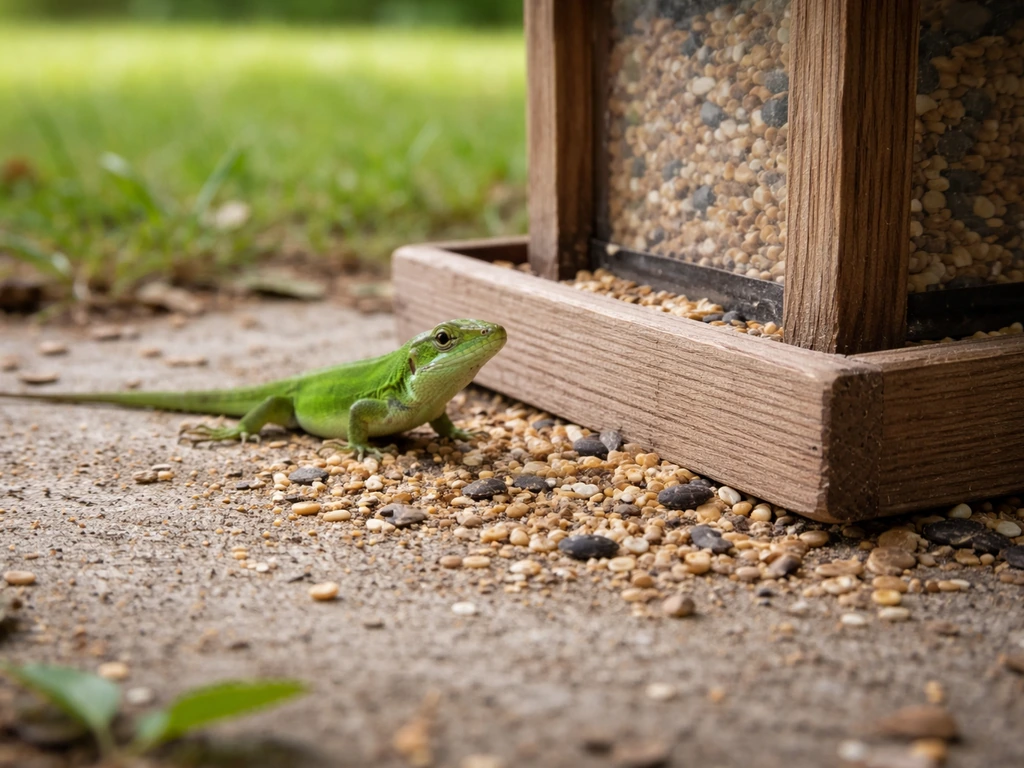
Do Lizards Eat Bird Seed? What to Expect and How to Stop It
Learn if lizards eat bird seed and how to stop them with feeder, cleanup, and storage tips plus myth-busting.
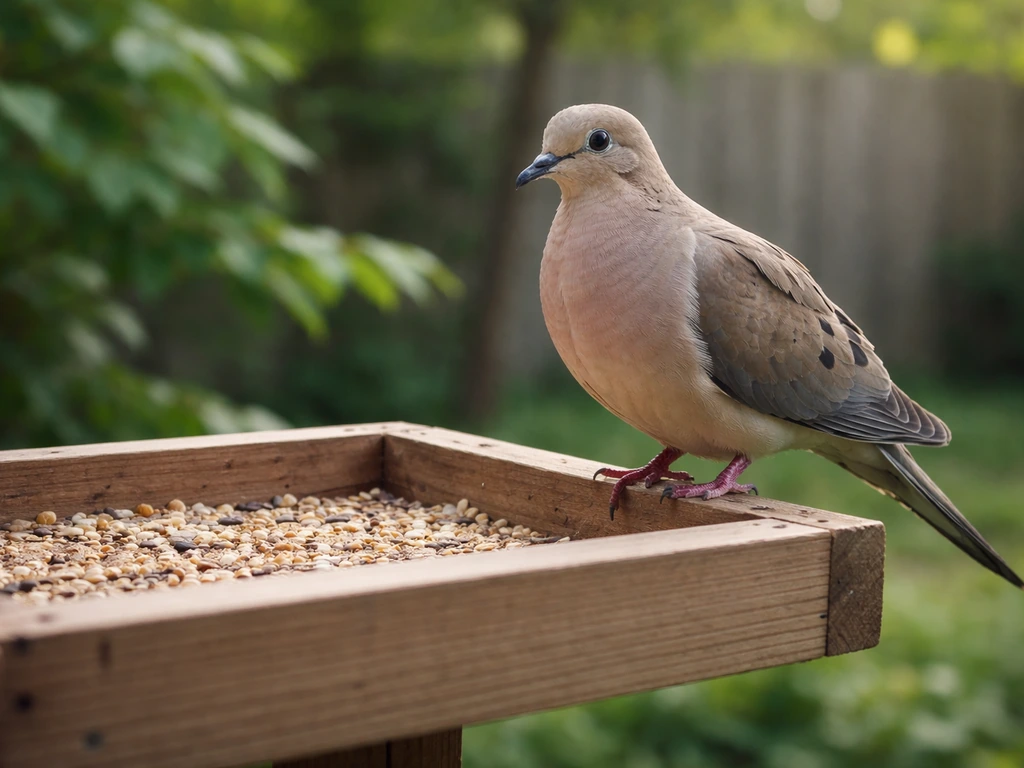
Do Doves Eat Bird Seed? What to Feed and How to Set Up
Do doves eat bird seed? Learn safe options, best feeder setup, and hygiene tips to prevent mold, waste, and pests.
Do Voles Eat Bird Seed? How to Stop Them Today
Do voles eat bird seed? Learn how to confirm activity and stop them fast with cleanup, storage, and barriers.