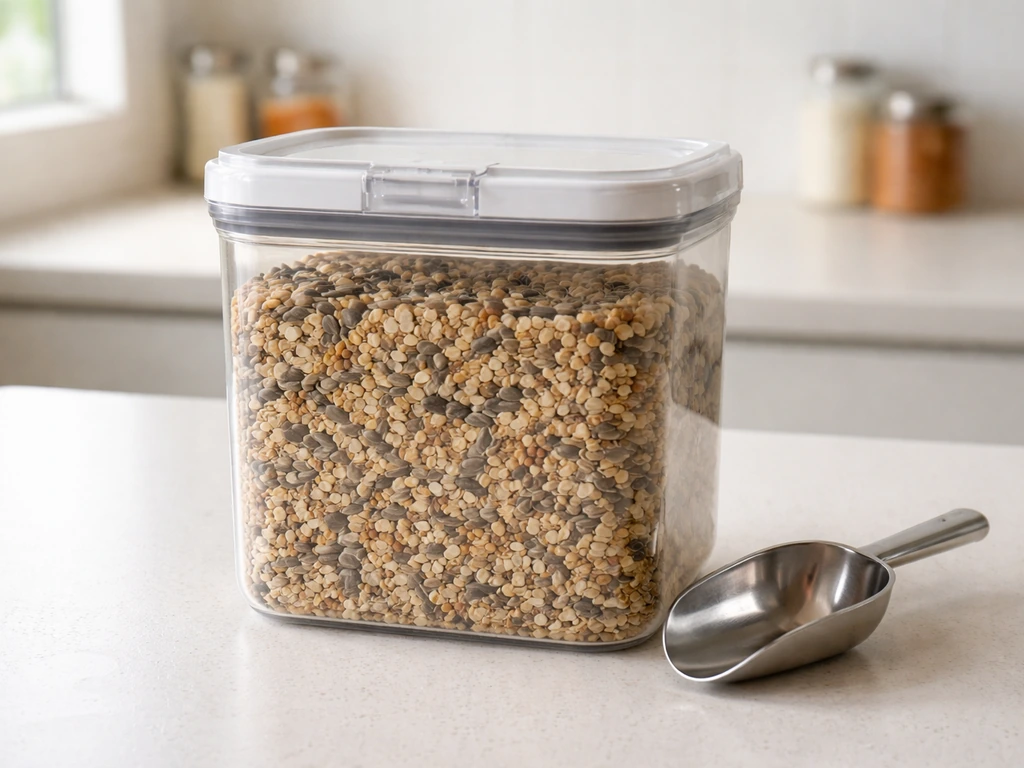
Moles do not eat bird seed. They are strict insectivores whose diet consists almost entirely of earthworms, grubs, beetles, slugs, snails, and other soil invertebrates. If your bird seed is disappearing, a mole is almost certainly not the reason. The more likely culprits are squirrels, rats, mice, voles, or even ground-foraging birds. That said, moles can still be part of your problem indirectly, and knowing the difference helps you fix the right thing.
Do Moles Eat Bird Seed? How to Identify and Stop It

Maya Collins
14 Apr 2026
What moles actually eat (and why bird seed isn't on the menu)
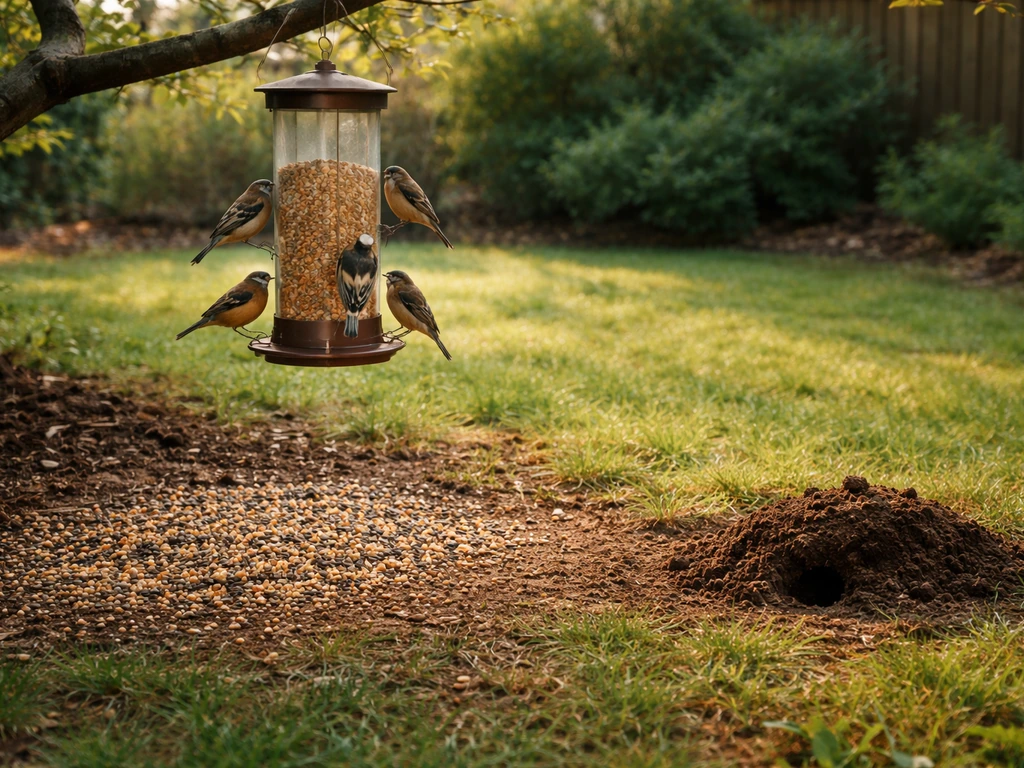
Every major extension program agrees on this: moles eat insects and worms, not plant matter or seeds. Earthworms make up the bulk of their diet, supplemented by grubs, beetle larvae, adult insects, slugs, and snails. This is so fundamental that poison peanut baits and grain-based poisons are documented as ineffective against moles, because moles simply won't eat them. UC ANR notes that worm-shaped gel baits exist specifically to mimic the food moles actually want. The point is hard to overstate: if you're worried about moles raiding your feeder, you can stop worrying. The seed itself isn't the attraction.
Moles are active around the clock, year-round. Their activity intensifies when soil is warm and moist, because that's when earthworms migrate just below the surface and become easy targets. In wet spring conditions especially, you'll see fresh surface tunneling as moles follow worm concentrations. None of that has anything to do with what's in your feeder.
How moles actually forage (underground, not at feeders)
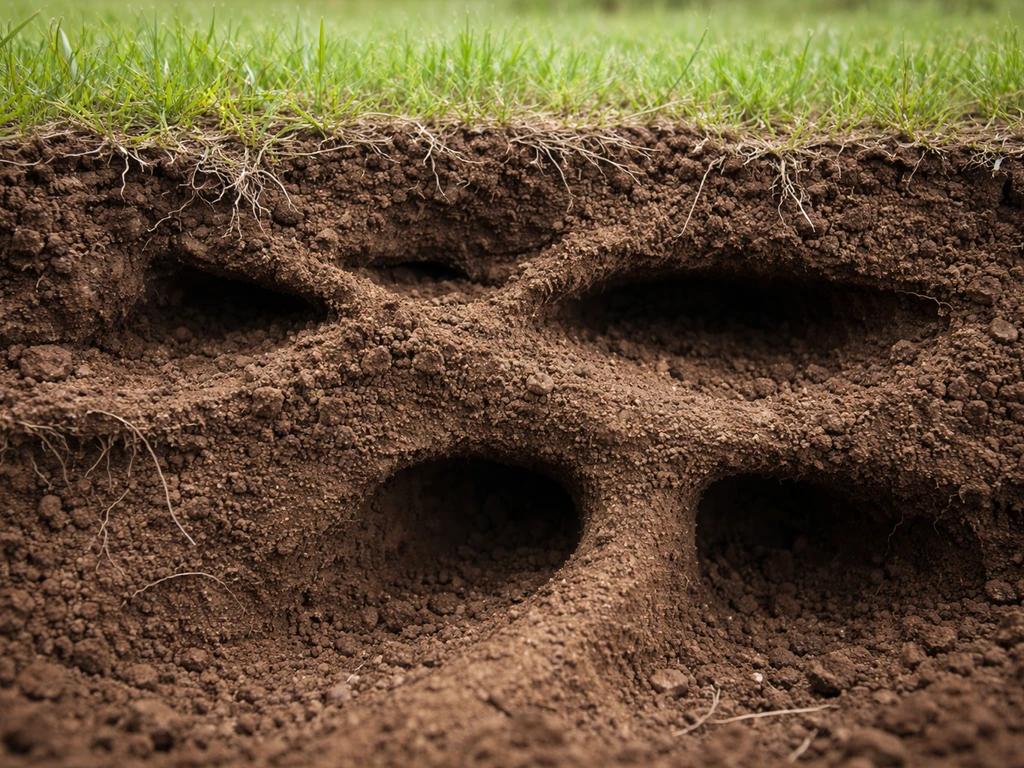
Moles spend nearly their entire lives underground. They create two kinds of tunnels: shallow foraging runs just below the surface where they chase earthworms, and deeper permanent tunnels that lead to nest cavities. The rounded soil mounds you see in the yard, molehills, are formed when moles push excavated dirt up through the center of the mound while digging those deeper tunnels. The mole itself almost never comes up to the surface.
This underground lifestyle is exactly why moles never reach your bird feeder. They aren't foraging above ground. They aren't even aware of the seed sitting on your lawn. Their sensory world is almost entirely below the soil surface, tracking vibrations and smells associated with worms and insects in loose, moist earth. If your yard has molehills or raised tunnel ridges, the mole is hunting invertebrates in the soil, not scoping out your seed.
Moles vs. the animals actually eating your seed
Here's where it gets easy to get confused. Moles dig tunnels, and other animals, especially mice and voles, move into those tunnels and use them as ready-made highways. So you can have mole tunnels in your yard and still have a separate seed-theft problem caused by the animals using those tunnels. Penn State Extension makes this exact point: plant and seed damage blamed on moles is usually caused by mice or voles living in mole-built burrows. The mole digs. The rodents move in and eat.
Telling the difference between mole activity and seed-eating pest activity isn't hard if you know what to look for. Voles eating bird seed is a genuinely common problem, and they often operate through the exact same tunnel systems moles build.
| Animal | Evidence in yard | Eats bird seed? | Active above ground? |
|---|---|---|---|
| Mole | Raised tunnel ridges, rounded molehills | No | Rarely |
| Vole | Shallow runways in grass, no mounds | Yes | Yes, often at dusk/dawn |
| Mouse/Rat | Droppings near feeder, chewed bags, burrows near structures | Yes | Mostly at night |
| Squirrel | Missing seed in bulk, chewed feeder parts, seed scattered wide | Yes | Daytime |
| Raccoon | Knocked-over feeders, scattered seed, feeder damage | Yes | Mostly at night |
| Ground-foraging birds (doves, sparrows) | Seed husks and debris on ground below feeder | Yes | Daytime |
If you're seeing molehills but no other signs, moles are almost certainly not eating your seed. If you're seeing droppings, chewed feeder parts, missing seed overnight, or disturbed ground near the feeder base, look at rodents first. Doves visiting your feeder and ground-foraging sparrows are another overlooked reason seed vanishes from the ground quickly, especially millet and milo.
What to do if moles are active in your yard (while seed is also disappearing)
If you have both mole tunnels and disappearing seed, treat them as two separate problems. For the seed loss, start with the practical feeder and hygiene fixes below. For the moles themselves, trapping is the most reliable method according to Kansas State University research. Repellents, vibrating stakes, and the various gadgets sold for mole control are inconsistent at best. Reducing the food supply by using targeted insect controls in your lawn can also reduce mole activity over time, since fewer earthworms and grubs mean less reason for moles to hunt that area.
For exclusion around specific garden beds or feeder areas, Missouri Department of Conservation recommends burying 24-inch sheet metal or hardware cloth to at least 12 inches deep. This keeps moles from tunneling into a defined area. It's real work to install, but it's a permanent physical fix that doesn't require ongoing maintenance once it's done.
Feeder and seed-handling changes that actually cut pest access
Get the feeder off the ground
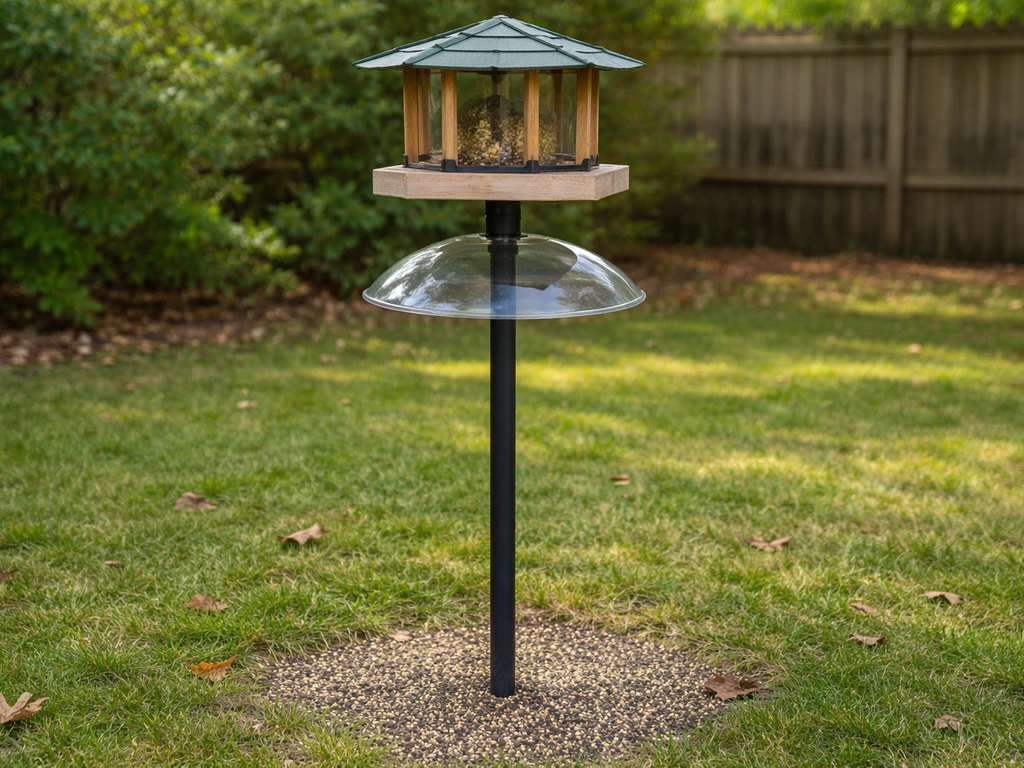
Ground-level seed is the single biggest invitation for rodents. Elevating your feeder on a pole with a baffle installed below the seed tray is the most effective way to block squirrels and climbing rodents. Audubon describes a baffled pole setup as getting "pretty darn close" to squirrel-proof. Use a smooth metal pole at least 5 feet tall and install the baffle at about 4 feet. Keep the feeder at least 10 feet away from any fence, tree, or surface a squirrel can jump from.
Reduce spilled seed on the ground
Spilled seed and seed hulls on the ground below your feeder are what actually attract rats and mice. King County Public Health is direct about this: bird seed on the ground attracts rats, and the solution is not leaving it there. Use a tray or catch basin under the feeder to collect spillage, and rake up the area every few days. K-State Extension recommends raking up spilled seed and hulls regularly to reduce the accumulation that draws rodents and causes mold. In early spring especially, Audubon recommends a thorough cleanup of any buildup that accumulated over winter.
Choose seed that leaves less waste
Sunflower seeds with shells, millet, and cracked corn all leave heavy hull debris. Switching to hulled sunflower (sunflower hearts/chips), nyjer in a sock feeder, or no-waste seed mixes produces significantly less ground debris. Less debris means less reason for rodents to linger below the feeder.
Keep seed dry and stored properly
Wet or sprouting seed in a tray is attractive to everything from rodents to insects. Project FeederWatch recommends cleaning feeders about once every two weeks under normal conditions, and more often in warm or wet weather. Project FeederWatch also recommends regular feeder cleaning and disinfection to help prevent the spread of disease among birds [Project FeederWatch recommends cleaning feeders about once every two weeks under normal conditions, and more often in warm or wet weather.
](https://feederwatch. org/blog/cleaning-preventing-disease/? replytocom=94716). Remove any moldy, damp, or clumped seed immediately.
Leftover hulls and droppings that build up on feeder trays can make birds sick, so cleaning isn't just about pest control. Store your seed supply in a sealed metal or hard plastic container indoors or in a garage, not in bags in a shed where rodents can easily chew in.
Prevention and exclusion: yard-level tactics
Physical barriers for high-risk areas
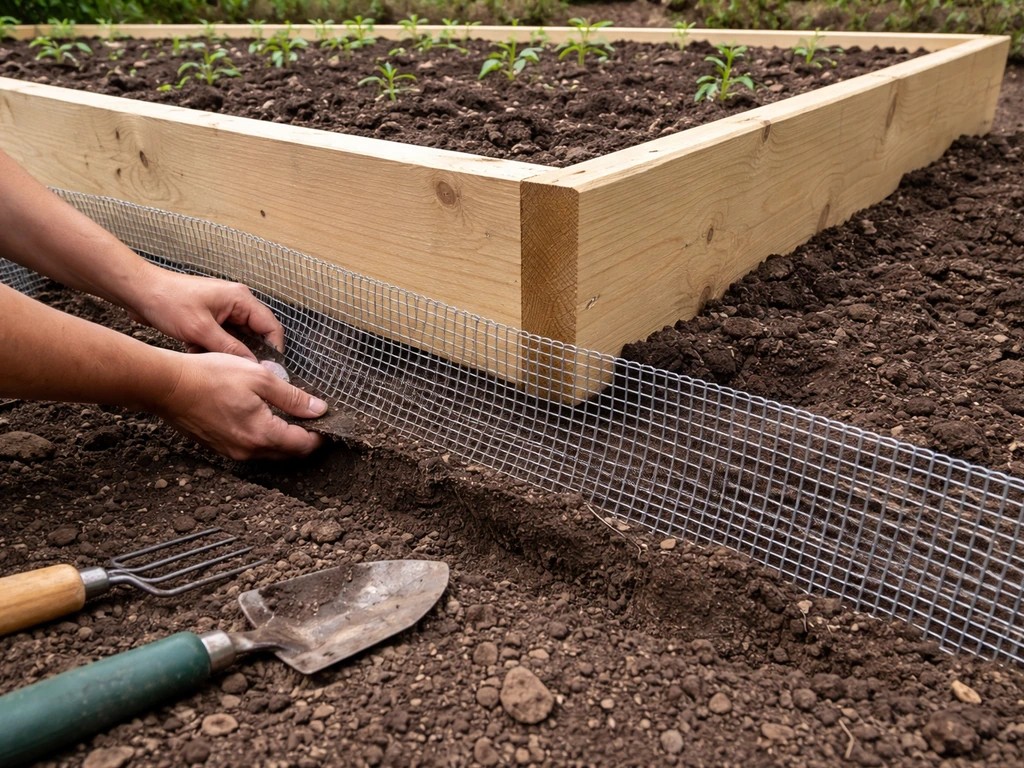
If you want to protect a specific feeder zone or garden bed from burrowing activity, the hardware cloth burial method from Missouri is your best permanent option. Bury hardware cloth (at least 1/4-inch mesh) vertically from ground level down to 12 inches, forming a perimeter around the area you want to protect. This stops both moles and voles from tunneling underneath. It also deters rats from establishing burrows directly under your feeder station. Water voles, which share overlapping habitat with common voles and moles in wetter yards and near water features, can also be deterred by this kind of buried barrier.
Reduce what's drawing them in the first place
- Rake up spilled seed and hull debris from under feeders at least twice a week, daily during warm wet weather.
- Use a seed tray with drainage holes under your feeder to catch spillage and prevent it from soaking into soil.
- Clean your feeder every two weeks with a 10% bleach solution, rinse thoroughly, and let it dry before refilling.
- Remove any uneaten wet or sprouted seed immediately, as it attracts slugs and other invertebrates that then attract moles.
- Store all bird seed in sealed metal containers to prevent rodent access to the supply itself.
- If you have active mole tunnels, consider applying a targeted grub control product to reduce the invertebrate food source and encourage moles to relocate.
A note on slugs, snails, and the broader pest picture
Moles eat slugs and snails, and those same organisms are also attracted to damp, decomposing seed debris on the ground. So if you're not cleaning up spilled seed, you may actually be building up a food source that keeps moles active in your immediate yard. It's a cascade: spilled seed rots, attracts slugs and invertebrates, and that keeps mole tunneling concentrated near your feeder area. Snails around bird feeders and slugs near seed debris are both signs that your cleanup routine needs tightening, regardless of whether moles are eating the seed itself.
Handling contaminated areas safely
If you've had rodents under your feeder, wear gloves when cleaning up droppings and debris. Wet the area with a disinfectant spray before sweeping to avoid kicking up dust. Bag contaminated seed and debris in a sealed plastic bag before disposal. Wash hands thoroughly after handling feeders, trays, or seed near any rodent evidence. Don't compost seed debris that may contain droppings.
Matching the fix to your specific situation
If your seed is disappearing from an elevated feeder overnight and you're also seeing molehills, the moles and the seed theft are almost certainly unrelated. Focus on the overnight thief, which is most likely a rat, mouse, or raccoon. If seed is vanishing from the ground during the day, check for roadrunners and other opportunistic ground foragers, as well as doves, sparrows, and squirrels. If you're in a dry, rocky, or desert-adjacent region, you may even have lizards investigating seed on the ground, though they're more interested in insects attracted to the area than the seed itself.
The bottom line is simple: moles are not eating your bird seed. But they may be sharing your yard with animals that are. Fix the hygiene, elevate the feeder, reduce ground spillage, and use physical barriers if you have persistent burrowing activity near your feeder zone. Those steps solve the seed theft regardless of what combination of wildlife you're dealing with.
FAQ
If moles do not eat bird seed, why do I sometimes see activity right under my feeder?
Moles may still tunnel nearby because your yard has earthworms and grubs in the same soil conditions, especially if it is moist. But the feeder itself is not the food source. If seed is missing, look for rodents or ground-foraging birds and check whether spillage and hull debris are accumulating around the feeder base.
Can a mole damage my feeder or chew through anything?
Moles are not typically ground-level chewers. If you find torn feeder parts, chewed wood, or disrupted tray hardware, treat that as a rodent sign. Moles rarely come up to the surface to interact with equipment, and their work looks more like underground tunneling with molehills and raised ridges.
How can I tell whether the tunnels are from moles or rodents like voles?
Moles usually leave distinct molehills and you may notice tunnel ridges that run just below the surface. Voles more often create closer-to-surface runs and can leave vegetation clipped or trails that stay low. If you see droppings near the feeder or along runways, that strongly points to rodents living in the tunnels rather than moles hunting for worms.
Does putting out “wildlife seed” or different seed types change whether moles visit?
Changing seed typically does not affect moles, since they eat invertebrates, not seeds. However, seed type does affect what attracts rodents and in turn changes the overall wildlife pressure. Hulled seed, seed hearts, and mixes with less hull waste reduce ground debris, which reduces rodent visits.
Will mothballs, ultrasonic devices, or vibrating stakes stop mole tunneling?
Results are inconsistent. If you need a reliable long-term solution, physical exclusion (hardware cloth or sheet metal buried deep around the target area) is more dependable than most deterrents. Also, make sure you are addressing the correct problem, because seed theft is often rodent activity even when molehills are present.
If I reduce insects in my yard, will it drive moles away quickly?
It may reduce mole activity over time because fewer grubs and earthworms means less food. But mole control is not immediate, and the benefit depends on your soil conditions and how long it takes for invertebrate populations to drop. For faster results near feeders or beds, combine sanitation and physical barriers with any lawn management changes.
What depth and material actually protects a garden bed from burrowing animals?
For a permanent barrier, buried material is key. Missouri’s approach in the article uses sheet metal or hardware cloth, installed down to at least 12 inches deep, and forming a perimeter. If voles are a concern at the same time, hardware cloth with small mesh is the more versatile choice because it blocks tunneling underneath.
I see molehills but my seed is still going missing. What should I do first?
Treat it as two separate problems. For seed loss, immediately fix feeder hygiene (use a catch tray, rake up hulls and spilled seed, clean more often during warm or wet periods) and upgrade the feeder setup with a baffle to block climbing rodents. For molehills, decide whether you need trapping or a localized buried barrier around the feeder zone or garden bed.
Are there times of day when rodents are most likely responsible for seed theft?
Often yes. If seed disappears overnight from an elevated feeder, common causes include rats, mice, or raccoons, since they can access the area under cover of darkness. If seed is gone during the day, it can point more toward active ground-foragers like squirrels, ground birds, or other wildlife. Use timing plus location (near the base vs. around ground patches) to narrow the culprit.
How do I clean up safely if I suspect rodents are visiting the feeder area?
Avoid dry sweeping. Wet the area with disinfectant before cleanup to reduce airborne dust, bag contaminated seed and debris in sealed plastic, and wear gloves. Do not compost any seed debris that may contain droppings, and wash hands thoroughly after handling trays, seed, or debris.
Next Article
How to Make Bird Seed Last Longer: Storage and Fixes
Learn how to make bird seed last longer with proper storage, humidity control, pest prevention, and fixing wet or moldy