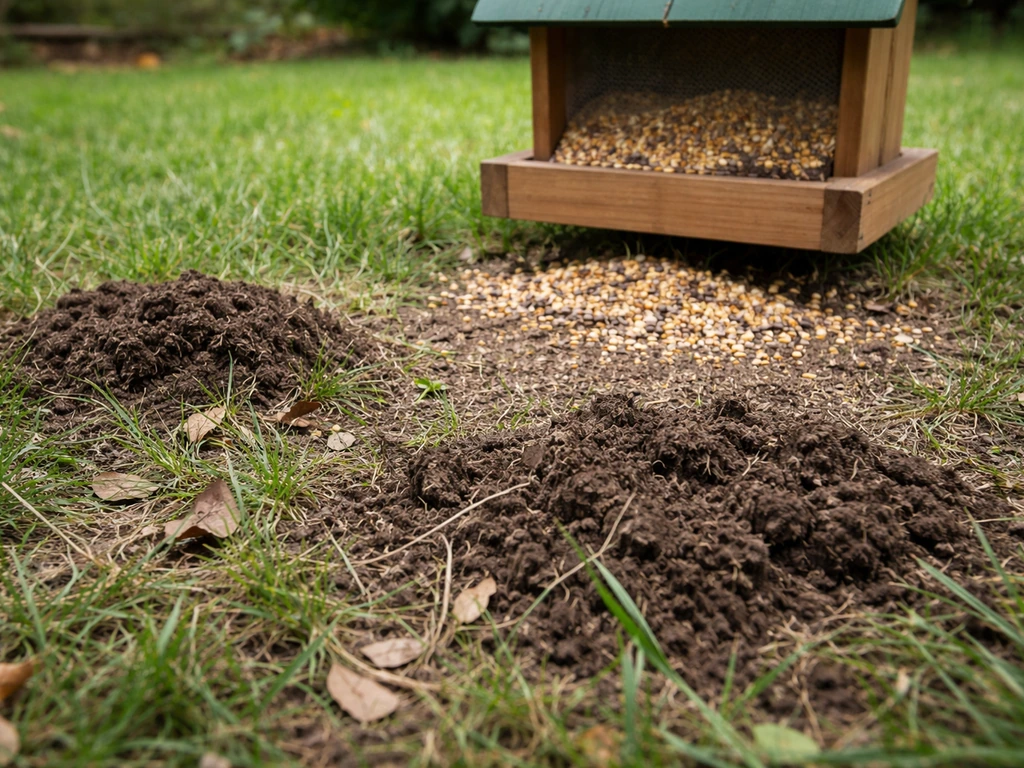
Purple martins do not eat bird seed. They are aerial insectivores, meaning they catch flying insects while in flight and have no interest in sunflower seeds, millet, or any standard backyard seed mix you put in a feeder or on a tray. If you're seeing birds at your seed setup and wondering if they're purple martins, they almost certainly aren't. Gophers also tend to create yard mix-ups by rooting around seed areas, so if you are wondering do gophers eat bird seed, that can be another reason the “seed” setup is getting disturbed lookalike. And if you're trying to attract purple martins, seed is not the tool for the job.
Do Purple Martins Eat Bird Seed? What to Feed Them

Maya Collins
16 May 2026
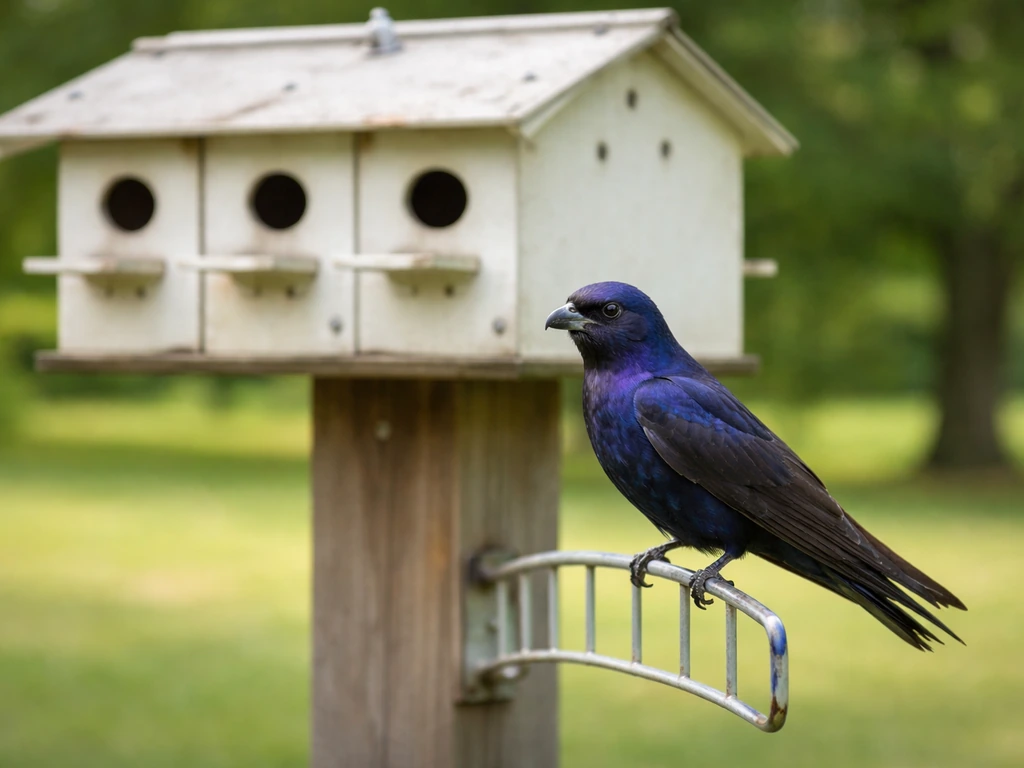
Purple martins vs bird seed: what they actually eat
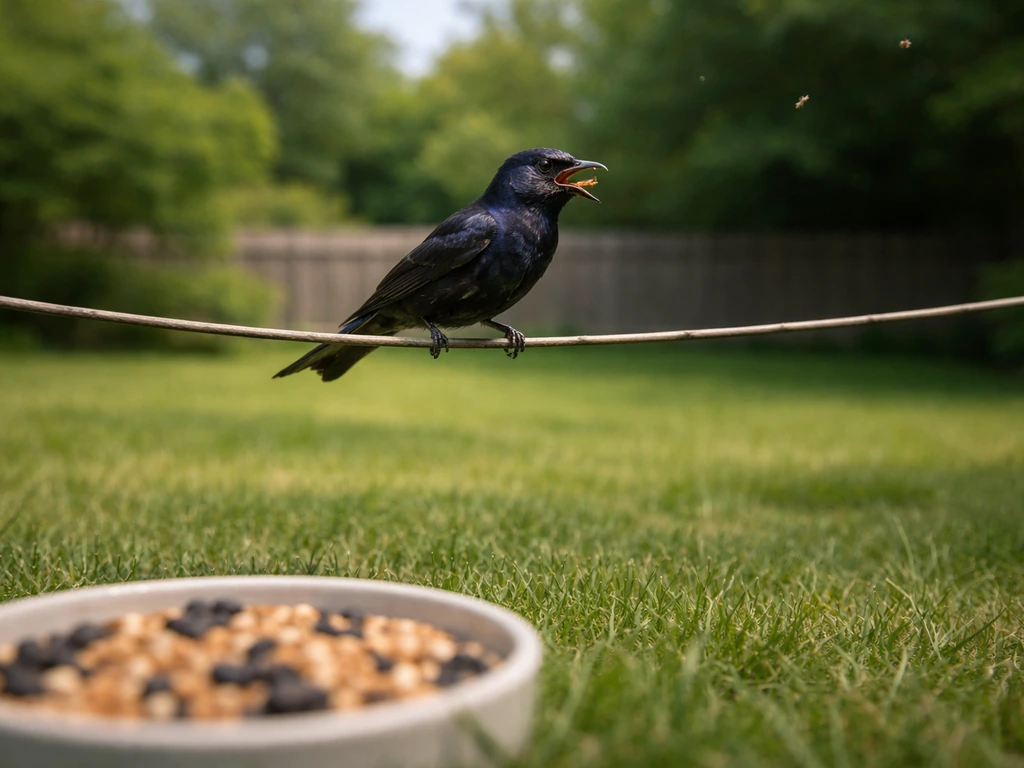
Purple martins are obligate insectivores year-round. Cornell Lab describes them as catching flying insects at high altitudes, often exceeding 150 feet off the ground and sometimes reaching 500 feet or more. One study found that winged social insects like ants, honey bees, and termites made up 88% of individual prey items and 45% of prey biomass in their diet. That's the kind of food they're built for: fast-moving, airborne, and caught on the wing.
Bird seed, by definition, is plant-based: sunflower, millet, safflower, nyjer, and similar seeds. None of these match what a purple martin eats or how it hunts. A martin doesn't perch at a feeder and pick through a pile of seed the way a finch or sparrow does. Its whole feeding strategy is aerial pursuit, which is about as different from seed-feeder behavior as you can get.
One popular myth worth busting here: purple martins do not eat 2,000 mosquitoes a day. Audubon addresses this directly and researchers at PMCA headquarters found zero mosquitoes in long-term diet studies. Mosquitoes fly too low and too slowly to make up a meaningful part of a martin's high-altitude diet. Martins eat what they encounter while flying fast at altitude, and that's mostly larger winged insects.
Will purple martins eat common backyard seed mixes? What you'll actually see
No, purple martins will not eat seed mixes, and they won't visit a feeder stocked with sunflower seeds, millet blends, suet, or nyjer. The Purple Martin Conservation Association (PMCA) is explicit that martins won't use a conventional bird feeder because their hunting behavior simply doesn't translate to perching and foraging at a static food source.
What this means practically: if you put out seed hoping to attract martins, you'll attract sparrows, finches, doves, and possibly starlings instead. Those birds will consume the seed, but martins won't interact with it at all. There's also the spillage and mold problem: seed left in a tray or on the ground attracts pests and can develop Aspergillus mold, which is harmful to wild birds and potentially to people with compromised immune systems. More on that in the cleanup section below.
How to tell if it's actually a purple martin at your feeder (and not a lookalike)
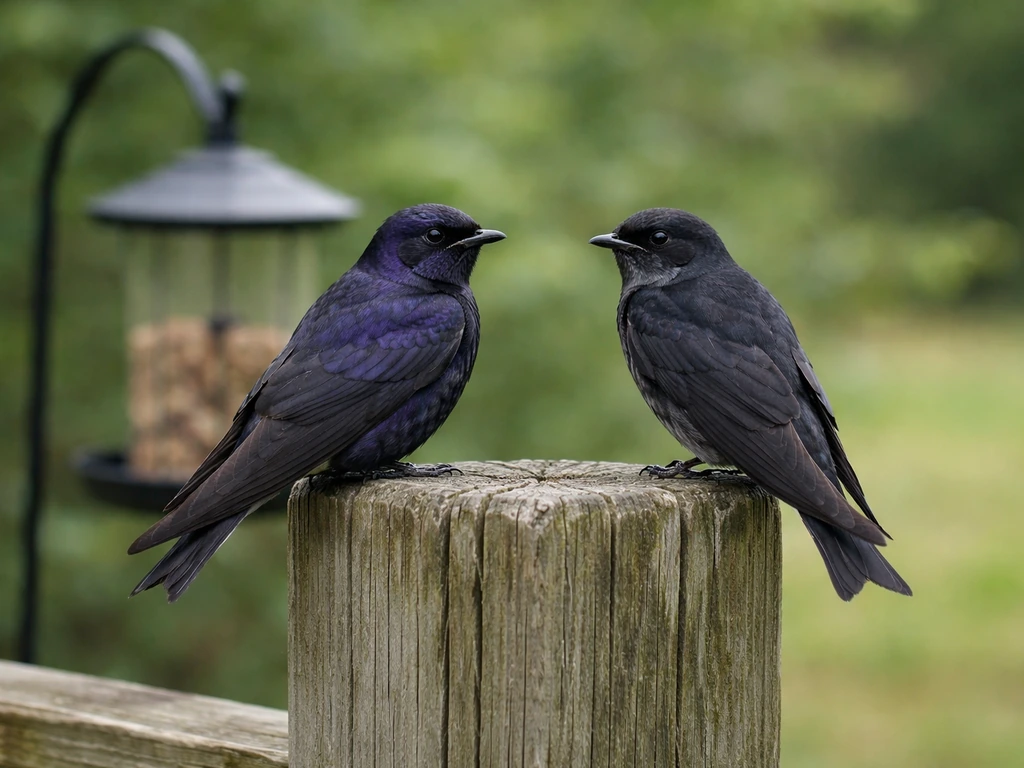
If you spotted a dark, swallow-like bird near your yard and wondered whether it was a purple martin, here's a quick way to sort it out. Martins almost never land at or near seed feeders. If you are wondering about other birds that might show up for seed, magpies and similar backyard birds have their own feeding preferences too. Their behavior is a strong first clue: if the bird is perching at a feeder or picking at seed on the ground, it is not a purple martin.
Here's a comparison of the most common lookalikes and how to tell them apart:
| Bird | Appearance | Feeder behavior | Feeds on seed? |
|---|---|---|---|
| Purple martin | Dark purple-blue (male), brownish-gray (female); large for a swallow; forked tail | Almost never at feeders; catches insects in flight at high altitude | No |
| European starling | Iridescent dark plumage; short, squared tail; yellow bill (spring/summer) | Aggressive at feeders; eats suet, seed mixes, and scraps | Yes |
| House sparrow | Brown/gray streaked; chunky; short bill | Frequent feeder visitor; perches and picks seed | Yes |
| Barn swallow | Rusty-orange throat; deeply forked tail; smaller than martin | Rarely at feeders; aerial insect hunter | No |
| Tree swallow | Iridescent blue-green above, white below; smaller than martin | Occasionally visits mealworm trays; not a seed eater | Rarely |
If you see a large, dark bird sweeping through the air at treetop level or higher and never landing at your feeder, that's a much better candidate for a purple martin. Listen for their distinctive rolling, gurgling calls, which are quite recognizable once you've heard them. Missouri DOC describes their flight style as acrobatic, which is a good shorthand: they wheel and glide and dive in ways that sparrows and starlings simply don't.
What to do instead of seed: how to actually attract purple martins
Since seed doesn't work, here's what does. Purple martins are cavity nesters that live in colonies, and attracting them requires a fundamentally different setup than a seed feeder. This is a habitat and housing problem, not a food-in-a-feeder problem.
Set up the right housing
Purple martins in North America east of the Rockies nest almost exclusively in human-provided housing, whether that's multi-compartment martin houses or clusters of artificial gourds. PMCA recommends placing housing on a pole in an open area at least 30 to 40 feet from trees and structures that could shelter predators. Install predator guards on the pole (the NC Purple Martin Society recommends this for all active martin housing) and make sure entrance holes are sized to exclude European starlings and house sparrows, which compete aggressively for cavities.
Supplemental feeding: insects, not seed
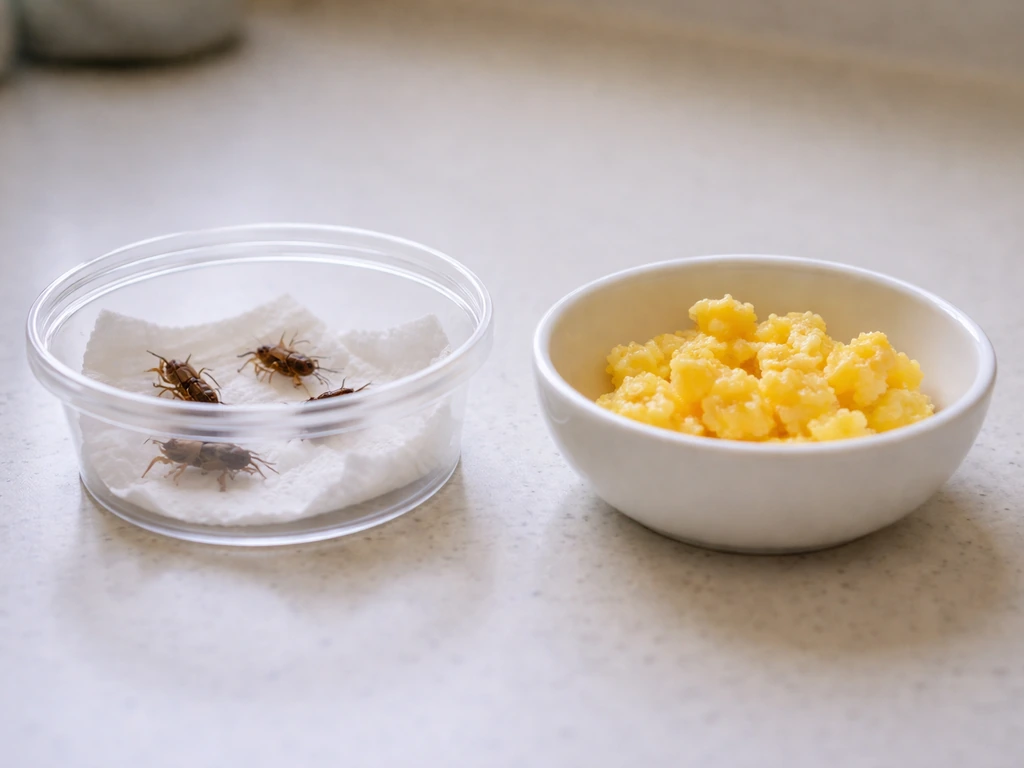
If you want to offer supplemental food, the PMCA recommends crickets, mealworms, or scrambled eggs. These match martin dietary needs and can be offered in two ways that better fit how martins eat: tossing them into the air near active birds, or placing them in a raised platform feeder positioned close to nesting cavities. Some experienced martin hosts place food directly inside nesting compartments during cold, rainy stretches when insects disappear. Missouri DOC notes that extended cold and wet weather can cause die-offs in martin colonies because aerial insects vanish, making this kind of emergency feeding genuinely important.
If you're just getting started and don't have a colony yet, focus on housing and location first. Supplemental feeding is mainly useful for established colonies during weather emergencies, not for drawing in new birds.
Site planning matters
PMCA's getting-started guidance suggests placing tree swallow and bluebird nest boxes 30 to 50 feet from martin housing to reduce competition while still supporting other cavity nesters. Think of your yard setup as a colony site, not just a feeder station. Open lawn area, proximity to water, and a clear flight path in and out are what make a location attractive to martins over time.
Troubleshooting: why martins aren't coming to your feeders or trays
If you've been trying to attract purple martins with food at a conventional feeder or tray and it isn't working, here are the most common reasons:
- You're using seed. Martins won't eat it. Switch to mealworms or crickets if you have an established colony and want to offer supplemental food during bad weather.
- Your housing isn't up yet. Without a colony site, there's nothing to draw martins to your yard regardless of what you offer.
- The feeder or tray is in the wrong spot. Martins feed at altitude and won't swoop down to a ground-level or low-hanging tray. A raised platform near nesting cavities is the only feeder approach that has any chance of working.
- Starlings or sparrows have taken over the housing. These species compete aggressively with martins for nest cavities. If they've moved in first, martins may avoid the site entirely. Monitor actively and evict non-target species during the early season.
- The weather is too warm and clear. During normal conditions martins have plenty of insects and won't need or use supplemental food. Supplemental feeding is mainly for cold snaps and sustained rain.
- You're not in martin territory or season. Purple martins migrate to South America each fall. If it's outside of roughly April through August (depending on your region), martins simply won't be present.
Seed safety and cleanup when martins (and everyone else) ignore it
Leaving seed out that doesn't get eaten is a real hygiene issue, not just a waste of money. Wet or damp seed is a breeding ground for Aspergillus mold, a fungal pathogen that can cause aspergillosis in wild birds. The Pennsylvania Game Commission specifically warns that feeders can be a source of aspergillosis exposure for wildlife, and the CDC notes that Aspergillus spores are a health concern for people with weakened immune systems or lung conditions too. California's Wildlife Health Lab has documented aspergillosis outbreaks at bird feeding stations.
If you've been putting out seed and it's sitting uneaten, here's how to handle it properly:
- Remove any wet, clumped, or visibly moldy seed immediately. Don't try to pick out moldy pieces and keep the rest. Mold spreads through spores that you can't see, so discard the whole batch.
- Scrub feeders and trays with a 10% bleach solution (one part bleach to nine parts water), rinse thoroughly, and let them air dry completely before refilling. Do this at least once a month in dry weather and more often in humid or rainy conditions.
- Sweep up spilled seed from the ground under feeders. Wet seed on the ground molds quickly and attracts rodents. A King County public health document specifically calls out birdseed spillage as a rodent attractant.
- Store unused seed in a sealed, airtight container in a cool, dry location. Moisture is what triggers mold and insect infestation in stored seed. A metal or hard plastic bin with a tight-fitting lid works best.
- Consider switching to no-waste seed options like hulled sunflower or shelled peanuts if you're feeding other backyard birds. These leave less debris and reduce the spillage that builds up under feeders.
- If you've had standing seed in a tray for more than a few days during wet weather, treat it as potentially contaminated and start fresh.
If you're finding that your seed is sitting around because you were hoping to attract martins and now want to redirect your setup, it's worth reassessing what you're actually trying to feed. Seed is the right tool for sparrows, finches, doves, and similar species. For martins, it never was. A cleaner, simpler feeder setup focused on the birds that actually want seed will reduce your mold and pest problems significantly while you build out the martin colony site separately.
One note for context: if you're also troubleshooting seed issues related to other wildlife visitors like groundhogs, chipmunks, or squirrels raiding your feeders, the cleanup and storage principles are the same. If you also wonder about other seed-stealing rodents like groundhogs, you might be asking the related question do woodchucks eat bird seed. Chipmunks generally eat a mix of seeds and nuts, so if bird seed is available they may raid feeders and trays. Groundhogs also do eat many types of bird seed, so seed-raiding mammals are another reason to rethink how you stock and manage feeders groundhogs eat bird seed. Spilled or accessible seed attracts everything in the neighborhood. Keeping things tidy is good practice no matter who's visiting your yard.
FAQ
If purple martins land near my feeder, does that mean they’re eating the seed?
Not necessarily. Martins are less likely than many backyard birds to land at seed setups, so if you see them briefly in the area, watch for actual foraging behavior. Martins should be catching insects in flight, and they will not habitually perch and pick through a seed pile like finches or sparrows do.
What kind of bird seed would attract purple martins, if any?
None. All common seed types (sunflower, millet, safflower, nyjer, blends) are plant-based and do not match the martin’s insect-focused diet or aerial hunting style. The only time you should be providing “food” for martins is supplemental insect-based offerings for established colonies during insect-scarce weather.
Are purple martins ever attracted to suet or seed cakes?
They generally won’t. Martins are cavity nesters that forage by catching flying insects, so feeders designed for perching and stationary food are a poor match. If suet is being used, it may pull in other birds, but it usually will not bring in martins.
If I toss mealworms or crickets near the house, will that bring purple martins without housing?
Food alone usually will not establish martins in a yard. Martins are drawn primarily to suitable cavity nesting housing and clear flight paths. Supplemental protein can help once a colony is already present, but it is not a reliable substitute for correct housing, placement, and predator safety.
How do I avoid attracting the wrong birds if I stop using seed?
Switch to a dedicated martin setup only. Remove seed feeders and minimize spilled seed, then focus on martin housing in an open area and, if needed, insect-based supplemental food targeted for established birds. This reduces the background competition from seed-eaters like sparrows and starlings.
Can I use ground dishes or trays for offering crickets or eggs to martins?
A tray is often the least effective method. Martins eat in ways that suit short, aerial foraging, so tossing insects into the air near active birds or using a raised platform feeder positioned close to nesting cavities is more aligned with their hunting behavior. Trays also increase the chance that other birds find the food first.
When should I provide supplemental food for purple martins?
Use it as an emergency support strategy, especially during extended cold, rainy, or unusually windy periods when aerial insects drop out. For beginners, the practical rule is to wait for a colony before relying on supplemental feeding, since it is most useful when natural prey is temporarily scarce.
Will spilled seed from my other feeders still be a problem if I’m not trying to attract martins?
Yes. Spilled or damp seed can increase mold (including Aspergillus risk) and attract pests and raiding mammals, which can create ongoing wildlife-health issues. Keeping seed contained and promptly cleaned up is beneficial even if martins are not part of your plan.
How can I tell purple martins apart from other dark swallow-like birds without using a feeder?
Look for behavior, not just appearance. Martins are more likely to be active high in the air and generally do not hover or perch at seed. Their rolling, gurgling calls and acrobatic flight pattern are strong cues, and they will typically be focused on aerial insect hunting rather than ground feeding.
What should I do with my existing seed feeder that isn’t getting eaten?
Stop stocking it for weeks to avoid repeated mold and pest buildup, then clean the feeder and surrounding area thoroughly. If you are transitioning to a martin-focused yard, redirect your effort to housing placement and, only if you already have martins, use insect-based supplemental feeding during weather-driven insect shortfalls.
Next Article
Do Gophers Eat Bird Seed? Signs and Fast Fixes
Do gophers eat bird seed? Learn signs, differentiate pests, and get quick fixes to protect feeders safely.