Yes, woodpeckers will eat bird seed, but with a catch: they are much more selective than most backyard birds. They are not going to tear into a standard mixed seed blend the way sparrows or finches do. What actually draws woodpeckers to feeders is a short list of high-fat, high-protein foods, and if you are not offering those specifically, you might wait a long time for a visit. The good news is that with the right setup, woodpeckers are very reliable feeder visitors and they will come back day after day once they discover a reliable food source.
Do Woodpeckers Eat Bird Seed? What to Offer and Why

Maya Collins
5 Apr 2026
What woodpeckers actually eat at feeders
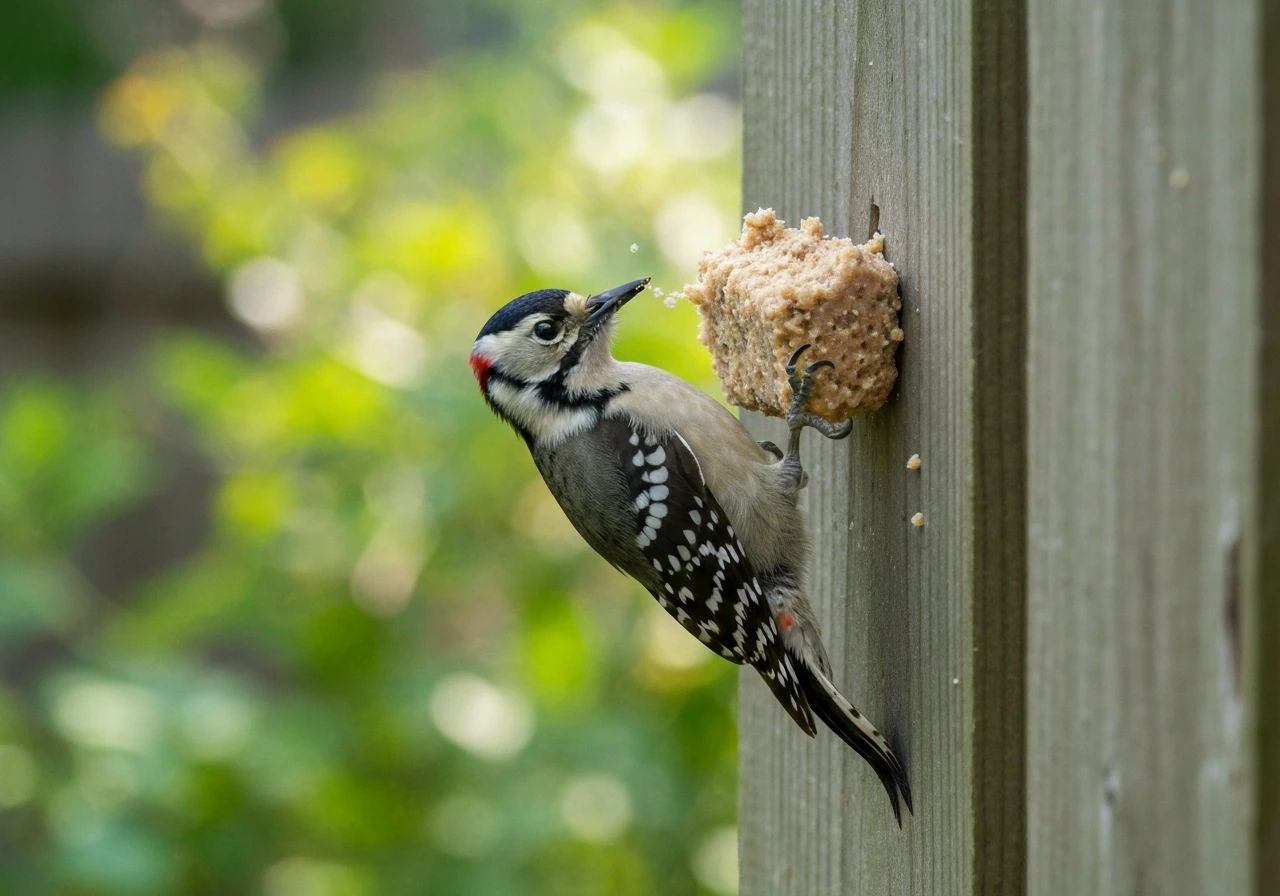
Woodpeckers are primarily insectivores. Out in the wild they are drilling into bark to extract beetle larvae, carpenter ants, and other insects. That is their default, and it is nutritionally what they are built for. So when a woodpecker shows up at a feeder, they are not looking for millet, safflower, or the standard songbird mix. They are looking for the closest thing to what they eat in the bark: fat and protein.
The three offerings that consistently attract woodpeckers are suet, shelled peanuts, and black-oil sunflower seed. Suet is the standout, recommended by the Valley Forge Audubon Society and Cornell Lab's All About Birds specifically because it mimics the caloric density of insect grubs. Shelled peanuts are a close second. Black-oil sunflower seed works too, especially when it is offered in a place where a woodpecker can cling and hammer at it, rather than perching on a flat tray alongside other birds.
One myth worth busting here: most commercial "wild bird" seed mixes are not effective woodpecker attractants. They are typically loaded with milo, millet, and cracked corn, none of which woodpeckers show strong interest in. If you buy a bag of generic mixed seed hoping woodpeckers will show up, you will mostly attract ground feeders like sparrows, doves, and juncos. That is fine if that is your goal, but it will not do much for woodpeckers.
How to tell if woodpeckers are actually visiting
Woodpeckers are not always subtle, but they can be easy to miss if you are not watching the right things. Here are the clearest signs they are around and eating:
- Suet cakes disappearing faster than usual, especially with distinctive beak-gouge marks left in the suet rather than the smooth, rounded peck marks from smaller birds
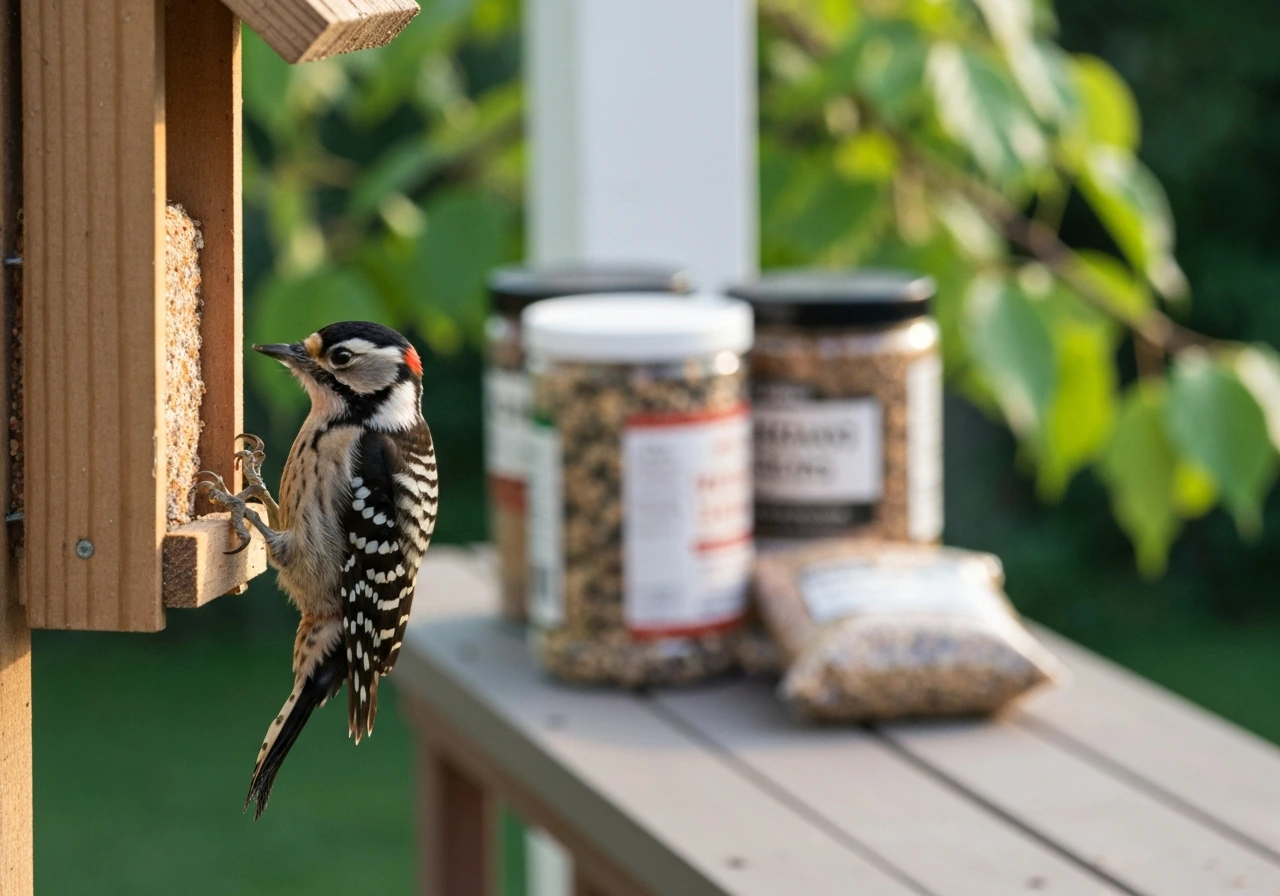
- A woodpecker clinging vertically to a suet cage or hanging feeder, bracing its stiff tail feathers against the wire for support (this is a dead giveaway, no other common backyard bird feeds this way)
- Rapid, loud tapping near the feeder (they will sometimes drum on nearby wood or metal, not just on trees)
- Peanut shell fragments on the ground directly below a feeder, with the shells split cleanly rather than crushed
- Sunflower seed hulls left in an unusual pattern, often wedged into bark or a feeder crevice where the bird braced the seed to crack it open
Woodpeckers also tend to visit at predictable times. Early morning and late afternoon are most common, and they often follow a circuit of reliable food sources. If you see one once, check at the same time the next day before changing anything.
Feeder and setup tweaks that actually work
Pick the right feeder style
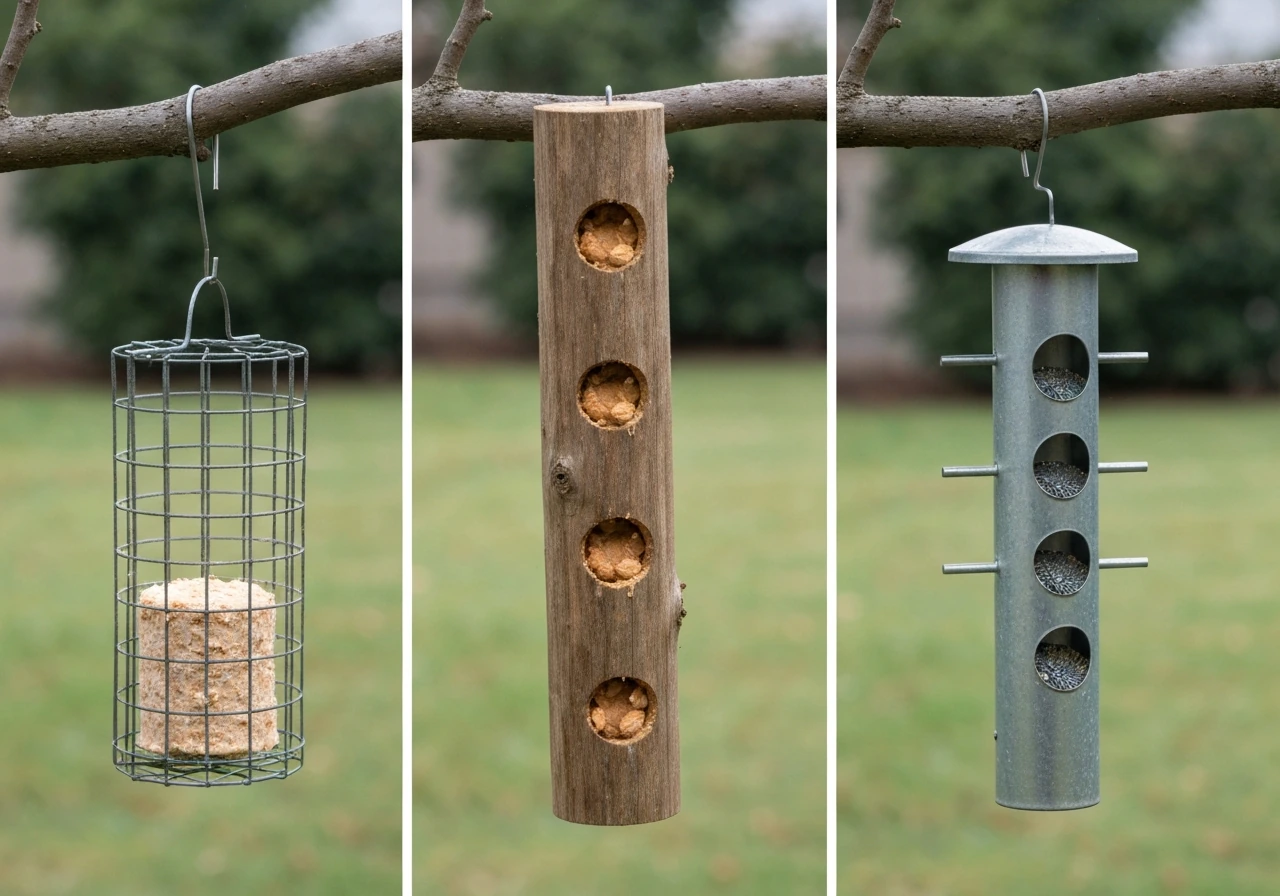
Woodpeckers need to cling, not perch. A flat platform tray is not their preference. What works: a wire suet cage, a log feeder drilled with peanut-butter-filled holes, or a tube feeder with a clinging-style perch that allows vertical grip. Suet cages are the cheapest and most reliable option. Get one with a tail prop extension (a longer bottom panel) so larger woodpeckers like Pileated or Northern Flicker can brace themselves while feeding.
Placement matters more than most people realize
Mount suet feeders on or close to a tree trunk, ideally within 3 to 6 feet of the trunk. Woodpeckers are tree birds and they are more confident approaching a feeder that is near or attached to bark. Hanging a suet cage on a shepherds hook in the middle of an open yard works, but you will get faster results if the feeder is against a tree or fence post. Keep the feeder at least 10 to 15 feet from heavy foot traffic and away from windows if you can, since woodpeckers are shyer than sparrows about close human presence.
Watch out for hot weather suet problems
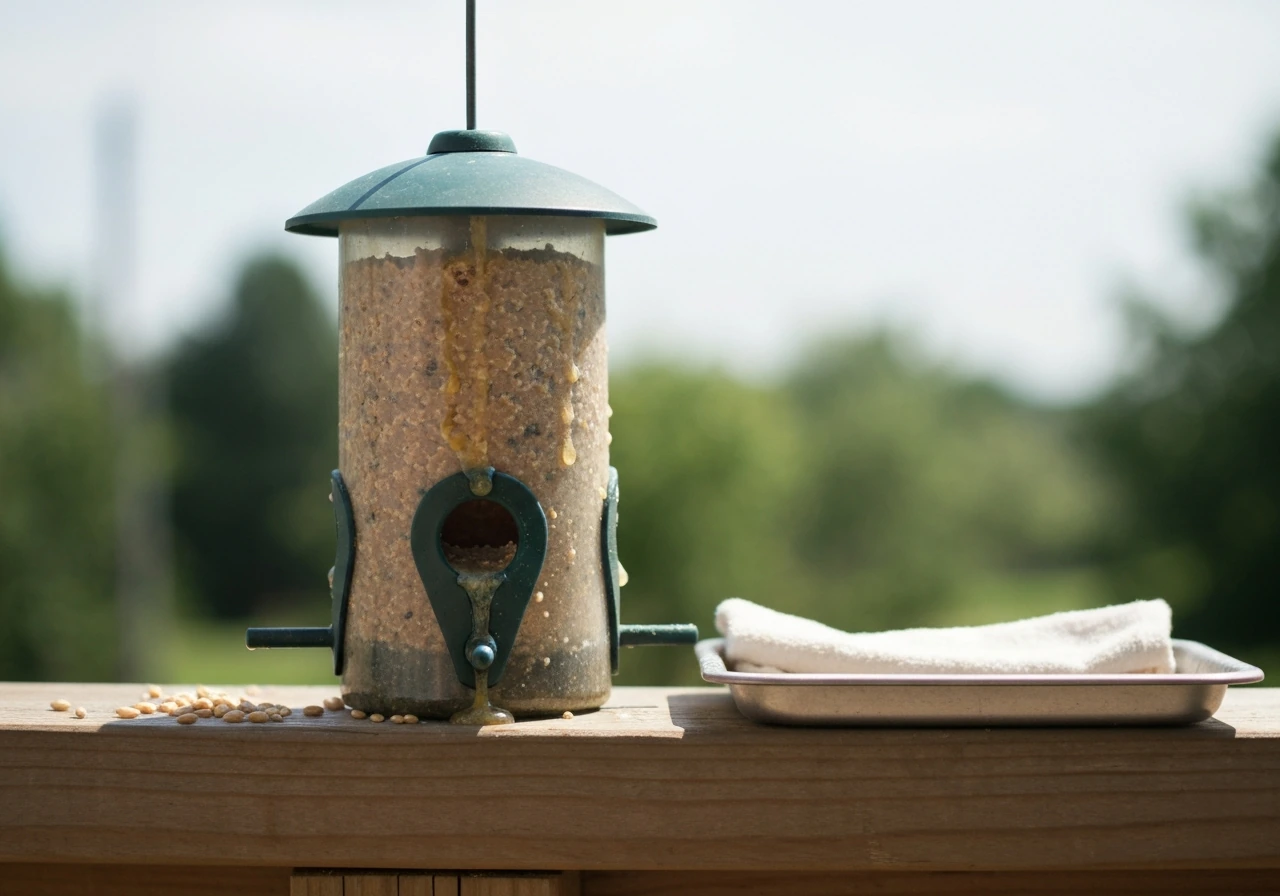
Audubon specifically warns against offering suet in hot weather because it can turn rancid quickly, and melted, dripping fat can mat and damage a bird's feathers. If your daytime temperatures are consistently above 80 to 85°F (around 27 to 30°C), switch to no-melt suet cakes (they are made with rendered fat and cornmeal binders that hold up better in heat), or shift to offering shelled peanuts during summer months instead. In colder climates, standard suet is ideal from late fall through early spring and is especially valuable when insects are scarce. This is when woodpeckers rely most heavily on feeder food.
A quick comparison of the top woodpecker offerings
| Food | Woodpecker Appeal | Best Season | Main Downside |
|---|---|---|---|
| Standard suet cake | Very high | Fall through spring | Goes rancid above 85°F |
| No-melt suet cake | High | Year-round | Costs more than standard suet |
| Shelled peanuts | High | Year-round | Can attract squirrels quickly |
| Black-oil sunflower seed | Moderate | Year-round | Less appealing than suet or peanuts |
| Generic mixed seed blend | Low | Year-round | Mostly ignored by woodpeckers |
| Peanut butter (in log holes) | Very high | Year-round | Needs frequent refilling |
Troubleshooting when woodpeckers won't eat the seed
If you have set up a suet feeder or peanut offering and woodpeckers are not biting, run through this checklist before giving up:
- Check the suet for rancidity: if it smells sour or looks greasy and melted, replace it immediately. Woodpeckers will avoid spoiled food.
- Move the feeder closer to a tree: if the feeder is too exposed in open yard space, try relocating it within a few feet of tree bark.
- Reduce competition: starlings and aggressive species will dominate suet cages. Try an upside-down suet feeder, which forces birds to cling from below. Woodpeckers handle this easily; most starlings cannot.
- Add visual cues: tying a short piece of natural bark or a small log near the feeder can make the area feel more familiar to woodpeckers.
- Be patient with timing: if local insect availability is high (late spring to midsummer), woodpeckers have less reason to visit feeders. Visitation typically picks up in fall when insects become harder to find.
- Try a different food: if suet is not working, shift to shelled peanuts in a mesh feeder or smear peanut butter into bark crevices near the feeder.
- Check for mold or wet seed nearby: if other feeders in the yard have moldy or wet seed, it can signal an unhealthy feeding station overall and may deter woodpeckers. Clean everything up before troubleshooting further.
Regional note: if you are in the southeastern United States, Red-bellied Woodpeckers are especially reliable feeder visitors year-round. In the Pacific Northwest, look for Downy and Hairy Woodpeckers. In areas with mature forest nearby, you have a much better chance than in newer suburban neighborhoods with few large trees.
Keeping seed and suet clean and safe
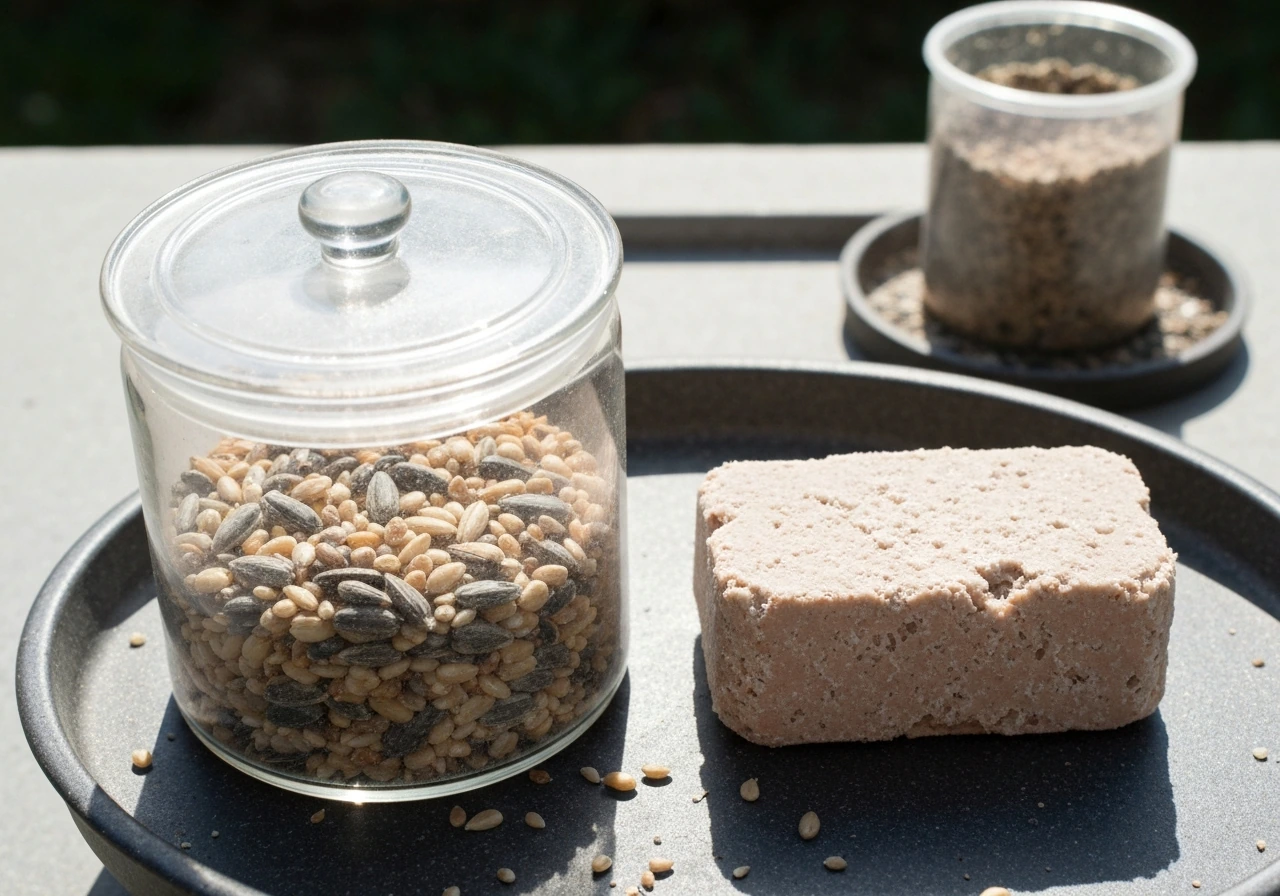
This part gets overlooked, but it is essential. Project FeederWatch research shows that birds can become ill from moldy seed and from droppings accumulating on feeder trays, so good hygiene is not just about aesthetics. It is about keeping woodpeckers (and every other visitor) healthy and coming back.
For suet, replace the cake whenever it looks discolored, slimy, or has an off smell, which in warm weather can happen in as little as 3 to 5 days. Wipe down the suet cage weekly with a 9:1 water-to-bleach solution, rinse thoroughly, and let it dry before reloading. For peanut feeders and seed tubes, do a full scrub every 1 to 2 weeks. Dump out any wet or clumped seed immediately. Wet seed molds within 24 to 48 hours in humid conditions, and once mold sets in, the seed needs to go in the trash, not back in the feeder.
Ground cleanup matters too. Seed hulls, suet droppings, and uneaten bits pile up under feeders and attract rodents and insects. Rake or sweep the area under feeders every few days. If you notice a lot of buildup, lay a seed tray or a piece of hardware cloth under the feeder to catch debris and make cleanup easier. Just like you would think about whether groundhogs are getting into the spilled seed under your feeders, the same ground-level mess can attract unwanted visitors if left unmanaged.
Humidity and climate affect how fast things go bad. In the Southeast and Gulf Coast, seed can mold in as little as 24 hours during summer. In drier western climates, you have more margin. Adjust your cleaning schedule to your local conditions rather than following a generic calendar.
If you want fewer woodpecker visits, not more
Not everyone wants woodpeckers in the yard. They can be loud, they sometimes drum on gutters, siding, or fascia boards (especially in spring), and they can dominate feeders in ways that push out smaller birds. If that describes your situation, here is how to reduce their visits without harming them:
- Remove suet and shelled peanuts from your feeders entirely and switch to a seed mix that focuses on millet and safflower, which woodpeckers largely ignore
- Switch to enclosed tube feeders with small perches that physically cannot accommodate larger woodpeckers
- Relocate feeders away from trees and structures, since woodpeckers are less confident in open areas
- If drumming on your house is the main issue, hang visual deterrents like reflective tape or pinwheels near the drumming spot during breeding season (typically March through June)
It is also worth thinking about who else is visiting your seed station when you reconfigure things. Backyard feeders often attract a whole cast of characters, and changing your seed mix or feeder placement shifts the whole ecosystem. For example, if you are wondering whether chipmunks are raiding your bird seed at the same time as woodpeckers are visiting, that is a separate management question but often tied to the same ground-spill issue.
Some birds that look similar to woodpeckers in their behavior (clinging, probing) actually have very different dietary needs. Magpies, for instance, will eat bird seed but are opportunistic omnivores, not true bark foragers, so what attracts them is not the same as what brings in woodpeckers. Knowing which species you are dealing with helps you target your setup correctly.
If you have a yard with a more diverse wildlife mix, it is useful to understand the full picture. Questions like whether gophers are eating your bird seed below ground level, or whether woodchucks are getting into your seed supply, are the kinds of troubleshooting issues that pop up alongside woodpecker management, especially once you start leaving suet and peanuts out regularly.
One last note for anyone keeping pet birds or small animals at home: if you are repurposing leftover backyard bird seed for pets, check the ingredients carefully. What works for woodpeckers and wild birds is not always appropriate for household animals. Whether gerbils can safely eat bird seed is a different question than whether woodpeckers will, and the answer is not automatic.
Not every bird that visits your yard eats seed at all, which is a useful reminder when you are trying to attract or deter specific species. Purple martins, for example, do not eat bird seed under any circumstances, since they are aerial insectivores. Woodpeckers sit somewhere in the middle: they are primarily insectivores, but they will reliably use feeders with the right offerings. Project FeederWatch also notes that blank" rel="noopener noreferrer">suet is a good choice for attracting insect-eating birds. That is what makes them one of the more rewarding feeder birds to attract once you get the setup right.
If your local wildlife mix includes burrowing animals or critters that raid stored seed, it is also smart to check whether hedgehogs are eating bird seed that has fallen to the ground near your feeders. Ground-level seed attracts a wide range of animals, and keeping that controlled is part of running a clean, woodpecker-friendly feeding station.
FAQ
Can I use my existing mixed “wild bird” seed to attract woodpeckers?
Usually not if your goal is woodpeckers specifically. They may peck at individual pieces in a mixed blend, but they typically ignore milo, millet, and cracked corn. If you want to convert a feeder without buying new equipment, swap to black-oil sunflower, shelled peanuts, or suet, and keep mixed seed limited to what you offer other birds.
How long should I wait for woodpeckers to show up after I change the seed?
Start small and watch for the feeding style you want. Offer suet or peanuts in a cage or holder that lets the woodpecker cling (vertical grip), and place it near a trunk or fence. If you still get no visits after about 1 week of consistent offering and times, it is usually the food type or placement, not the species “not liking your yard.”
Do woodpeckers only visit when they are drumming?
Yes. Woodpeckers can feed on fat or protein items even when they are not drumming, but you can reduce missed opportunities by checking early morning and late afternoon and keeping the feeder at the same location. Also, avoid frequent repositioning, because they learn patterns and often return to reliable spots.
What feeder setup works best for larger woodpeckers like Pileated or Northern Flicker?
Don’t assume the biggest bird is always the one you are feeding. Northern Flickers and Pileated woodpeckers often need bracing space, so choose suet cages with a longer bottom panel and a sturdy design that supports larger feet. Smaller species may still use the feeder, but a “small” cage can limit who can access it.
How do I stop ground spill from ruining the feeder area for woodpeckers?
If you have lots of falling seed, you are likely attracting rodents and birds that you did not plan for, and woodpeckers may feel less comfortable. Use a catch tray or rake/sweep routine, reduce spill by switching to a clinging perch or seed tube, and keep the feeder away from areas with constant foot traffic.
If woodpeckers eat bird seed, which kind actually works in a tray feeder?
It depends on what you mean by “seed.” Woodpeckers are more reliable with black-oil sunflower seed, but regular tray-style feeding with mixed seed often mainly draws ground feeders. If you do offer sunflower seed, use a setup that allows gripping and hammering (like a tube or clinging-style feeder) so the woodpecker can feed comfortably.
What should I do if suet melts or the weather is very hot?
Avoid offering suet that has melted, pooled, or smells off, and in warm conditions switch to no-melt suet cakes. If temperatures are high and you see dripping fat or greasy matting on the cage, pause suet temporarily and use shelled peanuts during that stretch until it is safe again.
My woodpecker seems to look at the feeder but won’t feed. What could be wrong?
If you are getting woodpecker visits but no real “eating,” it is often because the feeder is too exposed or too far from bark-like surfaces. Move the feeder closer to a tree trunk or fence post (still with some distance from busy human areas), and confirm you are using a holder that supports clinging rather than only perching.
Can I salvage seed that looks a little clumped or smells stale?
Yes, and it can be a health issue. Clean moldy seed and discard it, do not just rinse it. Keep a consistent scrub schedule for peanut and seed tube feeders, and do quick checks in humid seasons because clumping and mold can start within a day.
Does drumming mean I’m doing something wrong with my bird feeder?
They may be trying to access the food source, not the “seed” itself. Woodpeckers sometimes drum on hard surfaces like gutters or siding during seasonal behavior, and the loudness can be mistaken for a sign that they dislike the feeder. If the feeder is working and they are present at feeding times, the drumming may be normal activity rather than a problem.
How can I discourage woodpeckers without removing all birds from my yard?
Sometimes, especially if you are aiming to reduce woodpeckers. Instead of removing all high-fat foods, you can reduce access by switching from suet to a food that other birds prefer less, using a feeder placement farther from trunks, or changing to a feeder style that is harder for woodpeckers to cling to. Keep in mind this will also reduce other birds that use the same station.
Next Article
How to Make Bird Seed Last Longer: Storage and Fixes
Learn how to make bird seed last longer with proper storage, humidity control, pest prevention, and fixing wet or moldy