Yes, gophers will eat bird seed if it ends up within their reach, but they are not the most likely culprit raiding your feeder. Pocket gophers are burrowing herbivores that [eat roots, tubers, bulbs, grasses, and seeds](https://extension. usu. edu/pests/ipm/ornamental-pest-guide/vertebrates/pocket-gophers.
Do Gophers Eat Bird Seed? Signs and Fast Fixes

Maya Collins
12 May 2026
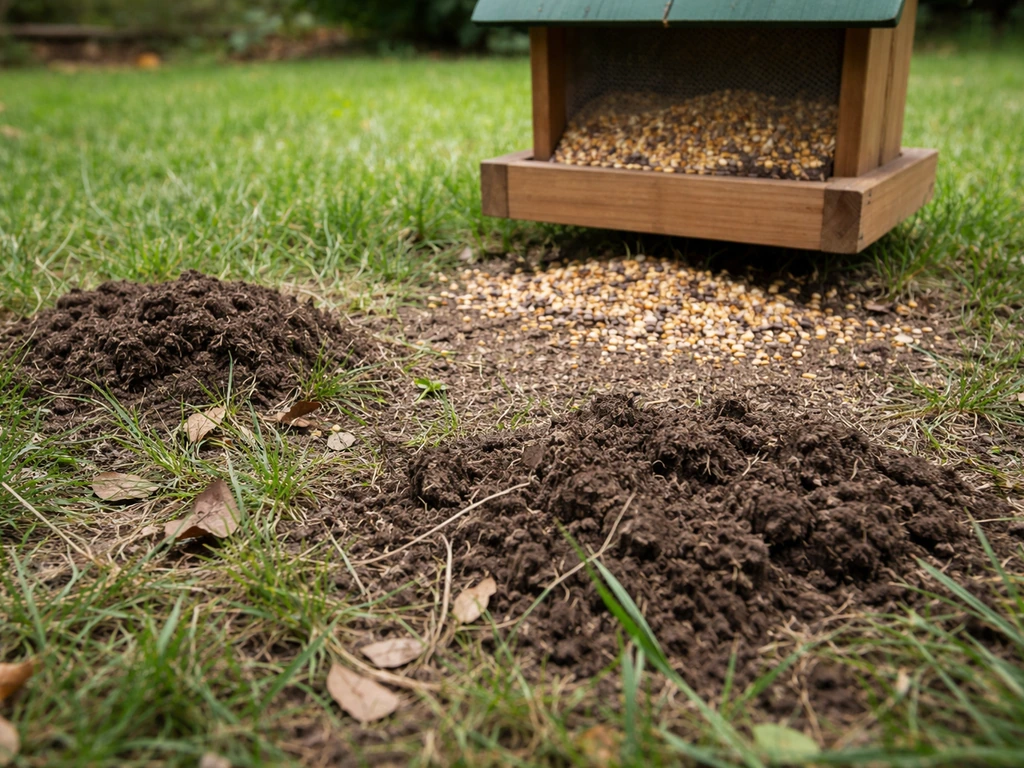
php) they encounter underground or near tunnel openings. If spilled seed works its way into the soil near a feeder, or a gopher tunnel runs beneath a feeding area, they will absolutely take it. The real question is whether you actually have gophers or whether something else like voles, rats, squirrels, or raccoons is stealing your seed.
Pocket gophers can also raid seed from the ground, so locking down spilled bird seed helps prevent them from getting access something else like voles, rats, squirrels, or raccoons.
Do gophers actually eat bird seed, and what do they prefer?
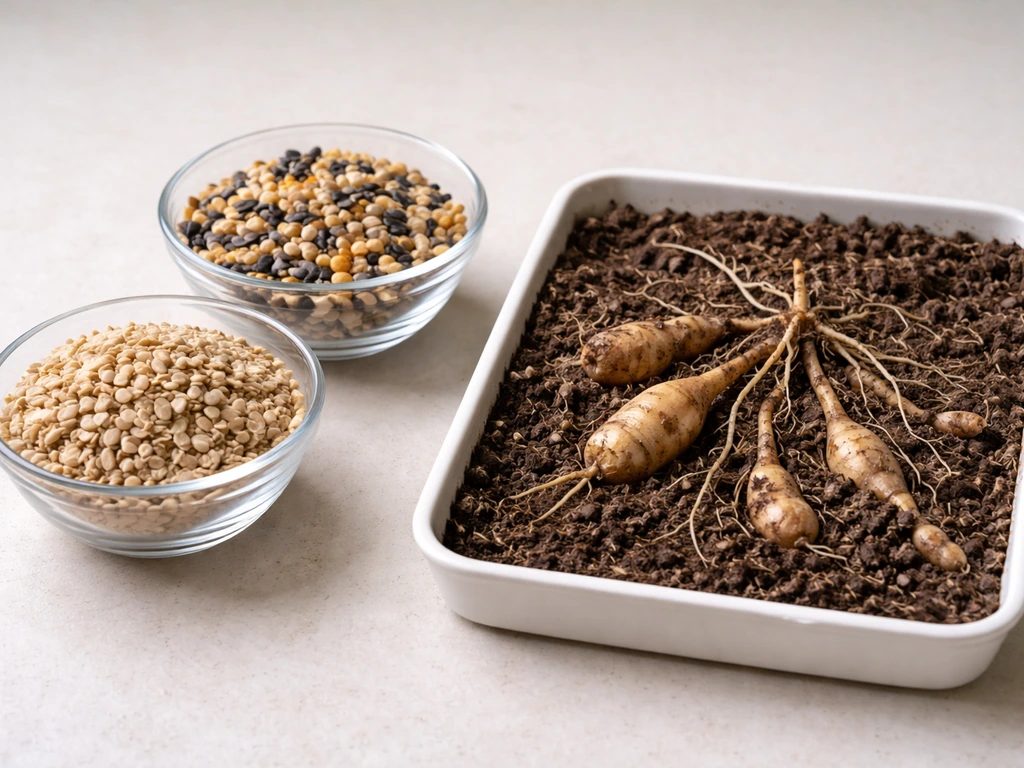
Pocket gophers are strict herbivores. Their preferred foods are underground plant parts: roots, corms, rhizomes, and tubers. They also eat stems and green vegetation, and seeds and grains are documented as part of their diet by multiple university extension programs. Pocket gophers also eat seeds, along with leaves, tender stems, tubers, and bulbs, according to OSU Extension eat seeds as part of their diet. The University of Idaho Extension specifically lists seeds among the edible plant materials pocket gophers consume. Animal Diversity Web confirms seeds, grains, and nuts appear in the northern pocket gopher's dietary record.
So bird seed is fair game for them, but they rarely target feeders directly the way squirrels or raccoons do. Their strategy is different: they stay underground, pull plant material down into their burrows, and forage close to tunnel exits. Spilled millet, sunflower seeds, or cracked corn that lands on the ground and gets pressed into soft soil near a feeder is exactly the kind of accessible seed a gopher might encounter and cache. They are also attracted to the vegetation and lawn roots that tend to grow lush under a well-used feeder.
Is it gophers or something else stealing your seed?
This is where most backyard bird watchers get confused. Several animals steal seed from the ground near feeders, and gophers are actually one of the harder ones to spot because they rarely come to the surface. On Reddit, pest control discussions commonly use the hole off-center equals gopher versus hole in center equals mole distinction to identify mounds hole off-center vs hole in center. Use these signs to narrow it down before you do anything else.
Signs it's pocket gophers
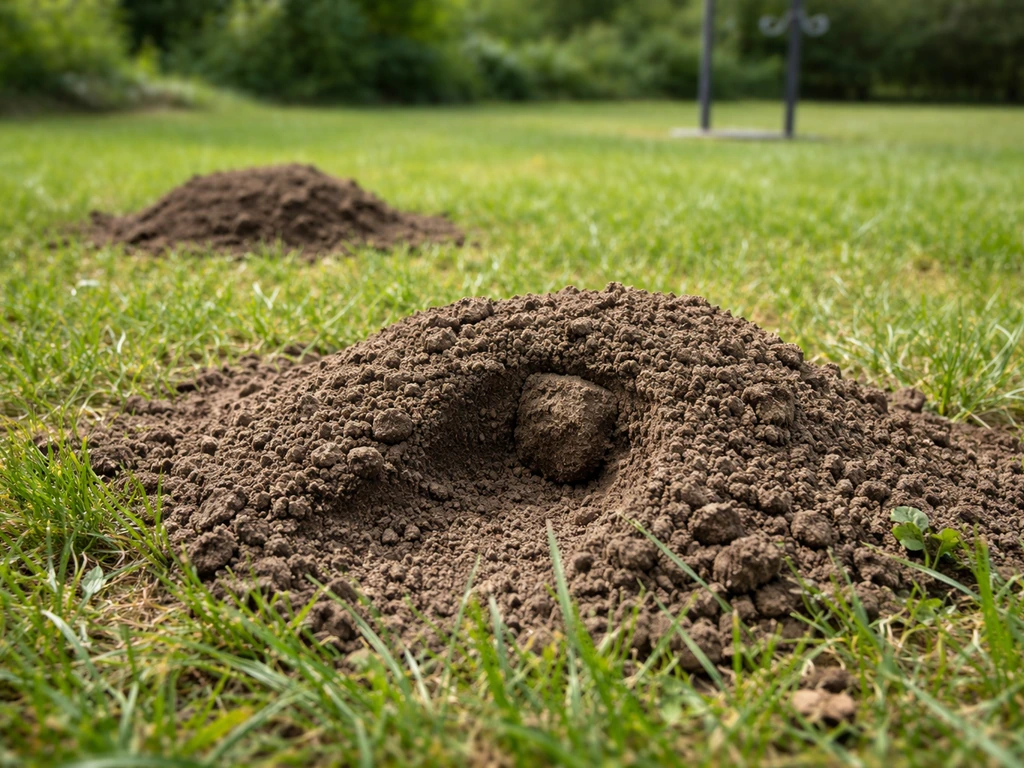
- Fan-shaped or crescent-shaped mounds of loose dirt near your feeder, typically 6 to 12 inches in diameter
- A visible soil plug or small depression at one side of the mound (not a centered hole like a mole's)
- Mounds appear in a rough line or arc pattern indicating the tunnel direction below
- No visible tracks or animal sightings at the feeder itself
- Plant roots nearby are being severed or pulled underground
Signs it's moles, not gophers
- Volcano-shaped mounds with dirt pushed up from a centered plug, not fanned to one side
- Raised ridges or surface tunnels in the lawn (moles travel just below the surface)
- Moles eat earthworms and grubs, not seeds, so if seed disappears, moles are probably not your problem
Signs it's voles
- Shallow, narrow runways (about 1 to 2 inches wide) pressed into the lawn or mulch at ground level
- Small cylindrical droppings roughly 7 to 10 mm long in or near runways
- Patches of clipped grass stems near the runways
- Unlike gophers, voles stay near the surface and are active year-round, including under snow cover
Signs it's rats, squirrels, or raccoons
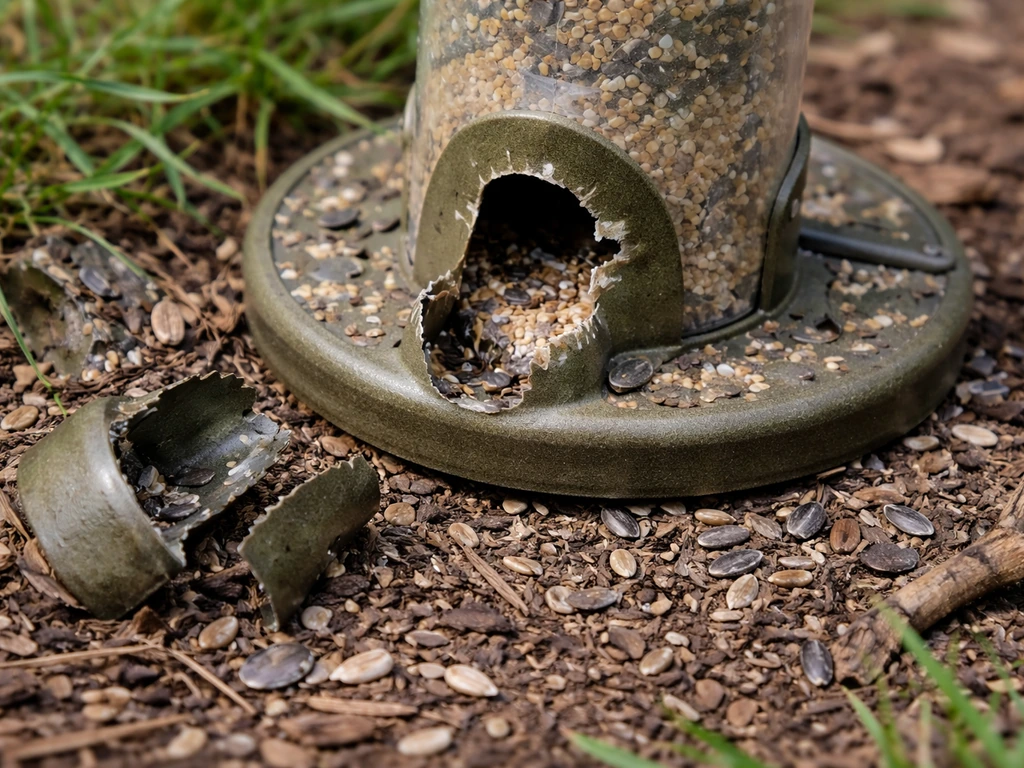
- Chewed plastic or metal on feeders, hulls scattered widely around a large area
- Feeder knocked down, tipped, or damaged overnight
- Raccoon tracks (hand-like prints) in mud near the feeder base
- Seed disappears quickly at night but no mounds appear
- Squirrels are active during the day and visible; rats leave greasy rub marks on surfaces they travel regularly
Chipmunks are another common ground-level seed thief and are easy to spot during the day loading their cheek pouches. Groundhogs will visit fallen seed too, especially in spring. Groundhogs also eat a range of seeds, so fallen bird seed can attract them too fallen seed. Groundhogs will also eat bird seed when it is accessible on the ground, so they can be a cause of missing seed even if pocket gophers are not present groundhogs eat bird seed. The key difference with pocket gophers is those distinctive fan-shaped mounds with the plugged side opening. If you have those, you have gophers.
Why bird seed draws burrowing pests close to feeders
Bird feeders create a food-rich microhabitat on the ground that burrowing pests find hard to resist. Even if a gopher's primary interest is the grass roots and tubers under your lawn, a dense patch of spilled millet or sunflower seeds pressed into the soil is a bonus food source sitting right above the tunnel system. The bigger problem is that fallen seed attracts rats and voles first, and those animals then attract gophers and larger predators. Whether bird seed attracts other small burrowing pests like voles and rats is a related question to consider when you are seeing mounds and seed damage can gerbils eat bird seed. It becomes a cascade.
Spilled seed also germinates in warm, moist soil and produces seedlings, which are exactly the kind of green vegetation pocket gophers actively seek. A feeder that drops a lot of waste seed on soft lawn soil is essentially planting a gopher buffet below the surface. Moisture from rain or irrigation softens the soil near feeders, making it even easier for burrowing animals to work close to the surface.
Fix it today: lock down the seed and cut off ground access
Step 1: Deal with seed on the ground right now
Sweep or rake all spilled seed away from the feeder area immediately. Purple martins may also be affected when spilled bird seed attracts burrowing pests near their feeding areas. Do not leave it in a pile nearby; that just relocates the problem. Bag it and dispose of it or move it to a secure container. If seed has been sitting on the ground long enough to get damp, treat it as contaminated and toss it rather than putting it back in the feeder.
Step 2: Raise your feeder and add a tray
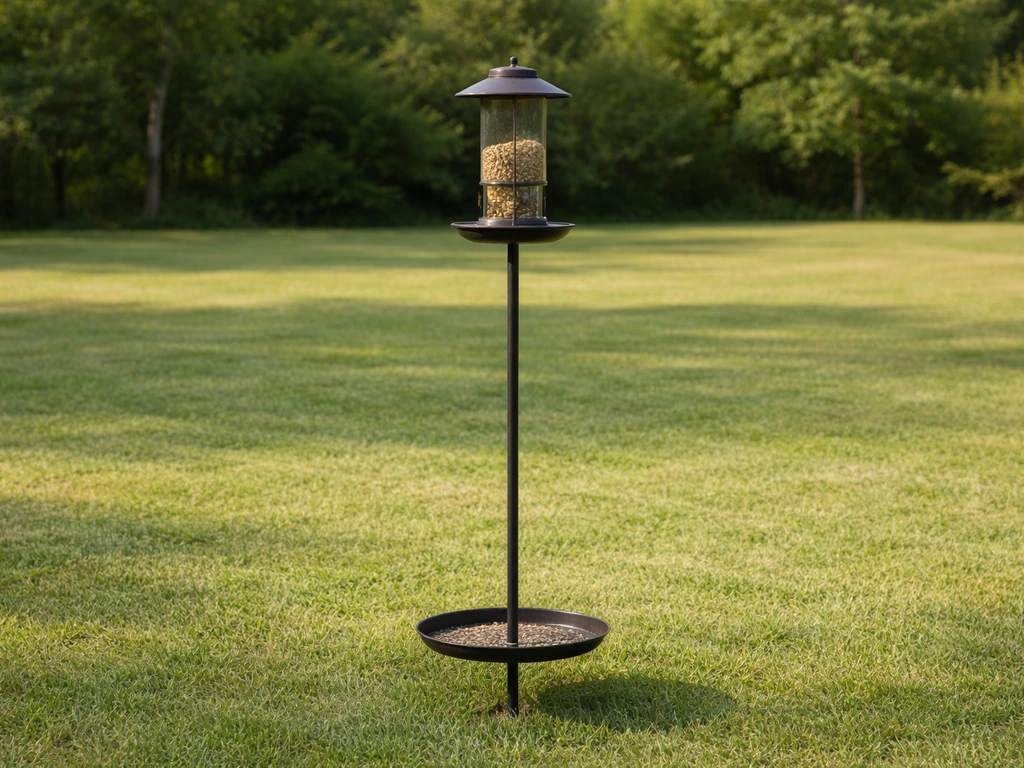
Move your feeder to a pole or hook at least 5 feet off the ground, with a minimum of 10 feet of open space in every direction from nearby fences, trees, or structures. Add a catch tray or seed catcher directly under the feeder so fallen seed lands in a tray and stays contained rather than hitting the ground. Empty the tray every one to two days. This single change makes a noticeable difference almost immediately.
Step 3: Switch to no-waste or low-mess seed
Hulled sunflower chips, Nyjer (thistle), and shelled peanuts leave very little waste on the ground compared to seeds in their shells. Whole sunflower seeds, millet, and cracked corn are the worst offenders for ground accumulation. If you switch primarily to hulled seed, you reduce what falls and dramatically cut down on what sprouts or rots below the feeder.
Step 4: Move the feeder location
If you see gopher mounds within a few feet of your feeder, move the feeder at least 15 to 20 feet away and place it over a hard surface like a patio, deck, or gravel pad rather than open lawn. Gophers very rarely tunnel under hard surfaces. A simple gravel circle, 3 to 4 feet in diameter, beneath the feeder pole makes cleanup easier and removes the soft lawn soil that burrowing pests prefer to work in.
Seed storage and hygiene that prevent bigger problems
Bad storage habits make seed more attractive to all pests, not just gophers. Seed stored in paper or thin plastic bags in a garage or shed attracts rodents quickly. Store all bulk seed in metal containers with tight-fitting lids, like a galvanized steel trash can with a bungee-secured lid. Keep the storage container elevated off the ground on a shelf or pallet to reduce moisture wicking from concrete floors.
Buy seed in quantities you will use within four to six weeks. In warm, humid weather, seed can go rancid or develop mold in as little as two to three weeks if stored poorly. Moldy seed is harmful to birds and attracts more insects and rodents. Project FeederWatch recommends cleaning feeders every two weeks at minimum and more often during hot or wet weather, because hulls and seed bits that accumulate on trays and inside feeders develop mold and bacteria that can sicken birds.
Inspect stored seed regularly. Look for clumping, a sour or musty smell, visible mold, or insect activity (especially weevil or moth larvae). Any seed showing these signs should be discarded. Do not try to dry out clumped seed and reuse it; the risk to birds is not worth the savings.
Cleanup: what to do with spilled or contaminated seed
Spilled or spoiled seed needs to be handled carefully to avoid making the pest problem worse during cleanup. Here is a straightforward process that works.
- Put on gloves before handling large amounts of spilled seed, especially if rodent activity has been present nearby. Hantavirus, while rare, is a genuine concern in areas with rodent traffic.
- Sweep or scoop spilled seed into a heavy-duty garbage bag. Do not compost it if it smells off, shows mold, or has been near rodent droppings.
- Spray the ground area under the feeder with a diluted bleach solution (1 part bleach to 9 parts water) if you've seen rodent droppings there. Let it sit for 5 minutes, then rinse.
- Wash the feeder itself with the same solution, scrub all surfaces including ports and perches, rinse thoroughly, and let it air dry completely before refilling.
- Rake or turn over the top inch or two of soil beneath the feeder to disrupt any seeds pressed into the ground that could germinate or attract more burrowing activity.
- Lay down a layer of coarse gravel or hardware cloth (1/4-inch mesh) flat on the soil under the feeder pole to deter surface burrowing right at the base.
If seed has sprouted in your lawn beneath the feeder, pull the seedlings before they establish. Sunflower, millet, and corn seedlings can become genuine weeds, and their presence signals a bigger cleanup is overdue.
Longer-term prevention and when to escalate
Hardware cloth barriers
For persistent gopher problems near a feeder area, installing a hardware cloth barrier underground is the most reliable long-term fix. Use 1/4-inch or 1/2-inch galvanized hardware cloth buried at least 12 to 18 inches deep, bent outward at the bottom in an L-shape (about 6 inches outward) to prevent gophers from tunneling beneath it. This creates an exclusion zone around your feeder pole or garden bed. It takes an afternoon to install around a small area but essentially solves the underground access problem for years.
Landscaping changes that help
- Replace soft lawn directly under and around your feeder with a gravel or paver pad at least 4 feet in diameter
- Keep the area around your feeder mowed short; gophers prefer to surface in dense, untended vegetation
- Avoid heavy mulch directly beneath feeders; it provides cover for voles and keeps soil moist and easy to burrow in
- Do not plant bulbs, tubers, or root vegetables near your feeder area, as these are primary gopher targets that will keep them working in that zone
Trapping and control: what you should know
If exclusion and feeder management have not resolved a serious gopher problem after two to three weeks, trapping is the next practical step. Pincer-style or box traps placed directly in active gopher tunnels are the most effective option. Regulations on trapping vary by state, so check your local fish and wildlife rules before setting any trap. In some states, pocket gophers are unprotected and can be trapped year-round; in others there are seasonal or method restrictions. Washington Department of Fish and Wildlife, for example, publishes specific guidance on pocket gopher management that is worth reviewing if you are in the Pacific Northwest.
Repellents (castor oil-based granules, vibrating stakes) have mixed results and are generally not worth relying on as a primary fix near a feeder. They may shift gopher activity temporarily but rarely eliminate it.
When to call a professional
If you are seeing more than five to six active mounds and seed damage continues despite feeder changes and basic exclusion, a licensed wildlife control operator can assess the extent of the burrow system and apply targeted control methods that are not practical for most homeowners. This is especially true if the activity extends beyond the feeder area into a garden or irrigation system, where gopher damage to plant roots and drip lines can become costly quickly.
A quick note on similar burrowing pests
It is worth noting that voles, which are much more common near feeders than pocket gophers in many regions, require slightly different control strategies because of their surface-level runway system. If you are wondering about hedgehogs, you may also be asking can hedgehogs eat bird seed, since their diet can overlap with what is offered at feeders. If your ground signs look more like pressed runways than fan-shaped mounds, tackle the vole problem first because the approach differs. Similarly, if you are dealing with groundhogs near your seed supply, their behavior and fix-it approach is somewhat different from pocket gophers despite the burrowing similarity.
| Animal | Key mound/tunnel sign | Seed interest | Best fix |
|---|---|---|---|
| Pocket gopher | Fan-shaped mound with plugged side opening | Will eat spilled or buried seed | Hardware cloth barrier, move feeder to hard surface |
| Mole | Volcano-shaped mound, centered plug, surface ridges | Eats insects/grubs, not seed | Not a seed problem; address grub population |
| Vole | Shallow surface runways 1-2 inches wide, small droppings | Active seed thief at ground level | Eliminate ground seed, reduce mulch and cover |
| Rat | Burrow holes with smooth worn edges, greasy rub marks | Primary seed thief | Secure storage, remove all ground seed, traps |
| Raccoon | No mounds; feeder disturbed or knocked over, hand-like tracks | Will eat seed if accessible | Baffle on feeder pole, bring feeder in at night |
| Squirrel | No mounds; visible daytime theft, hulls scattered widely | Major seed thief | Squirrel-proof feeder or baffle, hot pepper additives |
FAQ
If I’m losing seed only from the feeder tray, is it still possible that gophers are the cause?
Yes, but gophers usually take it from the ground or from seed spilled into the soil, not by climbing up to the feeder. If you are only losing seed when it is in the hanging tray, squirrels or raccoons are more likely, while gophers are more likely when you see fresh mounds or clumped, pressed seed near tunnel exits.
What signs confirm gopher activity versus other seed thieves?
Look for fan-shaped mounds with a plugged side opening (the “fan” side) and a distinct dirt mound pattern, rather than the small, narrow holes of other burrowers. Also note timing, gophers may be most active around early morning or evening, so missing seed that is followed by new mounds soon after points more toward gophers than daytime ground-loading animals.
Do I need to change my birdseed type to stop gophers, or is cleaning enough?
Choose hulled, low-waste options, like sunflower chips, Nyjer, and shelled peanuts, and keep the feeding zone dry. If seed sits damp long enough to germinate, gophers benefit more than birds, so a quick sweep after rain and irrigation helps more than waiting for the next refill.
If I rake up spilled seed today, how long until I know it worked?
Temporary spikes in seed loss can happen right after you clean up, because gophers can be following underground access routes to the feeder area rather than reacting to the “next” spilled pile. Give your changes a real test window, about 2 to 3 weeks, especially if you see continuing mound growth.
Can gophers still get to seed if my feeder is off the ground?
Yes, even if the feeder seems “safe,” because seed waste can drop onto soft soil or be carried a short distance by rain and foot traffic. Aim the tray so it overhangs a catcher, and keep a clear ring of bare ground or gravel under and around the pole to reduce where seed lands.
If I use a seed catcher, can gophers still raid the seed?
Not usually directly from a typical feeder, but they will exploit any accessible seed within tunnel proximity, including seed that has fallen to the ground, built up in the catcher rim, or accumulated along fence lines. If you use a seed catcher, empty it often and keep any residue from spilling onto soil.
What should I do with spilled seed that gets wet or sprouted?
Yes, very damp seed or seed that has sprouted should be treated as contaminated and removed, because it can introduce mold and attract additional pests. Pull seedlings quickly, and bag the waste so you do not spread viable seed deeper into the yard.
Does moving the feeder help, and what distance is enough?
If mounds are close, moving the feeder can help but do it strategically. Place it farther from the mound area (15 to 20 feet) and over hardscape like gravel or a deck, because gophers avoid tunneling under hard surfaces more reliably than shifting their burrows.
Why didn’t castor oil or a vibrating stake solve my gopher problem?
Repellents like castor oil-based products or vibrating stakes may reduce activity briefly but rarely provide a dependable fix when a feeder is positioned over an active tunnel network. If you see consistent mound formation, prioritize exclusion (hardware cloth) and waste control over repellents.
How can I tell whether it’s voles or gophers stealing my birdseed?
Yes, but the approach differs if the “ground signs” are runways instead of fan-shaped mounds. If you have narrow surface runways and no plugged fan mounds, it’s often voles, so focus on runway disruption and barriers suited to surface movement rather than digging exclusion meant for gopher tunneling.
If I want to trap, what should I know before setting traps?
Trapping can be effective when placed in active tunnels, but you must follow local rules because pocket gopher management varies by state and season. If you see consistent mound production, mark the most active entry points and use traps sized for pocket gophers, not generic “rodent” traps.
When should I call a wildlife control operator instead of DIY fixes?
It’s usually a good idea to involve a licensed wildlife professional when damage spreads beyond the immediate feeder area, for example into gardens, irrigation lines, or multiple zones of lawn. Also consider professional help if you cannot confidently identify mounds, since misidentifying the animal can waste time and effort.
Next Articles
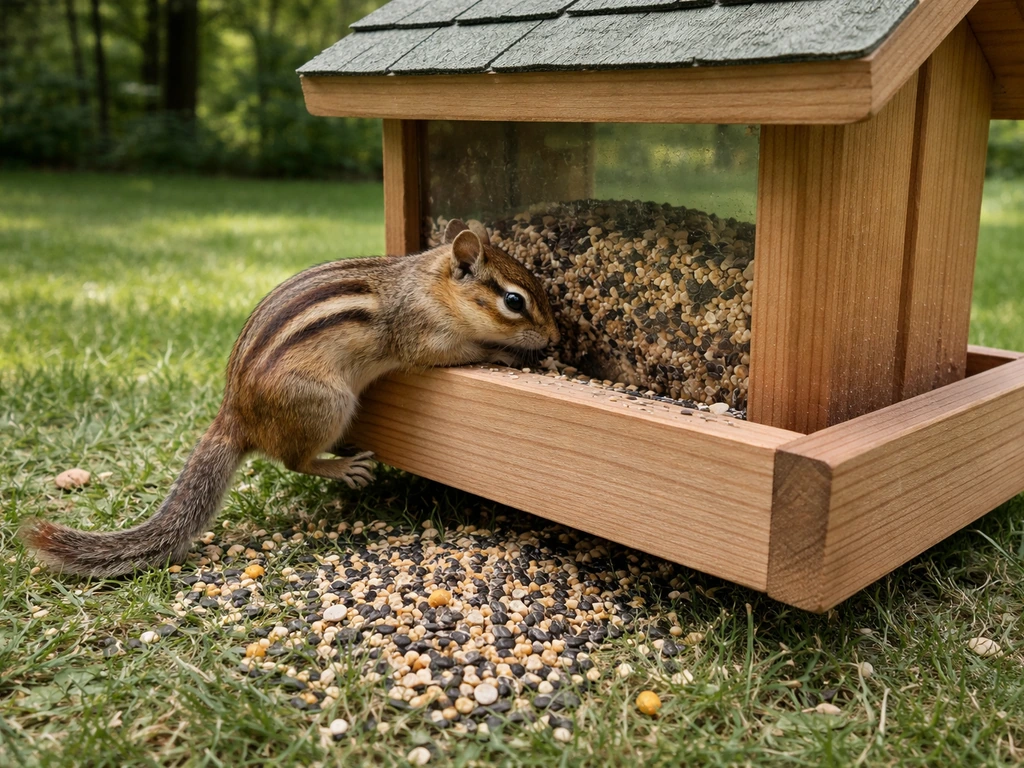
Do Chipmunks Eat Bird Seed? How to Stop Seed Raids
Learn why chipmunks eat bird seed, how to spot raids, and step-by-step ways to protect feeders and store cleanup.
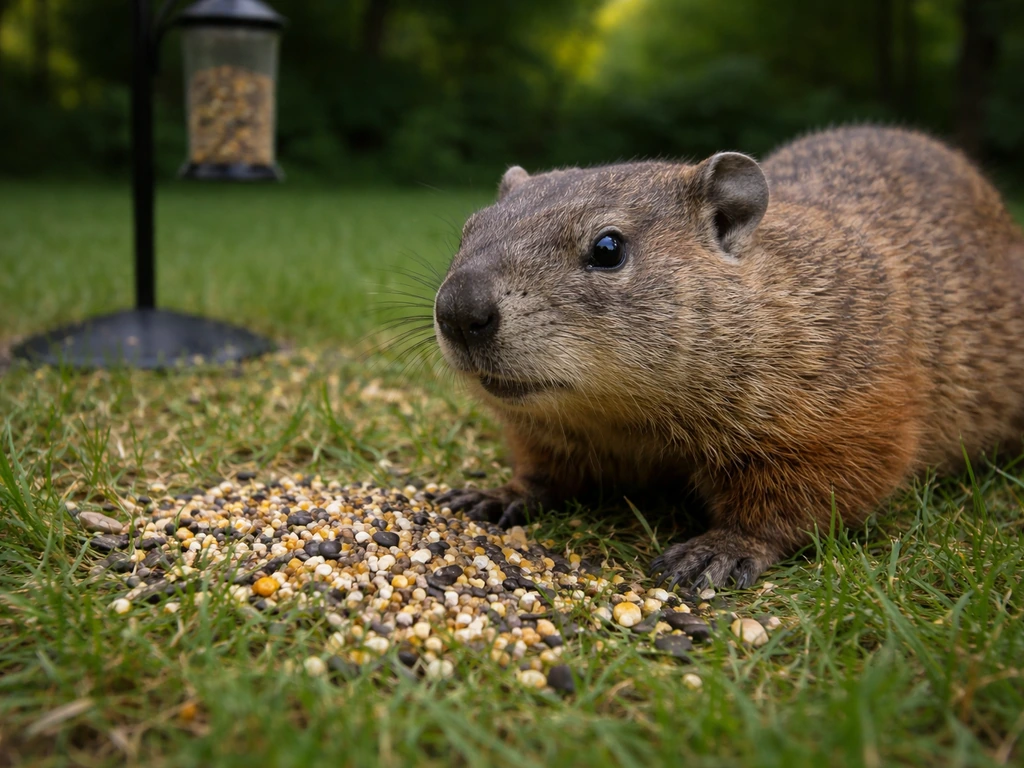
Do Groundhogs Eat Bird Seed? How to Stop Seed Raids Fast
Yes, groundhogs eat bird seed when available. Learn quick fixes, exclusion tips, and cleanup to stop raiding fast.
Do Woodpeckers Eat Bird Seed? What to Offer and Why
Find out if woodpeckers eat bird seed, which seed types attract them, how to set feeders, and prevent mold and pests.