Yes, woodchucks (also called groundhogs) will absolutely eat bird seed if they can get to it. They're not picky eaters, and seeds, grains, and nuts are documented parts of their natural diet. However, chipmunks can also take advantage of spilled bird seed at ground level. If you've got a ground-level feeder, a tray feeder with spillage underneath, or a bag of seed stored in an accessible shed or garage, a woodchuck will find it and keep coming back. The good news is that a few targeted changes to feeder placement, seed cleanup, and storage will solve this quickly without harming the animal or making your yard less bird-friendly. Can hedgehogs eat bird seed too? It depends on the type and how it’s prepared, so it helps to know the safe options.
Do Woodchucks Eat Bird Seed? What to Do at Feeders

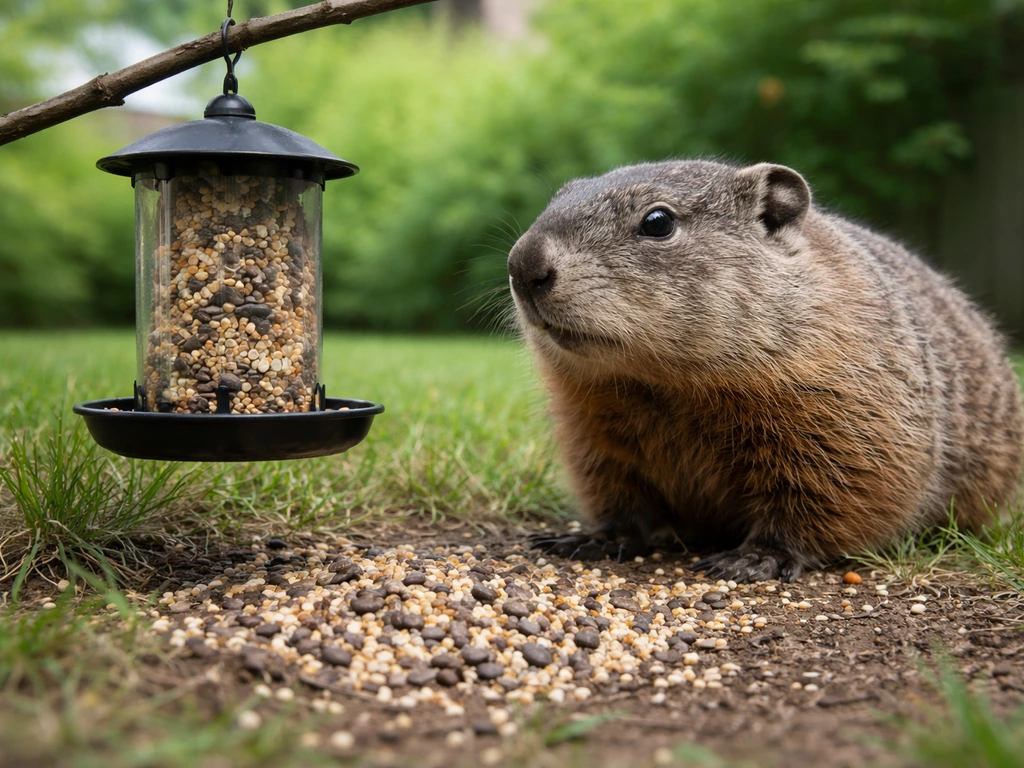
Do woodchucks eat bird seed (and what they're really after)
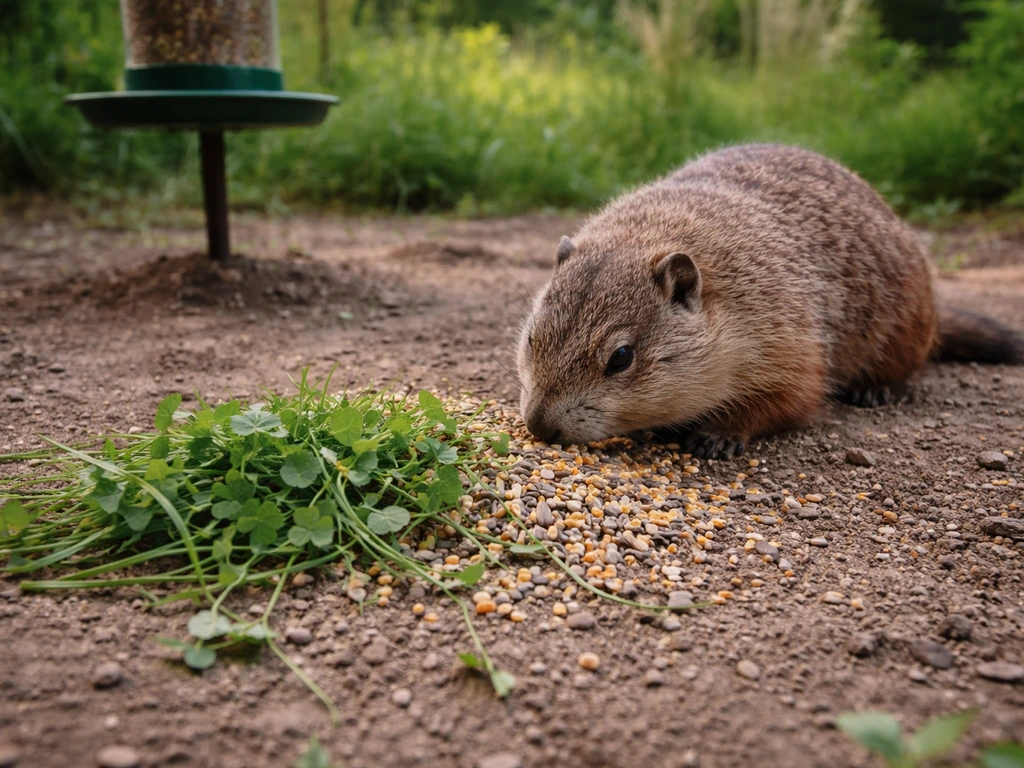
Woodchucks are blank" rel="noopener noreferrer">primarily plant eaters with a strong preference for green vegetation like clover, grasses, and alfalfa. But their diet is broader than most people think. Animal behavior data classifies them as consuming seeds, grains, and nuts alongside leafy plants, and wildlife agencies note they'll also go after fruits, vegetables, and corn. So bird seed isn't some strange outlier food for them. These guidelines also apply to can magpies eat bird seed, since many seed mixes can attract ground-feeding wildlife. It's actually a pretty convenient source of the calories they're actively looking for, especially in late spring and summer when they're bulking up before hibernation. Do woodpeckers eat bird seed too, and if so, what types are most likely to attract them?
The reason woodchucks end up at feeders isn't that they're specifically hunting bird seed. It's that your feeder setup is putting food right in their path. Woodchucks feed most actively at dawn and dusk, moving low and close to the ground. They scan their surroundings frequently while eating, which makes them cautious but persistent. A pile of spilled sunflower seeds on the ground at 6 a.m. is exactly what they're looking for. They're opportunistic, and once they find a reliable food source, they'll return daily.
Which bird seeds are most attractive to woodchucks
Not all seeds carry equal risk. Woodchucks are drawn to calorie-dense grains first. Here's how common bird seed types rank in terms of attraction:
| Seed Type | Woodchuck Attraction Level | Why |
|---|---|---|
| Black oil sunflower | High | High fat and calorie content, easy to crack open, frequently spills |
| Cracked corn | Very high | Corn is explicitly listed in woodchuck diet research; cracked corn is easy to eat |
| Whole corn (cobs or kernels) | Very high | One of their most documented food sources |
| Mixed seed (millet, milo, wheat) | High | Grains and small seeds match their natural foraging diet |
| Safflower | Moderate | Less palatable to many mammals but not reliably avoided |
| Nyjer (thistle) | Low | Small and messy but less calorie-dense; less likely to be targeted |
| Peanuts (shelled or in shell) | Very high | Nuts are a documented food; woodchucks will actively seek these out |
If your feeder mix contains corn, sunflower, or peanuts and you're seeing damage at ground level, those are the primary attractants to address first. Switching to straight safflower or nyjer won't guarantee woodchucks disappear, but removing corn and peanuts from your ground or tray feeders makes a real difference.
How to tell if it's a woodchuck and not something else
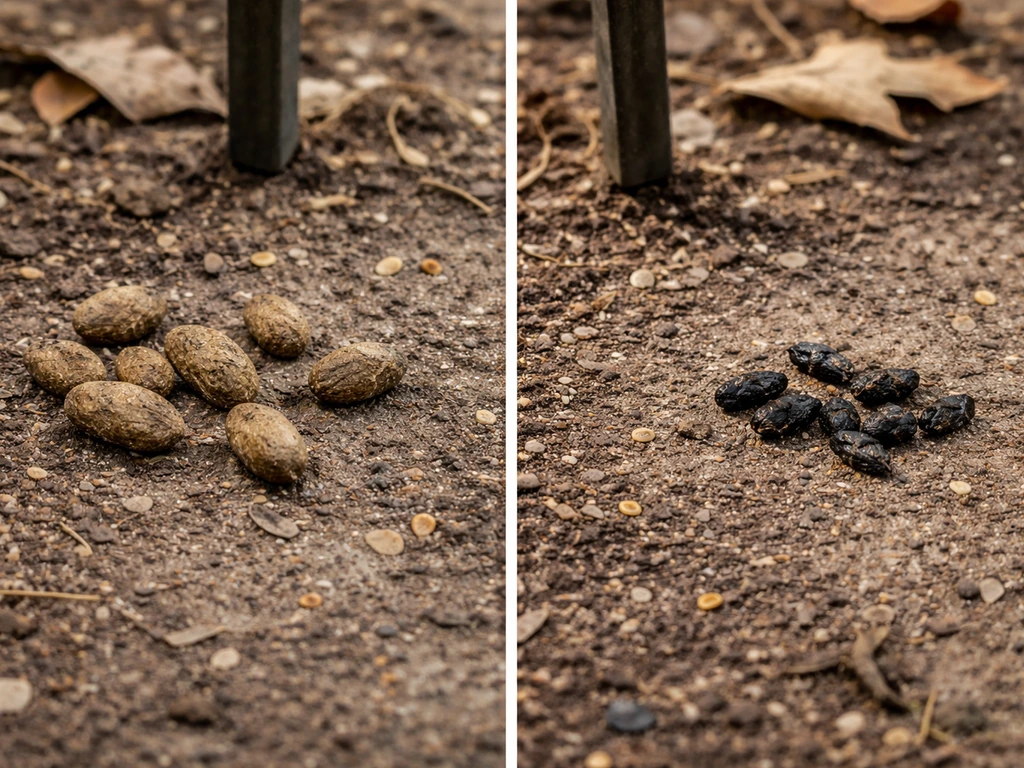
Before you spend time and money on exclusion, it helps to confirm you're actually dealing with a woodchuck. Several other animals visit feeders and leave similar-looking evidence. Squirrels, raccoons, rabbits, chipmunks, and even gophers can all raid ground-level seed. Gophers can also chew through and raid ground-level seed, so confirming which animal is responsible helps you pick the right fix do gophers eat bird seed. Here's how to tell them apart:
| Animal | Scat Shape | Activity Timing | Other Signs |
|---|---|---|---|
| Woodchuck | Oval/rounded pellets, medium-sized, often near burrow entrance | Dawn and dusk primarily | Burrow hole 4–6 inches wide near foundation, garden edge, or brush pile; nibbled vegetation nearby |
| Raccoon | Tubular with blunt ends, often containing seeds or berries | Mostly nocturnal | Tipped-over feeders, handprint-like tracks in mud, latrine sites |
| Squirrel | Small oval pellets, scattered randomly | Daytime | Chewed feeder ports, seed hulls scattered wide |
| Rabbit | Very small round pellets in clusters | Dawn and dusk | Clean-cut plant stems nearby; rarely disturbs feeders directly |
| Chipmunk | Tiny, scattered pellets | Daytime | Cheek pouches visible when caught on camera; seed caches in soil |
| Gopher | Small oval pellets near tunnel mounds | Sporadic, mostly underground | Crescent-shaped mounds of soil; rarely seen at feeders |
A woodchuck's calling card is usually the burrow. Look for a clean, oval entrance hole roughly 4 to 6 inches in diameter with a dirt mound near the opening. If you see that within 50 to 100 feet of your feeder, you've found your culprit. The dawn and dusk timing is also a reliable identifier. Set a phone camera on a feeder-facing window at 6 a.m. and you'll likely catch them in the act within a day or two.
How to stop woodchucks from accessing seed
Raise feeders off the ground
Woodchucks are ground foragers. They're not climbers the way squirrels are, and they don't leap to reach elevated feeders. Moving feeders to pole-mounted setups at least 4 to 5 feet off the ground removes most of the easy access. A baffled pole (a smooth conical or cylindrical baffle placed about 4 feet up) makes it even harder. Eliminate tray feeders at ground level entirely if woodchucks are actively visiting. If you use platform feeders, raise them on a post rather than setting them on a stump or low stand.
Control spillage under feeders
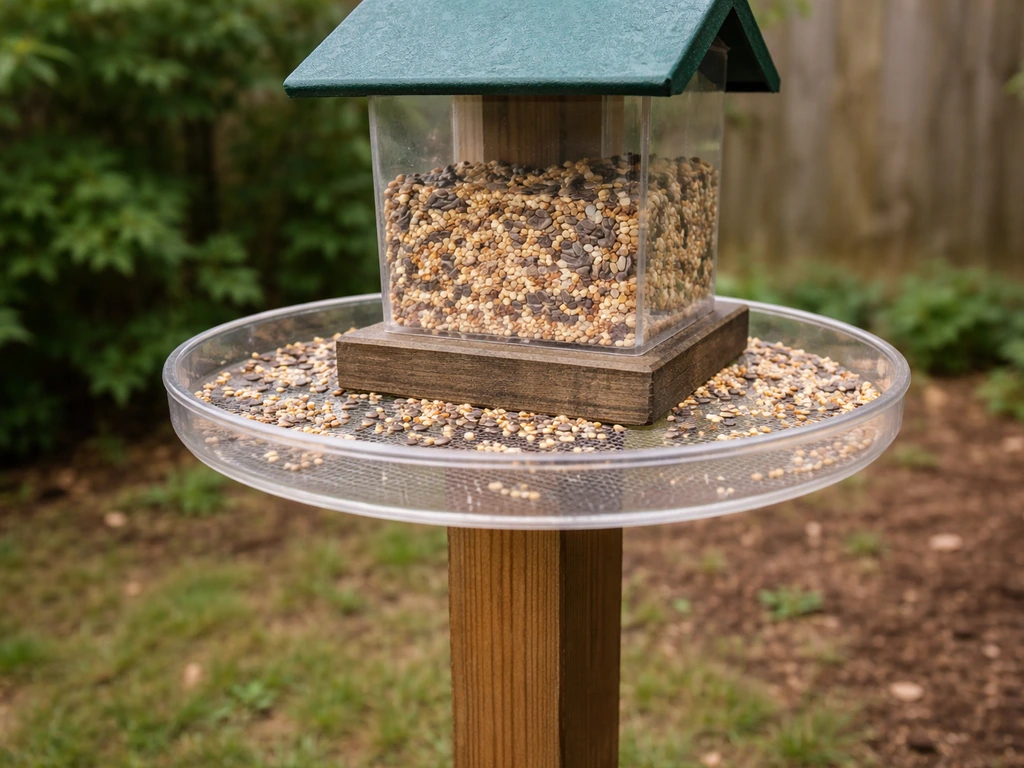
Spillage is the real draw. Even a well-placed feeder will scatter seed on the ground as birds feed, and that's where woodchucks are eating. A few things help here: use a seed-catching tray attached directly to the feeder pole to catch dropped seed before it hits the ground, switch to no-waste or hull-free seed blends (the hulls are what mostly accumulate on the ground), and rake or sweep under feeders every one to two days. If ground feeding is important for certain bird species, use a raised platform tray about 3 feet up rather than scattering seed directly on the soil.
Use fencing as a physical barrier
If woodchucks are entering a specific area like a fenced garden or enclosure where seed is stored or used, physical exclusion is your strongest long-term tool. Wildlife extension guidance recommends a fence at least 3 feet high using hardware cloth or welded wire. The critical detail is what happens at the base: bend the bottom 12 inches of fencing outward at a 90-degree angle and bury it about 6 inches underground, forming an underground "L" shape. Woodchucks will dig at the fence base to get under it, but this buried outward extension stops them. If they're also climbing over (less common but possible), bend the top 12 inches of the fence outward at 45 degrees to create an overhang that prevents them from pulling themselves over.
Eliminate burrow sites and cover nearby
Woodchucks nest close to their food sources. Brush piles, wood stacks, overgrown areas, and gaps under sheds or decks within 100 feet of your feeders are prime den locations. Clear these out or seal them with hardware cloth and you reduce the chance a woodchuck sets up a permanent residence near your yard. This won't make them disappear from the area, but it makes your yard less appealing as a base of operations.
Make seed less inviting: spillage control and storage to prevent mold and sprouts
How you store and manage seed matters for two reasons: it affects how long the seed stays good for birds, and it directly affects how attractive your setup is to mammals like woodchucks. Seed left in open bags in a garage, or piled in a feeder through rainy weather, becomes a different kind of problem quickly.
Bird seed that gets wet and stays wet will start to sprout or mold within 24 to 48 hours in warm conditions. Sprouted seed is still safe for some birds to eat fresh, but it attracts more ground-foraging animals and is a sign the seed is degrading. Moldy seed is a different issue entirely. It can harbor bacteria, including salmonella, and needs to be removed immediately. Woodchucks and other mammals that eat moldy seed can also spread contamination around the area through their droppings.
For storage, keep seed in a sealed hard-sided container, a metal trash can with a bungee-secured lid works well, and store it off the ground in a cool, dry location. A 50-pound bag of seed left open in a humid garage will go stale or grow mold within two to four weeks in summer. Stored properly in a sealed container, the same seed can stay fresh for several months. Only fill feeders with what birds will consume within two to three days in wet or humid weather, and reduce fill amounts during rain events.
- Store seed in a sealed metal or heavy plastic container with a tight-fitting lid
- Keep storage containers inside or elevated off the ground, not in an open shed
- Fill feeders every 2 to 3 days in warm, wet weather rather than loading them up weekly
- Check seed in feeders after rain events and remove any clumped, wet, or discolored seed
- Use no-waste hulled seed blends to reduce ground accumulation and the sprouting problem
- Avoid putting seed directly on the ground, even for ground-feeding species
Safe cleanup and what to do with contaminated seed
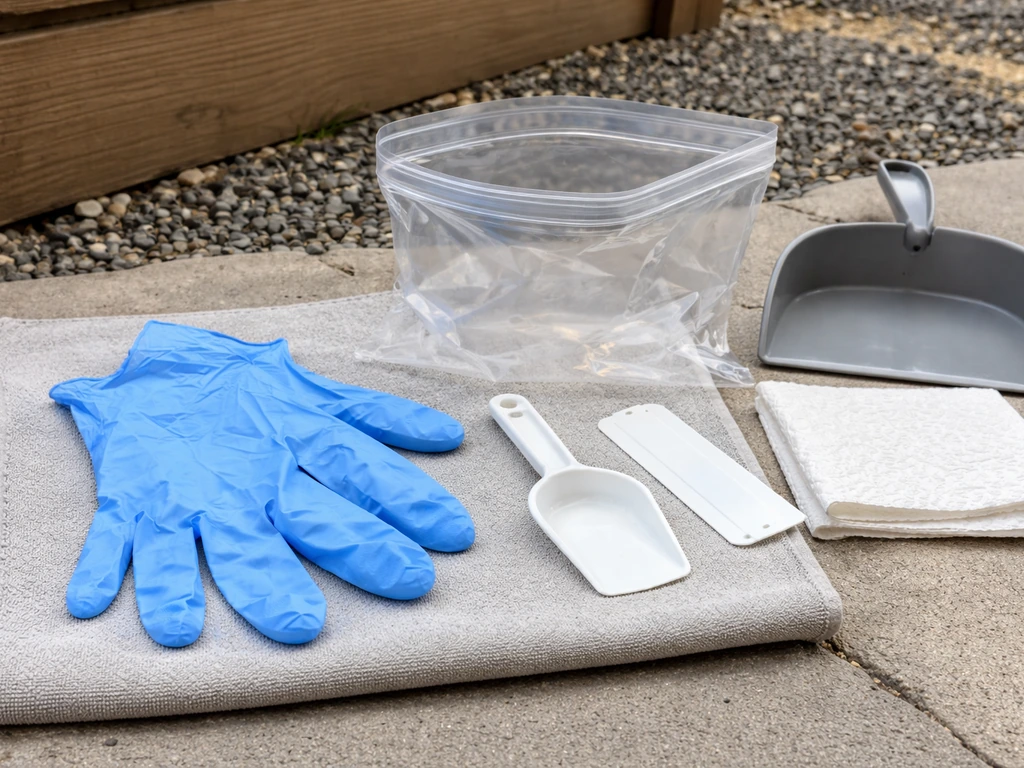
If a woodchuck has been visiting your feeder area regularly, there's a reasonable chance they've left droppings near or under your feeder, or have been in contact with seed on the ground. Woodchuck droppings carry a tularemia risk. Tularemia is a bacterial disease (Francisella tularensis) that can infect people through skin contact, eye contact, inhalation of contaminated material, or ingestion. This doesn't mean a woodchuck near your yard is an emergency, but it does mean you should handle cleanup carefully.
- Wear disposable gloves before touching any seed, droppings, or soil in the affected area
- Do not dry-sweep or dry-rake seed and droppings, because this kicks up dust and particles that can be inhaled. Lightly mist the area with water first to dampen everything
- Collect contaminated seed (seed with droppings mixed in, wet or moldy seed) in a sealed plastic bag and discard in the trash. Do not compost it
- Clean the feeder and tray with a 10% bleach solution (1 part bleach to 9 parts water), scrub all surfaces, rinse thoroughly with clean water, and allow to air dry completely before refilling
- If droppings are on bare soil, some wildlife agencies recommend sprinkling agricultural lime over the spot and working it lightly into the soil to help neutralize bacteria
- Wash hands thoroughly with soap and water after removing gloves
Seed that has been in contact with animal droppings or that is visibly moldy (black, white, or gray fuzzy growth, musty smell, or hard clumped masses) should be thrown out entirely. There's no safe way to salvage it for birds or any other purpose. Fresh seed is inexpensive compared to the risk of introducing mold or bacteria back into a cleaned feeder.
Quick prevention checklist for a bird-friendly, woodchuck-proof setup
Run through this list once and you'll address most of the conditions that bring woodchucks to feeders in the first place. These same feeder and seed-management choices also help answer whether can gerbils eat bird seed, since spilled or contaminated seed is generally a bad idea for small foragers. These steps also reduce pressure from other seed-scavenging mammals like chipmunks, rabbits, and squirrels, which makes this worth doing regardless of which animal you're currently dealing with.
- Move all feeders to pole-mounted setups at least 4 to 5 feet off the ground with a pole baffle
- Remove or raise any ground-level trays or platform feeders to at least 3 feet
- Attach a seed-catching tray to the feeder pole to catch dropped seed before it reaches the ground
- Rake or sweep under feeders every 1 to 2 days, especially after rain
- Switch to no-waste or hulled seed blends to reduce ground accumulation
- Stop offering cracked corn or whole corn at ground level (use elevated tube or mesh feeders only)
- Store all seed in sealed metal containers with tight lids, off the ground
- Fill feeders with only 2 to 3 days of seed during warm, wet weather
- Inspect feeder seed after any rain and remove wet, clumped, or moldy seed immediately
- Clear brush piles, wood stacks, and dense overgrowth within 50 to 100 feet of feeders
- Seal gaps under decks, sheds, and structures with hardware cloth to prevent denning
- If fencing a garden or storage area, use hardware cloth 3 feet high with a 12-inch buried outward-bent base
Woodchucks are persistent, but they're also responding to easy food and safe cover. Take both of those away and they'll shift their foraging elsewhere. Most people who make these changes see a noticeable drop in woodchuck activity within a week or two. If you're seeing other mammals at your feeders alongside woodchucks, many of these same fixes apply: the seed hygiene, feeder height, and storage steps cut down on all of them at once.
FAQ
Will a woodchuck keep coming back if I remove all bird seed from the ground but still leave the feeder filled?
Yes, they can still return because they learn the “food route,” but the visits usually drop faster if you also reduce spillage. Use a seed-catching tray (attached to the pole) and remove or empty any platform or tray feeder types that scatter seed onto soil. Also sweep under the feeder the same day you notice activity, not just every one to two days.
Are certain bird seed mixes worse for woodchucks than others?
Typically, mixes with corn, sunflower, peanuts, or other larger, calorie-dense kernels attract them first, especially at ground level. If you switch, consider choosing seeds that are harder to pick up from the ground (and keep the feeder elevated). Safflower and nyjer can reduce attraction, but woodchucks may still investigate if spillage is abundant.
What’s the safest way to clean up after woodchucks without increasing health risk?
Wear disposable gloves and avoid dry sweeping. Use damp disposable towels or a disinfecting wipe for droppings and clumped or moldy seed areas, then bag and trash it. Wash hands thoroughly afterward, and keep kids and pets away from cleanup zones until surfaces are cleaned.
If I find droppings, should I remove the whole feeder or just the seed and debris?
Remove the contaminated seed and thoroughly clean the feeder and tray, then allow it to dry before refilling. If droppings are under the feeder or near a base entrance area, raking the surface and clearing nearby cover (weeds, brush, gaps under structures) matters as much as feeder cleanup, because woodchucks nest close to reliable foraging spots.
Will raising the feeder completely stop woodchucks from feeding?
It usually reduces access, but it is not foolproof if the surrounding area still offers an easy food source. Woodchucks do not climb like squirrels, so height and baffling help most, but spillage on the ground and accessible stored seed (open bags, accessible shed or garage) can still keep them visiting.
Do woodchucks eat bird suet, or only seeds?
They can be attracted to high-calorie foods, but suet is less of a “main lure” than spilled seeds and grains. If you use suet, place it in a feeder designed to prevent drips, and promptly clean any drippings or crumbs. If woodchucks are actively present, treat any dropped suet like spilled seed and remove it quickly.
How long does it usually take to see results after changing feeder placement and seed cleanup?
Many people notice reduced visits within about one to two weeks, provided the setup removes both easy food (spillage and accessible seed) and safe cover (nearby den sites). If activity continues beyond that window, check for a second attractant like an open seed bag, a ground-level tray feeder, or another food source in the area.
Is it safe to use repellents to keep woodchucks away from feeders?
Some repellents may deter temporarily, but they often fail if the yard still provides spilled seed and nearby shelter. If you try repellents, treat them as an add-on to seed management and physical barriers. Avoid products that can contaminate feeder areas or create additional health risks for birds and pets.
What’s the best way to confirm it’s a woodchuck and not another animal raiding the seed?
Camera evidence at dawn and dusk is the most reliable, since woodchucks forage low and close to the ground. Also look for a burrow with an oval entrance around 4 to 6 inches wide and a dirt mound nearby within roughly 50 to 100 feet of the feeder. If you see gnaw marks or different burrow patterns, you may need a different fix.
Can I relocate woodchucks or contact pest control instead of making changes?
Relocation is usually not a practical or recommended solution because it can lead to stressed animals and repeat problems elsewhere. In most cases, exclusion (fences with the buried outward base), eliminating spillage, and removing cover are the most effective and humane approaches. If you consider pest control, ask specifically about exclusion-only methods rather than lethal options.