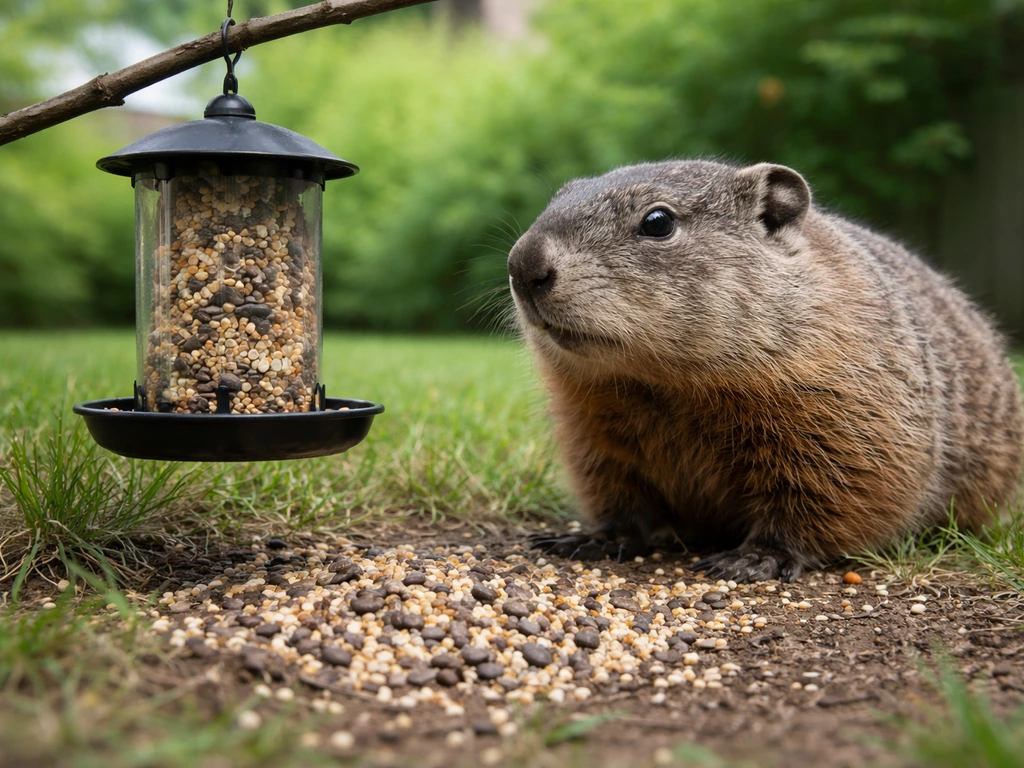
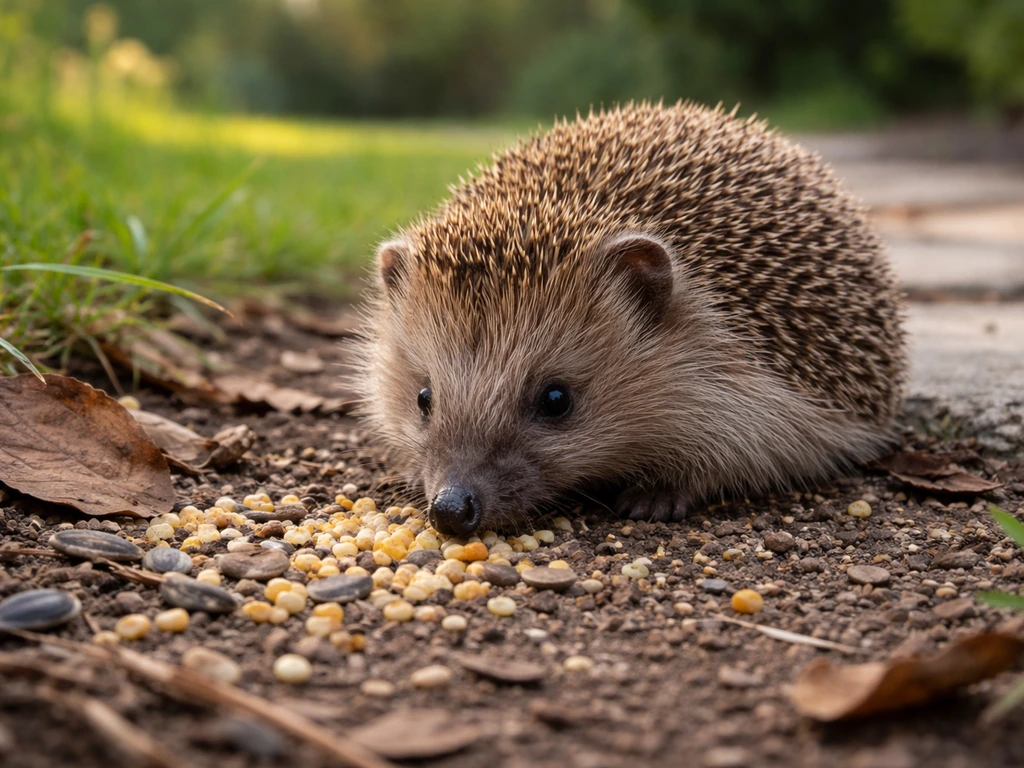
Hedgehogs can and will eat bird seed if they find it on the ground, but that does not mean it is good for them. Some gardeners also wonder if chipmunks will eat bird seed, and the answer is often yes chipmunks eat bird seed. Most standard bird seed mixes are nutritionally wrong for hedgehogs, and some common ingredients carry real health risks. If hedgehogs are visiting your garden and getting into spilled or scattered seed, it is worth adjusting your setup so they are not quietly harming themselves while you think you are just feeding birds.
Can Hedgehogs Eat Bird Seed? Safe Feeding Steps for Backyarders

Maya Collins
10 Jun 2026
What hedgehogs actually need to eat
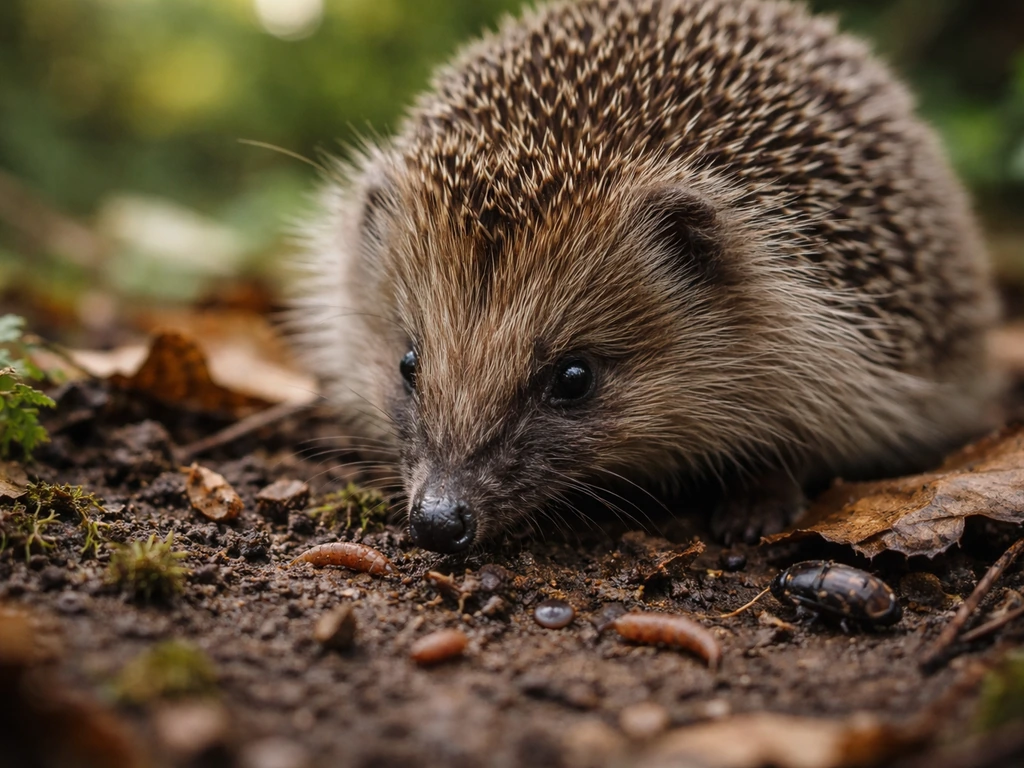
European hedgehogs are primarily insectivores. Their natural diet is built around earthworms, beetles, caterpillars, and other invertebrates they find while foraging through hedgerows and garden beds at night. They are opportunistic, so they will nibble at whatever is available, but their digestive systems are designed around protein-rich, meat-based food, not seeds and grain. Wildlife and veterinary organizations, including the RSPB and RSPCA, consistently recommend feeding hedgehogs meat-based cat or dog food (avoiding fish-flavoured varieties) or a purpose-made hedgehog food mix. Bird seed simply does not fit that picture.
What is actually in bird seed and how it affects hedgehogs
Common bird seed mixes contain a range of ingredients, and their impact on a hedgehog varies quite a bit depending on what is in the blend. Here is how the main components break down:
| Ingredient | Common in bird seed? | Risk level for hedgehogs | Notes |
|---|---|---|---|
| Sunflower seeds | Yes (very common) | Low to moderate | High fat content; fine as an occasional trace amount but not a dietary staple |
| Millet (white/red) | Yes | Low | Minimal nutritional value for hedgehogs; not toxic but offers nothing useful |
| Nyjer (thistle) seed | Yes | Low | Very small; unlikely to cause choking but nutritionally pointless for hedgehogs |
| Peanuts (whole/pieces) | Yes | Moderate to high | Choking and impaction risk from whole peanuts; aflatoxin risk if damp or poorly stored |
| Maize/corn | Yes | Moderate | Hard kernels pose some impaction risk; mold risk if wet |
| Dried mealworms | Sometimes added | Low | Actually closer to a hedgehog's natural diet; the safest item in a mix for them |
| Suet pellets/fat balls | Common as supplements | Low to moderate | High fat; not harmful in small amounts but not a balanced hedgehog food |
| Treated/dressed seed | Occasionally | High | Insecticide-treated seed can harm non-target wildlife including hedgehogs |
The short version: most bird seed ingredients are not toxic in small amounts, but none of them give a hedgehog what it actually needs. The exceptions are treated seed (which can carry insecticide residues) and poorly stored seed that has developed mold, both of which move from 'not ideal' to 'genuinely dangerous.'
The real health risks you need to know about
Nutritional imbalance
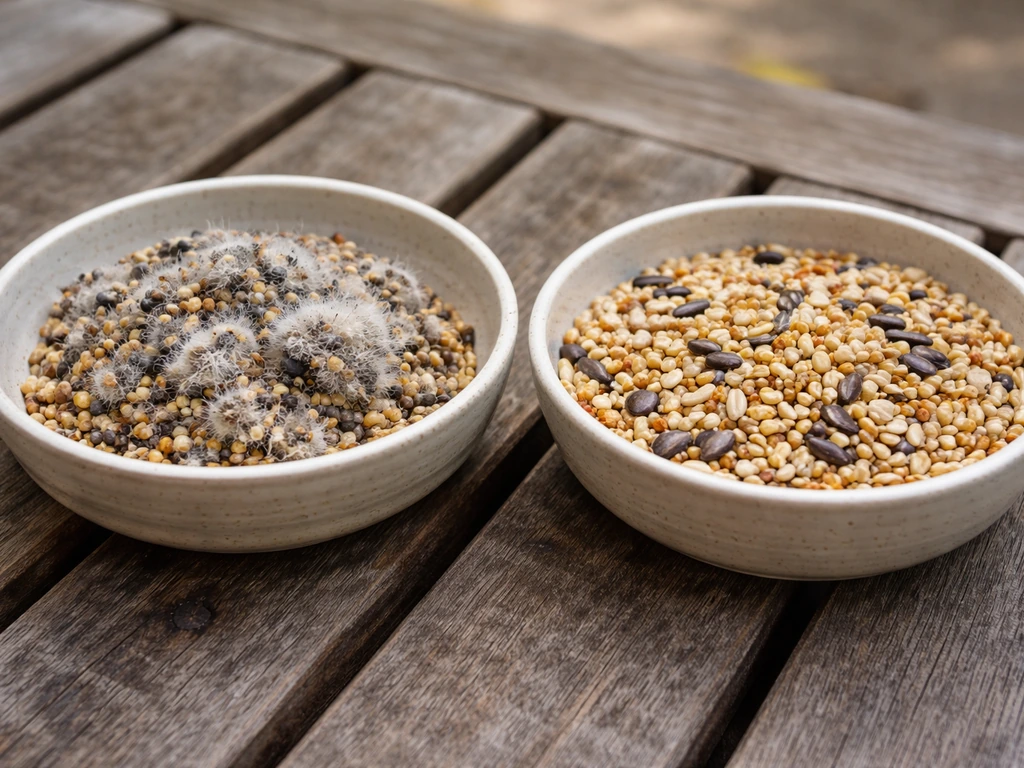
If a hedgehog fills up on bird seed instead of hunting invertebrates or eating proper hedgehog food, it is getting too much carbohydrate and fat and nowhere near enough protein. Over time, that imbalance can lead to obesity, fatty liver disease, and a weakened immune system. This is especially a concern in late autumn when hedgehogs are trying to build fat reserves before hibernation. If a hedgehog is loading up on sunflower seeds from your feeder tray instead of foraging naturally, it may be storing the wrong kind of weight.
Mold and mycotoxins
This is the risk most people overlook. Damp or poorly stored bird seed can develop mold, and certain molds, particularly Aspergillus, produce aflatoxins. These are potent toxins that can cause serious liver damage in mammals. Research on bird seed sold in the US has found measurable aflatoxin levels in commercial mixes, and wildlife feed sold for backyard use is not always tested for these contaminants. For a small animal like a hedgehog, even a modest dose of aflatoxin-contaminated seed is significant. Signs of aflatoxin poisoning in pets include sluggishness, loss of appetite, vomiting, jaundice (yellow eyes or gums), unexplained bruising or bleeding, and diarrhea. If a hedgehog visiting your garden starts looking unwell and you have damp or old seed on the ground, that connection is worth taking seriously.
Treated and pesticide-exposed seed
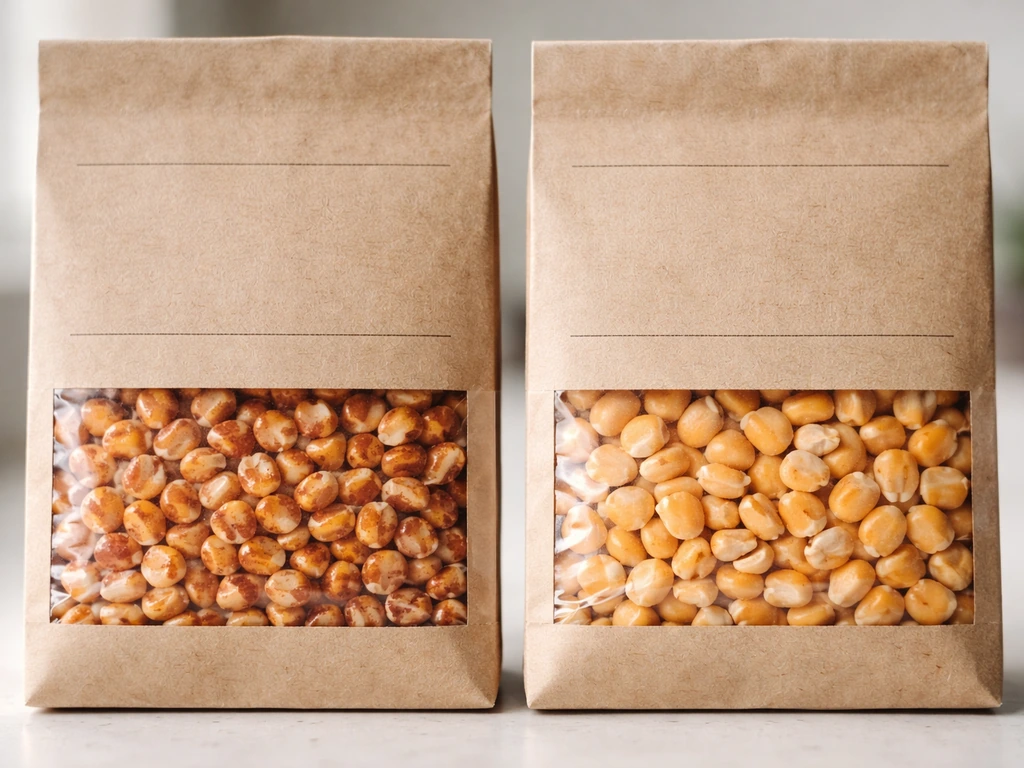
Some commercial grain and seed is treated with insecticides before sale, and the US EPA specifically flags insecticide-treated seed as a non-target wildlife risk. If you are buying bulk seed or lower-cost mixes, it is worth checking the packaging for any indication that seed has been dressed or treated. The hedgehog foraging near your feeder has no way of knowing the difference.
Choking and gut impaction
Whole peanuts and large corn kernels are the main culprits here. Hedgehogs have small mouths and digestive tracts, and hard, large seeds can cause impaction. Mixes that include whole peanuts are a particular concern if hedgehogs are regularly foraging through them. Crushed or granulated peanuts lower the risk, but they also increase the mold and aflatoxin surface exposure, so neither option is ideal.
Stomach upset from unfamiliar foods
Even without mold or toxins, a hedgehog that suddenly eats a lot of seed after a period of eating invertebrates can experience digestive upset. Their gut flora is tuned to a high-protein, low-carbohydrate diet. Loose droppings or signs of bloating after a night near your feeder tray are a clue that something in the available food is not agreeing with them.
How to feed hedgehogs safely around bird feeders
Set up a dedicated hedgehog feeding station
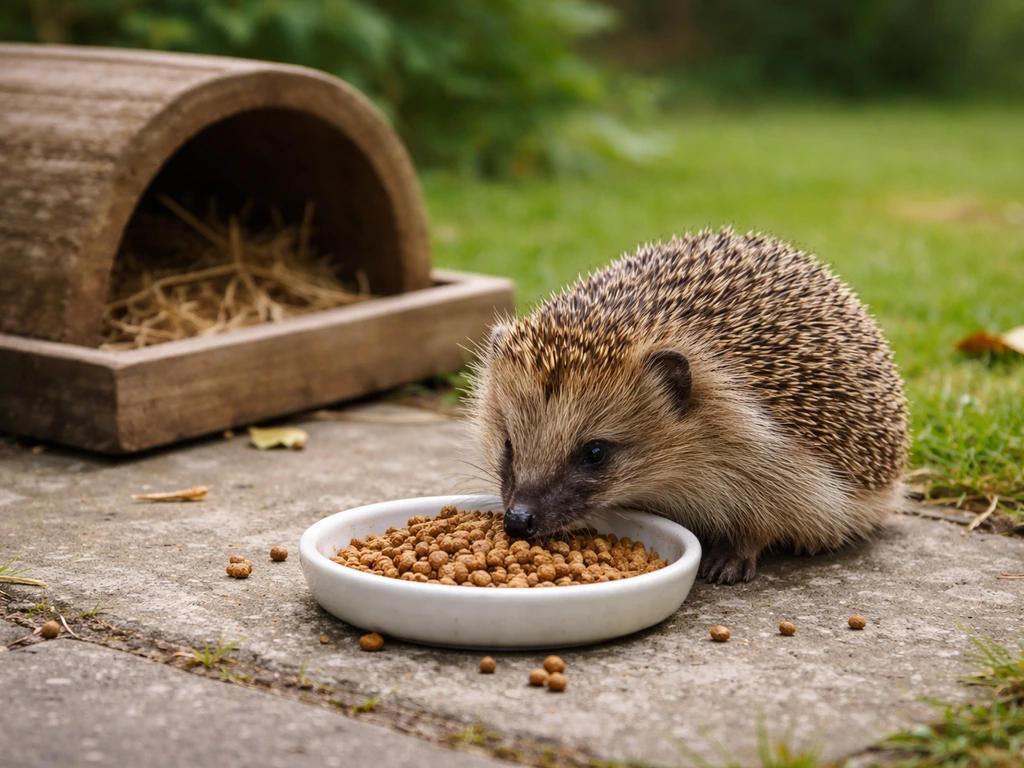
The most effective change you can make is to give hedgehogs their own food source so they are less motivated to forage through spilled seed. The RSPCA recommends a hedgehog feeding station with a tunnel entrance, roughly 13 cm wide and 13 cm tall, which is big enough for a hedgehog but keeps cats, foxes, and most other scavengers out. Place it away from your bird feeders, ideally in a sheltered spot near a hedge or fence line. Put out a small dish of meat-based cat or dog food (around 2 tablespoons per visit) or a purpose-made hedgehog food mix each evening after dusk. Remove any uneaten food in the morning to avoid attracting rodents or growing mold.
Adjust your bird feeder setup to reduce spill
Ground-level spilled seed is the main way hedgehogs end up eating bird seed. Ground-level spilled seed is the main way hedgehogs end up eating bird seed, and you can also ask do woodpeckers eat bird seed when deciding what to keep off the ground. A few practical changes make a real difference:
- Use a seed catcher tray under hanging feeders rather than letting seed fall directly to the ground
- Switch to no-mess seed mixes (dehulled seeds and pellets) that produce less debris and husk buildup
- Move ground feeding trays to a raised platform at least 60 cm off the ground, which most hedgehogs cannot reach
- Bring in ground trays before dusk since hedgehogs are nocturnal and do most of their foraging between sunset and midnight
- Avoid scatter feeding directly on the ground if hedgehogs are active in your garden
Quantity and timing
If you are already seeing hedgehogs in your garden, treat it as a sign to tighten up your seed management. Put out only as much bird seed as your birds will eat within a day. Overnight accumulation is exactly when hedgehogs are foraging. If you are in a region with a long active hedgehog season (roughly April through October in the UK), this matters across most of the warmer months. In colder climates, hedgehogs hibernate, so winter feeding is less of a concern, but late autumn and early spring are peak foraging times when nutritional shortcuts can do the most damage.
Keep your seed dry and safe for everyone
Preventing mold and mycotoxin buildup in stored seed protects birds, hedgehogs, and any other wildlife that passes through your garden. Aflatoxins form when grain is exposed to heat, moisture, and insect damage during storage, and contaminated seed looks no different from clean seed. Your best line of defence is proper storage and regular turnover.
- Store all seed in an airtight, rigid container, not the paper or thin plastic bags it comes in. Metal or heavy-duty food-grade plastic bins with sealing lids work best.
- Keep storage containers in a cool, dry location. Garages and sheds are fine if they stay below around 15°C (60°F) and are not damp. Avoid storing seed in direct sunlight or anywhere humidity regularly rises above 60%.
- Buy seed in quantities you will use within 4 to 6 weeks. Large bulk purchases save money but increase the time seed sits in storage and the chance of moisture or pest problems.
- Inspect seed before filling feeders. If it smells musty, looks clumped, or shows any visible mold or discoloration, discard the entire batch.
- Check feeders for wet or sprouted seed after rainfall. Even a single heavy rain event can introduce enough moisture to start mold growth within 24 to 48 hours.
- Never mix fresh seed on top of old seed in a feeder. Empty, clean, and dry the feeder before refilling.
Sprouted seed on the ground is a particular problem. It looks harmless but the germination process can accelerate mold growth, and wet clumps on the soil are exactly where Aspergillus thrives. Rake or collect any sprouted or clumped seed from under feeders and dispose of it in a sealed bag, not on a compost heap where hedgehogs might still find it.
Cleanup after hedgehogs visit your seed areas
Spotting that hedgehogs have been around
Hedgehog droppings are dark, cylindrical, and usually around 1.5 to 2 cm long. You will often find them near food sources or along routes hedgehogs regularly use. If you are finding droppings under or near bird feeders, that confirms hedgehogs are eating seed that is spilling from your setup, and it is time to act on the placement adjustments above.
Removing waste seed and droppings safely
Any area where hedgehogs have been foraging in seed debris needs to be cleaned regularly. Old seed mixed with animal droppings creates a disease risk for hedgehogs, birds, and any other wildlife. Use gloves and follow these steps:
- Sweep or rake up all debris from under feeders, including seed husks, sprouted seed, and any visible droppings.
- Bag the waste and dispose of it in general waste, not compost. Seed debris can contain mold spores that will survive composting.
- Scrub the ground surface (paving slabs or a board under feeders works well) with a 9-parts-water to 1-part-bleach solution. This is the ratio recommended by the National Wildlife Health Center for feeder cleaning. Let it sit for a few minutes, then rinse thoroughly and allow to dry before use.
- Clean feeder trays, dishes, and any feeding station components with the same bleach solution once a week, or after any rain event that has left standing water in feeding areas.
- Wash your hands thoroughly after handling feeders, old seed, or any area where wildlife has been active.
Ongoing hygiene to keep the area safe
Ground seed debris also attracts rodents, which in turn attract predators and can bring their own disease risks into the space. Keeping the area clean is good practice regardless of whether hedgehogs are present. Tufts Wildlife Clinic and the National Wildlife Health Center both emphasize that feeder-area hygiene is one of the most effective ways to prevent wildlife disease spread in backyard settings. Audubon also notes that the National Wildlife Health Center recommends cleaning bird bath and feeder surfaces with a 9:1 water-to-bleach solution feeder-area hygiene is one of the most effective ways to prevent wildlife disease spread in backyard settings. Think of the weekly clean as part of your bird feeding routine rather than an extra task.
If you are managing a garden that also hosts other foragers, it is worth knowing that hedgehogs are not the only animals that end up eating bird seed unexpectedly. Chipmunks and groundhogs, for example, are also regular seed opportunists in North American gardens, and similar seed-management and hygiene principles apply. In the UK, the hedgehog is the most likely mammal to be quietly working through your ground-level seed at night, but the cleanup and storage guidance here protects all of them.
The practical takeaway
Hedgehogs eating bird seed is not an emergency, but it is worth fixing. If you are also wondering can magpies eat bird seed, the same idea applies: spilled, damp, or moldy seed can be risky. The seed itself is nutritionally wrong for them, and poorly stored or damp seed carries a real mold and aflatoxin risk. If you want a parallel check for your feathered visitors, you might also look at whether do purple martins eat bird seed, since feeding choices can affect who ends up visiting your yard. The practical fix is straightforward: bring in ground-level seed before dusk, set up a proper hedgehog feeding station with meat-based food, store your bird seed dry and use it within 4 to 6 weeks, and do a weekly cleanup of your feeder area. Do those four things and you are protecting both the birds you are trying to feed and any hedgehogs that visit your garden.
FAQ
If a hedgehog only nibbles a few seeds, is it still a problem?
Yes, hedgehogs can eat it, but one-off or small amounts are different from repeated scavenging at a feeder. If you are seeing them return nightly, treat it as a feeding setup problem and remove ground-level access, because the biggest risks are nutritional imbalance and mold or toxin buildup over time.
Can I use bird seed to supplement hedgehog feeding instead of cat food?
Avoid feeding hedgehogs bird seed “as a supplement.” If you want to help, offer meat-based cat or dog food, or a purpose-made hedgehog food, after dusk. Bird seed should be kept for birds, not as an alternative food source for hedgehogs.
What types of bird seed are most risky for hedgehogs?
Mixes that include whole peanuts, large corn kernels, or any seeds that appear to be dressed or treated are higher risk. Hard, large kernels can cause digestive blockages, and treated seed may carry insecticide residues. Check packaging for wording about treatment or insecticides, not just the brand name.
How can I tell if my bird seed is dangerous for hedgehogs?
If seed gets damp, clumps, smells musty, or looks dusty and older, assume mold risk even if you cannot see it. Remove any spilled seed before dusk, and discard visibly sprouted or wet clumps in a sealed bag rather than leaving them on the soil overnight.
Is sprouted seed worse than dry bird seed for hedgehogs?
Sprouted seed on the ground is especially risky because wet clumps create ideal conditions for mold growth where hedgehogs forage. Rake or collect it promptly, then bag and dispose of it, since compost heaps may still be accessible to foraging hedgehogs.
What symptoms would mean I should call for veterinary help after a hedgehog ate spilled seed?
If a hedgehog has likely eaten a lot of seed and develops red flags such as loss of appetite, diarrhea, vomiting, jaundice (yellow gums or eyes), weakness, or unexplained bleeding, contact a wildlife rehabilitator or a vet promptly. Keep notes on what was available (damp seed, peanuts, feeder spills) to help them assess possible toxin exposure.
How often should I clean up spilled seed and hedgehog droppings?
Clean only when needed, but make hygiene a routine: gloves on, remove old seed and droppings, then dispose of debris in a sealed bag. After cleaning, wash hands and any tools used. This reduces disease and also lessens the “food trail” that keeps hedgehogs returning to the same spot.
What feeder changes stop hedgehogs from getting the seed without stopping bird feeding?
You can reduce access without eliminating bird feeding by using seed trays or feeders that limit direct ground spill, and by setting feeders on platforms with barriers or tray edges that catch falling seed for removal. The key is preventing overnight accumulation at ground level.
If I set up a hedgehog feeding station, how do I prevent leftovers from causing new problems?
Aim to provide the hedgehog food portion small and time-limited, then remove leftovers the next morning. This prevents rodents from learning the location and reduces mold growth from uneaten food overnight, even if the food is meat-based.
Will one hedgehog mean it is safe, or do I need to worry about repeat visits?
Yes. A solitary hedgehog can end up under a feeder for days, and multiple hedgehogs may use the same foraging routes. If you keep seeing droppings near the feeder area, tighten seed management and cleaning, since the problem usually persists until the access and overnight spill stop.
Next Article
Do Woodchucks Eat Bird Seed? What to Do at Feeders
Do woodchucks eat bird seed? Learn likelihood, what attracts them, and step-by-step feeder fixes and safe cleanup.