A bird seed diet for backyard birds means offering a curated, species-appropriate mix of seeds in clean feeders, with fresh stock rotated regularly and storage conditions tight enough to prevent mold, pests, and spoilage. Done right, it's one of the most effective ways to attract and support a healthy variety of backyard species. Done poorly, it can spread disease, invite rodents, and waste a lot of money. This guide covers everything from picking the right seed to scrubbing feeders and handling the wet or sprouted seed that every backyard feeder will eventually face.
Bird Seed Diet Guide: Feed Backyard Birds Safely and Effectively
Maya Collins
16 Jun 2026
What a bird seed diet actually means
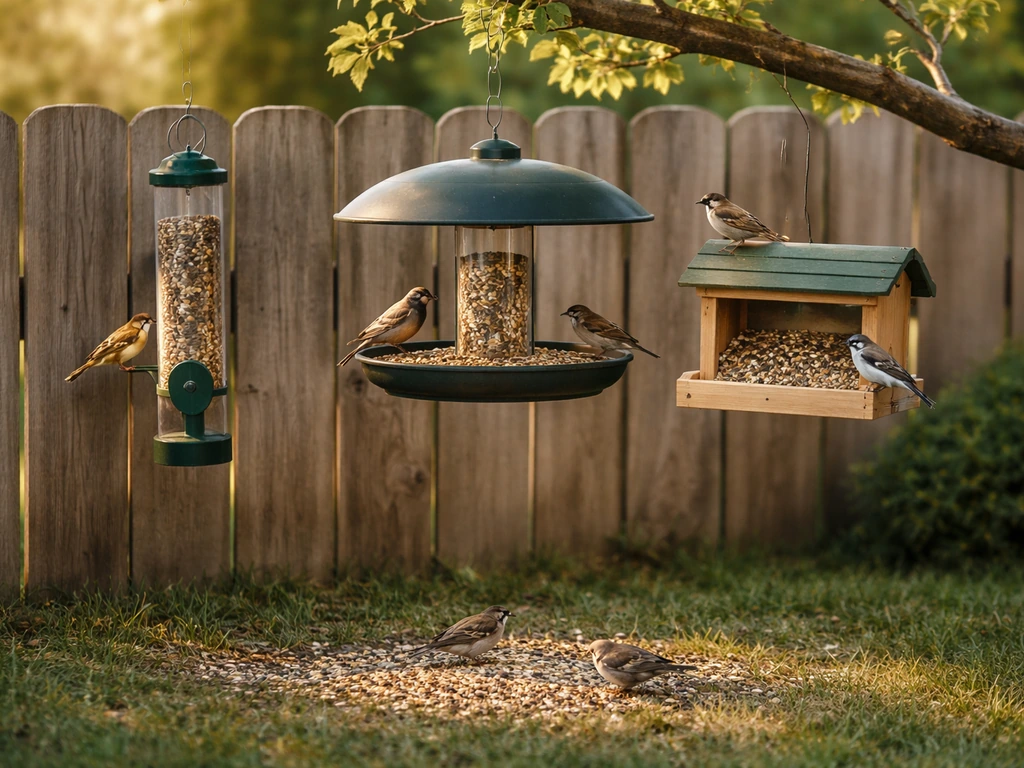
When people talk about a bird seed diet, they mean feeding backyard birds primarily through seed-based offerings: sunflower seeds, millet, safflower, nyjer, peanuts (shelled or in the shell), and blended mixes. The U.S. Fish and Wildlife Service confirms that store-bought birdseed is designed to mimic the components of birds' natural diets and can be a genuinely healthy food source when managed responsibly. The goal is not just to scatter food outside but to offer the right seeds in appropriate amounts, matched to the species in your yard, at feeders that keep seed dry and accessible.
What you should aim for is a feeding setup that supplies nutritional variety (different seed types attract different birds and meet different dietary needs), stays clean between refills, and never leaves wet or spoiled seed sitting out. Think of it less as a hobby and more as a small feeding operation where hygiene and freshness matter as much as what you put in the feeder.
Choosing the right seed mix and portioning for common backyard birds
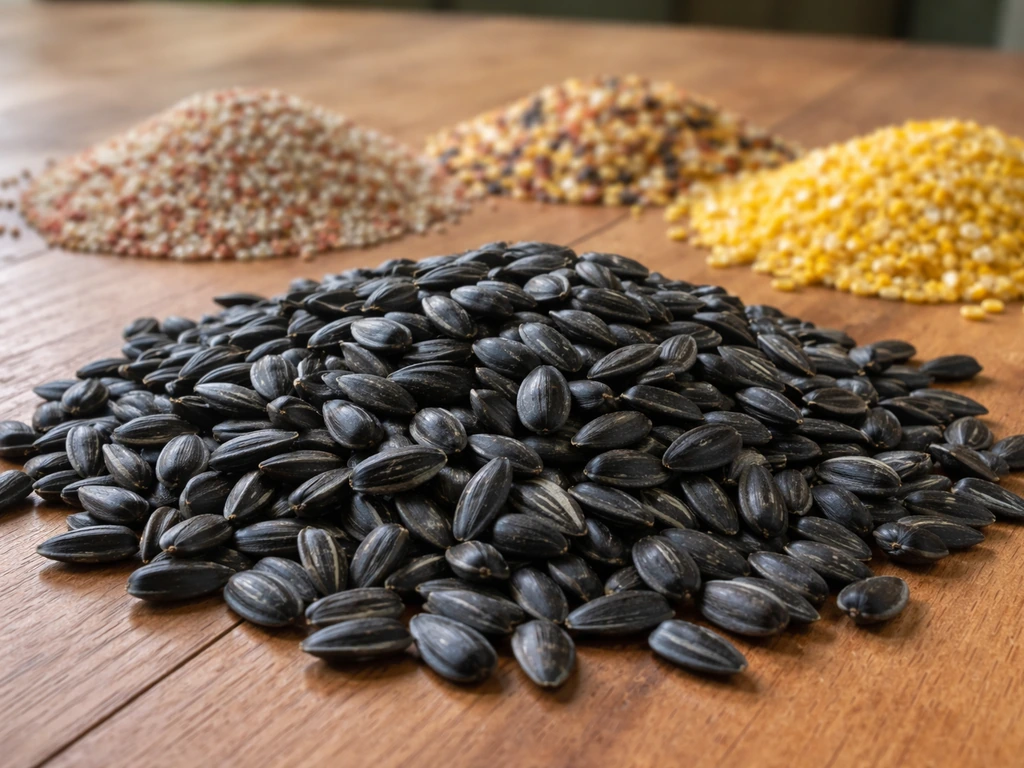
Black-oil sunflower seed is the single best all-purpose choice you can buy. It has a thin shell that most birds can crack, a high fat and protein content, and broad appeal. Project FeederWatch lists it as a top favorite for cardinals, chickadees, finches, and sparrows, which together make up the majority of birds at most North American feeders. If you only stock one seed type, make it black-oil sunflower.
Beyond that anchor seed, adding one or two targeted options expands what you attract without creating waste. Nyjer (thistle) draws goldfinches and pine siskins specifically. White proso millet appeals to ground feeders like juncos, towhees, and native sparrows. Safflower is worth adding if you have cardinals and want to discourage house sparrows and squirrels, both of which tend to avoid it. Avoid cheap "wild bird mixes" that are padded with milo, oats, or red millet. Most birds reject these fillers, they pile up under feeders, and they become a mold and pest problem faster than quality seed.
| Seed Type | Best For | Feeder Type | Notes |
|---|---|---|---|
| Black-oil sunflower | Cardinals, chickadees, finches, sparrows, nuthatches | Hopper, tube, platform | Best all-purpose choice; thin shell, high fat content |
| Nyjer (thistle) | Goldfinches, siskins, redpolls | Nyjer tube feeder with small ports | Use dedicated feeder; goes stale quickly in humid weather |
| White proso millet | Juncos, towhees, sparrows, doves | Platform tray or scattered on ground | Great for ground feeders; keep dry to avoid mold |
| Safflower | Cardinals, chickadees, nuthatches | Hopper or platform | Squirrels and starlings tend to avoid it |
| Shelled peanuts | Jays, woodpeckers, nuthatches, titmice | Wire mesh peanut feeder | High protein; check frequently for freshness in warm weather |
| Striped sunflower | Larger birds (cardinals, jays) | Hopper, platform | Thicker shell; smaller birds may skip it |
How much seed to offer
Portion to match your bird traffic, not your storage supply. A feeder should turn over its contents within two to three days in cool weather and within one to two days in warm or humid conditions. If seed is sitting for longer than that, you're offering too much at once. Fill feeders no more than halfway during hot or rainy periods so you're not letting seed sit and absorb moisture. In winter, when birds are burning more calories, you can fill more generously since consumption speeds up.
Seasonal adjustments
In spring and summer, scale back seed offerings since natural food sources are abundant and birds switch partially to insects for protein, especially when raising chicks. Offering high-fat seeds like sunflower year-round is fine, but you'll waste less if you reduce volume during peak insect season. In fall and winter, ramp back up. Cold-weather residents and migrants actively seek calorie-dense food, and a well-stocked feeder during these months makes the biggest difference for bird health.
Feeder and tray setup: placement, protection, and clean seed
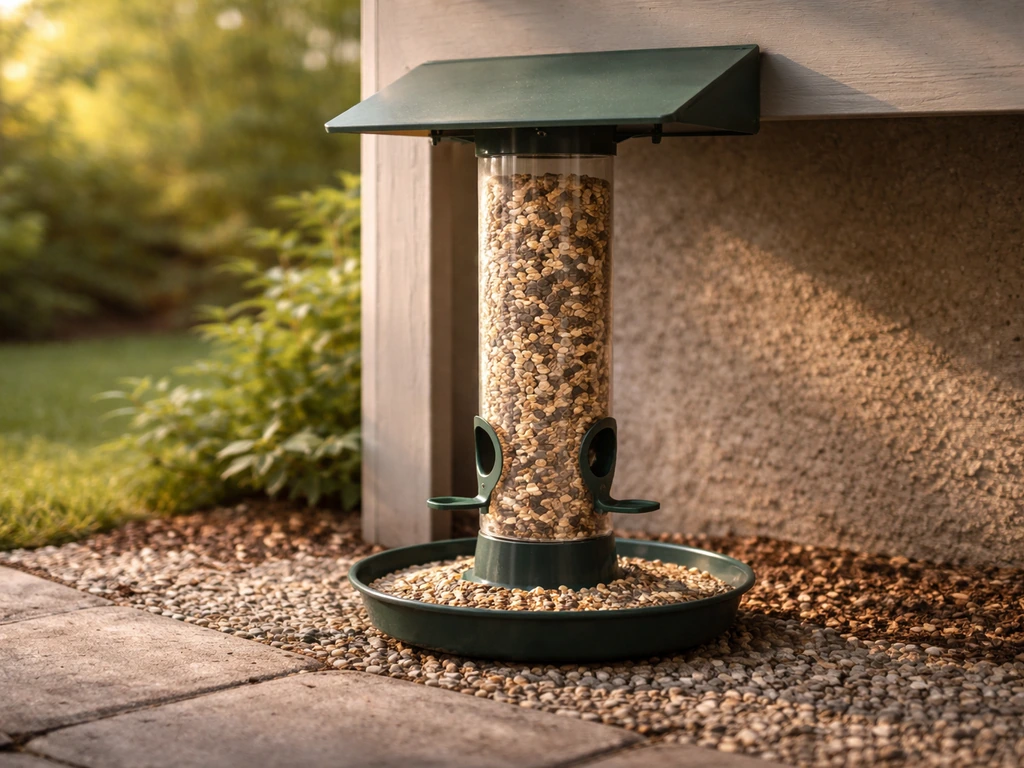
Placement is not just about convenience for you. It affects whether birds actually use the feeder, whether seed stays dry, and whether you're creating a pest problem. Put feeders within 3 feet of a window or more than 30 feet away to reduce window strike deaths. Position them near shrubs or trees that provide cover (birds want a quick escape route), but not so close that squirrels can jump onto them. Shade matters too: direct afternoon sun accelerates seed spoilage in summer, so a partly shaded spot is better than full sun.
Use the right feeder for each seed type. Tube feeders with small ports work for nyjer. Hopper feeders handle sunflower and mixed seed well. Platform or tray feeders suit millet and peanuts and attract ground-feeding species that won't use tubes. A tray feeder with drainage holes is worth the small investment because it lets water run out rather than pooling under your seed.
Dome or baffle covers over feeders keep rain off the seed and make a real difference in wet climates. If you're in a region with frequent summer rain (the Pacific Northwest, the Southeast, or anywhere that sees afternoon thunderstorms regularly), a covered feeder isn't optional. Wet seed sitting in an open hopper for even a few hours starts the mold clock.
Move feeders every few weeks, or at least rotate where you place them on your property. The RSPB recommends moving and regularly rotating feeders to prevent seed build-up and droppings from accumulating underneath move feeders every few weeks. The RSPB specifically recommends this to prevent the buildup of seed debris and droppings in one spot, which degrades the ground underneath and concentrates disease risk.
Storage and handling: shelf life, moisture control, and preventing spoilage
How you store seed determines how long it stays usable. Most birdseed has a shelf life of six to twelve months from the packaging date when stored properly. Improper storage cuts that dramatically. Heat, humidity, and exposure to air are the main enemies. Those same storage conditions matter because birds rely on stored seed and their natural behaviors, including keeping food in crop-like storage pockets Heat, humidity, and exposure to air are the main enemies..
- Store seed in a hard-sided, airtight container: metal galvanized cans or heavy-duty plastic bins with tight lids. Avoid paper or thin plastic bags, which moisture and rodents penetrate easily.
- Keep storage containers in a cool, dry location: a garage, shed, or basement works better than outdoors in direct sun or a damp porch. Target temperatures below 70°F (21°C) when possible.
- Don't pour new seed on top of old seed in a container. Empty and inspect the bin first, wipe out any moisture or debris, and then refill. Old seed at the bottom of a pile goes unnoticed until it's already clumped or moldy.
- Buy in quantities you'll use within one to two months for optimal freshness. Bulk buying saves money but only if your storage is genuinely airtight and cool.
- Check seed before each fill-up. Good seed smells slightly nutty or neutral. Musty, sour, or sharp smells mean mold has started. If it smells off, discard it.
- Nyjer seed has the shortest shelf life of common feeder seeds. It goes rancid or stale within four to six weeks in heat or humidity. Buy it in smaller quantities and check it frequently.
Wet, sprouted, or moldy seed: what's safe, what to discard, and how to fix it
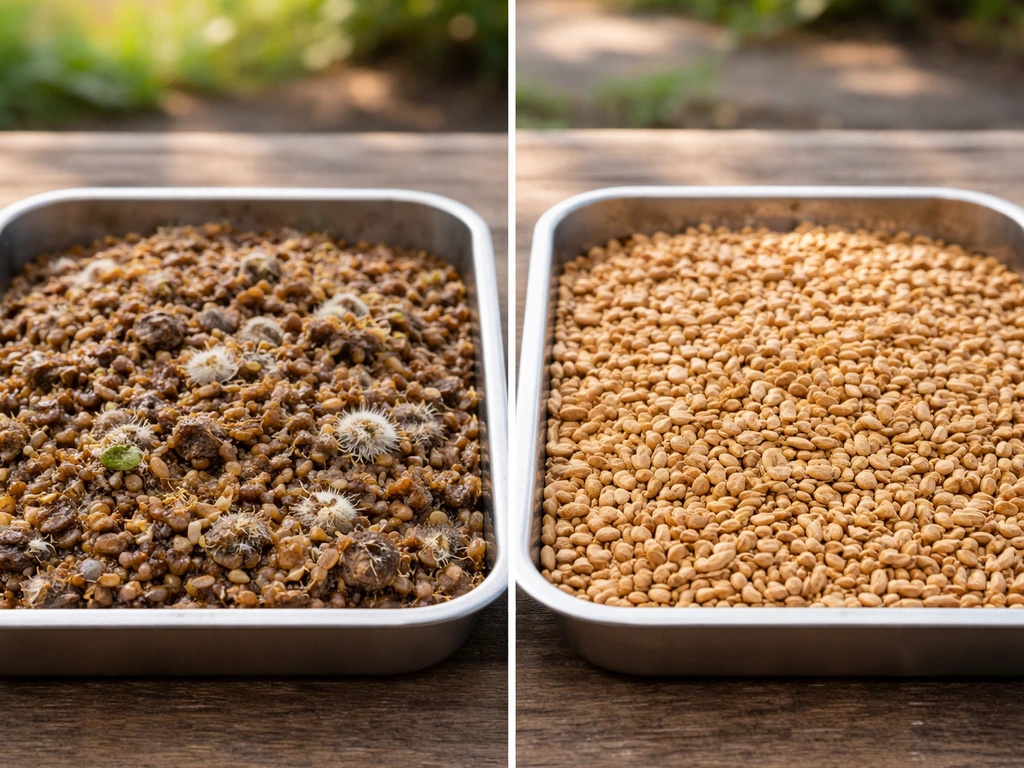
Wet seed is the most common problem at backyard feeders, and it escalates fast. Audubon states clearly that damp seed can grow mold, and that mold can be fatal to birds. This isn't a minor inconvenience. Aspergillus fungus, which grows on damp seed, causes a serious respiratory disease in birds called aspergillosis. You won't always see visible mold before the damage is done.
What to do when seed gets wet
- Remove all wet seed from the feeder immediately. Don't leave it hoping it will dry out in place.
- Dispose of it in a sealed bag in the trash, not on the ground, where birds will still try to eat it.
- Rinse the feeder with hot water to remove any clumped residue, then let it air dry completely before refilling. Completely dry means no visible moisture inside ports, seams, or the base.
- Refill with fresh, dry seed. Mixing new seed with wet leftover seed just spreads the moisture.
Sprouted seed: a separate sibling topic worth knowing
Seed that has gotten wet and been left long enough will sometimes sprout, especially millet and sunflower. Sprouted seed under a feeder is a sign that whole seed is dropping and sitting in moist soil. It's not an emergency for the garden, but it means you're offering more seed than birds are consuming, or that the feeder is letting too much fall. Switching to a no-mess blend (hulled seeds that can't germinate) reduces sprouting under feeders, and this connects to the broader question of how to choose seed that doesn't create a weed problem in your yard.
Moldy seed: always discard
Visible mold (fuzzy growth, black spots, or clumped seed with a musty smell) means the whole batch in that feeder is compromised. Don't pick out the moldy parts and keep the rest. Mold spores spread through the entire supply. Discard all of it, clean the feeder with a bleach solution (detailed below), dry it completely, and start fresh. There is no safe way to rehabilitate moldy seed.
Pests and contamination: insects, rodents, and bird health
Poorly managed feeders attract pests almost inevitably. The two main categories are insects in stored or spoiled seed and rodents drawn to fallen seed on the ground.
Insects in stored seed
Weevils and grain moths are the most common insects found in birdseed. They're typically introduced through infested seed purchased from a warehouse that had a storage problem. If you open a bag and see tiny beetles, webbing, or small moth larvae, the bag is compromised. Return it to the store if it's new, or discard it if you've had it for a while. Freeze new seed for 48 hours before long-term storage if insect infestations have been a recurring problem for you. Freezing kills eggs and larvae without damaging the seed.
Rodents under feeders
Spilled seed on the ground is the main rodent attractant. Mice, rats, and squirrels (and sometimes raccoons) will all visit a feeder area that has consistent seed debris. Use a seed tray or catcher under tube feeders to collect spillage and reduce ground accumulation. Sweep or rake the area under feeders at least once a week. Baffles on feeder poles prevent squirrels from climbing up. If you're dealing with rats specifically, consider switching to a no-mess hull-free blend so there's less shell debris, and move feeders to pole-mounted positions at least five feet off the ground with a baffle below.
Bird health and disease risk at crowded feeders
Dense feeder traffic creates conditions for disease transmission between birds: salmonella, E. coli, and finch diseases like Mycoplasmal conjunctivitis can all spread through contaminated feeders or droppings accumulating under them. This is why cleaning and moving feeders matters for bird safety, not just household tidiness. If you notice birds looking lethargic, fluffed, or showing eye discharge near a feeder, take the feeder down, clean and disinfect it, and leave it empty for a week to disperse the flock before rehanging.
Cleanup and hygiene: sanitizing feeders and managing waste
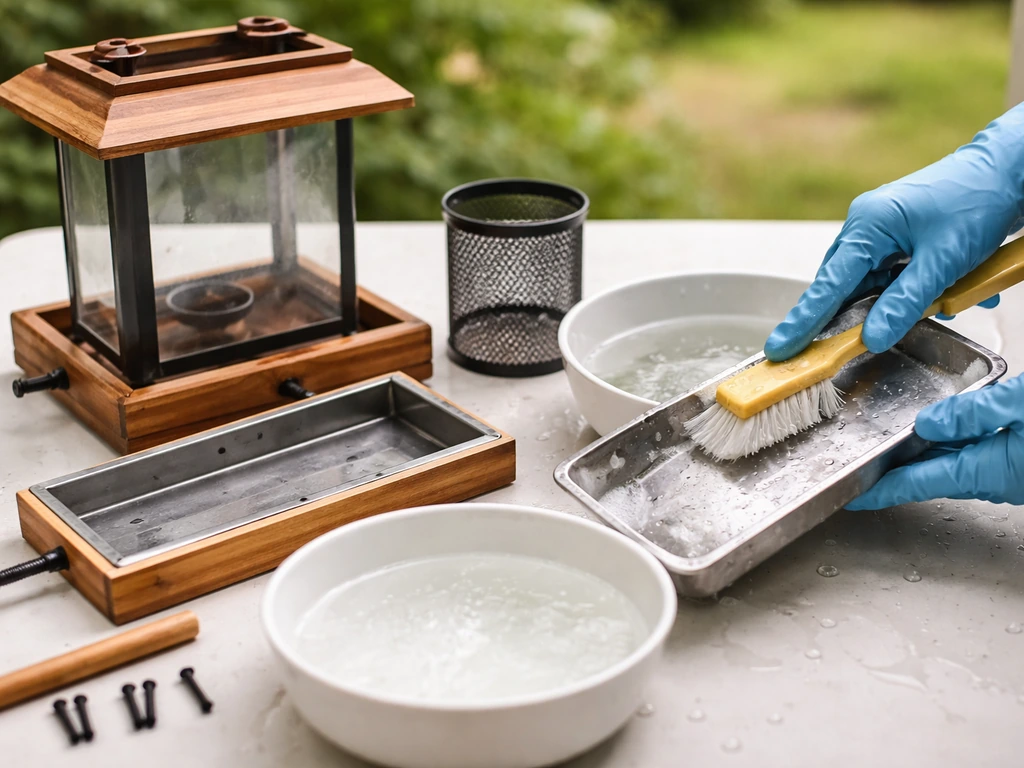
Cleaning is the part most backyard birders underdo. Audubon recommends scrubbing feeders with a 10% non-chlorinated bleach solution at least between seasons, with more frequent cleaning as needed. Project FeederWatch advises cleaning seed feeders about once every two weeks as a baseline, and more often during warm, damp conditions or heavy use periods. That two-week schedule is a practical minimum, not an ideal. Hot, humid summer months may call for weekly cleaning.
How to clean a feeder step by step
- Empty the feeder completely. Discard any remaining seed rather than mixing it with fresh seed later.
- Disassemble the feeder as much as possible. Remove ports, trays, and bases to reach all internal surfaces.
- Rinse with hot water to loosen debris and old seed.
- Scrub all surfaces with a stiff brush using a solution of 1 part bleach to 9 parts water (a 10% solution). An old bottle brush works well for tube feeders.
- Rinse thoroughly with clean water to remove all bleach residue.
- Allow the feeder to air dry completely before refilling. Audubon is explicit on this point: refilling a damp feeder just transfers moisture directly into your fresh seed. If you're in a hurry, use a clean towel to dry it, then let it air for another 15 to 30 minutes.
- Wipe down the feeder pole and any surrounding hardware while you have the feeder down.
Ground and area cleanup
The area under and around feeders needs regular attention. Rake or sweep up seed hulls and debris at least weekly. In warm months, more frequent cleanup (every two to three days) prevents mold growth on debris and reduces rodent habitat. If you have a persistent wet spot under a feeder from dripping water or rain, consider placing a layer of gravel or sand underneath to improve drainage. Avoid placing feeders over grass or garden beds you care about, since seed hulls and droppings change soil chemistry over time.
When to take a break from feeding
If disease is spreading through your local bird population (sometimes announced by local wildlife agencies or birding groups), the responsible move is to take feeders down entirely for a few weeks to prevent concentrating sick birds in one spot. This is especially relevant for salmonella outbreaks, which recur in finch populations in many regions. It's also worth skipping feeding during late spring and early summer in areas with active bear populations, since birdseed is one of the most common sources of human-bear conflict.
A consistent seed diet, managed with these practices, is genuinely beneficial for backyard birds. The key is treating the feeder as a small piece of equipment that needs maintenance, not just a container you refill. Fresh seed, clean feeders, good storage, and regular ground cleanup are what separates a feeder that supports birds from one that creates problems for them. For people looking for guidance on a bird seed diet for humans as a concept, it helps to understand how bird seed quality and handling affect safety and spoilage risks Fresh seed, clean feeders, good storage. For wedding setups, consider alternatives to bird seed at weddings like seed-free decor, bird-safe plants, or small supervised feeding stations Fresh seed.
FAQ
How often should I refill my bird seed diet in hot weather to prevent spoilage?
Yes, but you must follow basic safety rules. Offer small amounts more often (instead of a big refill), keep feeders shaded if possible, and remove wet or clumping seed promptly. Also, use a feeder style that reduces leakage onto the ground (tray with drainage, seed catcher for tubes) because damp debris is what most quickly creates mold and pest problems.
Is it safe to keep feeding if my bird seed diet sprout under the feeder?
Feed sprouted seed only if it is still dry and only lightly sprouted, and stop feeding that blend if you see frequent sprouting in the feeder. In practice, sprouting usually means seed is falling and sitting moist, or you are overfilling, so adjust portion size and consider a no-mess hull-free option to reduce dropped seed.
Can I remove the moldy pieces and use the rest of the seed?
No. If you see fuzzy growth, clumps with a musty smell, or visible mold, you should discard the entire batch in that feeder. Mold spores can spread through the whole supply, and picking out a few pieces does not make the rest safe. After disposal, scrub and fully dry the feeder before refilling.
If I freeze my bird seed diet, will it prevent all insect infestations?
It helps, but it is not a guarantee. Freezing new seed for 48 hours can kill many eggs and larvae, yet it does not fix seed that is already heavily infested or contaminated. Always inspect bags when you open them, and avoid keeping long-term seed that starts showing weevils, webbing, or moth larvae.
Why am I going through seed so fast or wasting so much even with the right seeds?
Switching seed types can reduce waste but it depends on the bird species in your yard. For example, nyjer primarily targets finch species that can use small ports, while millet and peanuts are better for ground feeders using trays or platforms. If you frequently refill because seed disappears slowly, it may mean your feeder style does not match the birds present or the seed choice is not the right one for your local traffic.
Do no-mess hull-free blends reduce rodents and mess under my bird seed diet?
Yes, but it changes the risk profile. Bins of hull-free or no-mess blends generally drop fewer shells, but you still need regular feeder cleaning and ground cleanup. The main benefit is less debris, which reduces rodent attraction and makes it easier to keep the area dry and sanitary.
What is the best way to store bird seed long term to keep it safe?
For most backyard setups, a simple dry, pest-resistant storage plan matters more than rotating brands. Use sealed containers (or keep bags tightly closed), store in a cool dry place, and avoid humidity-prone areas like garages with temperature swings. Also label bags with the purchase date so you can use older seed first within its typical 6 to 12 month window.
Can I “save” wet seed if it dried quickly?
You generally should not feed seed that is wet, heavily clumped, or has started to mold, even if it looks only slightly affected. If it merely got a little damp but then dried quickly and smells normal, you can dry it completely and monitor closely, but many feeders still drop contaminated residues onto the ground, so the safer approach is to pause feeding and clean.
What should I do with my bird seed diet during a local bird disease outbreak?
During a disease scare, the best step is to reduce concentration of birds. Take feeders down temporarily (often a few weeks locally, depending on guidance), clean and disinfect everything that birds used, and avoid reintroducing food until the situation improves. If you notice sick-looking birds at a feeder, leaving it empty helps prevent the flock from repeatedly gathering in the same place.
My birds ignore my feeder, what are the most common reasons?
If birds are not using the feeder at all, check four common issues: wrong feeder type for the seed, poor placement (too exposed with no escape cover, or in full sun baking the seed), seed quality (old or insect-infested), and competition from dominant species or cats. Start with the correct pairing of seed and feeder, then move it within your placement guidelines before changing everything at once.
How often should I clean up spilled seed and hulls under a feeder?
Ground cleanup is essential to reduce disease and pests, even if your feeder is clean. Aim to rake or sweep under feeders at least weekly, and in warm damp periods more frequently (every few days) to stop hull buildup and moist debris. Consider drainage under persistent wet spots so dropped seed does not sit in puddles.
Are there any reasons to stop feeding seed even if I manage hygiene well?
Yes, there are two key edge cases to watch. First, seed can increase bear or human wildlife conflicts in some regions, so stop feeding when bears are actively entering neighborhoods. Second, if you have cats or other predation pressure, feeder location and access design matters, since a “well-fed” area can also attract predators that learn the routine.
Can I use bird seed diet for a wedding or event decor safely?
Yes, but it requires caution. Keep it small and supervised, remove it quickly, and avoid using the same feeder area where disease risk is high. For long-term solutions, consider seed-free decor or bird-safe plants instead, because weddings and events often increase traffic, spillage, and exposure time.