Bird seed is not safe or advisable for humans to eat. It carries real risks: mold toxins, pesticide residues, bacterial contamination, possible pest infestation, and added minerals meant for birds, not people. Even the edible-sounding ingredients (sunflower seeds, millet, cracked corn) are not produced under human food safety standards, are labeled "not for human consumption," and can harbor aflatoxins or pathogens you cannot detect by smell or sight alone. If you already ate some, keep reading for what to do next. If your goal is eating seeds for nutrition, there are straightforward food-grade alternatives that get you what you actually want without the hazards. For weddings, you can skip birdseed entirely and choose safer, wedding-appropriate alternatives like bubbles, confetti, or rice substitutes that are designed for people alternatives to bird seed at weddings.
Bird Seed Diet for Humans: Risks, Safety Steps, Safer Options
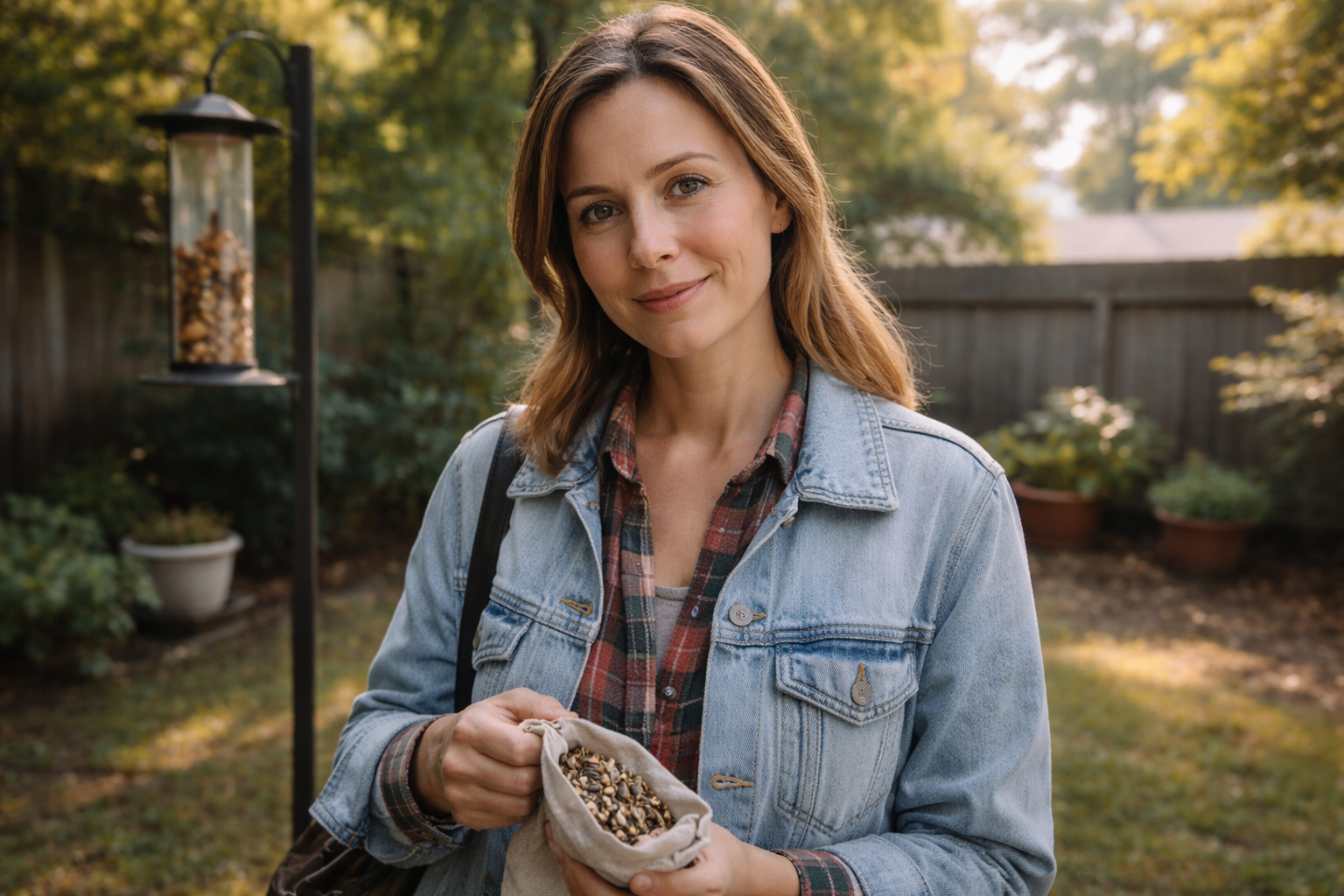
What "bird seed diet for humans" usually means
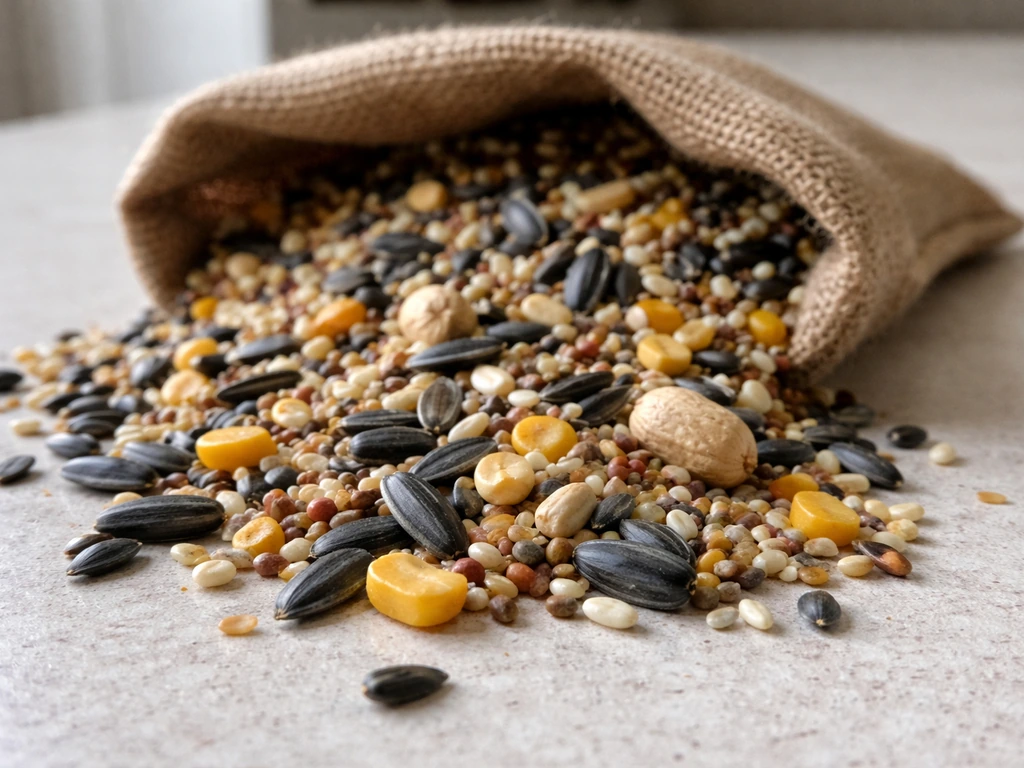
Online, this question comes up in two ways. First, people see a bag of wild bird mix and notice it contains sunflower seeds, millet, corn, and peanuts and figure those are perfectly edible foods, so why not? Second, it comes up as a survival or emergency scenario: what if bird seed is all that's at hand? Both framings make a reasonable-sounding logical leap but miss the crucial point that "contains recognizable seeds" is not the same as "produced safely for human food."
The seed in a typical bird bag goes through supply chains, storage conditions, and handling standards set for animal feed, not human food. There's no Nutrition Facts label, no regulated pesticide-residue limit tied to human dietary exposure, and no microbial safety standard designed to protect you. The label almost always says "not for human consumption" explicitly, and that language is there for a reason.
What bird seed actually contains
Most wild bird mixes center on a handful of core ingredients: oil-type sunflower seeds, white or red proso millet, cracked corn, safflower, and sometimes peanuts, oats, or dried peas. Some mixes include nyjer (thistle) seed or safflower for specific bird species. On the surface, those are all real foods. The problem is that a bag might also include grit or mineral supplements formulated specifically for birds: limestone, oyster shell, calcium carbonate, sodium selenite, and added salt. These aren't food-grade formulations, and the amounts of certain minerals (like selenium compounds) that are appropriate for a small bird's physiology are not calibrated for yours.
Beyond the ingredient list, bird seed is not balanced for human nutrition. It skews heavily toward carbohydrates and fats from grains and oils seeds, with incomplete protein coverage and essentially no standardized micronutrient balance. There's no vitamin C, minimal calcium in a bioavailable form for humans, inadequate B-vitamin coverage for a whole diet, and no protein quality assurance. Eating it as a primary food source would leave you with serious nutritional gaps over any meaningful time frame.
Safety risks you actually need to know about
Mold and mycotoxins
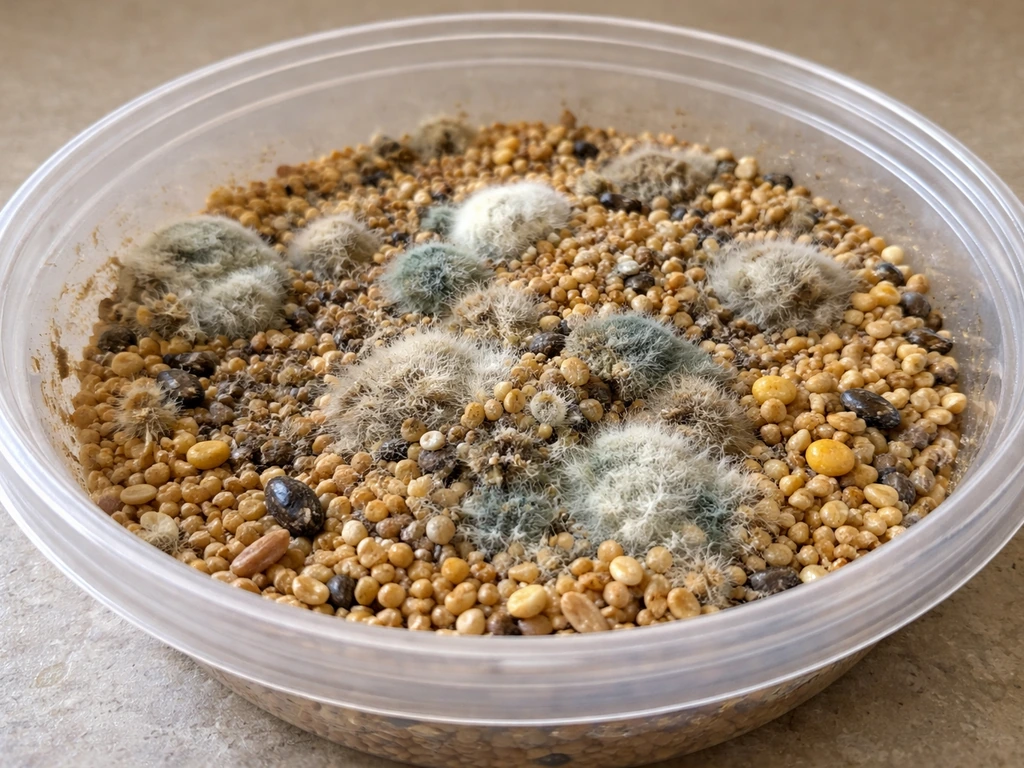
This is the biggest hidden hazard. Corn, peanuts, and other high-oil seeds in bird mixes are exactly the crops most associated with aflatoxin contamination when mold occurs during storage. Aflatoxins are produced by Aspergillus mold species and are potent liver carcinogens. FDA lists them as a primary mycotoxin concern in human food, and the problem is they don't always produce a visible mold bloom or obvious smell. Ochratoxin A is another mycotoxin associated with stored grains. Bird seed bags are often stored in conditions (warehouses, garden sheds, outdoor bins) that make moisture intrusion and mold growth more likely than in food-grade supply chains.
Moldy seed also poses an inhalation risk. Aspergillus spores can cause aspergillosis, a fungal lung infection, through inhalation. The Pennsylvania Game Commission also notes that bird feeders can be a potential source of aspergillosis exposure for wild birds, which underscores how handling or exposure to contaminated seed can matter. Bird feeders themselves are a recognized exposure route for this pathogen in wildlife, and the same principle applies when you're handling or eating seed that has developed mold.
Bacterial contamination (especially if sprouted or wet)
If you've added water to bird seed to sprout it, the risk escalates sharply. FDA has documented multiple outbreak investigations where contaminated seed was the most likely source of Salmonella, Listeria, and E. coli in sprout-associated illnesses. The warm, moist conditions that make seeds sprout are exactly what let those pathogens multiply to dangerous levels. This is not a theoretical edge case. Sprouting is specifically the higher-risk scenario that food safety authorities flag even for food-grade sprouting seeds. For bird seed, which hasn't been through any equivalent safety treatment, the risk is meaningfully higher. The topic of bird seed sprouting is covered more fully in related content on this site, but from a human safety angle: don't sprout bird seed and eat the results.
Pesticide residues and chemical contaminants
Bird seed ingredients are grown and processed under agricultural standards designed for animal feed, not for minimizing human dietary pesticide exposure. FDA frameworks for chemical contaminants in animal food are different from those applied to human food. You don't know what pesticide residues, storage fumigants, or industrial chemical exposures a given bag of bird seed has had, and there's no regulatory requirement that forces the manufacturer to tell you.
Pests and allergens
Stored bird seed commonly develops infestations of Indian meal moth larvae, grain weevils, and other stored-product insects. These aren't just a nuisance: frass, shed skins, and insect fragments can trigger allergic responses, and in some people with grain or insect allergies, an encounter with infested seed can cause a reaction. The seed dust itself (a fine particulate from broken seed coats and grain) can be an airway irritant even without mold.
What to do if you already ate bird seed
If you or someone else ate a small amount of dry bird seed and is not having symptoms, the most useful first step is to call Poison Control at 1-800-222-1222 (U.S.). They can walk you through what you actually consumed, assess the risk based on the specific product and quantity, and tell you whether you need to go to an emergency room or just monitor at home. Don't guess, and don't wait for symptoms to develop before calling. Poison Control explicitly advises contacting them early because it can prevent unnecessary ER trips when the exposure turns out to be low-risk, and can flag when it isn't.
Get immediate medical attention if you experience any of these after eating bird seed:
- Hives, swelling around the mouth or eyes, or throat tightening (potential allergic reaction)
- Difficulty breathing or dizziness
- Vomiting or severe abdominal cramping
- Any sign of a neurological symptom (numbness, confusion)
If the seed was moldy, wet, or visibly infested, that raises the risk level and is worth mentioning specifically when you call Poison Control or a doctor. If the bag contained a mineral/grit block or additive ingredients beyond basic seeds, bring the packaging so the medical team can see the actual ingredient list.
If you want to eat seeds: safer substitutes and food-grade prep
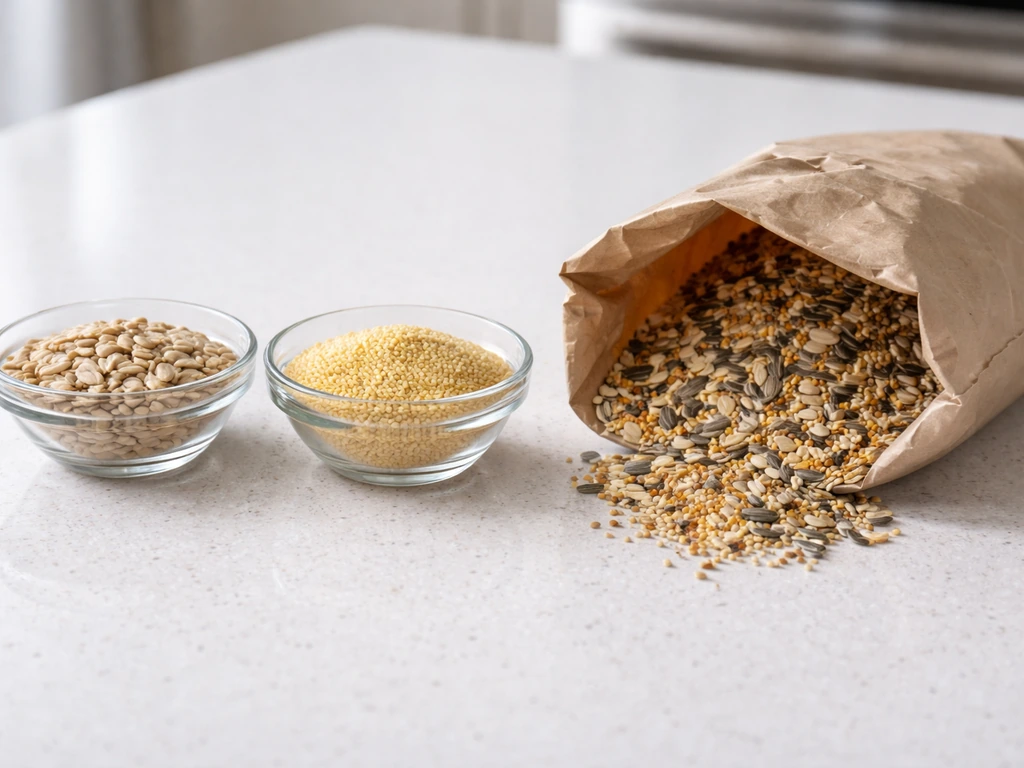
If your actual goal is eating seeds for nutrition (a reasonable and healthy goal), there's an easy solution: buy food-grade versions of the same ingredients. Sunflower seeds, millet, pumpkin seeds, flaxseed, and sesame are all available at grocery stores and online, produced under human food safety standards, and competitively priced. You get the nutritional value without the mold risk, pesticide uncertainty, or added bird minerals.
| Bird seed ingredient | Food-grade equivalent | Where to get it | Notes |
|---|---|---|---|
| Oil sunflower seeds | Raw or roasted sunflower seeds (hulled) | Grocery, bulk food stores | Nutrition Facts label; no added grit or salt |
| White proso millet | Food-grade millet | Health food stores, online | Verify "for human consumption" on label |
| Cracked corn | Polenta, grits, or cornmeal | Any grocery store | Processed for human food standards |
| Peanuts | Raw or roasted peanuts, peanut butter | Any grocery store | Aflatoxin-tested under FDA food rules |
| Safflower seeds | Safflower oil or food-grade seeds | Health food stores | Less common as direct snack; oil is safer bet |
| Oats | Rolled oats, steel-cut oats | Any grocery store | Produced to human food standards |
If you want to sprout seeds at home, the same principle applies: use seeds specifically sold for human sprouting, from a food-grade supplier. FDA sprouting guidance is clear that even food-grade sprouting seeds carry bacterial risks and require careful handling (rinsing multiple times daily, refrigerating, discarding at the first sign of sliminess or off-odor). Sprouting random bird seed or mixed feeder seed at home is one of the higher-risk things you could do in this space, given what we know about how Salmonella behaves in sprouting conditions.
One allergy note: sunflower seeds and peanuts are common allergens. If you're new to eating them in quantity, start small and pay attention to how you feel. That applies to food-grade products too.
Seed storage and handling hygiene that matters for your household
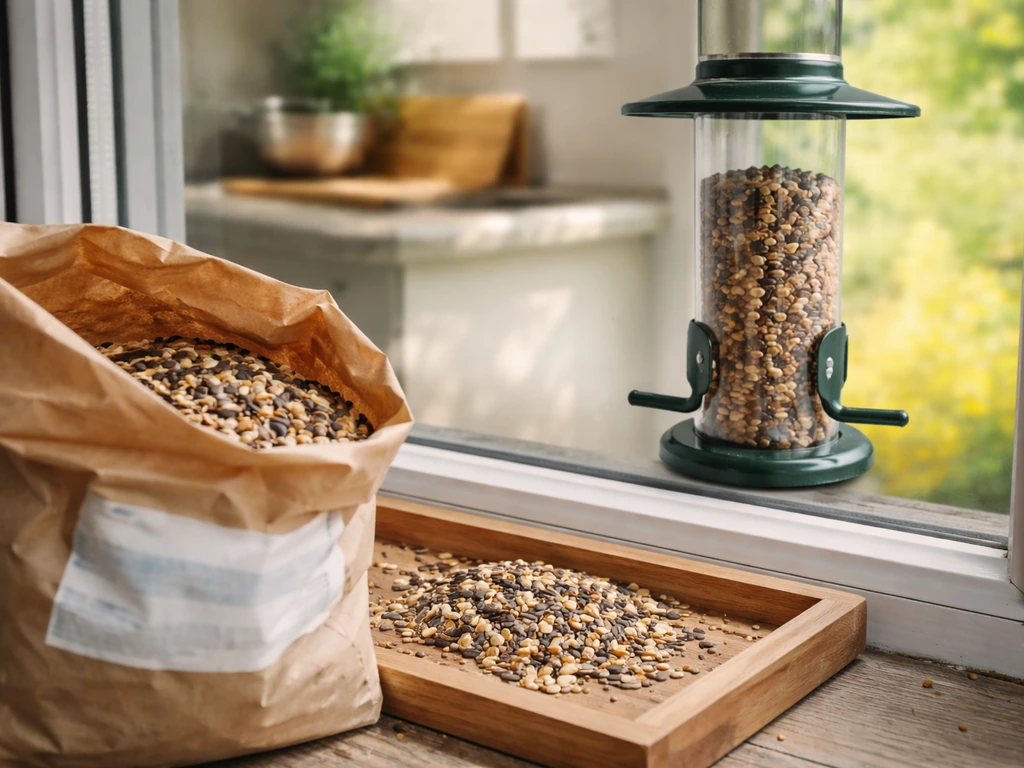
Even if you're not eating bird seed yourself, how you store and handle it affects human hygiene in the home. This is especially important if you are considering a bird seed diet or using seed as a human food substitute bird seed at home. CDC explicitly recommends washing hands after handling bird food and feeders, and advises against cleaning feeders in the kitchen sink where food is prepared. These aren't overcautious suggestions: feeder environments accumulate bird droppings, bacteria, and mold spores, and scattered seed dust on counters or prep surfaces is a cross-contamination pathway.
For storage, the goal is keeping seed dry and sealed to prevent mold and pest infestation. Here's what actually works:
- Store bird seed in a sealed, hard-sided container (metal or thick plastic) in a cool, dry location, ideally below 70°F
- If you suspect pest eggs in a new bag, freeze the seed for 72 hours before transferring it to storage; this kills Indian meal moth larvae and eggs without chemicals
- Don't mix old seed with new seed; use up existing stock before refilling
- Keep stored seed away from kitchen prep areas and food storage
- Wash hands thoroughly with soap and water after handling seed, feeders, or feeder trays
In humid climates (the Gulf Coast, Pacific Northwest, Florida summers), moisture intrusion into stored seed is faster. Check stored seed more frequently in humid conditions, at least every two to three weeks, and look for clumping or condensation inside the container as early warning signs.
Troubleshooting: spotting bad seed and cleaning up safely
How to tell if seed has gone bad
Use this checklist when evaluating a bag or container of stored seed:
- White, gray, or green dusty coating on seeds: visible mold; discard the entire batch
- Musty, mushroomy, or "wet grain" smell: mold or moisture damage; discard
- Clumping or seeds stuck together: moisture exposure; check for mold and discard if found
- Webbing or silky threads inside the bag or container: Indian meal moth infestation; discard and clean the container thoroughly
- Live or dead small insects, larvae (small white/cream worms), or dark powder (insect frass): pest infestation; discard
- Rancid or sour oil smell: seed oils have oxidized; lower nutrition value and potential for off-flavors that signal broader spoilage
Cleaning up after moldy or infested seed
If you find mold, handle it with the same caution you'd use for any household mold source. Wear gloves and, if the mold is extensive, an N95 mask to avoid inhaling spores. Do not dry-sweep or use a regular vacuum: this aerosolizes spores. Use a HEPA-filtered vacuum to clean the storage area and any nearby surfaces. Wipe down the container and surrounding area with a dilute bleach solution (about 1 tablespoon of bleach per quart of water), let it air out, and dry completely before reuse.
For pest cleanup: discard the infested seed in a sealed bag in an outdoor trash bin. Wash the container with hot soapy water, inspect it for cracks or gaps where larvae can hide, and consider leaving it in a freezer overnight to kill any stragglers. Indian meal moths can spread from a single infested bag to nearby dry goods (flour, oats, dried pasta) in your pantry, so check those too. If moths are already in your pantry, sticky pheromone traps are an effective monitoring tool to gauge the extent of the infestation.
When bird seed becomes a broader household hygiene issue
Scattered seed under and around feeders can attract rodents and ground-feeding insects, which then create access points into the home. Keep the ground under feeders raked or use a tray feeder to catch waste. If you notice rodent activity near a feeder or storage area, that's a signal to reassess where seed is stored and how securely the container is sealed. Rodent-proof containers are sealed metal bins with locking lids, not paper bags or open buckets.
If bird seed has gotten wet (from rain, a leaking storage area, or a feeder that fills with water), treat it the same as any spoiled food: discard it. Wet seed that sits even for 24 to 48 hours in warm weather can develop mold and, if it starts to germinate, can create exactly the bacterial growth conditions FDA warns about with sprouting. The related topic of what happens when bird seed sprouts is worth understanding if you're managing feeders, since it's a common source of both hygiene problems and mold in outdoor feeding setups.
Bottom line: if you want seeds as food, buy human food. If you're managing bird seed at home, store it dry, handle it hygienically, and discard anything that shows mold, pests, or moisture damage. And if you or someone in your household has already eaten bird seed and you're concerned, call Poison Control at 1-800-222-1222 before deciding whether you need further care.
FAQ
I ate a few kernels of bird seed, should I be worried about aflatoxins or pesticides right away?
Aflatoxin and pesticide risks are hard to assess from symptoms and usually relate more to the specific bag, storage conditions, and how much you ate. If you are in the U.S., call Poison Control (1-800-222-1222) and tell them the brand/type, whether the seed looked dusty, clumped, moldy, or wet, and the approximate amount. They can advise monitoring at home versus evaluation, which is the safest next step when the dose and product are unknown.
What symptoms would be most concerning after eating bird seed?
Concerning symptoms include persistent vomiting, severe or worsening diarrhea, fever, blood in stool, trouble breathing or wheezing, coughing after handling or eating moldy seed, and signs of an allergic reaction such as hives or facial swelling. If you have asthma, lung symptoms can escalate faster, so seek urgent care rather than waiting if breathing is affected.
Does it matter if the bird seed was dry and smelled normal?
Yes. Dry, non-musty seed lowers the odds of mold and mycotoxin exposure, but it does not remove risk. Stored-product insects, pesticide residue uncertainty, and dust-related irritation can still be issues even when there is no visible mold. Poison Control can help you decide if “dry and normal” is enough to monitor.
Can bird seed cause an allergic reaction even if it is not moldy?
Yes. Bird mixes can contain common allergens like peanuts and sunflower, and insect fragments or dust from infested seed can also trigger reactions. If you have known food allergies or you develop hives, itching, swelling, or wheezing, treat it as an allergic reaction and get medical help urgently.
Is it safer to rinse bird seed before eating or before sprouting?
Rinsing is not a safety plan. If the seed is contaminated (especially with bacteria), rinsing does not reliably remove pathogens in a way you can trust, and sprouting adds warm, moist conditions that can let microbes multiply. Use only food-grade seeds meant for human eating or sprouting, and follow the vendor’s handling instructions.
What if someone used bird seed in a recipe, like baking it into bread or granola?
If it was marketed as “not for human consumption” and there is no human food safety labeling, treat it as an accidental exposure. Gather the package and call Poison Control for guidance, especially if the mixture was ground (more dust exposure) or if it was stored for a long time (higher mold and pest risk).
If I have an upset stomach after eating bird seed, how long should I wait before getting help?
Do not rely on a strict wait time. If symptoms are severe, persistent, or worsening, or if there are red flags like blood in stool, dehydration, fever, or breathing trouble, get medical care promptly. For mild symptoms, Poison Control can recommend observation versus evaluation based on the amount and product.
Can handling bird seed at home make me sick even if I do not eat it?
Yes. The biggest practical risks from handling include inhaling mold spores or seed dust, and transferring contamination to your mouth through unwashed hands. If seed storage shows any mold or infestation, avoid dry-sweeping, wear respiratory protection if you are cleaning extensively, and wash hands thoroughly after handling feeders or seed.
How should I clean up bird seed dust or spilled seed on kitchen surfaces?
Treat it as food-contamination risk. Remove visible seed first (without dry sweeping), then clean surfaces with a detergent-based cleaner and dry completely. Avoid cleaning feeder parts in the kitchen sink, because droplets and residues can spread to prep areas. Wash any reusable tools used for cleanup.
What should I do if the bird seed I keep for my pets got wet or formed clumps?
Discard it rather than “saving” partially wet seed. In warm weather, wet seed can spoil quickly and can develop mold and microbial growth within a day or two. When discarding, seal it in a bag, then clean the container and storage area to reduce mold spores and insect reinfestation.
I suspect pantry moths from a bird seed bag. How do I prevent them from spreading to other dry goods?
Start with containment: discard the infested seed in a sealed bag, then inspect nearby dry staples (flour, oats, rice, pasta, nuts). Use sealed storage containers for everything, not cardboard or open bins. Sticky pheromone traps help you monitor how widespread the infestation is, but they are not a replacement for removing infested product.