
If your bird seed is sprouting, stop adding fresh seed to the feeder right now, remove and inspect everything in it, and figure out where the moisture is coming from before you refill. Sprouting itself is not automatically dangerous to birds, but the damp conditions that cause it are exactly the same conditions that grow mold, and mold is a real health risk. Get the moisture problem fixed first, clean your equipment, and then you can refill with confidence.
Bird Seed Is Sprouting: Fix It Fast and Prevent It
Maya Collins
9 Jun 2026
Why your bird seed is sprouting
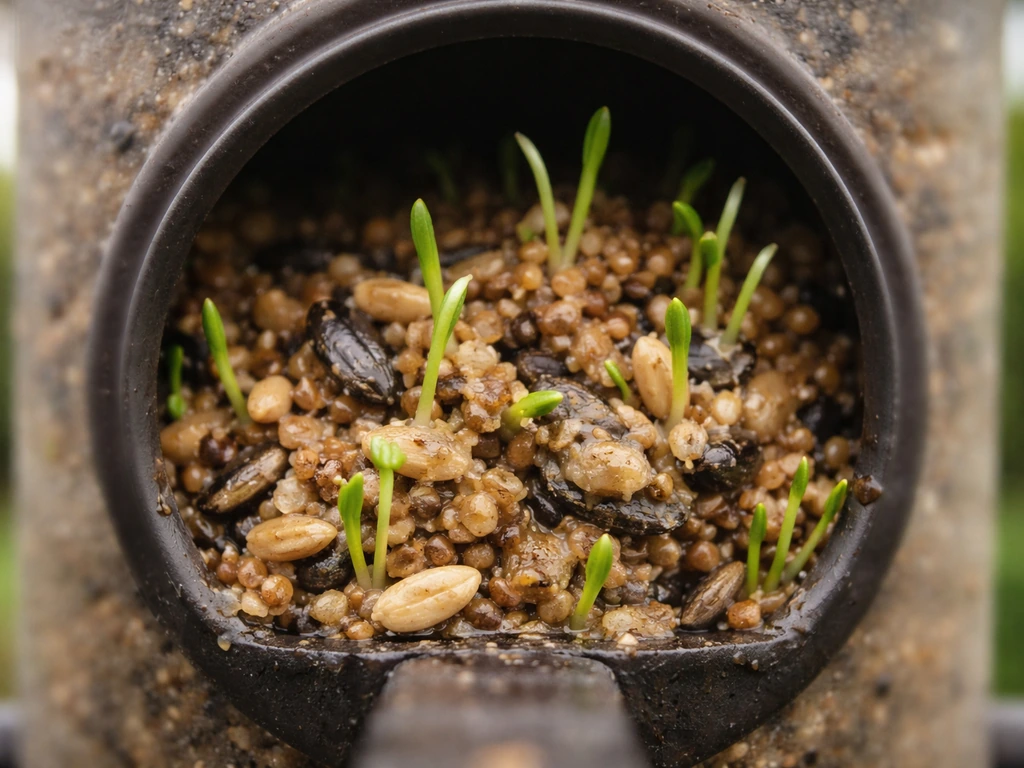
Seed sprouts when it gets enough moisture and warmth to germinate. That's basic biology, and it means your seed has been sitting in conditions that are too wet for too long. The most common causes are rain or dew getting into an open or poorly designed feeder, condensation inside a sealed storage bin, seed stored directly on a cold garage floor where temperature swings cause moisture buildup, or leftover seed that birds have been slow to eat during warm weather. Ground-level trays and platform feeders are especially prone to this because they collect water with no drainage.
Warm temperatures speed everything up. In summer or in southern and humid climates, seed sitting in a feeder can go from dry to sprouting in as little as two or three days after rain. In cooler or drier regions the same seed might last a week or more. The type of seed matters too: whole sunflower seeds, millet, and safflower all have intact seed coats that germinate readily when wet. Hulled or cracked seed (like sunflower chips or cracked corn) cannot sprout but it can go rancid and moldy faster than whole seed because the protective shell is gone.
Sprouting vs. mold vs. pests: how to tell the difference
These three problems often show up together, but they're not the same thing and they need different responses. Look closely at what you're actually seeing before you decide what to do.
| What you see | What it is | Risk level | Action |
|---|---|---|---|
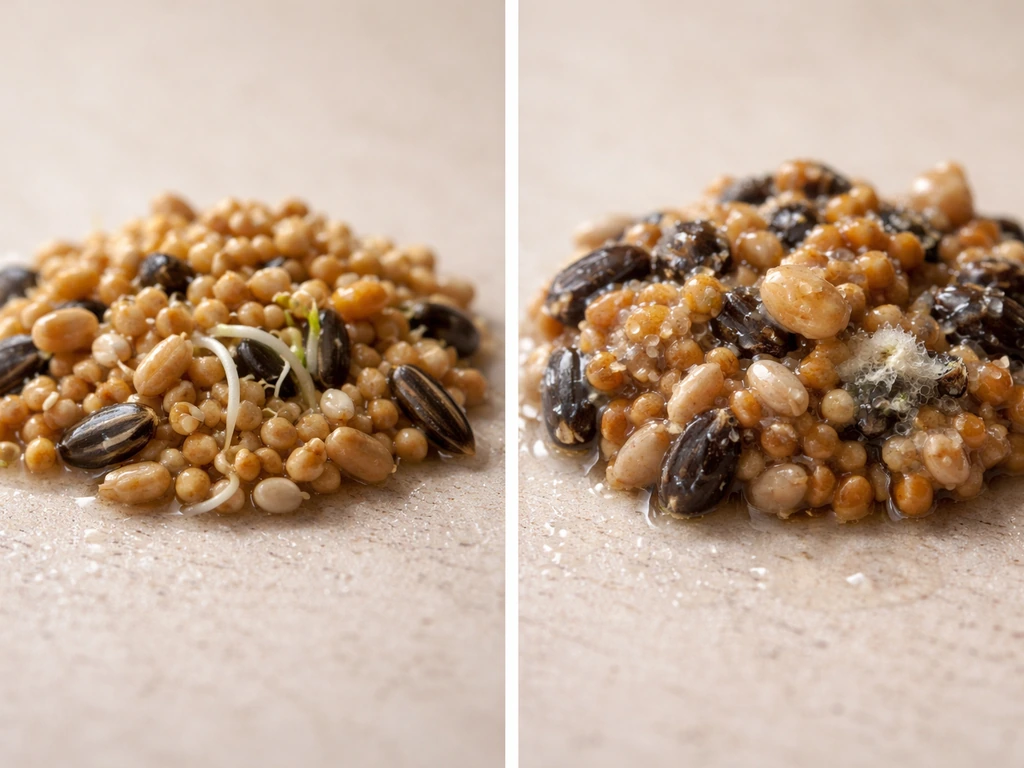
| Small white root tips or pale green shoots from intact seeds | Sprouting (germination) | Low on its own, but signals dangerous moisture conditions | Remove, dry feeder, discard or dry seed |
| White, grey, blue-green, or black fuzzy coating on seed clusters | Mold/fungal growth | High — Aspergillus spores can cause fatal respiratory disease in birds | Discard all affected seed immediately, clean feeder with bleach solution |
| Clumped seed with a sour or musty smell even without visible fuzz | Bacterial or early fungal growth | Moderate to high | Discard seed, deep-clean feeder |
| Tiny moving specks, webbing, or grain dust in seed | Grain mites or weevils | Moderate — compromises seed quality and can stress birds | Discard all seed, freeze new bags for 48 hours before use to kill eggs |
| Larger droppings, gnaw marks, or tunnels in stored bags | Rodent activity | High — contamination and disease risk | Discard all seed in that container, sanitize storage area |
The most important distinction is between sprouting and mold. A seed that has just started to sprout but shows no fuzz, no smell, and is otherwise intact is in a different category from moldy seed. Moldy birdseed is directly linked to avian aspergillosis, a respiratory disease caused by Aspergillus fungal spores that birds can inhale at the feeder. It's one of the more common causes of wild bird die-offs around backyard feeders, and it's entirely preventable. When in doubt, throw it out.
What to do right now
Step 1: Remove the seed
Empty the feeder completely. Don't try to pick out just the sprouted parts and leave the rest, once moisture has gotten into the seed mass, the whole batch is compromised. Dump the seed into a trash bag rather than on the ground under the feeder, because a pile of wet seed on soil will just keep sprouting and can attract rodents and more pests.
Step 2: Inspect and sort your stored seed
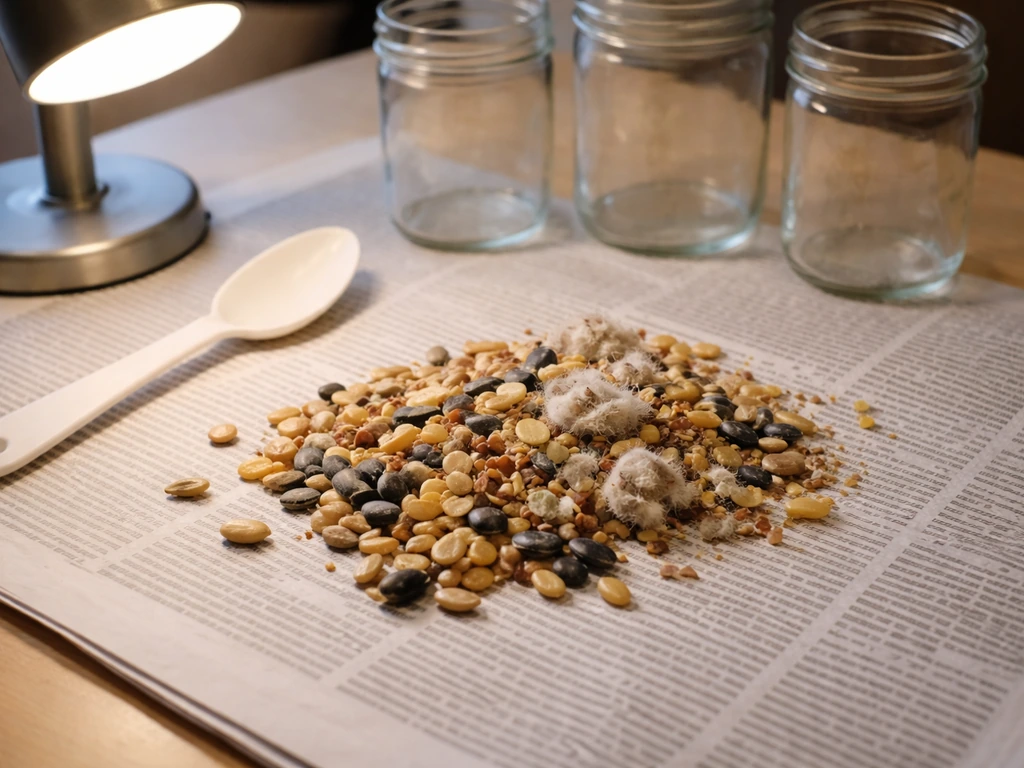
Check whatever you're storing. Pour it out onto a clean, dry surface or a sheet of newspaper in a well-lit area. Look for clumping, discoloration, visible mold, webbing, or movement. Smell it, fresh seed smells nutty or neutral. A musty, sour, or fermented smell means microbial activity has already started. If the stored seed looks and smells clean and dry, it's still usable. If you're finding clumps or off smells in the bag or bin, discard it.
Step 3: Find and stop the moisture source
Before you do anything else with the feeder, figure out how the seed got wet. Is rain blowing into the feeder opening? Is there standing water in the tray? Is your storage bin sitting on a concrete floor where condensation forms on the bottom? Is the lid sealing properly? Fix the source now. If you refill a feeder before you solve the moisture problem, you'll be back in the same situation within days.
Step 4: Clean the feeder before refilling
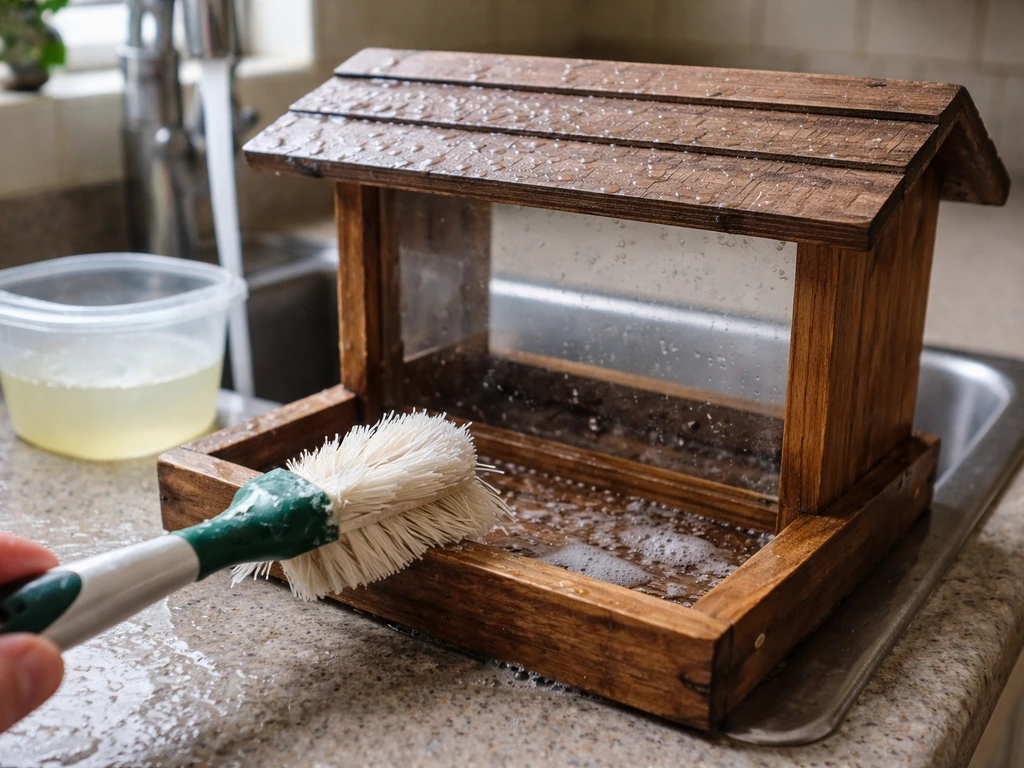
Scrub the feeder with hot water and a stiff brush to remove all seed residue, then disinfect it with a diluted bleach solution (1 part household bleach to 9 parts water). Let it soak for a few minutes, rinse it thoroughly at least twice, and let it air dry completely before adding new seed. This is not optional if there was any mold or clumped seed in there. Wet feeders that look clean can still harbor fungal spores on interior surfaces.
Refilling safely for birds
Only refill with fresh, dry seed once the feeder is completely dry. Even a slightly damp feeder interior will kick off another sprouting cycle within days. Add smaller amounts than you normally would: only put in as much seed as your birds will realistically eat in two to three days. This is the single most effective habit change you can make. Overfilling is the number one reason seed sits long enough to get wet and sprout.
If you've had repeated sprouting issues and want to reduce the germination risk, consider using more hulled seed options like sunflower chips, hulled millet, or peanut pieces. These can't sprout because they have no intact seed coat. The tradeoff is that hulled seed goes bad faster if it gets wet, so the small-batch, frequent-refill approach matters even more for those.
There's a related topic worth knowing about: if sprouting and weed growth under your feeder is a recurring annoyance, sterilized or roasted seed mixes are specifically designed so seeds won't germinate even when they hit the ground. A weed-preventing bird seed blend is helpful in this situation because it is formulated so seeds do not germinate where they fall.
If you're specifically trying a bird seed diet, the key is to keep any seed dry and use smaller refills to prevent sprouting and mold.
For most common feeder birds like house finches, chickadees, nuthatches, and cardinals, a fresh tube feeder or hopper feeder with sunflower seed, safflower, or a quality mixed blend is the right starting point. Make sure whatever feeder you use has drainage holes in the tray or base so water doesn't pool.
How to prevent this from happening again
Storage that actually works
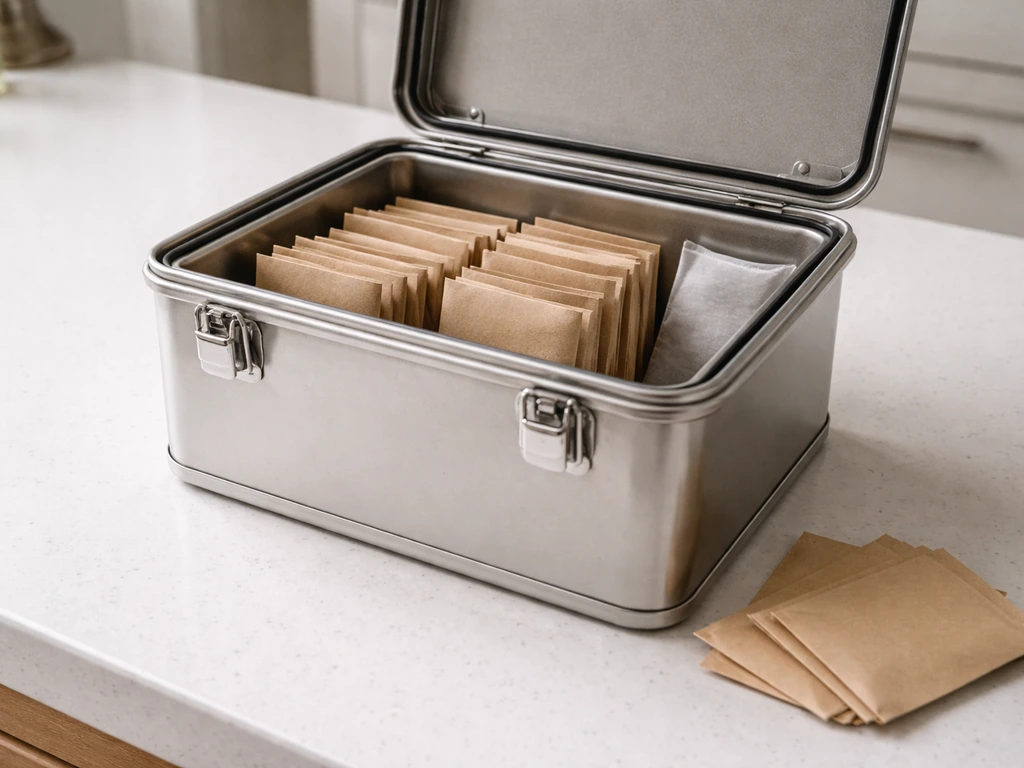
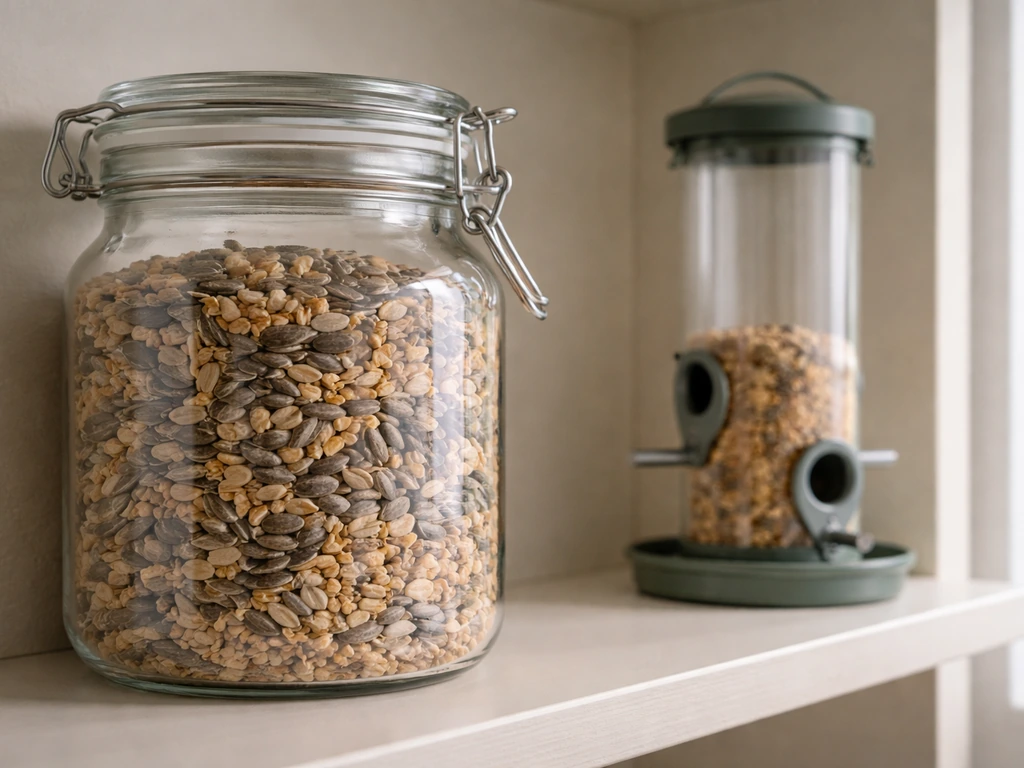
The original paper or plastic bag that seed comes in is not adequate long-term storage. Transfer seed to a hard-sided, airtight container, a metal or thick plastic bin with a gasketed lid. This keeps out moisture, pests, and rodents at the same time. Don't store the bin directly on a concrete garage floor; put it on a wooden pallet, a shelf, or a rubber mat to prevent condensation from wicking up from below. If you live somewhere humid (the Gulf Coast, the Pacific Northwest, the Southeast in summer), indoor storage in a climate-controlled space is genuinely better than a garage or shed.
Buy seed in quantities you'll use within four to six weeks. Large bags seem economical but they're not a good deal if the seed at the bottom goes bad before you get there. In summer, especially in hot and humid climates, cut that to two to three weeks' worth at a time.
Feeder design and placement
A good feeder for wet climates has a roof or baffle that extends well past the seed ports, drainage holes in the base or tray, and minimal interior ledges where seed can pack and trap moisture. Tube feeders with metal ports and no tray accumulation are generally the most hygenic design. If you use a platform or ground tray feeder (which many species love), plan to clean it every one to two days during humid or rainy weather. Those feeders have no protection from rain and need more frequent attention.
Feeder placement matters more than most people think. A feeder in full afternoon sun dries out faster after rain, which is a plus. A feeder tucked under dense tree canopy stays damp longer, especially at night. If you're in a region with heavy summer rains, a covered porch or overhang is a reasonable place to hang a feeder during the rainy season.
Portion control
Refill every two to three days rather than once a week. I know it feels like more work, but it's the most reliable way to keep seed fresh. If you're looking for a bird seed diet for humans to consider alongside your feeding routine, focus on safe, dry storage habits to avoid contamination. If you consistently have leftover seed at the bottom of the feeder when you go to refill, you're overfilling. Drop the amount you add by half and see how long it actually takes your birds to go through it, then calibrate from there.
Cleaning routine to keep contamination from coming back
A quick scrub every time you refill is different from a deep clean. You need both. A quick scrub means brushing out seed hulls and debris and checking for wet clumps. A deep clean means the full hot water, soap, and bleach disinfection process described above. Audubon recommends a full deep clean every spring and fall as a baseline, and more often during summer when heat and humidity speed up microbial growth. Audubon advises that mold can develop in feeders, and you should scrub them out in spring and fall, more often during humid summer months. If you're feeding year-round in a warm climate, once a month for a deep clean is a reasonable target.
- Every refill: brush out debris, check for clumping or smell, look for any mold or pest activity
- Every 1-2 weeks in summer or humid weather: rinse feeder trays and ports with hot water
- Every 4-6 weeks (or after any mold event): full disinfection with 1:9 bleach solution, rinse thoroughly, air dry completely
- Ground area under the feeder: rake up fallen seed weekly to prevent piles of wet sprouting seed that attract rodents and ground pests
Don't forget birdbaths if you have them near feeders. Wet birdbath water can splash seed, and a dirty birdbath is its own contamination source. Change the water every two days and scrub the basin weekly.
Adjusting your approach based on who's visiting
Different birds feed differently, and that affects how quickly seed gets used and how exposed it is to moisture. If you are hosting a wedding, you can also consider alternatives to bird seed at weddings, such as seed-safe options that reduce mess and germination risk. Tube feeders used by small perching birds like finches and chickadees tend to stay drier because birds take one seed at a time and move on. Platform feeders and ground trays used by doves, juncos, sparrows, and towhees expose much more seed surface area to the weather, so they need more frequent checks and cleaning.
If you're feeding a mix that includes millet, be aware that white millet is one of the fastest-sprouting seeds in any blend. Ground-feeding birds like doves and native sparrows love it, but millet that falls to the ground will sprout aggressively in warm wet soil. Catching this before it turns into a weedy mess (or a rodent attractant) means sweeping up spilled seed more often, or switching to a feeder with a seed catcher tray that you empty regularly.
For squirrels and other wildlife that may be raiding ground-level seed: their activity stirs up and spreads seed more widely, which means more surface area getting rained on and more sprouting potential. This is a reason to think about feeder height and baffles in addition to everything else.
Climate plays a real role here. If you're in the Southeast, the Gulf Coast, Hawaii, or anywhere with hot and humid summers, sprouting and mold are genuinely seasonal problems from May through September and need extra vigilance during those months. In the arid Southwest, sprouting is much less common but can still happen after monsoon rains. In the Pacific Northwest, the wet season from October through March is the higher-risk window.
If you adjust your refill frequency and storage habits to match your region's wet season, you'll largely avoid this problem without a lot of extra effort. Some birds store food in their own crops, so damp or contaminated seed can also matter for them beyond just sprouting and mold birds store food in their crops.
FAQ
Can I compost bird seed that’s sprouting or just spread it away from the feeder?
No, you should not compost it or spread it under the feeder. Wet sprouting seed keeps germinating, and it can also include mold growth. Bag it and discard it, then clean the area so spilled seed does not keep providing moisture and sprouting sites.
Is it safe to save the non-sprouted parts of a batch if some of the seed started sprouting?
A clean, intact seed can be discarded only when you are sure it is not mold. If you notice any fuzz, webbing, unusual dark spots, or a musty or fermented smell anywhere in the batch, treat the whole batch as contaminated and discard all of it.
How can I tell sprouting from mold quickly without doing a full inspection?
Not reliably. Distinguish by condition: sprouting typically looks like small roots or shoots with no fuzzy growth or strong odor, while mold often comes with fuzz, discoloration, and a musty smell. If smell or appearance is uncertain, the safest option is to discard.
What happens if I refill before the feeder is fully dry?
No. You should let the feeder dry completely before refilling, including the interior and any crevices where water can sit. If you refill while parts are still damp, you can restart the sprouting cycle within days even if the rest looks dry.
Can I freeze, bake, or microwave sprouting seed to make it safe again?
Don’t rely on freezing or microwaving to make sprouted or moldy seed safe. These steps may not eliminate fungal spores or microbes, and they can also damage seed in ways that make further spoilage more likely once it returns to warm, humid conditions.
What should I do if I need to keep feeding while I clean out sprouting seed?
If birds are actively using the feeder, switch to an appropriate “in the moment” plan: remove and clean the feeder, then temporarily use a feeder that stays drier (such as a tube or hopper with no pooling tray) and keep refills smaller. Resume your normal setup only after everything dries and the moisture source is fixed.
Why does my seed keep sprouting even after I cleaned the feeder?
It usually means the moisture source is still present, or you are refilling too much or too slowly for your local conditions. Recheck rain intrusion (feeder openings, baffles, and roof overhang), feeder leveling and drainage, and storage on surfaces that promote condensation.
Does seed from a recently opened bag sprout more often than sealed new bags?
Yes, split-bag leftovers can behave differently. Even if the seed looked fine when purchased, once a bag is opened it can pick up humidity, especially in humid garages. Only store in an airtight container and use opened seed within your shorter seasonal window.
Is it okay to rinse a feeder with a hose to clean it faster?
Avoid using water bottles, hoses, or pressure spraying that leaves lingering moisture inside the feeder. Use hot water and a brush for residue, then rinse thoroughly, disinfect (when needed), and air dry fully before adding seed.
What should I do if I notice standing water inside the feeder tray?
If you find standing water in the tray or base, fix the feeder design and placement first. Ensure drainage holes are clear, avoid feeders that trap water, and consider a location with faster morning drying (more sun, less canopy dampness).
How often should I check sprouting-prone ground or platform feeders?
If you use ground feeders or platform trays, expect higher exposure and plan for more frequent checks. During humid or rainy periods, you may need daily removal of wet seed and faster refills in small amounts to prevent seed sitting long enough to germinate.
Could seed that falls to the ground be causing the sprouts under the feeder?
Spilled seed under the feeder can be the hidden trigger, especially with millet and other easily germinating seeds. Sweep or vacuum spilled seed more often, and consider adding a seed-catcher or using a feeder that minimizes fall-out.
Are there safety precautions for me when cleaning moldy or suspect seed?
For allergy and respiratory safety, wear a mask and gloves when handling moldy seed and when brushing interior surfaces. Avoid dry-scraping dusty residue, because that can aerosolize fungal particles.
How does storage on a cold or concrete floor actually lead to sprouting?
Yes. If you store seed in a garage that has temperature swings or condensation, moisture can wick up from below and get trapped inside the storage bin. Use an elevated shelf or pallet, keep the bin airtight, and keep storage indoors in consistently humid climates.
How do I calculate the right amount to add so seed does not sit too long?
Use smaller refills and calibrate by how long your birds take to empty the feeder, but also watch for “tail-end” seed. If there is always a significant amount left at refill time, the feeder is being filled beyond your practical two to three day consumption window.
If I buy a new feeder, do I still need to deep clean like before?
Yes, but timing matters. Bird consumption and weather exposure change risk fast, so even with a new feeder you should start with smaller refills during humid seasons and clean more frequently until you confirm your feeder design and placement are truly preventing wet pooling.
My bird mix includes millet. Does that increase sprouting and weed growth risk?
If you have mixed seed, white millet can be a problem because it sprout-favors when it lands on warm, wet ground. Consider removing millet from your mix, switching to less sprouting options, or using a feeder style that reduces seed contact with rain and soil.
What’s the best preventive routine for the wet season when sprouting happens faster?
Don’t use sprouted-seed removal as your only response during wet seasons. Adjust the routine proactively: increase refill frequency, reduce quantities, and clean more often during your regional wet months so seed never stays warm and wet long enough to germinate.
Next Articles
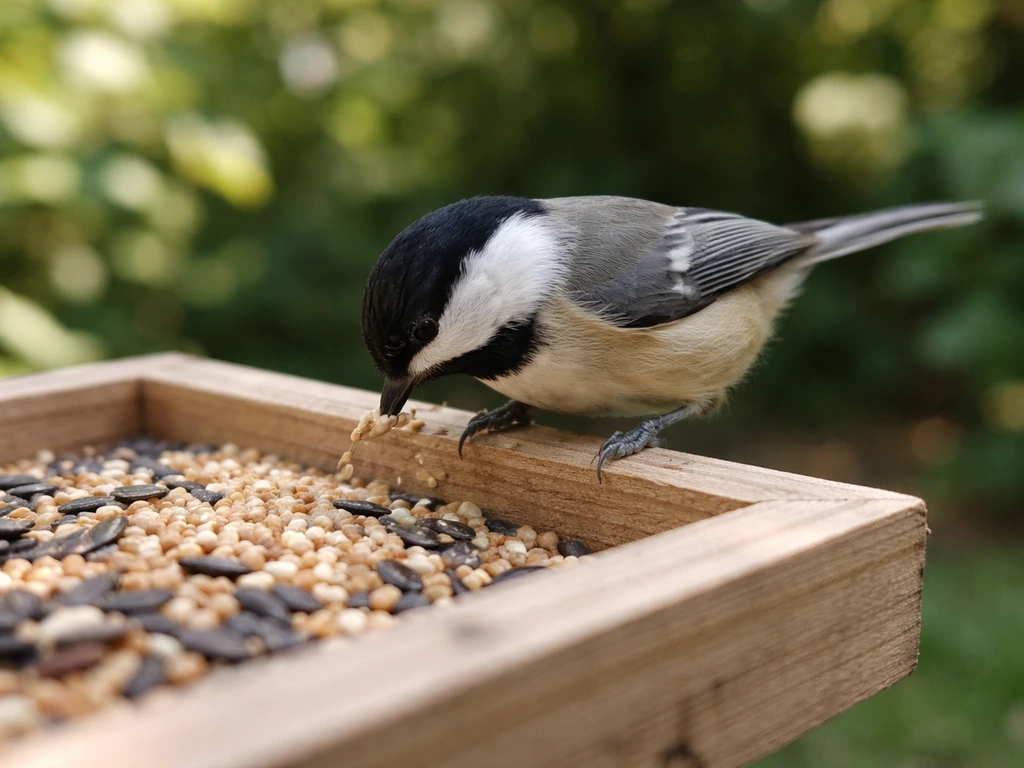
Bird crops that store food: how it works and feeder care
Learn how birds’ crops store food, what happens at feeders, and how to clean and manage seed to prevent mold and pests.
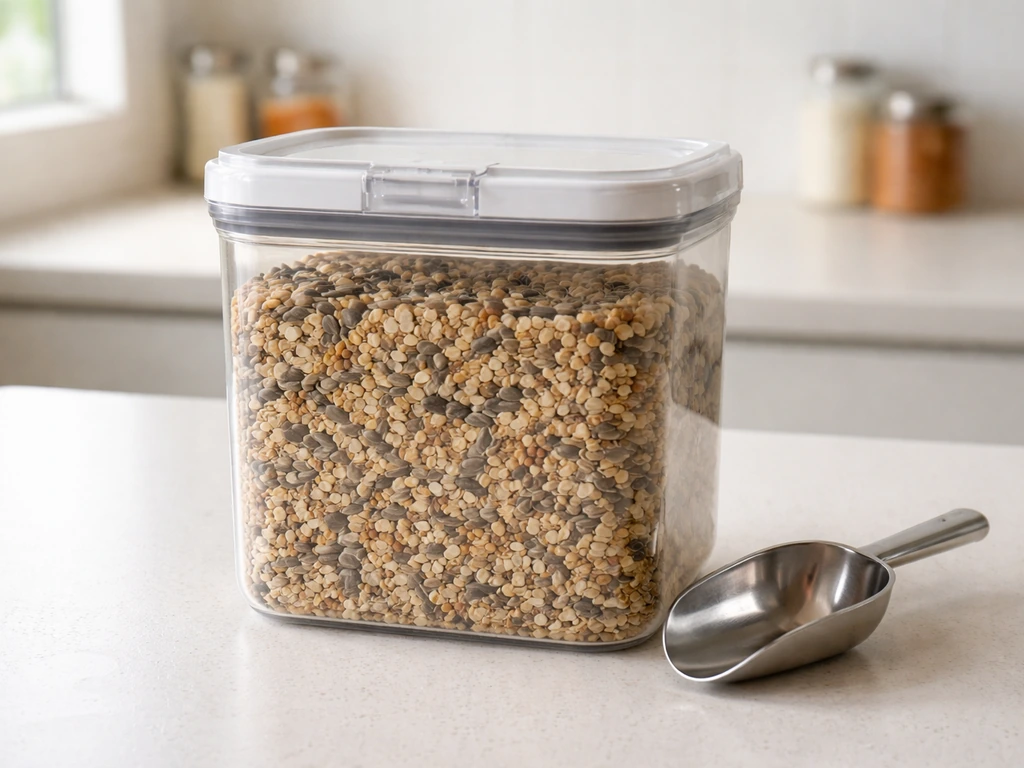
How to Make Bird Seed Last Longer: Storage and Fixes
Learn how to make bird seed last longer with proper storage, humidity control, pest prevention, and fixing wet or moldy
How to Keep Bird Seed Fresh and Stop It From Molding
Stop birdseed mold with smart storage: dry handling, right container, moisture control, bag cleanup, and feeder sanitizi