Canaries can nibble on some seeds found in wild bird blends without instantly dropping dead, but wild bird seed is a poor everyday food for them and carries real risks you should know about. Finches can also be sensitive to moisture, mold, and rancid oils in seed blends. Most wild bird mixes are built around large, high-fat seeds like sunflower and safflower that canaries struggle to hull and digest, and those same mixes are far more likely to carry mold, aflatoxins, insect pests, and moisture contamination than a fresh, canary-specific seed purchased from a reputable bird supply source. The bottom line: don't rely on wild bird seed as a staple, use a canary-formulated mix instead, and if you've already offered some wild seed, the handling steps below will reduce your bird's risk.
Can Canaries Eat Wild Bird Seed Safely? What to Do
What's actually in wild bird seed (and why it's a mismatch for canaries)
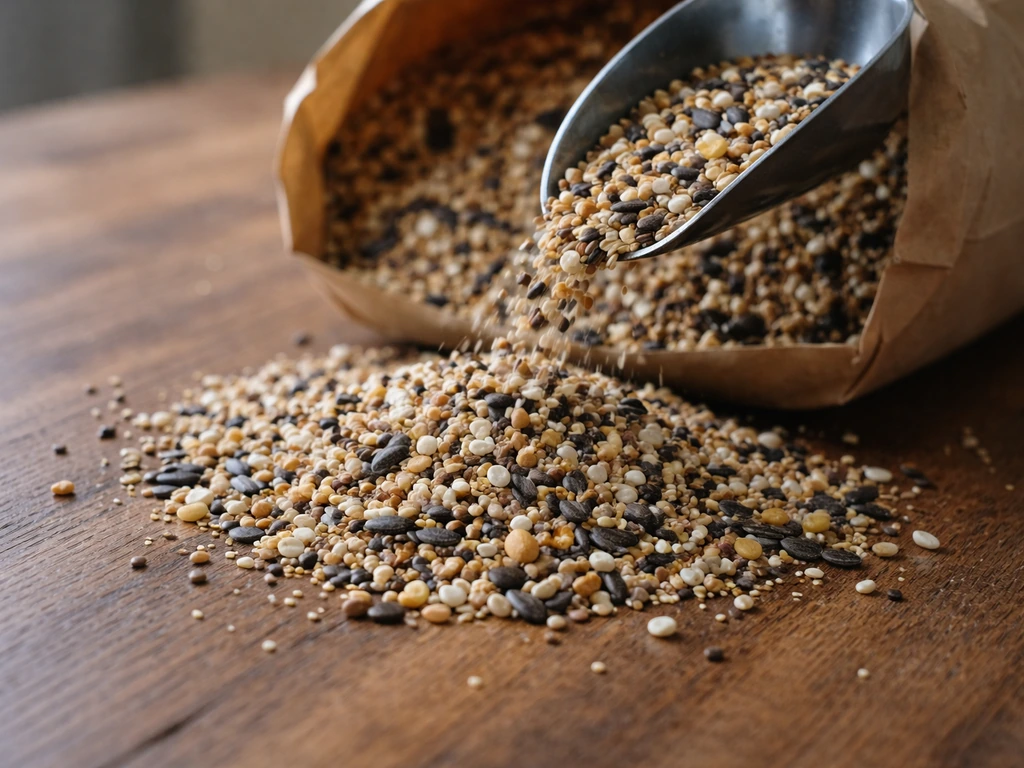
A typical wild bird mix is engineered for variety across dozens of species: house sparrows, doves, jays, and larger finches. That means the blend is dominated by whatever is cheap and calorie-dense, not by what a small passerine like a canary needs. Sunflower seeds and safflower seeds are usually the bulk of the blend. Both are low in protein and high in fat, which is fine for a cold-weather chickadee burning hundreds of calories a day but a real problem for a cage bird with limited exercise. A seed-heavy diet already risks obesity and nutritional disorders in canaries; adding extra fat load from wild mixes makes that worse.
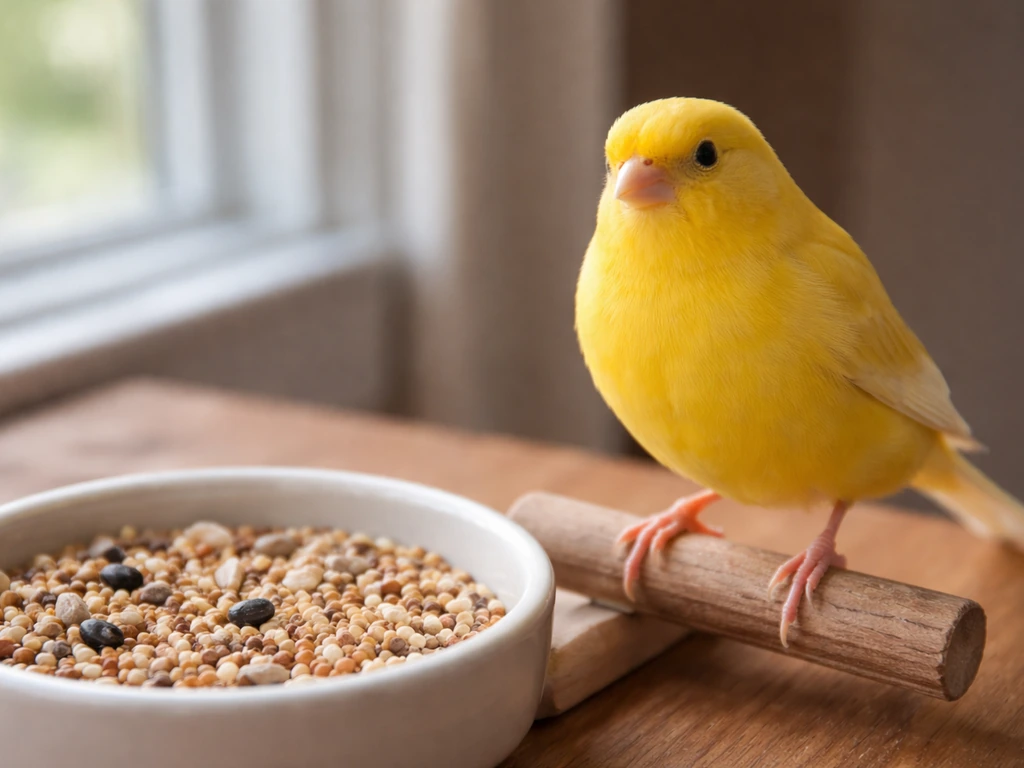
Canaries do well on true canary seed (Phalaris canariensis), along with smaller amounts of millet, rape seed (in moderation), and niger. Good canary-specific mixes are built around these smaller seeds that the bird can actually hull efficiently. Wild bird blends often skip canary seed entirely, or bury it under a pile of seeds canaries can't manage.
Seeds canaries can use from a wild mix
- White or red proso millet: fine in small amounts, a common canary food
- Niger (nyjer) seed: acceptable in small quantities, high in oil so don't overfeed
- Canary seed: if the blend happens to contain it, it's appropriate
- Plain oat groats: occasional use is okay
Seeds to avoid or limit
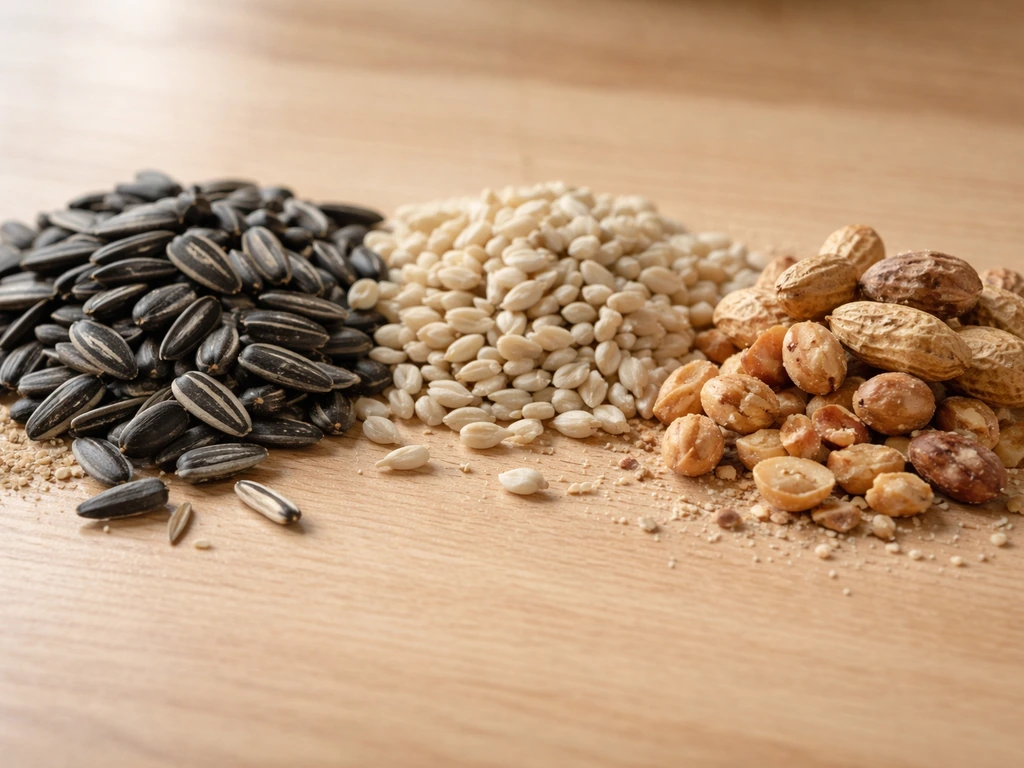
- Sunflower seeds (black oil or striped): too high in fat, hard to hull for canaries
- Safflower seeds: similarly high in fat and low in protein
- Peanuts or peanut pieces: high aflatoxin risk and not a natural canary food
- Corn and cracked corn: little nutritional value for canaries and a common mold host
- Large striped or hull-on seeds in general: canaries eat from the top layer only and leave hulled-over waste, which rots faster
Rape seed is worth a specific note: it appears in some canary mixes and canary breeders have used soaked rape seed for years, but there is some evidence it may act as a hepatotoxin in large amounts. Use it only as a minor component, never a staple, and avoid soaking it unless you can control timing and hygiene tightly.
The real hazards: mold, toxins, pests, and contamination
This is the section most people skip, and it's the most important one. Wild bird seed sold in bulk bags is stored in warehouses, left in outdoor feeders, and sometimes returned to bags or bins. That handling chain is where the serious risks for a caged canary originate.
Aflatoxins and mycotoxins
At least one published study has found measurable aflatoxin contamination in wild bird seed purchased at retail stores in Texas, and contamination has also been documented in cage bird feeds including canary-specific products. Aflatoxins are produced by mold (mainly Aspergillus species) and are invisible to the naked eye. In pets, aflatoxin poisoning shows up as sluggishness, loss of appetite, diarrhea, vomiting, jaundice (yellowing around the eyes), unexplained bleeding, and liver damage. Canaries are small and their dose-to-bodyweight ratio is extreme, so even modest contamination in a bag of seed represents more danger for them than for a larger bird or mammal. Wild bird seed is at higher risk because it's often stored in conditions that encourage mold growth: open bags, warm sheds, damp garages.
Aspergillosis (fungal respiratory disease)
Moldy seed is also a direct source of Aspergillus spores, which cause aspergillosis. In young or stressed birds this can be acute: loss of appetite, rapid breathing, listlessness, foul-smelling diarrhea, and rapid physical decline. Canaries kept indoors in cages can inhale spores directly from contaminated seed in their dish. This is a veterinary emergency, not a wait-and-see situation.
Insects, mites, and grain pests
Wild bird seed bags are a common host for flour mites, grain weevils, and Indian meal moths. A canary dish fed from an infested bag will expose your bird to live insects and their waste. Mites in particular can move from seed to the bird itself. Always inspect wild bird seed carefully before offering it and store it in airtight containers.
Contamination from the yard
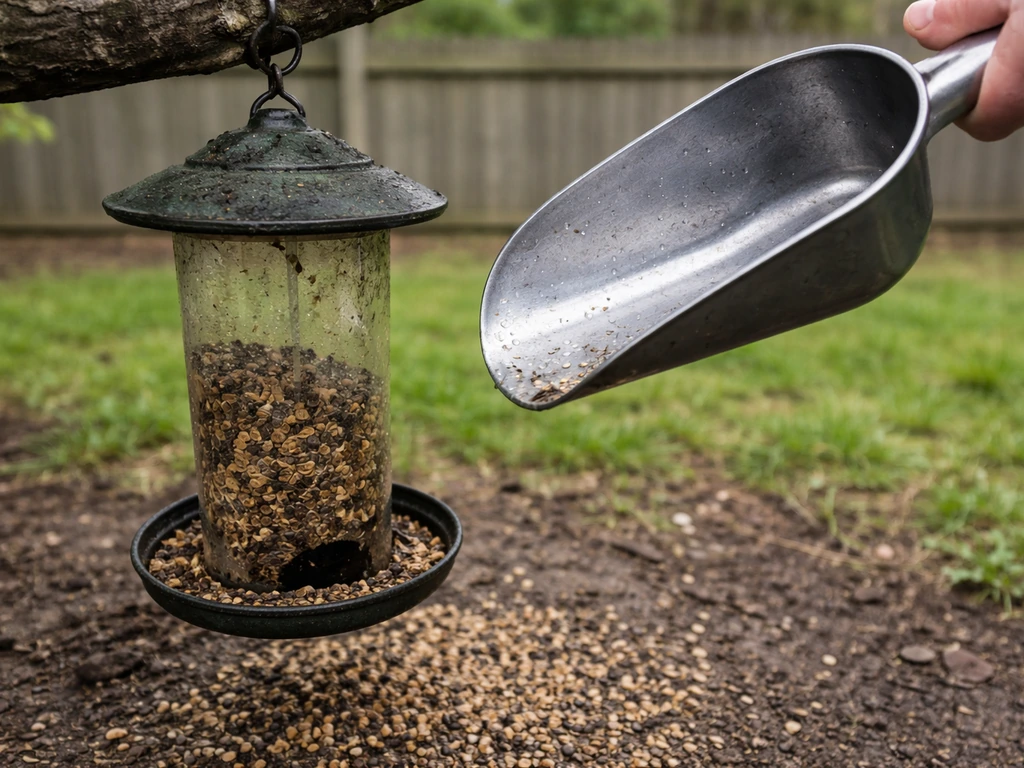
If you're considering scooping seed from an outdoor feeder to feed your canary, don't. Outdoor seed picks up wild bird droppings, bacteria, and pathogens that your canary has no immunity to. If you want a safer option, stick to a canary-specific mix instead of anything scavenged from outdoor feeders Outdoor seed picks up. Wild birds carry Salmonella, E. coli, and other organisms that cycle harmlessly through large flock species but can be devastating to a single caged bird. The same applies to seed that's been sitting in a damp tray or on the ground. Also, if you're wondering whether bird seed floats, it usually depends on moisture and can indicate spoilage or contamination risk does bird seed float.
How to feed wild seed safely if you're going to use it
If wild bird seed is genuinely your only option right now, here's how to reduce the risk as much as possible. These steps apply equally to any seed you're feeding a canary, but they're especially important when the seed wasn't formulated for cage birds.
Inspect and sort the seed first
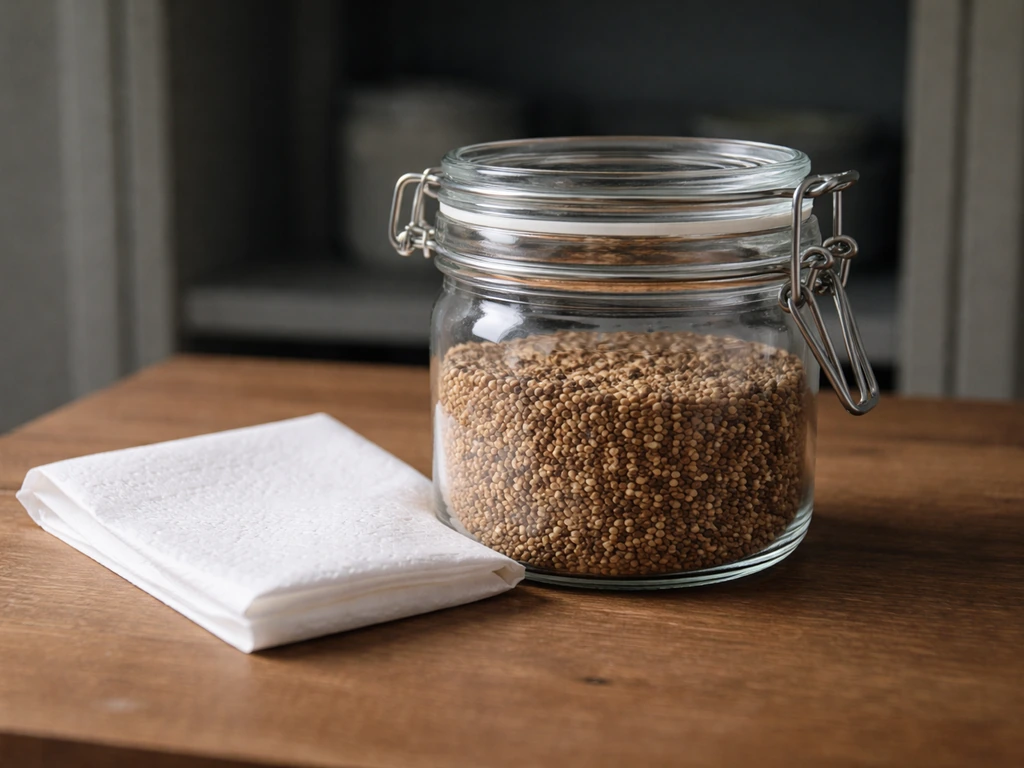
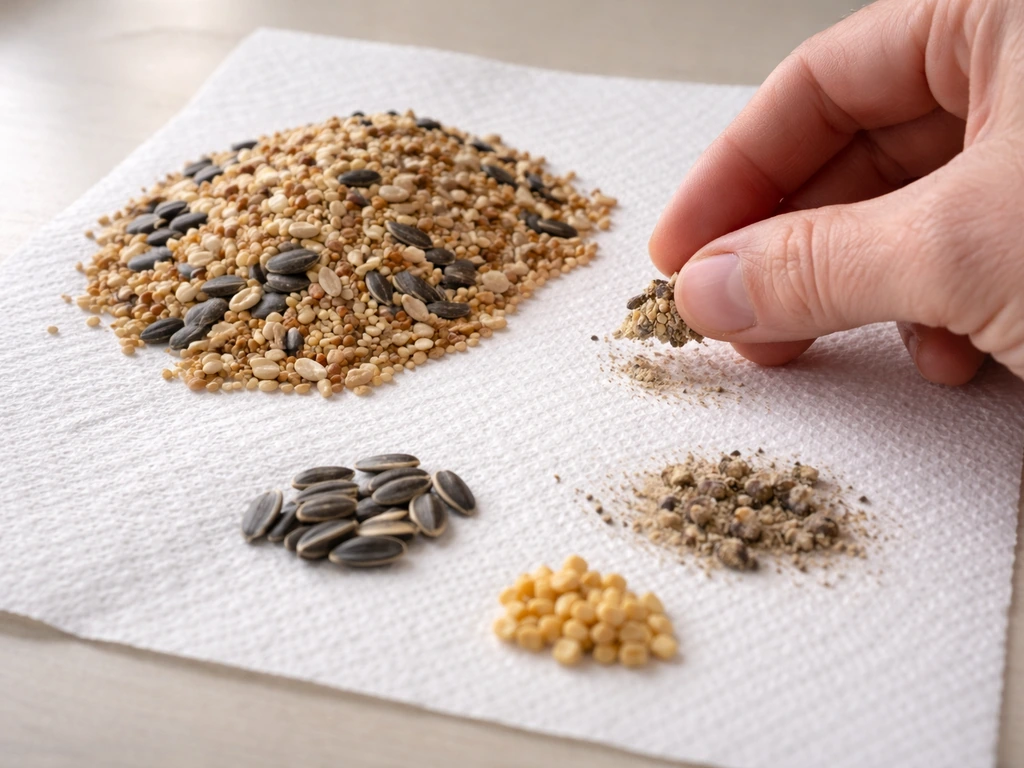
- Spread a small amount on a white plate or paper towel in good light.
- Discard any seed that looks discolored, shriveled, clumped, or dusty with visible mold.
- Remove all large seeds (sunflower, safflower) by hand before offering to your canary.
- Smell it. Fresh seed smells slightly nutty or neutral. Musty or sour smell means toss it.
Storing seed properly
Store all seed (wild or canary-specific) in a cool, dark, dry location in an airtight container. Glass or hard plastic with a locking lid works best. A warm garage or shed is the worst place, especially in summer. Proper storage dramatically reduces mold growth and keeps grain pests out. If you live in a humid climate (the Gulf Coast, Pacific Northwest, southeastern states in summer), you may want to buy seed in smaller quantities more frequently rather than stockpiling.
Portioning: how much and how often
A canary eats roughly half a tablespoon of seed per day. Canaries eat from the top layer of the dish and leave empty hulls behind, so a dish that looks full may actually be mostly hull waste. Remove and replace seed daily, don't just top it off. This prevents your bird from going hungry and stops hulls from trapping moisture and growing mold.
The sprouting question
Sprouted seed is sometimes promoted as a nutritional upgrade because germination increases moisture and some nutrient levels. The problem is that warm, wet sprouting conditions are also ideal for bacterial growth, including Salmonella. The FDA has documented serious contamination outbreaks linked to commercial sprout production using careful industrial controls. For a home canary keeper, the margin for error is narrow. If you do sprout seed, use only fresh, high-quality canary seed, rinse thoroughly, and blank" rel="noopener noreferrer">discard any leftover sprouts within a few hours. Never sprout wild bird seed or any seed that shows any sign of mold. If you're not confident in your process, skip sprouting entirely and supplement nutrition another way.
Don't powder the seed
Powdered vitamin and mineral supplements sprinkled on seed don't work well for canaries. The bird removes the hull before eating the kernel, so most of the powder goes in the trash with the hull. Use liquid supplements added to water, or switch to a formulated pellet component, instead.
Better options: what to feed instead
The most practical upgrade from wild bird seed is a canary-specific seed mix purchased from a bird or pet supply source. Look for mixes that list canary seed as the first ingredient, with millet, rape, and niger as secondary components. Avoid blends that lead with sunflower or safflower. One experienced canary breeder resource recommends buying a mix labeled specifically for canaries, not a mix intended for finches, parakeets, or generic small birds, as those often differ significantly in composition.
Adding pellets to the diet
Pellets are nutritionally more complete than any seed diet, and most avian vets recommend incorporating them. A practical approach for canaries is to offer seeds as about 80% of the diet and pellets in a separate dish as the remaining portion, letting the bird graze on pellets when it's ready. To encourage pellet acceptance, try spreading a thin layer of pellets over the seed dish so the bird encounters them naturally. Don't attempt a diet conversion if your bird is already sick or under veterinary care.
| Option | Nutritional fit for canaries | Mold/pest risk | Recommended use |
|---|---|---|---|
| Canary-specific seed mix | Good — built for the species | Low if stored correctly | Primary seed diet (~80% of intake) |
| Wild bird seed mix | Poor — wrong seed types, high fat | Higher — bulk storage conditions | Occasional only, after sorting and inspection |
| Formulated pellets (canary) | Excellent — nutritionally complete | Minimal | Supplemental (~20%), separate dish |
| Sprouted canary seed (fresh) | Good — improved nutrients when done right | High if improperly handled | Occasional treat, strict hygiene only |
| Fresh greens/vegetables | Good supplement (calcium, vitamins) | Low | Small daily amounts as supplement |
Fresh greens like romaine, kale, and dandelion leaves are useful supplements that provide nutrients missing from seed-heavy diets. Offer them in small quantities daily and remove anything uneaten within a few hours so they don't spoil in the cage.
Troubleshooting: if your canary won't eat or seems unwell
If you've switched to a new seed (wild or otherwise) and your canary is behaving differently, here's how to read the situation and what to do.
| What you're seeing | Likely cause | What to do |
|---|---|---|
| Bird ignoring new seed, eating less | Unfamiliar seed types or sizes | Reintroduce familiar canary seed alongside new seed; remove large/unfamiliar pieces |
| Fluffed feathers, sitting low on perch | Illness, possible infection or toxin exposure | Stop the new seed immediately; contact an avian vet today |
| Diarrhea or loose droppings | Dietary change, bacterial contamination, or mold toxin | Remove wild seed, offer fresh water, monitor closely; vet if persists beyond 24 hours |
| Rapid breathing, wheezing | Possible aspergillosis from moldy seed spores | Emergency vet visit; this does not resolve on its own |
| Yellowing around eyes or beak | Possible liver damage (aflatoxin) | Emergency vet visit; bring the seed bag for testing if possible |
| Weight loss over several days | Nutritional gap, eating hulls instead of seeds, or illness | Check dish for hull buildup; refresh seed daily; weigh bird and contact vet if declining |
| Refusing pellets after introduction | Normal adjustment period | Keep pellets in a separate dish; don't remove seed entirely; allow 2-4 weeks for acceptance |
When in doubt, call an avian vet rather than waiting. Canaries are small enough that illness progresses fast. The Association of Avian Veterinarians (AAV) has a vet locator if you don't already have an avian vet. Bring whatever seed you've been using to the appointment so the vet can factor it into the assessment.
Cleanup: keeping the cage and feeding area safe
Seed management doesn't end when the bird eats. Hull waste, spilled seed, and droppings accumulate fast in a cage environment and create the exact conditions that grow mold and host bacteria. Good hygiene is part of safe feeding.
Inside the cage
- Remove and replace seed in the dish every day. Don't top off; dump out hulls and old seed completely.
- Wipe seed dishes with a damp cloth daily and allow to dry fully before refilling.
- Wash seed dishes with a 9: 1 water-to-bleach solution at least once a week. Rinse thoroughly and let air dry.
- Remove any uneaten fresh food (greens, sprouted seed) within 2 to 4 hours.
- Sweep or vacuum cage liner paper daily to prevent hull and droppings buildup.
If you're also running outdoor wild bird feeders
Keep outdoor feeder management completely separate from your canary's feeding routine. Don't use the same scoops, containers, or storage bins for wild seed and canary seed. Clean outdoor feeders every two weeks (more often in warm or wet weather) using the same 9:1 bleach-to-water solution, and rake up shell waste and droppings beneath the feeder regularly. Moldy seed and droppings on feeder trays are a disease vector not just for wild birds but for any pet bird that might be exposed to contaminated material tracked indoors.
Managing pest infestations in stored seed
If you find grain mites, weevils, or moths in a seed bag, discard the entire bag outdoors immediately in a sealed trash bag. Wipe down the storage container with the bleach solution before putting new seed in. Airtight containers are the single most effective prevention step. If you've had repeated infestations, consider storing smaller bags (one to two weeks' supply at a time) and buying from a store with high turnover so you're getting fresher stock.
Your action checklist for right now
If you're reading this because you already gave your canary some wild bird seed, here's what to do today.
- Remove any remaining wild bird seed from the cage dish right now.
- Inspect what's left: smell it, look for clumping, discoloration, or dust. If anything looks or smells off, dispose of the whole bag.
- Wash the seed dish with a 9: 1 water-to-bleach solution, rinse completely, and let it dry.
- Refill with a fresh canary-specific seed mix, or plain canary seed from a sealed, recently purchased bag.
- Watch your bird for 24 to 48 hours for any changes in behavior: fluffing, reduced activity, loose droppings, or breathing changes.
- If you see any warning signs from the troubleshooting table above, contact an avian vet and bring the seed bag.
- Store all seed (wild and canary) in separate, airtight containers in a cool, dry, dark location.
- Consider adding a small separate dish of canary-appropriate pellets as a nutritional supplement going forward.
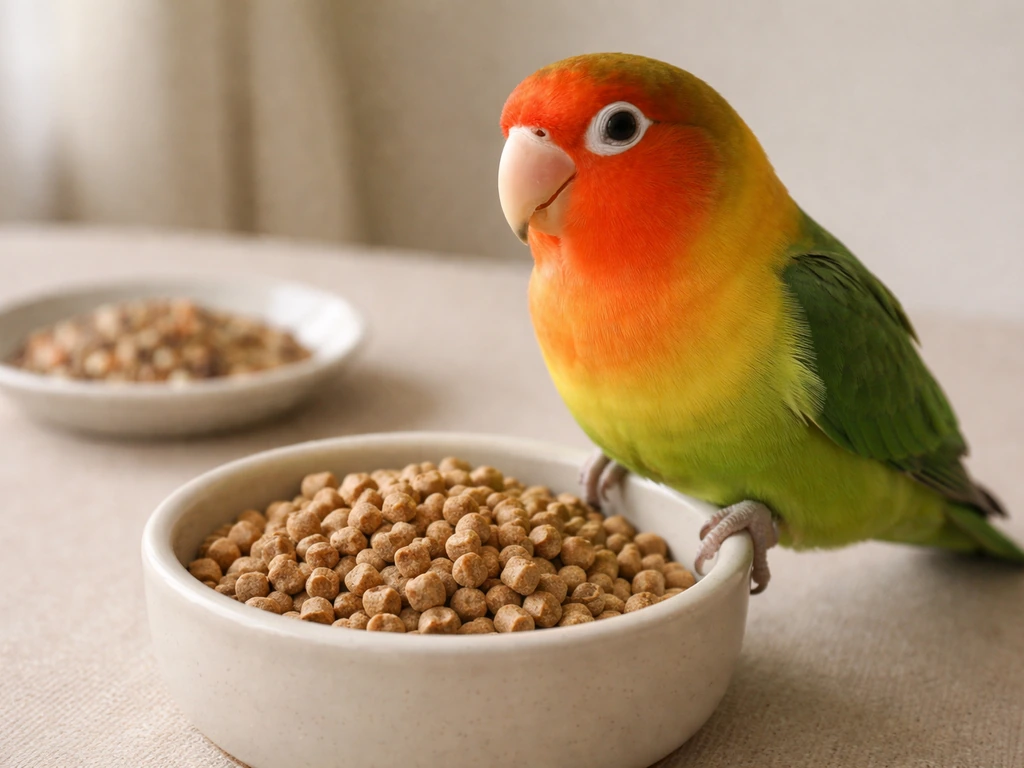
Wild bird seed isn't poisonous by definition, but the combination of wrong seed types, higher contamination risk, and the canary's sensitivity to toxins and mold makes it a genuinely poor choice for daily feeding. If you are feeding your canary seed meant for wild birds, it is best to treat it as an occasional stopgap rather than a regular part of their diet. Other small cage birds like finches and lovebirds face similar considerations when it comes to wild seed blends, and the same safe-handling logic applies across that group. Lovebirds can also be sensitive to the same issues with wild seed blends, so it's best to use a species-appropriate diet and avoid relying on outdoor or bulk mixes. Canaries are worth the small extra effort of buying the right seed for them. A species-appropriate mix plus a pellet supplement covers their nutritional bases far better than anything built for the backyard feeder.
FAQ
If my canary already ate wild bird seed, how long should I monitor them, and what symptoms matter?
A few nibbles are unlikely to be immediately fatal, but you should watch for early signs within 24 to 72 hours. Focus on loss of appetite, unusual sleepiness, loose droppings, yellowing around the eyes, and fast or open-mouth breathing. If any of these show up, contact an avian vet promptly rather than waiting for symptoms to “pass.”
Can wild bird seed be contaminated even if it doesn’t look or smell moldy?
Yes, it can still happen even when the seed looks normal, because mold toxins like aflatoxins are not visible. That is why “it smells fine” or “it looks dry” does not guarantee safety. Treat any wild mix as higher risk than canary-formulated seed, especially if it sat open or in a humid area.
What should I do if only part of the wild bird seed bag seems questionable?
Discard any seed that has visible clumping, fuzzy growth, a musty smell, or dampness, even if the rest of the bag seems fine. For borderline cases, do not “scrape off” a problem section, because mold and toxin contamination can extend beyond what you see. Replace with fresh, sealed seed stored in airtight containers.
How do I tell whether my canary’s dish is staying dry enough, and how often should I clean it?
Seed height in the dish can mislead you, because canaries often leave hulls and feed from the top layer. The safest approach is to replace the seed daily and remove hull waste, then wipe out the dish so moisture does not accumulate. If you notice the dish staying damp or the hulls look soft, stop using that seed and switch to a canary-specific mix.
Is it safe to transition from wild bird seed to a canary mix by slowly mixing them together?
Avoid “mixing in” a wild blend as a gradual transition if the bird is already stressed, overweight, or showing any digestive issues. The article’s guidance is safer: make the switch to a species-appropriate mix, then add pellets and greens, and keep the new foods consistent. If you must transition, keep the wild seed as a temporary minor portion while you ramp up canary seed.
Can I feed my canary seed that I scoop from an outdoor feeder tray if I wash or rinse it?
Yes, seed from outdoor feeders is a bigger problem than indoor handling because it can carry droppings and bacteria, and it can get wet in unpredictable conditions. Even if it appears clean, pathogens can be present. If you want to use seed at all, use only fresh canary-formulated seed from sealed packaging, not scooped feeder leftovers.
Does rinsing wild bird seed before feeding make it safer for canaries?
If your goal is to reduce risk, skip rinsing as a primary safety strategy. Rinsing does not remove all toxins, and wetting can worsen mold or bacterial growth in the remaining seed. Instead, use smaller purchase quantities, store airtight in a cool dry place, and replace seed daily in the cage.
What’s the correct response if I see grain mites, weevils, or moths in the bag?
If you find mites, weevils, or moths, treat the entire bag as contaminated and dispose of it in a sealed trash bag outdoors. Then clean the storage container thoroughly and wipe the surrounding area so pests are not reintroduced. Airtight containers and smaller, more frequent purchases reduce recurrence.
Can I sprout wild bird seed to improve nutrition for my canary?
Yes, sprouting can raise the risk because warm wet conditions can support bacterial growth, including Salmonella. If you have sprouted seed at home, discard it within a few hours, and never sprout wild seed or any seed with any mold signs. For most keepers, the practical choice is to skip sprouting and use canary-appropriate seed plus pellets and greens.
Why don’t powdered vitamins on seed work well, and what form of supplementation is safer?
Powdered supplements on hull-covered seed usually end up in the trash because the hull comes off before the kernel is eaten. If you want supplementation, use a product designed for birds in the form it is meant to be given, such as liquid added to water or pellets that are formulated. If your bird is underweight or sick, ask an avian vet rather than supplementing blindly.
My canary seems normal on wild seed, should I still change the diet?
If your canary seems “fine” after wild seed, it still does not fix the underlying nutrition mismatch and obesity risk from seed-heavy blends. The best next step is to confirm a species-appropriate mix, add pellets as a separate dish, and offer small portions of fresh greens daily with prompt removal of leftovers.
What if my canary is currently ill or seeing a vet, can I still use wild bird seed as a backup food?
If your canary is sick or receiving veterinary treatment, avoid major diet changes at the same time because reduced appetite and diarrhea can be worsened by sudden food shifts. Coordinate with the avian vet, especially if there are signs like jaundice, bleeding, rapid breathing, or foul-smelling diarrhea. In those cases, do not keep offering the wild mix.
Can Lovebirds Eat Wild Bird Seed Safely? Vet-Backed Guide
Vet-backed guide on whether lovebirds can eat wild bird seed, safe handling tips, risks, and better diet options.