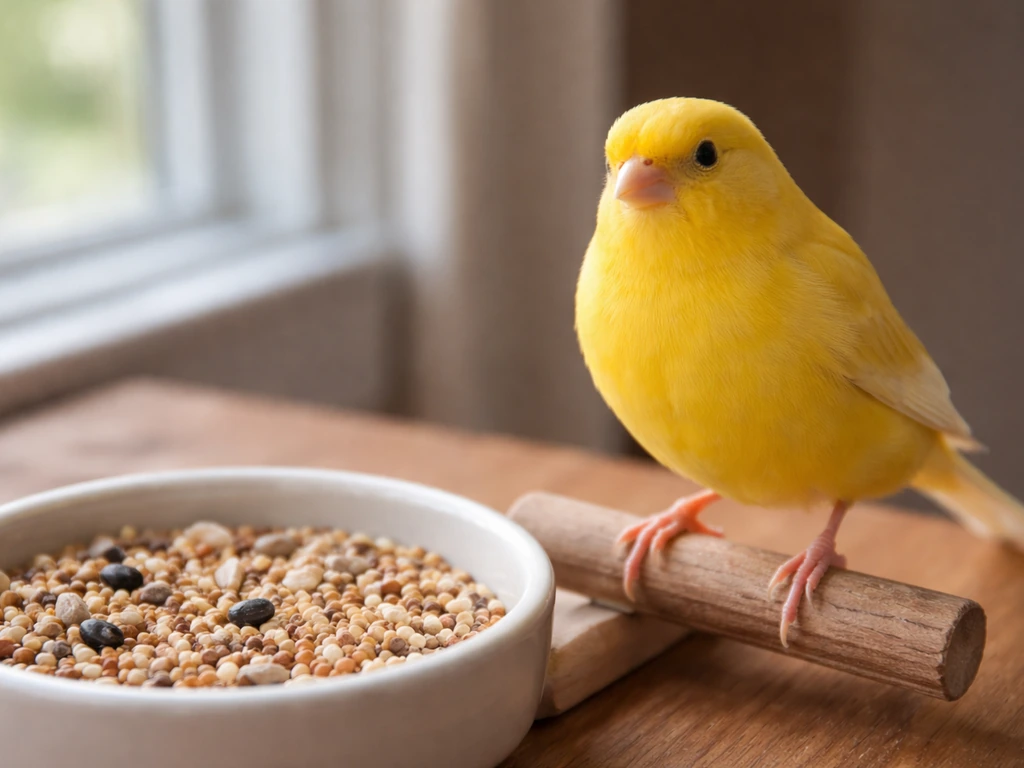
Yes, finches can eat wild bird seed, but how well it works depends entirely on what's in the mix. Most generic wild bird seed blends contain at least some seeds finches will eat, like white proso millet and sunflower chips, but they also tend to pack in filler ingredients like milo, wheat, and large cracked corn that finches mostly ignore or toss out. If you want to attract finches reliably and avoid wasted seed piling up on the ground, you need to either pick a mix carefully or supplement with the seeds finches actually prefer.
Can Finches Eat Wild Bird Seed? Safe Mixing and Storage
Maya Collins
12 Jun 2026
What 'wild bird seed' actually contains
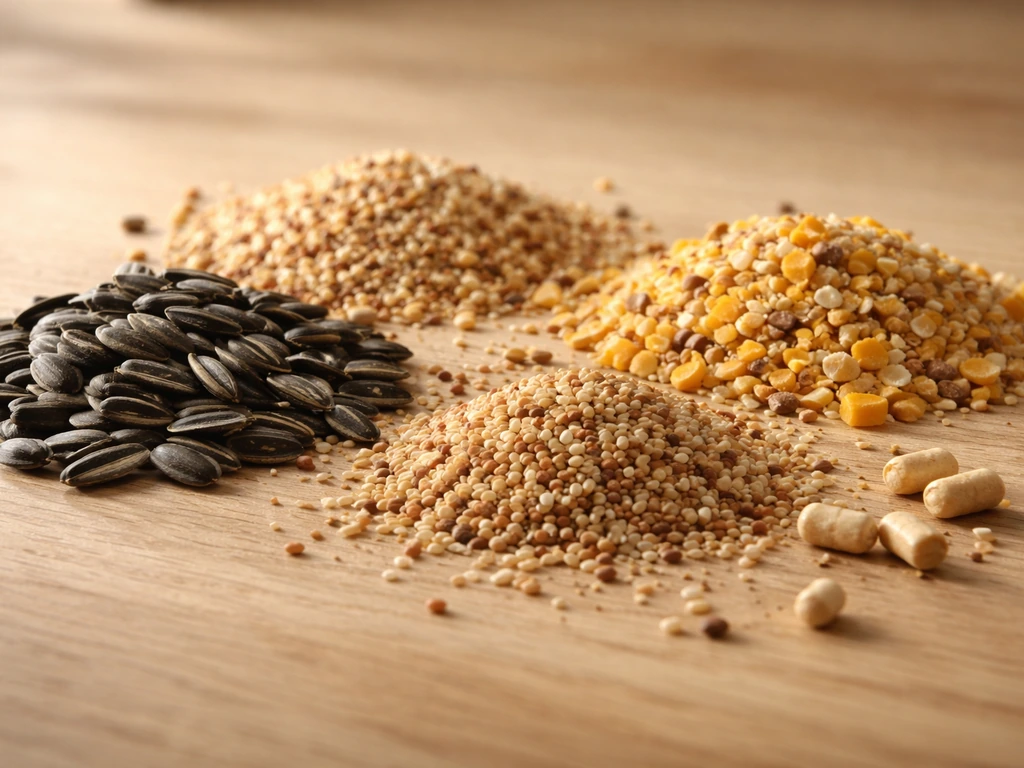
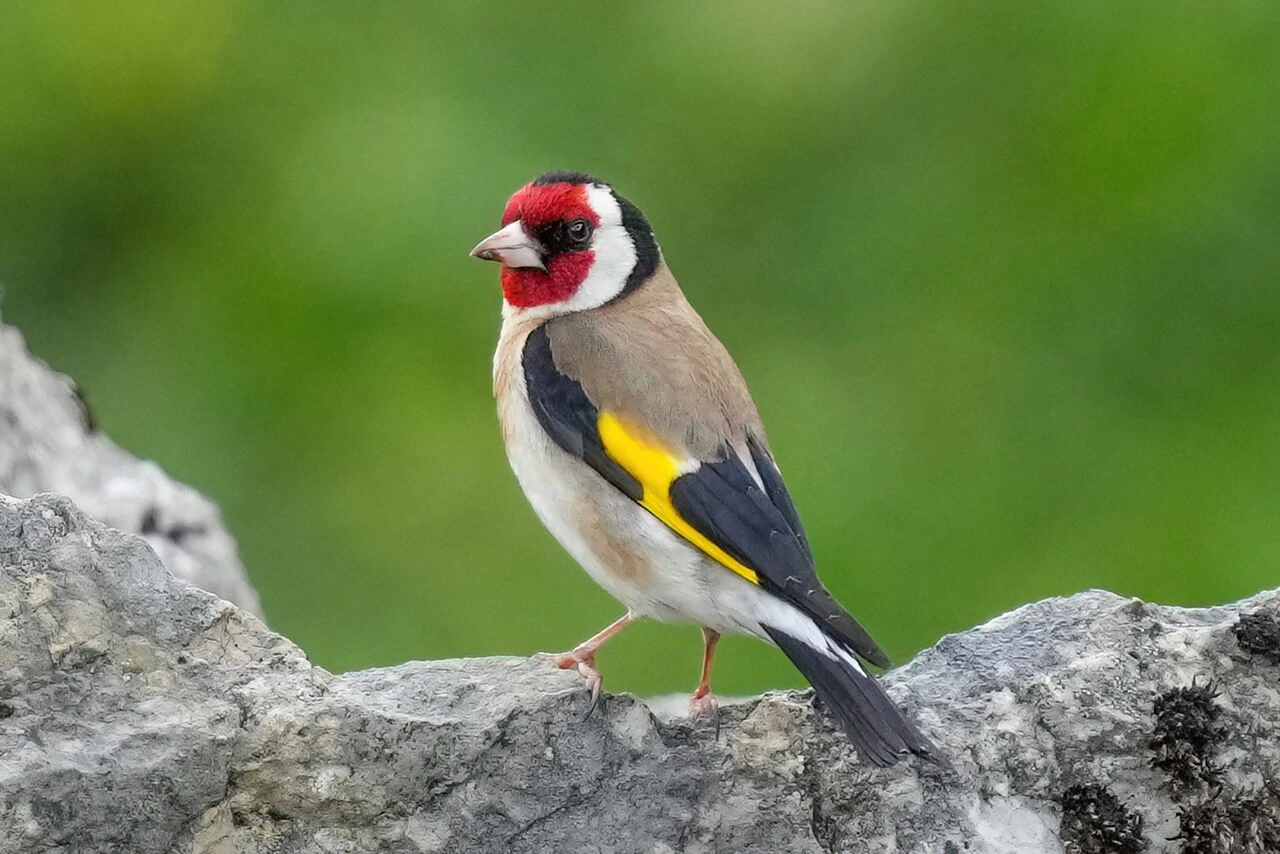
The term 'wild bird seed' covers a huge range of products, from decent quality mixes to cheap bulk bags that are mostly filler. Higher-quality blends, as the RSPB notes in their buying guide, contain more oil-rich seeds like black sunflower and sunflower hearts. Budget blends lean heavily on milo (red sorghum), wheat, and millet varieties that most finches in North America simply aren't that interested in. Knowing this upfront saves you money and keeps your feeding area cleaner.
Which seeds finches actually use (and what to skip)
Cornell Lab's Project FeederWatch seed preference data is pretty clear: nyjer (thistle) is the top choice for finches like American Goldfinches, Pine Siskins, and Common Redpolls. Black-oil sunflower seed and white proso millet are also solid options that many finch species will take. Sunflower hearts (hulled sunflower) are even better because finches don't have to work through the shell and there's no hull debris building up under the feeder.
| Seed Type | Finch Appeal | Notes |
|---|---|---|
| Nyjer (thistle) | Very high | Top choice for goldfinches, siskins, redpolls; needs special small-port feeder |
| Black-oil sunflower | High | Works in most tube feeders; thin shell is easier for small birds to crack |
| Sunflower hearts (hulled) | High | No shell waste; dries out faster, so refresh every 2-3 days |
| White proso millet | Moderate | Good for ground-feeding finches; spread sparingly to reduce ground buildup |
| Milo (red sorghum) | Very low | Common filler in cheap mixes; finches mostly ignore it |
| Wheat/cracked corn (large) | Very low | Filler; attracts pigeons and sparrows more than finches |
| Canary seed | Moderate | Sometimes included in quality blends; finches will eat it |
When you pick up a bag of wild bird seed, flip it over and read the ingredient list. If milo or wheat is listed first or second, that bag is mostly filler. Look for mixes where nyjer, black-oil sunflower, or sunflower hearts are prominent. If you're buying a generic mix, you can always sort out the small seeds your finches will use from the larger filler grains before filling the feeder.
How to offer wild bird seed safely to finches
Choosing the right feeder
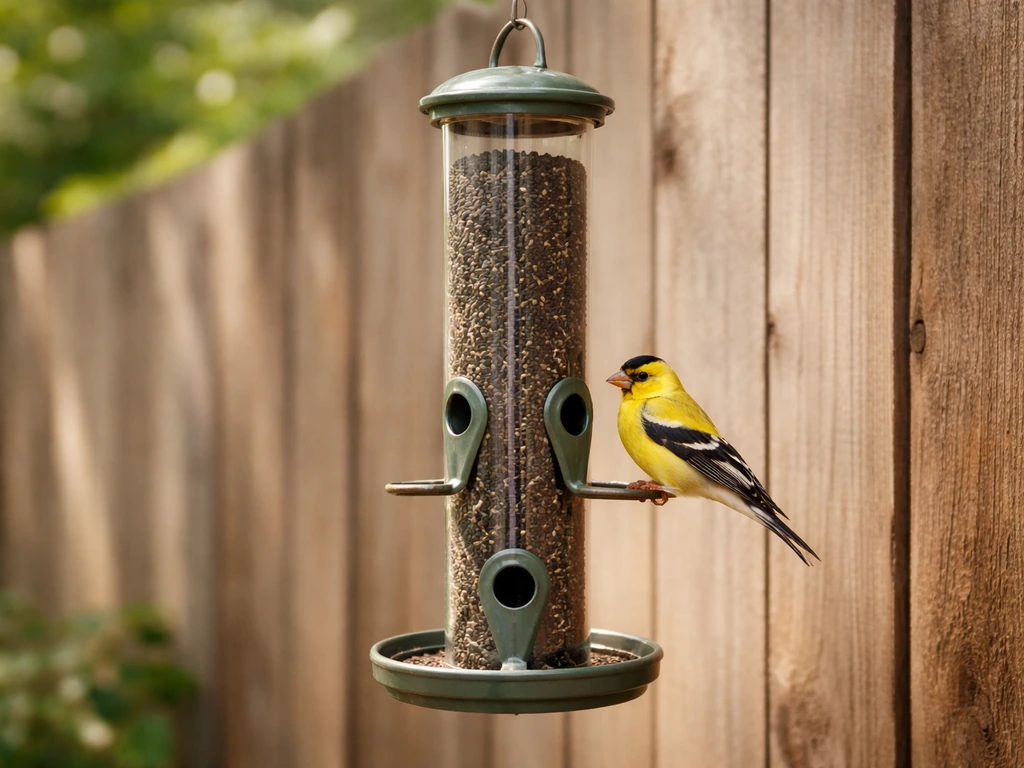
Feeder choice matters a lot here. Nyjer seed requires a tube feeder with very small ports, specifically designed to prevent the tiny seeds from pouring out. Standard tube feeders have ports that are too large and you'll end up losing most of the seed to spillage and wind. For black-oil sunflower and mixed seed, a standard tube or hopper feeder works well.
Tray or platform feeders are fine for millet but seed on a flat surface gets wet faster, which is a problem for mold (more on that below). Does bird seed float? It depends on moisture and the type of seed, so keeping it dry helps prevent clumping and other issues seed on a flat surface gets wet faster.
Setting up the feeder
- Hang the feeder at least 5 feet off the ground and away from shrubs or fences where cats can ambush.
- Place it within about 10-15 feet of cover like trees or dense shrubs so finches have somewhere to retreat quickly.
- Position it away from areas where water pools or rain splashes directly into the feeder opening.
- If using a tray feeder for millet, add drainage holes if the tray doesn't already have them.
- Avoid placing feeders directly under rooflines where accumulated droppings or runoff can contaminate the seed.
How much to put out
Fill feeders with only as much seed as birds will eat in 2 to 3 days in normal weather, and 1 to 2 days in hot or humid conditions. This prevents seed from sitting long enough to absorb moisture and start growing mold. Finches will return reliably once they know the feeder is there, so you don't need to keep it packed full.
Mold, wet seed, and the real health risks
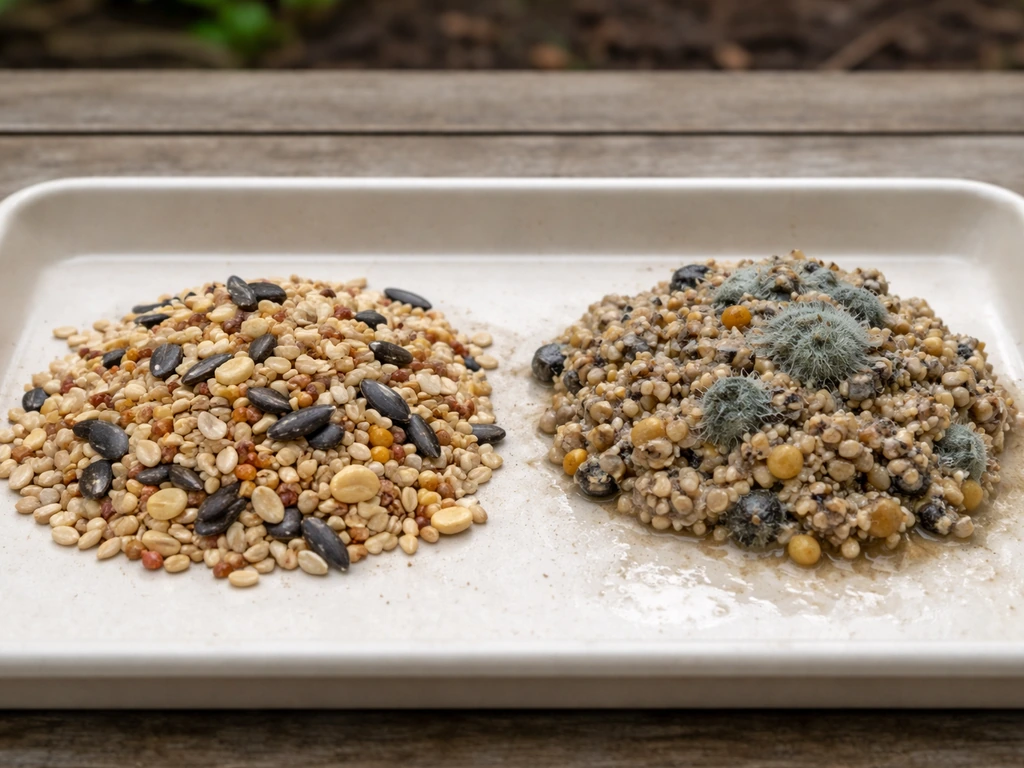
This is where cheap or poorly managed wild bird seed becomes genuinely dangerous. When seed gets wet and stays wet, mold grows, and moldy seed has been linked to aspergillosis, a serious respiratory disease in birds. The Minnesota DNR notes that in wet weather it's common for mold or bacteria to form on wet birdseed, and that mold can cause fatal avian diseases. Audubon echoes this, specifically recommending you scrub out moldy seed and disinfect feeders after humid periods.
Wet conditions accelerate the problem fast. A feeder left unchecked after two days of rain can have visible mold starting to develop at the bottom of the seed column or in the tray. Seed that's clumped together, smells musty or sour, or has any dark discoloration should be removed and discarded immediately. Don't try to dry it out and reuse it.
Sprouted seed is a slightly different case. Seed that has begun to sprout has absorbed moisture and started to break down nutritionally, but a tiny amount of freshly sprouted seed isn't toxic the way moldy seed is. That said, sprouted seed in a feeder means your seed management isn't tight enough, because sprouting requires prolonged moisture exposure. Treat it the same way you'd treat wet seed: remove it, clean the feeder, and refill with dry seed.
After wet weather: a quick cleaning checklist
- Dump all remaining seed from the feeder if it's been wet or has sat more than 2 days in humid conditions.
- Scrub the feeder interior with a stiff brush and a solution of 1 part bleach to 9 parts water.
- Rinse thoroughly and let the feeder air dry completely before refilling (at least 1-2 hours in sun, or overnight).
- Rake up or scoop wet seed debris from the ground under the feeder and dispose of it in the trash, not compost.
- Check the ground below for mold patches and move the feeder location if wet debris keeps accumulating in one spot.
Keeping pests and contamination out of your seed
Wild bird seed, including open bags stored in garages or sheds, is a prime target for stored-product insects like grain weevils and Indian meal moths. Illinois Extension points out that these pests can already be present in seed when you buy it, with eggs laid inside grain kernels before packaging. Once you bring the bag home and it sits in a warm space, they hatch and infest the whole bag. UGA Extension recommends transferring seed immediately into tightly sealed, rigid containers, specifically metal or hard plastic with secure lids, rather than leaving it in the paper or thin plastic bag it came in.
Rodents are the other major concern. Spilled seed under feeders and open storage containers are reliable attractants for mice and rats. Keep the area under your feeder raked clean regularly, and never store open bags of seed near the ground in an accessible area. UC San Diego's guidance on food storage insects recommends screw-top metal or glass containers with rubber seals for the best protection. A 5-gallon metal trash can with a locking lid works well for storing larger quantities of bird seed.
Feeder area hygiene and droppings
Bird droppings accumulate under feeders and on feeder surfaces quickly, and they carry pathogens. OSU Extension notes that diseases can grow in wet and moldy seed and in bird droppings combined, which is why the ground beneath a feeder needs regular attention. Rake or scoop up debris every week or two during active feeding seasons, and more often in summer. Moving the feeder to a fresh spot each season, as OSU Extension recommends, prevents disease buildup in the soil below.
Storing seed correctly and knowing when to throw it out
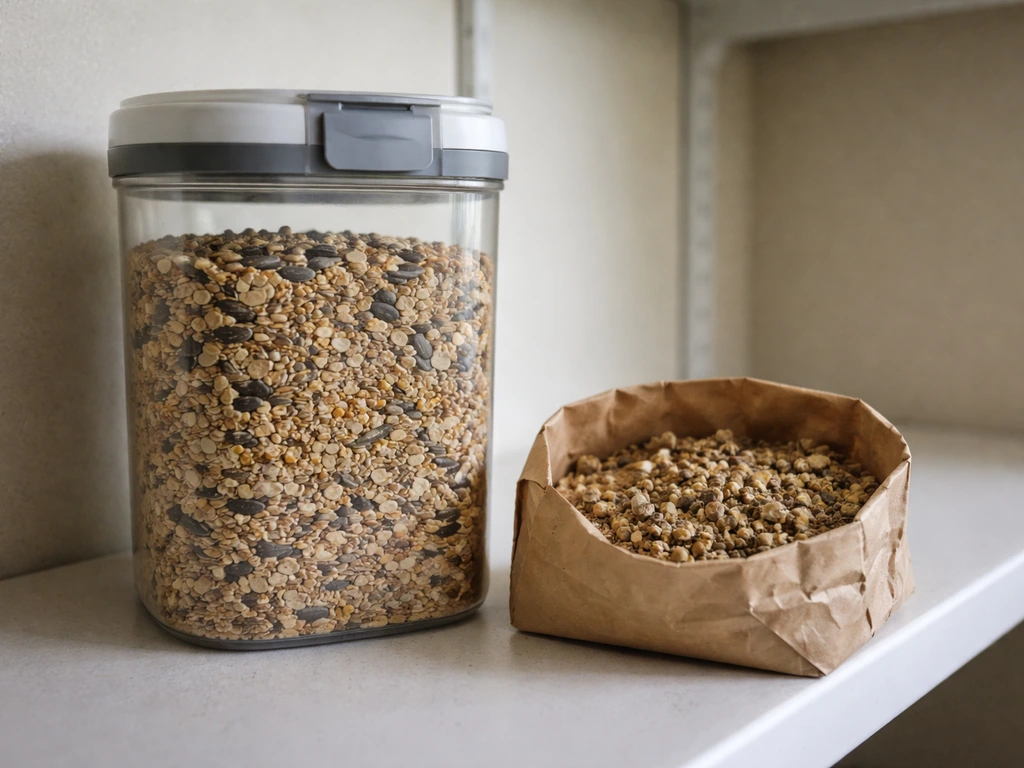
Properly stored dry bird seed in an airtight container kept in a cool, dry location will stay fresh for about 6 to 12 months. Heat and humidity are the enemies here: a garage in summer can reach temperatures that accelerate rancidity, especially in oil-rich seeds like nyjer and sunflower. If stored seed smells stale, oily, or rancid rather than fresh and nutty, it's past its prime and worth replacing.
| Seed Type | Approximate Shelf Life (stored dry, cool) | Signs It's Gone Bad |
|---|---|---|
| Nyjer (thistle) | 4-6 months | Dried out, shriveled, birds stop eating it |
| Black-oil sunflower | 6-12 months | Rancid or musty smell, mold visible |
| Sunflower hearts (hulled) | 3-6 months | Rancid smell, oily residue, clumping |
| White proso millet | Up to 12 months | Musty smell, clumping, insect activity |
| Generic wild bird mix | 6-12 months | Any component showing mold, smell off, insects present |
Buy seed in quantities you'll use within 1 to 2 months if possible, especially for nyjer, which dries out and loses appeal to finches faster than most other seeds. Buying a 50-pound bag to save money backfires if the seed degrades before it's used. When in doubt, smell it: fresh seed smells clean and slightly nutty. Anything musty, sour, or rancid should go in the trash.
Spilled seed cleanup indoors and outdoors
If you're transferring seed indoors or storing it in a pantry-adjacent space, treat it the same way you'd treat any dry food storage. UMD Extension recommends disposing of any infested dried food and cleaning shelves thoroughly to remove insect eggs before restocking. Vacuum the shelf or storage area, wipe it down, and inspect the new container seal before refilling. Never ignore a few small moths or beetles near stored seed: they can spread to other dry pantry goods quickly.
Troubleshooting: finches not showing up, or other problems
Finches aren't coming to the feeder
If you've put out wild bird seed and finches aren't showing up, the most likely culprits are wrong seed type, wrong feeder, or location. Nyjer in a standard feeder with large ports will spill everywhere and finches won't be able to feed properly. A general mix with lots of milo won't attract goldfinches or siskins at all. Try switching to a dedicated nyjer feeder with fine ports, or add a separate tube feeder with black-oil sunflower seed. Give it at least two weeks before concluding the spot isn't working, since finches need time to discover a new food source.
Finches are tossing seed onto the ground
If you see finches at the feeder but a lot of seed ending up on the ground, they're sorting through the mix to find what they want. This is classic behavior with cheap wild bird mixes full of filler. The fix is to switch to a higher-quality mix or offer nyjer and black-oil sunflower separately so there's nothing to throw out. Ground debris also attracts pests and creates mold risk, so this is worth solving quickly.
Finches were eating but suddenly stopped
- Check if the nyjer seed has dried out or gone stale. Old nyjer loses its oil content and finches will abandon it. Replace the seed and see if activity resumes within a day or two.
- Look for signs of a predator near the feeder (hawk, cat) that may have spooked the flock. Move the feeder closer to cover.
- Check if a competing feeder has been set up nearby by a neighbor.
- In late summer and fall, finch populations shift as birds migrate. A drop in activity may just be seasonal, not a problem with your setup.
Pests or mold keep coming back
If you're cleaning the feeder regularly but mold or insects keep returning, check your storage setup first. Seed stored in the original bag or a poorly sealed container is likely already infested or absorbing humidity. Switch to a rigid airtight metal or hard plastic container, buy seed in smaller quantities, and make sure your storage area stays below 70 degrees Fahrenheit if possible.
A USDA Forest Service publication on seed conservation storage describes controlled storage practices at the USDA National Seed Storage Laboratory, emphasizing moisture and handling controls to help prevent deterioration [absorbing humidity](https://www. fs. usda. gov/rm/pubsseries/wo/woah727.
pdf). Also look at your feeder design: hopper-style feeders that keep seed off wet surfaces and drain rain away from the seed column reduce mold risk more than open tray feeders.
If you keep finches as pets and are wondering whether wild bird seed is appropriate for them specifically, that's a different question than backyard feeding, and the answer varies by species. If you are feeding lovebirds, you might be wondering can lovebirds eat wild bird seed, but their needs are different from backyard finches. Lovebirds and canaries, for example, have different nutritional requirements than wild finches, and what works at an outdoor feeder isn't always a complete diet for a caged bird. Canaries can eat the right type of wild bird seed in small, appropriate amounts, but it should not replace a balanced canary diet.
What to do today
- Check the seed you currently have: smell it, look for clumping or insects, and read the ingredient label for filler content.
- If it's mostly milo or wheat, pick up a small bag of nyjer or black-oil sunflower instead.
- Make sure you have the right feeder for nyjer (small ports, tube-style) or a standard tube for sunflower.
- Move stored seed into an airtight rigid container if it isn't already.
- Set a reminder to clean the feeder every two weeks, or every week during humid summer months.
- Rake up any seed debris under your current feeder and dispose of it today to reduce pest and mold risk.
FAQ
Can finches eat wild bird seed if it’s expired or smells “off” in the bag?
It’s safer to discard seed that smells musty, sour, or rancid, even if it looks mostly fine. Rancidity is more than a taste issue, oil-rich seeds can go stale faster in warm storage, and spoiled seed can reduce appetite and increase waste on the ground.
Is it safe to mix nyjer with black-oil sunflower in the same feeder?
Usually yes, but only if the feeder is the right design for nyjer. If the tube ports are not small enough, nyjer will spill, and you’ll lose seed and create mold risk under the feeder. If you cannot get a finch-friendly nyjer feeder, offer nyjer and sunflower in separate feeders.
How much wild bird seed should I put out to avoid mold and wet clumps?
Start with enough for about 2 to 3 days in normal weather, then refill with smaller amounts. After rain, shorter cycles matter, 1 to 2 days in hot or humid conditions. This reduces the chance that seed absorbs moisture and stays damp in the feeder.
What should I do if I find clumped or partially sprouted seed in the feeder?
Remove it and clean the feeder before refilling. Sprouted seed can be a sign that moisture exposure is ongoing, continuing to use it likely worsens the problem and increases contamination risk even if it is not “moldy” yet.
Can finches eat wild bird seed that gets wet from rain but dries later?
Don’t rely on “drying back out.” If the seed got wet, inspect for mold, dark discoloration, or a musty odor, and discard anything suspicious. Drying after mold starts does not reliably make it safe for birds.
Are hull-free sunflower hearts better than whole sunflower for finches?
Yes, especially for cleanliness. Sunflower hearts reduce hull debris that can build up under feeders and on trays. Less debris also means less material to become wet and moldy, and it makes cleaning faster.
Can I use a standard tube feeder for all wild bird seed mixes?
Only for mixes that don’t include nyjer. Nyjer needs very small ports designed for that seed. If you use a general-purpose tube feeder with nyjer, the spill rate will be high, and the wasted seed increases pest activity and mold exposure under the feeder.
Why do finches sometimes ignore my mix even though it contains some millet or sunflower?
Often the issue is ranking and proportions, cheap mixes may be dominated by millet varieties finches don’t prefer and large filler grains they mostly toss. If finches are not coming reliably, try a finch-focused mix or offer black-oil sunflower separately, then give the birds time, about two weeks, to locate the change.
Is it okay to leave wild bird seed in an open bag in a garage or shed?
No, open bags invite both moisture absorption and stored-product insects. Transfer seed right away into a tightly sealed, rigid container with a secure lid, and keep it in a cool, dry area to slow rancidity and infestations.
How can I tell if seed is infested before I put it out?
Look for tiny moving insects, webbing, small holes in kernels, and clumping that doesn’t seem like moisture. If you suspect infestation, discard the affected seed, clean the storage area, and vacuum the surrounding shelves or containers before refilling with fresh seed.
What’s the best way to reduce birds dropping seed and creating a mess?
Use smaller refill amounts and clean the area beneath the feeder regularly. If you see lots of seed on the ground, it often means the mix has filler finches discard, switching to a higher-quality blend or offering preferred seeds separately reduces both waste and mold risk.
Can I feed finches wild bird seed if I have pets or children who might access the feeder or storage?
Use tamper-resistant, lidded storage and keep seed off the ground. Store containers high or locked, and avoid placing open seed near the feeder area, rodents and kids can knock over containers, which also increases insect spread and contamination risk.
Next Article
Can Canaries Eat Wild Bird Seed Safely? What to Do
Canaries can eat some seed briefly, but most wild mixes risk mold, pests, and poor nutrition. Safer swaps and steps insi