Most dry bird seed sinks in water. If you are watching seed float, it usually means one of two things: the seed is hollow, empty, or damaged (common with hulled or old seed), or it has absorbed enough moisture to trap air around it. Neither situation is ideal, and floating seed is almost always a sign to take a closer look before you put it back in a feeder.
Does Bird Seed Float? How to Test and Fix Wet Seed
Maya Collins
15 Jun 2026
What "floating" actually tells you about bird seed
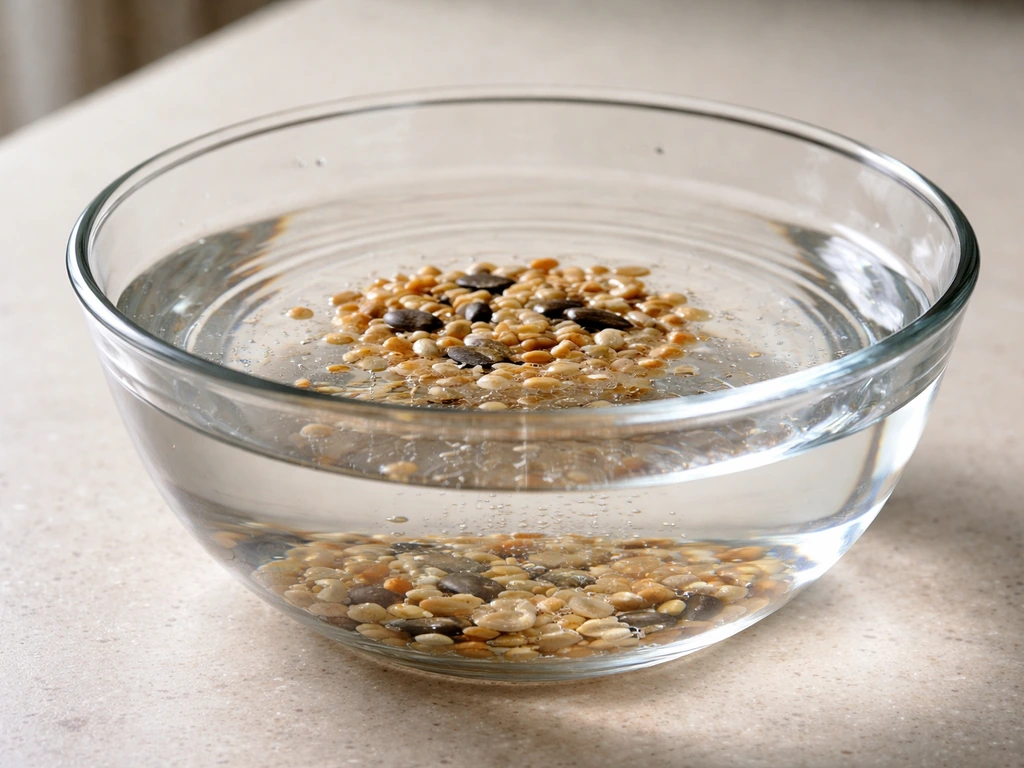
Seed floats when it is less dense than water. Fresh, intact, dry seed is dense enough to sink quickly. Floating usually points to one of three problems: the seed is empty or hollow (a bad seed with no viable kernel inside), the outer hull is trapping air because it has separated from the kernel, or the seed has swollen slightly from moisture exposure and air is trapped in cracks or gaps in the coat. In any of these cases, the seed is not at its best. Floating seed is not automatically dangerous to birds right away, but it is a reliable warning signal worth acting on.
Why some seeds float and others sink (the real reason)
Seed type, oil content, hull structure, and moisture level all affect whether seed sinks or floats. Here is how the most common backyard seed types behave in water:
| Seed Type | Typical Behavior in Water | What Floating Usually Means |
|---|---|---|
| Black-oil sunflower (hulled) | Sinks quickly | Empty kernel or moisture damage |
| Black-oil sunflower (in shell) | May briefly float, then sinks | Normal for intact shells; prolonged floating suggests hollow seed |
| Nyjer/thistle | Sinks; very small and dense when fresh | Often empty or old if floating |
| White millet | Sinks when dry; may float if wet or old | Moisture uptake or poor seed quality |
| Cracked corn | Sinks when dry; floats if waterlogged | Swelling from moisture exposure |
| Safflower | Sinks | Hollow kernel if floating |
| Peanuts (shelled) | Float easily due to air pockets in skin | Can be normal, but check for mold |
| Mixed blends | Mixed: heavier seeds sink, lighter fillers float | Filler seed like milo is often the floating portion |
Peanuts are the one exception worth knowing. Shelled peanuts often float because of small air pockets trapped under the papery inner skin, even when they are fresh. That is mostly normal. For everything else, persistent floating is a red flag.
Moisture is the biggest driver of unexpected floating in seeds that should sink. When seed absorbs water (from rain, a leaking feeder, or humid storage), the hull can crack, warp, or separate. This creates air gaps that cause the seed to float even though it is now heavier with absorbed water. Paradoxically, waterlogged seed can float because of structural damage, not because it is light.
How to test your seed at home right now
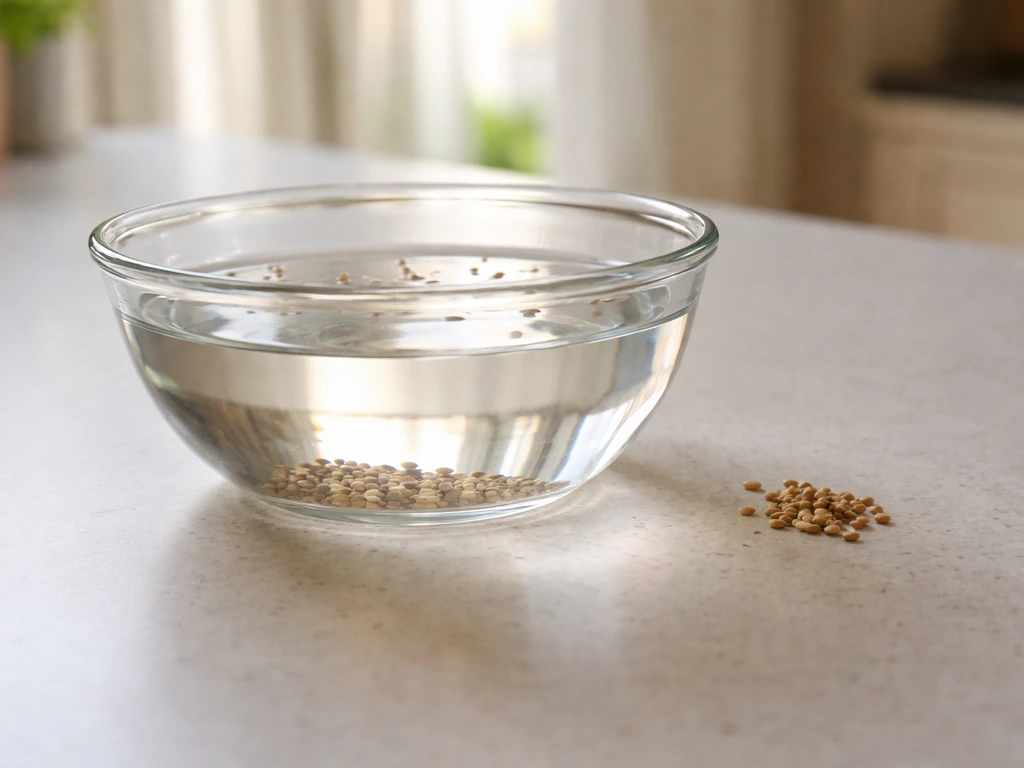
You do not need any special equipment. A bowl of room-temperature water and a few minutes is all it takes to get a clear read on what you have.
The float test
- Fill a shallow bowl or cup with plain tap water.
- Add a small handful of seed (about 1/4 cup is plenty).
- Stir gently and observe for 30 to 60 seconds.
- Any seed that floats persistently after stirring is suspect. Some seeds take a moment to wet out; that is normal. Seed that sits on the surface and refuses to sink is the problem.
- Remove and discard the floating seed separately. Dry the sinkers on a paper towel and inspect them before putting them back.
Visual and smell checks (do these too)
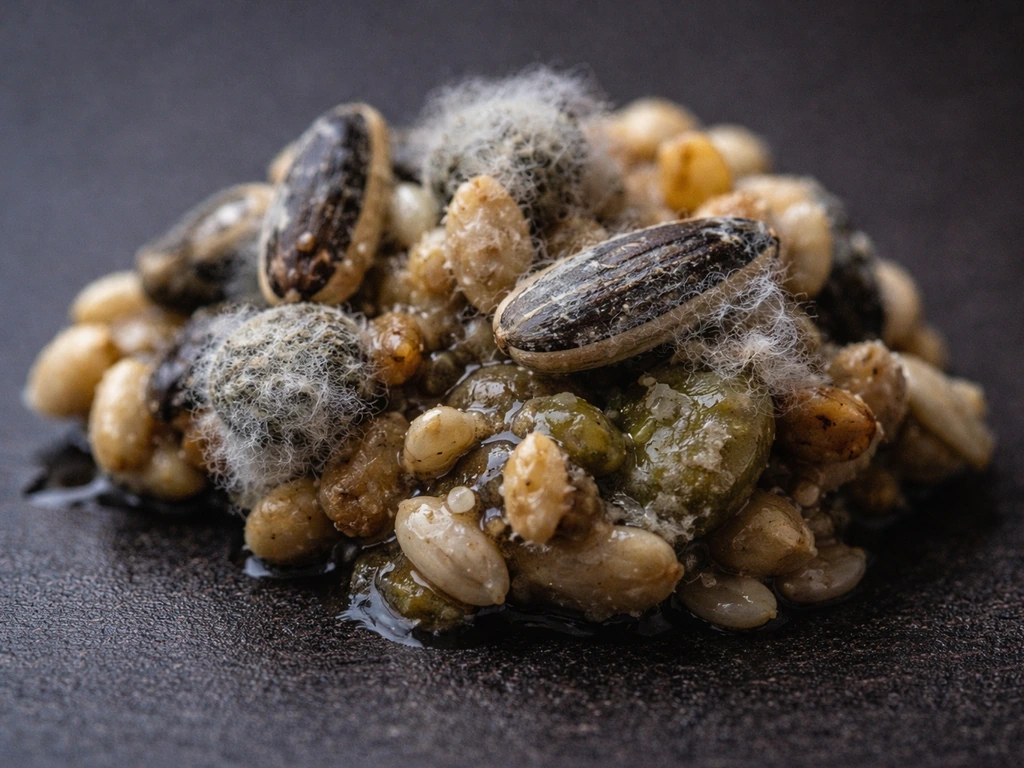
- Look for clumping: seed that has stuck together in chunks has been wet and is on its way to molding.
- Check for white, gray, or green fuzz on seed surfaces. Any visible mold means the whole batch should go.
- Smell a small handful. Fresh seed smells faintly nutty or neutral. A musty, sour, or rancid smell is a discard signal. The FAO specifically identifies a musty smell as a marker of unacceptable seed quality.
- Look for insects, webbing, or small larvae. Pest activity combined with moisture accelerates aflatoxin risk, and OSU Extension research links moldy or insect-contaminated grain to serious health problems in wildlife including immune damage and liver failure.
- Check seed color. Discolored, darkened, or shriveled kernels are past their useful life.
What to do if the seed is wet or starting to sprout
Catching wet seed early gives you a narrow window to save it. Once mold is visible or a musty smell is present, the seed goes in the trash, full stop. FAO also notes that seed with a musty smell or mold is not acceptable in trade, and that preventing seed moisture uptake during storage helps avoid spoilage a musty smell is present. Penn State Extension is direct about this: if seed becomes moldy, do not use it. There is no washing or drying step that makes moldy seed safe.
If the seed is damp but not moldy yet
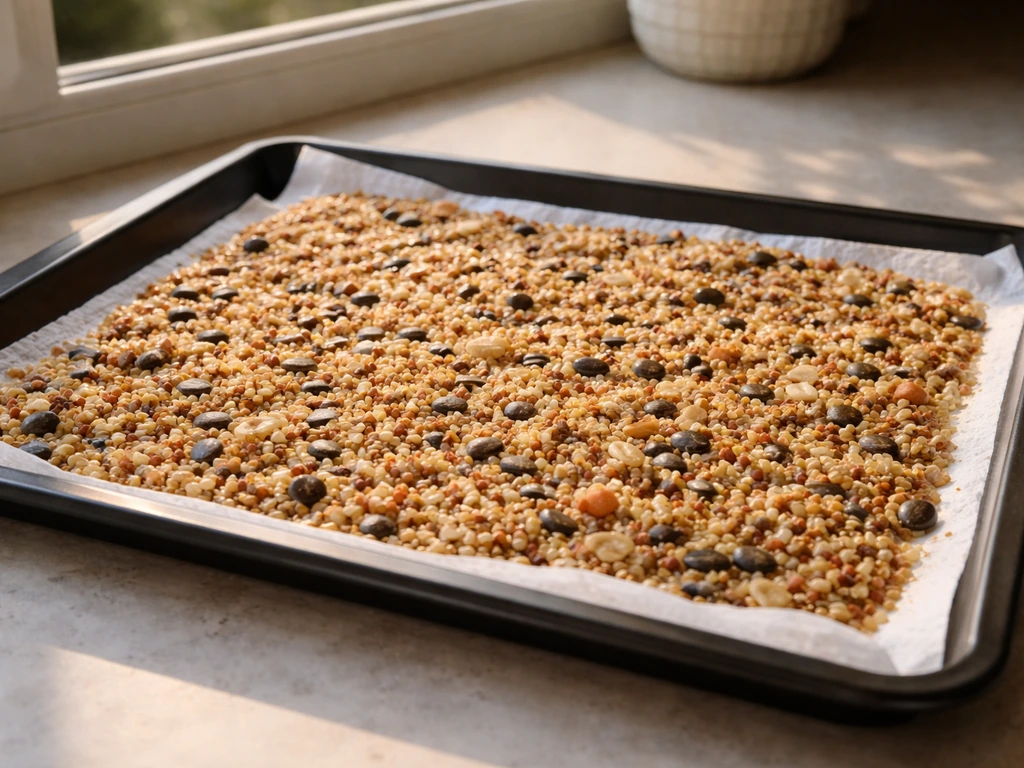
- Spread the seed in a single layer on a clean baking sheet or tray lined with paper towels.
- Place it in a warm, dry, well-ventilated spot indoors. Outdoors works in dry, sunny weather, but keep it off the ground and away from wildlife until you know it is safe.
- Allow 24 to 48 hours to dry completely. Stir or turn the seed every few hours to expose all surfaces.
- After drying, do the smell test and visual check again. If it passes both, it can go back into a clean, dry feeder. If anything seems off, discard it.
- Do not return damp seed to a storage container. That is how mold spreads to an entire batch.
If seed is sprouting
A small amount of sprouting is not always harmful to birds, but it signals that moisture has been sitting in your seed long enough to trigger germination. Sprouted seed changes texture, can ferment quickly, and becomes a mold risk fast. If sprouting is widespread (more than a few seeds in a handful), replace the batch. If you only see a sprout or two and the rest of the seed looks and smells fine, dry everything out thoroughly and watch closely over the next day or two.
Storage fixes to prevent a repeat
- Store seed in an airtight, hard-sided container (metal or thick plastic) with a tight-fitting lid.
- Keep storage containers off the ground, away from exterior walls, and out of garages or sheds that see wide temperature swings.
- A cool, dry location under 50% relative humidity is ideal. Basements can work but only if they stay consistently dry.
- Buy seed in quantities you can use within 4 to 6 weeks during warmer months. Fresh seed has less time to absorb moisture.
- Never top off old seed with new seed. Empty and dry the container fully before refilling.
Preventing mold, clumping, and pests after moisture exposure
Moisture is the root cause of nearly every bird seed problem: mold, aflatoxin, clumping, insect infestations, and the floating behavior that probably brought you here. Getting ahead of moisture is the most effective thing you can do.
- Use feeders with drainage holes or covered roofs. Tube feeders and hopper feeders with roofs shed rain far better than open platform trays.
- Bring feeders in or cover them during heavy rain events if your feeder design traps water.
- Check feeders every 2 to 3 days during humid or wet weather. Seed can begin to clump within 48 hours in a poorly draining feeder.
- Do not overfill feeders. Fill to about half to two-thirds capacity so seed turns over before it has time to absorb humidity.
- Clean feeders regularly. Iowa DNR recommends monthly cleaning as a baseline, with more frequent cleanings during wet seasons. Use a 10% bleach solution (approximately 1 part bleach to 9 parts water), soak for at least 10 minutes, scrub, rinse thoroughly, and allow to air dry completely before refilling. Virginia DWR recommends the same 9:1 water-to-bleach ratio for soaking.
- Inspect for insects monthly. Moth larvae, weevils, and grain beetles thrive in moist seed and can contaminate an entire storage container quickly.
How water-exposed seed affects the birds that eat it
Different backyard species interact with wet or water-exposed seed in different ways, and a few are particularly vulnerable to the health consequences.
Ground feeders (doves, sparrows, juncos, towhees)
Ground-feeding birds are at the highest risk from wet seed. Canaries can eat bird seed, but if the seed is wet from rain or moisture exposure it can spoil and pose a health risk wet seed. Bird seed can also attract pests and mold risk when it gets damp, so if you are offering seed near other foods, use fresh, dry seed and keep the area clean. Fallen seed sits on damp soil or pavement and deteriorates quickly.
Sparrows, juncos, and doves often scratch through damp seed and consume it in large quantities. These birds are more likely to ingest moldy or aflatoxin-contaminated seed than feeder birds that pick individual seeds. Clean up any seed that falls to wet ground promptly (see the cleanup section below) and consider switching to a ground tray with drainage holes if you have consistent moisture problems.
Finches (goldfinches, house finches, purple finches)
Finches are heavy nyjer and sunflower eaters and are particularly susceptible to aspergillosis, a respiratory disease caused by Aspergillus mold that thrives in damp seed. Can finches eat wild bird seed depends on whether the seed is dry and uncontaminated. Wet nyjer seed clumps in tube feeder ports and goes bad fast. If you notice finches avoiding a feeder they normally love, pull the seed, clean the feeder with your bleach solution, and refill with fresh, dry seed.
Cardinals and jays
Cardinals prefer sunflower and safflower seed, often from platform or hopper feeders. These feeder types can collect standing water after rain. Jays will cache (bury) peanuts and seed for later, which means wet peanuts sometimes end up buried and molding in your yard. Neither scenario creates immediate danger, but routinely wet feeders do accumulate aflatoxin risk over time. Keep platform feeders clean and check peanut supplies after rain.
Woodpeckers
Woodpeckers eating suet or seed cakes are less exposed to loose wet seed, but suet cakes can go rancid in heat and moisture. In summer or wet weather, switch to no-melt suet formulas and check cakes weekly for rancidity (rancid suet smells sour or off, similar to old cooking oil).
A note on pet birds
If you are wondering whether any of this applies to indoor pet birds like canaries, lovebirds, or finches that eat wild bird seed, the short answer is yes, the same mold and moisture rules apply and arguably matter even more for birds in enclosed spaces.
Cleanup after wet or soaked seed spills
Wet seed that has spilled in water (like a feeder that tipped into a birdbath, or seed that washed into a puddle after heavy rain) needs to be treated as potentially contaminated and cleaned up promptly. Here is how to handle it safely. Iowa DNR recommends regular cleanings for bird feeders, waterers, and baths to help avoid unintentionally spreading disease, using a 10% bleach solution and letting feeders dry before refilling.
Outdoor spills on the ground
- Scoop up as much seed as possible using a dustpan or gloved hands and bag it for trash. Do not compost wet or moldy bird seed.
- Rake or brush the remaining seed off grass or soil and dispose of it. Seed left in damp soil will sprout or mold within days.
- Rinse the area with water if seed was in a concentrated pile on pavement or a hard surface.
- If seed was sitting in a puddle or standing water, treat the area as potentially contaminated with mold spores. Avoid the area for a day and keep pets away.
Feeder cleanup after water exposure
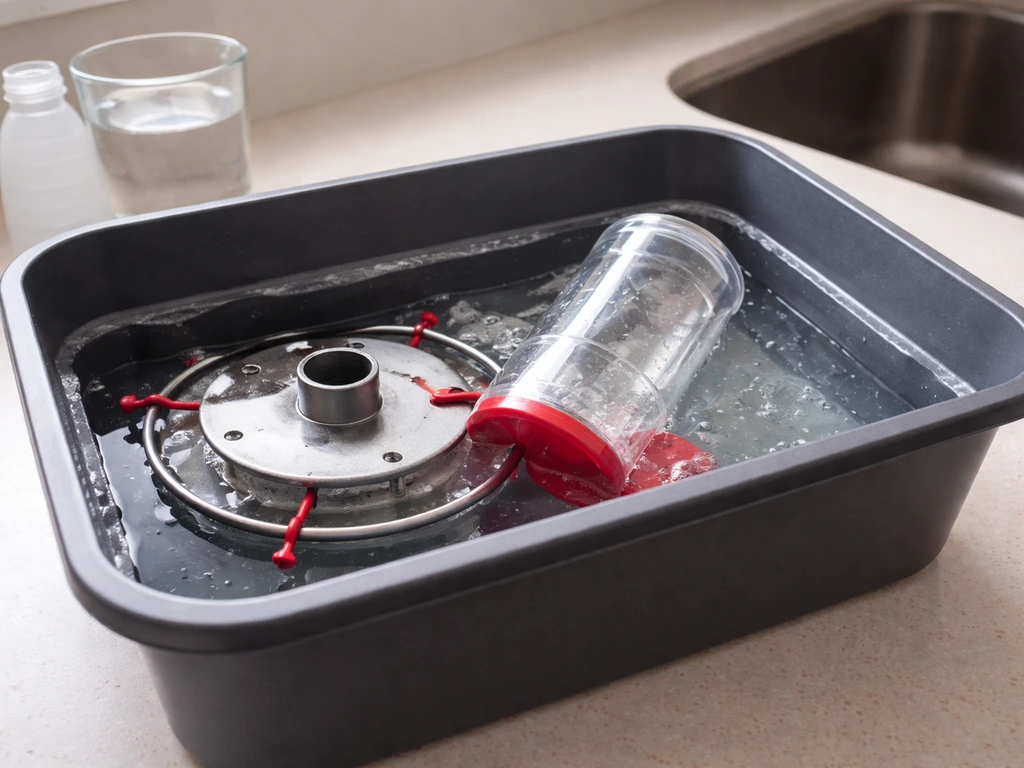
- Empty the feeder completely. Discard all wet seed.
- Disassemble the feeder as much as possible.
- Soak all parts in a dilute bleach solution: 1 part bleach to 9 parts water (approximately 1.5 cups bleach in a gallon of water) for 10 minutes minimum.
- Scrub with a bottle brush to remove any seed residue, mold, or biofilm.
- Rinse thoroughly under running water until no bleach smell remains.
- Allow to air dry completely before reassembling and refilling. Even a small amount of residual moisture will re-contaminate fresh seed within hours.
Indoor spills involving water
If bird seed got wet indoors (a storage container that leaked, seed that fell into a sink, or a bag stored somewhere damp), act fast. Wipe the affected surface with a dilute bleach solution, allow it to dry, and bag and discard the wet seed. Check surrounding seed in the same storage area for clumping or smell. Mold spreads quickly in humid enclosed spaces, and you want to catch any spread before it reaches seed you intend to use.
Your next steps: diagnose, act, and move on
Here is a fast decision framework for what to do today based on what you are seeing:
| What You See | Most Likely Cause | Action Today |
|---|---|---|
| Seed floating in water bowl/feeder | Hollow, empty, or moisture-damaged seed | Do the float test, discard floaters, inspect the rest |
| Seed clumping together | Moisture exposure in feeder or storage | Discard the batch, clean feeder, review storage |
| Visible mold on seed | Moisture plus time | Discard entire batch immediately, do not dry and reuse |
| Musty or sour smell | Early mold or fermentation | Discard batch, clean storage container with bleach solution |
| Insects or webbing in seed | Pest infestation, often linked to moisture | Discard batch, clean container, freeze new seed for 48 hours before storing to kill eggs |
| Sprouted seed in feeder | Seed sat wet long enough to germinate | Discard sprouted seed, dry remaining if no mold, check feeder drainage |
| Birds avoiding a favorite feeder | Seed quality problem, often mold or rancidity | Pull seed, clean feeder, refill with fresh dry seed |
The rule that makes all of this simple: when in doubt, throw it out. If you are wondering can you feed wild bird seed to pet birds, the safest approach is to treat it like any other seed in your routine and avoid feeding birds anything that looks hollow, moldy, or water-damaged. Fresh bird seed costs a few dollars. A sick feeder full of birds or a mold-contaminated storage setup costs far more in repeated cleaning and lost wildlife. Buy in smaller quantities, store it right, and check your feeders every few days during wet weather. That cycle will keep floating seed from being anything more than a one-time curiosity rather than a recurring problem.
FAQ
Does bird seed float because it is safe, or because it is empty or damaged?
Floating usually indicates lower density than water due to hollow kernels, separated hulls that trap air, or moisture-related structural cracks. If the seed also looks pale, lightweight, or split, treat it as suspect and discard it rather than assuming it is fine.
If only a few seeds float, should I dump the whole bag?
Not automatically. Separate the floating pieces and recheck the batch after fully air-drying it in a dry place. If more than a handful are hollow-looking, smell off, show any mold spots, or sprout, replace the whole batch to avoid contamination spreading.
Can I fix floating seed by drying it in the oven or using a fan?
You can dry out seed that is only slightly damp and still smells normal, but you cannot reliably reverse mold contamination. If you see any mold, smell musty, or notice fermentation, discard it. For otherwise normal seed, use gentle drying (dry room, airflow) and wait until it is truly dry before refilling feeders.
How long can wet bird seed sit before it becomes a problem?
The safe window is short once humidity is involved. If seed was exposed to rain or stored damp, treat it as contaminated risk after a brief period, especially indoors or in sealed containers where moisture concentrates. If there is any mold or musty odor, it should not be used.
Does the floating test work the same for all seed types, like nyjer, sunflower, and peanuts?
No. Shelled peanuts can float due to normal air pockets under the inner skin, even when fresh. For nyjer and most hulled mixes, persistent floating is more likely to reflect hollowness or moisture damage, so you should be stricter with those.
Why do sunflower or safflower sometimes float after a rain even though they are oil-rich?
Oil content affects how seed behaves, but structural changes matter more when seed gets wet. Rain and humid storage can separate hulls, create cracks, or trap air in gaps, which can make heavier seed float. Check for splits, warping, or clumping, not just the float result.
What’s the quickest way to check floating seed beyond looking at it in the bowl?
Do a smell check and a cut check. Smell the floating seeds for mustiness, and crack a few open with your fingernail or a nutcracker to see if kernels are shriveled or missing. Hollow or off-smelling seeds are a direct discard signal.
If seed is floating but not moldy, is it still risky for birds?
It can still be lower quality and may spoil faster in a feeder, especially for species sensitive to mold exposure. Floating is a warning that the seed has already been compromised by air pockets or moisture, so replacing it is the safest move for repeat problems.
How do I stop floating seed from happening again in the feeder?
Reduce moisture exposure by using feeders with better drainage, cleaning after wet spells, and storing unopened seed in a dry, sealed container. If you have consistent rain or humidity, buy smaller amounts and check feeders more frequently during storms.
Should I clean a feeder differently if I suspect waterlogged or floating seed?
Yes. Remove all old seed, wash thoroughly, and let it dry completely before refilling. If you suspect mold risk, follow your cleaning routine consistently and do not mix fresh seed with seed that may have been damp in ports or corners.
What should I do with seed that fell on wet ground or in a puddle?
Treat it as potentially contaminated. Pick it up promptly and discard it, especially if the area stays damp or the seed is likely to be scratched into the soil. Persistent ground wetness often leads to faster mold and higher pest exposure.
Does this apply to pet birds eating wild bird seed indoors?
Yes, often more so. In enclosed indoor setups, a small amount of damp seed can ferment or mold quickly and you may not notice early contamination. Stick to dry, fresh seed, and throw out any seed that shows swelling, clumping, off smell, or sprouting.