If you're staring at a feeder or bag of bird seed thinking 'wait, what did you put in this? If you are trying to figure out what is in a bird seed mix from a viral video or gif, the same steps in this guide will help you check for unsafe or unwanted ingredients what did you put in this bird seed gif. ', you're not imagining things.
What Did You Put in This Bird Seed? How to Check and Fix
Maya Collins
19 Apr 2026
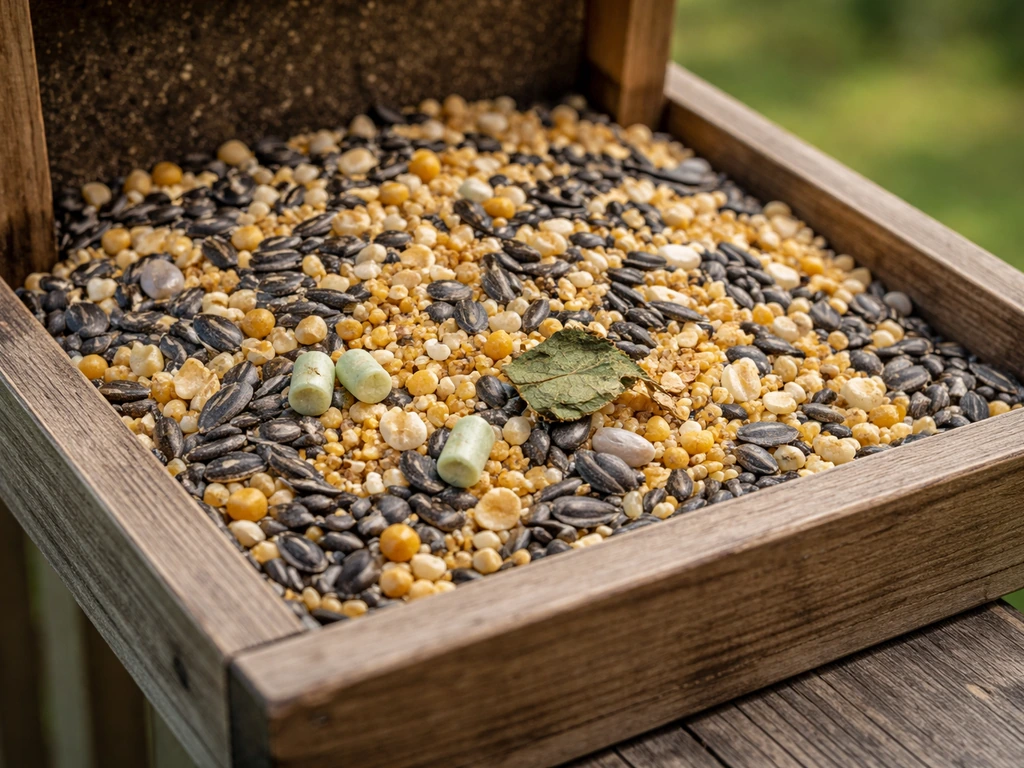
Bird seed mixes are often less transparent than other consumer products. Labels can be vague, ingredient lists can be filed with a state agency instead of printed on the bag, and a surprising amount of weed seed, filler, or outright contamination can end up in a mix without a clear warning.
This guide walks you through exactly how to figure out what's in your seed, what it means for the birds you're feeding, and how to safely fix the problem if something has gone wrong.
Why Your Bird Seed Mix Might Surprise You
The biggest reason people end up questioning their seed is that bird seed labeling is genuinely inconsistent. Under some state rules (Colorado is a documented example), manufacturers of wild bird seed products can file their ingredient list with the state agriculture department rather than printing it on the bag. That means you can buy a bag with a vague name like 'Wild Bird Blend' or 'Songbird Mix' and have no practical way to know what's inside just by reading the label. Those marketing names are not regulated definitions, so they can mean almost anything.
When ingredients are listed, they follow descending order by weight, just like a food label. So the first ingredient is what you're paying most for. The problem is that filler ingredients like cracked corn, milo, or wheat can appear low on the list but still make up a significant portion of the mix by volume. Even 'no-mess' blends sometimes contain fillers like canary seed or wheat, so the 'waste-free' promise can be misleading.
There's also a weed seed angle that most people don't know about. Regulations in some states (Indiana's Purdue-documented labeling rules are one example) require that if a wild bird food mix contains more than 2.5% weed seed, the label must state: 'This feed contains more than two and five-tenths percent (2.5%) weed seed.' A peer-reviewed study examining 98 commercial bird feed mixes found weed seed contaminants present, and the Washington State Department of Agriculture has issued recalls specifically because bags were found to contain highly invasive weed seeds. If you used recalled seed, WSDA urges you to remove it from feeders and dispose of it in the trash, not the compost or yard waste bin.
How to Figure Out What's Actually in Your Seed Mix
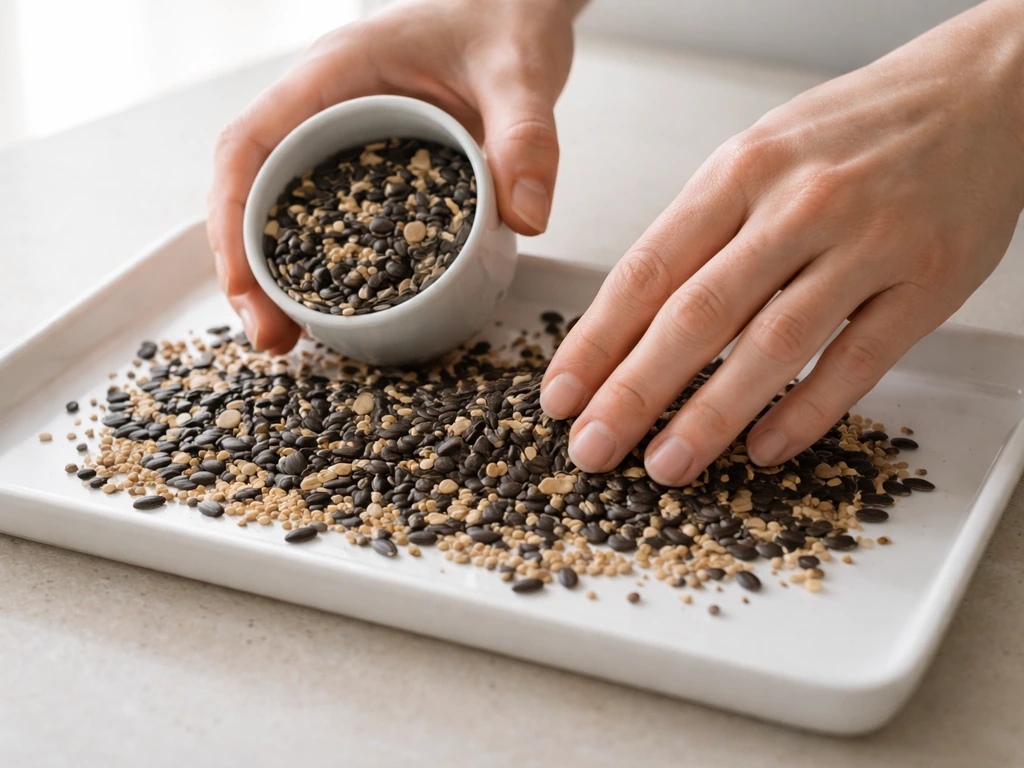
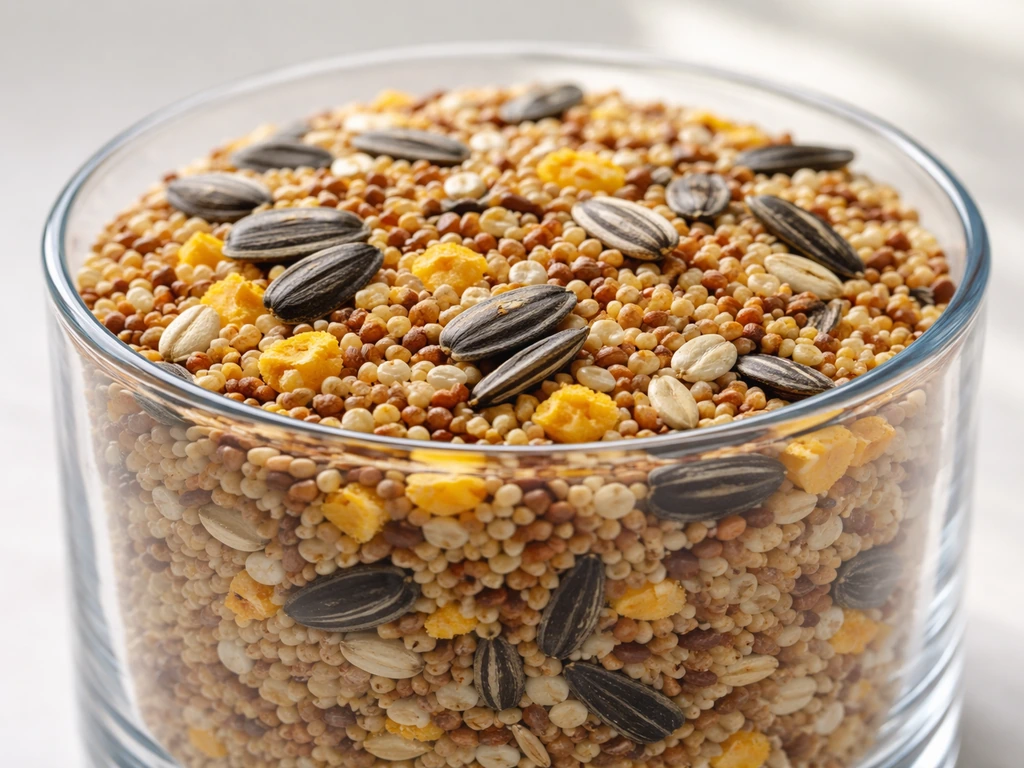
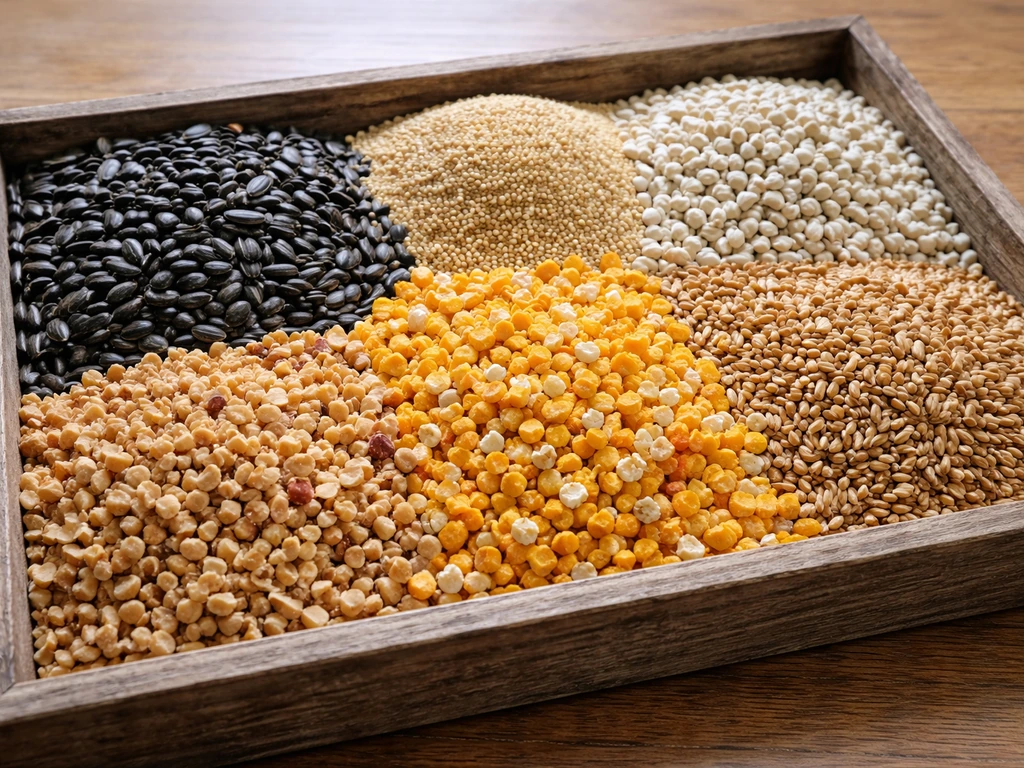
You don't need any equipment to do a basic seed audit. Spread a cup or two of your seed on a white plate or tray in good light. Then sort by shape, size, color, and texture. Here's what you're typically looking for:
| Seed Type | What It Looks Like | Typical Use |
|---|---|---|
| Black-oil sunflower | Thin black shell, small teardrop shape, light weight | General feeder attraction, the most widely preferred seed |
| Striped sunflower | Larger, thicker striped shell, harder to crack | Attracts bigger-billed birds; less popular with small birds |
| White millet | Tiny round off-white or cream spheres | Ground feeders, doves, sparrows, juncos |
| Safflower | White, slightly elongated, medium size, very hard shell | Cardinals, some finches; squirrels tend to avoid it |
| Nyjer (thistle) | Very thin, black, needle-like seed | Finches, especially goldfinches; needs a fine-mesh feeder |
| Cracked corn | Yellow irregular flat pieces | Ground birds, doves, squirrels; a common low-cost filler |
| Milo (sorghum) | Round, reddish-brown, larger than millet | Often a filler; preferred mainly in western North America |
| Peanut pieces | Light tan irregular fragments, oily texture | Woodpeckers, blue jays, chickadees |
| Canary seed | Oval, slightly shiny, light tan | Filler in many mixes; attractive to sparrows and finches |
| Unknown round/dark seeds | Various; may be weed seeds or milo | Check label; may not be beneficial and could be invasive |
After sorting, smell the seed. Fresh seed smells faintly nutty or neutral. A rancid, musty, or sour smell is a red flag. You can also press a few seeds between your fingers: healthy seeds feel firm and dry, while compromised seeds feel soft, sticky, or damp. If you find seeds that are clumped together or coated in a powdery or fuzzy residue, that's mold and you should treat the entire batch as contaminated.
To check for weed seeds specifically, look for anything that doesn't match the seed types above. Grass seeds, broadleaf seeds, and other thin, chaff-like material mixed in are signs of poor quality control. If you see a lot of dusty debris, broken hulls, or small dried insect parts, the mix may be old stock or improperly stored before it reached you.
What Each Ingredient Is Actually Attracting
Once you know what's in the mix, you can predict which animals will show up and, just as importantly, which ones you might be accidentally inviting. Here's a practical breakdown by seed type and the animals each one draws in.
Black-oil sunflower and safflower
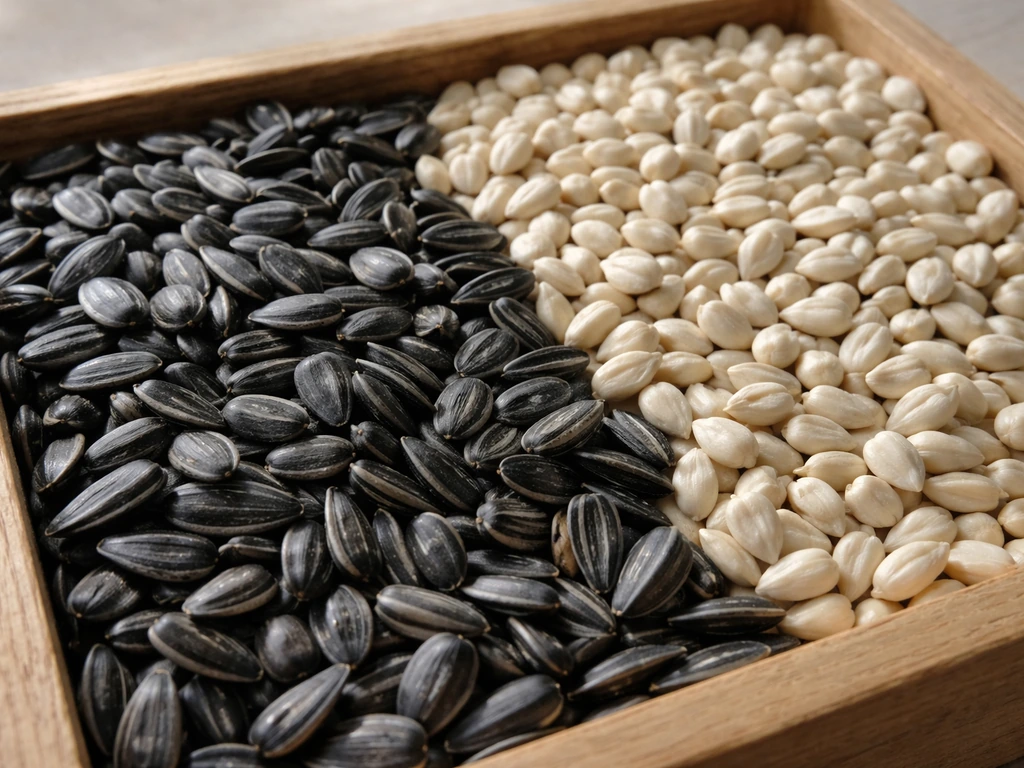
Black-oil sunflower is the most universally attractive seed you can offer. It draws chickadees, titmice, nuthatches, woodpeckers, finches, and many more. If your mix is heavy on black-oil sunflower, that's a good sign. Safflower is the smart swap if you want to specifically attract cardinals while reducing squirrel activity, because squirrels generally dislike its bitter taste. Safflower also appeals to finches and other larger-billed songbirds.
Millet and cracked corn
White millet is excellent for ground feeders: mourning doves, white-throated sparrows, dark-eyed juncos, and song sparrows all love it. Cracked corn attracts doves and also pulls in blackbirds and squirrels aggressively. If you're finding that larger, unwanted species are dominating your feeder, corn is usually the culprit. Corn is also one of the seeds most susceptible to aflatoxin-producing molds when exposed to humidity, so it's worth scrutinizing carefully.
Nyjer, milo, and filler seeds
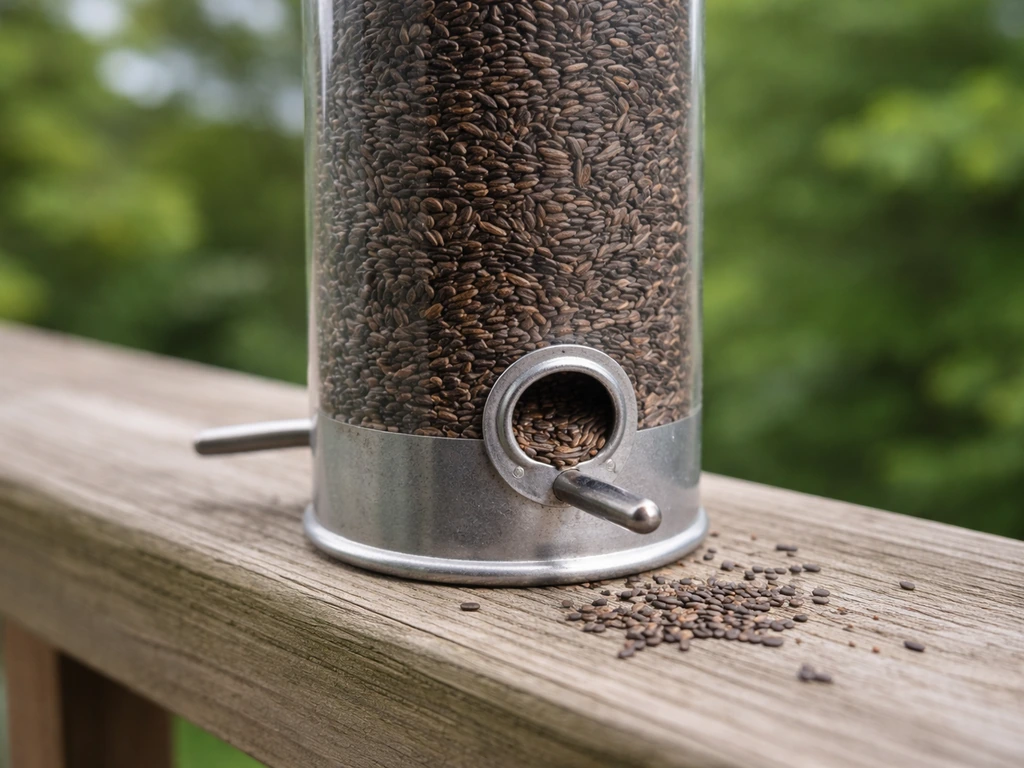
Nyjer (also called thistle) is almost exclusively for finches, especially goldfinches, pine siskins, and redpolls. It requires a specialized feeder with small ports, so finding it in a standard mix may mean most birds at a tube feeder can't access it efficiently. Milo is interesting: it's a popular filler in cheap mixes, but most eastern and midwestern birds ignore it. Birds in western North America, like Gambel's quail and curve-billed thrashers, do eat it. If you're in the East and your mix is full of round reddish milo, you're paying for something most of your birds will push off the tray.
Troubleshooting: When the Seed Looks or Smells Wrong
Most 'what did you put in this' moments come not from a mysterious ingredient but from seed that has gone bad. Here are the four main problems and how to handle each one.
Wet or clumped seed
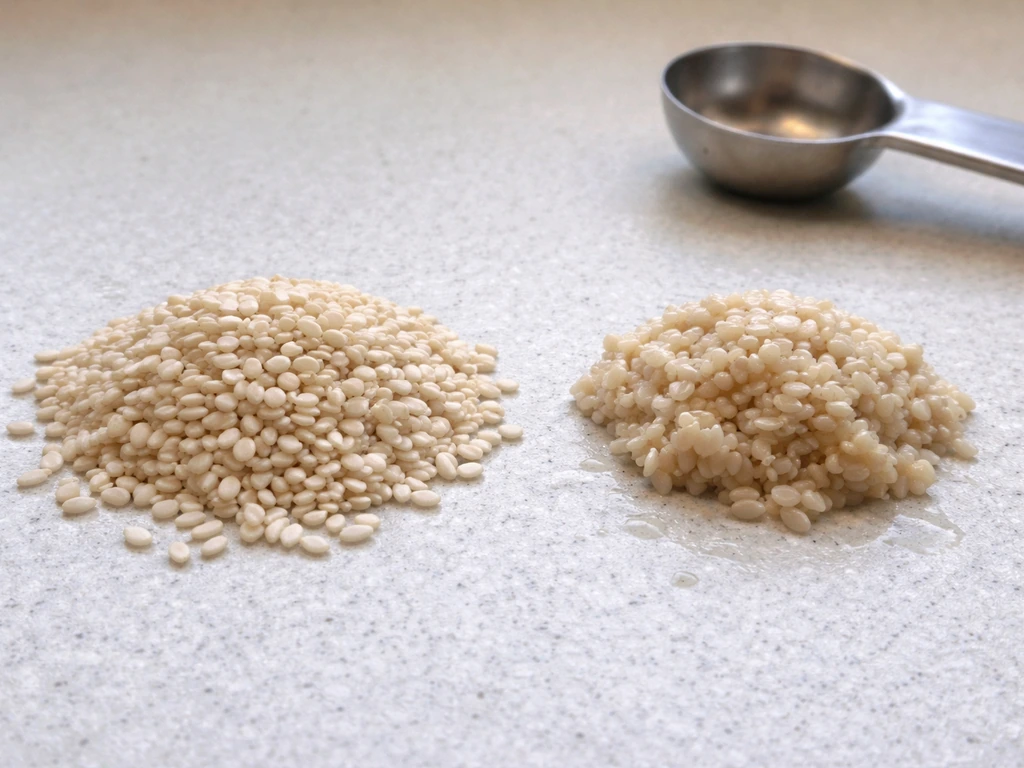
Wet, compacted seed is a clear discard situation. Both Oregon State University and Penn State Extension are direct on this: if seed in a feeder has gotten wet and compacted, remove it and throw it away. Wet seed creates the perfect environment for mold within hours, especially in warm weather. Don't try to dry it out and reuse it.
Sprouting seed
Sprouting means the seed is alive enough to germinate, which sounds positive but signals that it's been exposed to enough moisture to start biological activity. Sprouted seed in a feeder will rot quickly and attract pests. Remove it, clean the feeder, and check whether water is getting in through a crack or gap in the feeder design. Platform feeders and tray feeders are especially prone to this because rain pools in them directly.
Mold
Mold is the most serious problem. Several species of Aspergillus fungi can grow on damp cereal grains, peanuts, and corn, and they produce spores that birds inhale. This causes aspergillosis, a respiratory disease. The Pennsylvania Game Commission, NYSDEC, and Michigan DNR all note that once a bird contracts aspergillosis there is no effective treatment, so prevention is everything.
Texas Parks and Wildlife specifically calls out peanuts, corn, and cottonseed as crops most often affected by aflatoxin-producing fungi, and warns that seed left in feeders for a week or more in humid conditions significantly increases risk. If you see any fuzzy or powdery growth, gray-green patches, or black spots on your seed, discard the entire feeder load immediately. Do not try to pick out the affected seed.
Insects or pests in the seed
Small moths, weevils, or larvae in bird seed usually mean the seed was stored too long or got warm. This is common in bags that sat in a warehouse or garden center through summer. The seed is not automatically dangerous to birds, but it's unpleasant and signals that the seed is past its prime. Wild Birds Unlimited recommends freezing remaining seed for five days to eliminate insects without using pesticides. After freezing, the seed is safe to use as long as it's otherwise fresh, dry, and odor-free. King County Public Health also warns that scattered seed and waste under feeders can attract rats, so pest activity near your feeder is worth addressing promptly.
Storing Seed Right So This Doesn't Happen Again
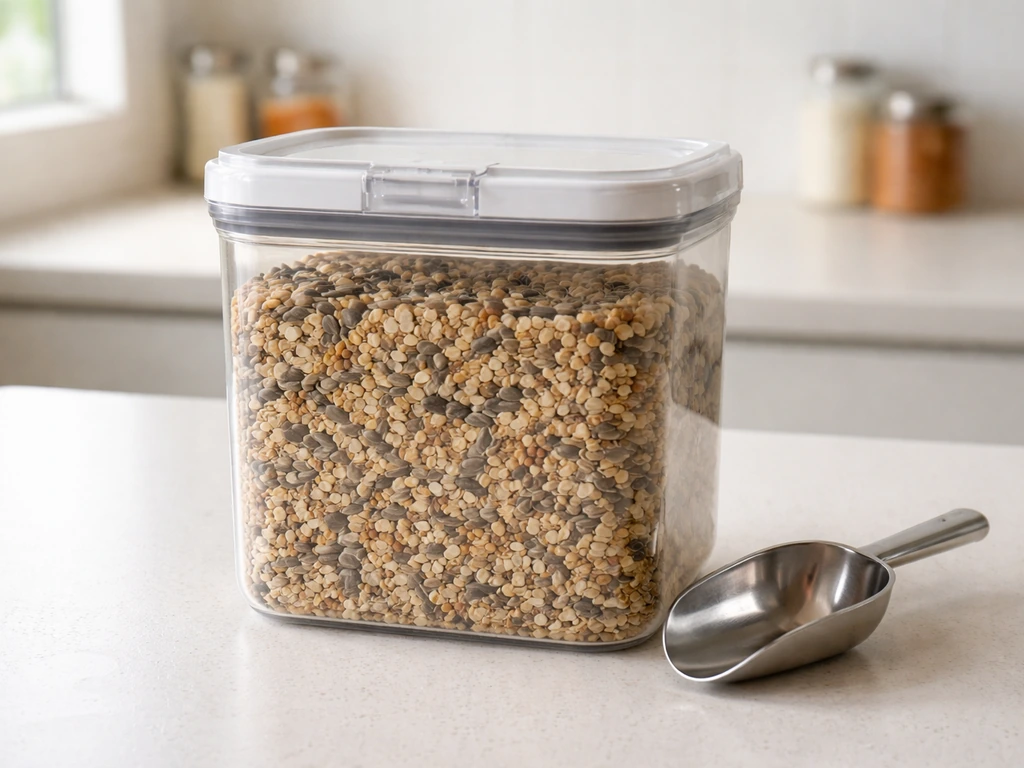
Most bird seed problems trace back to storage. The rules are simple but important. Keep seed in a cool, dry location, ideally below 70 degrees Fahrenheit, in an airtight container. Line your storage container with a heavy-duty plastic trash bag to keep moisture out. Never store seed in a garage or shed that gets very hot in summer, because heat and humidity accelerate mold and rancidity. Wild Birds Unlimited recommends buying only as much seed as you'll use within a few weeks to a month, rather than stocking up in large quantities that sit for months.
Finch mixes deserve extra caution. University of Nebraska Extension notes that finch mixes often have a short shelf life because the seed is heat-sterilized to prevent sprouting, and finches will reject stale seed. If your goldfinches suddenly stop visiting, the first thing to check is whether the nyjer seed is fresh. It goes stale faster than sunflower.
On the feeder side, shake tube feeders and platform feeders during or after rain to prevent moisture from pooling and soaking the seed. Even a well-designed feeder can trap water in its ports or tray in a heavy storm.
How to Clean Up After Finding Bad Seed
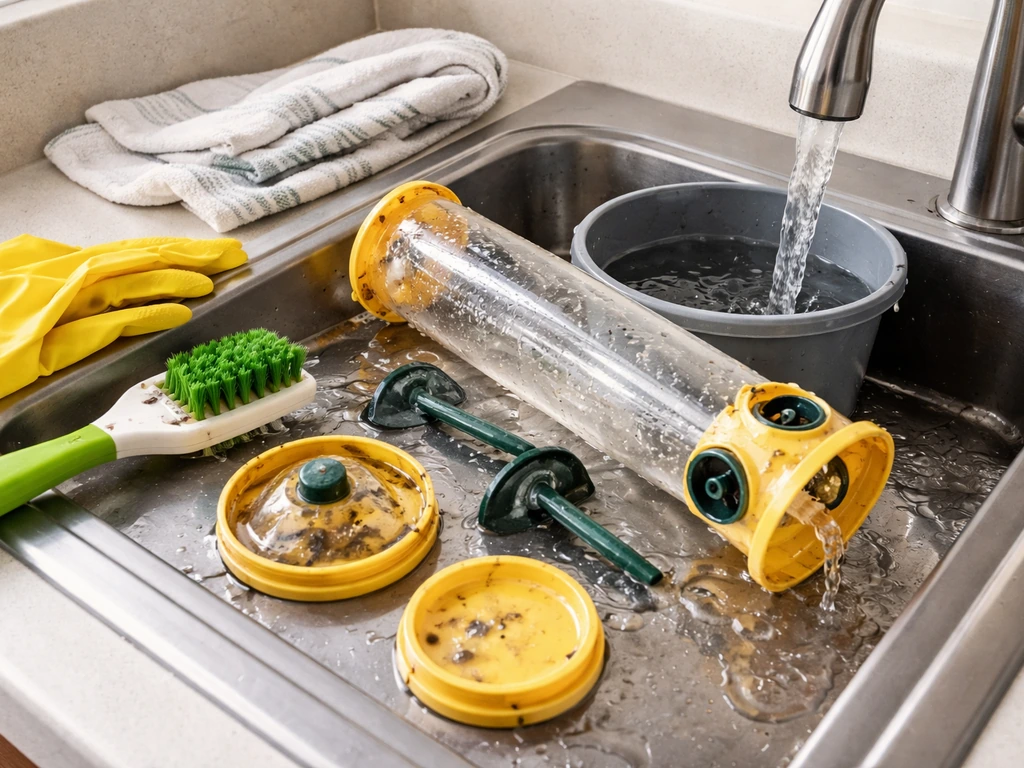
Finding moldy, wet, or contaminated seed means the feeder needs a full cleaning before you refill it. Here's the process, step by step:
- Empty the feeder completely. Discard all remaining seed in the trash, not the compost bin. If weed seeds are a concern, bag and seal the material before disposal.
- Disassemble the feeder as much as possible. Remove ports, trays, and any removable parts.
- Scrub all surfaces with warm, soapy water using a brush to remove stuck seed, hulls, droppings, and any visible mold or residue.
- Disinfect by soaking the feeder in a bleach solution for 10 to 15 minutes. The Bird Rescue Center recommends a diluted warm bleach solution for this step.
- For perches and areas you prefer not to soak in bleach, OSU recommends wiping with a vinegar-to-water solution at a ratio of 1 part vinegar to 20 parts water.
- Rinse all parts thoroughly with clean water and allow to dry completely before refilling. Refilling a damp feeder restarts the mold cycle.
- Clean the area under and around the feeder too. Sweep up or rake hull debris and dropped seed, which is where ground mold and rodent activity concentrate.
Project FeederWatch recommends cleaning feeders about once every two weeks under normal conditions, and more frequently during warm or wet weather. Wyoming Game and Fish suggests weekly cleaning as a best practice, especially for tube and platform designs that collect feces and water. If you see black mold, cloudiness in water dishes, or notice birds looking lethargic near a feeder, clean immediately regardless of schedule.
Ground-feeding birds and fledglings are at higher risk from contaminated debris on the ground, so don't skip the area under the feeder when cleaning. Moldy hulls and accumulated droppings on feeder trays are a direct disease vector, per Project FeederWatch.
Adjusting Your Setup Based on What You Found
Once you know what was in your seed and have cleaned things up, you're in a good position to make a targeted change rather than just buying the same bag again. Here's how to match your next move to what you discovered.
If you found mostly filler (milo, wheat, oats, cracked corn)
Switch to a single-seed option or a high-quality blend where black-oil sunflower is listed first. You'll reduce waste, spend less money on seed birds reject, and attract a better variety of songbirds. If you're trying to avoid unwanted weed seed, it can also help to check whether what bird seed contains hemp in your mix or bag before refilling. If doves and ground feeders are welcome in your yard, keep a small tray with white millet separate from the main feeder to satisfy them without pulling in blackbirds and squirrels to your tube feeder.
If you found weed seeds or invasive seeds
Stop using the bag immediately. Follow WSDA guidance: dispose of the seed in a sealed bag in the trash. Do not put it in yard waste or compost, where weed seeds can survive and spread. Check whether the bag was part of a recall by searching the brand name and lot number on your state agriculture department's website. WSDA and Oregon’s agriculture departments issued a recall for a wild birdseed product because it contained invasive quarantined weed seeds Check whether the bag was part of a recall by searching the brand name and lot number on your state agriculture department's website.. Switch to a brand with a clear, on-bag ingredient list.
If squirrels or blackbirds are overwhelming your feeders
The seed mix is probably part of the problem. Removing cracked corn and milo from the mix and switching to safflower or straight black-oil sunflower significantly reduces squirrel and blackbird pressure. Safflower is one of the most reliable squirrel deterrents available because most squirrels find it unpalatable. Moving to a weight-sensitive feeder and keeping the seed selection tight will reinforce the change.
If the seed was moldy or wet and birds seem unwell
Take the feeder down entirely for at least a week after a full cleaning. This gives sick birds time to recover away from the exposure point and prevents other birds from congregating at a potentially contaminated site. If you find dead birds near the feeder, contact your state wildlife agency rather than handling the birds directly. Once you reintroduce the feeder, start with a small amount of fresh seed and check it every two to three days until you've confirmed no moisture is getting in.
If finches have stopped visiting
Replace the nyjer seed entirely, even if it looks fine. Finches can detect rancid or stale nyjer before you can smell it. Buy a fresh bag from a store with high turnover, store it in the freezer between uses to extend freshness, and use a tube feeder with small ports designed specifically for nyjer. A clean, fresh supply is almost always enough to bring goldfinches back within a few days.
Understanding what's actually in your bird seed, whether it's a questionable ingredient, a labeling gap, or a storage problem, puts you back in control. A quick visual sort, a smell test, and a clean feeder get you most of the way there. From that point, matching your seed selection to the birds you actually want is the satisfying next step.
FAQ
Do I need to test bird seed in a lab to figure out what I put in this bird seed?
In most cases, no. A careful plate or tray audit (sorting by look and feel) plus a smell check and a moisture inspection will catch most issues like filler-heavy mixes, weed seed debris, mold, and insects. Lab testing is only worth it if you have recurring bird sickness, repeated mold/odor even with good storage, or if you suspect a specific allergen or toxin and need confirmation for a recall or wildlife report.
If the bag label is vague, how can I still figure out what’s really in the mix?
Look for clues beyond the marketing name: check whether the exact ingredient list is printed on the side seam or back panel (not just the front), and record the brand, product name, and lot number. If the list is not provided, contact the manufacturer for a current ingredient breakdown and ask whether they have a weed-seed statement and guaranteed analysis for that lot.
What’s the difference between “filler seed” and “weed seed,” and which is more concerning?
Filler is intended seed or cereal that’s deliberately mixed to add weight or bulk, like cracked corn or milo. Weed seed is unintended seed from plants and is regulated when above certain thresholds, and it also increases the chance you’ll grow unwanted plants. Filler can still cause problems (for example, attracting squirrels, promoting aflatoxin risk with corn in humidity), but weed seed is the bigger “quality control” red flag.
My seed looks fine but smells musty. Is it still safe for birds?
A musty, sour, or rancid odor is a strong indicator the seed is deteriorating, even if you cannot see fuzzy growth yet. Don’t rely on appearance. If the smell is off, discard that portion (and clean the feeder) because early mold and rancidity can still cause respiratory issues or discourage birds from feeding.
Can I keep using the rest of the bag if only some seeds seem clumped or damp?
If you find clumping, powdery residue, fuzz, or dampness, treat it as a batch contamination risk. The safest approach is to stop using the feeder load, clean the feeder, and then inspect the rest of the bag thoroughly. If the remainder smells off or shows any fuzzy/mold signs, discard the entire bag rather than trying to “pick out” bad pieces.
Is freezing bird seed enough to eliminate mold spores?
Freezing can help with insects, not with mold. If the seed has gotten wet or developed mold growth, freezing will not reliably make it safe. You still need to discard moldy or damp seed and clean the feeder, because the danger comes from fungal spores and toxins associated with prior moisture exposure.
What should I use to clean feeders after mold or wet seed?
Clean in two phases: first, remove seed and debris completely, then wash all feeder surfaces, ports, and trays with hot soapy water. After that, sanitize according to the feeder material instructions (common guidance uses a mild bleach solution, then thorough rinsing and air-drying). The key is fully drying the feeder before refilling, since residual moisture can restart mold.
How do I stop sprouting if rain gets into my platform or tray feeder?
Prevent standing water. Use a feeder design that allows drainage, place it under cover if possible, and shake out after storms. Also reduce the amount of seed you put out so it empties before it can absorb moisture. If you frequently see pooling, switch temporarily to a tube feeder that sheds water better for your setup.
Do black-oil sunflower mixes ever contain hidden problematic ingredients?
They can, especially in “blend” products where sunflower is mixed with fillers or other cereals. Even if sunflower is first on the ingredient list, check the rest of the ingredients for corn, milo, wheat, or other components you want to avoid, and look for any weed-seed or contamination warnings. If you want the simplest risk profile, choose a product that is mostly or entirely black-oil sunflower rather than a multi-seed blend.
What should I do if I see dead or sick birds near the feeder?
Remove the feeder and do a thorough cleaning immediately. Do not handle the birds directly. Contact your state wildlife agency and report the location, feeder type, and timing. If you suspect a recall, also report the brand and lot number so officials can evaluate that specific batch.
How long should I wait before putting the feeder back up after a serious contamination event?
After a full cleaning due to wet seed or suspected mold, take the feeder down at least about a week. Reintroduce with a small amount of fresh seed, then check it every two to three days for moisture, clumping, odor changes, or mold signs. If anything looks wrong again, stop feeding and clean before birds congregate at the same site.
Is “no-mess” bird seed always safer than regular mixes?
Not necessarily. Some “no-mess” blends still include fillers that can behave poorly under moisture and some can contain seeds that are not ideal for your bird mix. Treat it the same as any bag: check the ingredient list for fillers and weed-seed statements if available, audit for debris or odor, and do not assume the marketing claim guarantees lower contamination risk.